Hi-Fi Speakers
Wharfedale Super Linton Review: How It Compares With the Linton and Monitor Audio Studio 89
A close look at the Wharfedale Super Linton, what changed over the standard Linton, and how it stacks up against the Monitor Audio Studio 89.
Introduction
Wharfedale’s Linton has been one of the most successful stand-mounted speakers of the modern era. Wharfedale says the 2019 remake of the design is its best-selling speaker of recent times by a wide margin, which makes any new version worth a careful look.
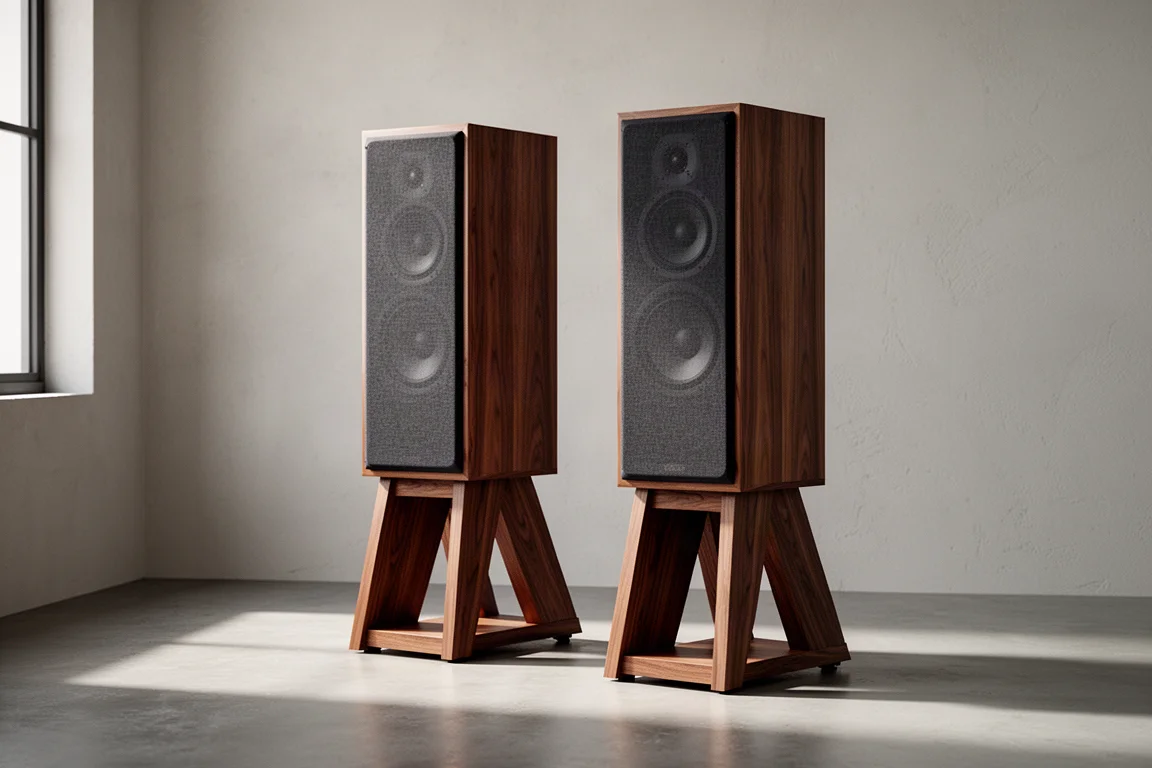
The Super Linton is that new version, and it is more than a cosmetic update. It sells for $2,300 per pair including the matching stands, the same stands supplied with the standard Linton, and those stands include undercarriage storage for a small vinyl collection.
This article covers what actually changed inside the cabinet, how the Super Linton sounds next to the standard Linton, and how it compares with the Monitor Audio Studio 89, a similarly priced alternative.
Wharfedale Super Linton: What Changed Over the Standard Linton
Wharfedale did offer a Super Linton in its early days, but that model was simply a larger cabinet with more bass output. The new Super Linton starts from the same premise and goes considerably further.
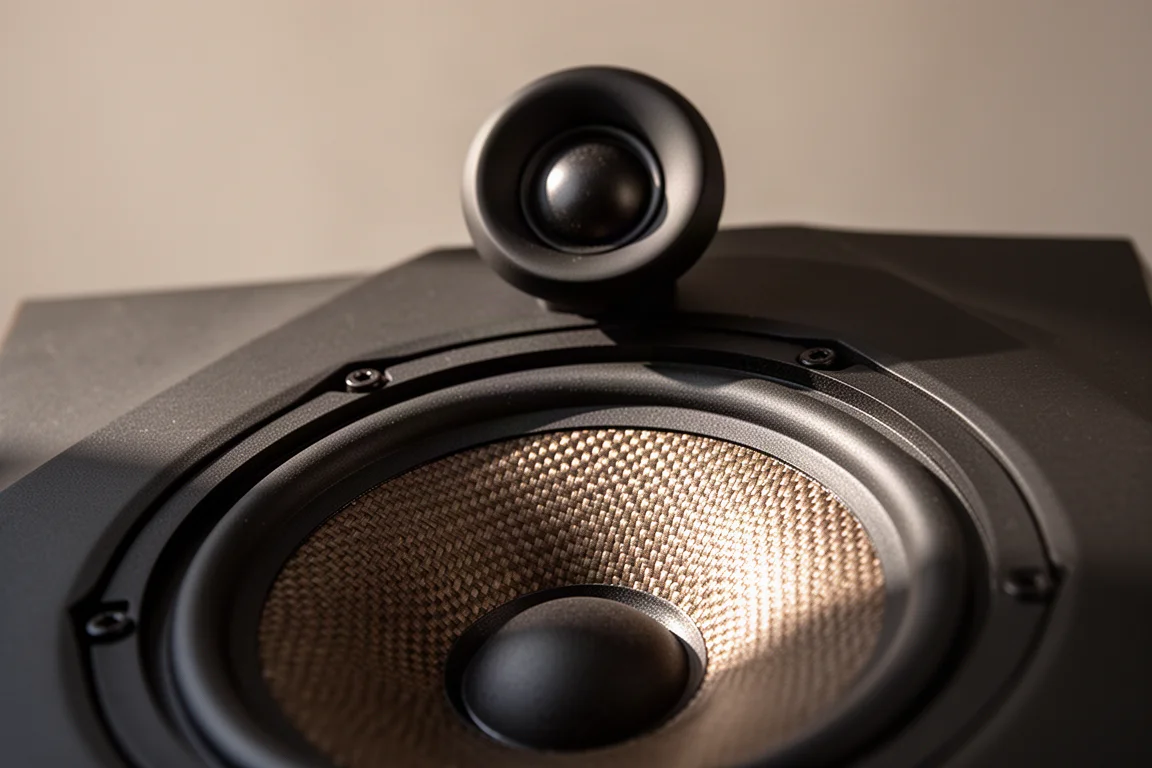
The bass driver keeps its cone but receives an entirely new motor system: more magnet power, a more advanced voice coil and a copper-clad pole piece. The goal is greater drive and sharper transient attack. Because that motor’s specification demanded more internal volume, the cabinet grew 50 mm in height, which also extends low-frequency response. Wharfedale quotes in-room bass extension down to 30 Hz.
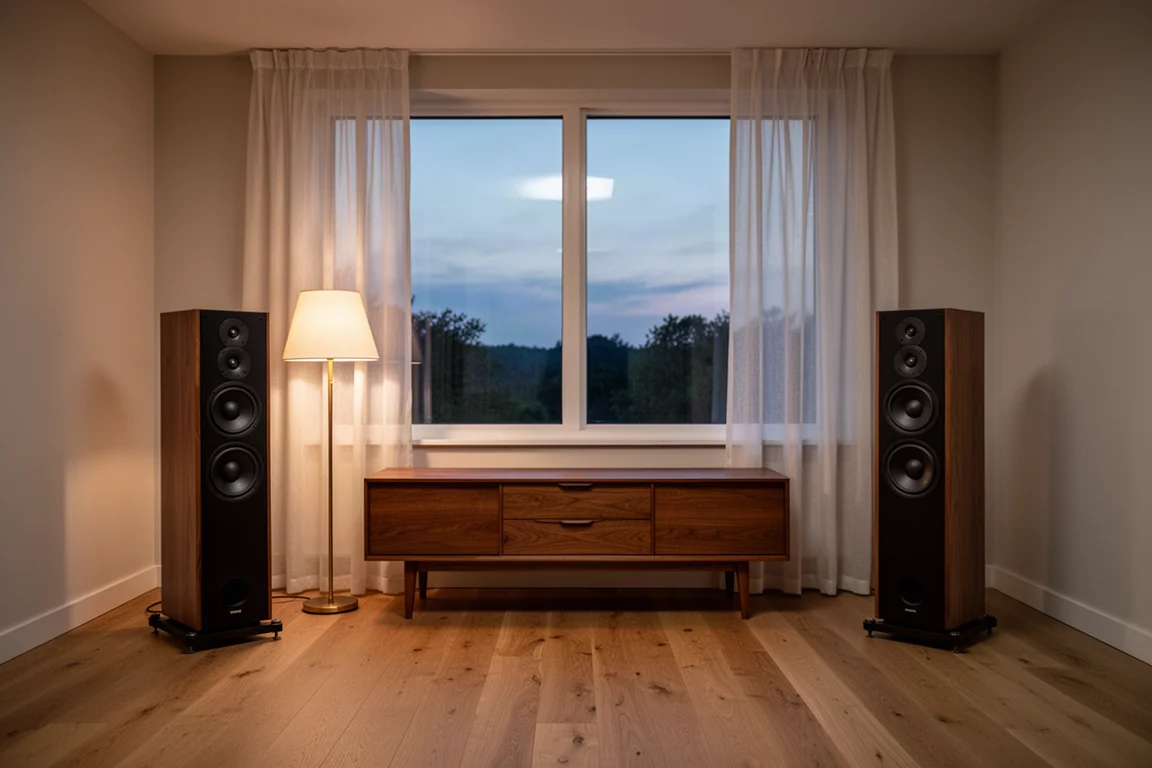
The enclosure is now dual layer, pairing a chipboard layer with an MDF layer and bonding them with a damping layer of glue to keep cabinet coloration low. Acoustic foam is fitted to critical internal panels, with acoustic fibre used where it is the better tool.
Cabinet, Crossover, and Component Upgrades
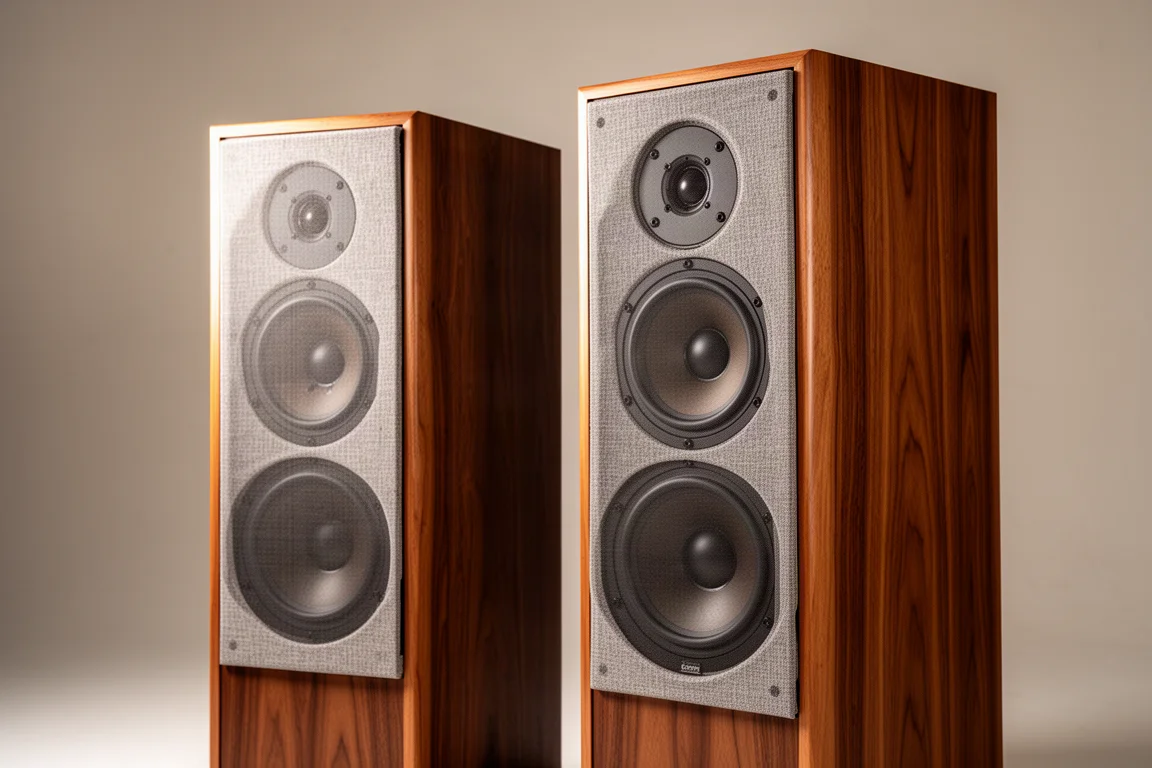
The midrange unit itself is unchanged, but the cavity around it was revisited. Additional damping behind the driver absorbs more of the rear energy coming off the cone, so less of it reflects back through the diaphragm. Treble duties go to the AV version of a tweeter Wharfedale originally developed for its larger Dovedale model, and the crossover was rebuilt around that change. It now spans two boards rather than one, uses low-inductance resistors throughout and the highest-grade polypropylene capacitors Wharfedale considers practical for a commercial loudspeaker.
Wharfedale also reports a few extra decibels of sensitivity compared with the standard Linton, so the Super Linton plays slightly louder from the same input signal. The bass is better damped as well, which Wharfedale says allows the speakers to sit closer to the front wall than the standard Linton comfortably manages. As with the Linton, listening with the grilles fitted is recommended, because the grilles are shaped to reduce edge diffraction from the cabinet.
It is worth keeping one caveat in mind. Frequency response plots do not show a speaker’s off-axis behaviour, and they do not capture the new crossover’s improved driver integration or its better phase response, so the graphs only describe part of what has changed.
Listening Notes: Super Linton Versus the Standard Linton
Across a range of indie, alternative and electronic recordings, the Super Linton comes across as the crisper, cleaner speaker in the treble. Brighter guitar-driven material benefits, and the presence region sounds slightly keener. Through the midrange the newer model edges ahead on clarity, and low bass lands with noticeably more punch, to the point that a subwoofer is unlikely to be needed with the Super Linton in all but the largest rooms. Transient snap is more spirited too.
None of this amounts to a night and day transformation. The differences are audible and consistent, but they are refinements rather than a different character. Imaging is where the gap is easiest to hear: the Super Linton places instruments more precisely in the phantom centre between the speakers, which makes the stereo picture feel more solid and better organised.
The Super Linton is not the most dynamic or the most nimble speaker at its price, but it improves on the standard Linton in both respects. It also behaves better at lower volumes, sounding fuller and more expressive without needing the volume control pushed round. That is a meaningful advantage in a smaller room, where the standard Linton can feel as though it wants more level than the space allows.
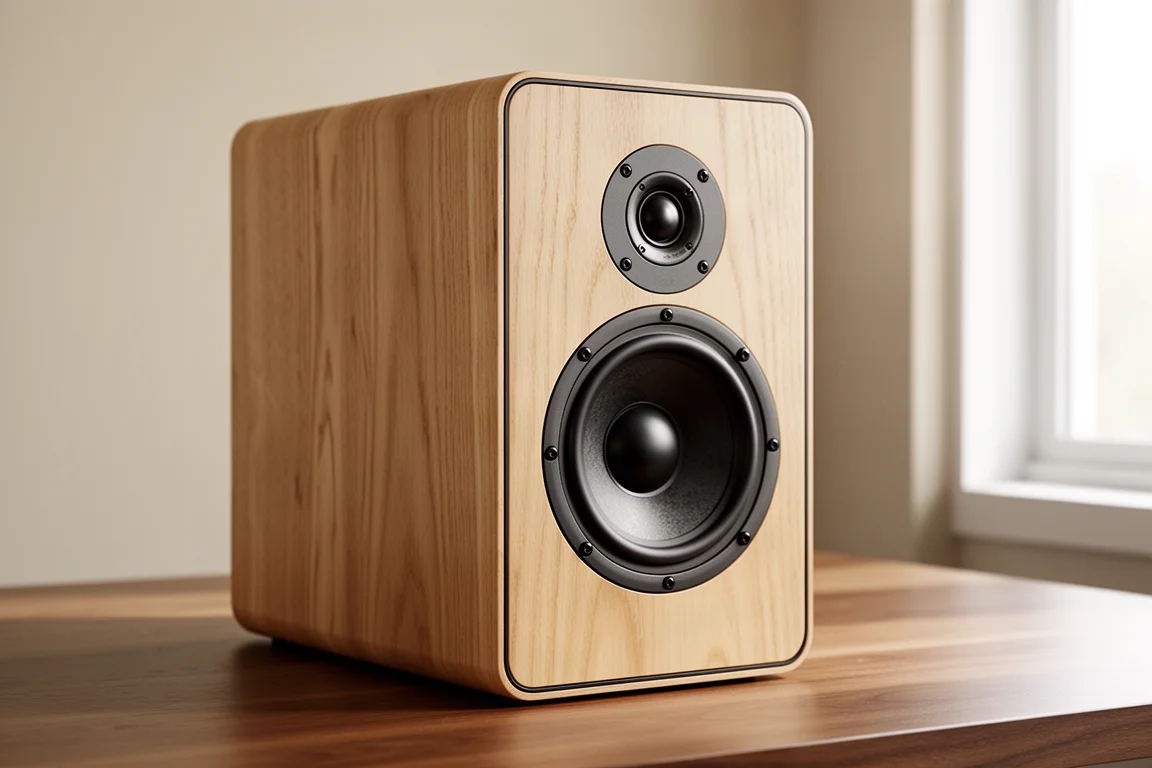
Super Linton Versus Monitor Audio Studio 89
The Monitor Audio Studio 89 sits at a similar price, which makes it the obvious point of comparison. Where the Wharfedale is the more physical and less cerebral of the two, the Monitor Audio takes a leaner, more analytical approach.
The Super Linton throws a bigger soundstage in both height and width, though not necessarily in depth. It also reaches lower in the bass and delivers more dynamic impact, which is unsurprising given a three-way design in a considerably larger cabinet versus the Studio 89’s two-way driver array.
In the other direction, the Studio 89 is the more accomplished speaker at pulling out the finest details from a recording, helped by its AMT tweeter against the Wharfedale’s dome. The gap is not dramatic, and through the midrange the two are close enough that the difference comes down to flavour rather than quality: the Wharfedale can sound a touch thicker, the Monitor Audio a touch faster.
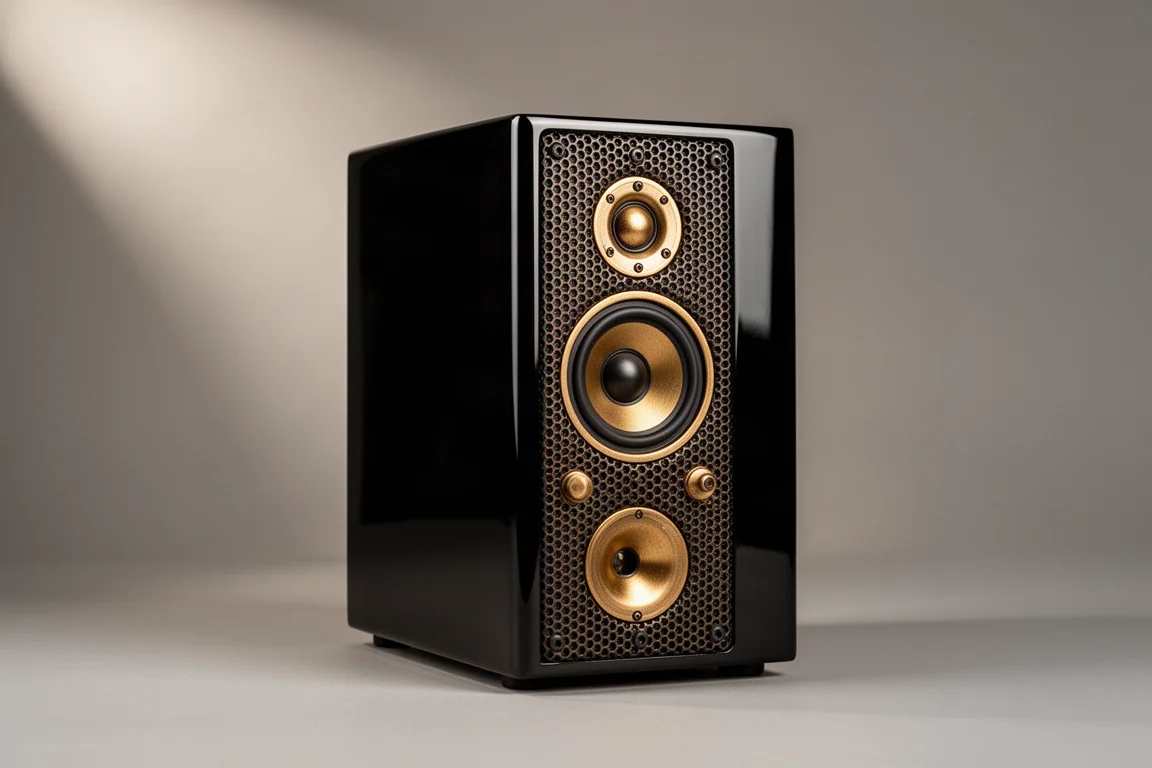
Placement, Room Size, and Volume Behaviour
How a speaker behaves at low volume matters as much as how it performs when pushed, and this is where the two Linton models separate most clearly.
In a larger room, the standard Linton can be driven harder to unlock the dynamics and detail it holds in reserve. In a smaller, more heavily treated room that option is not available, and the Super Linton’s more naturally dynamic and more extended presentation becomes a real practical benefit. It sounds complete at levels that leave the standard Linton feeling a little flat.
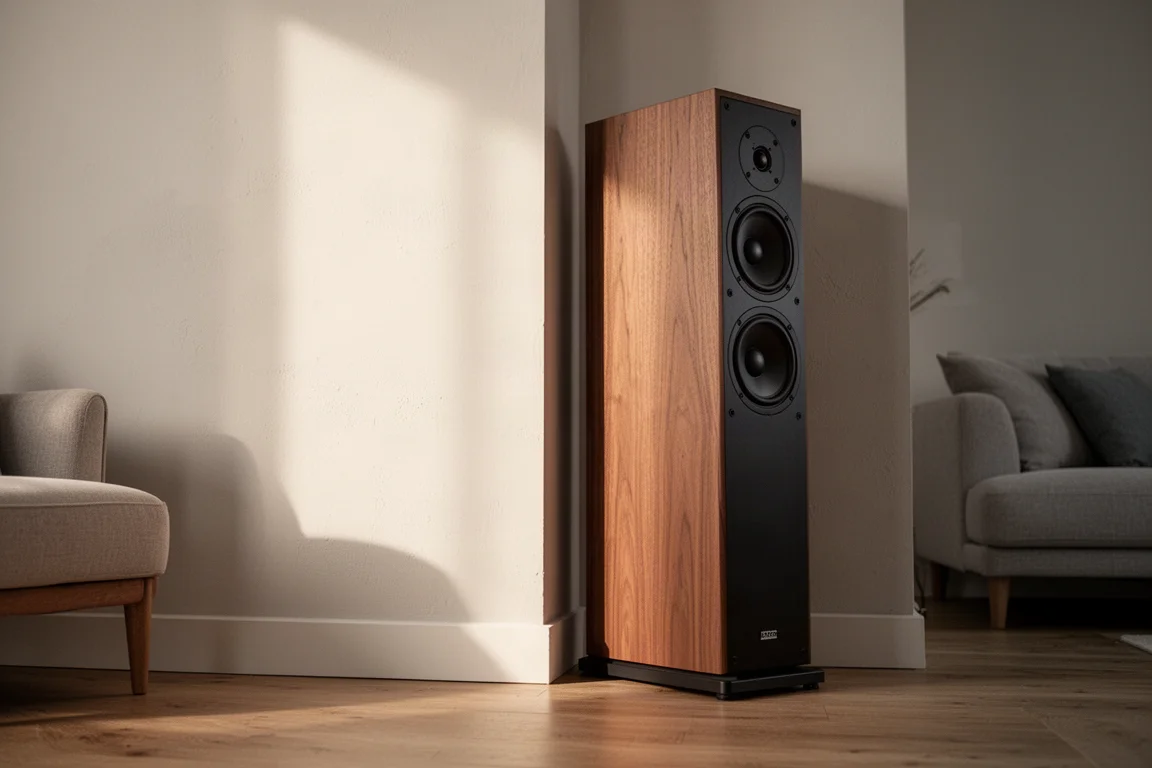
The better-damped bass also makes placement more flexible. Listeners who need to keep speakers relatively close to a front wall are likely to have an easier time with the Super Linton than with the standard model.
Who Each Speaker Suits
The Super Linton is the choice for listeners who want to hear more of what their upstream components are doing. It rewards a decent source and amplification chain, and it is the more revealing of the two Linton models.
The standard Linton remains the more forgiving speaker. It is the better partner for modest source components and for recordings that are not especially well made, and it delivers the core character of the design for considerably less money.
The Monitor Audio Studio 89 suits a different priority altogether. Buyers who value fine detail retrieval and a slightly quicker, leaner presentation will find more to like there than in the Wharfedale’s fuller, more physical sound.
Buying Advice: Is the Extra Spend Worth It?
The Super Linton is the best-sounding Linton. It is not the best-value Linton, and Wharfedale’s own 2019 remake still holds that title. Anyone weighing the upgrade is really deciding whether three things justify roughly $1,000 more.
The first is how much you want to hear further upstream in your system. The second is your own relationship with that sum and how readily you can earn it. The third is how much of a priority hi-fi is in your life. Those answers differ from person to person, and they should.
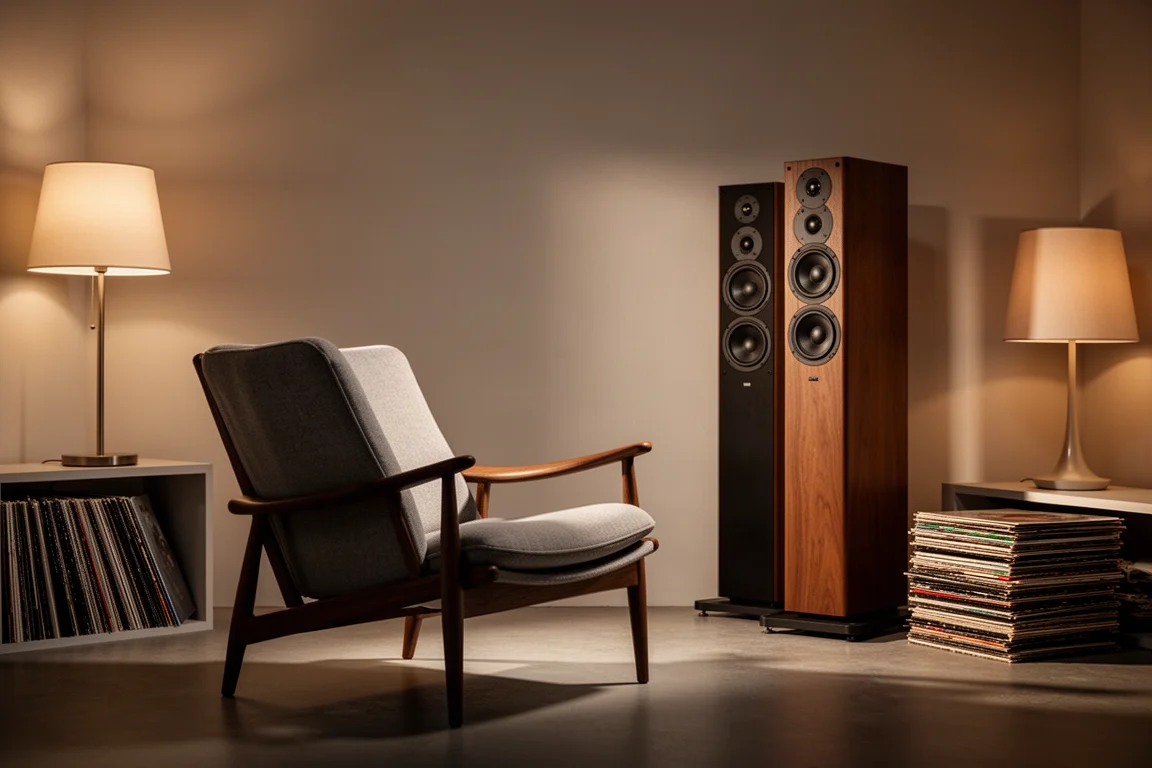
It is also worth remembering how to read a comment that says a product is too expensive or not worth the extra. Those statements usually mean “too expensive for me” or “not worth the extra to me”, not a universal verdict. The standard Linton and the Super Linton can both be the right answer, just for different listeners.
Conclusion
The Super Linton takes a well-loved design and sharpens it in the areas that matter most: bass extension and damping, midrange clarity, transient snap and stereo precision. It costs more, and it asks more of the rest of the system, but it also delivers more at low volumes and in smaller rooms.
The standard Linton remains the value pick, and it is the more tolerant of imperfect recordings. The Monitor Audio Studio 89 remains the detail specialist at a similar price. Choose according to what your room, your source chain and your listening habits actually demand.
Further reading
Related Reviews
Hi-Fi Speakers
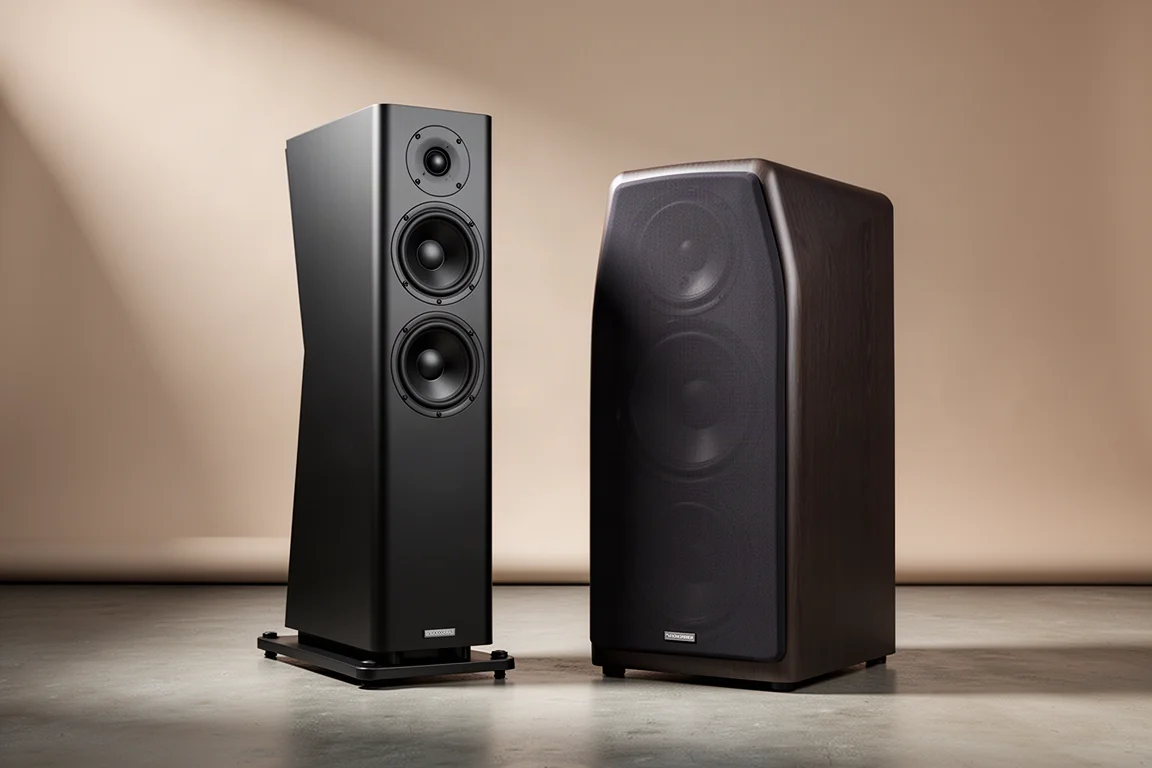
1723 THX Tower vs 1528 Bookshelf: Which Speaker Fits Your Room?
Two speakers at roughly the same price, built very differently. How the 1723 THX tower and the 1528 bookshelf compare on construction, bass, power needs, and sound.
Hi-Fi Speakers
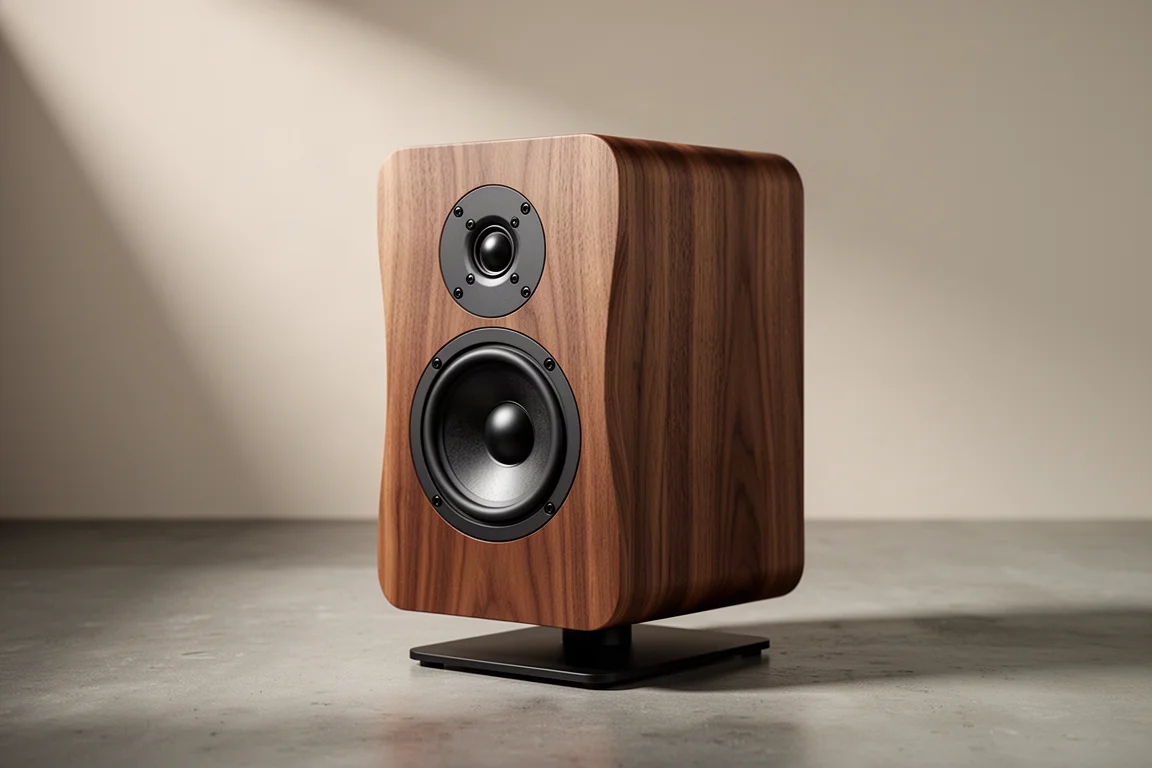
Acoustic Energy AE 300 Review: Deep Bass From a Compact Standmount
A two-way standmount with real wood veneer, surprising low-end weight, and a warm, easygoing character. Here is what to know before buying.
Hi-Fi Speakers
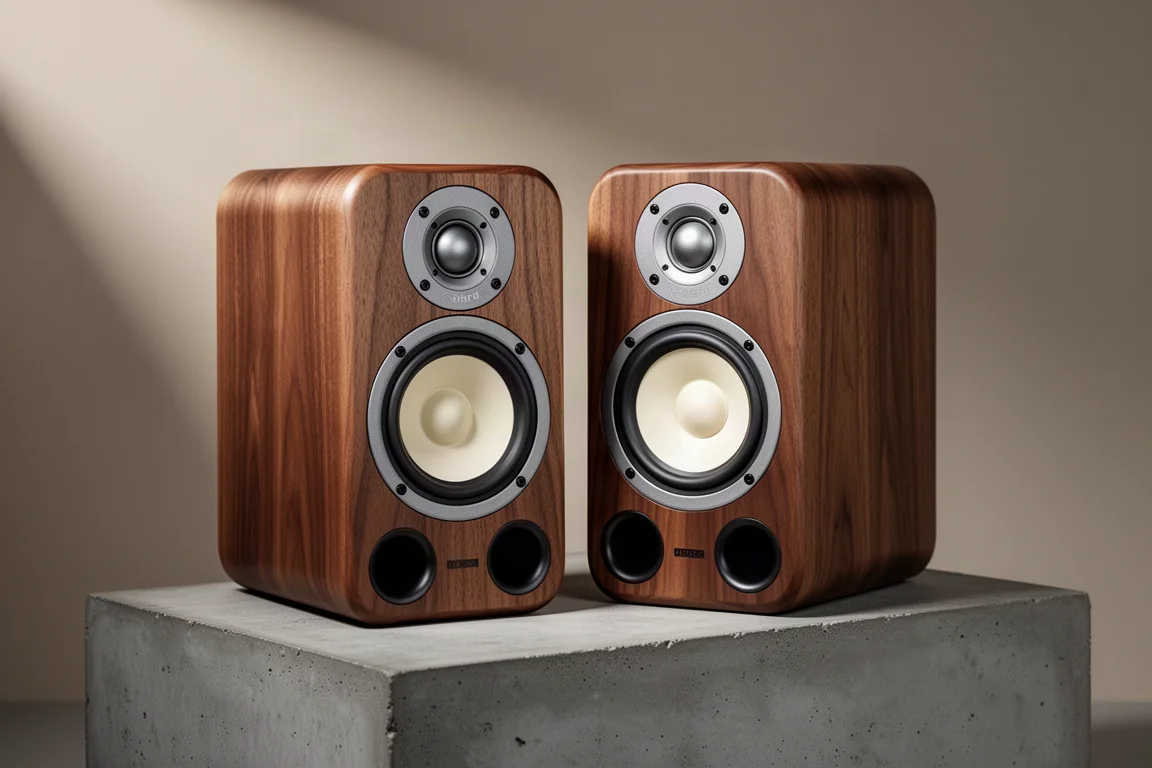
Acoustic Energy AE1 40th Anniversary Review: A Modern Take on a British Classic
A compact standmount that revives a 1980s favorite with all-new parts, a warm mid-centric balance, and a price of £1,499 per pair.