Hi-Fi Speakers
Wharfedale Linton vs MoFi SourcePoint 8 vs ELAC Debut Reference: Three Speakers, Three Budgets
A practical comparison of three standmount speakers at three price points, covering detail, soundstage, bass, dynamics and what each one demands from your amplifier.
Introduction
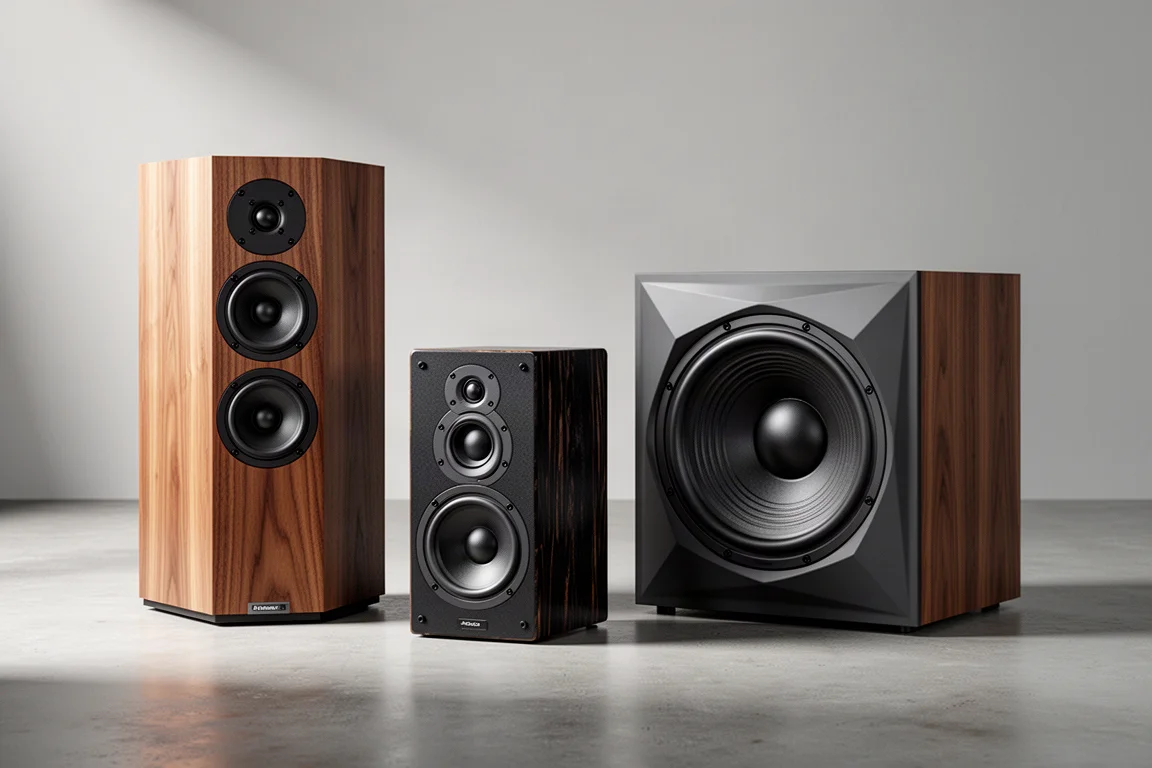
Standmount speakers reveal a lot about what a designer prioritises. The Wharfedale Linton, the MoFi SourcePoint 8 and the ELAC Debut Reference DBR62 occupy three very different price brackets, and each one trades something away to gain something else, whether that is clarity, scale or easy system matching.
Two of them, the MoFi SourcePoint 8 and the ELAC Debut Reference, come from the same designer, Andrew Jones. The Wharfedale Linton comes from a different tradition, and it sounds like it.
The prices set the frame. The Linton runs about $1,500 including its stands, which represents roughly a $500 saving over buying them separately. The SourcePoint 8 sits around $3,000 with stands, or $250 less if you skip them. The DBR62 lists at $700 and regularly drops to around $500 to $550 on sale. The interesting question is whether the most expensive of the three is twice as good. Sonically it is not a simple multiple. It is a different presentation.
What Sets These Three Speakers Apart
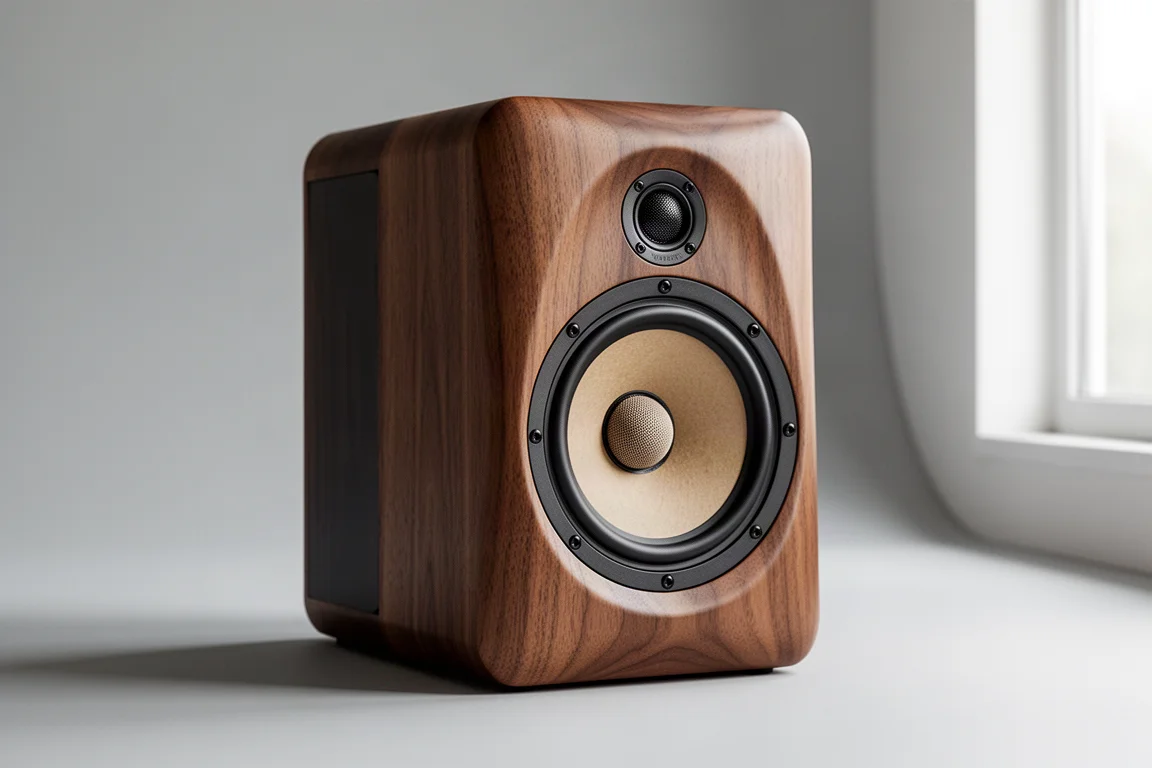
The Linton is the most sensitive of the three at 90 dB, with a nominal 6 ohm load and a recommended power range of 25 to 200 watts. That makes it the easiest to drive and the most forgiving of modest amplification. It uses an 8 inch woven Kevlar woofer, a 5 inch woven Kevlar midrange and a 1 inch woven textile soft dome tweeter in a cabinet measuring 22 inches high, 14 inches deep and 12 inches wide, at 40.5 pounds each. Frequency response is quoted at 40 Hz to 20 kHz, plus or minus 3 dB, with twin rear firing ports.
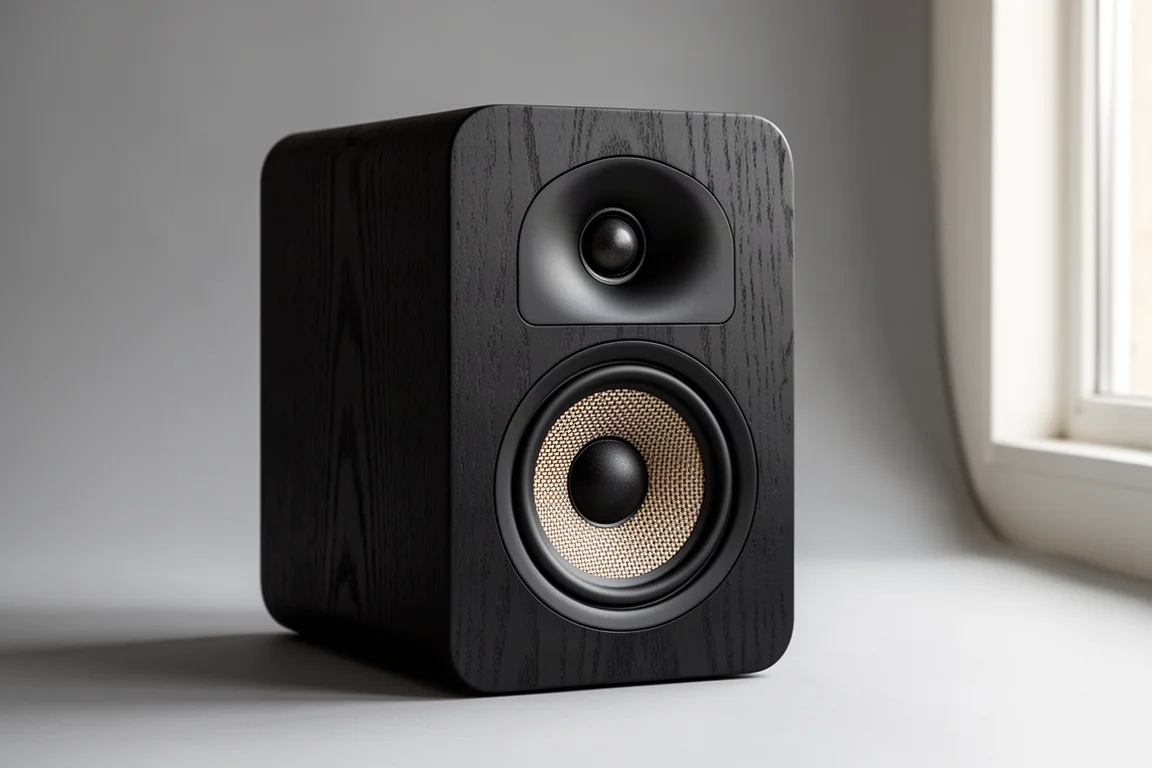
The MoFi SourcePoint 8 builds its whole design around a single 8 inch twin drive concentric driver with a 1.25 inch soft dome tweeter at its centre, set into a faceted front baffle. It is quoted at 47 Hz to 30 kHz with 87 dB sensitivity and a nominal 8 ohm load, in a cabinet just over 11.5 inches wide and weighing 27.9 pounds.
The ELAC Debut Reference DBR62 pairs a 6.5 inch aramid fibre woofer with a 1 inch cloth soft dome tweeter, quoted at 44 Hz to 35 kHz with 86 dB sensitivity and a nominal 6 ohm load. At 18 pounds each in a vinyl wrapped cabinet, it is the smallest and the hardest of the three to drive.
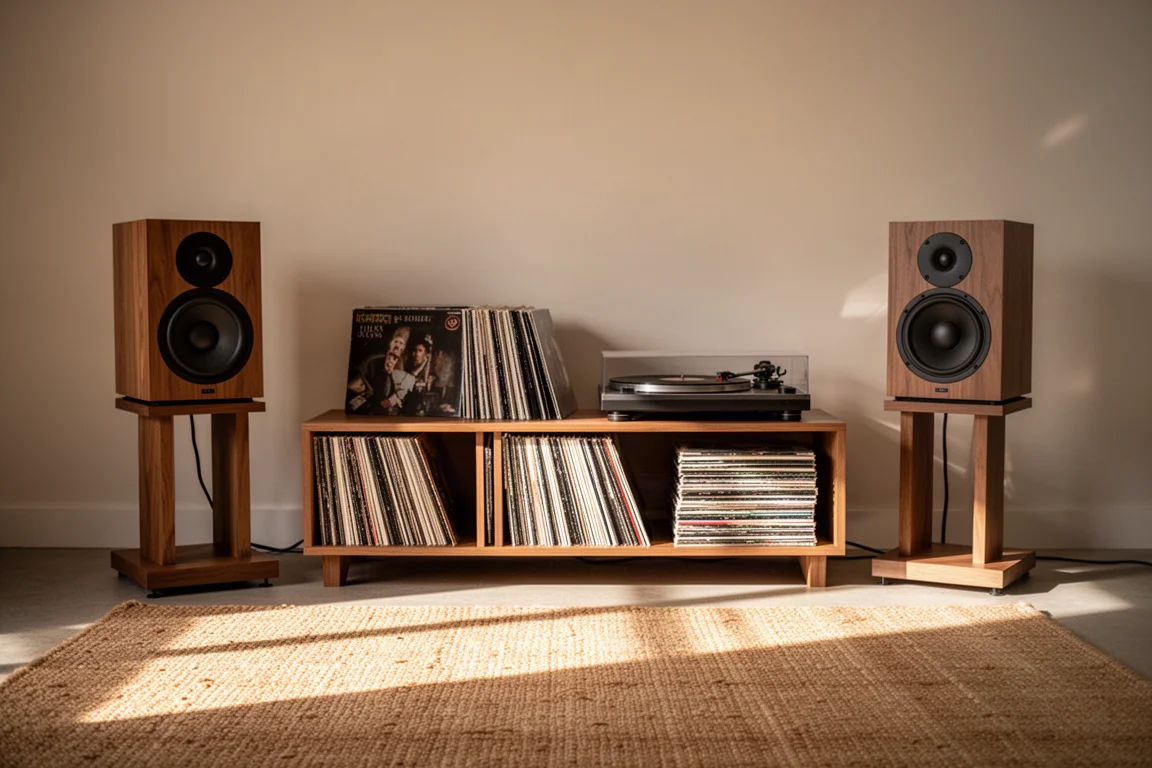
Sensitivity only tells part of the story. The rest of it comes down to how each speaker handles detail, dynamics and space.
Wharfedale Linton: The Relaxed British Sound
The Linton is a laid back speaker. Its midrange and top end are relaxed rather than forward, which means vocals and cymbals sit slightly further back than they do on the other two. Anyone chasing the sharpest possible articulation of a female vocal will hear the difference immediately, and there is no way to argue the Linton into being a detail first design.
What it does better than either rival is scale. On dense, layered material it produced the biggest and tallest soundstage of the three, and it kept individual instruments more clearly separated, from the drum kit to the voice to orchestral percussion. It also locked in a stable centre image with almost no adjustment, which is unusual for a speaker this size. Bass rolls off lower than the other two on paper, and it resolves more texture within bass lines, even though it does not hit as hard.
If your budget is around $1,500 and you already know you enjoy a warm, unhurried presentation, this is the one to look at. A touch of EQ, or a leaner and more detail forward amplifier, can offset the soft top end nicely.
ELAC Debut Reference DBR62: Value With a Caveat
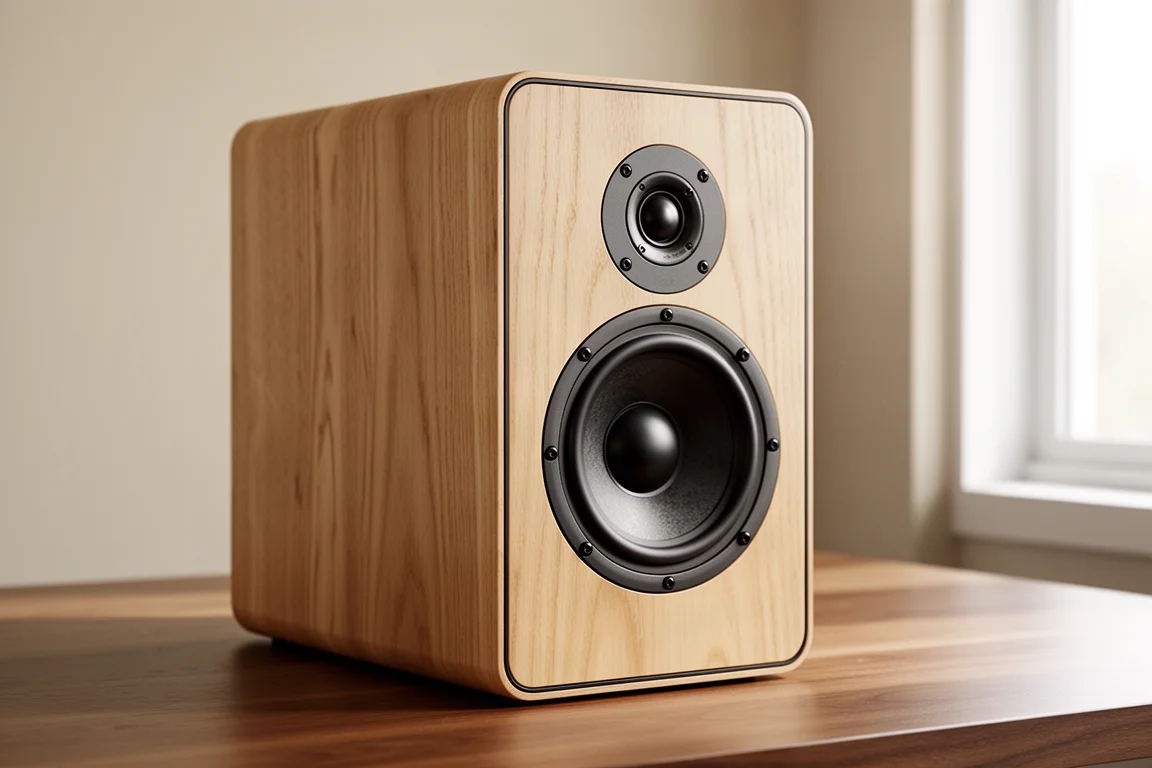
At $700, and often closer to $500 to $550 on sale, the DBR62 is the value play of the group. It delivers more perceived clarity than the Linton, particularly through the midrange, and its bass presence is surprisingly close to speakers costing far more.
The caveat is amplification. At 86 dB it is the hardest of the three to drive, and its treble only really comes alive at higher listening levels, roughly 80 dB and above. Given enough headroom it sounds noticeably more dynamic than the Linton. Driven gently it can feel flat and restrained.
On the busiest, most complex material it could not quite keep up with the Linton’s three driver configuration, and its centre image sat slightly forward of the others. The cabinet is finished in vinyl rather than wood, which matters if the Linton’s furniture grade looks are part of the appeal.
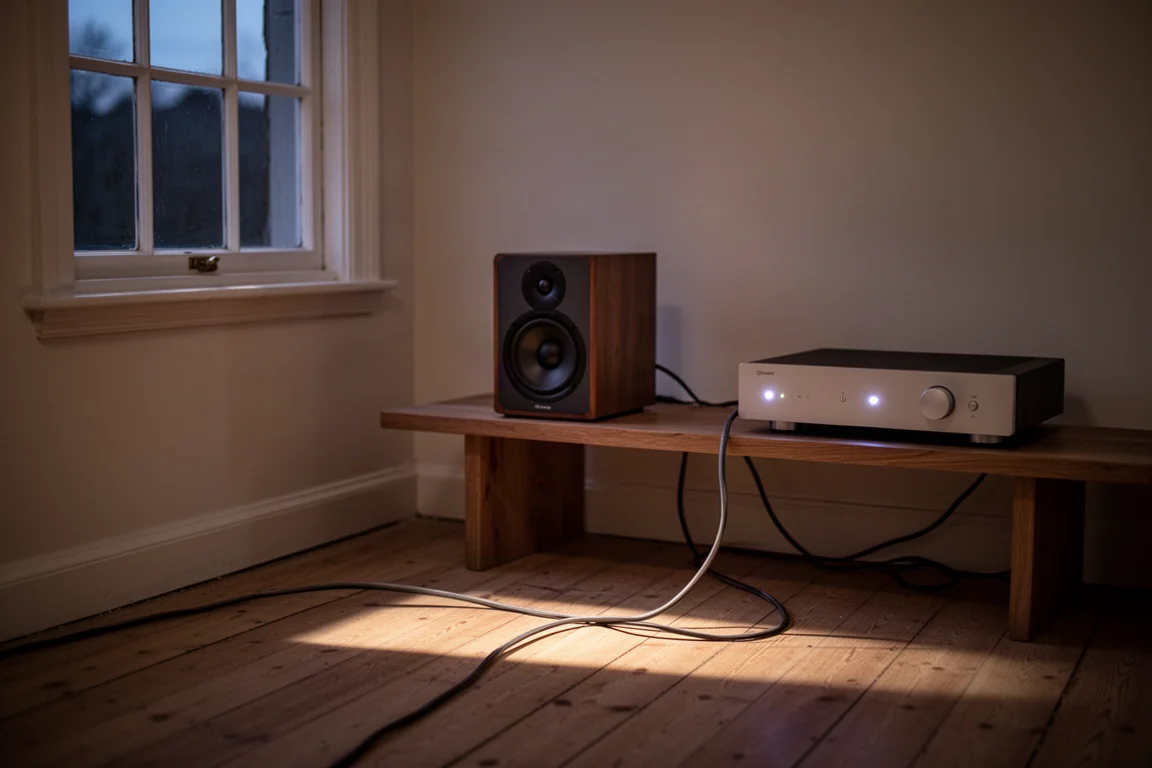
For a smaller room and an amplifier with real current on tap, it is a great deal of speaker for the money.
MoFi SourcePoint 8: The Detail Leader
The SourcePoint 8 is the most informative of the three. More detail simply arrives at the listening position: vocals sound less veiled, drum hits are more cleanly defined, and the fore and aft layering of a recording is easier to follow. Its bass hits harder than the Linton’s, even though it rolls off higher on paper at 47 Hz against 40 Hz.
Its centre image sat slightly further back than the Linton’s, which toe in and placement work can address. It is also the least fussy about partnering equipment, so it tends to sound consistent across a wider range of amplifiers than either of the other two.
That consistency and detail come at roughly $3,000 with stands, or $250 less without them. It is not twice the speaker the Linton is, but it is a distinctly different one, and for most listeners it is the option they will prefer.
Soundstage, Bass, and Dynamics Compared
Pull the three together and clear patterns emerge. The Linton wins on soundstage height and width, centre image stability and instrument separation. The SourcePoint 8 wins on depth accuracy, top end clarity and bass punch. The DBR62 sits between them, closer in character to the Linton than to the SourcePoint 8, with a slightly forward centre image and dynamics that improve as the volume rises.
On bass, the Linton rolls off lower and resolves more texture, the SourcePoint 8 hits harder, and the DBR62 has about as much presence as the Linton. On complex, heavily layered tracks the Linton’s three drivers held the arrangement together best, while the SourcePoint 8 surfaced more information from the top end. The DBR62 sounded a little more dynamic than the Linton in places, but it could not match the Linton’s separation of drums, vocals and percussion.
Matching Amplifiers and Partnering Equipment
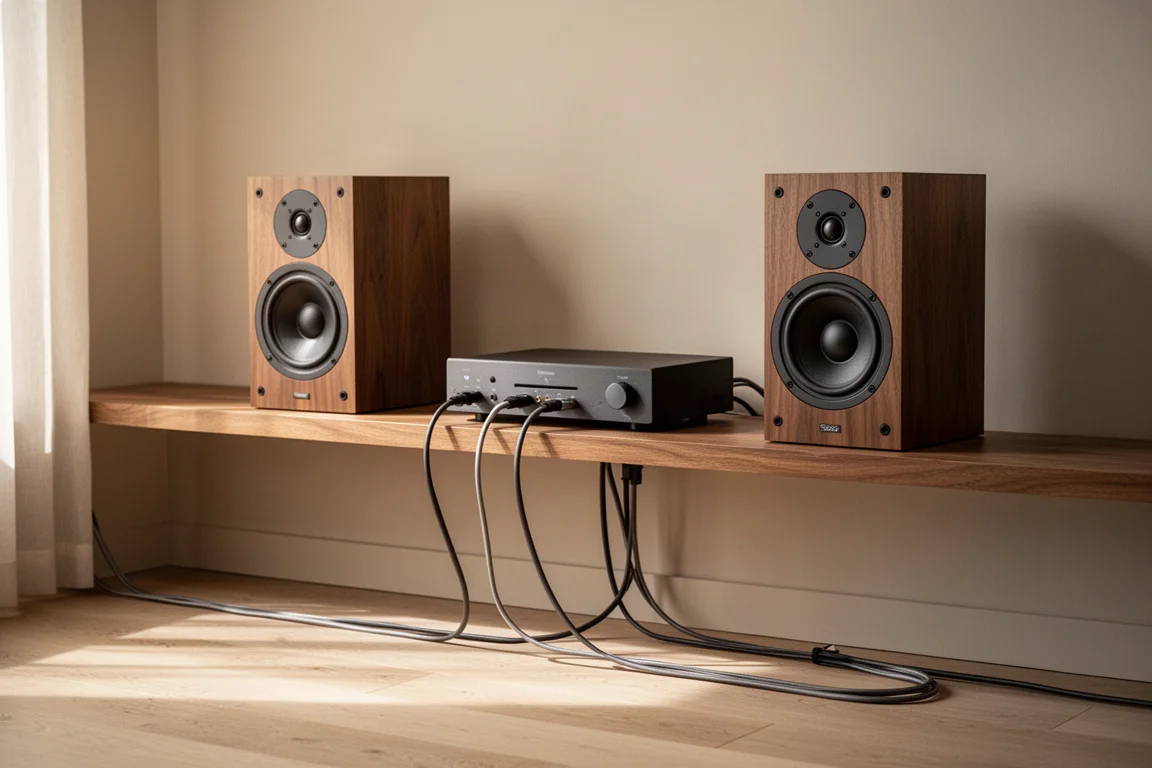
Amplifier matching matters more here than the price tags suggest. The DBR62 benefits most from a high current amplifier with genuine headroom, because its 86 dB sensitivity asks more of the amp than the other two. The Linton’s relaxed top end responds well to a lean, detail forward integrated amplifier or a thinner sounding DAC, plus some gentle EQ. The SourcePoint 8 is the least demanding of the three and will stay consistent across a wider range of systems.
Whichever you choose, matching playback levels carefully will tell you far more about a speaker than a quick swap at different volumes.
Buying Advice: Which Speaker Fits Your System
Start with the amplifier you already own. If its output is modest, the Linton’s 90 dB sensitivity makes it the safe choice, and $1,500 including stands is a fair price for this much scale and this much bass detail.
If you have power on tap and want the most clarity per dollar, the DBR62 at $700 is compelling, especially when it drops to $500 to $550. It will not flatter a low powered amp, so be honest about what is driving it.
If the budget stretches to around $3,000 and you want the most detail with the least system matching work, the SourcePoint 8 is the straightforward answer. If only one could be kept, it would be that one.
None of the three is a poor buy. They simply reward different priorities, and the wrong match between speaker and amplifier will cost you more enjoyment than the wrong price bracket.
Conclusion
All three are good speakers that scale sensibly with their prices. The Linton offers scale, a relaxed signature and excellent instrument separation for around $1,500. The DBR62 gets you much of that character for around $700, provided you can feed it power and listen at reasonable levels. The SourcePoint 8 delivers the most detail and the fewest matching headaches for around $3,000.
The DBR62 and the Linton sound the most alike of the three, so if you like one and want to spend less, the other is the natural place to look next.
Further reading
Related Reviews
Hi-Fi Speakers
1723 THX Tower vs 1528 Bookshelf: Which Speaker Fits Your Room?
Two speakers at roughly the same price, built very differently. How the 1723 THX tower and the 1528 bookshelf compare on construction, bass, power needs, and sound.
Hi-Fi Speakers
Acoustic Energy AE 300 Review: Deep Bass From a Compact Standmount
A two-way standmount with real wood veneer, surprising low-end weight, and a warm, easygoing character. Here is what to know before buying.
Hi-Fi Speakers
Acoustic Energy AE1 40th Anniversary Review: A Modern Take on a British Classic
A compact standmount that revives a 1980s favorite with all-new parts, a warm mid-centric balance, and a price of £1,499 per pair.