Hi-Fi Speakers
Wharfedale Linton Review: A Vintage-Inspired Standmount Worth Hearing
A vintage-styled standmount with genuine bass weight, an easy-going treble, and stands that double as vinyl storage.
Introduction
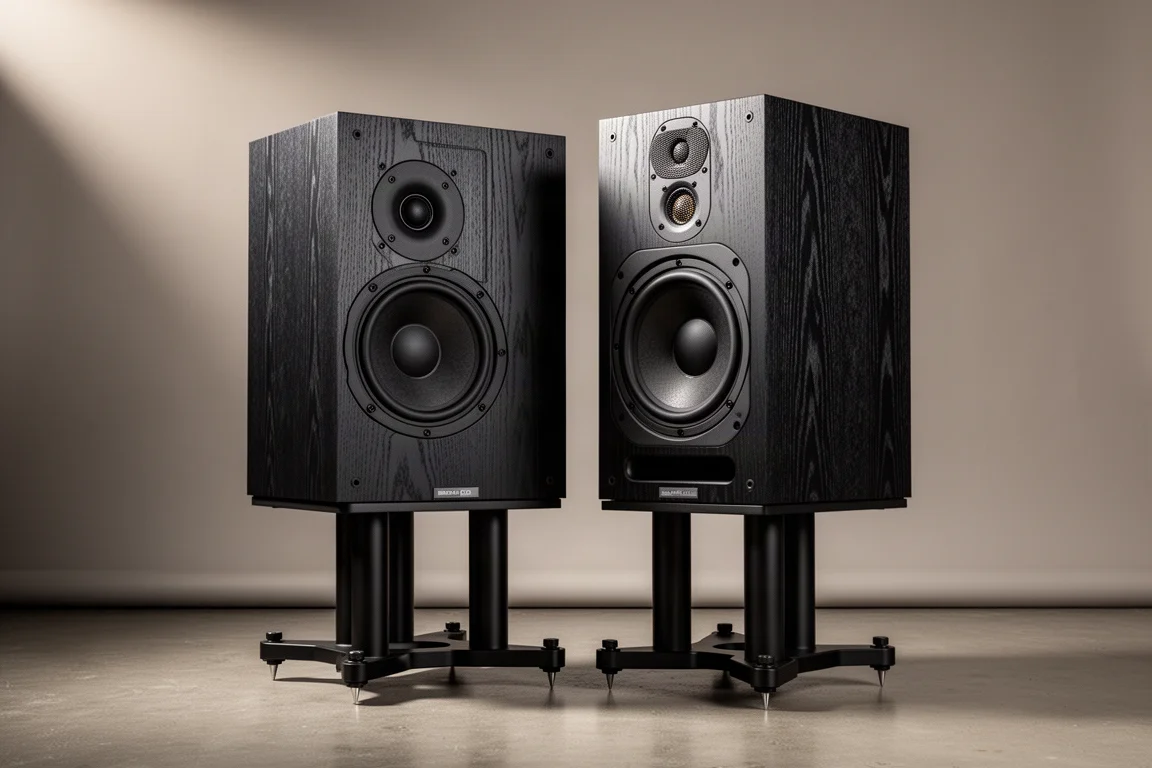
The Wharfedale Linton is a standmount loudspeaker that makes no attempt to hide its heritage. It was created to mark 85 years of the Wharfedale name, drawing on a 1970s design and rebuilding it around modern drivers, a modern crossover, and a modern cabinet. The vintage silhouette stays; everything behind the grille is contemporary.
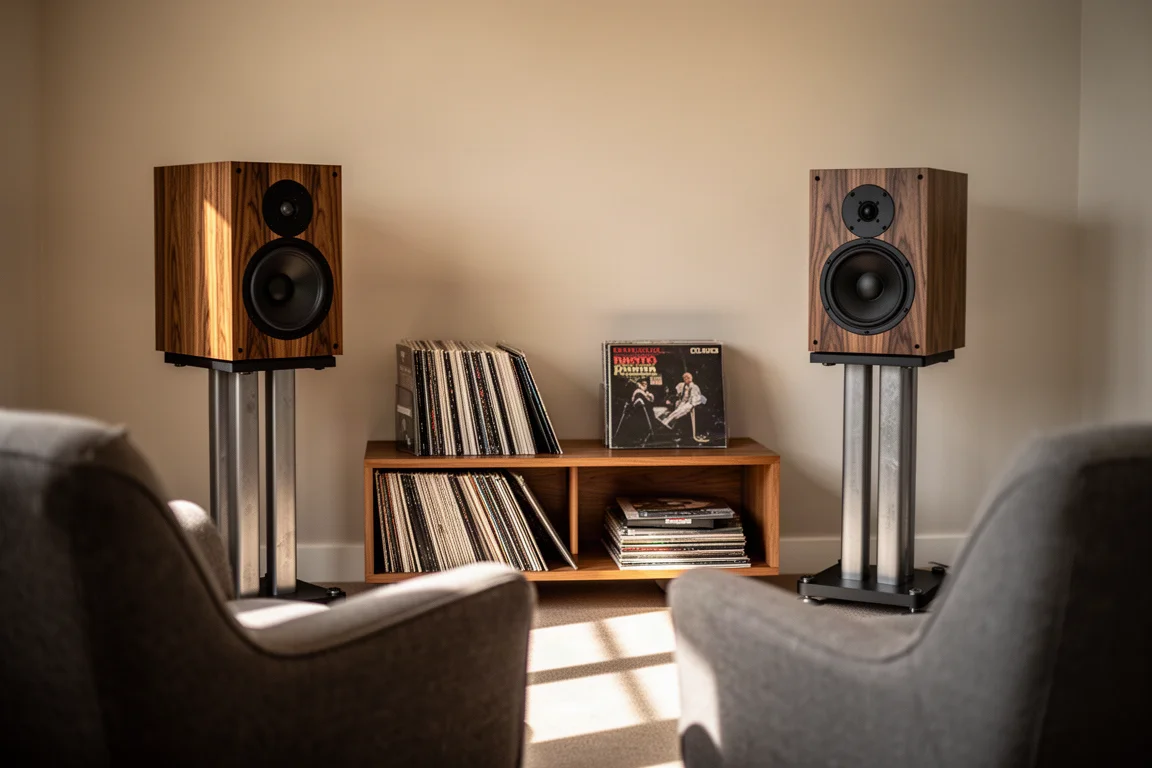
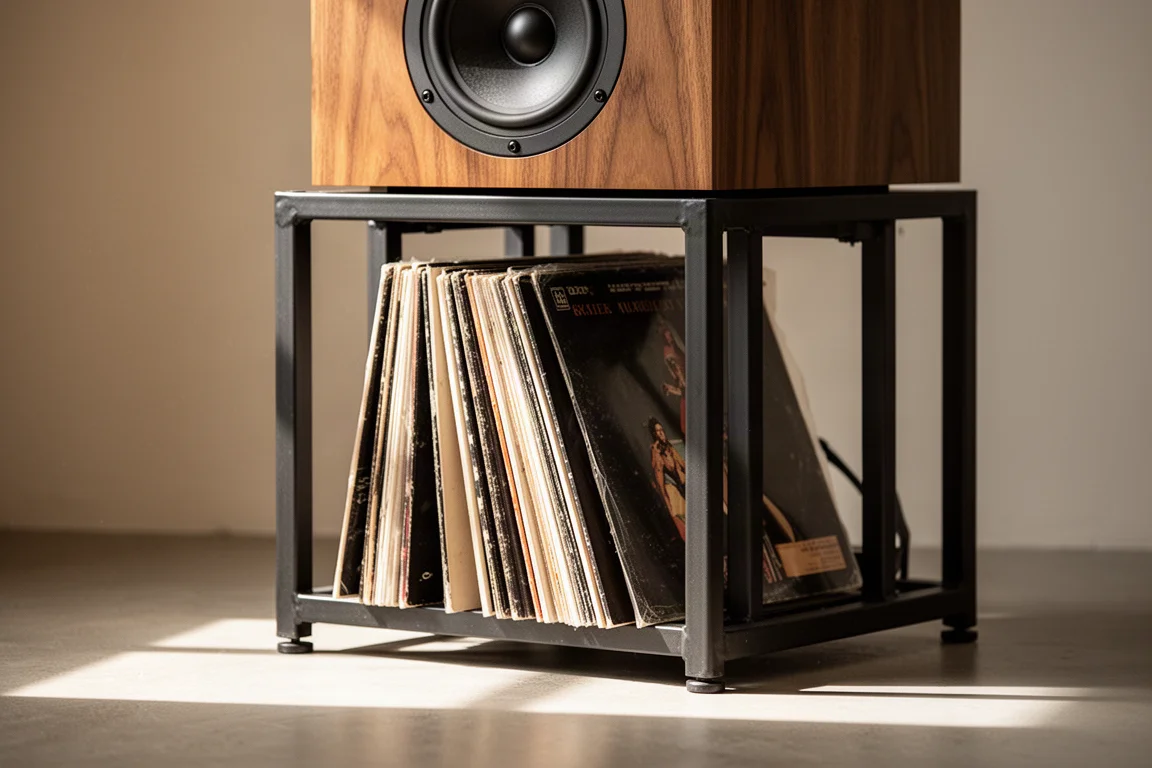
A pair arrives with its own matching stands, and those stands are one of the smartest details here: their slatted bases double as vinyl storage, something more manufacturers could reasonably copy. The package price sits at around €1,200 for both speakers and both stands, which places the Linton in a competitive bracket where finish and character matter as much as outright resolution.
Who This Speaker Is For
The Linton suits listeners who value long, unfatiguing sessions over forensic detail. Its easy-going nature makes it possible to play music for hours without wanting to change anything, which is a rare quality at any price. It is also a strong option for anyone building a first serious system, because it is forgiving of the electronics feeding it and it looks at home in an ordinary living room rather than a dedicated listening den.
Room size matters too. The Linton sounds big in all directions, so it is a comfortable fit for larger spaces. Listeners in smaller rooms may find more precise alternatives, but the Linton will not embarrass itself in a modest setup.
Main Strengths
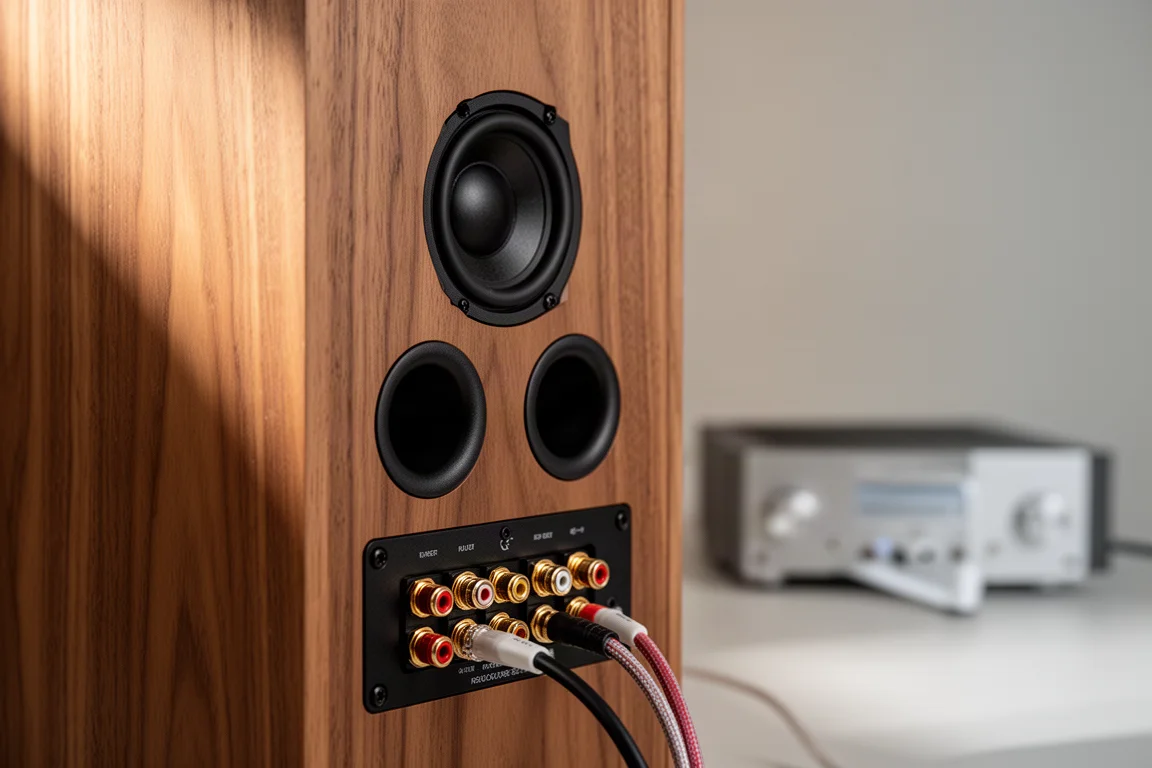
The low end is the headline. A 20 cm Kevlar bass driver, working with two rear ports and a 12.5 cm Kevlar midrange driver, produces a present, weighty bass with a mid-bass that is thicker than average. Kick drums land with real thump, and the midrange adds solidity to the phantom centre between the speakers, giving male vocals in particular extra body. Voices with grit and gravitas benefit most.
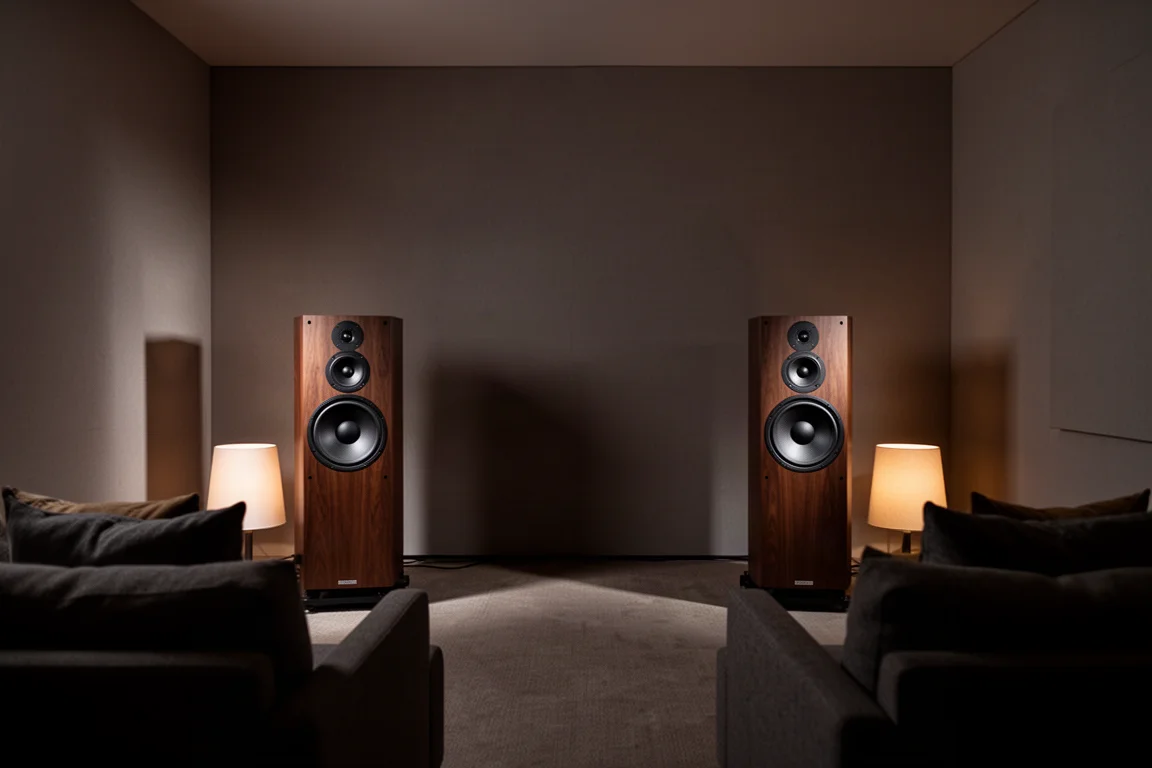
Fit and finish are excellent for the money. The cabinets use high-density chipboard sandwiched between two layers of MDF, and the walnut veneer and dark grilles look convincingly like furniture rather than equipment. That matters, because loudspeakers are furniture whether we admit it or not.
Sound Character and Long Listening Sessions
The treble is the trade-off. A 25 mm soft dome tweeter, offset slightly to break up the symmetry of edge diffraction, delivers a top end that is a touch rolled off compared with brighter rivals. There is less hall ambience, less air, and less sparkle up top than some speakers at this price deliver.
What you get in return is a speaker that never turns harsh. Even at volume, the Linton refuses to bite, and that makes it unusually well suited to modern pop, rock, and hip-hop, where mastering often leaves little dynamic headroom. Removing the grilles opens up the top end a little, although Wharfedale recommends listening with them in place.
How the Linton Compares With Brighter, More Analytical Speakers
The contrast with a livelier design such as the Monitor Audio Silver 100 7G is instructive. That speaker offers a zippier treble and greater clarity, and its extra transparency in the upper midrange makes rhythmic detail easier to follow. The Linton smooths some of that detail over.
The Linton answers with scale and weight: a bigger soundstage in every direction, a more emphatic bass punch, and a more balanced presentation on dense, edgy recordings. It is also far less likely to make you wince when you turn the volume up. Think of the difference between a smaller, richly saturated display and a much larger projected image: one is sharper, the other is more engulfing. The Linton is the projector.
Things to Consider Before Buying
The grilles are stiff to remove the first time. They loosen up with use, but prying at them with a tool can mark the veneer, so patience is advisable.
Imaging is also not the most precise available at this price, and listeners who chase pinpoint placement may prefer a more analytical speaker. The top end is gentle rather than sparkling, so anyone who prioritises air and treble detail should weigh that carefully.
Finally, consider the room. In most spaces the Linton will not send you shopping for a subwoofer, but a very large room may still leave you wondering whether one would help.
Amplifier Matching and Room Considerations
The Linton is unusually accommodating. It pairs happily with brighter-sounding electronics, and it will not punish the inexpensive Class D amplifiers that tend to sound forward. Warmer amplifiers are the one pairing to avoid, since the combination can tip the balance too far in that direction. Cambridge Audio, Rotel, and Marantz amplifiers are sensible partners, and around 40 to 50 watts is a reasonable minimum.
Larger listening rooms suit the Linton best. Its scale and bass weight fill a big space convincingly, and that is where the design makes the strongest case for itself.
Buying Advice
If you are new to hi-fi and slightly overwhelmed by the number of standmount speakers near this price, the Linton is a sensible place to start and a useful benchmark for everything you hear afterwards. Its combination of looks, forgiving character, and substantial bass makes it easy to live with, and it is unlikely to send you shopping for a subwoofer.
Buy it if you want a speaker that settles into a room, plays nicely with modest electronics, and keeps you listening for hours. Look elsewhere if your priority is the last word in treble detail, pin-sharp imaging, or a compact footprint.
Conclusion
The Wharfedale Linton has a clear personality: physical rather than cerebral, generous rather than forensic. Its vintage styling is backed by a modern driver complement, its stands earn their floor space as record storage, and its forgiving top end makes it a safe match for a wide range of amplifiers. At around €1,200 for the pair with stands, it is hard to go wrong with, particularly in a larger room where its scale can breathe.
Product link
View more details for Wharfedale Linton
This product is mentioned in the review. Check the specifications, options, and compatibility before buying.
View more details for Wharfedale LintonFurther reading
Related Reviews
Hi-Fi Speakers
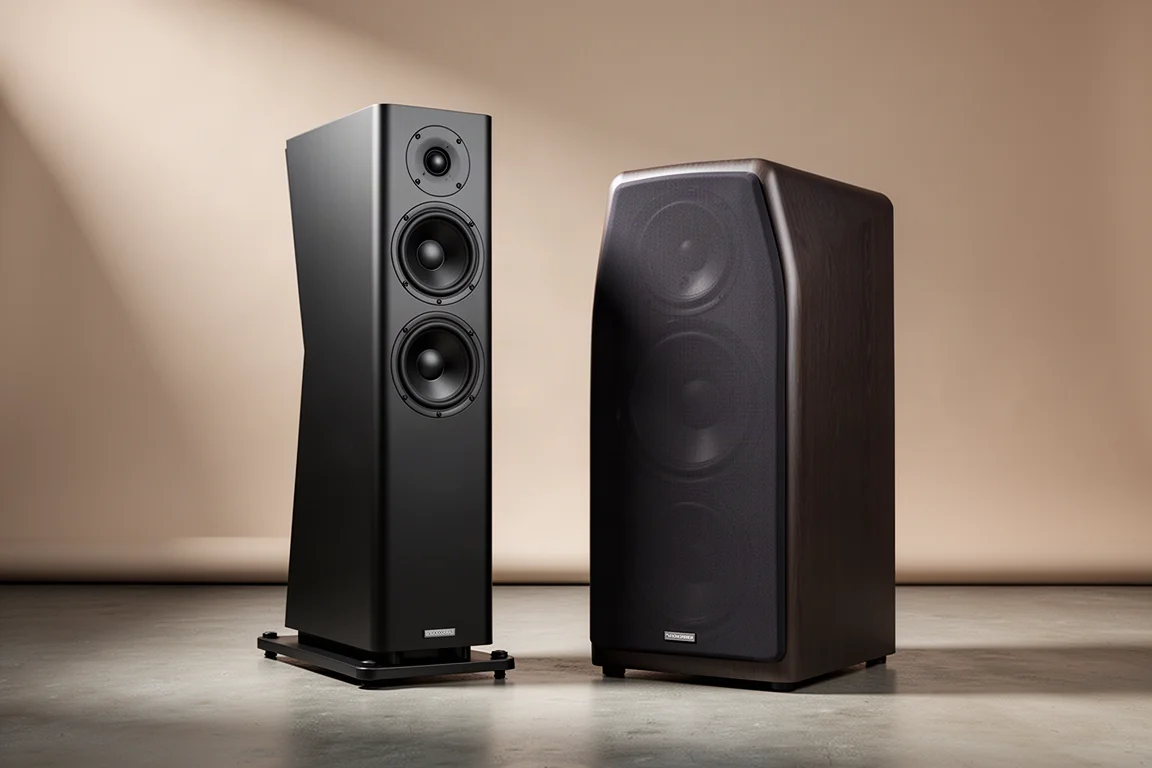
1723 THX Tower vs 1528 Bookshelf: Which Speaker Fits Your Room?
Two speakers at roughly the same price, built very differently. How the 1723 THX tower and the 1528 bookshelf compare on construction, bass, power needs, and sound.
Hi-Fi Speakers
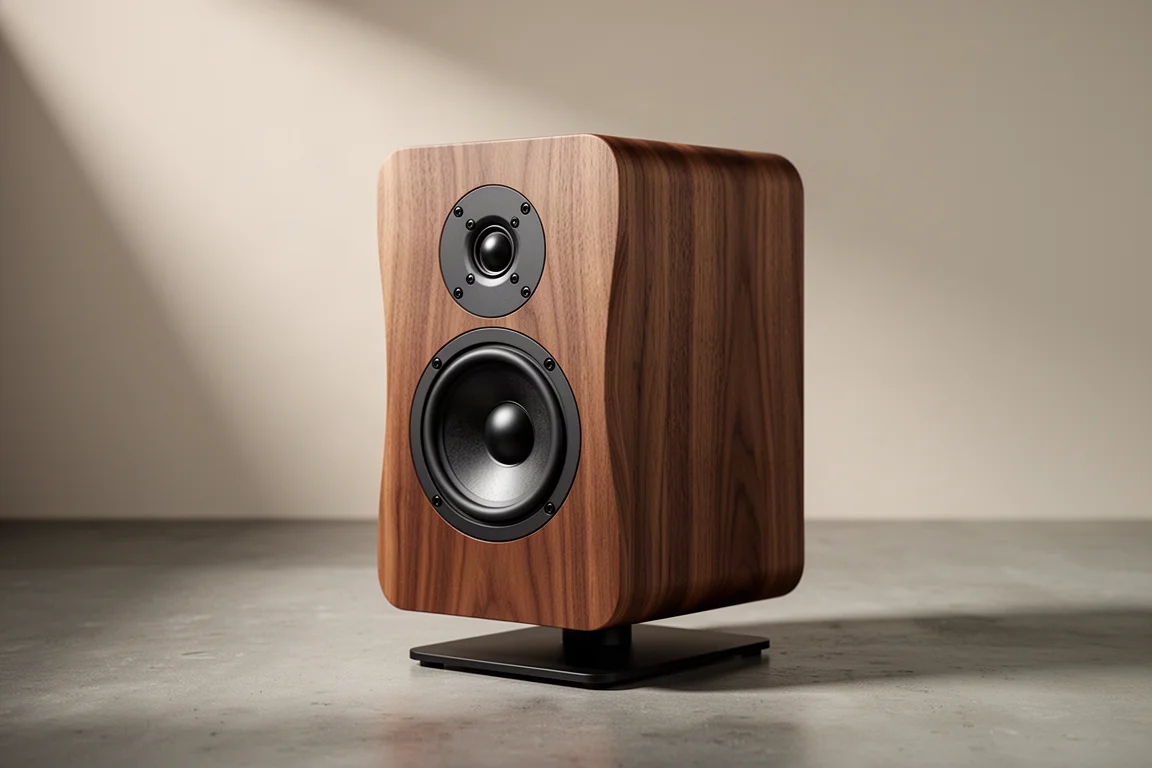
Acoustic Energy AE 300 Review: Deep Bass From a Compact Standmount
A two-way standmount with real wood veneer, surprising low-end weight, and a warm, easygoing character. Here is what to know before buying.
Hi-Fi Speakers
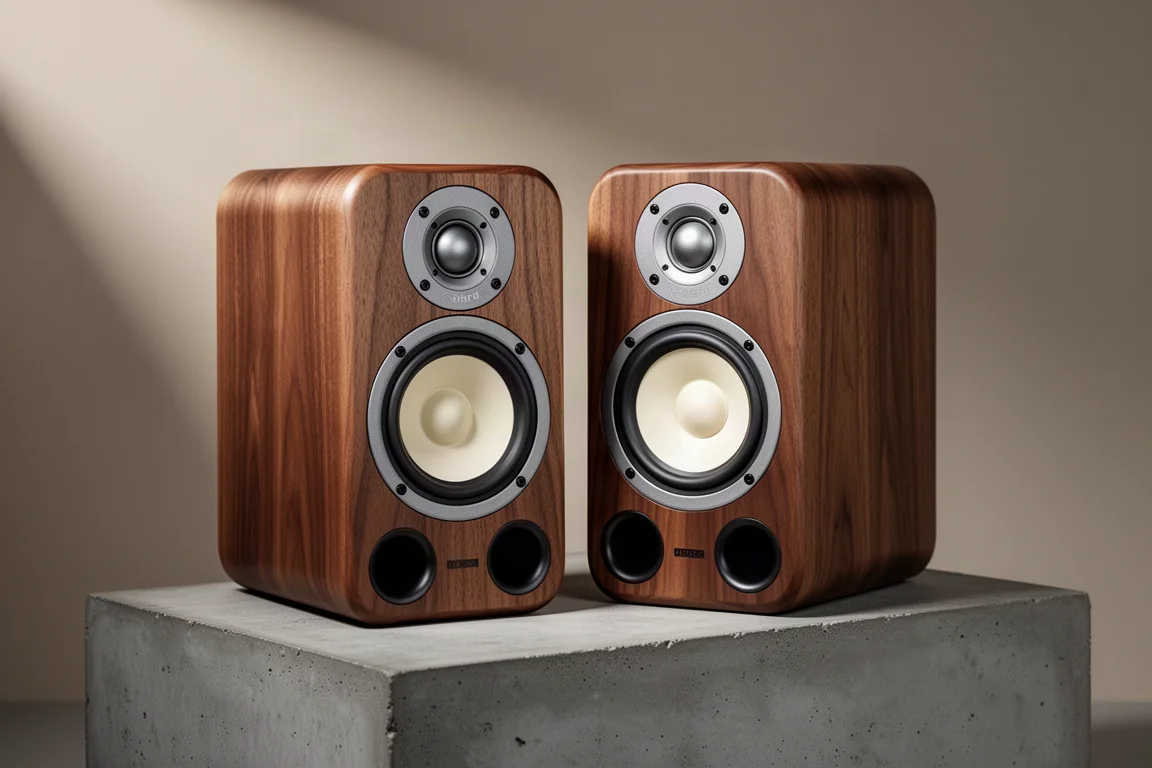
Acoustic Energy AE1 40th Anniversary Review: A Modern Take on a British Classic
A compact standmount that revives a 1980s favorite with all-new parts, a warm mid-centric balance, and a price of £1,499 per pair.