Hi-Fi Speakers
Wharfedale Linton, KLH Model 5 and Three More Speakers Worth Comparing
Five speakers compared side by side: the Wharfedale Linton, KLH Model 5, Magnat Transpulse 1500, JBL L82 and JBL L100, with the strengths and trade-offs that matter before you buy.
Introduction
A three-way loudspeaker splits the job of making sound across three drivers instead of two, and that extra specialization is exactly what makes models like the Wharfedale Linton so appealing. The Linton has become a reference point in its price class, and the speaker it gets compared with most often is the KLH Model 5.
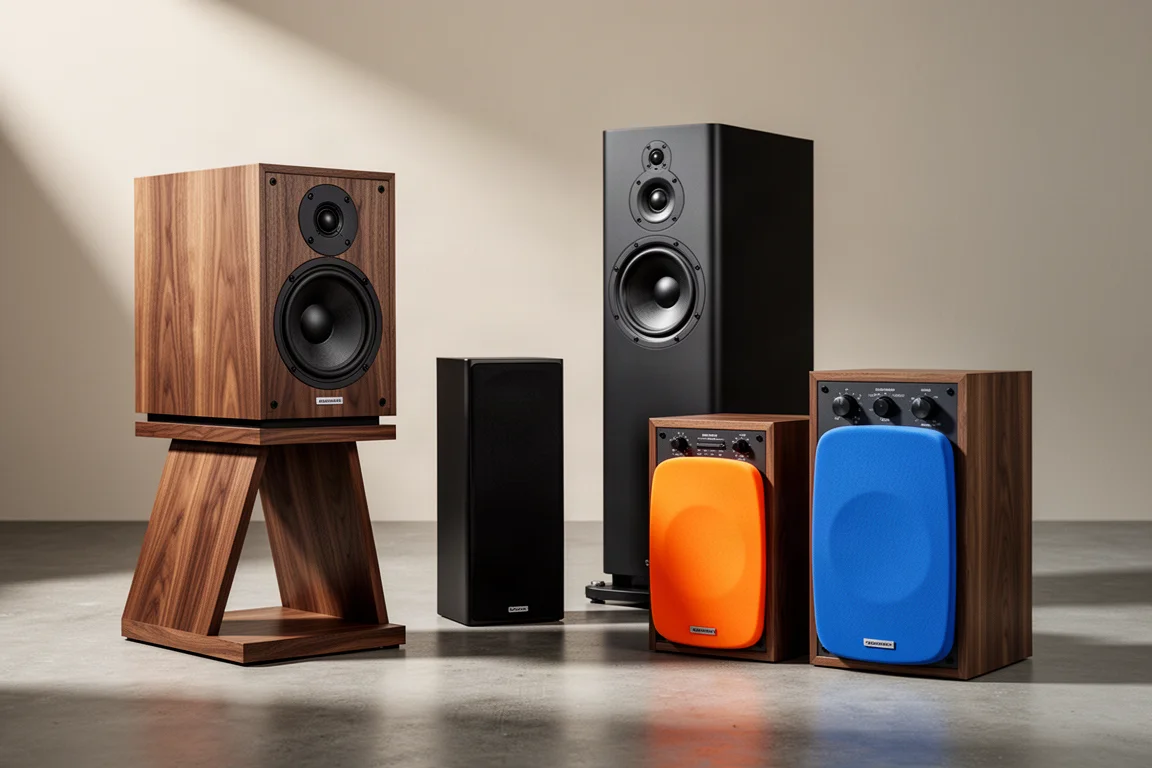
This roundup covers five speakers that belong in the same conversation: the Wharfedale Linton, the KLH Model 5, the Magnat Transpulse 1500, the JBL L82 and the JBL L100. All of them are capable of excellent sound. The differences come down to bass depth, midrange warmth, treble energy, dynamics, and how much room they need behind them.
What Matters in a Three-Way Speaker
Start with the driver complement. A three-way design gives the tweeter, the midrange driver and the bass driver each a narrower slice of the frequency range to handle, which usually means cleaner midrange articulation and more bass authority than a two-way of similar size. The Linton, for instance, pairs a one-inch soft dome tweeter with a five-inch Kevlar midrange and an eight-inch Kevlar bass driver.
Cabinet design and porting matter just as much as the driver count. A rear-ported speaker like the Linton interacts more with the wall behind it, so the amount of space you can give it becomes part of the buying decision rather than an afterthought.
The published numbers are worth a look too. Sensitivity and impedance tell you how demanding the speaker is for an amplifier, and a reported frequency response gives a rough idea of how deep it will play in a real room. If a speaker’s impedance dips below four ohms, choose an amplifier rated to handle a four-ohm load, with roughly 50 watts per channel of usable power as a sensible starting point for this class of speaker.
Wharfedale Linton: The Most Complete All-Rounder
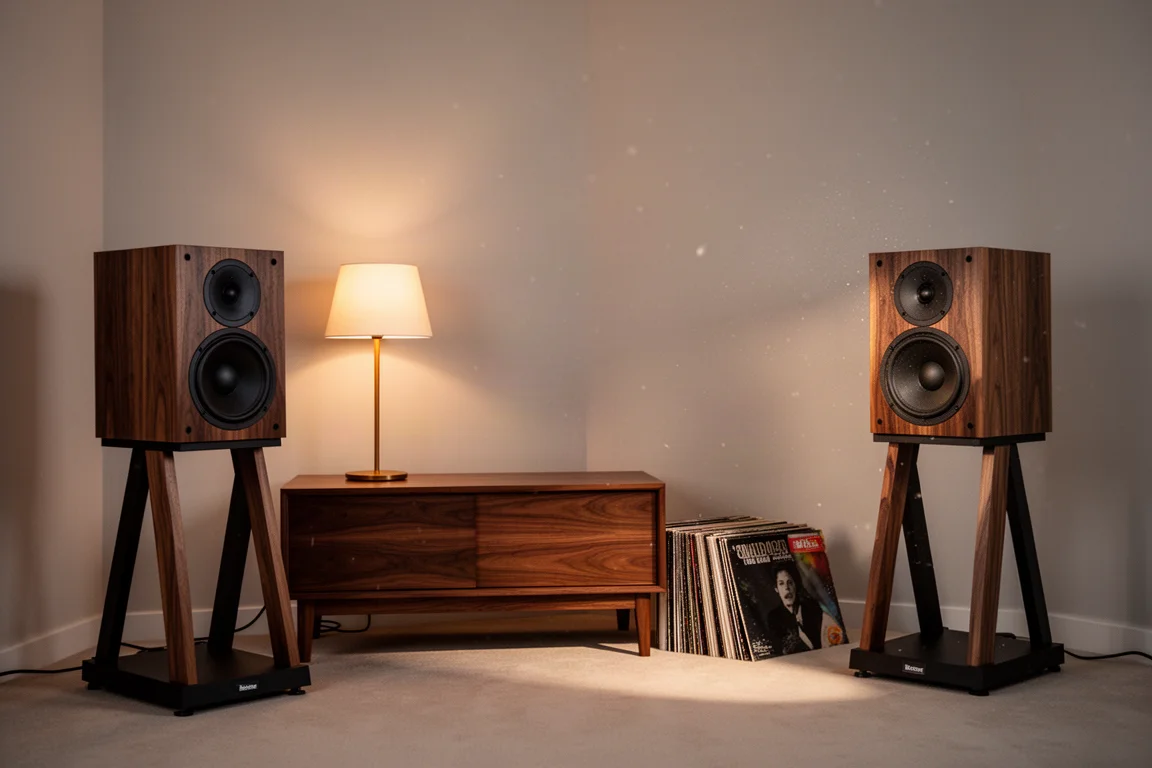
The Linton is a three-way bookshelf speaker with a reported frequency response of 40 Hz to 20 kHz, 90 dB sensitivity and a nominal six-ohm impedance that can dip below four ohms. It is large for a bookshelf model, but not so large that it can sit on the floor like a floorstanding speaker, which is why the matching stands are close to mandatory. Wharfedale sells those stands separately, and they are best treated as part of the purchase rather than an optional extra.
Bass is where the Linton makes its strongest case. Its two rear-facing ports give it a greater sense of low-end reach and depth than a sealed design such as the KLH Model 5. The low end is nuanced and textured rather than simply loud, and with the right amplifier it stays controlled. Kick drums are a good illustration: both the Linton and the Model 5 capture the point of impact, but the Linton adds a sense of surrounding air that makes the sound feel three-dimensional and organic. It is not a true full-range speaker, so adding a subwoofer pays dividends if you want to reproduce the full scale of a large orchestral performance.
The midrange is mildly warm and fuller-bodied, and the detail and articulation through that range are exceptional. There is a hint of a classic tone that flatters a lot of music, including low-resolution streaming tracks that can sound thin elsewhere, and female vocals and piano ensembles come across as true to the source. Up top, the treble is naturally detailed, airy and extended rather than glassy or hyper-pristine. It is not a bright or forward speaker, so compressed recordings stay enjoyable without drawing attention to sibilance, and the top end never sounds veiled or rolled off.
Soundstaging is refined rather than showy. The image starts near or just behind the front baffles and extends well behind and to the sides, with solid focus throughout, and center imaging improves further with a touch of toe-in. For a large bookshelf with two rear ports, the Linton disappears surprisingly well. It does not have the laser focus of a small two-way, but few small two-ways fill a room the way this speaker does. Dynamics are good and naturally agile, though not explosive, and the sheer scale of a crescendo is larger here than on the Model 5 because of the richer bass.
Build quality also stands out at this price, and the matte black finish is a practical choice for home theater use because it does not turn into a mirror-like reflective surface when a bright screen is in the room.
KLH Model 5: More Forward, More Energetic
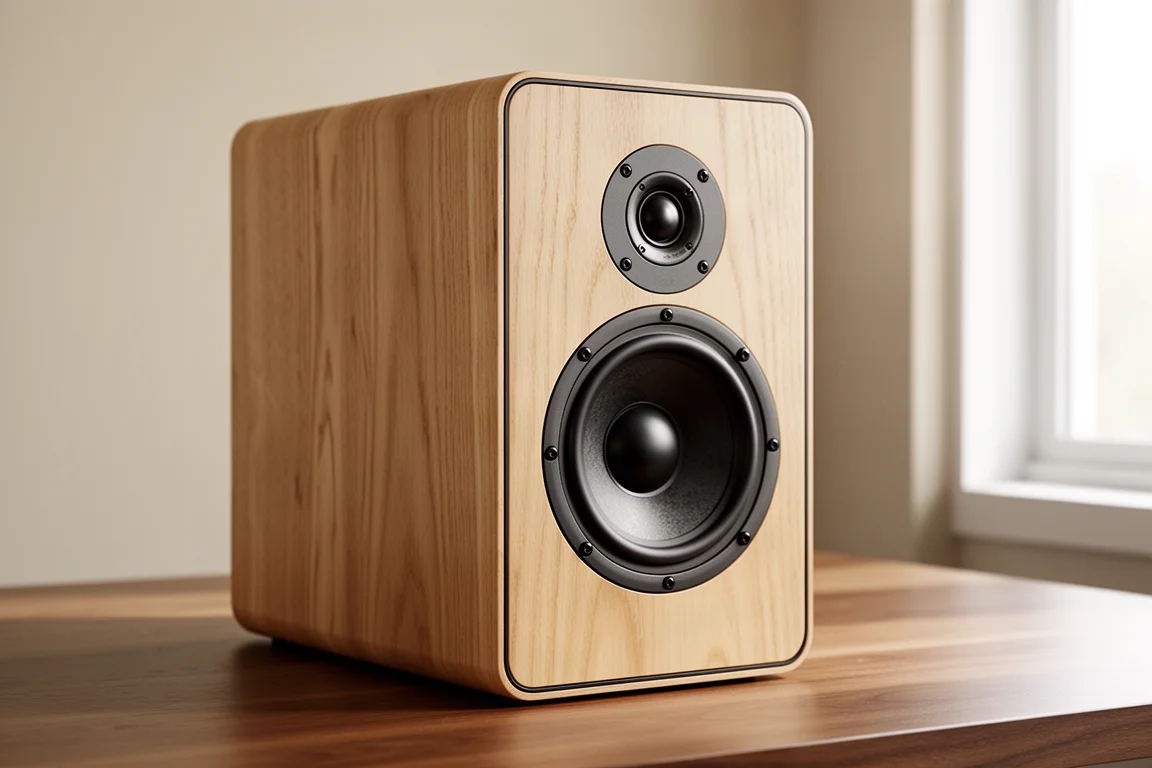
The Model 5 is a sealed design, and that single choice shapes almost everything about its character. Without ports, it gives less of a sense of low-end reach than the Linton, so bass sounds leaner and less full. In exchange, it is the more dynamic of the two, with a slightly faster and more impactful response.
Its presentation is cooler, leaner and more forward than the Linton’s, with more upper-midrange energy and a noticeably more pronounced tweeter. On its own, that energy reads as lively and revealing. Next to the Linton, it can make some pop albums sound aggressive, and low-resolution material can become a little fatiguing over a long session. Without a direct comparison, most listeners would simply adapt to it, because the Model 5 is still a genuinely good speaker that accomplishes a great deal for the money. It is also the cheaper of the two.
Magnat Transpulse 1500: Big Sound at a Friendlier Price
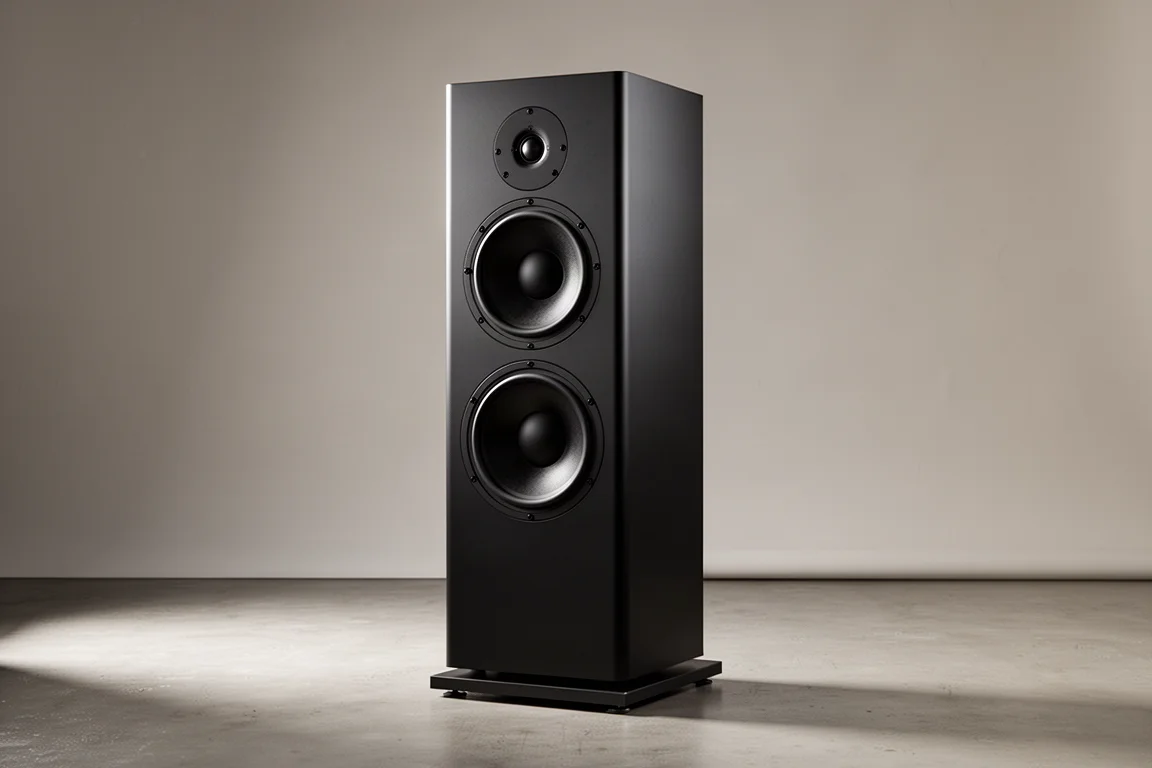
The Magnat Transpulse 1500 is another three-way design, but it is a floorstanding speaker rather than a bookshelf model, and it comes in at just under $1,000 a pair. That price makes it the value play of this group, and it sounds considerably better than its asking price would suggest.
Tonally it is a little more lively and dynamic than the Linton, and a touch less mature overall, though the gap between the two is not night and day. Taken as a whole, both are very well-rounded speakers that handle a wide range of music without obvious weaknesses. Because of its size, the Magnat is built to a more budget-conscious standard than the Linton, which is a fair trade for the lower price.
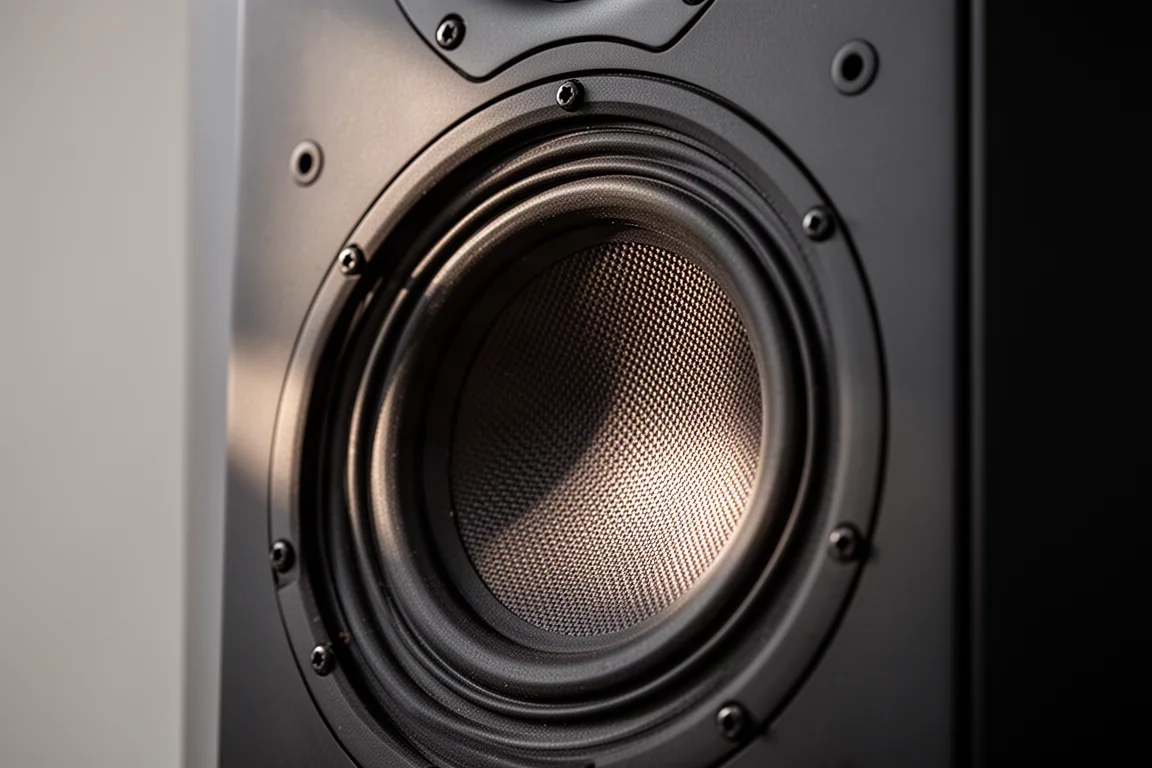
If your budget stops short of the Linton, this is the speaker in the group to look at first. It gives up some refinement and bass texture, but it keeps the three-way character and the lively, engaging presentation.
JBL L82: Iconic Looks in a Compact Cabinet
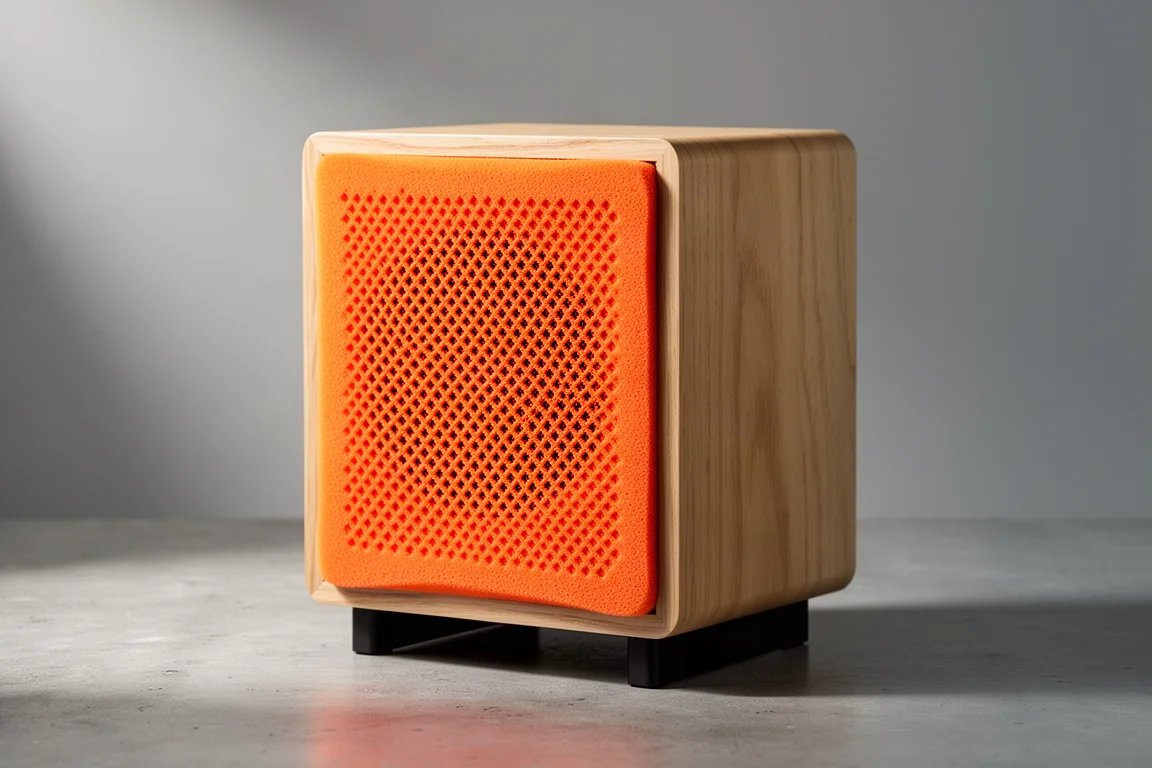
The JBL L82 is a great speaker, and it carries one of the most recognizable design signatures in hi-fi: brightly colored foam grilles that are genuinely iconic. It also costs more than the Linton.
That price gap is the crux of the decision. The L82 delivers the JBL look and a strong, confident sound, but pound for pound the Linton gives you more for your money. If the aesthetic is what you are after, the L82 earns its place; if you are shopping purely on value, the Linton is the stronger buy.
JBL L100: The Bigger JBL Statement
The L100 sits above the L82 on price, and like its smaller sibling it is a great speaker with the same instantly recognizable foam grille treatment. It asks for a bigger commitment than the Linton.
The same value argument applies here, only more so. The L100 is a statement piece that looks the part, but the Linton delivers a more complete package for the money.
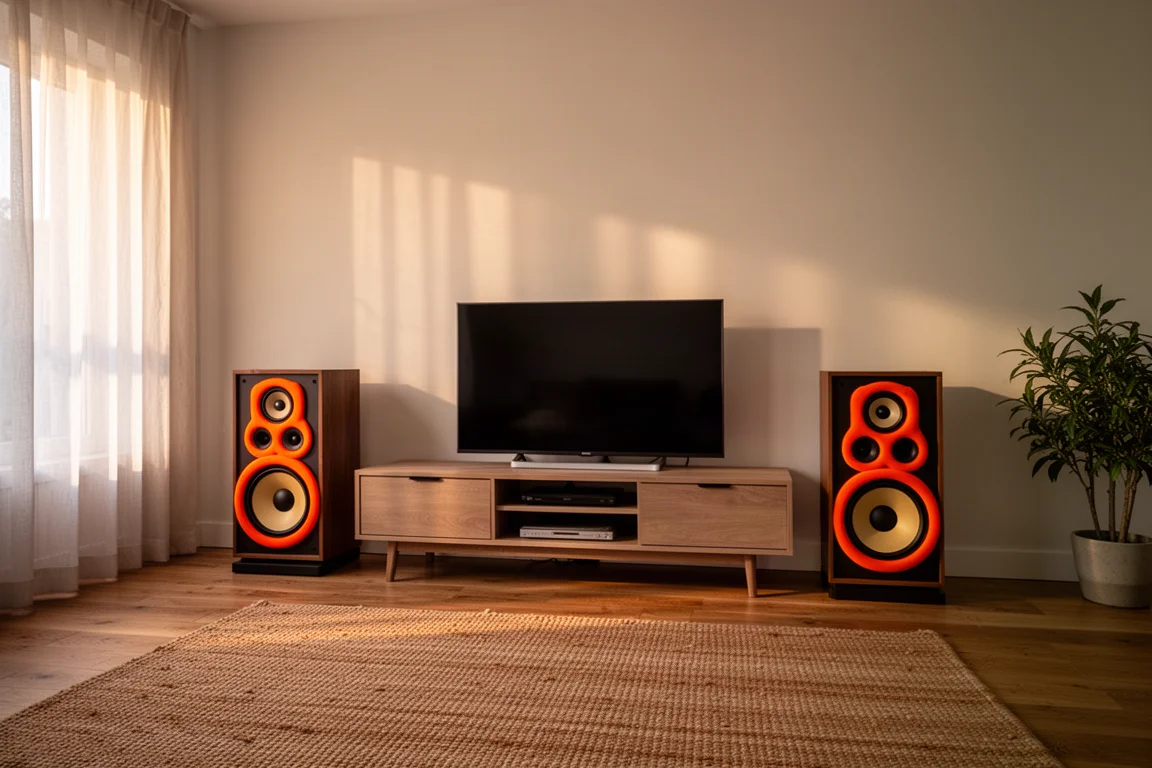
If you have the budget and the room, the L100 is worth hearing. If you want the best balance of performance and price in this comparison, the Linton is the one to beat.
Setup, Amplifiers and Room Interaction
Placement is the single biggest variable with the Linton. Because it is rear-ported, it interacts more with the wall behind it than a sealed or front-ported speaker. Too close to the wall and the bass can turn boomy; too far out and the low end can thin out. Aim for at least 18 inches of clearance from the front wall as a starting point, then experiment until the bass response suits your room.
If your space will not allow that kind of clearance, there are two sensible routes. You can plug the ports, which effectively turns the Linton into something closer to a sealed speaker, or you can choose the sealed KLH Model 5 instead. Both approaches work, and both speakers are excellent in their own right.
Amplifier matching is the other half of the equation. The Linton’s impedance can dip below four ohms, so an amplifier rated for a four-ohm load is the safer choice, ideally with around 50 watts or so on tap. A wide range of amplifiers drives it well, including the Parasound HINT 6, the McIntosh 7200, the Audiolab 6000A Play and even a vintage Marantz 2216. On the source side, the Linton is comfortable with everything from vinyl to streaming, and it stays consistent across classical, rock and everything in between.
Buying Advice
Match the speaker to the way you listen. The Linton is the easiest of the five to live with across the widest range of music and recording quality, which makes it a strong choice if you want one speaker that handles everything without fuss. Budget for the matching stands, since they are effectively part of the package, and make sure you can give the rear ports some breathing room.

Choose the KLH Model 5 if you want a more forward, energetic presentation, or if your room cannot accommodate a rear-ported speaker. Choose the Magnat Transpulse 1500 if you want three-way performance at a lower price. Choose the JBL L82 or the JBL L100 if the iconic foam grille design is worth the premium to you.
Whichever you pick, the amplifier matters. A four-ohm-rated amplifier with roughly 50 watts per channel is a sensible target for the Linton, and it is worth confirming the same for any speaker on your shortlist. If you can listen before you buy, do it, because the differences between these speakers come down to taste as much as specification.
Conclusion
These five speakers show that the three-way format is alive and well. The Wharfedale Linton stands out as the most well-rounded of the group, with deep and textured bass, a warm and detailed midrange, and a treble presentation that stays comfortable over long listening sessions. The KLH Model 5 counters with more forward energy and greater dynamic snap, the Magnat Transpulse 1500 delivers three-way sound at a much lower price, and the JBL L82 and JBL L100 bring iconic looks at a higher cost.
For most buyers shopping in this class, the Linton is the easiest recommendation, provided you account for the stands and give it room to breathe. The rest of the group makes sense when a specific priority, whether dynamics, budget or design, matters more to you than all-round balance.
Further reading
Related Reviews
Hi-Fi Speakers
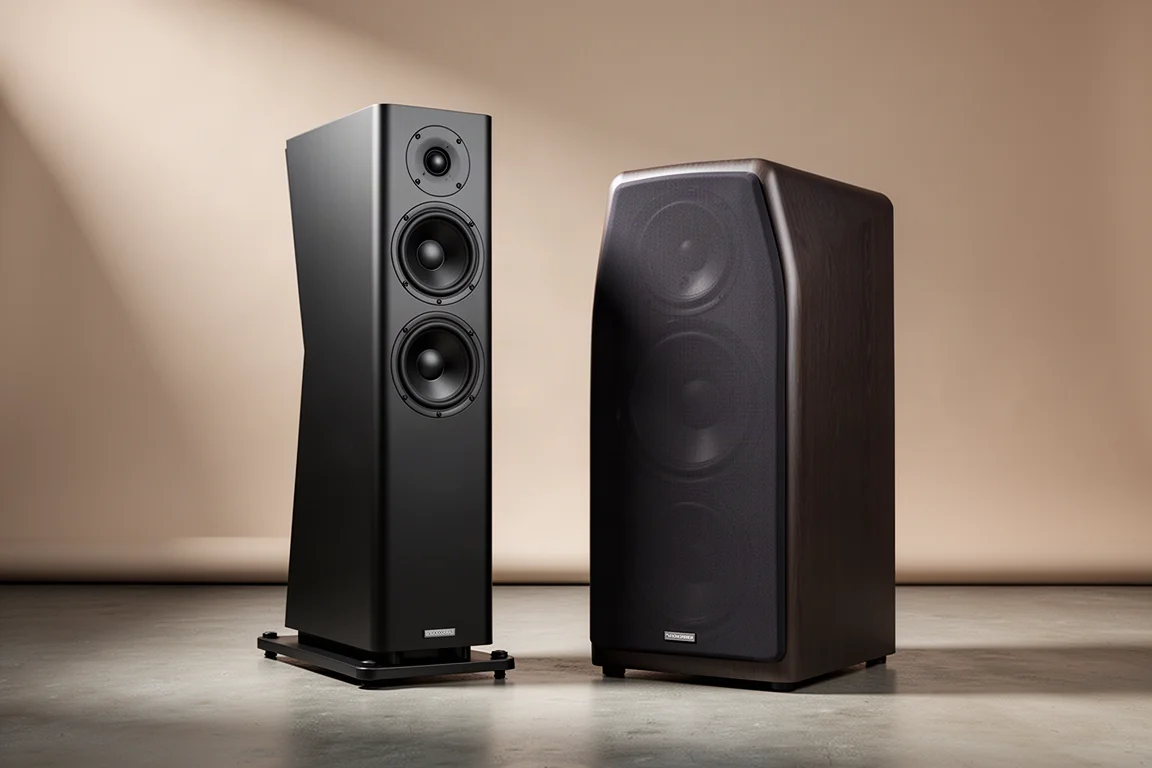
1723 THX Tower vs 1528 Bookshelf: Which Speaker Fits Your Room?
Two speakers at roughly the same price, built very differently. How the 1723 THX tower and the 1528 bookshelf compare on construction, bass, power needs, and sound.
Hi-Fi Speakers
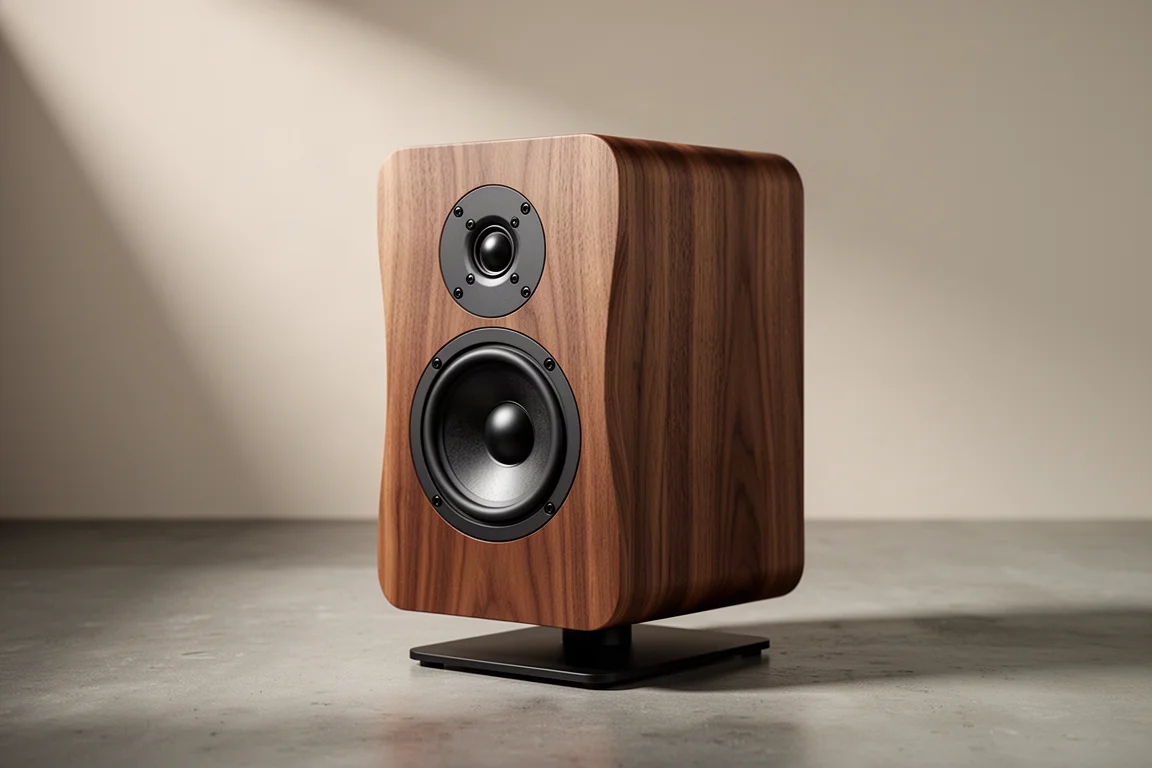
Acoustic Energy AE 300 Review: Deep Bass From a Compact Standmount
A two-way standmount with real wood veneer, surprising low-end weight, and a warm, easygoing character. Here is what to know before buying.
Hi-Fi Speakers
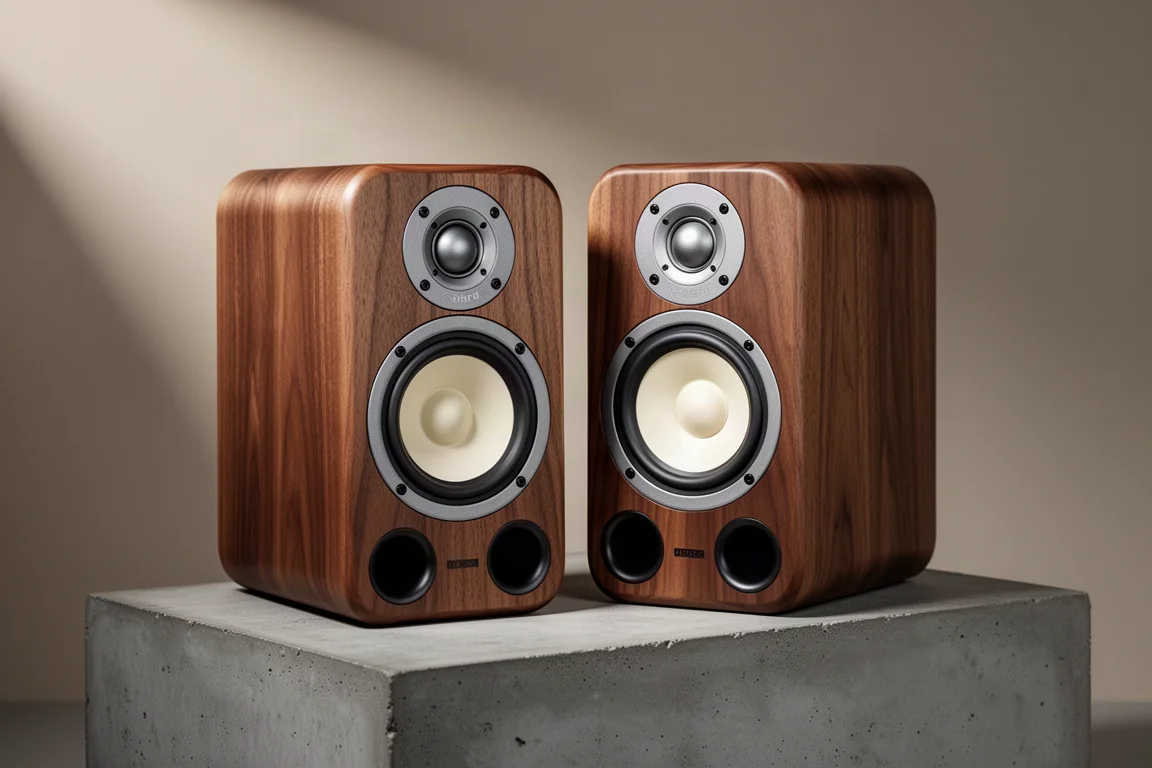
Acoustic Energy AE1 40th Anniversary Review: A Modern Take on a British Classic
A compact standmount that revives a 1980s favorite with all-new parts, a warm mid-centric balance, and a price of £1,499 per pair.