Bookshelf Speakers
Wharfedale Evo 4.1 Review: Neutral Sound With a Touch of Warmth
A close look at the Wharfedale Evo 4.1 bookshelf speaker, from its AMT tweeter and 5-inch Kevlar woofer to its bass behaviour, placement flexibility, and value at around $800 per pair.
Introduction
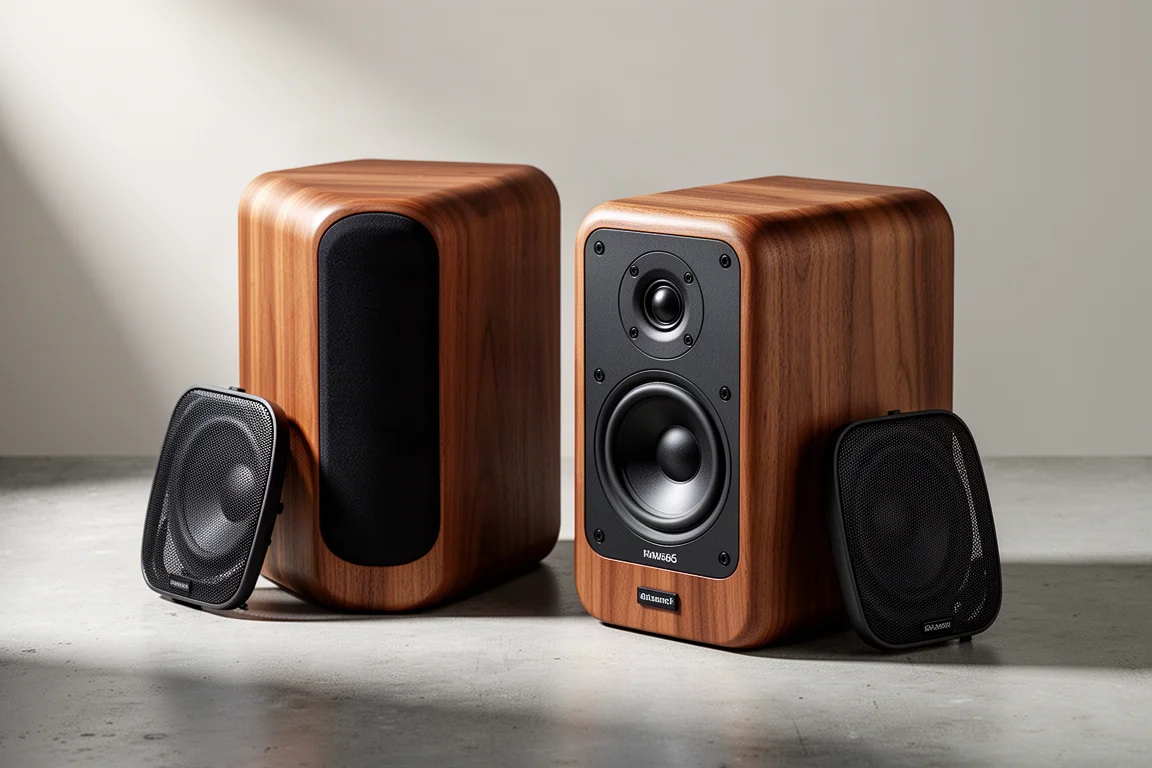
The Wharfedale Evo 4.1 is the smaller standmount in the Evo series, sitting below the taller Evo 4.2. It is a two-way design built around a 5-inch Kevlar woofer and an AMT (air motion transformer) tweeter, with a bottom-mounted port and support for bi-wiring and bi-amping. The cabinet is finished in real wood veneer, and the baffle curves gently into the side panels rather than forming a plain rectangular box.
Price is the first thing many buyers will notice. The Evo 4.1 now sells for around $800 per pair, having previously been $700. That is a meaningful sum for a two-way bookshelf speaker, so it is fair to ask what the extra money buys.
This article looks at the design decisions behind the Evo 4.1, how it behaves across the frequency range, and the practical questions worth answering before buying.
Who the Wharfedale Evo 4.1 Is For
The Evo 4.1 is rated at 87 dB sensitivity and an 8 ohm nominal impedance. In practice, 87 dB places it near the point where a speaker starts to ask a little more of its amplifier. It is not a difficult load, but pairing it with an amplifier that delivers at least 35 watts per channel is the safer choice. Bass control in particular improved as more power became available, which suggests headroom matters more here than raw volume.
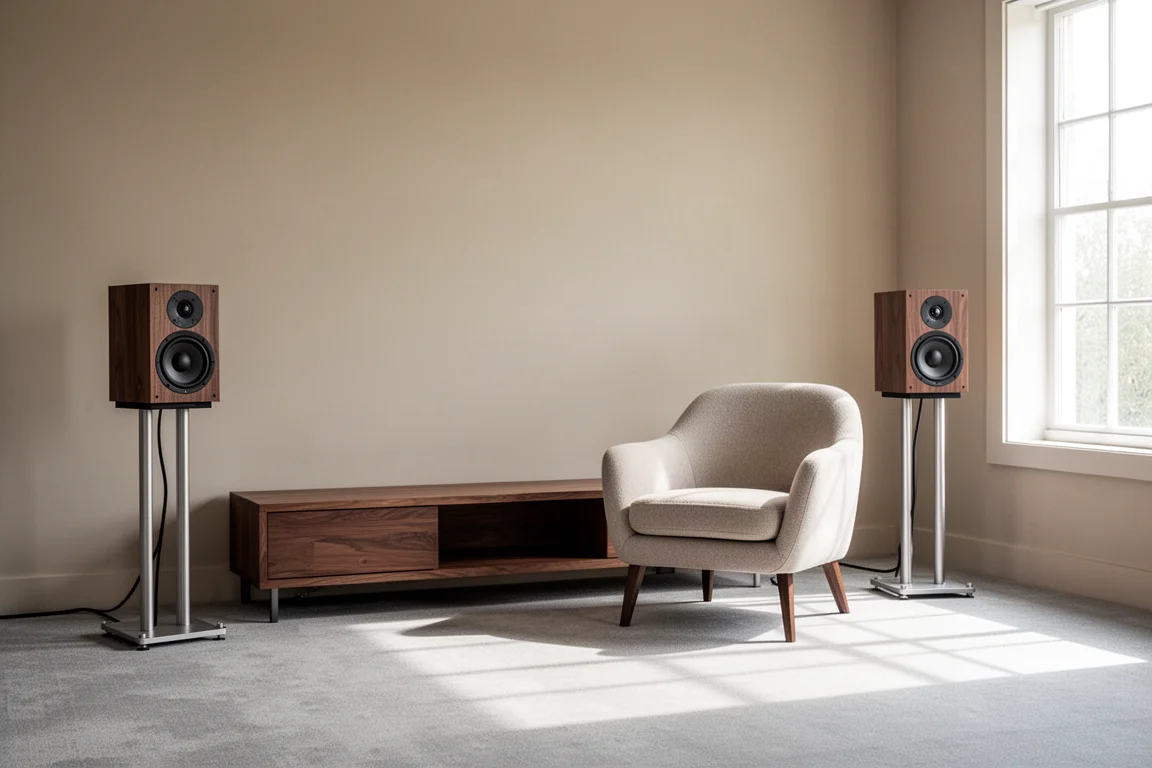
Because the cabinet is compact and the port fires downward, the Evo 4.1 is also unusually easy to place for a speaker of its quality. That makes it a natural fit for medium-sized rooms where a large floorstander would dominate. Listeners in larger rooms are better served by a tower model or by the taller Evo 4.2. Buyers who want a single pair of speakers to cover the deepest bass without help should also plan for a subwoofer.
Design, Build, and Placement Strengths
Build quality is one of the clearest arguments for the Evo 4.1. The cabinet uses genuine wood veneer rather than a vinyl wrap, and the curved top and baffle give it a shape that reads as a step above budget standmounts. The grille is magnetic and removable, finished in black.
Several design elements are carried down from the flagship Elysian series, including the port design, the cabinet construction, and the rounded edges. Bottom port placement is a practical benefit: it makes the speaker less fussy about how close it sits to a rear wall than a rear-ported design would be.
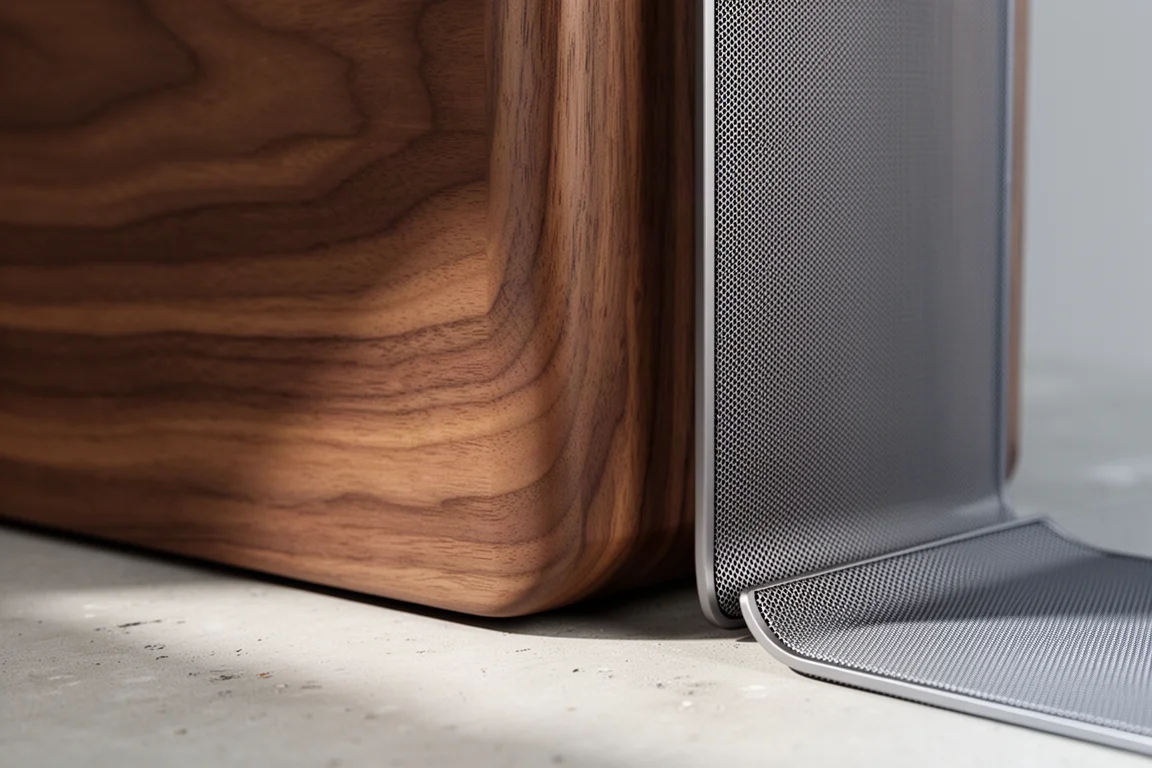
Physical dimensions are close to a traditional bookshelf speaker at roughly 8 by 13 by 13 inches, and each cabinet weighs about 17 pounds. That matters because the Evo 4.2 is considerably taller and harder to match with a stand at the correct listening height, while the 4.1 is more likely to work with stands a buyer already owns. A five-year warranty backs the cabinets and drivers.
Bass and Midrange Character
The rated frequency response runs from 58 Hz to 22,000 Hz. On paper that suggests limited low-end reach, but the roll-off is gradual rather than abrupt. Notes at 40 Hz and even into the upper 30s remain audible, simply quieter than they would be on a larger speaker. Deepest output still requires a subwoofer.
The more interesting quality is tonal honesty. The Evo 4.1 reproduces what the recording contains rather than adding weight of its own. A thin-sounding kick drum stays thin, and a genuinely deep bass line arrives with the depth it has. Upright bass comes through with clear tone and texture, and bass lines separate cleanly from the rest of the mix, with a slight warmth that gives the lower registers a sense of body.
That warmth in the bass and lower midrange is a long-standing Wharfedale characteristic, and it is present here without costing detail. Compared with the Wharfedale Diamond 12.2, the Evo 4.1 feels more dynamic and more capable of moving from quiet passages to loud ones and back again. Compared with the Wharfedale 11.2, it offers a better top end and a more accurate overall balance, while the low end feels familiar.
Treble and the AMT Tweeter
AMT tweeters cannot be crossed over as low as soft-dome or aluminium-dome designs, so the crossover point has to sit higher. The risk is that the woofer begins to break up above roughly 1,200 to 1,500 Hz, which can create peaks and dips where the two drivers meet. That risk is handled well here. The result is a linear presentation without obvious bumps or dips.
Treble detail is present without being pushed forward. The stick striking a hi-hat on a fast sixteenth-note pattern stays audible as a distinct attack, and piano notes carry a believable sense of the hammer meeting the strings. Nothing sounds boosted or rolled off. The overall character sits closer to a well-behaved soft-dome tweeter than to the sharply lit presentation some AMT designs produce, which is part of why the speaker can be heard for long sessions without fatigue.
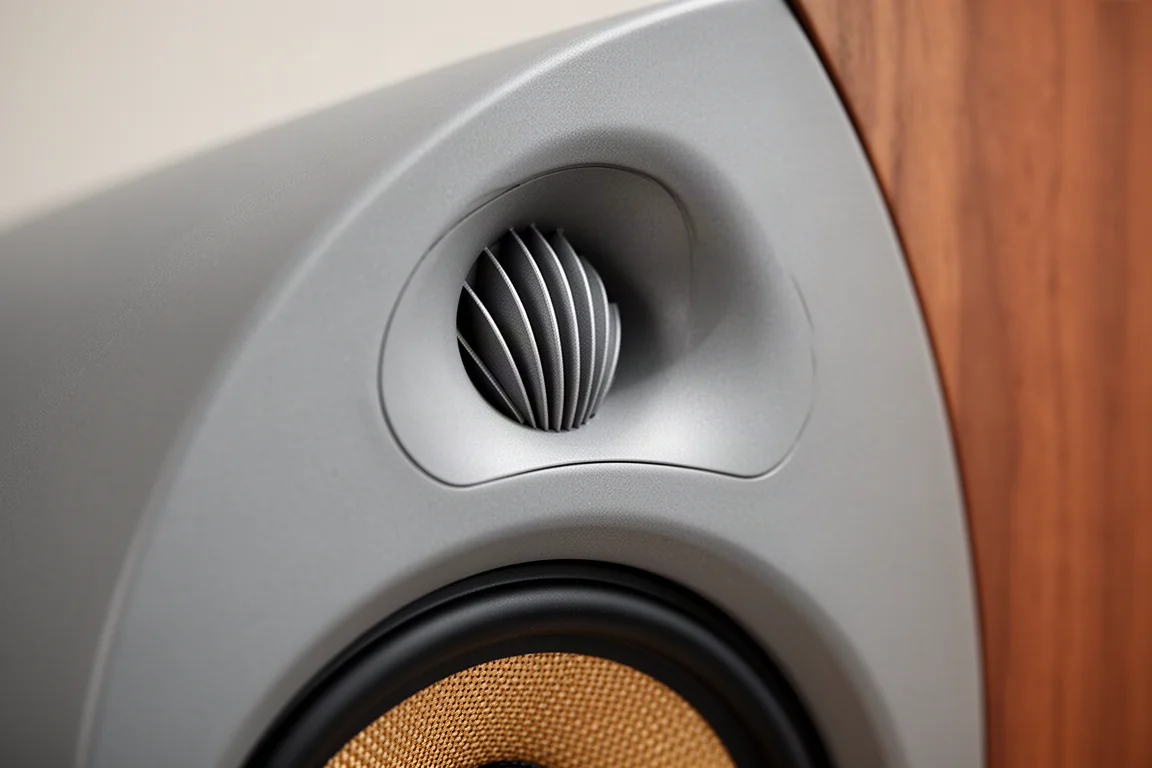
Horizontal off-axis behaviour is good, helped by waveguides above and below the tweeter. Vertical off-axis performance above the tweeter is less consistent, which is common with this tweeter type. In rooms with low ceilings, the ceiling reflection reduces how much that matters in practice.
Things to Consider Before Buying
- Amplifier matching. Budget for at least 35 watts per channel. Lower-powered amplifiers struggled to keep the bass under control.
- Low-frequency limits. The speaker does not deliver full-range output on its own, so a subwoofer is the route to deep bass.
- Vertical listening axis. Sitting well above the tweeter changes the frequency response.
- Room interaction. Side walls and the wall behind the speaker add to or subtract from bass presence, so placement still shapes the result.
- Price. At around $800 per pair, up from $700, the Evo 4.1 sits at the top of what many buyers consider reasonable for a two-way standmount.
- Character. This is a neutral speaker with a touch of warmth. Listeners who prefer a pronounced U-shaped response may find other designs more immediately exciting.
Buying Advice
Within the Evo range, the 4.1 is the easier recommendation. The Evo 4.2 is an excellent speaker, but it is fussier about placement and height, and its taller cabinet makes stand matching harder. The 4.1 can be positioned more freely and still perform well. For medium-sized rooms, it can serve as a long-term speaker rather than a stepping stone.
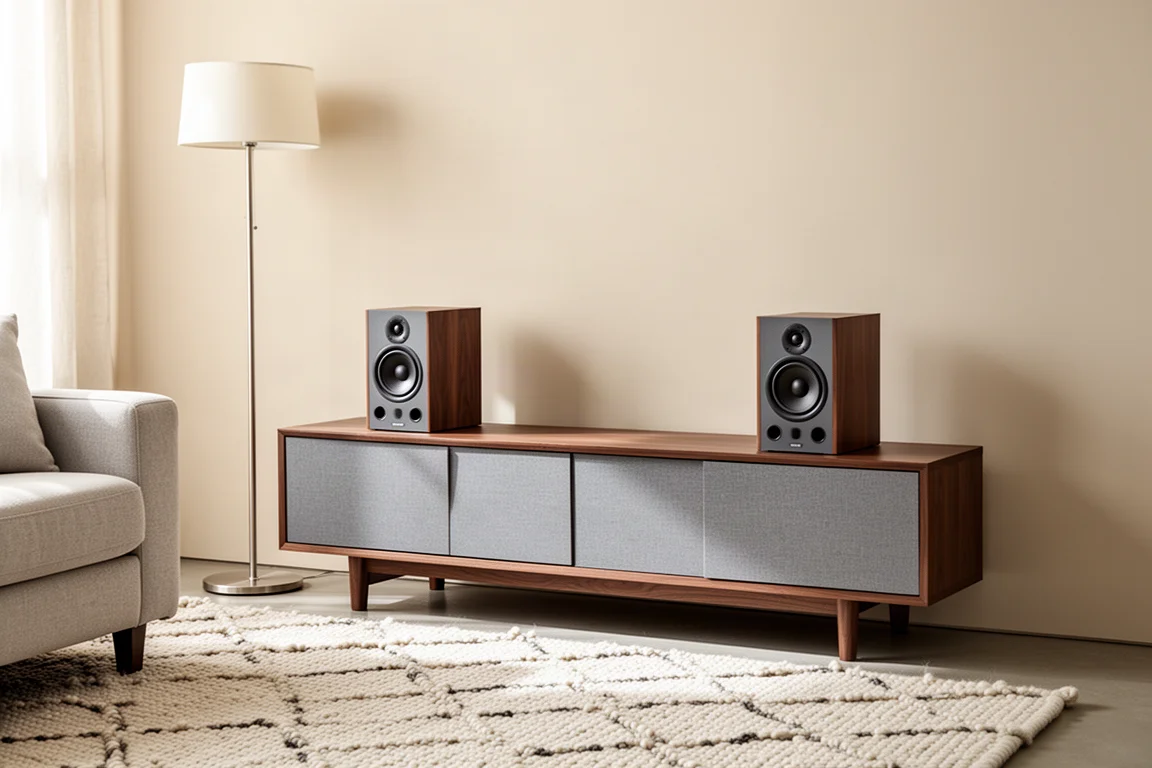
Value is the remaining question, and the Evo 4.1 competes in a crowded part of the market. Against the ELAC Uni-Fi 2.0, which sells for roughly $500 to $600 per pair, the Evo 4.1 is the more pleasing listen, although the Uni-Fi 2.0 remains a fair comparison on price. The three-way ELAC Uni-Fi Reference, at around $1,000 to $1,100 per pair, was judged the lesser of the two in direct listening. Add real wood veneer, a five-year warranty, and technology carried down from the Elysian series, and the $800 asking price becomes easier to justify, provided the neutral character matches what a buyer is after.
Conclusion
The Wharfedale Evo 4.1 is a neutral speaker that still manages to sound lively. It combines detail with a gentle warmth, keeps bass controlled when given adequate power, and is forgiving about placement in a way its larger sibling is not. The main caveats are amplifier headroom, the need for a subwoofer for full-range output, and a price that has moved upward. For listeners in a medium-sized room who want accuracy without listening fatigue, it is a strong candidate.
Product link
View more details for Wharfedale Evo 4.1
This product is mentioned in the review. Check the specifications, options, and compatibility before buying.
View more details for Wharfedale Evo 4.1Further reading
Related Reviews
Bookshelf Speakers
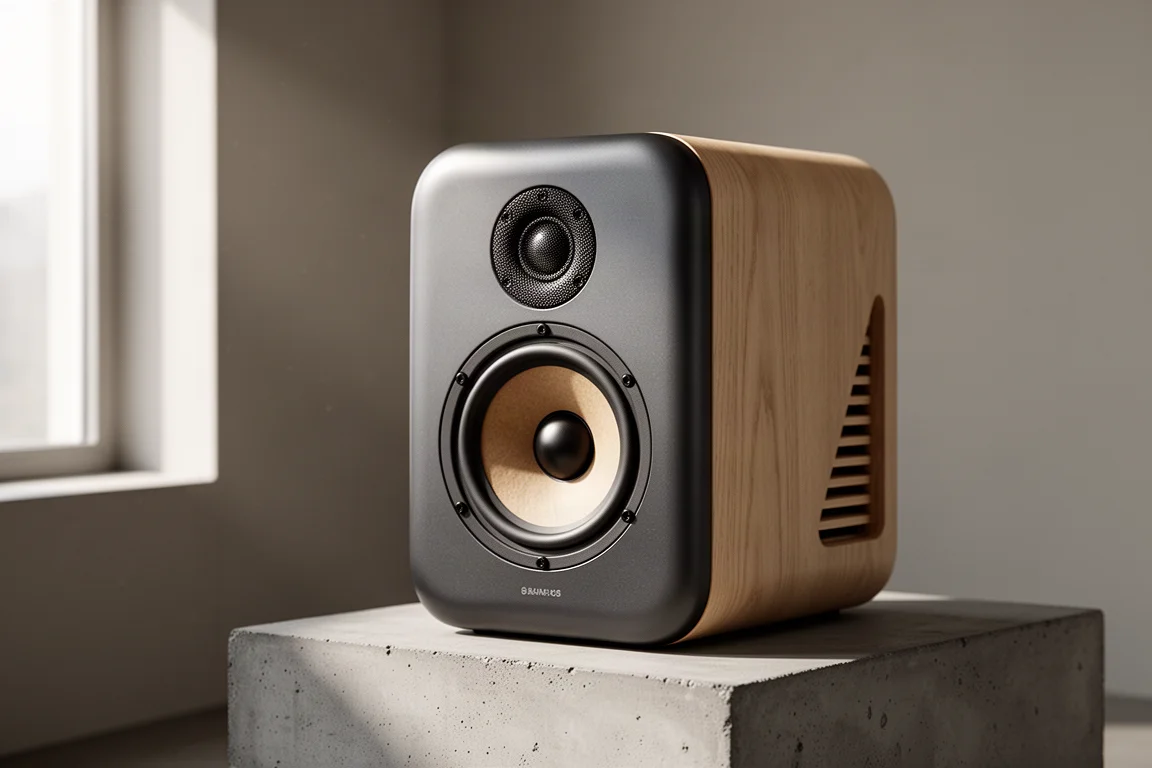
Acoustic Energy A100 Mark II Review: A Compact Standmount With an Expansive Soundstage
The Acoustic Energy A100 Mark II brings clarity, natural tonality and a wide soundstage to an entry-level standmount, with a few setup details worth knowing first.
Bookshelf Speakers
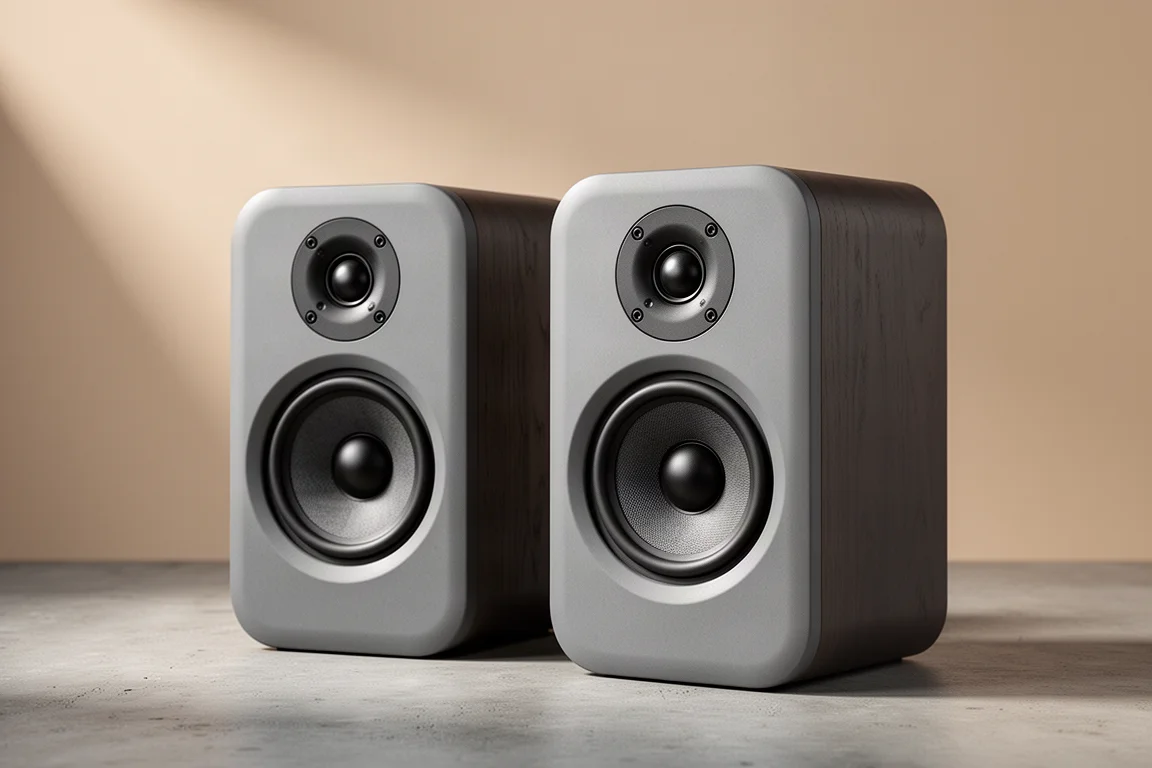
Acoustic Energy AE-100 Mark II Review: Compact Bookshelf Speakers With Standout Imaging
A compact British two-way bookshelf speaker with deep, layered imaging, fast bass, and a slight treble lift to weigh against a crowded $500 field.
Bookshelf Speakers
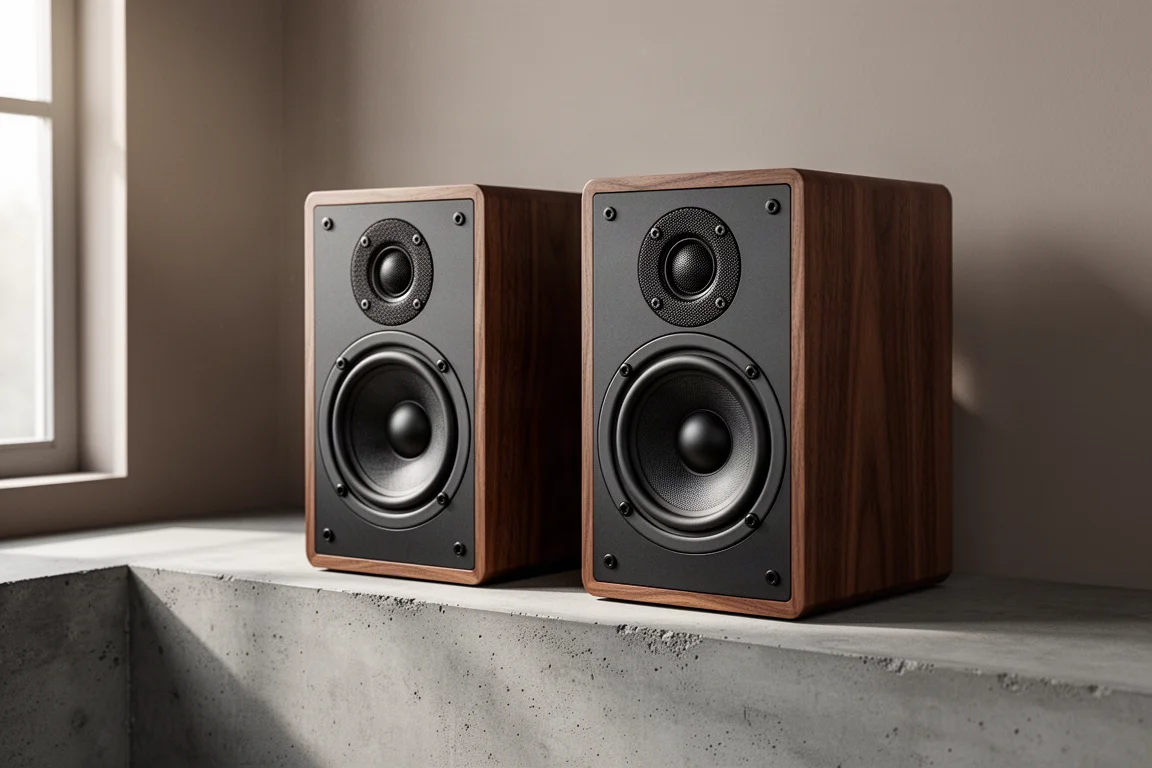
Acoustic Energy AE100 MK2 Review: Measured Performance and Four Alternatives
A close look at the Acoustic Energy AE100 MK2 bookshelf speaker, what its measured performance reveals, and four alternatives with different trade-offs.