Hi-Fi Speakers
Wharfedale Aston Review: A Limited-Edition British Bookshelf Speaker Built for Musicality
A limited-edition handmade British bookshelf speaker that pairs heritage cabinet craft with modern drivers, included steel-and-glass stands, and a warm, engaging sound.
Introduction
High-end audio is full of speakers chasing futuristic styling and headline specifications. The Wharfedale Aston takes a different route. It is a limited-edition bookshelf speaker, handmade in the UK and capped at 500 pairs worldwide, and it is less concerned with ticking spec-sheet boxes than with delivering a genuinely enjoyable listening experience.
What makes it compelling is the combination: British hi-fi heritage, a warm classic aesthetic, and modern acoustic engineering. The result is a compact stand-mount speaker that feels timeless rather than trendy, and it is the kind of product that earns its place in a room whether or not the music is playing.
Who this product is for
The Aston suits listeners who care more about emotional connection than raw numbers, and anyone drawn to Wharfedale’s heritage line who wants something smaller and more refined. It is also a natural fit for a dedicated two-channel setup built around vinyl or a carefully curated digital library. Listeners who prefer a fuller, weightier presentation may find the larger Super Linton, which sits in a similar price neighbourhood, more to their taste, while the Aston trades some of that scale for speed and intimacy.

It is worth being clear about what the Aston is not. It is a passive speaker with no streaming platform, no room correction and no companion app. The ownership experience is built around craft, materials and sound rather than features.
Main strengths
The Aston’s strengths sit in three areas: how it is made, how it is engineered, and how it behaves once it is connected to a capable amplifier.
Cabinet and Craftsmanship
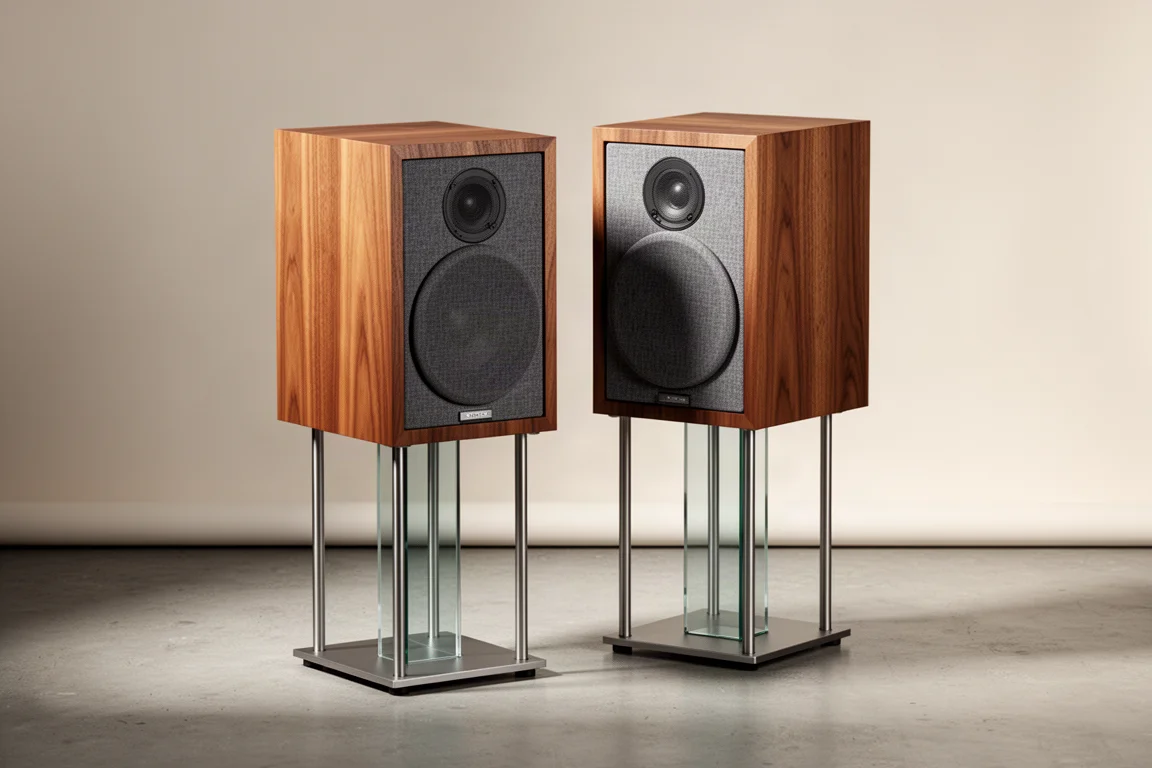
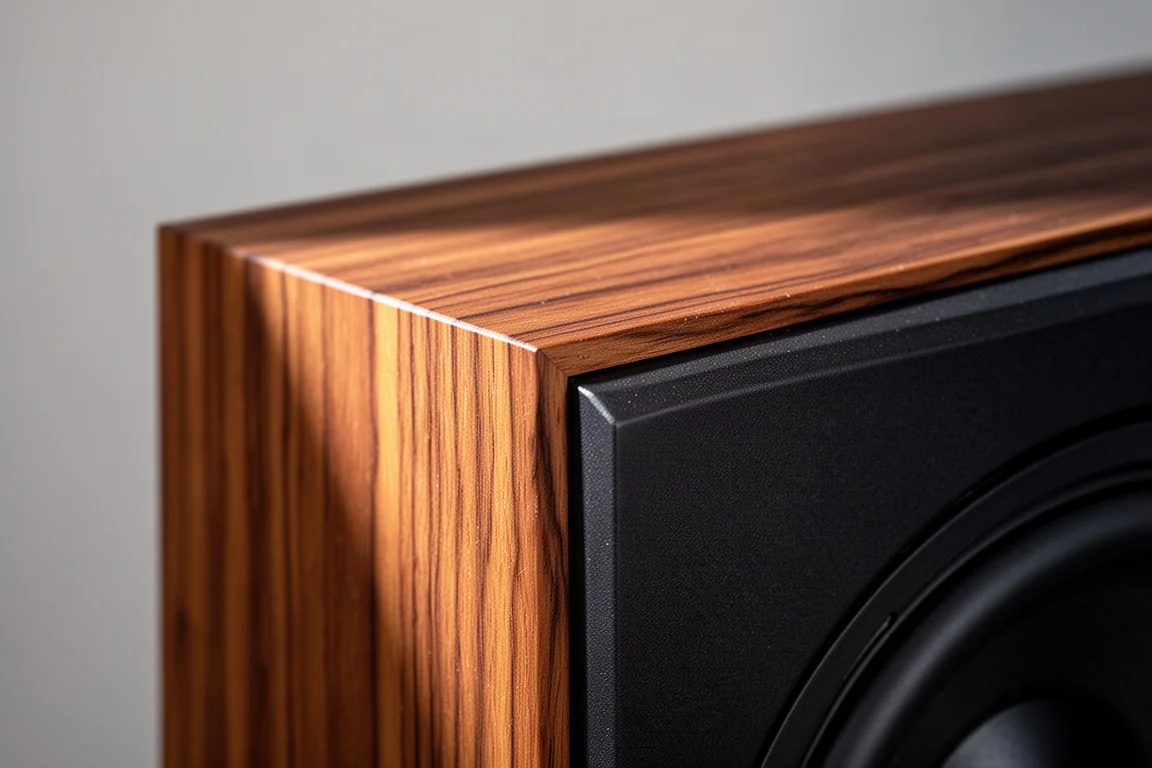
At first glance the Aston looks like a throwback: furniture-grade real wood veneer, an inset baffle and a traditional cloth grille, echoing Wharfedale classics such as the Denton and Linton. Look closer and it is clearly not a retro replica. The cabinet is constructed from multiple layers of different woods, a technique chosen to scatter resonances and reduce box coloration, while internal bracing and a bonded mix of high-density particle board and MDF keep the structure acoustically inert. The finish is smooth to the touch, deeply grained, and hand-matched between the two speakers in a pair.
The matching stands are included in the box, which is unusual at this level. They are made in England from hardened high-carbon British steel with tempered glass inserts, and they are functionally important rather than purely decorative: they include cable routing and spikes at the bottom for carpeted floors. Smaller details reinforce the same impression, including magnetic grilles that attach cleanly with no visible hardware and a discreet metal guard protecting the tweeter from curious pets or small hands.
Driver Design and Crossover
Underneath the heritage exterior sits current-generation engineering. The Aston is a two-way bass reflex design built around a new 6-inch carbon fiber mid-bass driver, a unit not used in earlier heritage models. It is housed in a rigid cast chassis, and its carbon fiber cone is light, strong and fast, which supports low distortion and clean, punchy transients without sacrificing musical warmth. A gold-finish phase plug at the centre of the cone helps keep the upper midrange smooth and coherent by reducing breakup modes and preventing harshness.
Treble is handled by a 1-inch soft dome tweeter with a rear chamber damping system and a ceramic magnet motor structure. It descends from the design used in Wharfedale’s flagship model, which costs more than twice as much. The damped rear chamber pushes the tweeter’s resonant frequency well below the crossover point, allowing fine detail to come through without edginess. The crossover itself uses air-core inductors and high-spec polypropylene capacitors, refined through listening across multiple genres with musical coherence as the goal rather than technical accuracy alone. Twin rear-firing reflex ports help the cabinet dig deep for its size, with bass extension listed at 44 Hz at minus 6 dB.
Sound Quality and Amplifier Pairing
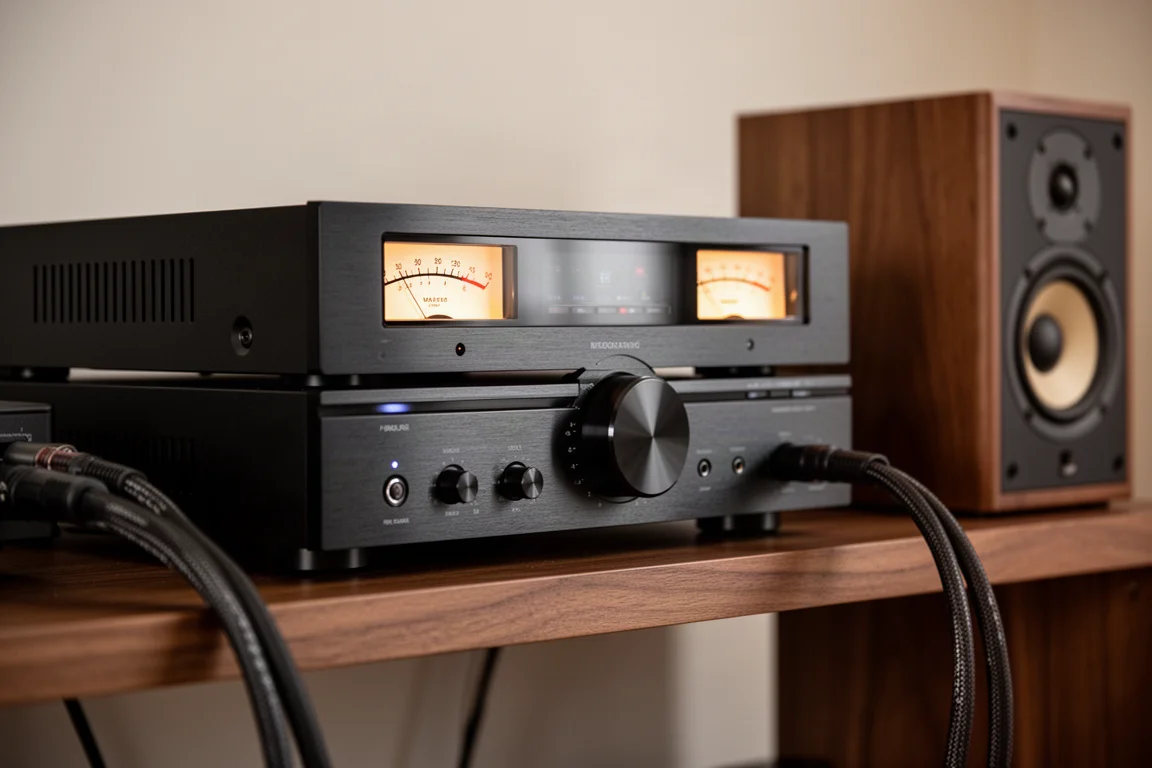
Wharfedale rates the Aston at 86 dB sensitivity with a recommended amplifier range of 25 to 100 watts. It is not the most efficient speaker around, and it rewards a well-built integrated amplifier in the 50 to 100 watt range, which keeps the low end tight while leaving the midrange and top end open and expressive. Driven that way, the presentation is warm and musical, with vocals that carry clarity and presence and instruments that have a tangible sense of weight and texture. Soundstage width is strong, and depth is the genuine surprise, with clearly audible space between performers and layers of detail that less refined setups tend to smear.
The voicing is easy to live with over long sessions. Rock, blues and jazz feel immediately at home, but the Aston also holds up with hip-hop, pop and electronic material, where the bass stays full without becoming overdone and the top end keeps enough sparkle to stay interesting without turning harsh.
Things to consider before buying
The Aston feels most at home in small to medium-sized rooms. In larger spaces, or in setups where deep bass is a priority, a fast, musical subwoofer can extend the low end further. In smaller rooms it holds its own without any help, with a low end that comes across as clean and tight rather than artificially boosted.
The 86 dB sensitivity figure means the speaker benefits from an amplifier with genuine drive rather than a modest budget unit, so the amplifier is part of the budget conversation. The limited run of 500 pairs worldwide is also worth factoring in, since availability is finite and the hand-matched veneers mean each pair carries its own grain character.
Buying advice
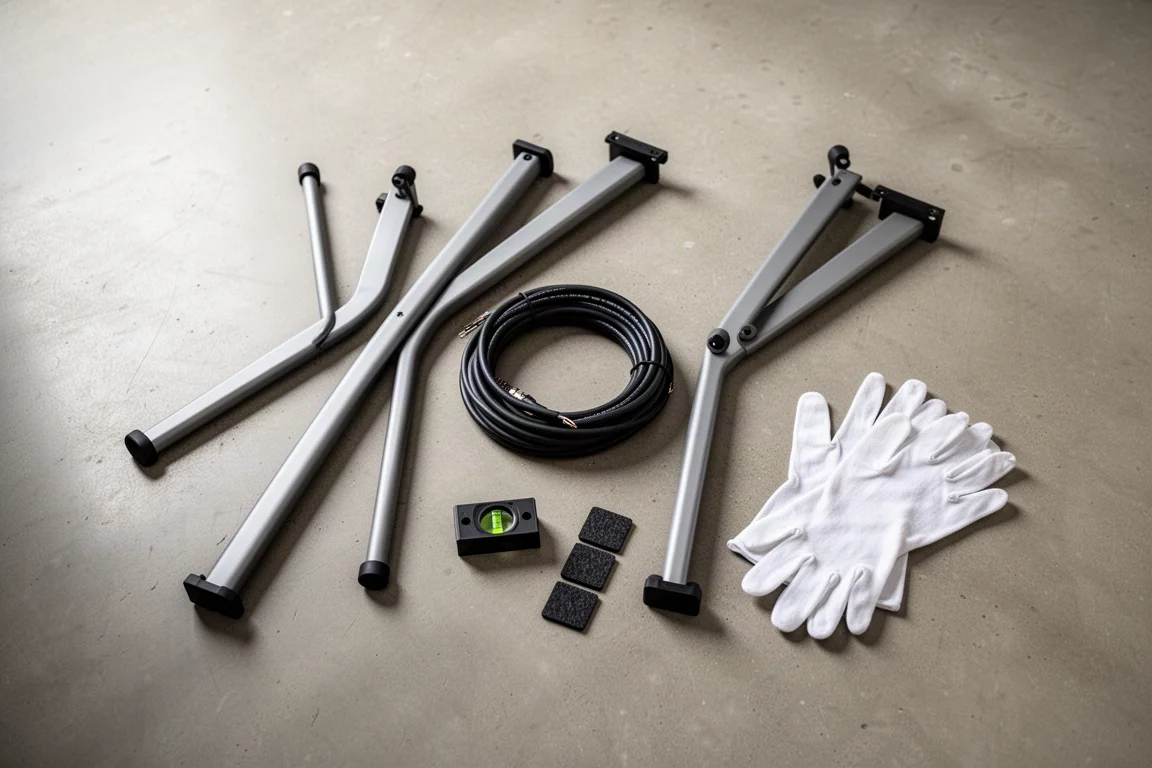
Plan for the whole system rather than the speakers alone. A solid integrated amplifier in the 50 to 100 watt range is the natural partner, and the included steel and glass stands remove one common hidden cost, because they are engineered to work with the cabinet rather than simply hold it up. Setup is treated as part of the experience, down to the white gloves supplied for handling.
Set realistic expectations about scale. This is a compact stand-mount speaker that plays like a much larger system, but it is not a substitute for a large floorstander in a big room. Buyers who want maximum low-end presence and a grand, wide-open feel may prefer a bigger design, while those who value nuance, cohesion and a tighter presentation in a smaller footprint will find the Aston the more satisfying choice.
Conclusion
The Wharfedale Aston is one of the more emotionally engaging speakers at its level: handmade in the UK, limited to 500 pairs, and supplied with matching steel and glass stands that genuinely improve performance. It pairs a vintage-inspired exterior with modern drivers, a carefully voiced crossover and a warm, fatigue-free character that makes long listening sessions easy. For listeners who want craft, rarity and musicality in a compact cabinet, it is a compelling option worth hearing for yourself.
Product link
View more details for Wharfedale Aston
This product is mentioned in the review. Check the specifications, options, and compatibility before buying.
View more details for Wharfedale AstonFurther reading
Related Reviews
Hi-Fi Speakers
1723 THX Tower vs 1528 Bookshelf: Which Speaker Fits Your Room?
Two speakers at roughly the same price, built very differently. How the 1723 THX tower and the 1528 bookshelf compare on construction, bass, power needs, and sound.
Hi-Fi Speakers
Acoustic Energy AE 300 Review: Deep Bass From a Compact Standmount
A two-way standmount with real wood veneer, surprising low-end weight, and a warm, easygoing character. Here is what to know before buying.
Hi-Fi Speakers
Acoustic Energy AE1 40th Anniversary Review: A Modern Take on a British Classic
A compact standmount that revives a 1980s favorite with all-new parts, a warm mid-centric balance, and a price of £1,499 per pair.