Splitboards
Weston Hatchet Split vs Ridgeline Split: Two Very Different Ways Into the Backcountry
Weston's Hatchet Split and Ridgeline Split take opposite approaches to splitboarding. We break down shapes, flex, construction, and which rider each board suits.
Introduction
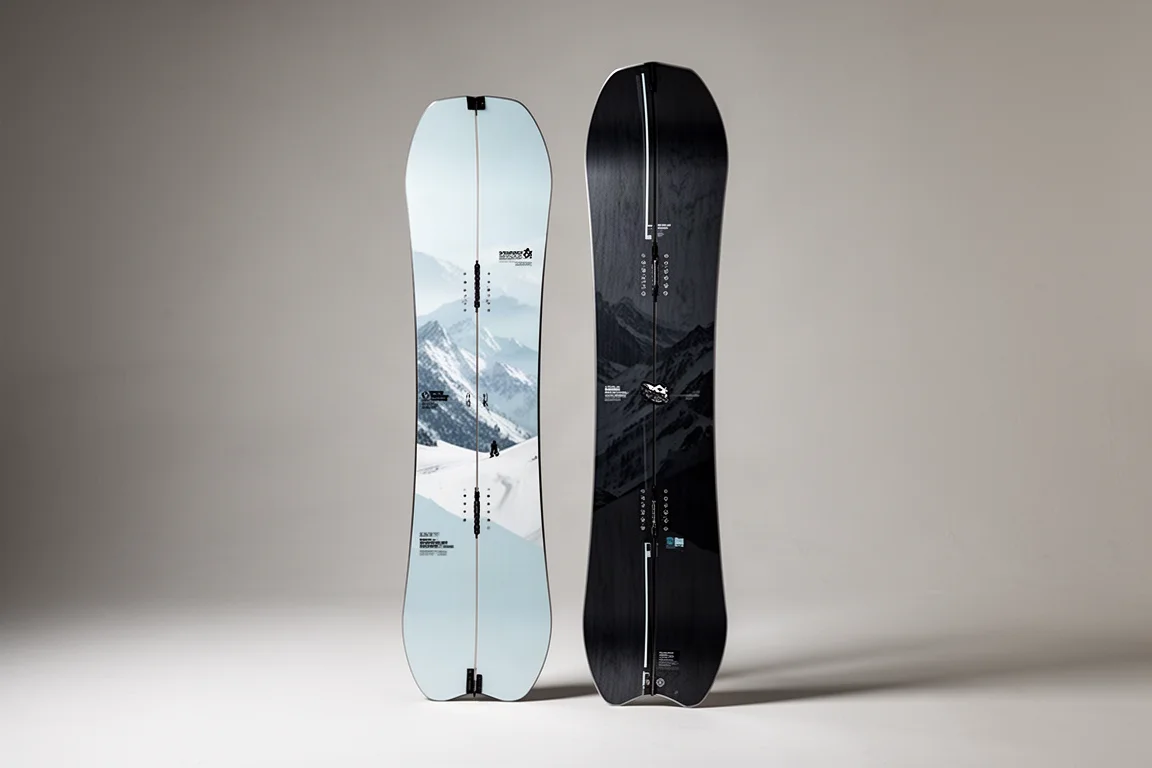
Splitboard season is almost here, and this year two of the most interesting options come from Weston: the Hatchet Split and the all-new Ridgeline Split. As a brand that built its reputation in Colorado and has only recently started making a real presence in Europe, Weston is one of the few manufacturers offering a nearly equal number of solids and splits in men’s, women’s, and unisex models.
These two boards happen to be two of the most contrasting models in the lineup. The Hatchet Split is a volume-shifted, freestyle-inspired backcountry twin, while the Ridgeline sits at the top of the range as the flagship big mountain freeride option. You would struggle to find two more different splitboards, and that makes this comparison genuinely useful depending on where and how you ride.
Why Weston Stands Out
Weston has built an impressive reputation in its home state of Colorado for producing some of the most exciting quality freeride snowboards and splitboards on the market, while also giving back to riding communities through scholarships, climate initiatives, and backcountry educational camps. Put simply, the brand lives and breathes snowboarding, and its approach to making the backcountry more inclusive, safe, and accessible is a big part of the appeal.
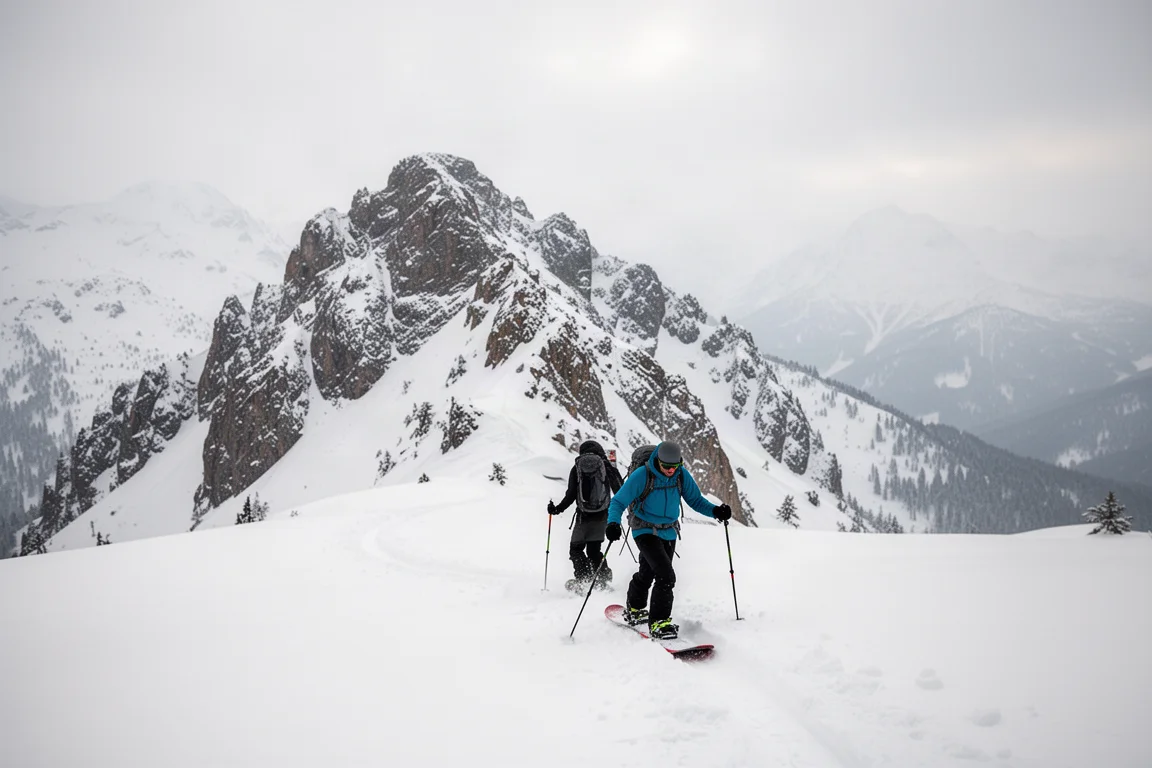
A brand with its sights set largely beyond the resort boundary naturally ends up with a stacked lineup, and the Hatchet and Ridgeline represent two very different philosophies within it.
Weston Hatchet Split: Playful Backcountry Freestyle
The Hatchet Split is a heavily volume-shifted directional twin built for backcountry freestyle. It rides about eight to ten centimeters shorter than a conventional freeride shape, because the volume is pulled in from the length and pushed out into the width. That makes it roughly 28 centimeters through the waist, which is seriously wide and perfect for slashy, surfy turns and tight lines through the trees.
The deeper the conditions, the better this board rides. Because the shape is less directional, it also invites freestyle into the backcountry: think pillow drops, powder butters, and boosting 180s off natural features.
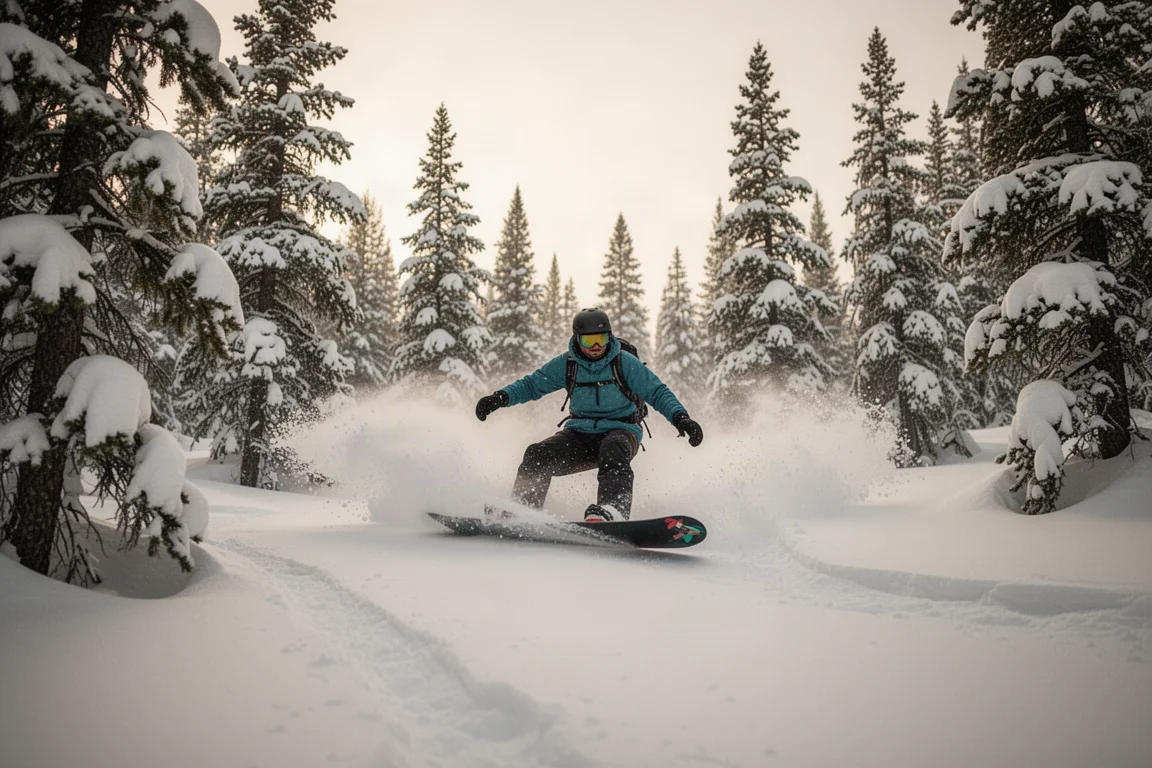
On profile, the Hatchet carries a good amount of positive camber through the mid body, with similarly sized, fairly large rocker zones in both the nose and tail. That means its performance and float are almost identical whichever way you ride it, switch included. Flex comes in around a 7 out of 10, so it is a little more forgiving and playful than the Ridgeline, and it also gets the slightly faster sintered base, which helps you glide through lower-angle, turn-heavy terrain.
Weston Ridgeline Split: Big Mountain Performance
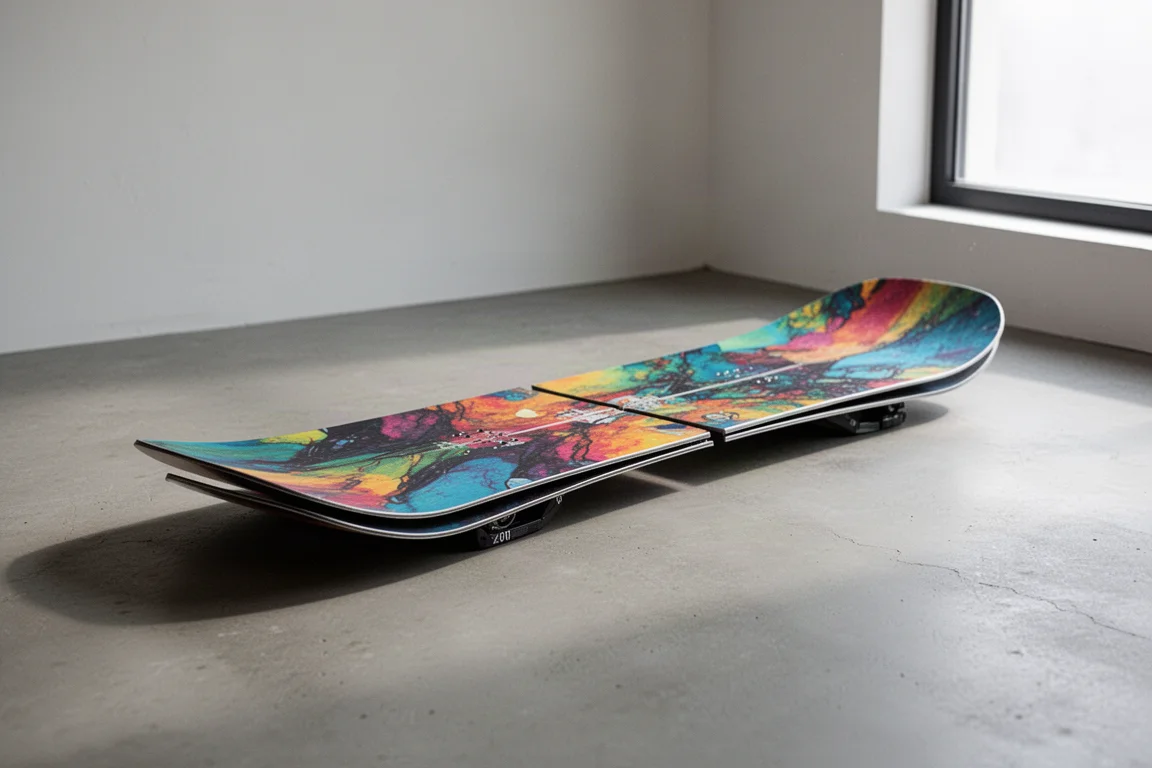
The Ridgeline Split is a different animal entirely. Its outline is far more directional, with a setback stance, a tapered profile, and a decent amount of length in the nose and tail for stability and control at higher speeds. It is no stranger to riding switch, but you will get the most out of it in your preferred stance.
Its construction uses a more pronounced and elongated positive camber, with the rocker section noticeably biased toward the nose. That translates into considerably more power and grip through most of the running length while still keeping the nose up in deep snow. It is clearly geared toward high-speed, steep-angle backcountry descents where the board needs to hold its line when conditions get dicey.
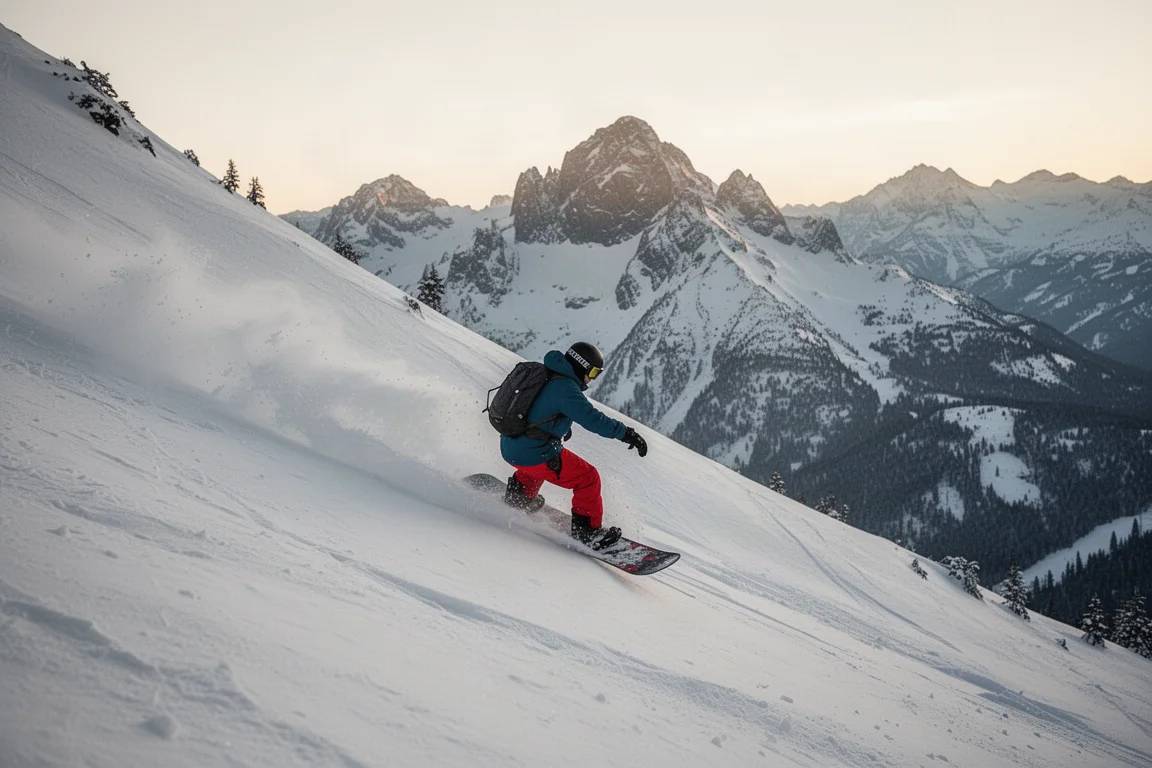
Flex steps up to about an 8 out of 10, and durability has clearly been made a top priority in the construction, right down to reinforced sidewalls that protect the rails. That makes sense given this is the board you would take much deeper into the backcountry, miles or even days from safety.
Split-Specific Features Both Boards Share
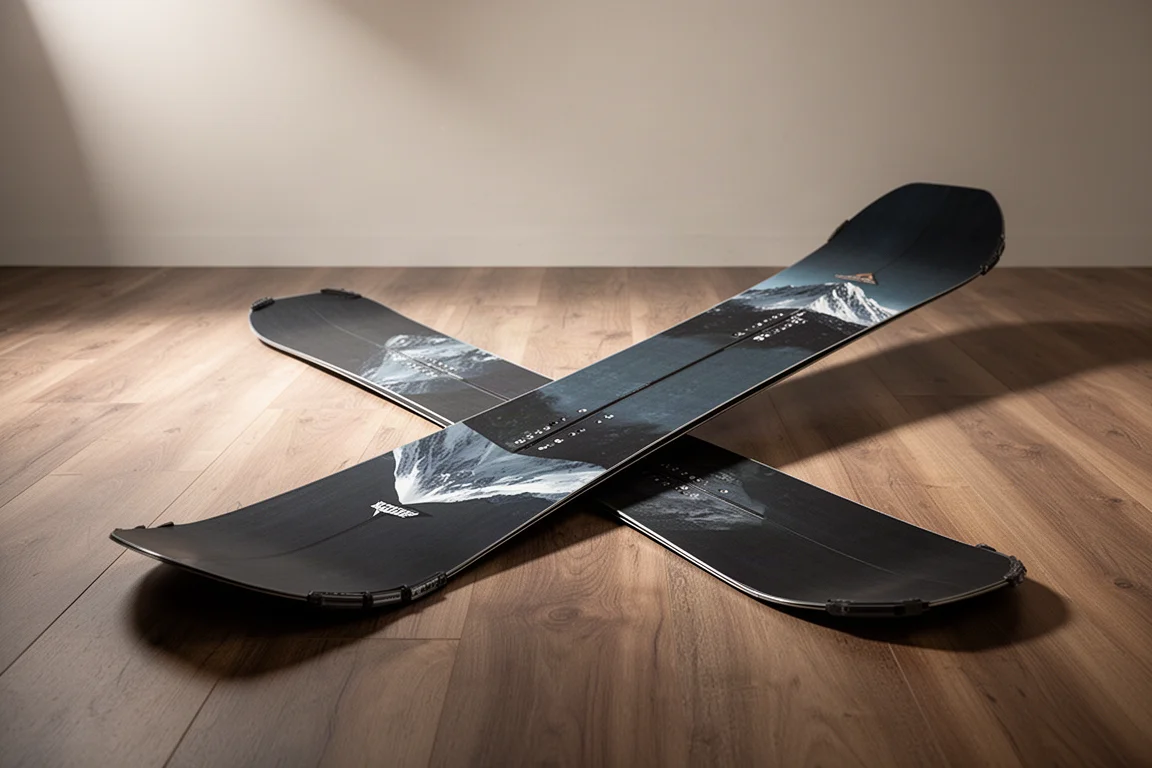
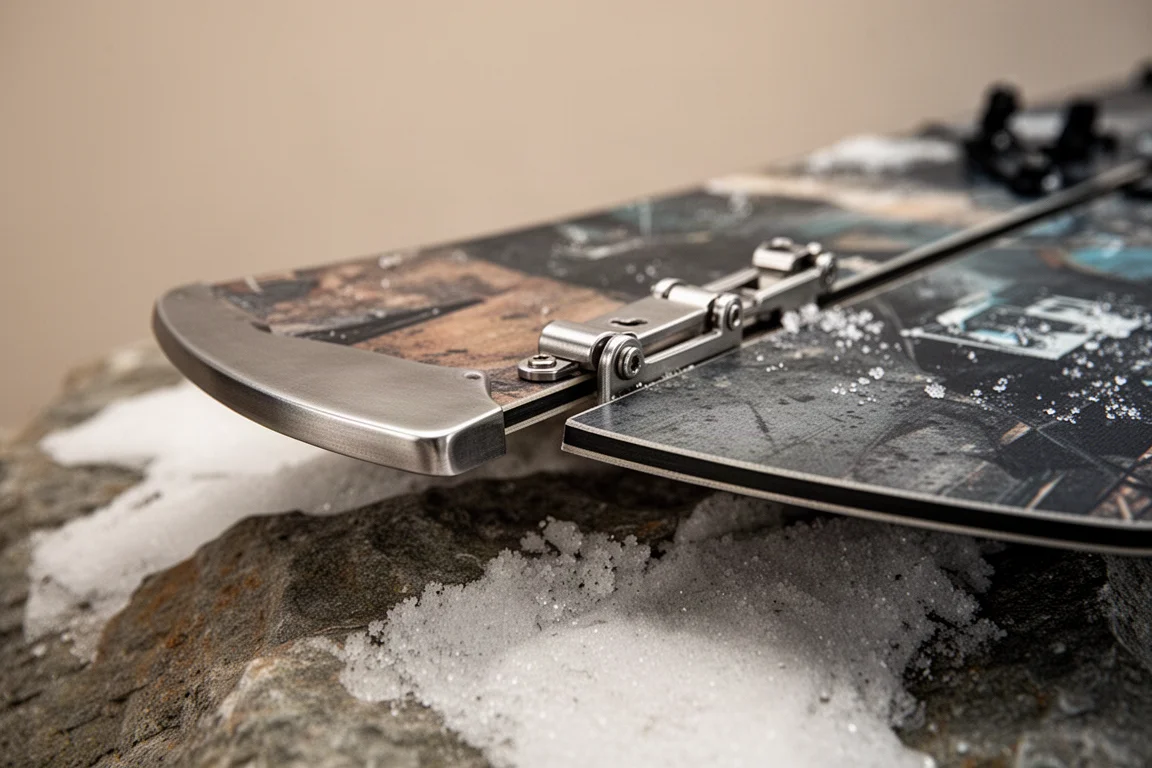
Weston knows how important reliability and durability are on the skin track, so both boards come equipped with the same top-end split features. Each gets an inside edge with full sidewall, so you always have some grip on sketchier ascents, and the tails are built a little heavier than the noses to assist with kick turns.
Both boards also feature Karakoram ultra clips, which lock the split together when riding and add extra torsional rigidity in the nose and tail, making the board virtually feel like a solid on the descents. Forged tips protect the ends of the board from dings and impacts that could burst them open, and a rugged topsheet stands up to repeated kick turns.
Which One Should You Get?
Think about the terrain you want to ride this season, because these boards really are different in nature. If you are new to splitboarding, or you simply want something primed for mellower, more creative freeriding, the Hatchet is a great option. It is perfect for spinning, buttering, slashing, and popping off every natural feature in the sidecountry and backcountry.
If you have put the hard yards in and been breaking trail for a couple of seasons, the Ridgeline Split is one of the best big mountain, hard-charging freeride splitboards out there. It takes a no-compromise approach to performance and durability in the backcountry, and it will cover all the bases and then some for riders who know exactly how much they rely on that far from safety.
Conclusion
There is increasing competition in the splitboard market these days, but Weston is no stranger to breaking trail with new and exciting shapes, and both of these boards rank among the best available right now. Choose the Hatchet Split if playful, surfy backcountry freestyle is your goal, and the Ridgeline Split if you want maximum stability, power, and durability for big mountain lines.
Further reading
Related Reviews
Splitboards
Jones Solution Splitboard Review: A Big-Terrain Splitboard Built for Confidence
A close look at the Jones Solution splitboard, the split version of the brand's flagship board, covering its 8 out of 10 flex, 3D contour shape, edge grip, and reinforced connection.
Backpacking Gear
Building a 10 lb Base Weight: An Ultralight Backpacking Gear List
A practical walkthrough of the ultralight pieces behind a 10 lb base weight, from a 765 g pack and a roomy one-person tent to a full camp chair and a dependable water filter.
Road Bikes
10 New Road Bikes Worth Watching: Aero, Titanium, Steel and Endurance Standouts
A practical roundup of 10 new road bikes, from aero flagships chasing single-watt gains to titanium, steel and endurance platforms built for real roads.