Splitboards
Jones Solution Splitboard Review: A Big-Terrain Splitboard Built for Confidence
A close look at the Jones Solution splitboard, the split version of the brand's flagship board, covering its 8 out of 10 flex, 3D contour shape, edge grip, and reinforced connection.
Introduction
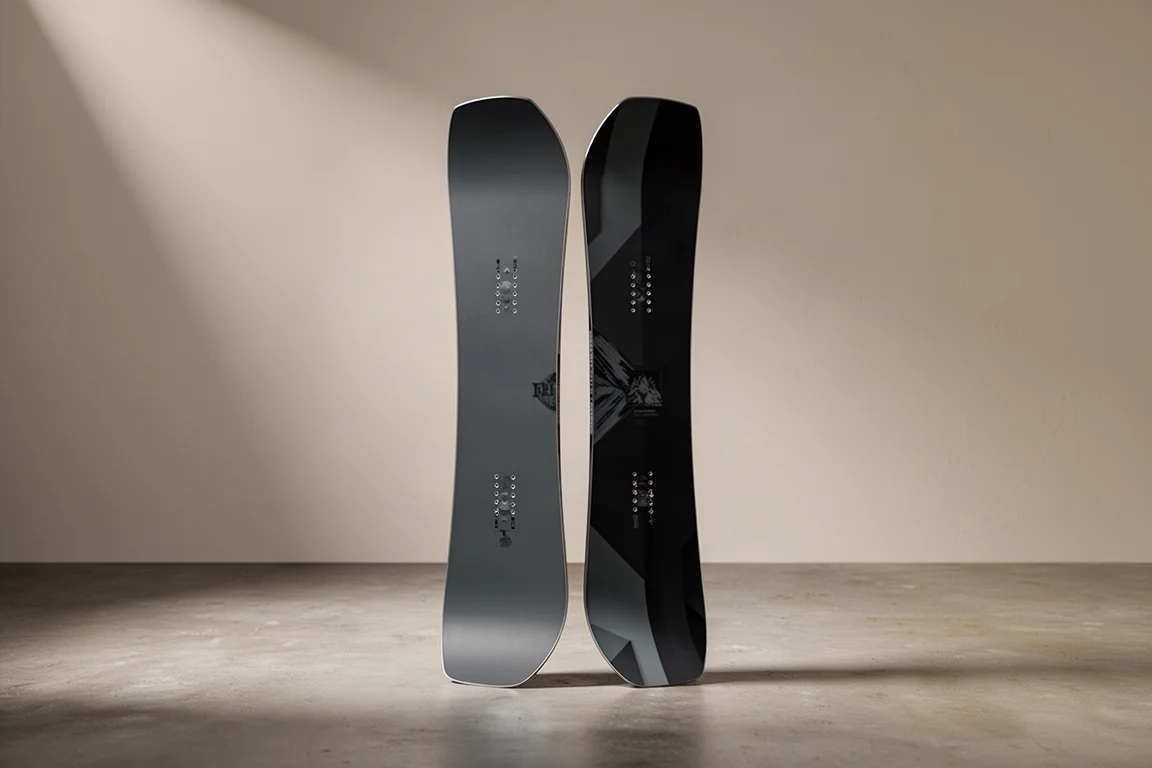
The Jones Solution is the split version of the brand’s flagship board, and it carries a claim that is unusual in snowboarding: it is the world’s best-selling splitboard. That position comes from a fairly specific brief. Both the flagship and the Solution are built to attack big terrain with confidence, from fast and icy surfaces to deep powder and blue ice. The name says it plainly. This is designed to be the one board that answers the question of what to ride.
The character of the board is deliberately stiff, rated at 8 out of 10 on flex, with camber between the feet and a rockered nose and tail. That combination is the core of the design philosophy: stiffness plus camber delivers confidence when conditions are sketchy or icy, while the profiling between the feet keeps the board playful enough to still be a good time.
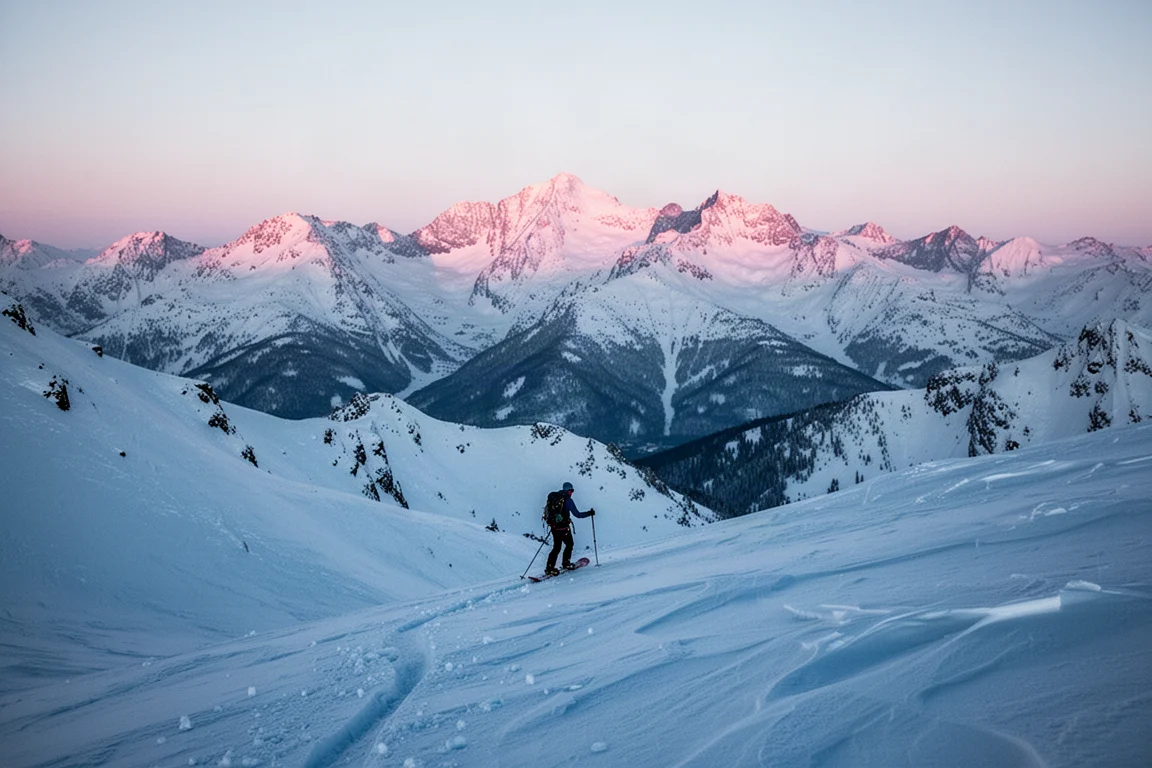
For riders who spend their season hunting big lines rather than lapping a resort, that balance is the whole point. The Solution is also produced in a women’s version within the line, so the same platform is available in more than one build.
Who This Splitboard Is For
The Solution is aimed at riders who want to attack big terrain with confidence and who are comfortable on a demanding board. An 8 out of 10 flex does not forgive a passive riding style, so it rewards riders who already drive their board hard and want an edge that holds when the snow turns firm.
It is a strong fit for splitboarders who cover mixed terrain in a single tour, from icy skin tracks to deep powder turns. It is a less obvious match for riders looking for a soft, forgiving board for low-angle meadow skipping.
Main Strengths
Stiff Flex and Camber Where It Counts
The 8 out of 10 flex pairs with camber between the feet, and that is what gives the board its confident feel when the snow is sketchy or icy. Early rise rocker in the nose and tail softens the profile at the ends, so the board stays manageable and playful rather than locked into a single turn shape.
The practical result is a board that holds an edge when you need it and still feels lively when the terrain opens up into softer snow.
3D Contour and a Directional Shape
The nose and tail rocker is boosted by a 3D contour, or spoon shape, developed in collaboration with Chris Christensen. That contour helps snow flex underneath the contact points, which adds glide and float and improves the edge-to-edge transition.
The shape is directional, with a longer nose than tail and taper that makes the tail narrower than the nose. Together those details help the board float well in deep snow, while leaving enough tail to ride switch when you want to.
Traction Tech, Eco Materials, and a Fast Base
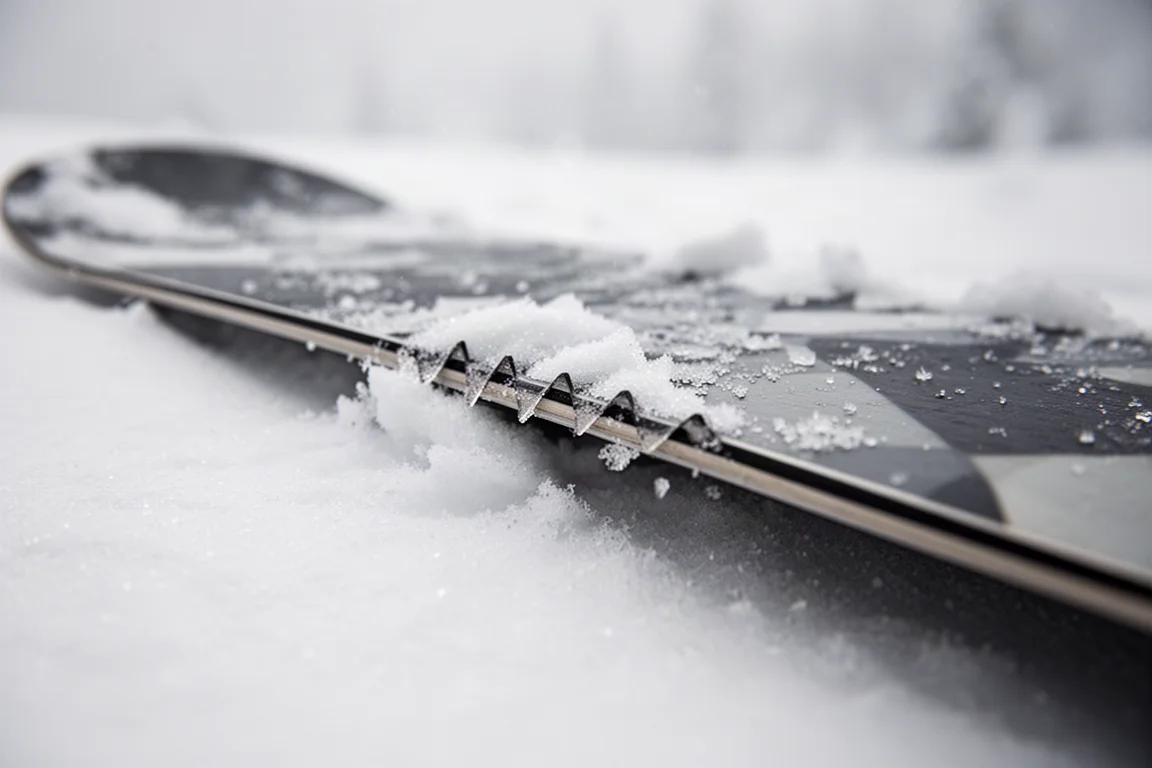
Traction Tech appears on both the inner and outer edges. The outer edge carries three small bumps that interrupt the edge and give a serrated style of grip in firm snow, while the same treatment on the inner edge helps you hold an edge when you are skinning an icy sidehill.
Materials lean toward lower impact choices: an eco plastic top sheet made from castor beans, recycled edges and sidewalls, and a flip flop die cut base. The base itself is sintered, which makes it fast and durable and easy to repair.
A Connection That Behaves Like a Solid Board
The joint between the two halves is built heavily. A Karakoram Ultra Clip 2.0 pulls a large amount of compression, and the area is reinforced with a double thick core, described as the Boltless Bridge, so the board pulls more compression instead of relying on single core depth. The goal is that it feels and behaves like a solid board rather than two skis lashed together.
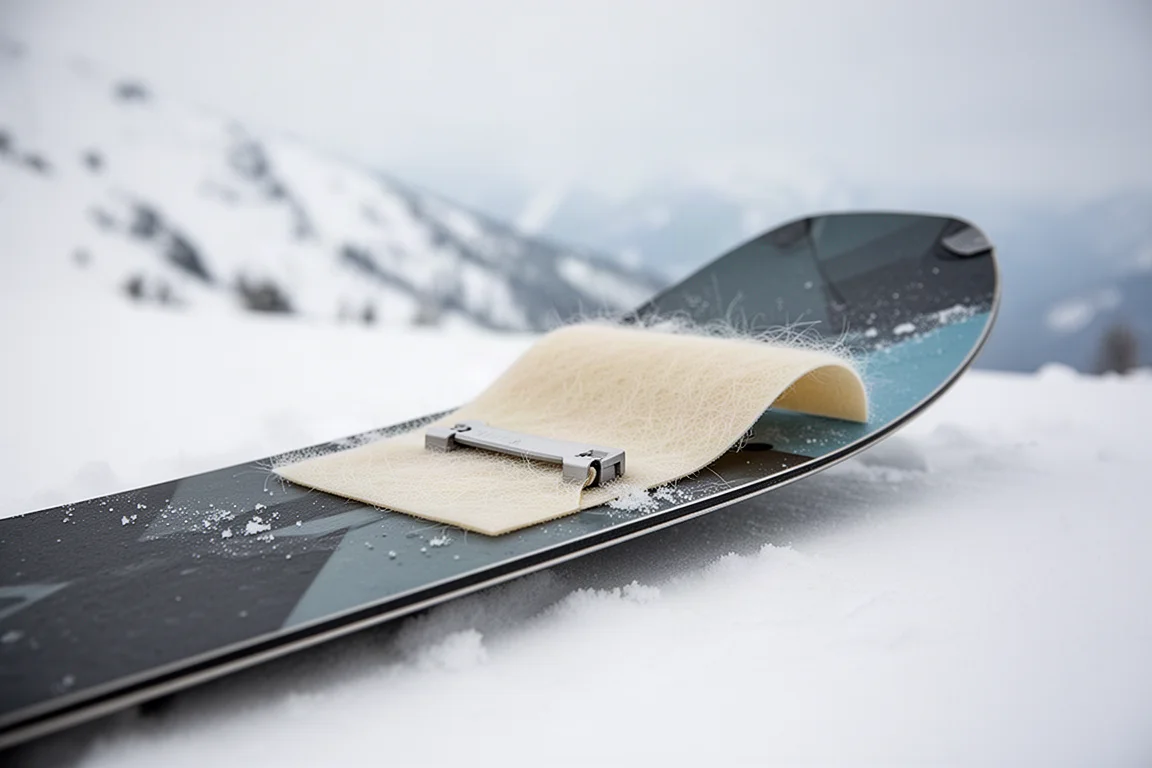
The Boltless Bridge also means there is no hardware on the base, which keeps the base fast and leaves less to damage or repair. Pre-cut Quick Tension tail clip notches make it possible to fit Jones Nomad or Nomad Pro skins, which arrive pre-cut and ready to go, with a small tooth that slots into the tail.
Things to Consider Before Buying
Stiffness and Rider Input
An 8 out of 10 flex is a genuine commitment. Riders who prefer a softer, more relaxed board, or who are still building confidence on steeper terrain, may find the Solution demands more input than they want to give on every run.
It is worth being honest about how you actually ride before choosing a board at this end of the flex scale.
Setup and Skins
The tail clip notches are designed around Jones Nomad and Nomad Pro skins, which come pre-cut out of the bag. If you plan to use a different skin system, check the fit rather than assuming the notches will work the same way.
Buying Advice
The Solution makes the most sense for a rider who tours big terrain and wants one board that covers firm, icy snow and deep powder without compromise. The stiff flex, camber profile, and directional taper all point in the same direction: confident riding at speed and in demanding conditions.
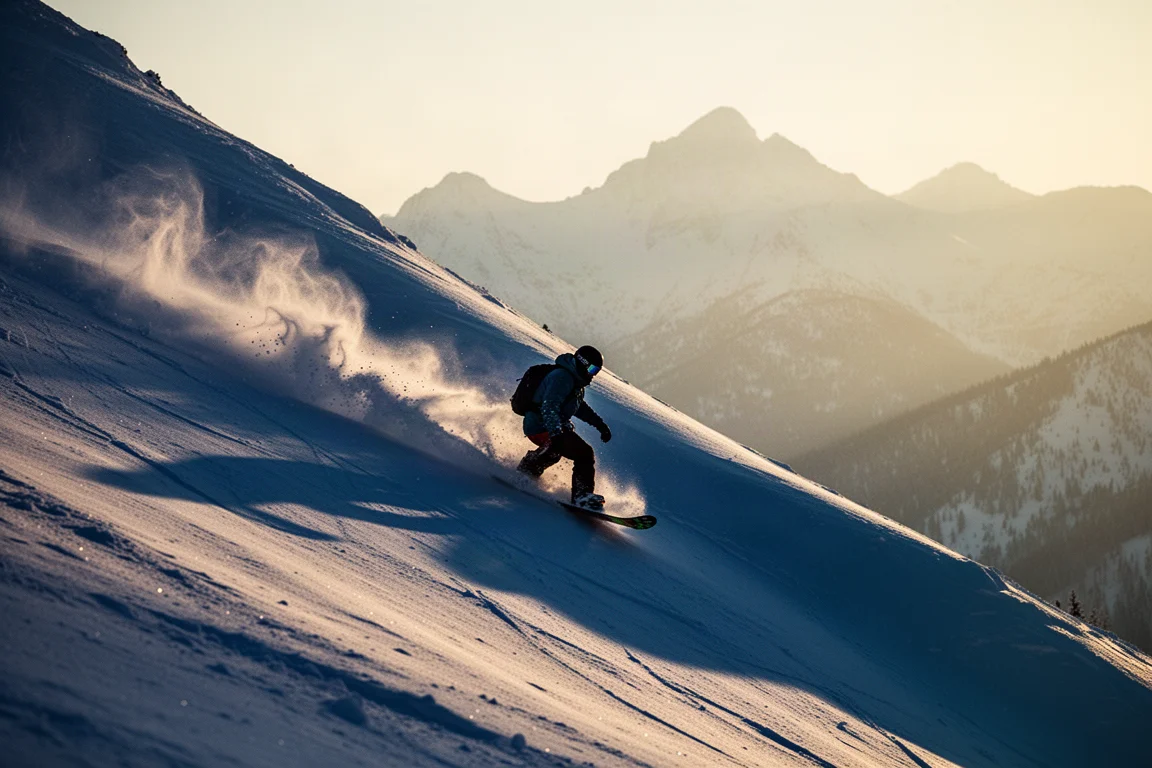
If that describes your riding, the design choices here are coherent and well matched. If you are looking for a softer, more forgiving splitboard, or you mostly ride low-angle terrain, a different flex profile will likely serve you better.
Conclusion
The Jones Solution earns its reputation through a clear set of design decisions rather than novelty. A stiff 8 out of 10 flex, camber between the feet, 3D contour in the nose and tail, a directional tapered shape, edge grip on both inner and outer edges, and a reinforced connection that aims to feel like a solid board all serve the same goal: attacking big terrain with confidence.
For riders who want exactly that, it is a straightforward choice. For everyone else, the stiffness is the honest reason to look elsewhere.
Product link
View more details for Jones Solution Splitboard
This product is mentioned in the review. Check the specifications, options, and compatibility before buying.
View more details for Jones Solution SplitboardFurther reading
Related Reviews
Splitboards
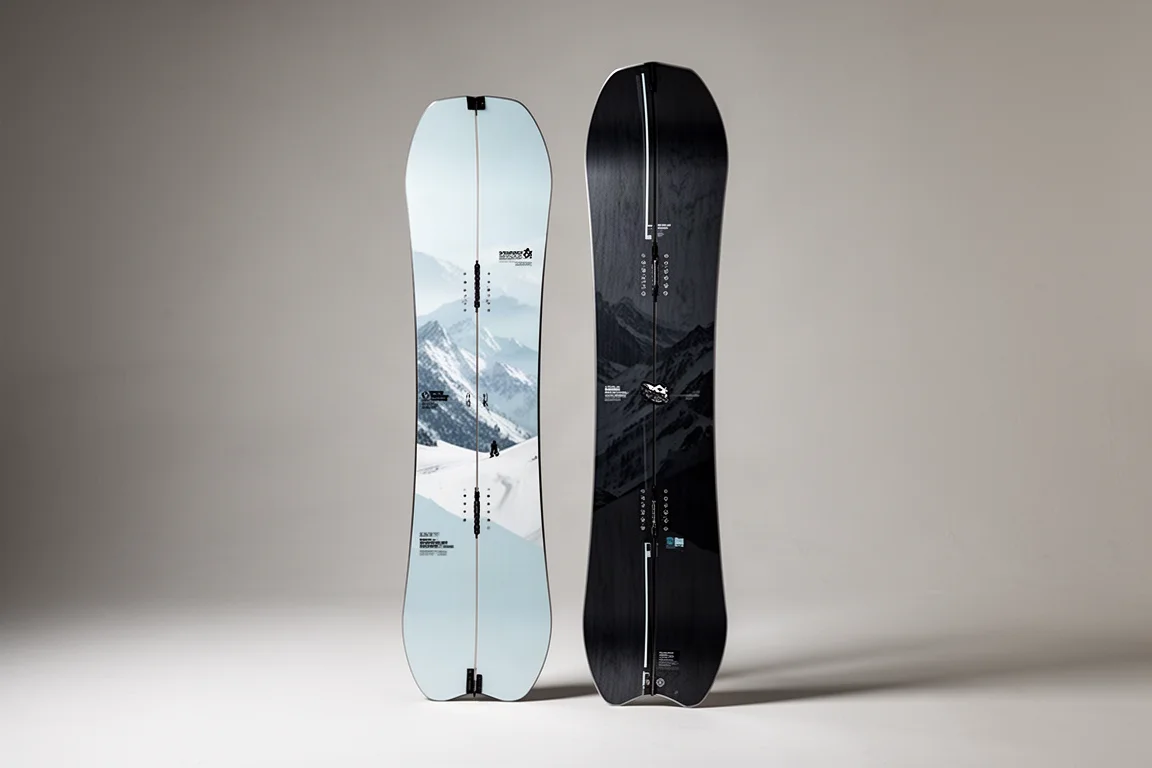
Weston Hatchet Split vs Ridgeline Split: Two Very Different Ways Into the Backcountry
Weston's Hatchet Split and Ridgeline Split take opposite approaches to splitboarding. We break down shapes, flex, construction, and which rider each board suits.
Backpacking Tents
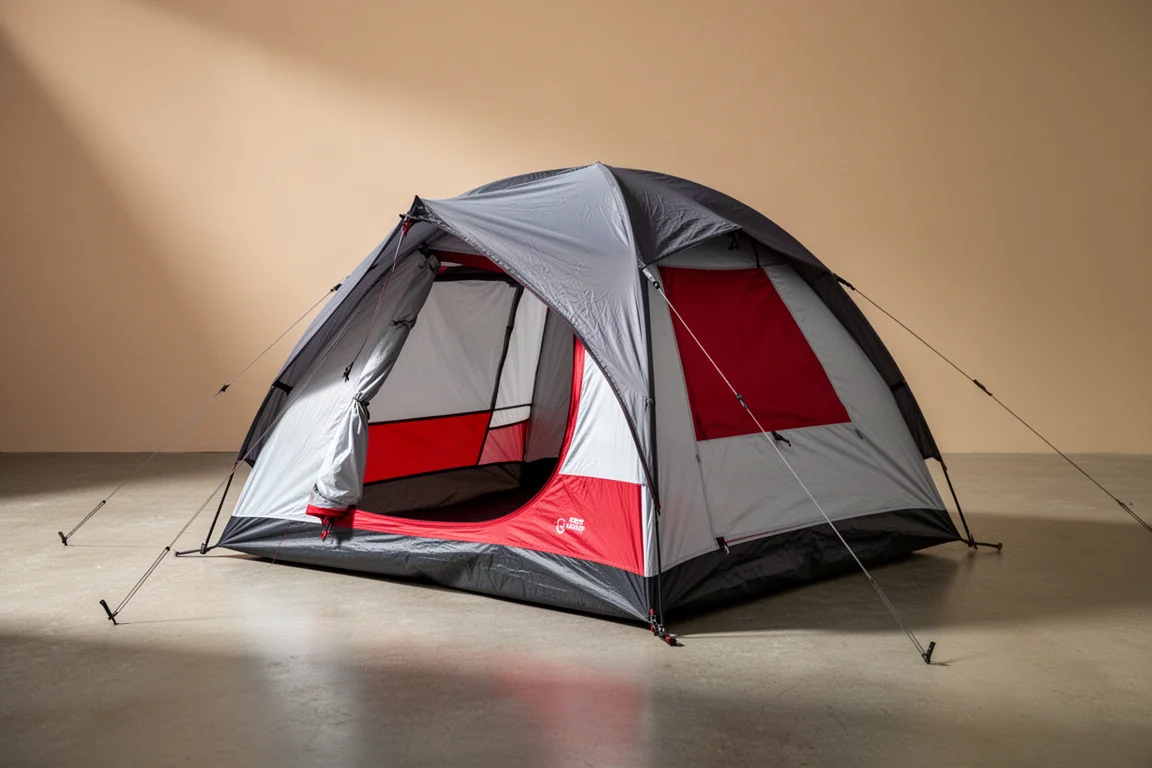
Alps Mountaineering Helix 1 Review: A Modern, Roomier One-Person Tent
A close look at the Alps Mountaineering Helix 1, a modern 20D nylon one-person backpacking tent with a roomy interior, taped seams, and a 3 lb 3 oz packed weight.
Sun Hoodies
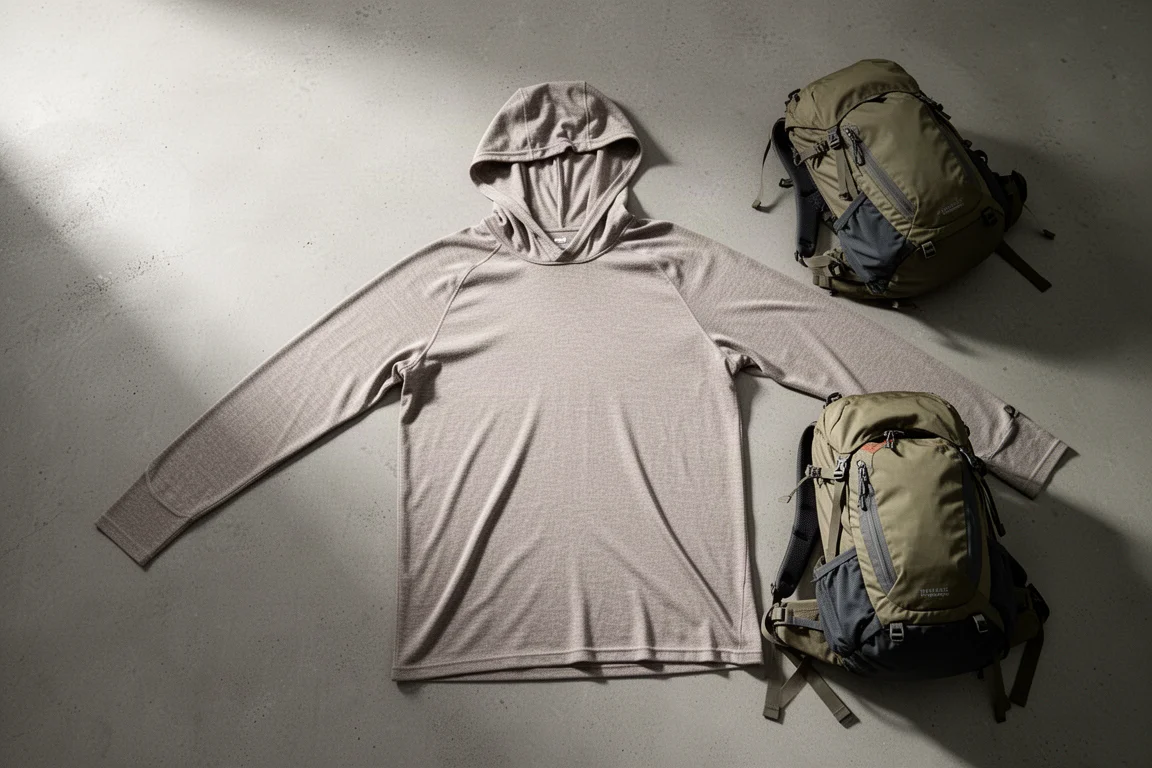
Appalachian Gear Company 80/20 Alpaca Wool Sun Hoodie Review: Five Days in the Desert
An alpaca wool sun hoodie worn for five days of desert hiking and camping, assessed for sun protection, drying speed, durability, comfort, and odor.