Backpacking Gear
West Highland Way Backpacking Gear List: 7 Pieces of Kit That Worked
A five-day, 100-mile loadout that came in at 15 kg, covering the pack, shelter, sleep system, and camp layers that earned their place.
Introduction
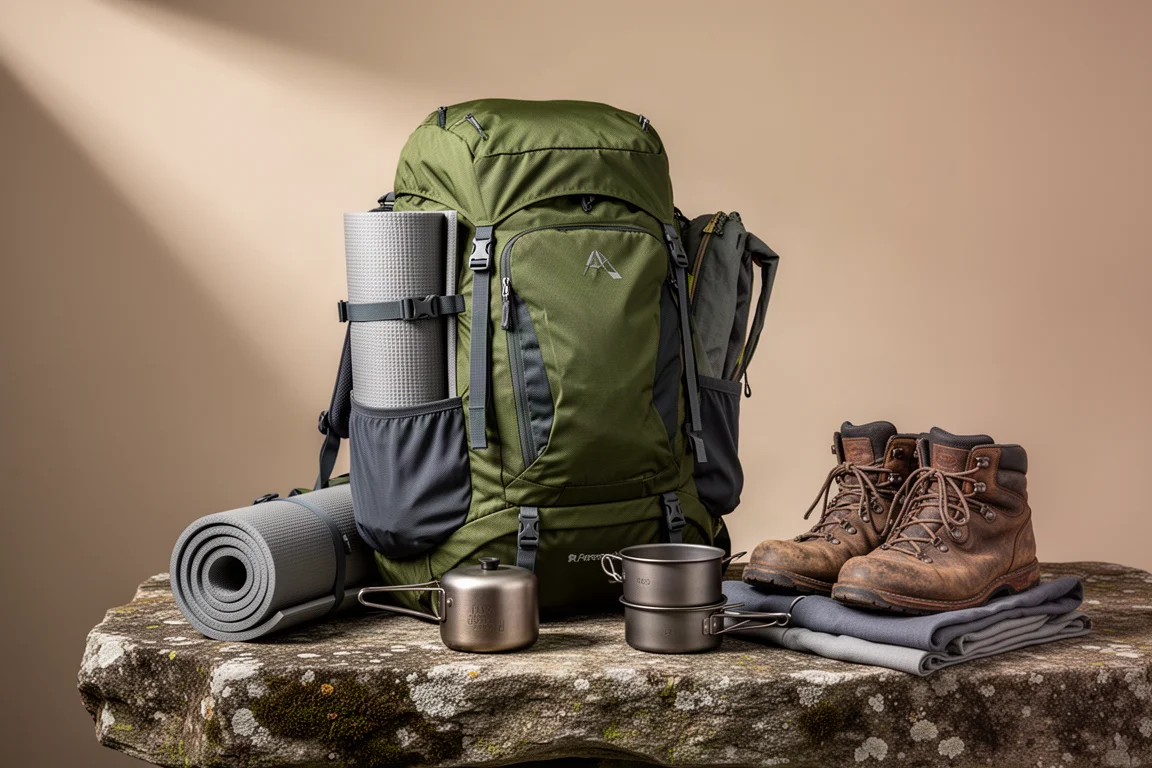
The West Highland Way covers roughly 100 miles of Scottish trail, and this loadout walked it in five days. Everything described here, including one litre of water, all breakfasts, and all main meals, weighed 15 kg. Overnight temperatures dropped a few degrees below freezing, while the days stayed mild and, on some stages, genuinely hot.
That combination shapes the list. This is not an ultralight setup built on compromises most hikers cannot realistically repeat. It is a practical pack that most people, on most budgets, could assemble and carry comfortably from start to finish.
How This Kit Was Chosen
The target was a complete loadout of around 15 kg rather than a specialist ultralight kit. Four priorities drove the decisions: comfort over long days, a shelter that could be pitched on whatever ground the route offered, sleep insulation rated for nights below freezing, and gear that keeps working when it rains for a full day.
Weight still mattered, but it was never allowed to win an argument against comfort. Every item had to justify the space it took in the pack.
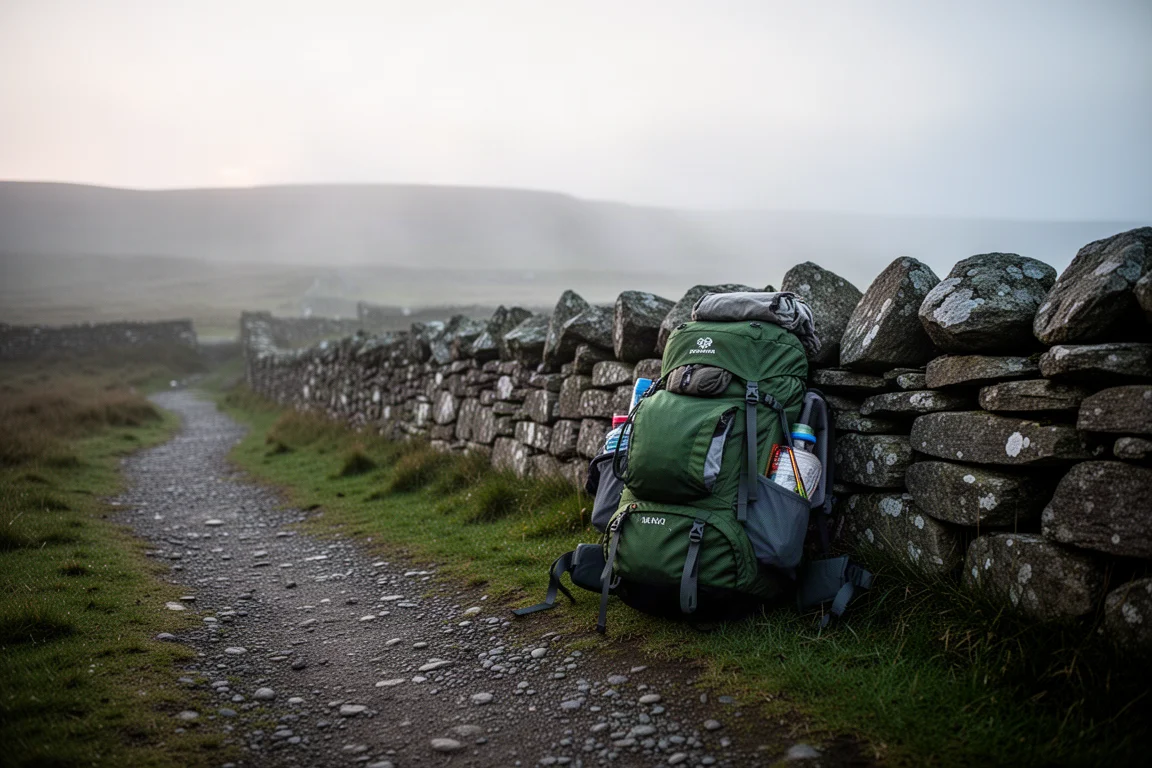
Day one covered around 30 miles, which is where the energy powder and bars came in. The terrain is stony underfoot for long stretches, and conditions ranged from cold mornings to hot afternoons. Kit that handled both ends of that range, and packed down small when it was not needed, earned its place.
Osprey Aether 60L: The Pack That Carried Everything
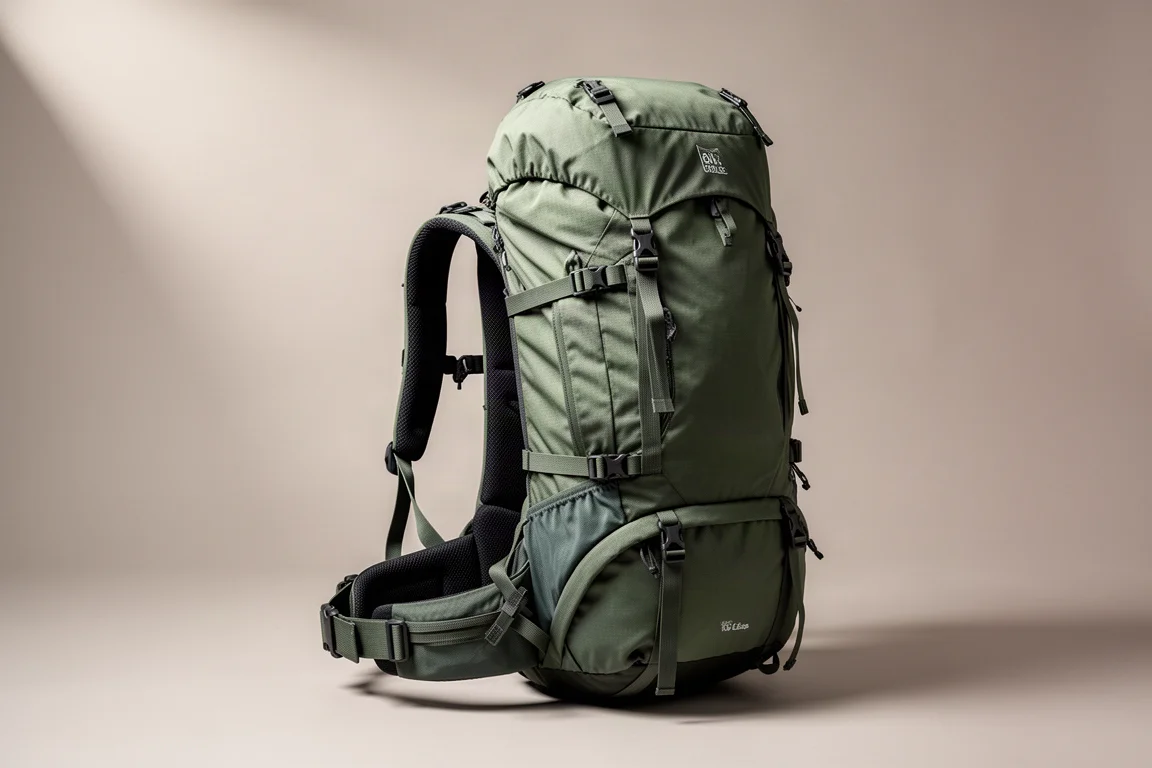
The Osprey Aether 60L uses Osprey’s AntiGravity back system, which behaves a little like a suspension system for the load. The shoulder straps and hip belt are thick and heavily padded, and the pack carried a full multi-day loadout without hot spots or discomfort across five consecutive days.
Sixty litres is enough for a tent, a sleeping bag, several days of food, and clothing, while the lid and front pockets take the items needed during the day.
Garmin inReach Messenger: Staying in Touch Off Grid
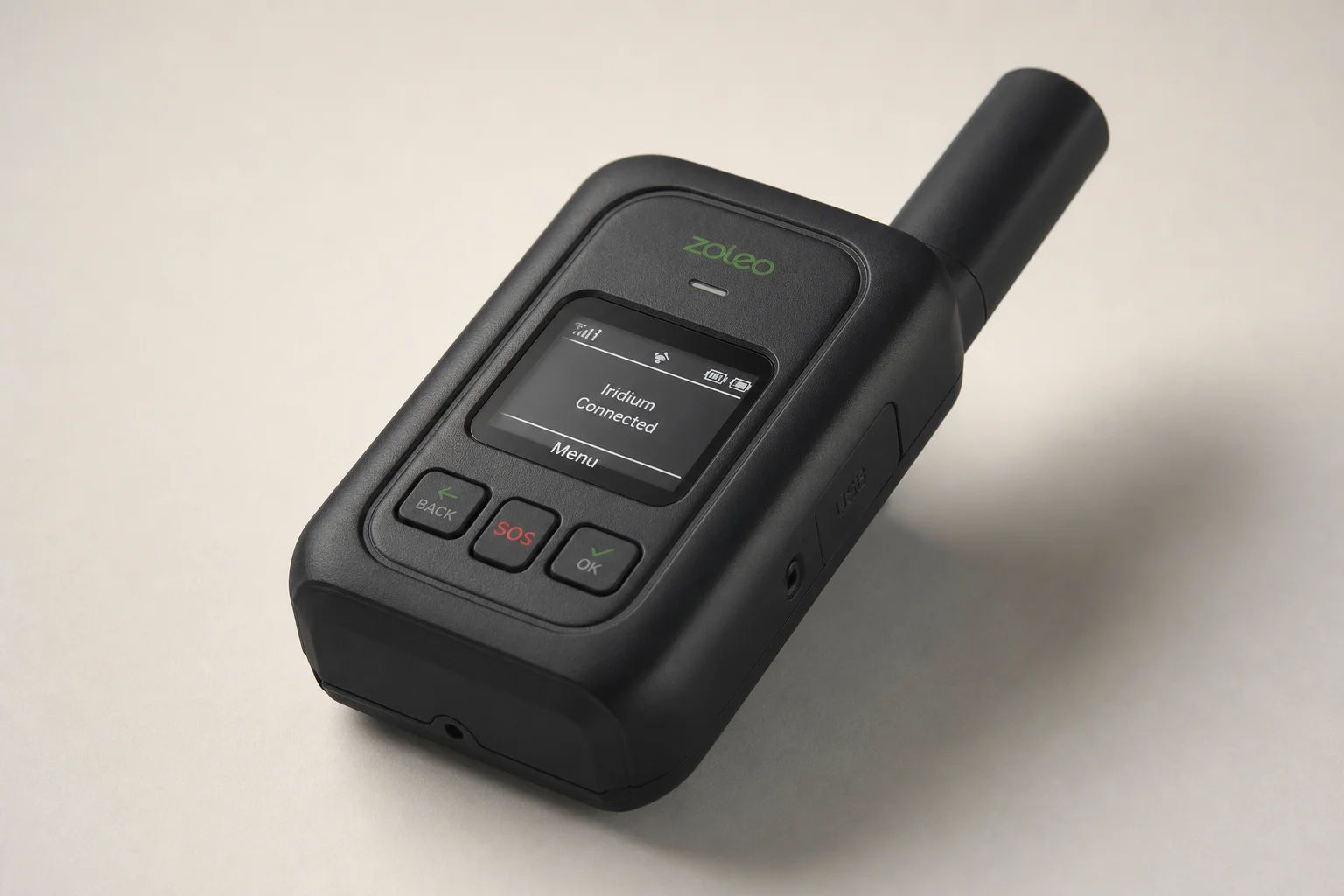
The Garmin inReach Messenger is a satellite communication device with an SOS button. On a route like this, the everyday value is simpler than the emergency function: it allowed messages to be sent home from places with no phone signal, so family knew the walk was going to plan. It also provides weather forecasts and tracking.
It lived in a shoulder strap pocket for the whole trip, which kept it accessible without stopping to open the pack.
OMM Chest Rig: Quick Access Without Stopping
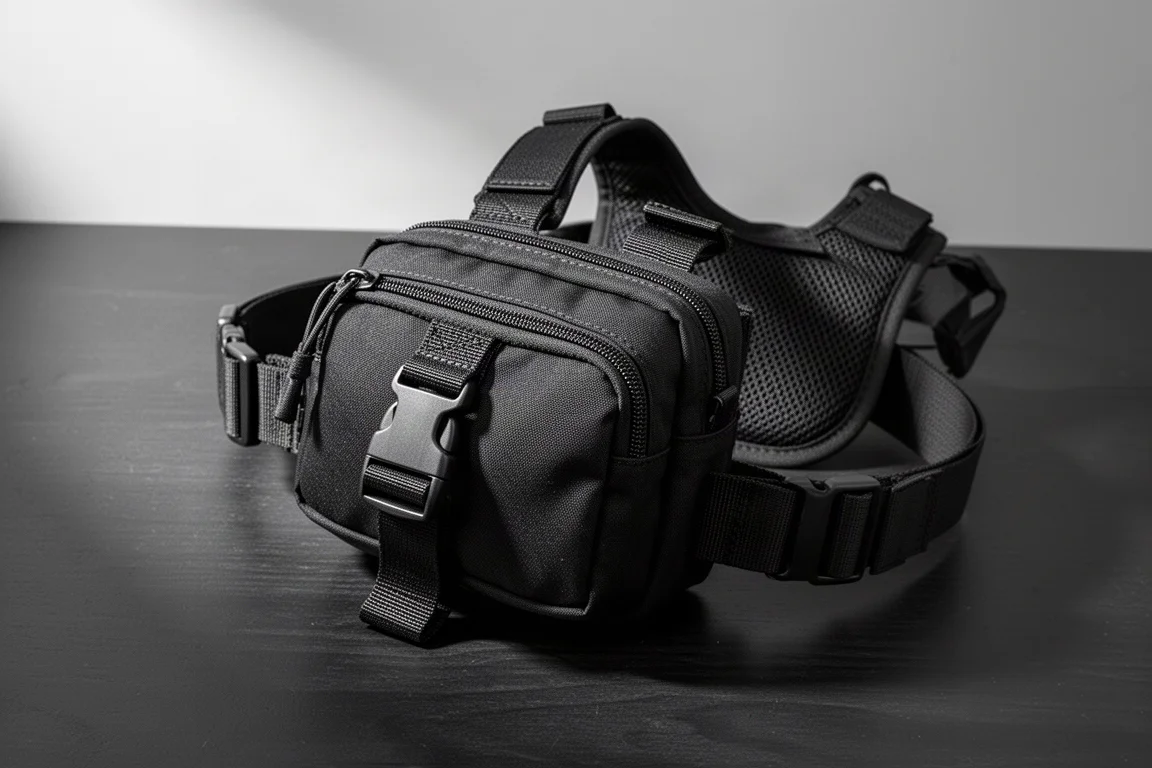
The OMM chest rig turned out to be one of the most useful items in the pack. A map, insect repellent, a waterproof pouch for small electronics, snacks, and sunglasses all stayed within reach on the front of the body, so there was no need to take the pack off every time something was needed.
Inside it sat a Harvey Maps West Highland Way map, which is tough and effectively waterproof, along with a small waterproof pouch that held valuables. Everything that needed to be grabbed quickly had a fixed home.
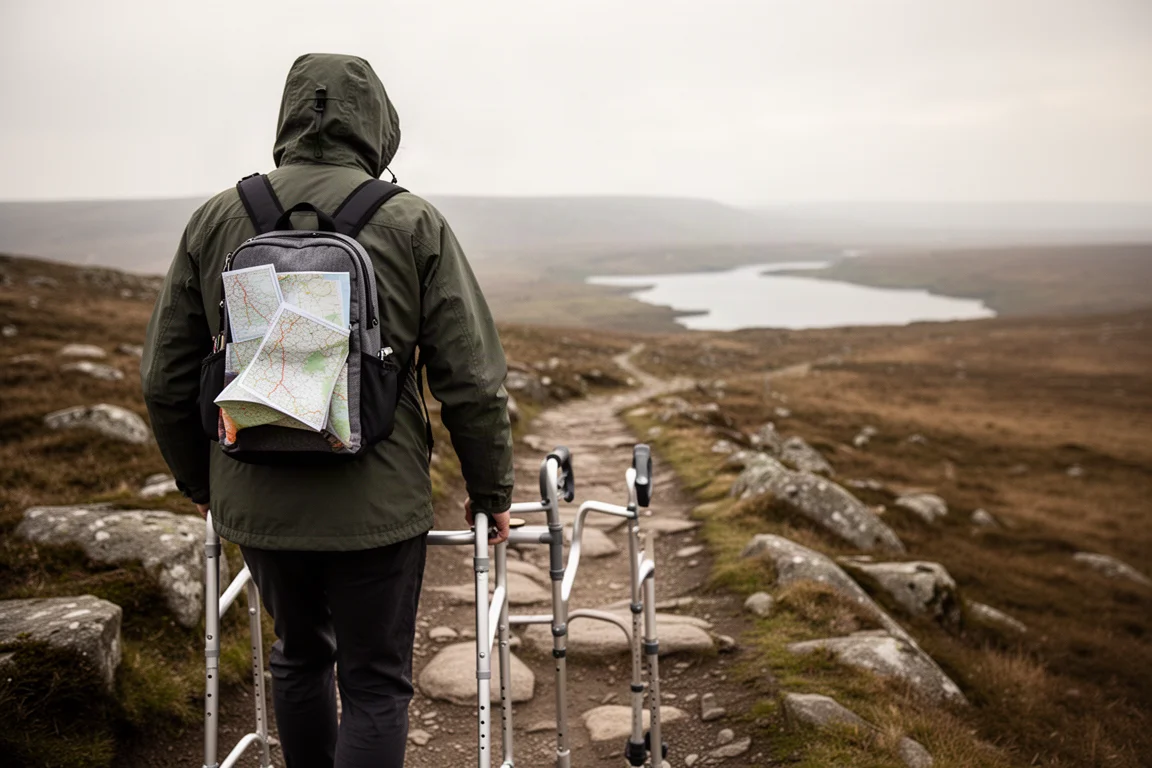
Snacks went straight into the chest rig, which is exactly the kind of small convenience that adds up over a long day. It also keeps the weight of frequently used items close to the body rather than swinging on the outside of the pack.
Wild Country Helm 1: A Freestanding Shelter That Pitches Anywhere
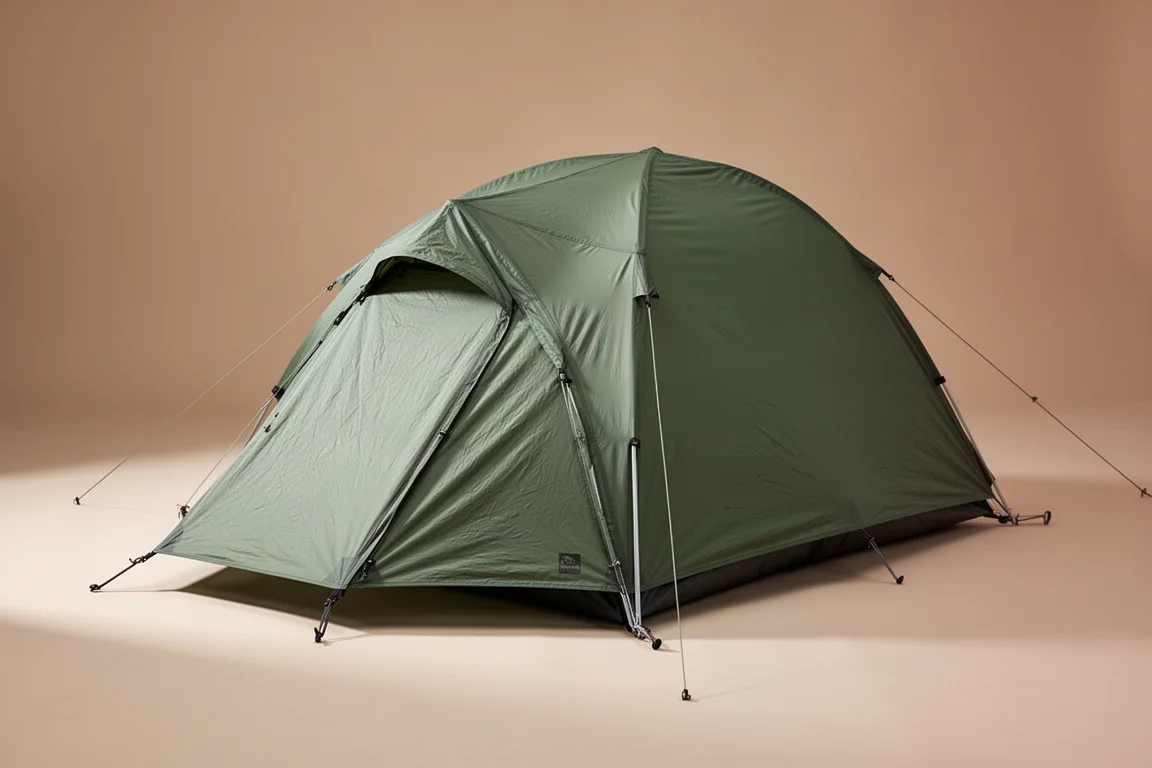
The Wild Country Helm 1 weighs 2 kg and packs down compactly, which matters when the rest of the load is bulky. More importantly, it is freestanding, so it can be pitched on ground where a trekking pole shelter would be difficult or impossible.
The fabric is thick for its class, and the tent handled a full trip without drama. On a route where you may end up camping on hard, stony ground, that combination of a freestanding design and a small packed size is worth more than a lower headline weight.
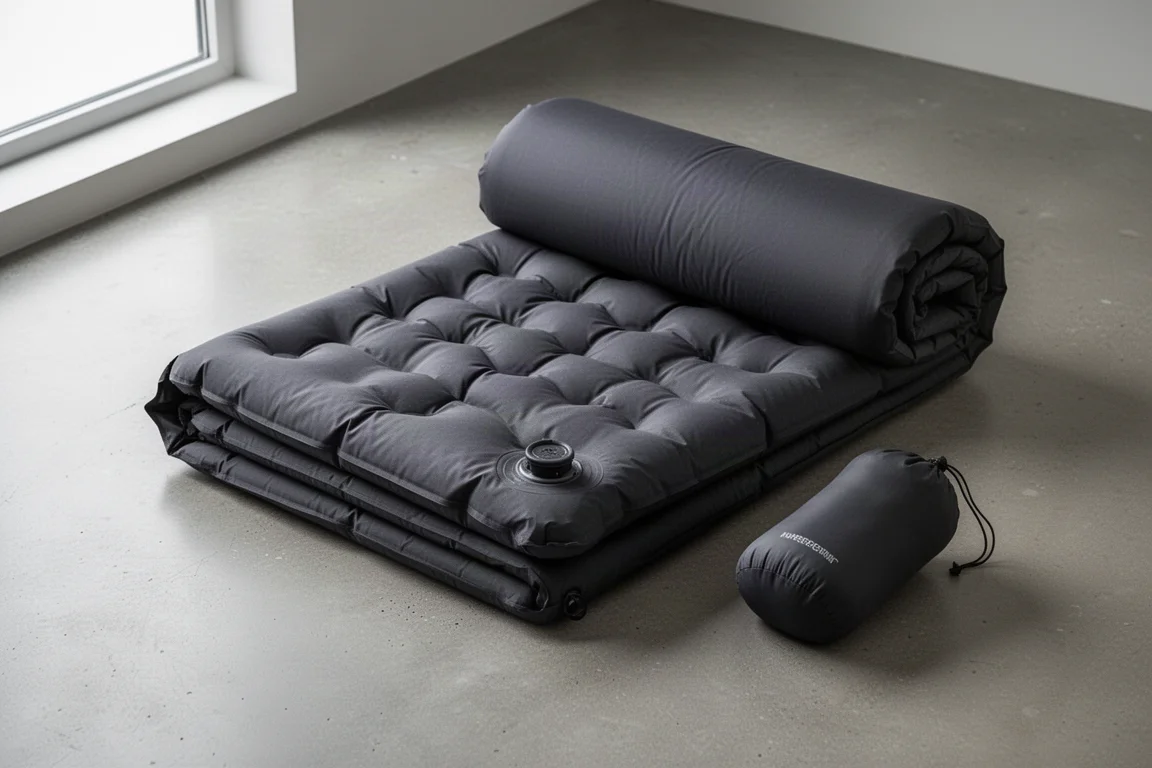
Decathlon Forclaz MT900 Sleeping Pad: Warmth in a Small Package
The Decathlon Forclaz MT900 insulated sleeping pad carries an R rating of 5.4, which is a serious amount of insulation for nights that dropped below freezing. It also packs down to a genuinely small package for that rating, and it stayed comfortable enough to sleep well on after long days.
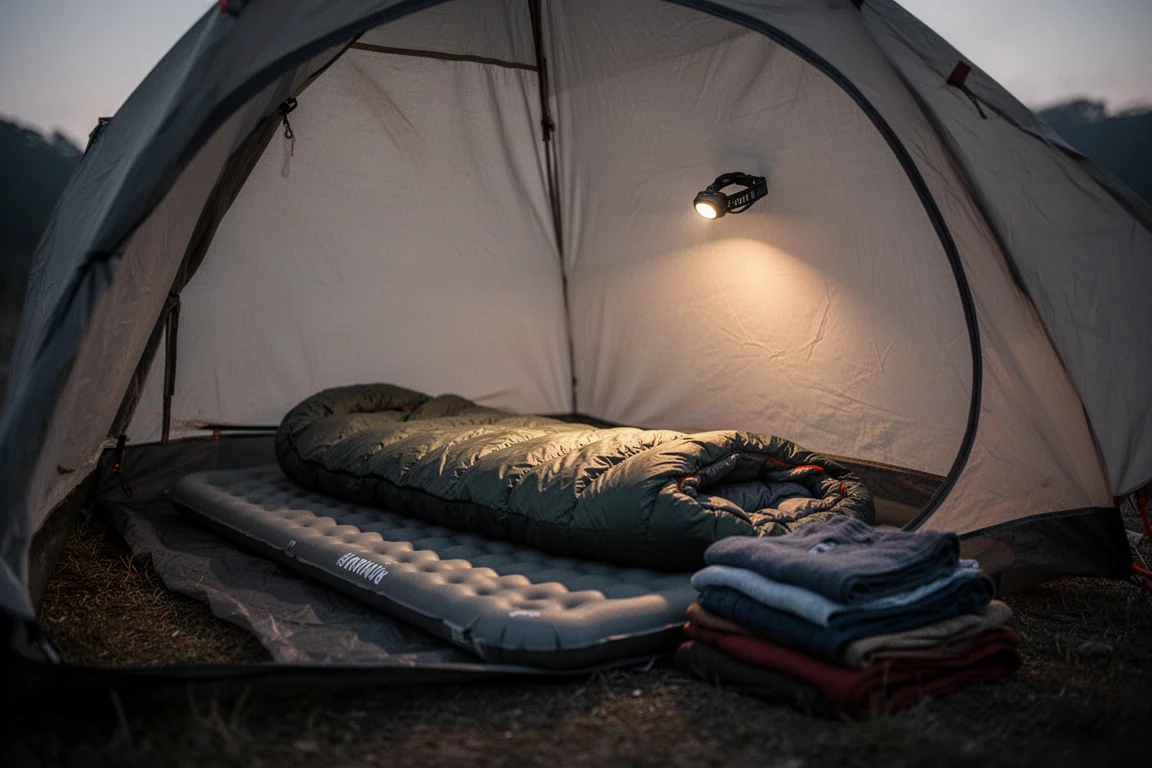
On cold trips, the pad matters as much as the sleeping bag. A well-insulated pad keeps the cold from the ground where it belongs, and this one did that without taking up much room in the pack.
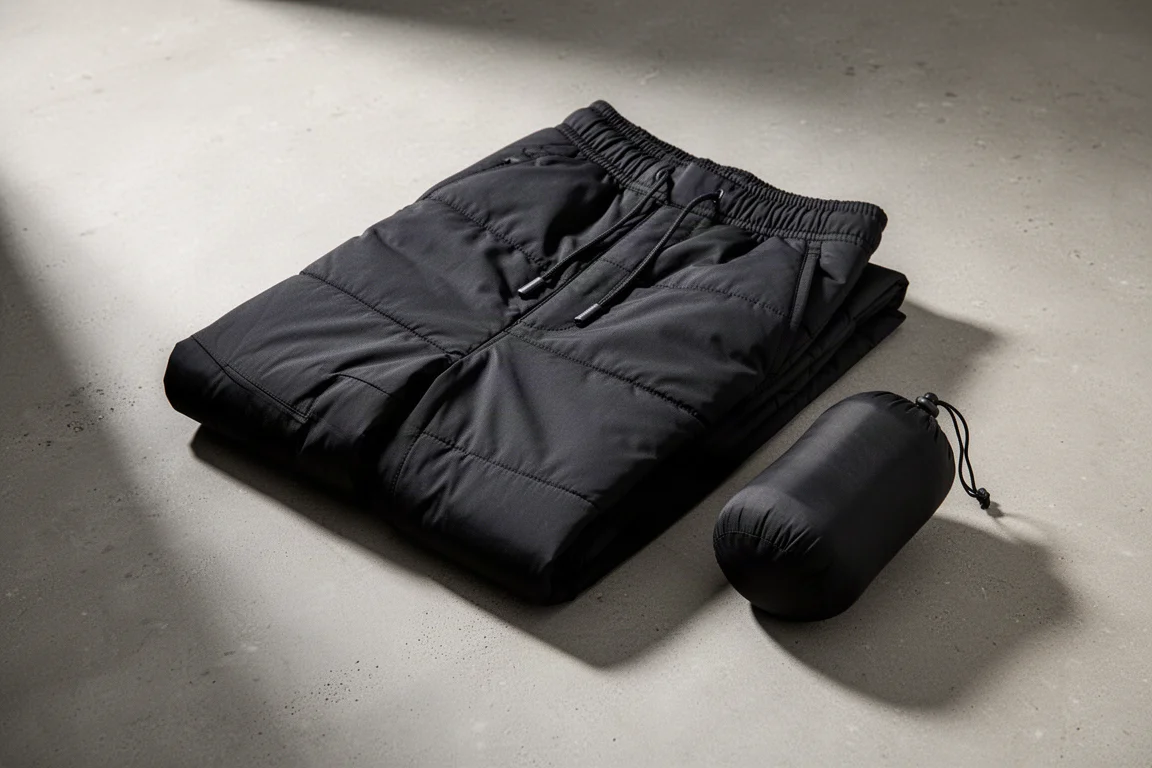
OMM Insulated Bottoms: Warmth When You Stop
The OMM insulated bottoms are, on the evidence of this trip, one of the best pieces of backpacking kit available. They pack down to almost nothing, and pulling them on at camp at the end of a long day is a genuine pleasure.
They are expensive for what looks like a simple camp layer, but the comfort they add to the hours between arriving at camp and going to sleep is difficult to match at a similar packed size.
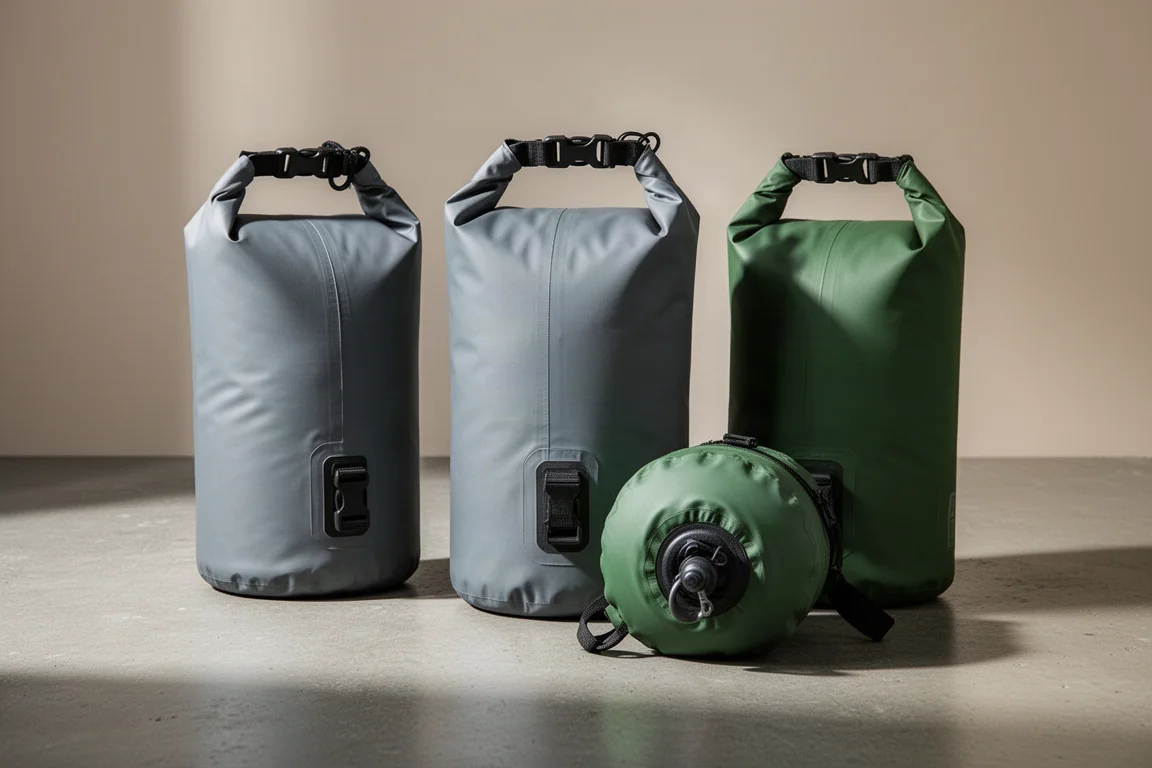
Sea to Summit eVac Dry Bags: Compression Without the Bulk
Sea to Summit eVac dry bags are a clever take on the standard dry bag: they let air out, so contents can be compressed rather than trapped with a pocket of air. A three-litre size took a synthetic insulated jacket, and other sizes kept clothing organised and separated.
Dry bags also protect the rest of the pack when something leaks, and one was used as a rubbish bag on the front of the pack. Food and drink leaking into a backpack is a mess worth avoiding entirely.
Other Kit That Earned Its Place
Water treatment was handled by a Bfree water filter, which flows quickly and made refilling from streams straightforward. A 750 ml bottle on the front of the pack plus foldable bottles covered hydration during the day, and a compact first aid kit weighing around 100 g carried more than enough to deal with minor problems, or to help someone else along the way. A waterproof notepad and pencil were used for notes on the move, and a GPS watch stayed on the wrist throughout.
Camp cooking came down to a small canister stove and a titanium cook set that nests a 230 g gas canister, which is all that is needed for boiling water. Meals were dehydrated main meals and breakfasts, with premixed coffee sachets and a few energy powders and bars for the 30-mile first day. A battery pack and cables kept devices topped up whenever a charging stop appeared.
For clothing and camp comfort, merino wool socks held up over five days of walking, bamboo base layers were comfortable and good at regulating temperature, and lightweight waterproofs doubled as windproof layers on a wet day. A cheap camping pillow was preferred over more expensive options, down booties added warmth in the tent, and a tiny sit pad plus a small electric pump made the sleeping setup quicker to manage. A sleeping bag rated for the conditions, a lightweight insulated jacket, and waterproof over-trousers with long side vents completed the clothing system.
Buying Advice: Building a Similar Pack
Start with the shelter, because it decides everything else. A freestanding tent that pitches on stony ground is heavier than a trekking pole design, but it removes a real risk on routes where the ground is hard and the weather is changeable.
Then spend on sleep. An insulated pad and a bag matched to the overnight temperatures will do more for your enjoyment of a trip than shaving grams anywhere else. The R rating on the pad is the number worth checking first.
Then be ruthless about organisation: a chest rig for the things you need while walking, dry bags that compress, and a single first aid kit covering blisters, pain relief, and small cuts. If you are walking somewhere remote, a satellite communicator is worth the cost for the messages home alone. Carrying two charging adapters so a phone and a power bank can charge at the same time is a small tip that saves a lot of frustration.
What I Would Change Next Time
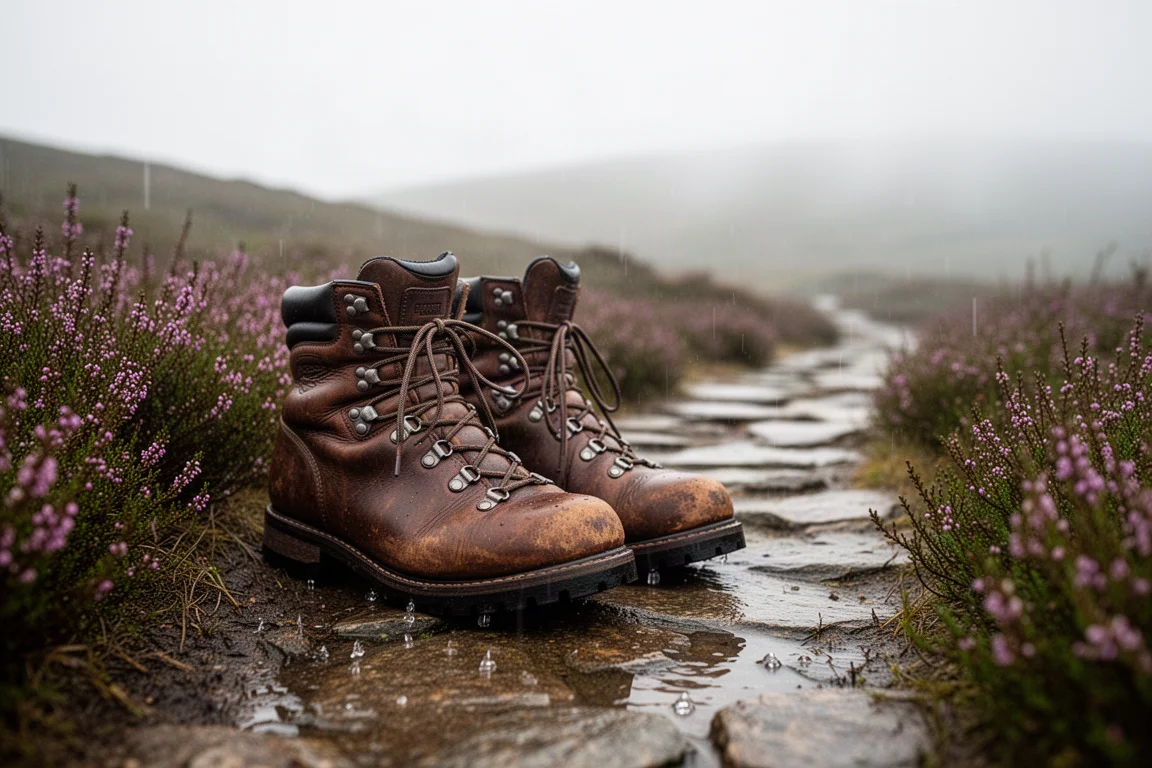
Two changes stand out. First, lighter t-shirts and lighter socks would have been better, because the days were far hotter than expected and the route is exposed in places. Second, the hiking boots should have been half a size larger. Feet swell from constant walking on stones and rocks, and in warm weather that swelling is more pronounced.
Merino base layers would also have been a better choice than bamboo for nights that fell to around -2 or -3, and down booties are worth replacing with synthetic ones, since down loses much of its insulation once it gets wet.
Everything else stayed the same. Almost every item in the pack was used at least once during the five days, and the kit as a whole performed well from the first mile to the last.
Conclusion
A 15 kg pack for 100 miles in five days is achievable without specialist ultralight gear, and it does not require uncomfortable compromises. The pack carried the weight, the shelter handled whatever ground the route provided, and the sleep system kept the cold out on nights below freezing. The lessons worth repeating are simple: size your boots generously, pack for the weather you may actually get rather than the forecast you hoped for, and put your money into the shelter and the sleep system first.
Further reading
Related Reviews

Backpacking Gear
Building a 10 lb Base Weight: An Ultralight Backpacking Gear List
A practical walkthrough of the ultralight pieces behind a 10 lb base weight, from a 765 g pack and a roomy one-person tent to a full camp chair and a dependable water filter.
Backpacking Gear
A 15-Pound Lightweight Backpacking Gear List for Solo Trips
A beginner-friendly 15-pound backpacking setup built from easy-to-find gear, with notes on what each piece does, how it packs, and where to spend your attention.
Backpacking Gear
8 Ultralight Backpacking Gear Upgrades Worth Carrying
Eight small, affordable backpacking upgrades that solve real trail annoyances, from a pillow that stays put to a fuel valve that rescues leftover canister gas.