Backpacking Gear
Weird Ultralight Backpacking Gear Worth Considering: 5 Cottage Standouts
Five odd-looking ultralight backpacking items from small makers, each one solving a specific problem that standard kit handles poorly.
Introduction
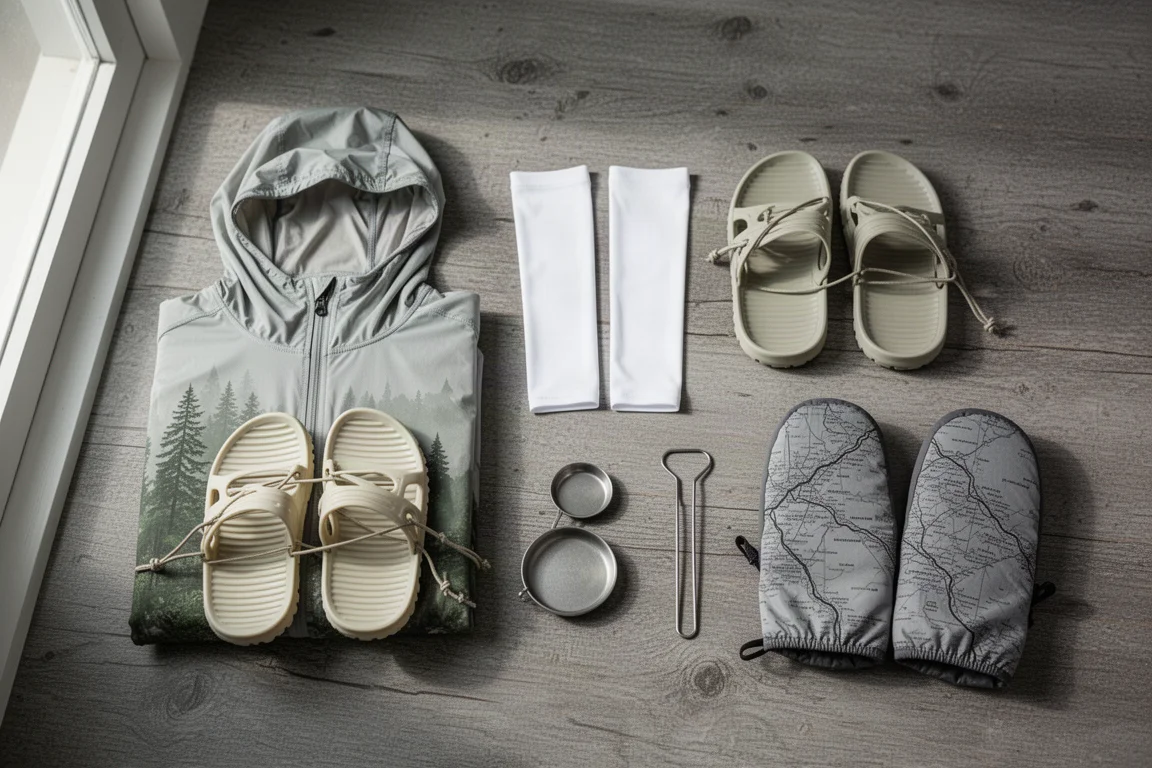
Backpacking gear has converged. Tents that once came in bold colors now arrive mostly in white and grey, and many large brands have settled into near-identical designs, which makes the choice between them feel less consequential than it should. Cottage brands are the counterweight. Small workshops keep producing gear that stands out, sometimes literally, and occasionally in ways that make you look twice.
The five items below sit firmly in that second category. Each one looks a little odd at first glance, and each one addresses a specific problem that a standard piece of kit handles poorly.
What Makes This Gear Stand Out
The common thread here is not novelty for its own sake. These are pieces that replace a workaround with a purpose-built tool.
A few things guided the selection. Each item has to address a real annoyance on trail, whether that is sun exposure, hot cookware, or cold wet hands. Weight has to be genuinely low, since every gram saved is one you carry up the next climb. And the item has to work reliably in the conditions it was designed for, not just look interesting in a gear list.

There is a practical trade-off worth naming up front. Cottage gear is often made in small batches by small teams, so availability can be limited and restocks can be slow. The upside is that the design decisions tend to come from people who actually use the gear in the places it is meant for.
Town Shirt Casa de Luna Manzanita Forest Shirt
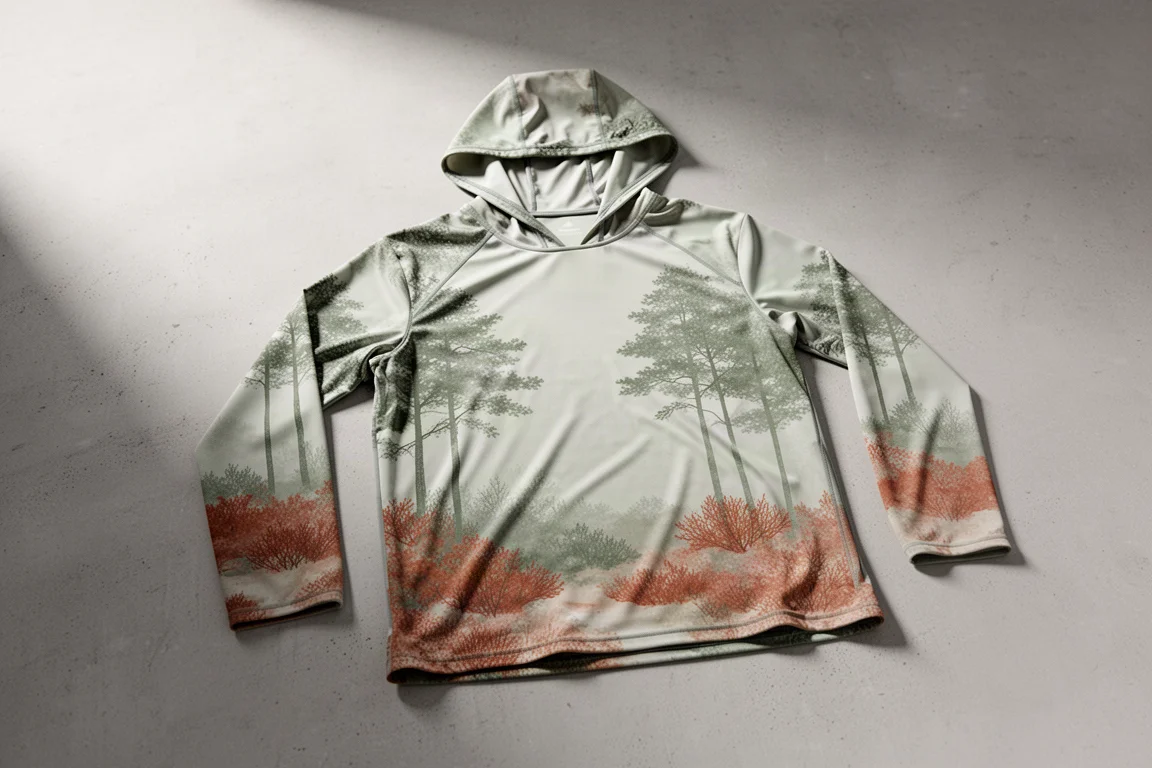
Sun hoodies have become standard summer kit, but most of them look the same. Town Shirt takes a different route, making sun hoodies and short-sleeve button-up trail shirts printed with designs inspired by iconic long-distance trails, including Pacific Crest Trail and Appalachian Trail themes.
The Casa de Luna Manzanita Forest Shirt is one of those designs. It was inspired and selected by Terry and Joe Anderson, trail angels who opened their home to more than 20,000 PCT thru-hikers across roughly two decades. That backstory gives the print a specific place in trail culture rather than a generic outdoor pattern.
The hoodie fabric is rated UPF 50, so sun protection is built into the material rather than added on top. Anyone who prefers a button-up can choose the short-sleeve version, which carries an even wider range of trail-inspired designs.
Eclipse Sun Sleeves
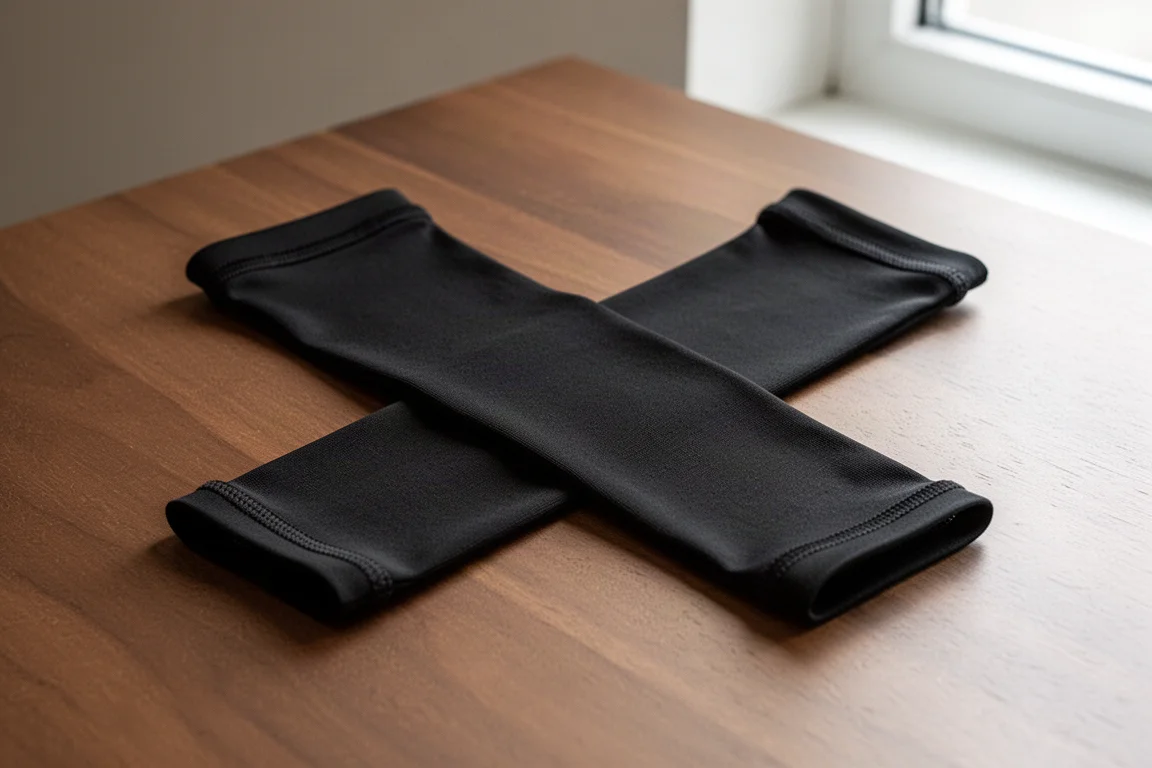
A sun hoodie works well until the temperature climbs. At that point you either keep wearing it and overheat, or you push the sleeves up, which restricts airflow and can feel tight around the arm. Eclipse sun sleeves take a different approach: they are essentially a sun hoodie for the arms only, so you can remove them entirely once you warm up.
The form factor is unusual. They work like tube socks for the arms, which sounds strange until you consider the numbers. At about 2 oz they weigh less than a bottle of sunscreen and they last considerably longer. On long stretches of near-constant sun exposure, they are the kind of item that quietly earns its place.
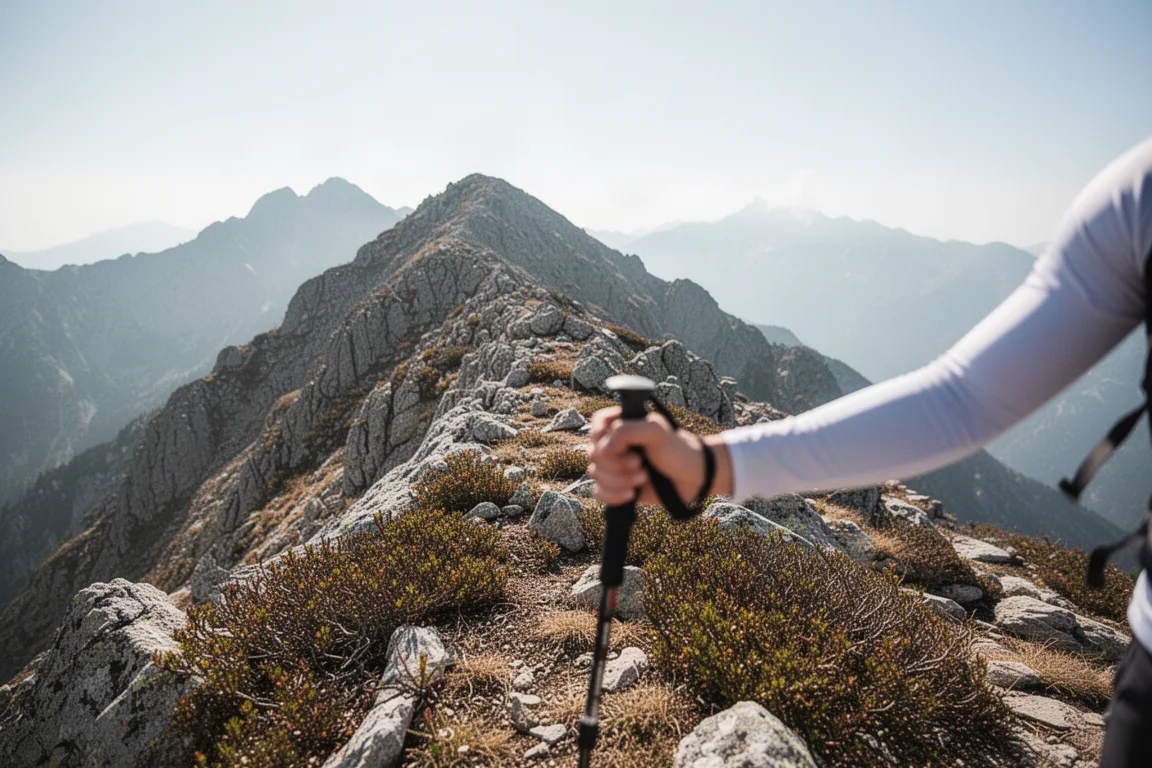
The real advantage is the transition. Instead of changing shirts or wrestling with fabric mid-climb, you slide the sleeves off and keep walking. That keeps air moving across your arms and avoids the circulation pinch that rolled-up sleeves can create.
Mayfly Sandals
Taking your shoes off at the end of a long day is one of the better feelings in backpacking. Camp sandals make that possible, but traditional pairs can weigh close to a pound, which is hard to justify for a few hours around camp.
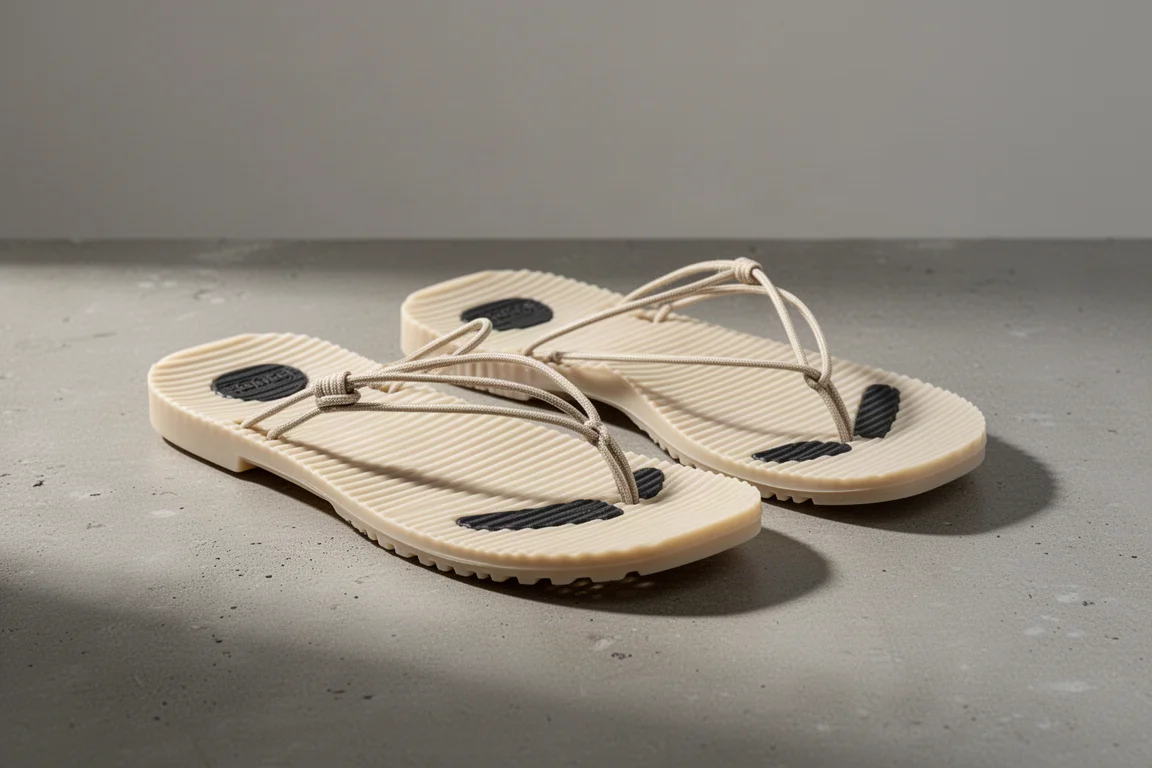
Mayfly sandals go the other direction. They are built from corrugated plastic with a small amount of cord and a few sandpaper stickers for traction, and they weigh under 2 oz. First impressions are honest ones: they look like something you could assemble yourself, and they feel inexpensive in the hand.
The construction is where the value sits. The design and assembly are more considered than a homemade version is likely to be, and the result holds up in practice. There are options for different preferences, including a design that runs over the bridge of the foot rather than between the toes, which suits anyone who dislikes the standard thong fit. Either way, they do more than you would expect to protect your feet from sharp pebbles, sticks, and whatever else is lying around camp.
Suluk 46 Mix Up Pot Lifter
Titanium cook pots have become popular for good reason, but their handles get hot. The usual fixes are improvised: electrical tape, shrink wrap, or whatever fabric is within reach. Using a sleeve as a makeshift oven mitt can end with melted polyester, which is a memorable way to learn the lesson.
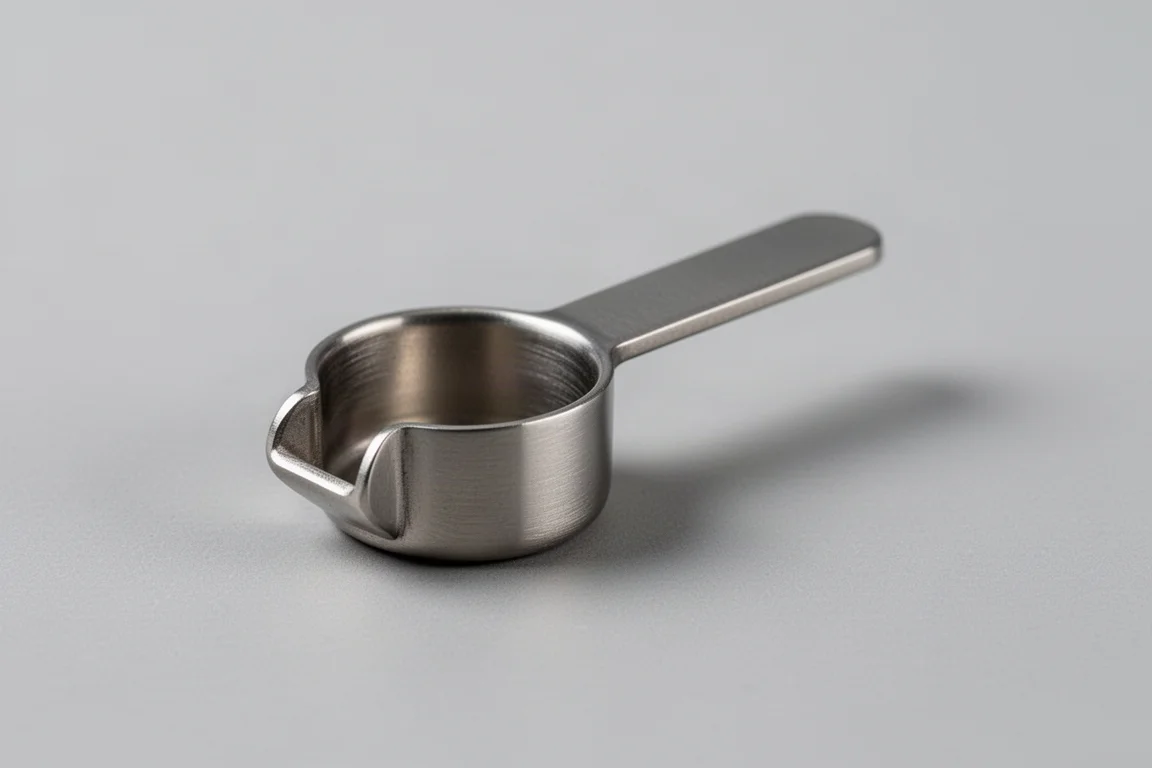
The Mix Up Pot Lifter is a standard pot lifter design reduced to a very small size. It weighs 5 g, which makes it look almost comically minimal, and it stows inside the pot so it stays with the cook set. When it is time to eat, it grips the pot or the lid securely without putting fingers anywhere near hot metal.
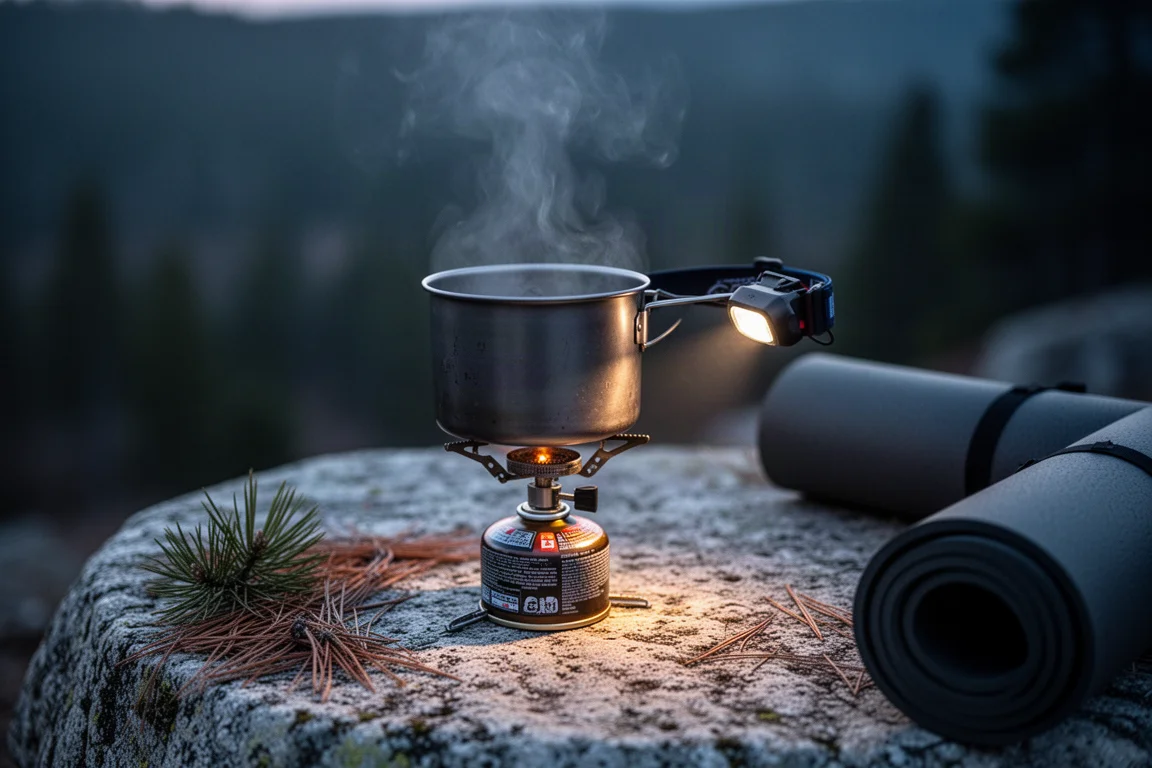
For anyone who has already modified a pot just to make the handle usable, this is a cleaner answer. It removes the need for tape, wrap, or a sacrificial layer of clothing.
Hilltop Design Dyneema Rain Mitts
Prolonged rain turns hands cold and wet quickly, and wet hands slow everything down, from adjusting trekking poles to handling a camera. A common improvised fix is a disposable latex glove, which keeps water off for a while but tends to tear after a single use.
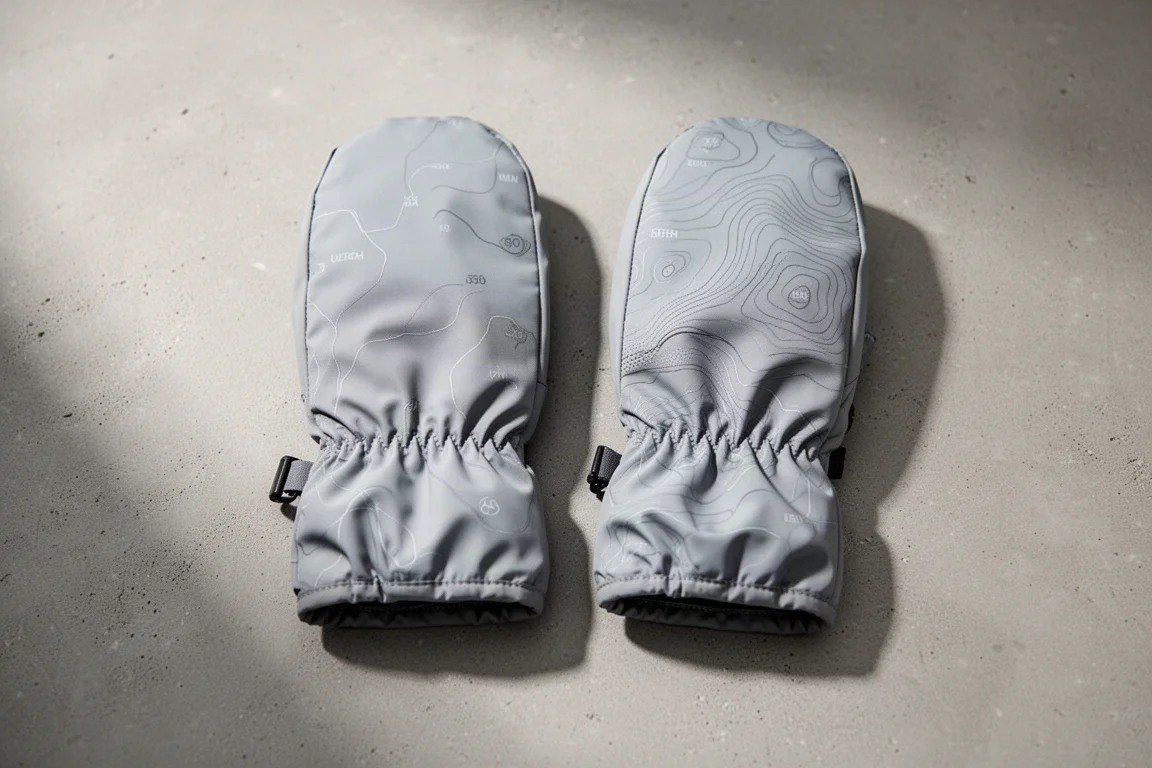
Hilltop Design’s Dyneema rain mitts are the more durable version of that idea. They pull on and off easily, they weigh about an ounce, and the Dyneema construction holds up far better than latex. They also carry a topographical map print, which sets them apart from the usual plain shell mitts.
They are a straightforward addition for anyone who hikes in sustained rain and wants dry hands without carrying a full glove system.
Overall Buying Advice
These items make the most sense when they replace a workaround you already deal with. If you have used tape on a pot handle, reapplied sunscreen all afternoon, or pulled on a disposable glove in the rain, the matching product here solves that problem directly.
Weight matters, but it should not be the only filter. The sun sleeves and the pot lifter are easy additions because they cost almost nothing in grams and remove a recurring annoyance. The Mayfly sandals and the rain mitts are more situational, so they suit hikers who have a specific gap in their kit rather than those building a general setup from scratch.
Cottage gear also comes with a practical consideration. Small makers often produce in limited runs, so it helps to know what you want before something sells out, and to accept that a restock may take time.
Conclusion
None of these five items is essential for every hiker, and that is the point. They are targeted answers to specific frustrations: sun that never lets up, camp footwear that costs too much weight, pot handles that burn fingers, and rain that soaks through improvised hand protection. If one of those frustrations sounds familiar, a small maker has probably already built something for it, and it is worth a look even if it looks a little strange at first.
Further reading
Related Reviews

Backpacking Gear
Building a 10 lb Base Weight: An Ultralight Backpacking Gear List
A practical walkthrough of the ultralight pieces behind a 10 lb base weight, from a 765 g pack and a roomy one-person tent to a full camp chair and a dependable water filter.

Backpacking Gear
A 15-Pound Lightweight Backpacking Gear List for Solo Trips
A beginner-friendly 15-pound backpacking setup built from easy-to-find gear, with notes on what each piece does, how it packs, and where to spend your attention.

Backpacking Gear
8 Ultralight Backpacking Gear Upgrades Worth Carrying
Eight small, affordable backpacking upgrades that solve real trail annoyances, from a pillow that stays put to a fuel valve that rescues leftover canister gas.