Backpacking Gear
Weird Backpacking Gear: Four Ultralight Oddities Worth Knowing About
A practical look at four unusual ultralight backpacking items: a trekking pole with a built-in water filter, a sleeping pad made of gaps, the lightest pad on the market, and a pouch that cooks with body heat.
Introduction
Backpacking gear has a long tradition of strange ideas, and ultralight culture rewards anything that removes a separate item from your pack. Sometimes that pursuit produces something genuinely clever. Sometimes it produces something you have to see to believe, like a trekking pole that doubles as a flashlight, a sleeping pad made mostly of holes, or a pouch that cooks dinner using body heat.
The four items below sit at different points on that spectrum. Each one replaces a piece of gear you would normally carry, and each one asks you to accept a trade-off in return. Here is what each does, where it makes sense, and where it does not.
What Makes Gear Worth the Weirdness
An unusual design earns a place in your pack when it solves a problem you actually have. Removing a component, combining two tools, or shifting a task to your own body heat only pays off if the result is lighter, simpler, or more comfortable in real conditions.
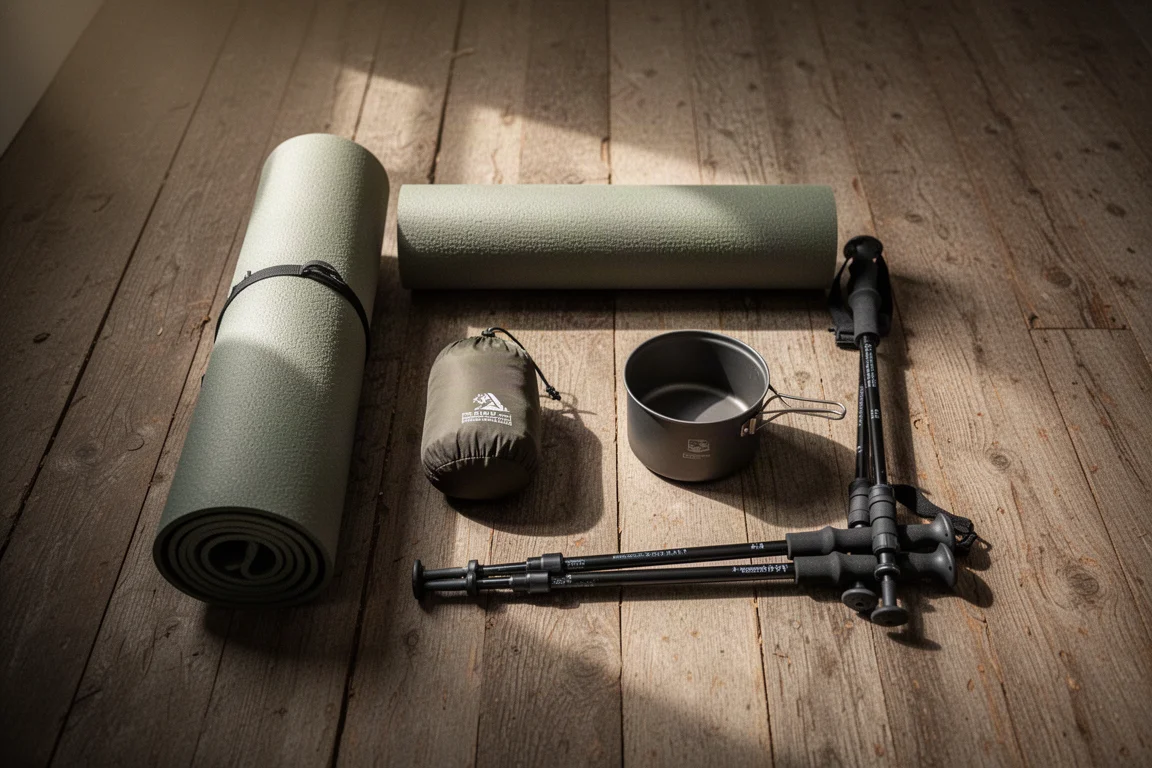
The items here were judged on a few practical questions: does the design work as described, what does it weigh compared with the conventional alternative, does it change how you move or camp, and are the compromises acceptable for the trips you take. A strange product that answers those questions well is worth considering. A strange product that only saves a few grams is not.
Pure Trek: A Trekking Pole With a Built-In Water Filter
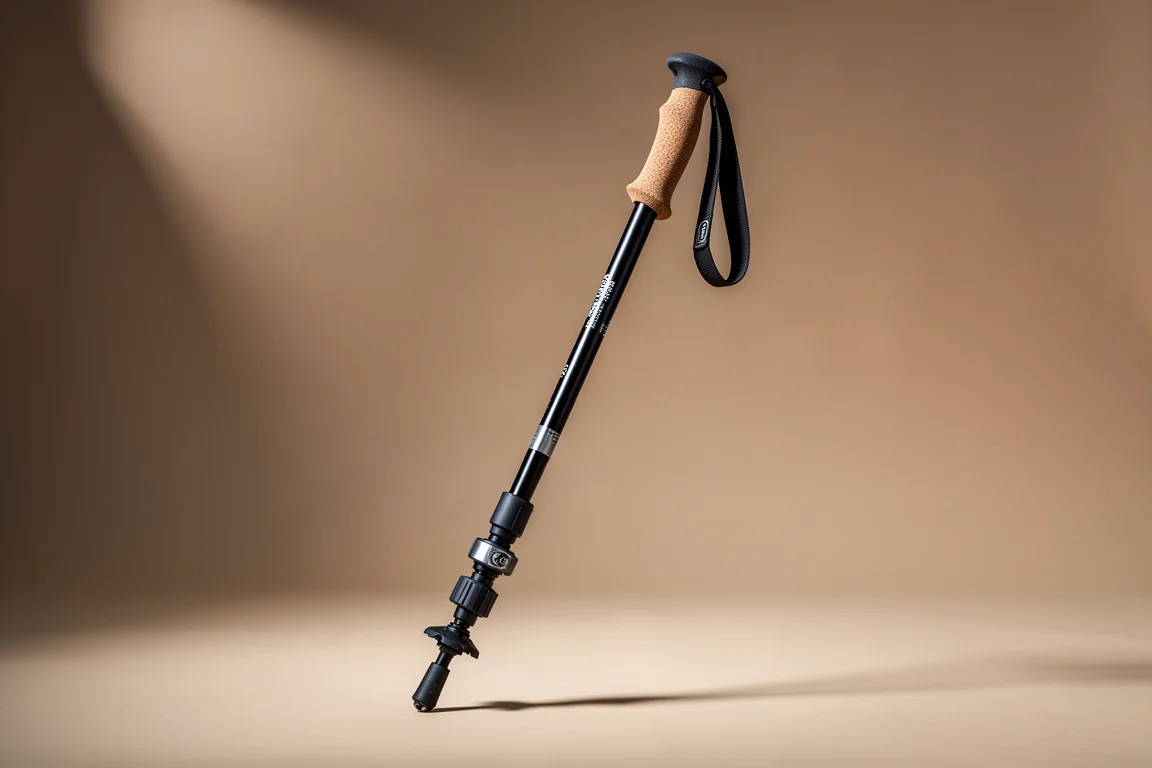
Pure Trek is a trekking pole with a pump-style water filter built into the shaft. Filtering water normally means stopping, setting down your pack, and bending down to a stream or lake. With the filter built into the pole, you can pump water without taking your pack off or getting into an awkward position at the water’s edge.
That convenience matters most for hikers who find bending, kneeling, or squatting increasingly difficult, since it removes those movements from a task you repeat every day on trail. It also helps anyone who dislikes stopping to unpack, because the filter is already in your hand.
The trade-off is weight. Pure Trek comes in at almost 21 oz, roughly double a standard trekking pole, which typically weighs about half that. It is heavy enough that many sleeping bags weigh less. Hiking with one heavy pole and one lighter pole also raises questions about long-term comfort and technique that are worth thinking through before you commit.
Klymit Inertia X Frame: A Sleeping Pad Made of Gaps
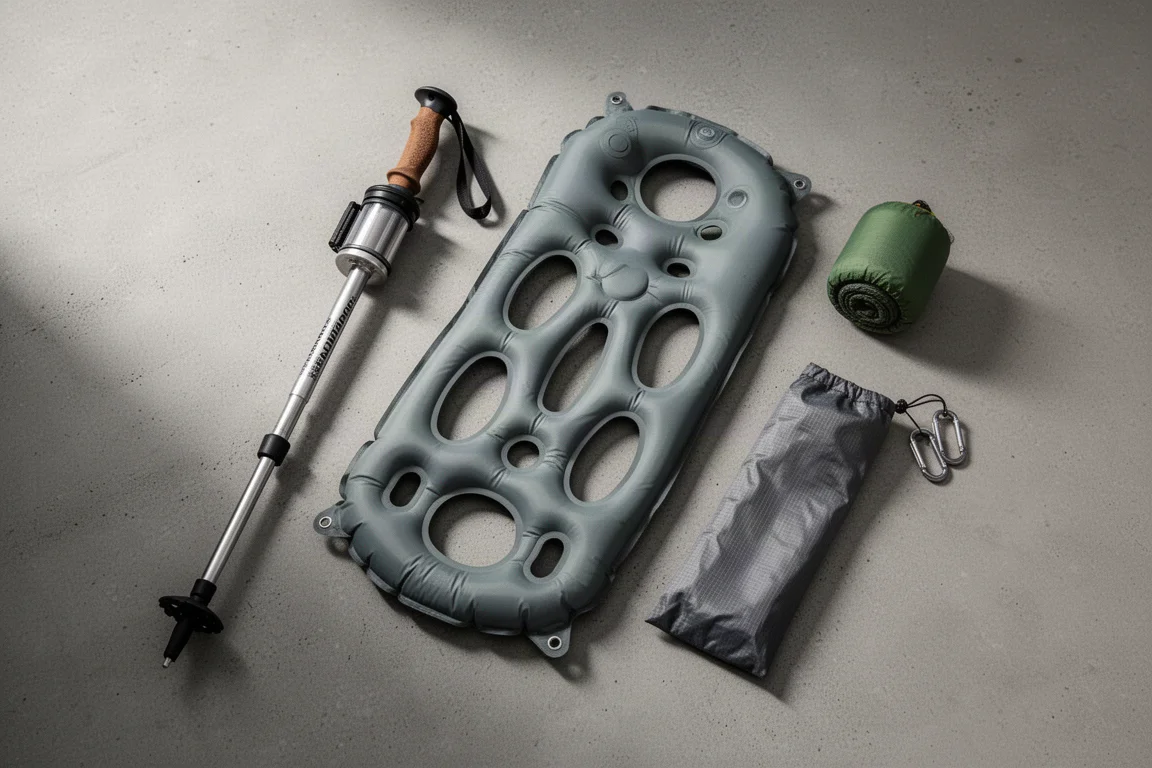
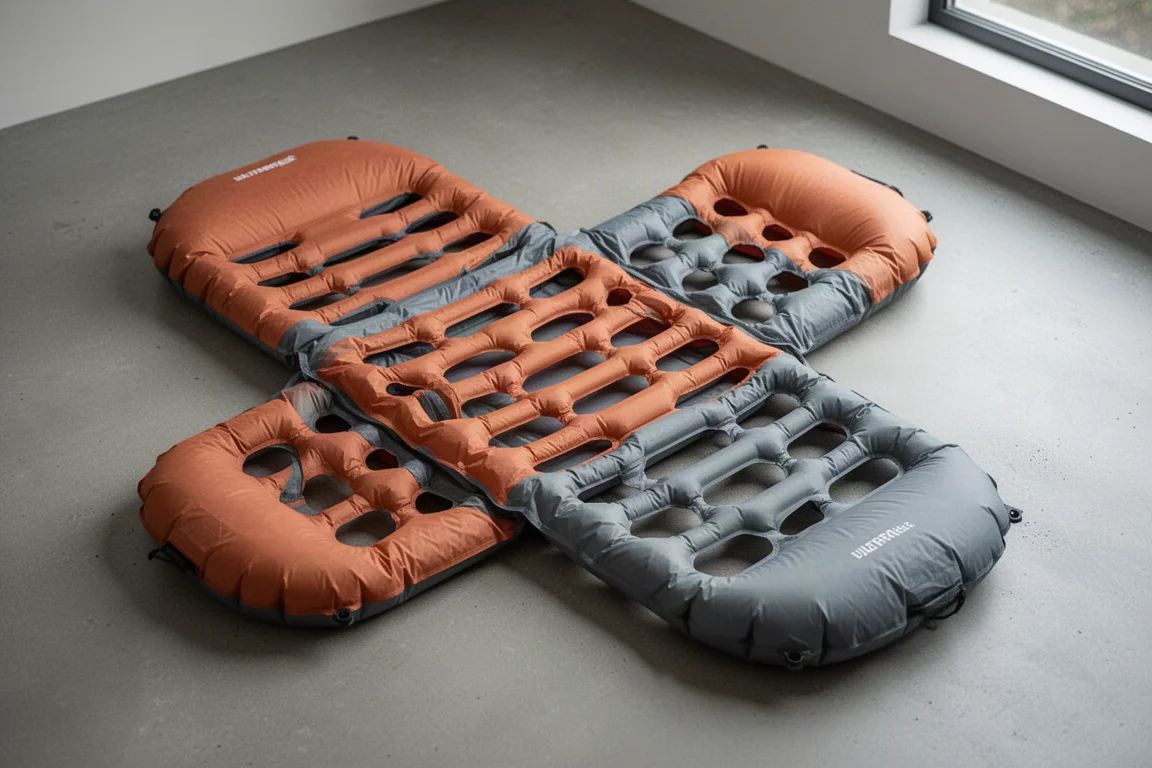
The Inertia X Frame takes an unusual approach to insulation. Instead of building warmth into the pad, it cuts large gaps through the surface so your sleeping bag can loft into the open spaces. The remaining structure is shaped to support the parts of your body that need it. You place the pad under your sleeping bag, or even inside it.
The idea is clever in theory, but the pad itself carries no insulation, which keeps the design’s warmth limited. Sleeping on it also takes some adjustment: the shape supports you best when you stay almost perfectly on your back, which is a real constraint if you sleep on your side.
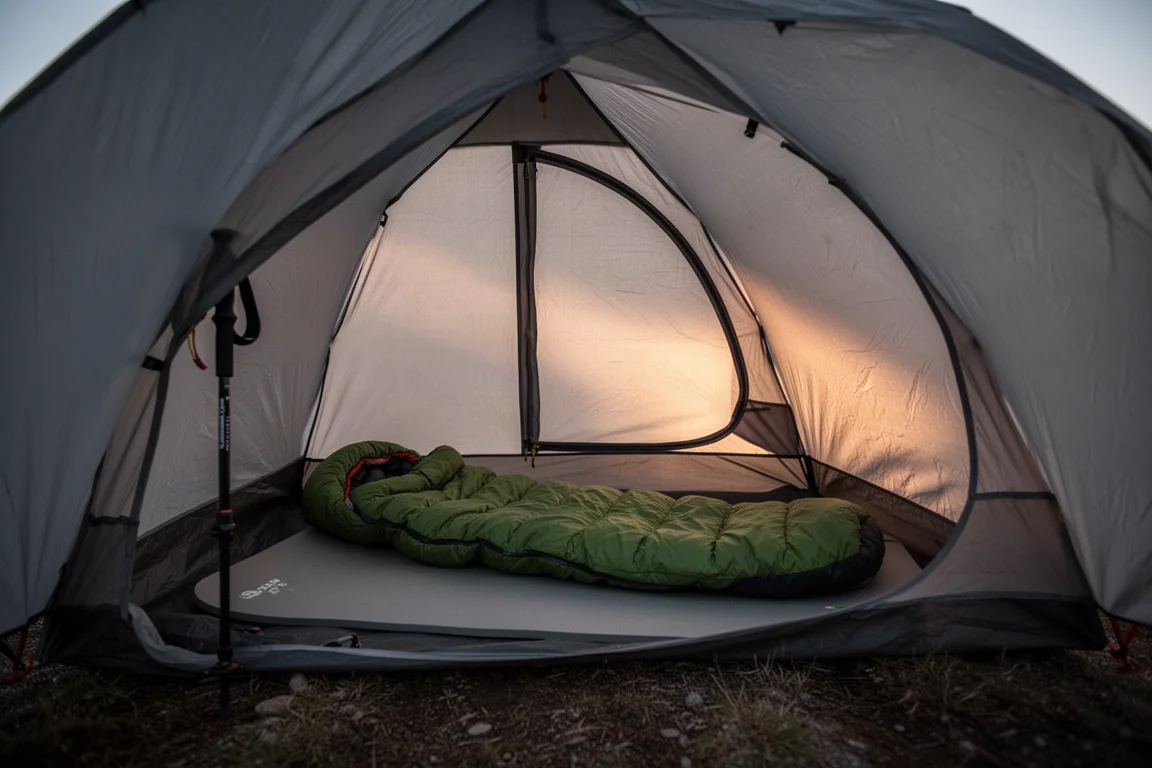
Weight is where the concept struggles most. The X Frame comes in at over 10 oz, while the Therm-a-Rest UberLite weighs only 8 oz and is a full-size pad with no holes in it. The X Frame has been around for a long time and may no longer be in production, though it can still be found on Amazon.
Therm-a-Rest UberLite: The Lightest Sleeping Pad Option
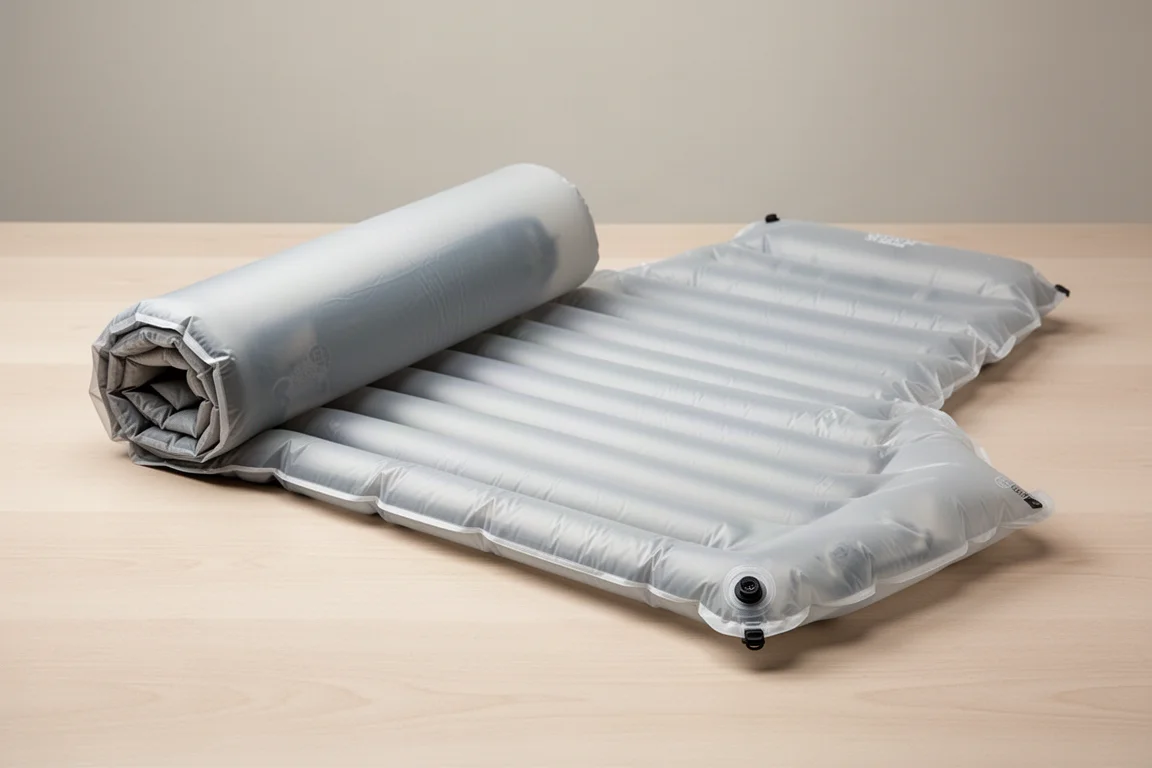
The UberLite is the lightest sleeping pad on the market at 8 oz, and it is a full-size pad rather than a cut-down or perforated design. That combination is what makes it the benchmark here: it reaches a lower weight than the Inertia X Frame without asking you to sleep in one specific position or rely on your sleeping bag to fill gaps.
For backpackers counting grams, it is the conventional answer to the weight question. You do not need an unusual shape to get a very light pad, and that is worth remembering when a clever-looking design catches your eye.
Gossamer Gear Crotch Pot: Cooking With Body Heat
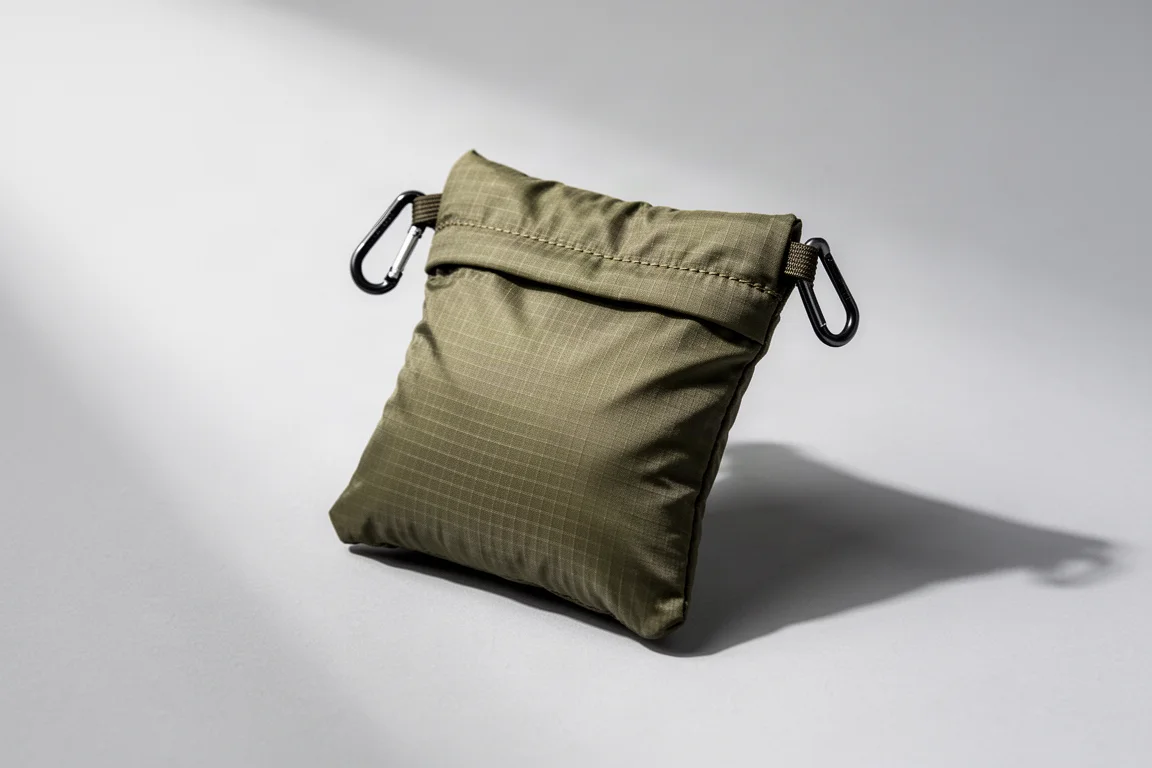
The Gossamer Gear Crotch Pot is a pouch that clips to your belt loops with small carabiners. You place an uncooked meal inside, tuck the pouch into your pants, and let your body heat warm the food while you hike.
It sits between two established approaches. Cold soaking rehydrates meals in cold water and saves the weight of a stove at the cost of a warm meal. The Crotch Pot aims for a warmish meal with no fuel at all. In short use, the pouch rides without much discomfort, though you can tell something is there.
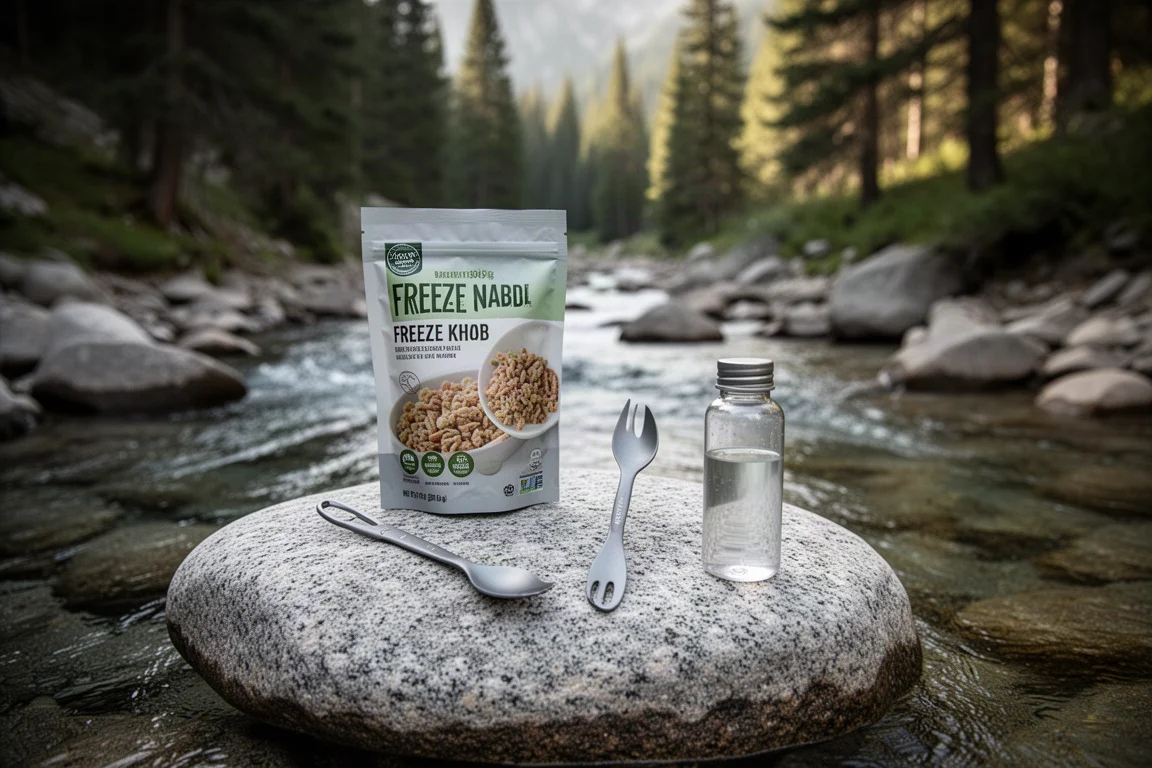
The results are modest. A beef stroganoff meal left in place for a little more than three hours came out with soft noodles, but it was warmish rather than hot, and it was not appetizing enough to finish. If you already cold soak and want something warmer, this is a middle path. If you want a genuinely good meal at camp, a stove, some gas, and a small cook set do not add much weight and make food far better.
Practical Trade-Offs to Weigh Before You Buy
Weight is the first number to check. Several of these designs replace a piece of gear, but the replacement is not always lighter than the conventional setup, and the difference matters more on long trips than on weekend walks.
Think about how the item changes your routine. Filtering water without removing your pack, sleeping in one position, or carrying a meal pouch against your leg all sound minor in a product description, but you repeat them daily on trail.
Availability is worth confirming as well. Some unusual designs stay on the market for years and others quietly leave production while remaining findable through third-party sellers, so check that the version you want is still sold before planning around it.
Who These Ultralight Oddities Suit
Pure Trek makes the most sense for hikers who find bending, kneeling, or squatting difficult, and for anyone who would rather not stop and unpack to filter water. The weight penalty is real, so it suits people who value the convenience more than the grams.
The UberLite suits gram-counting backpackers who want a full-size pad and are happy with a straightforward design. The Inertia X Frame is more of a curiosity: its gap-based approach is interesting, but it weighs more than a lighter full-size pad and works best for back sleepers.
The Crotch Pot is for backpackers who already cold soak and want a warmish meal without fuel, as long as they accept that the result will not match a stove.

Whichever way you go, the test is the same. Weird gear is worth carrying when it solves a problem you have on the trips you actually take. Otherwise, a standard pad, a pair of ordinary poles, and a small stove remain hard to beat.
Conclusion
These four items show how far ultralight thinking can go. A trekking pole with a filter inside it and a sleeping pad that weighs 8 oz solve real problems in clever ways. A pad full of holes and a pouch that cooks with body heat are more of a compromise, and both ask for something in return.
If an unusual design removes a task you dislike or a piece of gear you would rather not carry, it can be a genuinely good purchase. If it only saves a few grams while adding inconvenience, the conventional option is usually the better call.
Further reading
Related Reviews

Backpacking Gear
Building a 10 lb Base Weight: An Ultralight Backpacking Gear List
A practical walkthrough of the ultralight pieces behind a 10 lb base weight, from a 765 g pack and a roomy one-person tent to a full camp chair and a dependable water filter.

Backpacking Gear
A 15-Pound Lightweight Backpacking Gear List for Solo Trips
A beginner-friendly 15-pound backpacking setup built from easy-to-find gear, with notes on what each piece does, how it packs, and where to spend your attention.

Backpacking Gear
8 Ultralight Backpacking Gear Upgrades Worth Carrying
Eight small, affordable backpacking upgrades that solve real trail annoyances, from a pillow that stays put to a fuel valve that rescues leftover canister gas.