Backpacking Gear
Weird Backpacking Gear: Four Unusual Ultralight Items Worth Understanding
Four genuinely strange ultralight backpacking items, what each one is trying to solve, and the trade-offs to weigh before buying.
Introduction
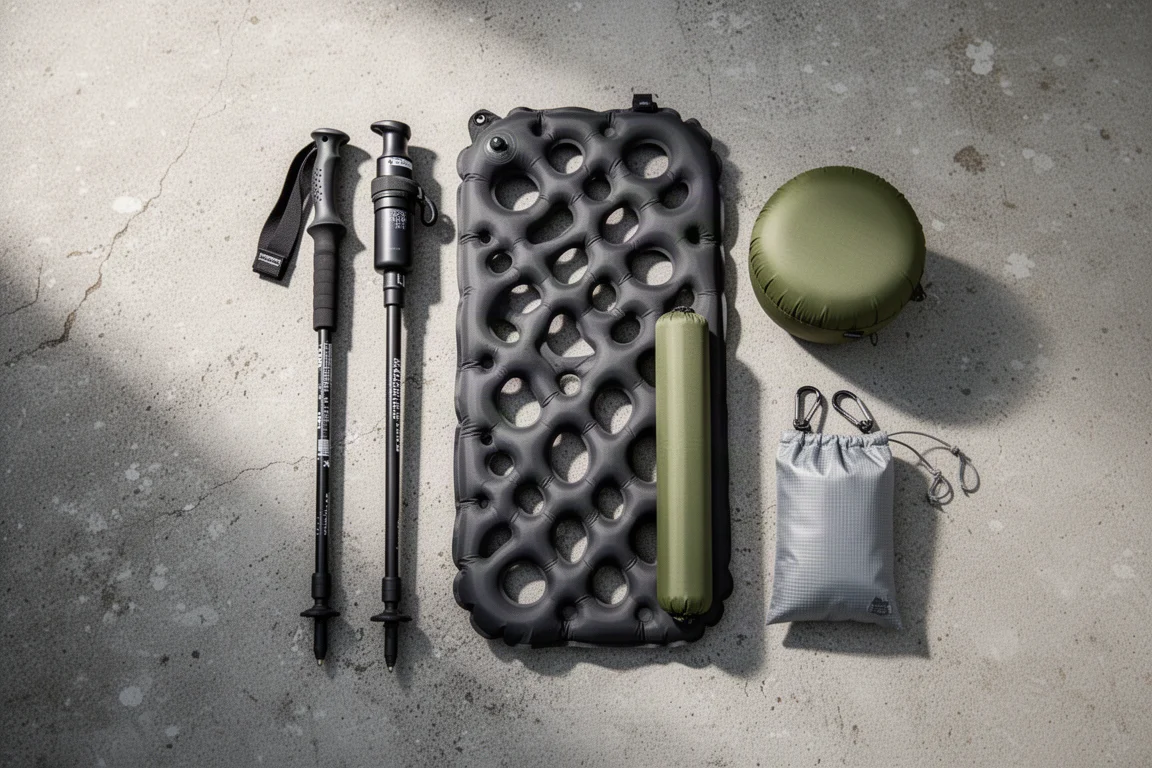
Ultralight backpacking rewards anything that does two jobs at once. That logic has produced genuinely clever gear, and it has also produced items that make you stop and ask whether the weight saving justifies the strangeness. Trekking poles have already been turned into tent supports and camp chairs, and the next step is a pole that doubles as a light or a water filter. Sleeping pads have been redesigned around holes rather than insulation. There is even a pouch designed to cook dinner using body heat while you walk.
Four items stand out as the most unusual examples of this trend. Each one has a clear rationale behind it, and each one carries a trade-off worth understanding before you commit money or pack space to it.
What Makes Ultralight Gear Get Strange
Three forces push gear design in odd directions. The first is weight, because every gram carried over a long trail has to earn its place. The second is pack-on convenience, since stopping to take off a backpack for a small task costs time and momentum. The third is comfort in camp, where a warm meal or a decent night of sleep can matter more than a few saved ounces.
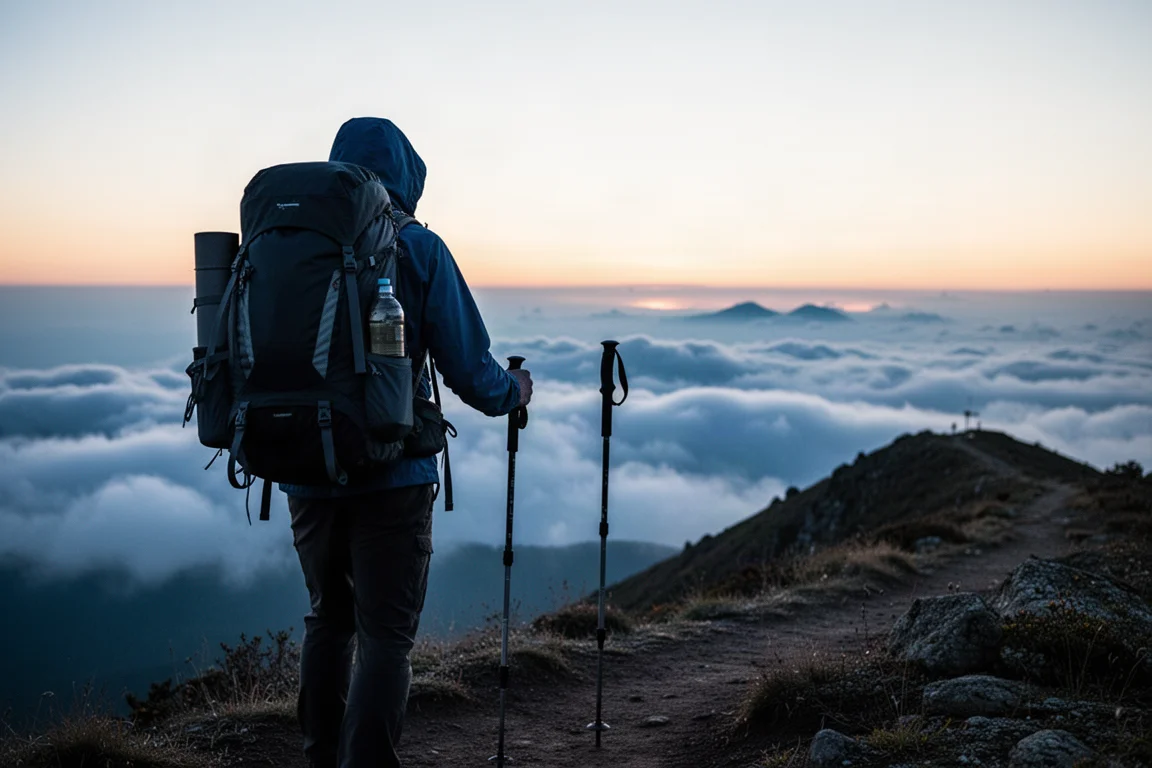
When those priorities collide, designers start merging functions that normally live in separate pieces of kit. The results are sometimes brilliant and sometimes baffling, and the only reliable test is whether the item solves a problem you actually have on the trail you actually walk. The four items below sit at different points on that spectrum.
Pure Trek: A Trekking Pole With a Built-In Water Filter
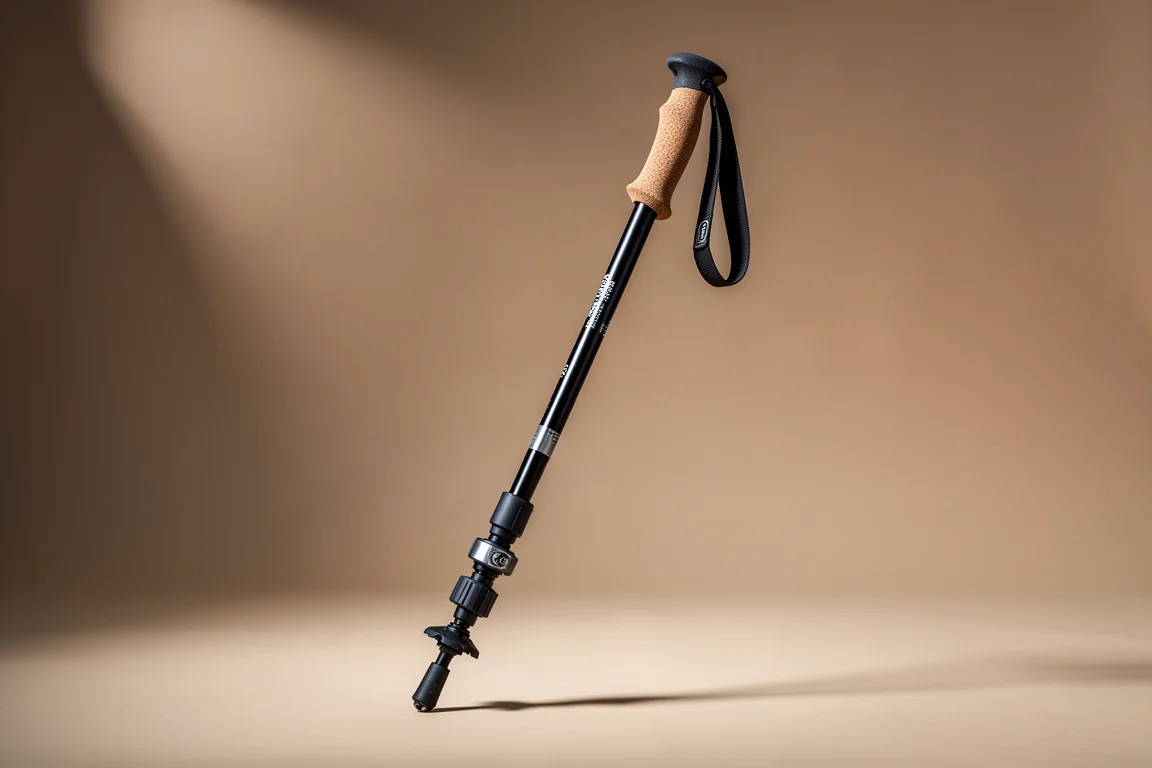
Pure Trek takes a standard trekking pole and builds a pump-style water filter into the shaft. The appeal becomes obvious once you think about how water stops usually go: you reach a source, take off your pack, kneel down, filter, then put the pack back on. With the filter integrated into the pole, you can stop, pump, and keep moving without ever setting the pack down.
For hikers who find bending, kneeling, or squatting increasingly difficult, that is a meaningful change rather than a novelty. For everyone else, it removes a small but persistent irritation that repeats several times a day on a long route.
The trade-off is weight. Pure Trek comes in at almost 21 oz, roughly double a typical trekking pole and heavier than some sleeping bags. Carrying one heavy pole alongside one light pole also raises a question about how balanced your stride feels over many hours of walking.
Klymit Inertia X Frame: A Sleeping Pad Built Around Gaps
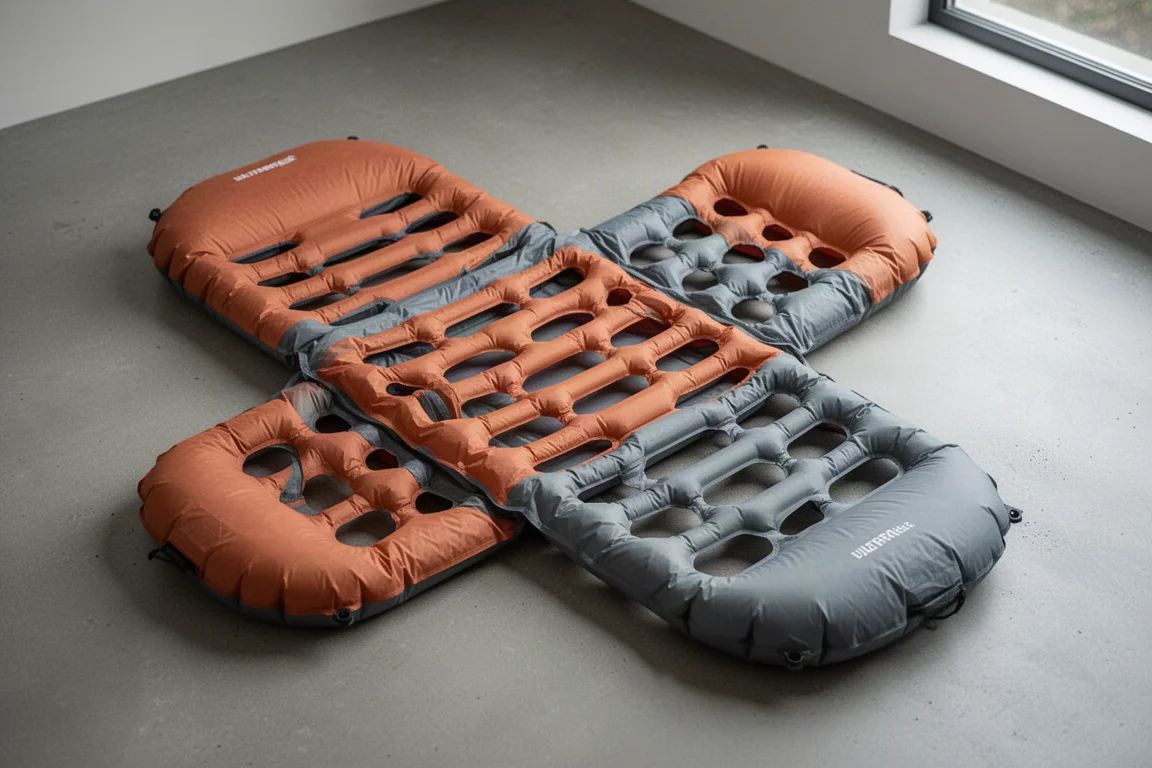
The Klymit Inertia X Frame approaches insulation from the opposite direction to most pads. Instead of trapping warmth inside the pad, it uses large cut-out gaps and relies on your sleeping bag to loft into those spaces. You place it under your sleeping bag, or even inside it, and the bag’s own insulation does the work.
In theory that removes the need for insulation in the pad itself. In practice the design asks a lot of the sleeper, because it is shaped to support you only where contact is needed. That tends to mean sleeping almost perfectly on your back, which is not a position everyone can hold through the night.
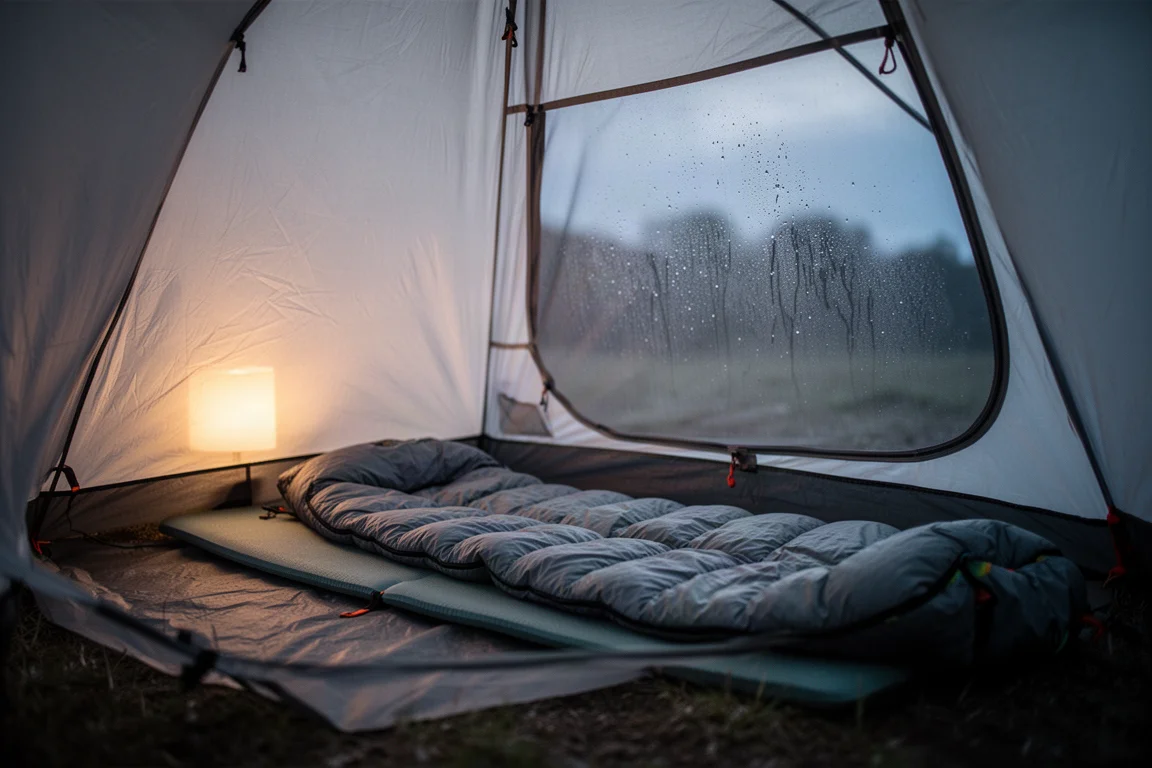
The weight case is weaker than it first appears. The X Frame comes in at just over 10 oz, while the Therm-a-Rest UberLite is lighter at 8 oz and offers a full-size surface with no gaps at all. Klymit pads also carry a long history of modest warmth ratings. The X Frame may no longer be in production, though it can still be found for sale online.
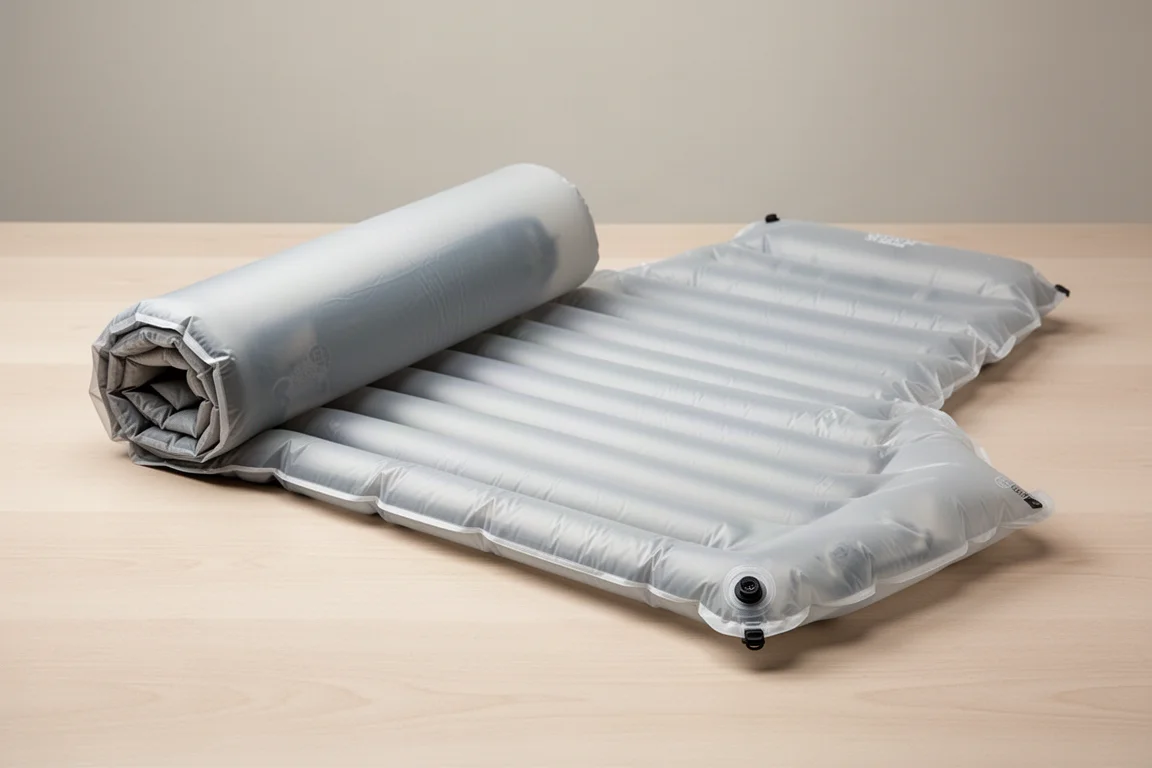
Therm-a-Rest UberLite: The Lightest Sleeping Pad Option
The Therm-a-Rest UberLite is the lightest sleeping pad on the market at 8 oz, and it reaches that figure without cut-outs or a reduced sleeping area. It is a full-size pad, which makes the comparison with the X Frame straightforward: less weight, more usable surface, and no requirement to sleep in one fixed position.
That combination is why it keeps coming up in conversations about minimal sleep systems. If your priority is dropping grams without giving up a normal sleeping position, this is the reference point other pads get measured against. The extremely light construction does mean the fabric deserves care on rough ground.
Gossamer Gear Crotch Pot: Body-Heat Meal Cooking
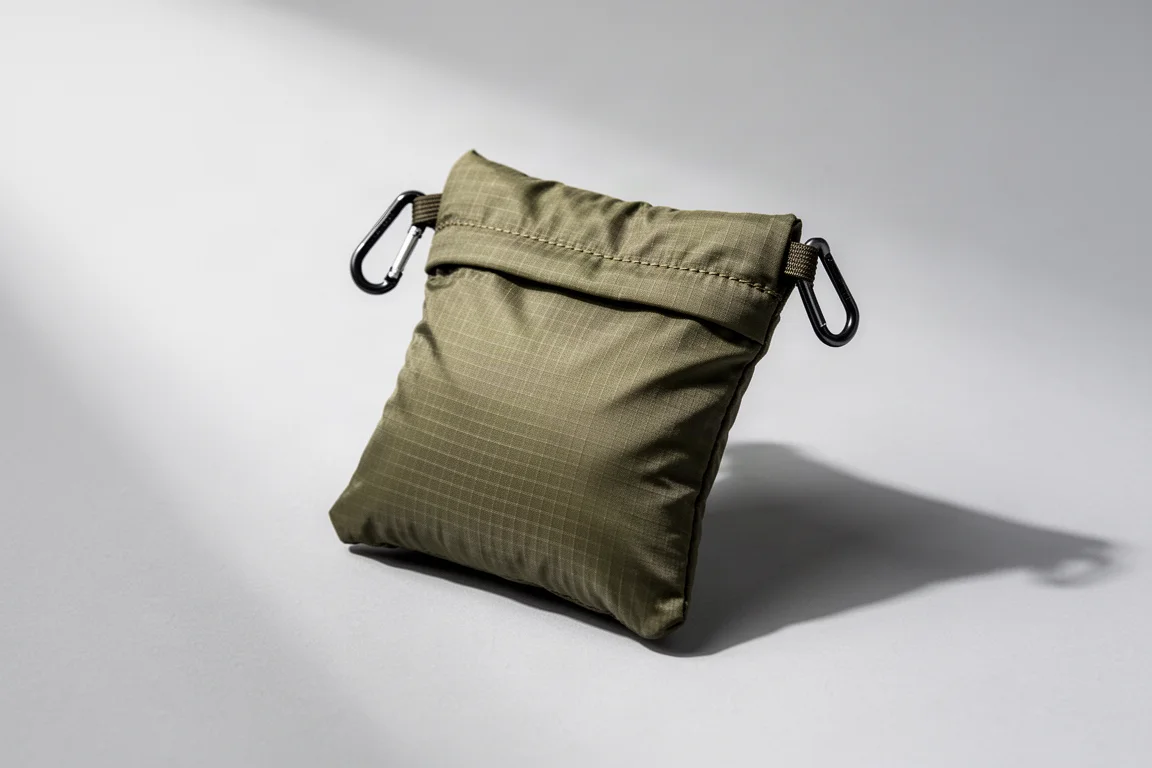
The Gossamer Gear Crotch Pot is the strangest item here. It is a fabric pouch with small carabiners that clip to your belt loops. You place an uncooked meal inside, tuck the whole pouch into your trousers, and let body heat slowly warm the food as you hike.
The concept sits between two existing approaches. Cold soaking rehydrates a meal in cold water and saves the weight of a stove, at the cost of eating something cold. The Crotch Pot aims for a warmish meal instead, using heat you are already producing as you walk.
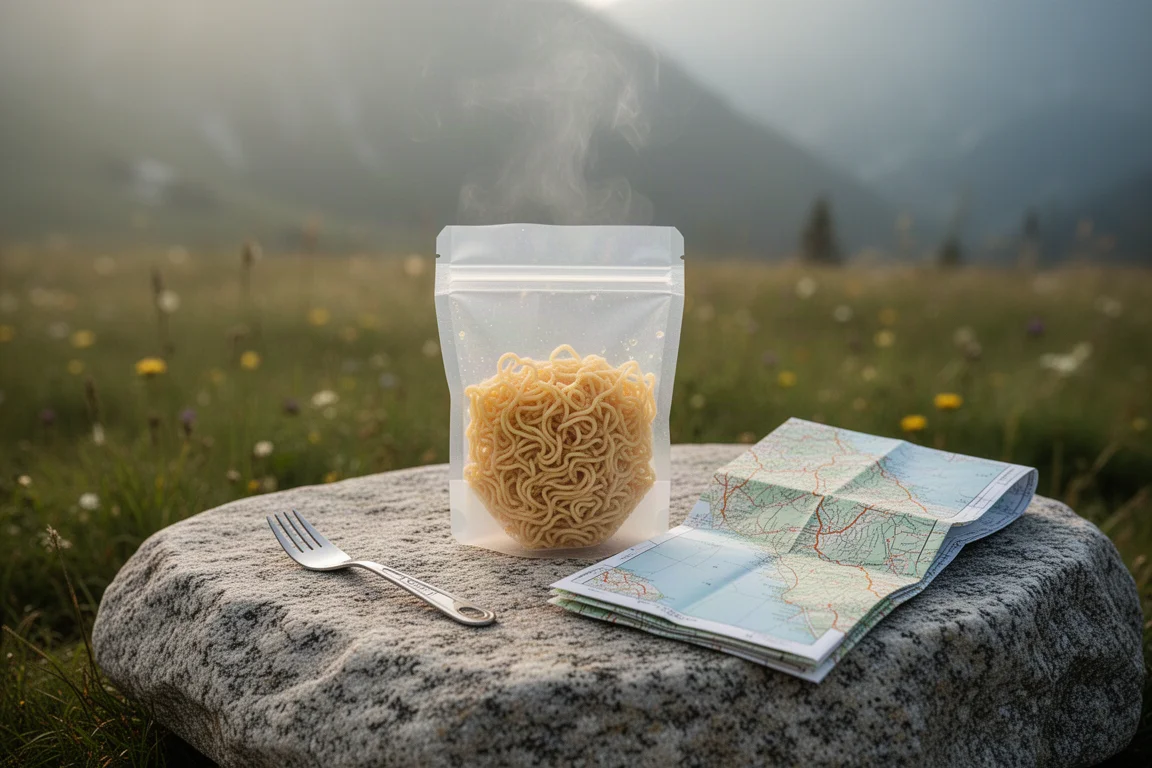
In use it rides without much trouble. You can feel that something is there, but it does not interfere with walking. The results are less convincing: after more than three hours on the move, a beef stroganoff meal had softened noodles and only a lukewarm temperature, which is a long wait for an underwhelming plate of food. A stove, some fuel, and a cook set do not add much weight and produce a far better meal.
Where Each Item Fits
The Pure Trek is the most broadly useful of the four. Anyone who filters water regularly, and especially anyone whose knees or back make kneeling uncomfortable, gains something real from never having to remove a pack.
The Therm-a-Rest UberLite suits weight-focused backpackers who still want a normal sleeping surface. The Klymit Inertia X Frame is a narrower proposition, aimed at back sleepers curious about gap-based pad design. The Gossamer Gear Crotch Pot speaks to cold soakers who want a slightly warmer meal without carrying a stove.
Buying Advice: Choosing Between Unusual Ultralight Gear
Unusual gear earns its place when it removes a step you repeat every day on the trail. Filtering water and taking a pack on and off happen often enough that a combined trekking pole and filter can genuinely change the rhythm of a long day, particularly for hikers whose mobility is limited.
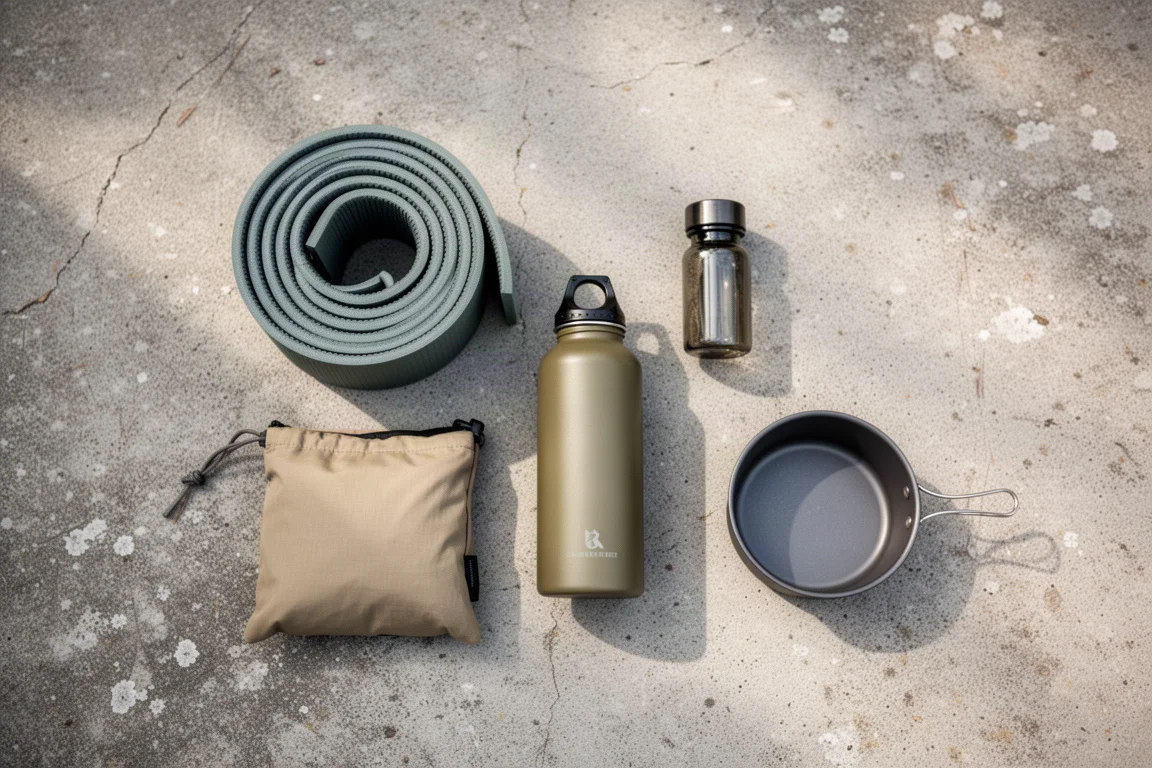
Sleeping pads are a different calculation. The weight advantage of the X Frame is smaller than it first appears once you compare it with an 8 oz full-size pad, and the gap design only pays off if you truly sleep on your back. For most people, the lighter full-size option is the safer purchase.
The Crotch Pot is best understood as a niche experiment rather than a replacement for a stove. If you already cold soak and want something a little warmer, it is a low-commitment way to test the idea. If you cook with a stove and enjoy hot food, nothing here will persuade you to leave the stove at home.
Conclusion
Weird ultralight gear deserves to be taken seriously, because the reasoning behind it is usually sound even when the execution is not. Pure Trek solves a real problem for hikers who dislike stopping and unloading to filter water. The Therm-a-Rest UberLite delivers the lowest weight available without asking you to sleep around holes.
The Klymit Inertia X Frame and the Gossamer Gear Crotch Pot are more specialised. They suit a narrow set of sleepers and eaters, and they work best when bought with clear expectations about what they actually do. Backpacking does not have to be miserable, and the right unusual item can remove a small daily irritation. The wrong one simply adds weight and novelty to your pack.
Further reading
Related Reviews

Backpacking Gear
Building a 10 lb Base Weight: An Ultralight Backpacking Gear List
A practical walkthrough of the ultralight pieces behind a 10 lb base weight, from a 765 g pack and a roomy one-person tent to a full camp chair and a dependable water filter.
Backpacking Gear
A 15-Pound Lightweight Backpacking Gear List for Solo Trips
A beginner-friendly 15-pound backpacking setup built from easy-to-find gear, with notes on what each piece does, how it packs, and where to spend your attention.
Backpacking Gear
8 Ultralight Backpacking Gear Upgrades Worth Carrying
Eight small, affordable backpacking upgrades that solve real trail annoyances, from a pillow that stays put to a fuel valve that rescues leftover canister gas.