Backpacking Gear
Weird Backpacking Gear: Four Unusual Ultralight Ideas Explained
Four genuinely unusual pieces of backpacking gear, the problem each one tries to solve, and where the real trade-offs land.
Introduction
Most ultralight gear is a quiet exercise in shaving grams. Every so often, though, a piece of kit goes further than that and turns a familiar object into something else entirely: a trekking pole that filters water, a sleeping pad with holes cut through it, a pouch that cooks dinner using body heat. Some of these ideas are clever. Some are only clever on paper. The four items below sit somewhere along that spectrum, and each one is worth understanding before you decide whether it belongs in your pack.
What follows is not a ranking. It is a look at what each design is actually trying to do, how much weight it adds or saves, and who tends to benefit. Trekking poles, sleeping pads, and camp cooking are three of the most personal choices in a pack, so the right answer depends on how you hike rather than on how unusual the gear looks.
Pure Trek: A Trekking Pole With a Built-In Water Filter
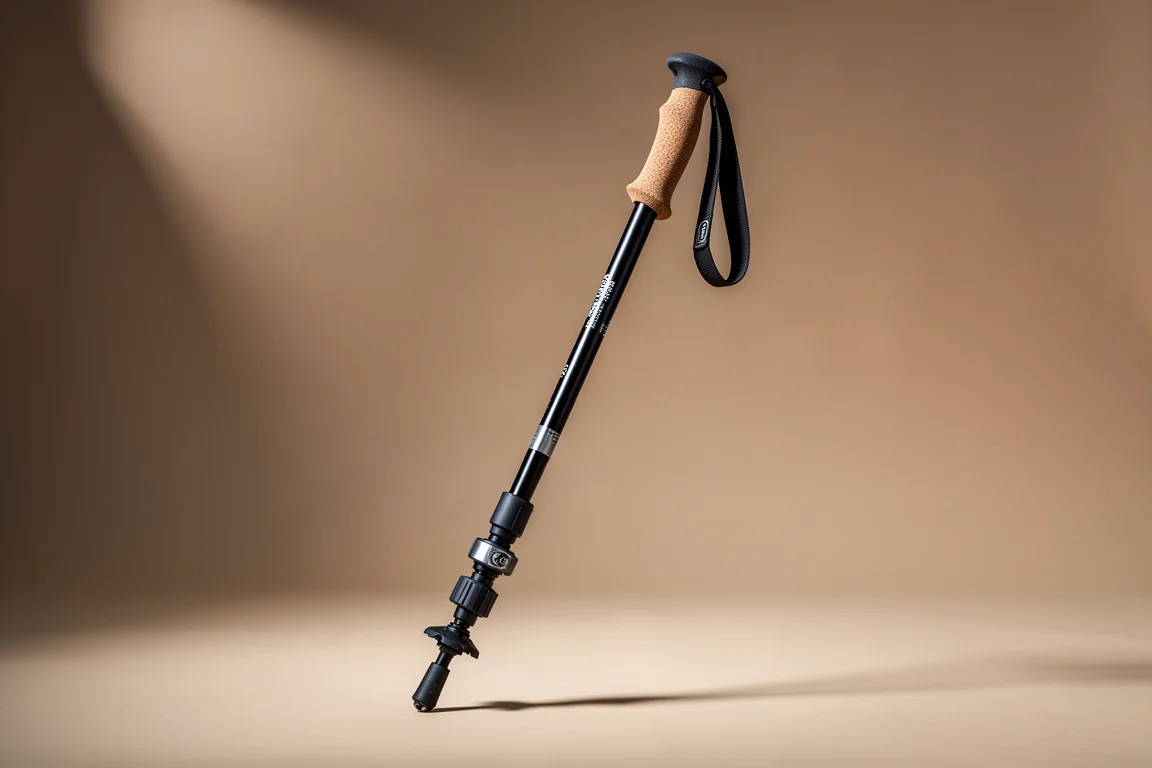
Pure Trek takes a standard trekking pole and builds a pump-style water filter into the shaft. That single change removes one of the small rituals of a long day: stopping, setting the pack down, and kneeling at a water source. With the filter inside the pole, you can draw water while standing and then keep walking.
The benefit is clearest for hikers who find it increasingly hard to bend over, kneel, or squat at a stream. Even without that concern, plenty of hikers dislike taking a pack off once it is comfortably adjusted, and this design means you never have to.
The trade-off is weight. Pure Trek comes in at almost 21 oz, roughly double a standard trekking pole. That is a meaningful amount for a single item, and the long-term effect of hiking with one heavy pole and one lighter pole is not something most hikers have real experience with. If you filter water often and want to stay standing, the convenience may justify the grams. If you already carry a separate filter and do not mind stopping, the math is harder to make work.
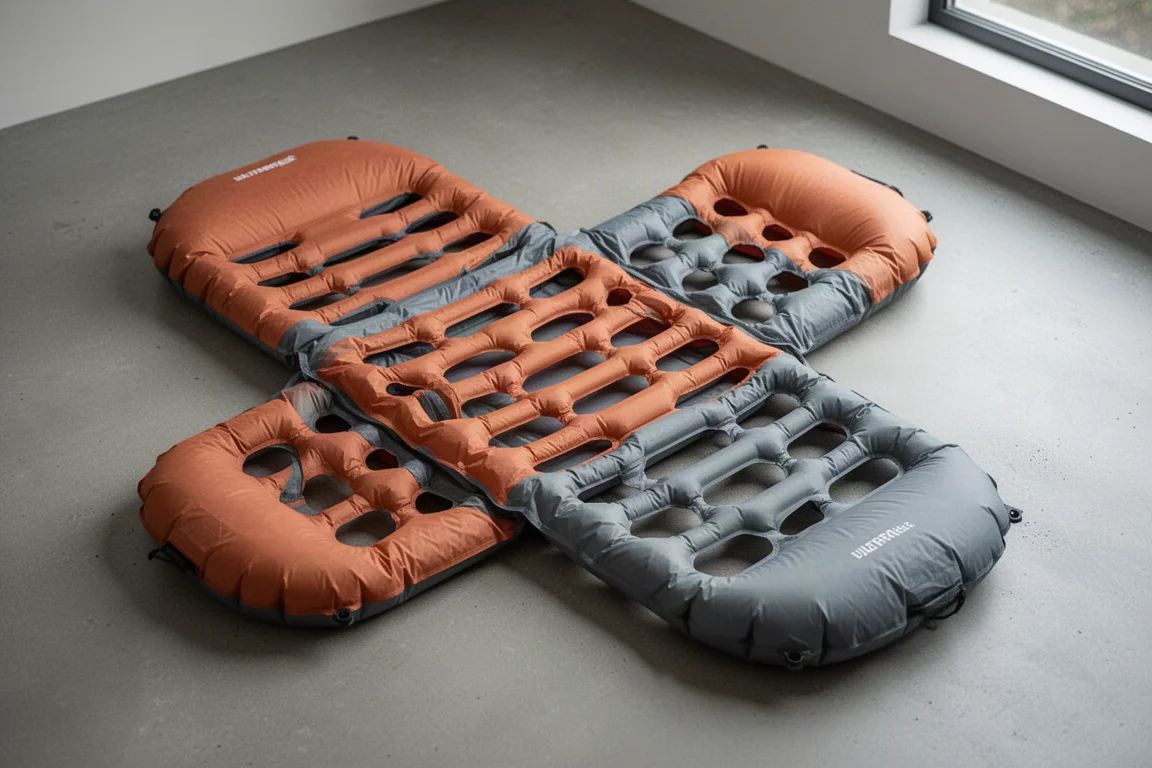
Klymit Inertia X Frame: A Sleeping Pad Built Around Gaps
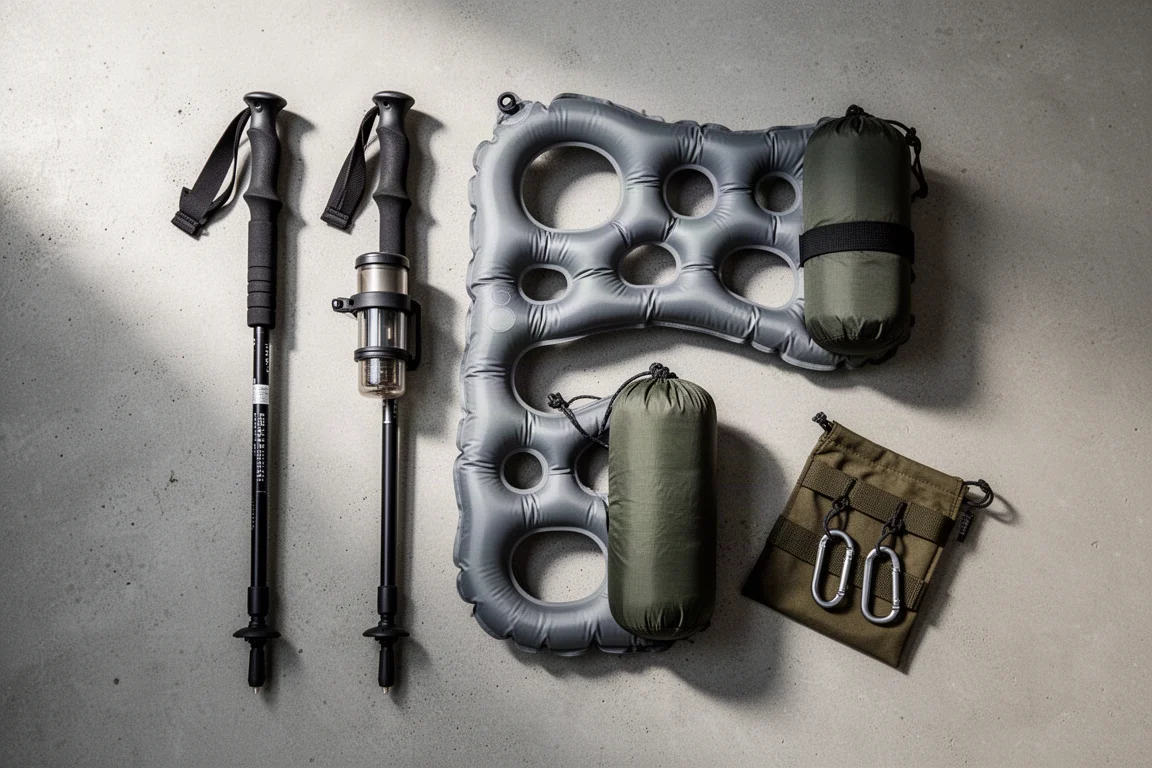
The Klymit Inertia X Frame approaches insulation from a different direction. Instead of building warmth into the pad, it uses a body-mapped pattern with large openings. You place the pad under your sleeping bag, or even inside it, and the bag’s insulation lofts up through those gaps. In theory that removes the need for insulation inside the pad itself, which is where a lot of a sleeping pad’s weight normally lives.
In practice, the design asks a lot of the sleeper. The pad supports you in specific places and nowhere else, and it works best if you sleep almost perfectly on your back. Side sleepers and anyone who shifts position through the night will notice the difference quickly.
The weight story is also less dramatic than the concept suggests. The X Frame comes in at over 10 oz, which is not a large saving once you account for the compromises. Availability is limited as well: the pad has been around for a long time and may no longer be in production, though it can still be found through online retailers. Anyone curious about the design should treat it as an experiment rather than a safe default.
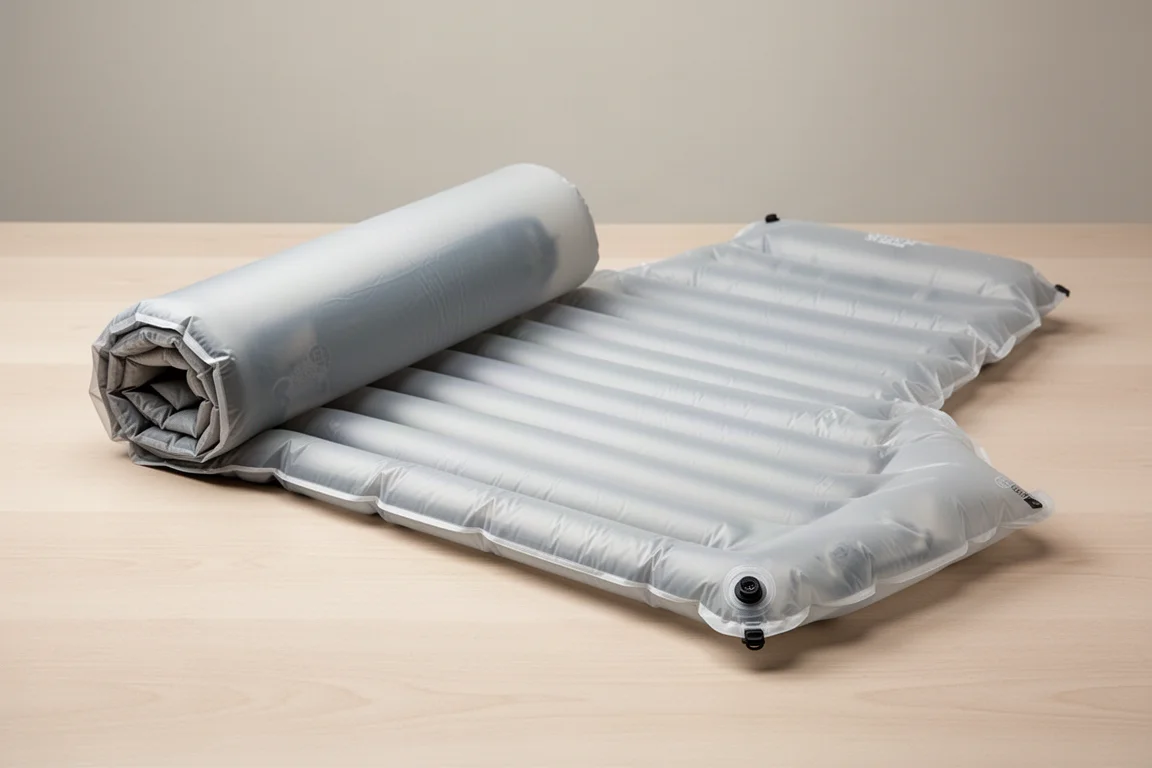
Therm-a-Rest UberLite: The Lightest Sleeping Pad Option
The Therm-a-Rest UberLite is the useful counterpoint to the X Frame. It is the lightest sleeping pad on the market at around 8 oz, and it gets there as a full-size pad with a conventional, uninterrupted surface. Nothing about sleeping on it requires a particular position, and there are no gaps to work around.
That combination is what makes it notable: less weight than a pad built around holes, without asking the sleeper to adapt. For backpackers who count every ounce but still want a normal night’s sleep, it is the more straightforward answer of the two.
Gossamer Gear Crotch Pot: Cooking a Meal With Body Heat
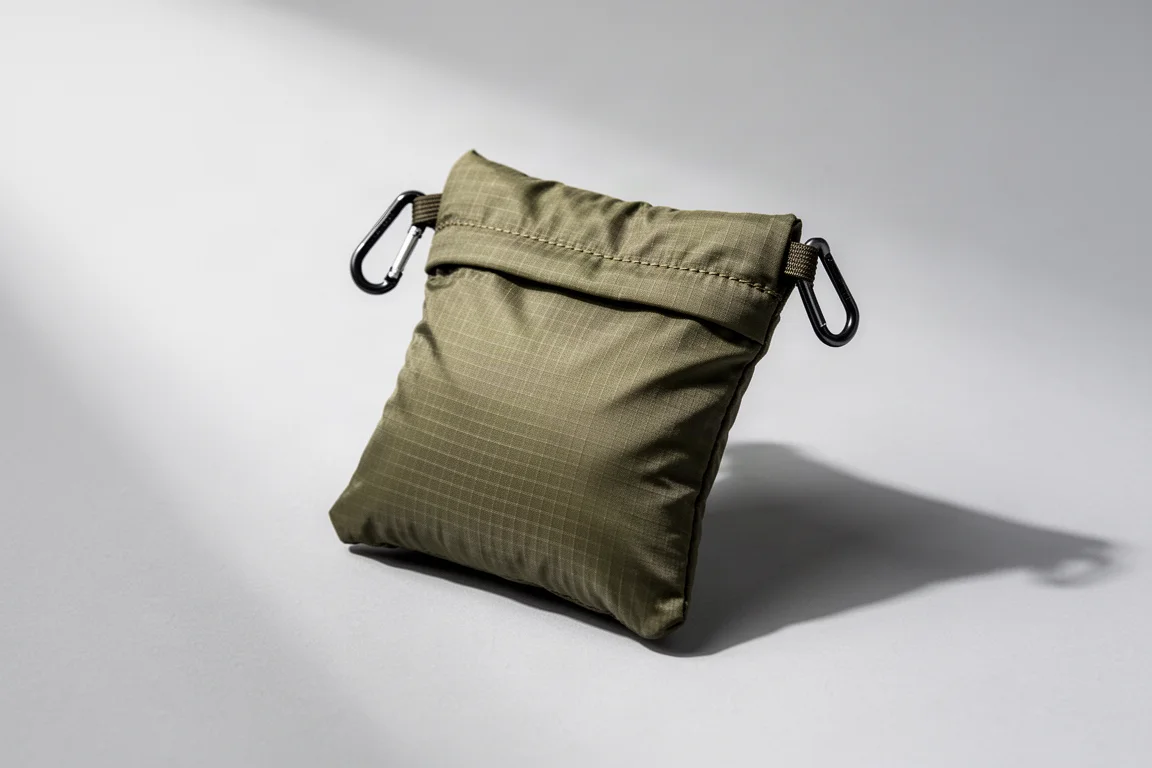
The Gossamer Gear Crotch Pot is the strangest item here, and the premise is simple: clip two small carabiners to your belt loops, slide an uncooked meal into the pouch, wear it inside your pants, and let body heat warm the food as you walk. It sits between two existing approaches, cold soaking and carrying a full stove and cook set. Cold soaking is lighter but gives you a cold meal, while the Crotch Pot aims for something warmish without the stove.
Worn under a pack and a waist belt, the pouch rides without much fuss, though you are always aware that something extra is there. The real test is the food. After a little over three hours, a beef stroganoff came out with soft noodles but only lukewarm, and the result was not clearly better than cold soaking.
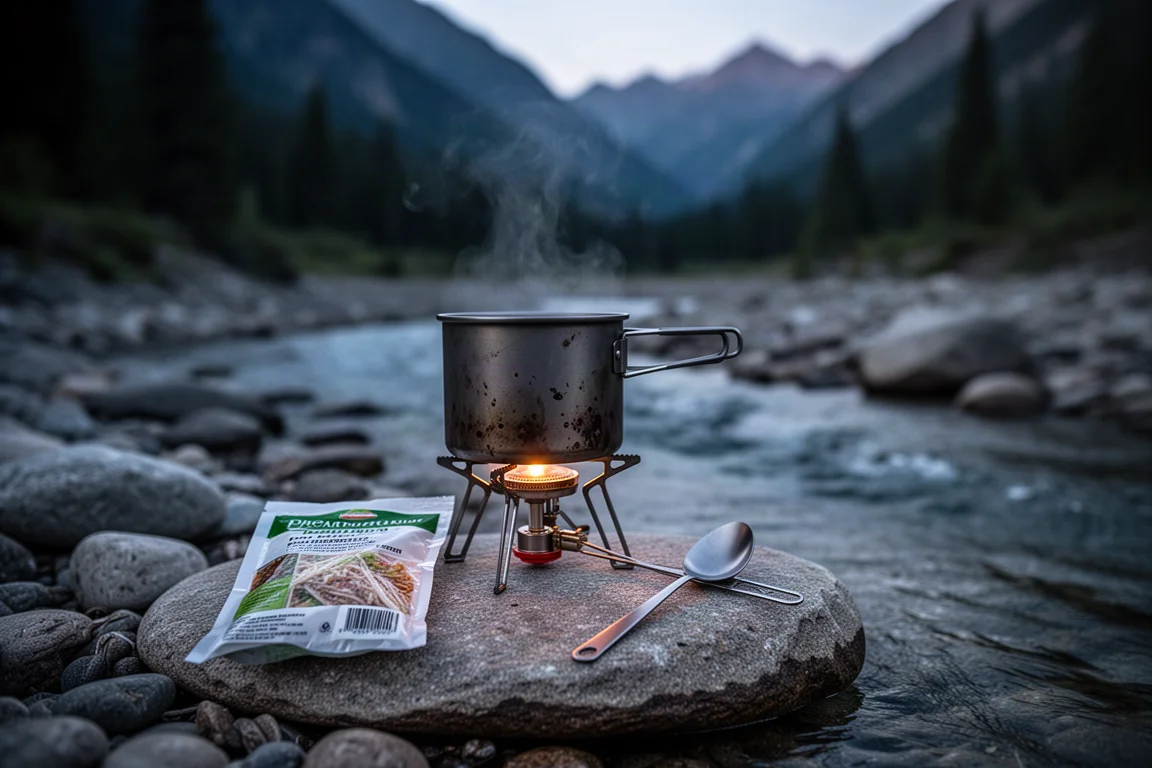
That is the honest limitation of the idea. A stove, a canister of gas, and a small cook set do not add that much weight, and they turn the same meal into something genuinely hot. Body heat is a clever substitute for fuel, but it is not a replacement for a flame. Hikers who already cold soak and want marginally warmer food may find it interesting; most others are likely to keep the stove.
How to Choose Which Unusual Gear Is Worth Carrying
Unusual gear earns its place when it removes a task you dislike without creating a new problem. Pure Trek is a good example: it replaces a stop-and-kneel routine with a standing one, and the cost is weight you can measure in advance. The Crotch Pot replaces a stove, but it also replaces a hot meal with a lukewarm one, which is a harder trade to accept.
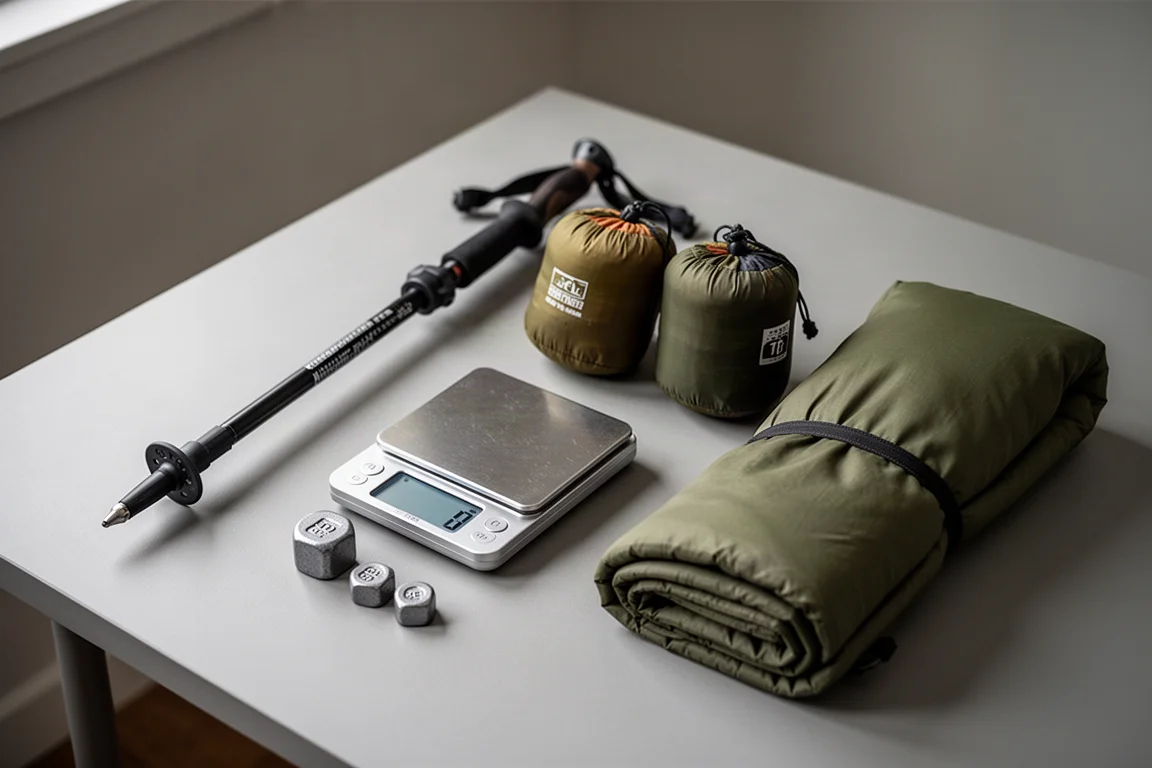
Sleeping pads sit in a different category, because comfort is not negotiable for most people. A pad that only works when you lie on your back is a real constraint, and the weight saved has to be substantial to justify it. Where a conventional pad matches or beats a radical design on weight, the radical design needs a very good reason to exist. Comparing the actual numbers, in ounces and in sleep quality, is usually enough to settle the question.
Conclusion
Weird gear is worth paying attention to because it shows where the boundaries of ultralight thinking currently sit. Some of these ideas solve a genuine problem, and some of them solve one problem by creating a worse one. The useful question is always the same: does this make a trip easier, warmer, or more enjoyable, and what does it cost in weight and comfort to get there? Backpacking does not have to be an exercise in suffering, and the best unusual gear is the kind that quietly makes a day on the trail better.
Further reading
Related Reviews

Backpacking Gear
Building a 10 lb Base Weight: An Ultralight Backpacking Gear List
A practical walkthrough of the ultralight pieces behind a 10 lb base weight, from a 765 g pack and a roomy one-person tent to a full camp chair and a dependable water filter.
Backpacking Gear
A 15-Pound Lightweight Backpacking Gear List for Solo Trips
A beginner-friendly 15-pound backpacking setup built from easy-to-find gear, with notes on what each piece does, how it packs, and where to spend your attention.
Backpacking Gear
8 Ultralight Backpacking Gear Upgrades Worth Carrying
Eight small, affordable backpacking upgrades that solve real trail annoyances, from a pillow that stays put to a fuel valve that rescues leftover canister gas.