Ski Buying Advice
The Most Common Ways Skiers Waste Money, and What to Buy Instead
From sight-unseen new-season skis to insulated jackets, gadgets, and snow tires, here is where ski money gets wasted and how to spend it better.
Introduction
Every season, plenty of money gets spent at the ski hill on things that never earn it back. Some of that spending comes from enthusiasm, some from marketing, and some from simply not knowing what will actually fit your skiing. None of this means you should never buy nice things. It means you should buy them at the right time, with the right information, and for the right reasons. Here are the biggest ways skiers burn money, and what makes more sense instead.
Buying New-Season Skis Sight Unseen
The number one trap is buying the newest model year of a ski before you know whether you actually like it. If there has been no credible review, if the previous version is unfamiliar to you, or if the ski is fundamentally a new design, you are paying full price with the least amount of information available. That is the most expensive that ski will ever be and the riskiest time to buy it.
There are real exceptions. If you have demoed the ski, if your size sold out during the offseason sales, or if you know and love the previous generation and the changes look like genuine refinement, the risk drops a lot. Stöckli is a good example of the safe case: with the Stöckli Montero AR, the changes over the previous generation read as fine-tuning rather than a redesign, and the Stormrider follows the same philosophy of small, careful improvements.
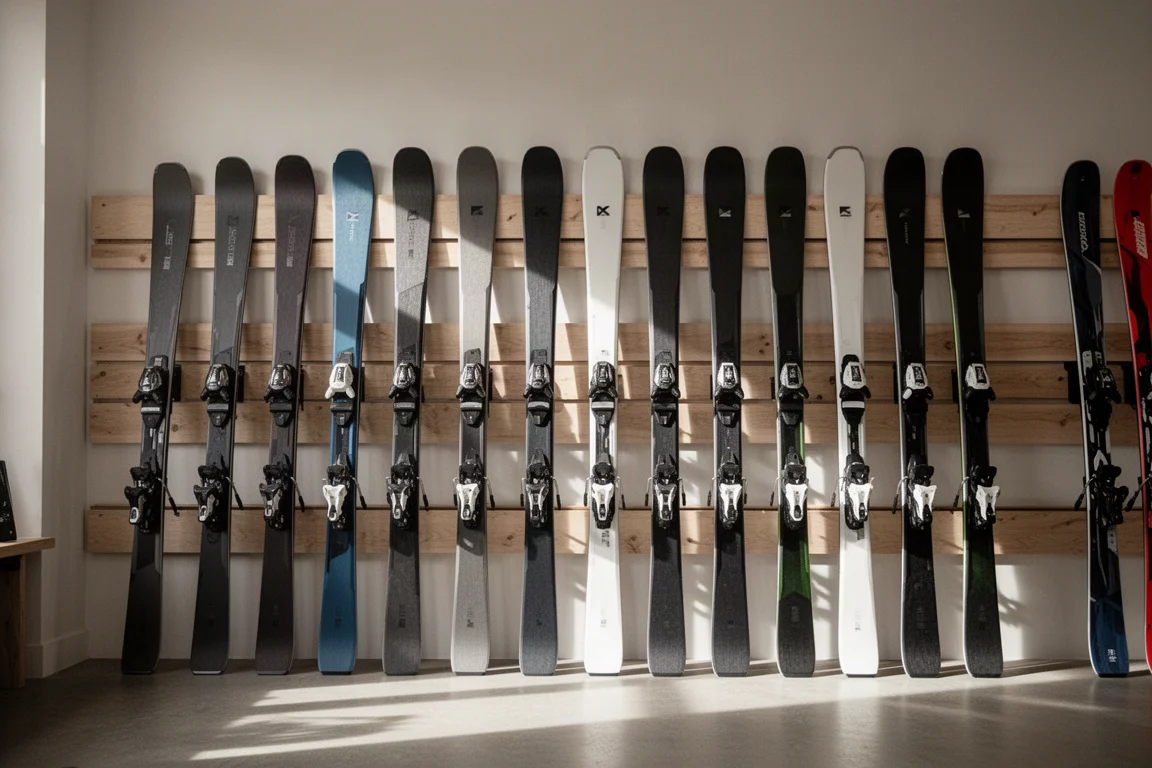
The risky cases are the opposite. If you love the Atomic Maverick 88 Ti, there is no guarantee you will like the 88 CTI, because it points in a different direction. And when a brand releases a ski like the new Salomon QST 100, someone who enjoys the QST 98, 92, or 106 still cannot know what the new ski feels like from vague magazine descriptions. Similarly, people who bought a Nordica Enforcer or an Atomic Bent 100 without testing them often discover the ski simply does not match their use case. Unless you are stuck buying whatever is available at that moment, get as much information as you can before you commit.
Expensive Skis That Are Mostly Top Sheet
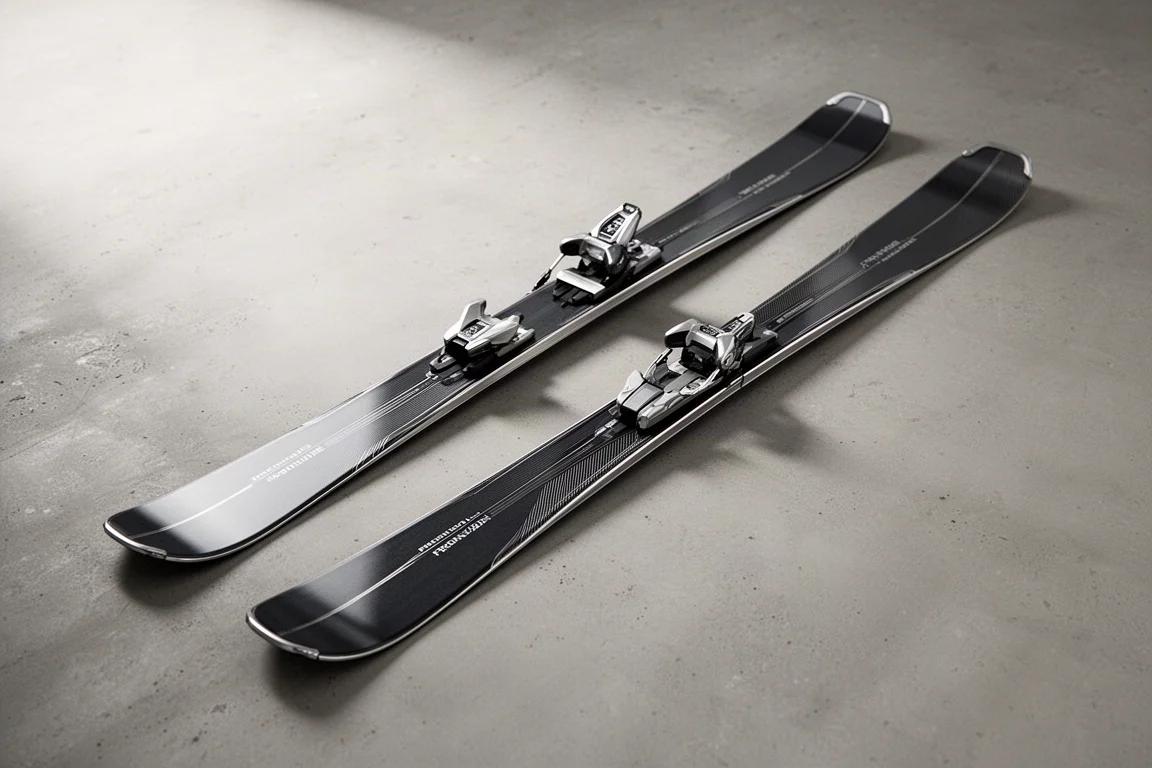
Not every expensive ski is good, even though nearly every good ski is expensive. Some skis carry a premium purely because of the graphics, and a beginner or intermediate skier often cannot even appreciate the performance difference that might justify a higher price. A flashy top sheet on what is otherwise a regular ski is one of the easiest ways to blow a budget.
That said, expensive gear can absolutely be worth it when the performance backs it up. A ski built for enthusiasts, like the DPS PisteWork 79, earns its place for skiers who will actually use what it offers. The rule is simple: buy the ski that suits your needs, not the one that looks expensive.
Insulated Jackets Instead of a Proper Shell
Insulated jackets look like a bargain: cheaper than a shell and with warmth built in. In practice, the shell fabric is usually less waterproof and less well made than a dedicated shell, so on a big storm day they can wet through. And once the insulation is sewn in, you cannot take it out. If you work hard in the trees or the temperature climbs, you have no way to shed heat, and many insulated jackets lack the pit zips that let a good shell ventilate.
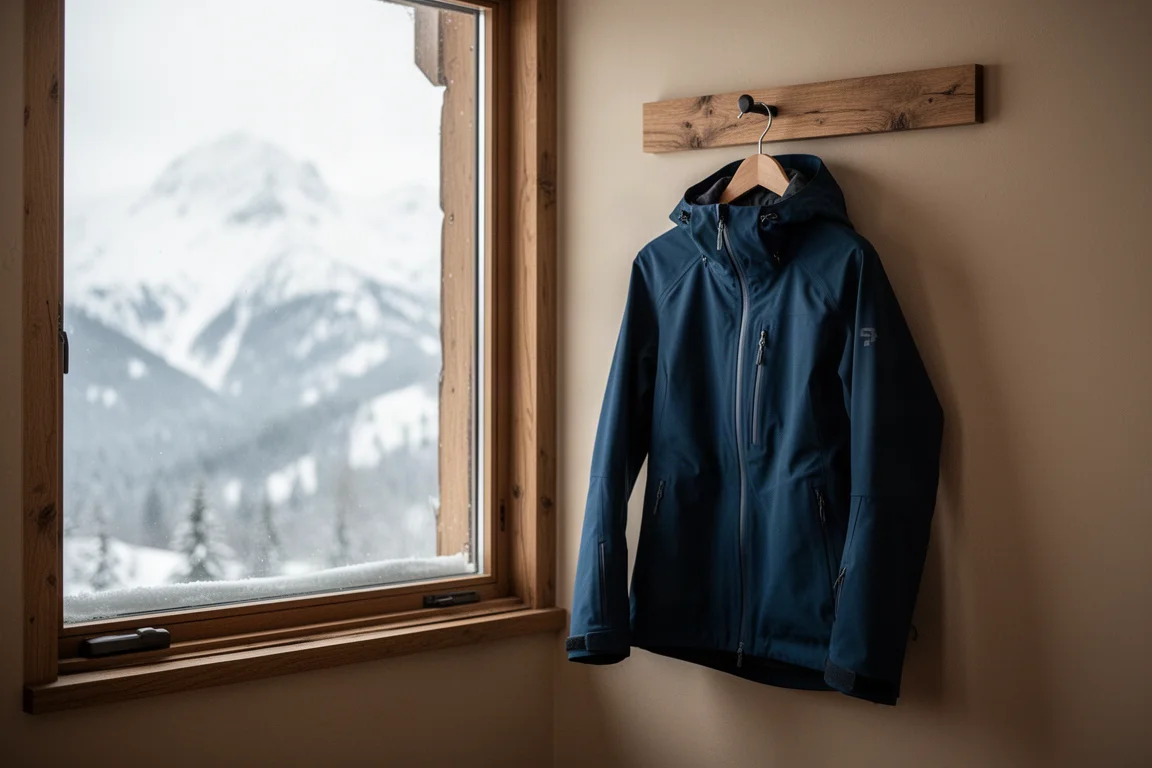
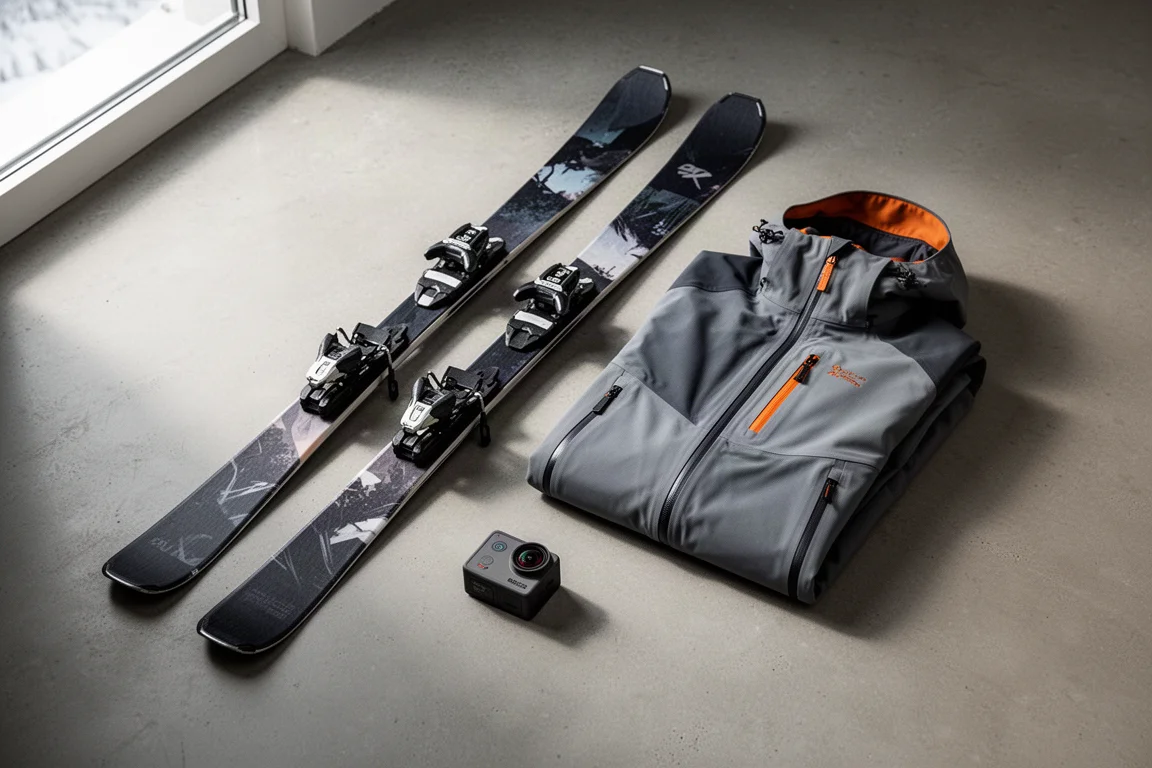
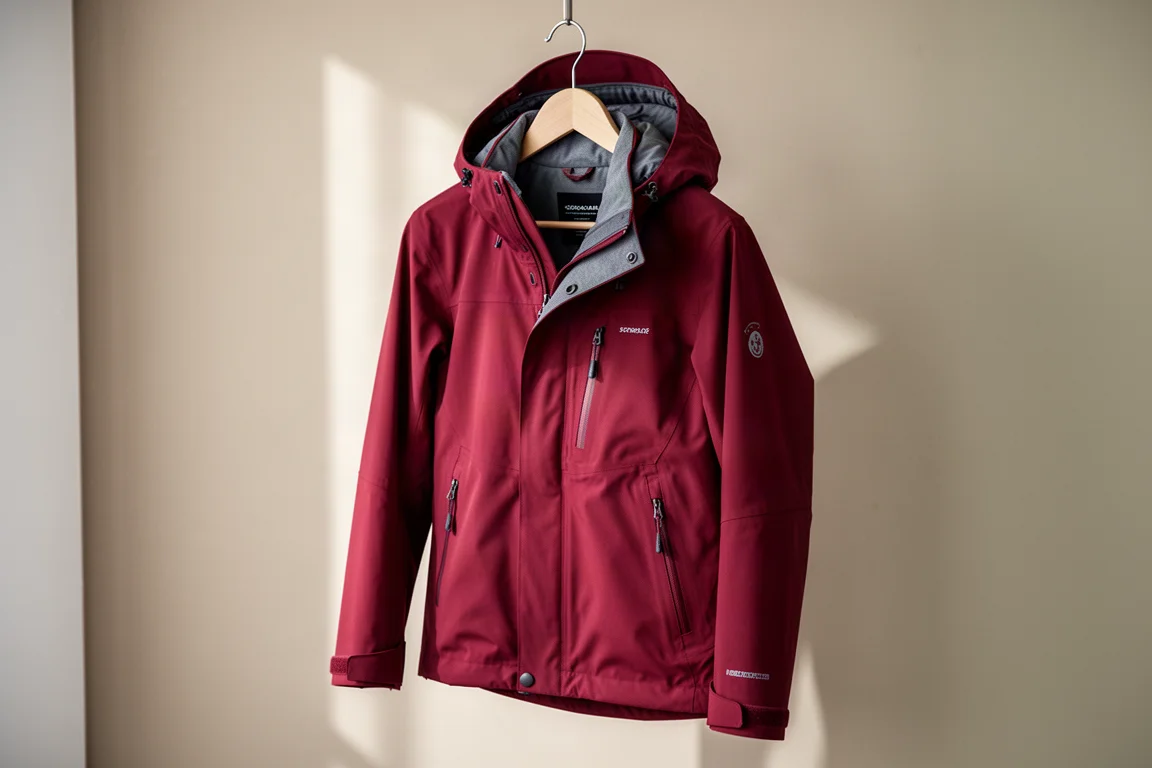
Most people who buy an insulated jacket eventually buy a proper shell anyway, plus the layers to go under it. The smarter play is to start with a well-made shell, buy it used or on offseason discounts if needed, and layer appropriately underneath. In tests and daily use, shells like the Arc’teryx Sabre and the Patagonia Storm Shift and SnowDrifter perform well, and a Mammut Haldigrat is a long-term favorite: the kind of jacket worth buying once and keeping for years. If you only ski five to ten days a season and avoid storm days, an insulated jacket is probably fine. Chasing powder? Get the shell first.
GoPros You Will Not Use
There is real social pressure to document every run, but most skiers do not need a GoPro. A large share of action cameras end up in a drawer after a handful of uses, and phone footage covers most casual family video needs just fine. The one clear exception is angles a phone cannot reach, like low tracking shots of your own skis mid-turn.
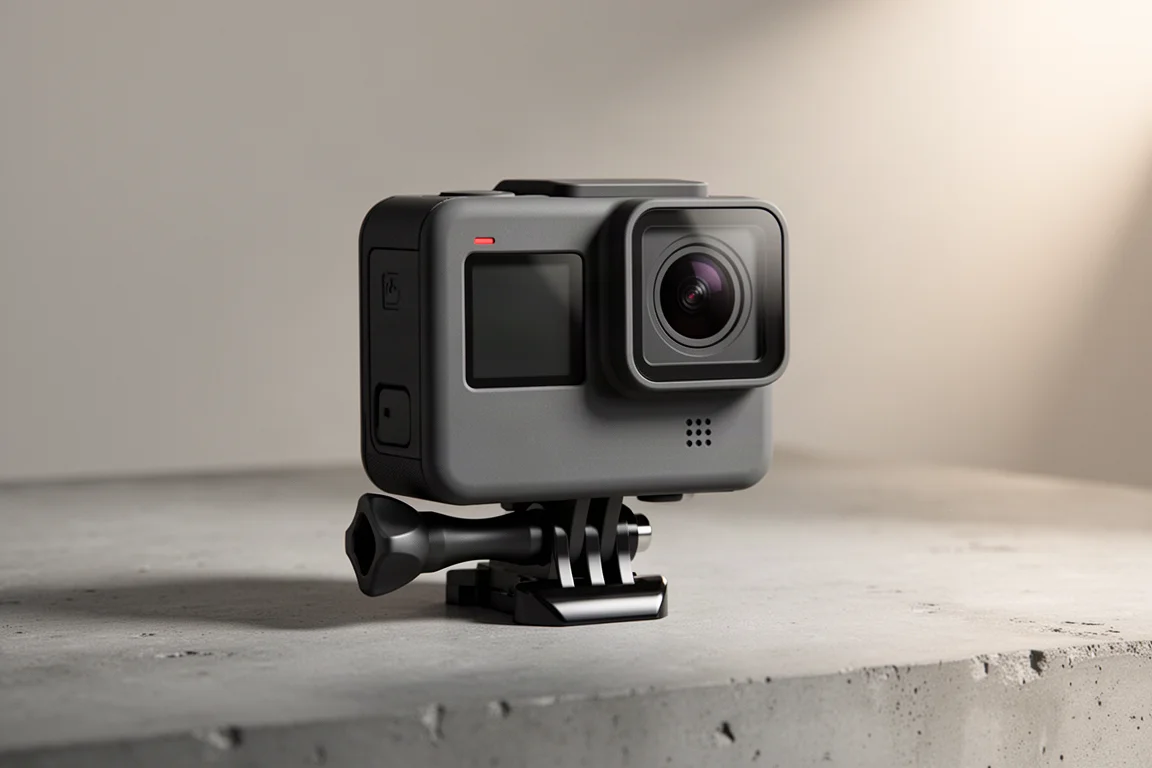
If video making is a genuine, ongoing passion for you, a GoPro is a great tool and you will get your money’s worth. If it is a passing interest, be honest with yourself before buying. The camera only earns its price if you will actually use it.
Ski Gadgets Bought Too Early
Skiing technology like Carv produces useful data, but very new skiers often lack the vocabulary and context to act on what it tells them. For someone just starting out, the same money goes further with lessons from a competent instructor, which builds the foundation that makes performance data meaningful later on.
If you are a confident intermediate or beyond and want structured feedback, Carv may earn its place in your kit. In the earliest phase of learning, spend the money on coaching first and the gadget second.
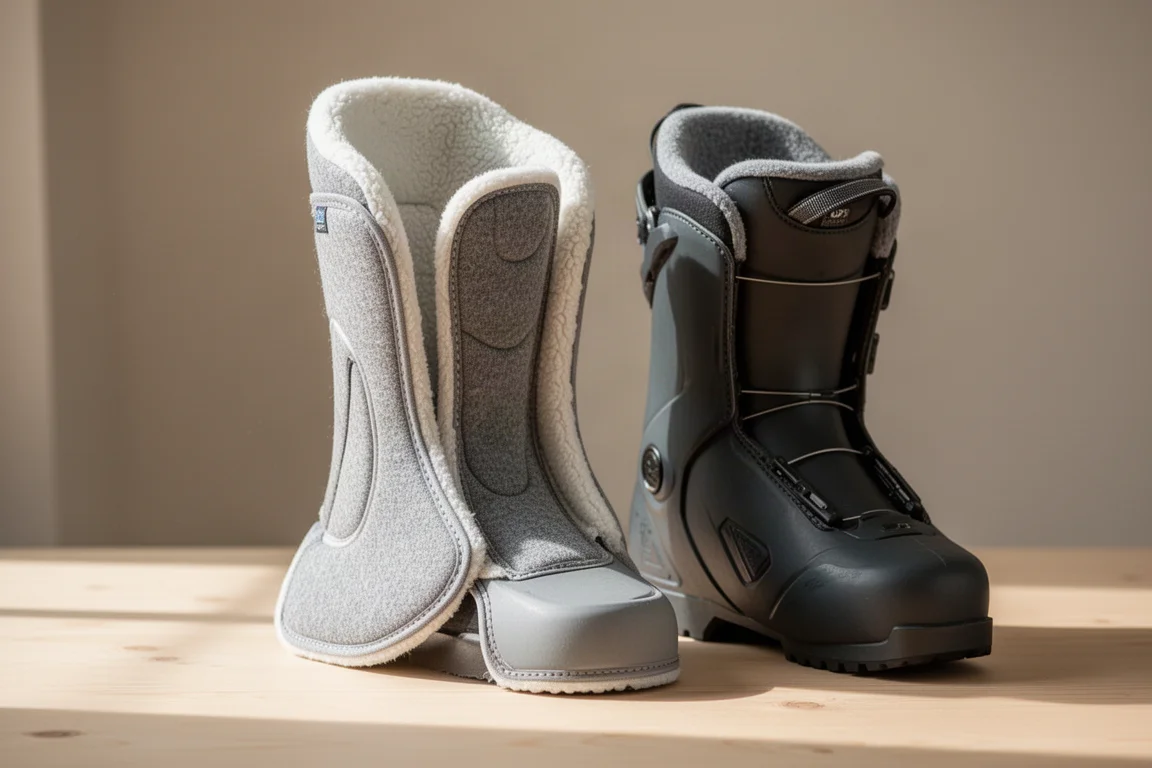
ZipFit Liners Before You Have the Mileage
ZipFit liners are a genuinely good product: they offer a better, more comfortable boot fit for skiers who log real mileage. The catch is break-in. Expect roughly three to five solid days on snow before they truly settle in, and if your whole season is ten days, you spend half of it breaking them in.
They also assume your boot situation is settled. Newer skiers frequently discover their boot is too wide, too narrow, or simply the wrong length, and a liner that fit one shell may not fit the next. Wait until you have stable boot fit and enough days on snow, then ZipFits become an easy recommendation.
An Expensive SUV Instead of Snow Tires
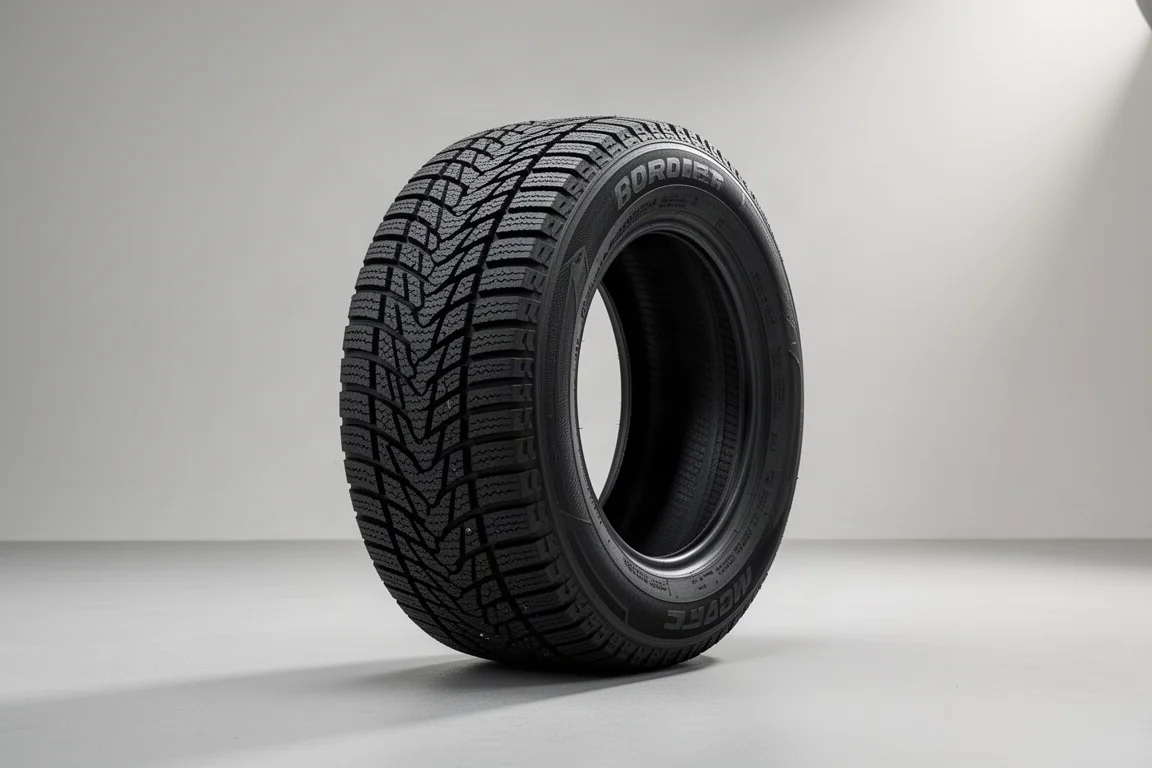
Four-wheel drive is great, but it does not do the thing that matters most: stopping. On a steep, slippery descent, four-wheel drive contributes little to braking, while snow tires are the single biggest factor in traction and changing your momentum. A two-wheel-drive car on proper winter tires will outperform a big expensive 4WD on all-seasons when the road turns slick.
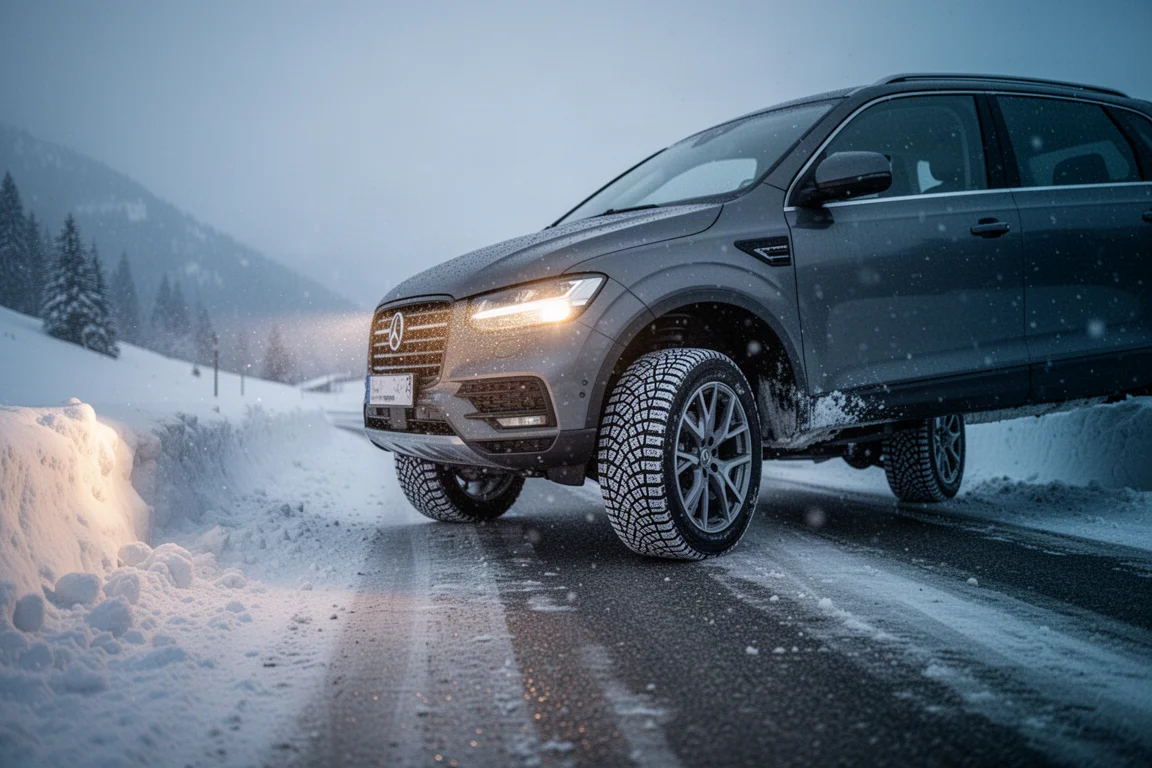
Instead of stretching for a brand-new SUV, put the money into quality winter rubber on the vehicle you already own. In everyday use, the Bridgestone Blizzak, Michelin X-Ice, and Nokian snow tire lines consistently come up as the top performers. Tires are where the safety actually lives, and they cost a fraction of a new vehicle.
Other Traps Worth Avoiding
A few more patterns drain ski budgets without adding much value. Cheap goggles seem like a saving until they fog, lack contrast for reading the snow, or fail at the worst moment, and a ruined day on the mountain costs more than the upgrade ever did. Sticking with the established brands like Oakley, POC, Smith, and Anon is the safer path. A ski jig for mounting your own bindings only makes sense if you mount five or more pairs per year on the same binding platform; otherwise, the local shop offers peace of mind and proper testing for less money overall. Backcountry gear bought before any avalanche training either sits unused in a closet or creates serious risk, so take the course first and let it shape what gear you actually need. Trendy one-season outfits, pricy visor helmets, and flights booked weeks ahead to chase a distant storm round out the list of easy money sinks.
Conclusion
Almost every one of these traps shares the same root cause: buying before you know. Know the ski, know your fit, know your use case, and know your season length before the money leaves your account. Buy well-made things you will genuinely use, layer a good shell instead of trusting built-in insulation, put snow tires before horsepower on your winter wishlist, and spend early ski dollars on lessons rather than gadgets. Do that, and the same budget buys a far better experience on the hill.
Further reading
Related Reviews
Backpacking Gear
Building a 10 lb Base Weight: An Ultralight Backpacking Gear List
A practical walkthrough of the ultralight pieces behind a 10 lb base weight, from a 765 g pack and a roomy one-person tent to a full camp chair and a dependable water filter.
Road Bikes
10 New Road Bikes Worth Watching: Aero, Titanium, Steel and Endurance Standouts
A practical roundup of 10 new road bikes, from aero flagships chasing single-watt gains to titanium, steel and endurance platforms built for real roads.
Bikepacking Gear
11 Bikepacking Essentials for Long-Distance Cycling
Eleven bikepacking essentials for long-distance cycling, from a steel gravel frame and a two-person tent to helmet lights, packable gloves, and a frame bag that puts weight in the right place.