Studio Recording Gear
Warm Audio MPX Review: A 1950s Tape Machine Preamp for Modern Studios
The Warm Audio MPX turns the preamp stage of a 351 style tape machine into a new one or two channel studio front end, with tape saturation, filters, and up to 90 dB of gain.
Introduction
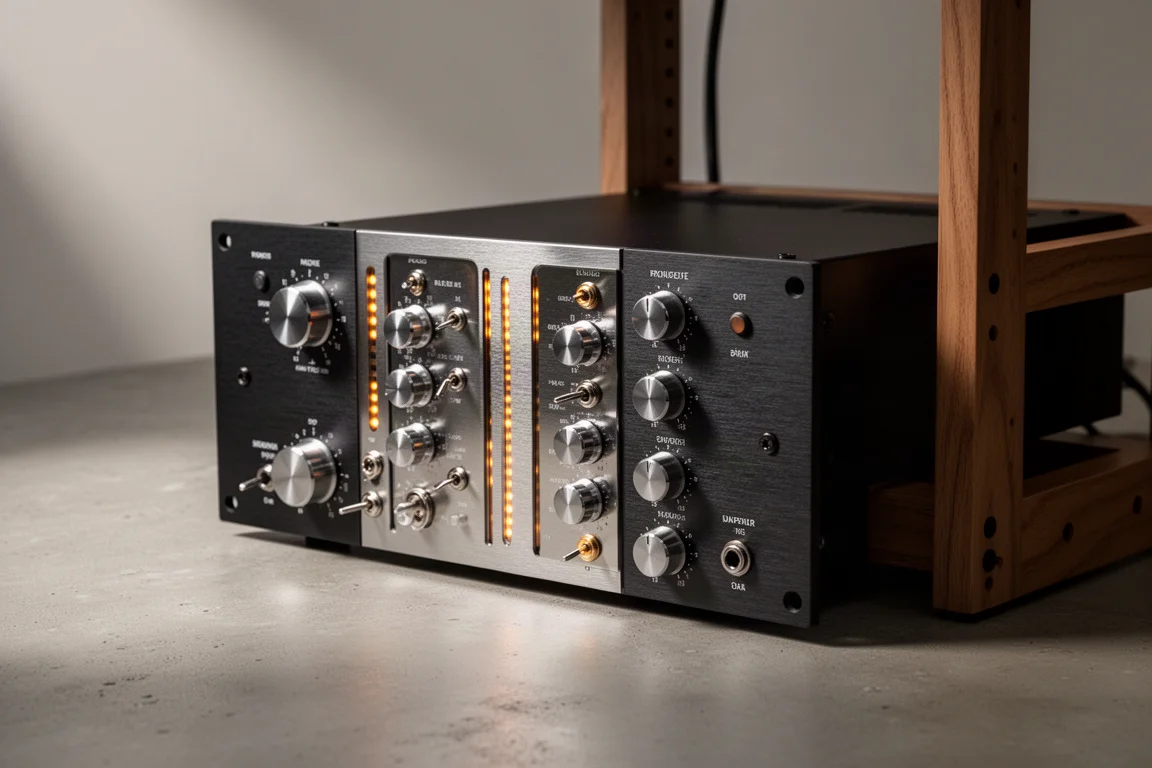
The Warm Audio MPX is a new preamp built around a very specific piece of recording history. Its gain stage follows the preamp inside a 351 style tape machine, a circuit that dates back to the 1950s and is tied to records made at RCA and Sun Records. When those machines were retired, engineers started pulling the preamps out, rewiring them, and using them as studio front ends rather than letting the hardware disappear. The MPX packages that idea as a new product, offered in one channel and two channel versions, and it is shipping now.
What the Warm Audio MPX Actually Is
At its core the MPX is an analog microphone preamp rather than a tape emulation. The design borrows the preamp section of a 351 style tape machine, which is the part of those machines engineers valued enough to salvage by hand.
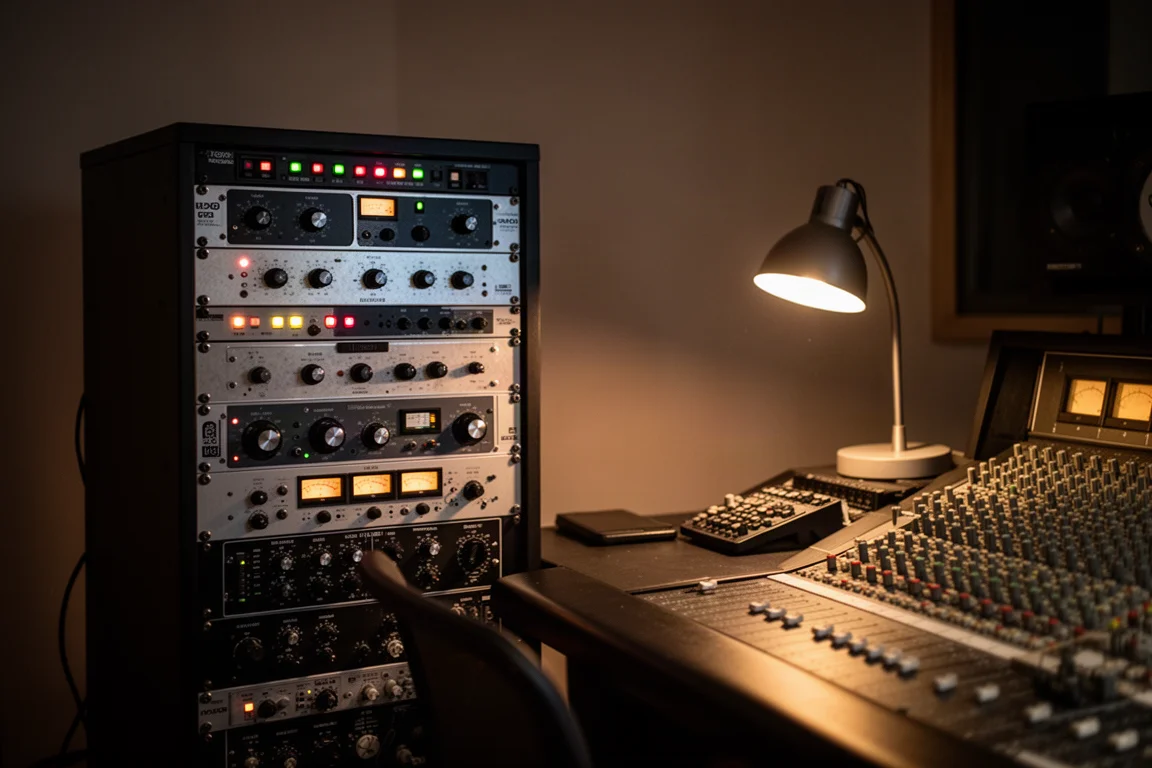
The two channel version is the more flexible of the two, because each channel carries its own full set of controls. That makes it straightforward to track a stereo source with matched settings, or to treat the two channels as completely separate signal paths for two different instruments. The one channel version covers the same circuit in a smaller footprint, which suits anyone who only needs a single front end at a time.
Who This Product Is For
The MPX makes the most sense for engineers who want one preamp that covers a wide tonal range instead of several specialised units. It is equally useful for someone tracking drums, guitars, and vocals who wants the option of a clean, high headroom capture and a heavily saturated one from the same box.
Ribbon microphone users get an especially practical benefit from the tone control, since the impedance change is designed to suit that type of microphone. Anyone running a hybrid setup with analog outboard will also find the two channel version easy to slot into an existing chain.
Main Strengths: Gain, Saturation, and Headroom
Gain is where the MPX makes its first impression. The unit runs at 70 dB of gain in its standard setting, and a high gain switch pushes that to 90 dB. That is a substantial amount of clean amplification, and it means low output microphones do not need to fight for level.
The tape saturation control is the other headline feature. Engaging it brings in a diode ladder and starves the voltage, which adds a degree of compression along with a small amount of extra level. Used sparingly, that gives a mix glue and weight. Pushed hard, the same circuit turns the preamp into something closer to a fuzz box, and the range in between is where most of the useful sounds live.
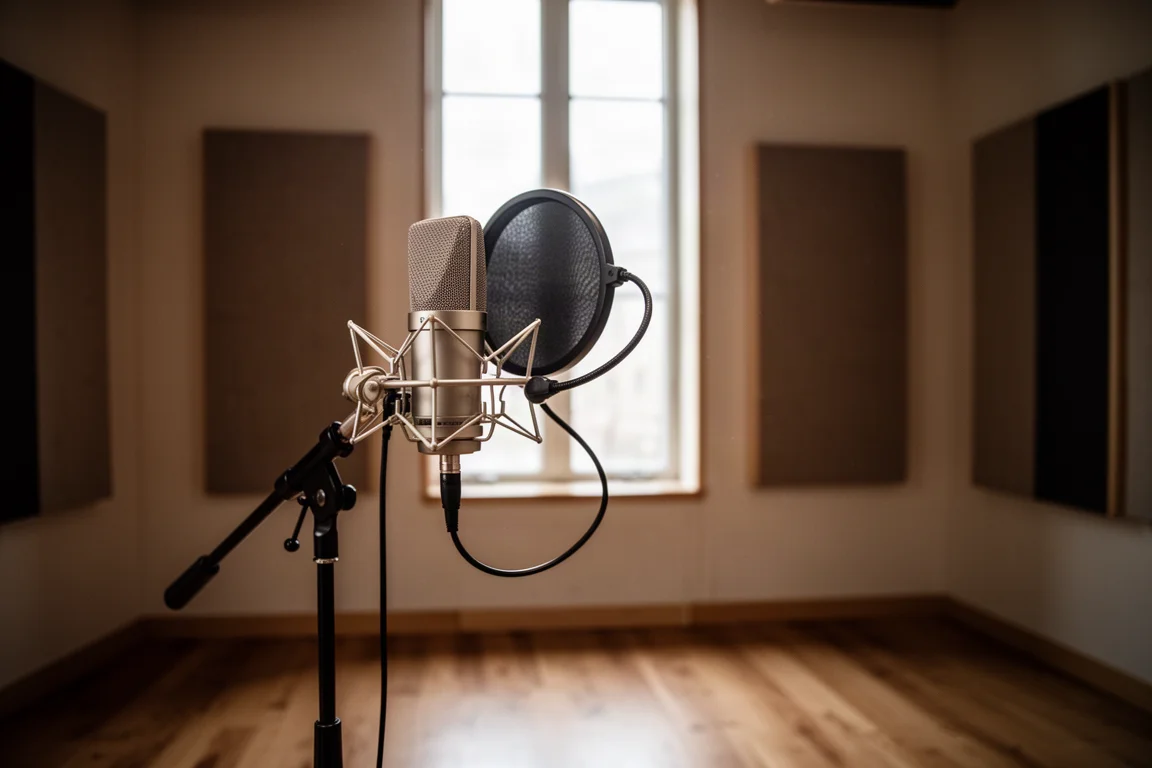
Because the transition from clean to dirty is continuous rather than switched, one unit can cover ground that would otherwise take several separate saturation tools. That is the practical argument for hardware of this type: a single front end with a genuinely wide palette, rather than a fixed flavour you have to work around.
Filters, Tone Switch, and High Gain Mode
The MPX includes both a high pass filter and a low pass filter. Individually they are useful for cleaning up rumble or taming brightness, but together they narrow the frequency band considerably, which is how the preamp produces a deliberately lo-fi, focused character. On a drum bus, that filtered version can sit underneath a full bandwidth take as a supporting layer.
The tone button works differently. It is an input transformer impedance modifier that shifts the load from 600 ohms down to 150 ohms. The result is extra presence and a noticeably different feel, and it is particularly effective with ribbon microphones.
The high gain switch raises the operating gain from 70 dB to 90 dB. It is worth treating with respect, since that much gain will amplify room noise and handling sounds along with the source, but it opens up headroom for quiet microphones and distant placements.
Things to Consider Before Buying
The MPX rewards time spent learning its controls. With filters, tape saturation, tone, and high gain all interacting, the useful settings are found by ear rather than by dialling in a preset. Buyers who want a single fixed colour may find more range here than they need, while those who enjoy shaping a sound will get a lot out of it.
It is also worth deciding on channel count before ordering, because the one channel and two channel versions serve different workflows. Two channels are needed for stereo tracking and for parallel processing, where a clean take and a saturated take run side by side.
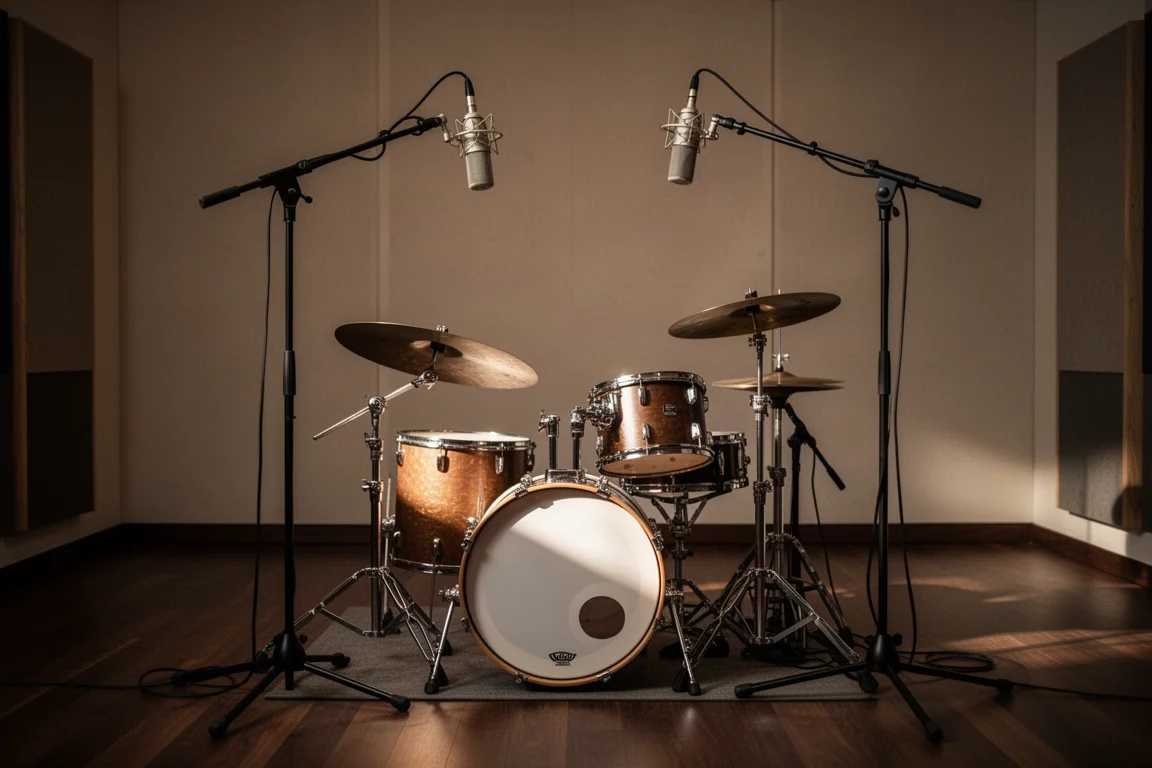
Finally, 90 dB of gain is a lot to manage in a small room. In practice that means paying attention to gain staging and monitoring levels, especially when the saturation stage is engaged and the signal is already being pushed.
How It Fits Into a Studio Chain
The MPX is designed to sit at the front of a signal chain, and the two channel version makes that chain easy to build. In a typical outboard setup the preamp feeds an EQ stage and then a bus compressor, with the option of keeping the compression gentle so it mostly brings out transients and adds analog colour on the way to the converter.
Parallel processing is where the two channel layout earns its place. A common approach is to keep one path clean and full bandwidth so transients pass through intact, then filter and saturate the second path to create a softer, denser layer underneath. Re-printing tracks through the preamp is another option, dialling in the low pass filter by hand on the second pass while the clean version keeps running.
Buying Advice
The most important decision is one channel versus two. A single channel MPX is enough for tracking one source at a time, which covers a great deal of vocal, guitar, and mono drum work. The two channel version costs more but unlocks stereo tracking and parallel processing without a second unit.
Microphone choice should also inform the decision. If ribbon microphones are part of your setup, the tone switch is a strong reason to look closely at this preamp. If you mainly record loud sources with high output condensers, the clean end of the range and the filters will matter more than the gain reserves.
Both versions are available and shipping now, so there is no waiting list to plan around.
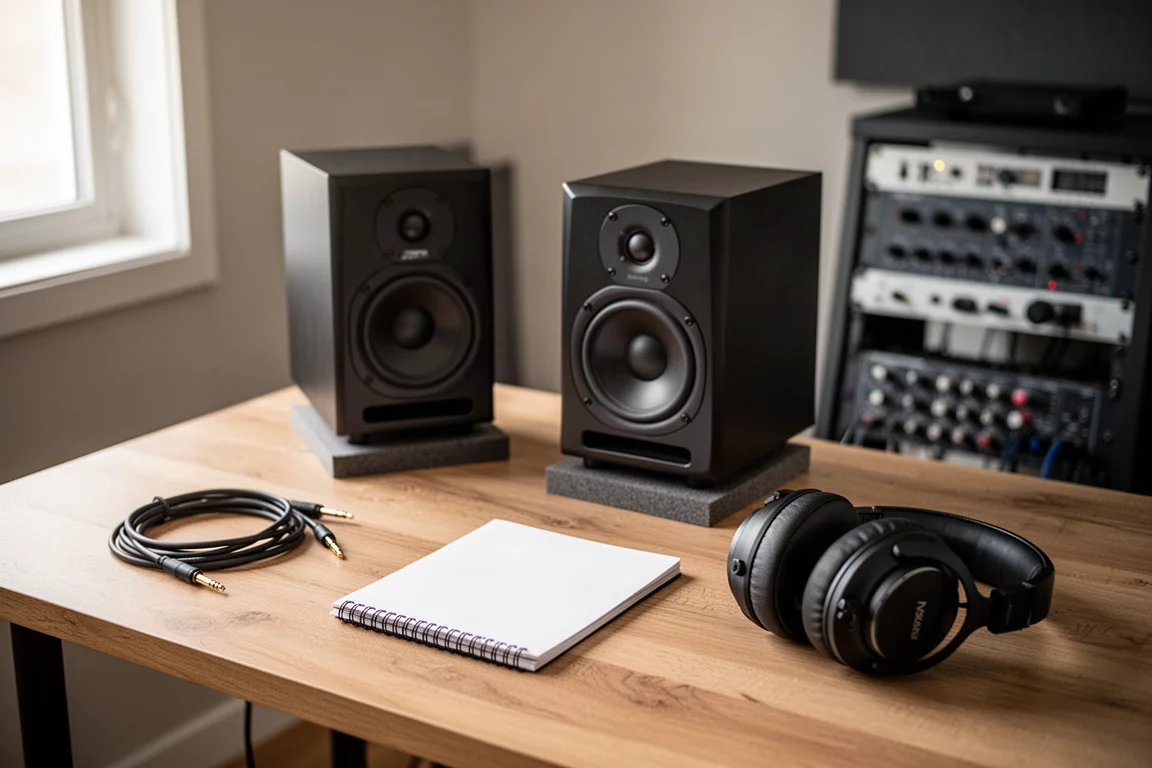
As with any analog front end, it is worth budgeting time for the first few sessions to learn how the controls interact. The preamp is capable of a very wide range of tones, and the settings that flatter a given source are usually found by moving a few controls rather than one.
Conclusion
The Warm Audio MPX is a considered piece of studio hardware. It takes a circuit with genuine historical weight, the preamp from a 351 style tape machine, and turns it into a modern, currently available preamp with tape saturation, filtering, a transformer impedance tone switch, and up to 90 dB of gain.
For engineers who want one front end that moves from clean and high headroom to fully saturated, and who value the ability to run two paths at once, the two channel MPX is the more complete option. For anyone who needs a single strong preamp with character on tap, the one channel version delivers the same circuit in a simpler package.
Product link
View more details for Warm Audio MPX
This product is mentioned in the review. Check the specifications, options, and compatibility before buying.
View more details for Warm Audio MPXFurther reading
Related Reviews
Hi-Fi Preamps
Best Budget Preamps for a Separates System: Schiit Saga S and Akitika PR-102
A practical look at two entry points into separate components, the $300 Schiit Saga S and the kit-built Akitika PR-102, and how to choose between them.
Audio Gear
Rupert Neve RNDI Review: A Premium Active DI Box for Guitar and Bass
A practical look at the Rupert Neve RNDI direct box, from its custom transformers and class A circuitry to the speaker mode that lets you record your amplifier's own tone.
Headphone Amplifiers
Schiit Lyr+ Review: A Hybrid Headphone Amp and Preamp With Two Personalities
A practical look at the Schiit Lyr+, a hybrid headphone amplifier and preamp with a 6SN7 tube stage, a MOSFET solid-state stage, and generous output power.