Audio Gear
Rupert Neve RNDI Review: A Premium Active DI Box for Guitar and Bass
A practical look at the Rupert Neve RNDI direct box, from its custom transformers and class A circuitry to the speaker mode that lets you record your amplifier's own tone.
Introduction
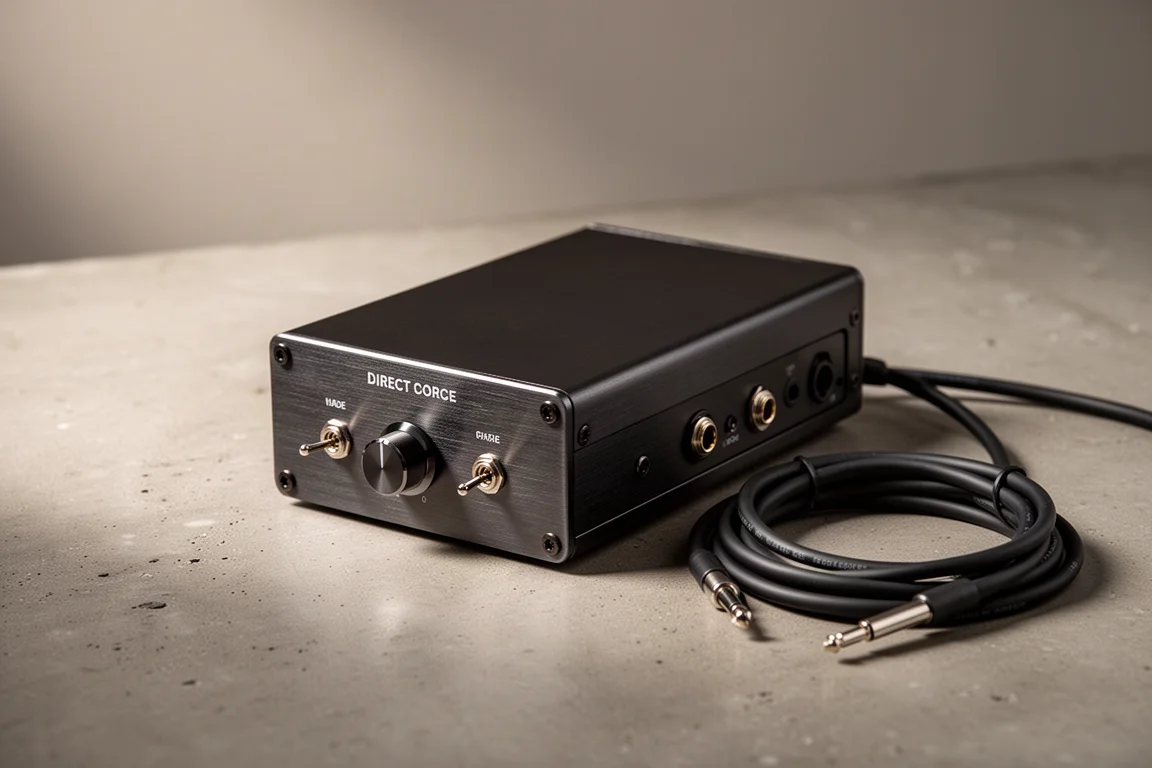
A direct box does quiet, unglamorous work. It takes the signal from an instrument, or from the output of an amplifier, and hands it to a recording or live sound system without getting in the way. Because it sits at the very front of the chain, everything downstream inherits whatever it does well or badly. The Rupert Neve RNDI is an active direct box built around custom transformers and class A biased discrete FET amplifiers, and it is aimed squarely at engineers and players who care about that first stage.
Rupert Neve Designs makes the point that a direct box is like the glass on the front of a camera. It is the first element that captures the sound and carries it into the recording or live sound environment. If that glass is soft, nothing later in the chain recovers the detail. That is the case for spending more on a DI, and it is the case the RNDI is built to support.
Who the Rupert Neve RNDI Is For
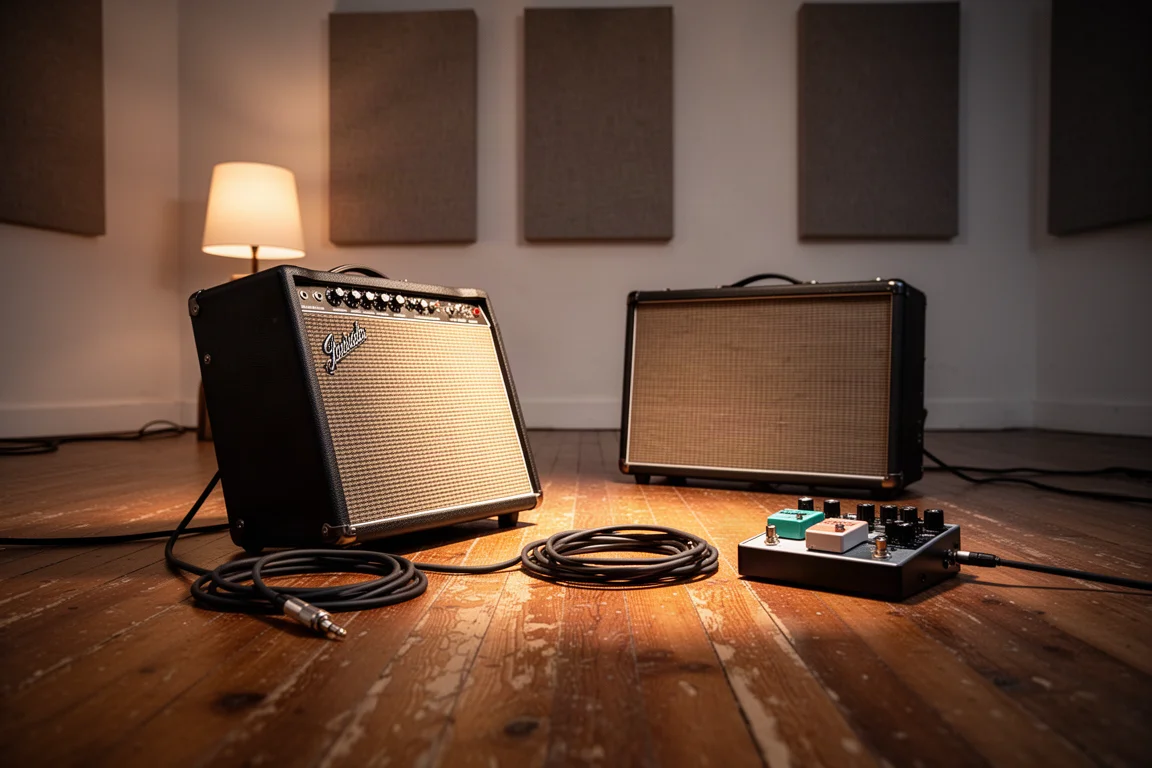
The RNDI suits three broad groups. Studio engineers tracking electric guitar and bass will find it useful whenever they want a clean, dependable front end. Live sound engineers get a box that can sit between an instrument and a console without fuss. Players who already like the sound of their own amplifier get the most interesting option of all, which is the ability to capture the amplifier itself rather than the instrument feeding it.
It is also worth being clear about where the RNDI sits in the market. Budget direct boxes such as the Whirlwind IMP 2 cover the basic job of getting an instrument signal into a system at a much lower cost. The RNDI is positioned at the other end of that range, and the case for it rests on the quality of the circuitry plus the extra capabilities it adds.
Main Strengths: Transformers and Class A Circuitry
Two design choices define the RNDI. The first is its custom transformers, which shape how the signal is coupled and passed along the chain. The second is a class A biased discrete FET amplifier stage, a topology associated with a smooth, unforced character rather than the harder edge some designs introduce.
The measured behaviour backs up the intent. The RNDI has a flat frequency response from 20 Hz to 20 kHz and an extended frequency response from 10 Hz to 92 kHz. For guitar and bass in particular, that reach at both ends means the harmonics and the low fundamentals arrive intact, which is exactly what you want from a box whose only real job is to get out of the way.
Input Headroom and Level Handling
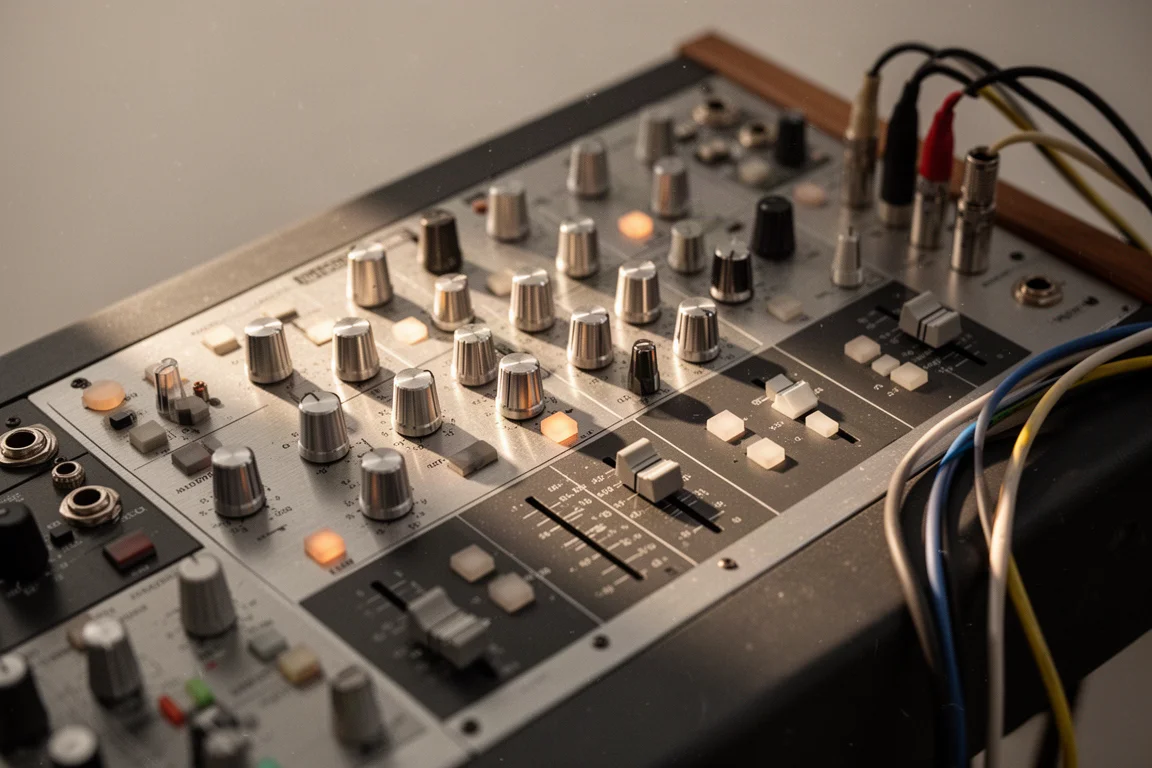
Headroom is where the RNDI separates itself from most direct boxes in its price range. It can accept a pro line level signal without the use of a pad, which means it is more than capable of handling any instrument or line level source you need to connect. In practice that removes a whole category of small problems: no hunting for an attenuator, no reworking the gain structure because a hot source is clipping the input, no compromise when a synth, a preamp output or an amplifier send needs to reach the recording system.
For anyone who has patched a loud source into a DI and heard it fold up, that is a meaningful improvement rather than a spec sheet curiosity. It also makes the RNDI easier to recommend to engineers who work with a wide range of sources rather than a single instrument.
Powering an Active Direct Box
The RNDI is an active direct box, which means its internal circuitry requires power to operate. That power is supplied through phantom power from an audio interface, a mixer or a microphone preamp. There is nothing to plug into a wall socket and no battery to replace, but it does mean the RNDI needs a phantom power source at the other end of the cable, and that is worth confirming before you commit to it.
Speaker Mode: Capturing Amplifier Tone
The feature that sets the RNDI apart from anything else in its price range is the switch that moves it from instrument mode to speaker mode. In speaker mode the DI can accept up to a 1,000 W signal from the power output of an amplifier. Instead of connecting the instrument directly to the direct box and capturing the sound before the amplifier, you can connect the output of the amplifier to the DI and capture the sound after the amp.
That changes what you are recording. Rather than a dry instrument signal, you get the tube warmth and saturation of the amplifier itself, which for many players accounts for a large part of their sound.
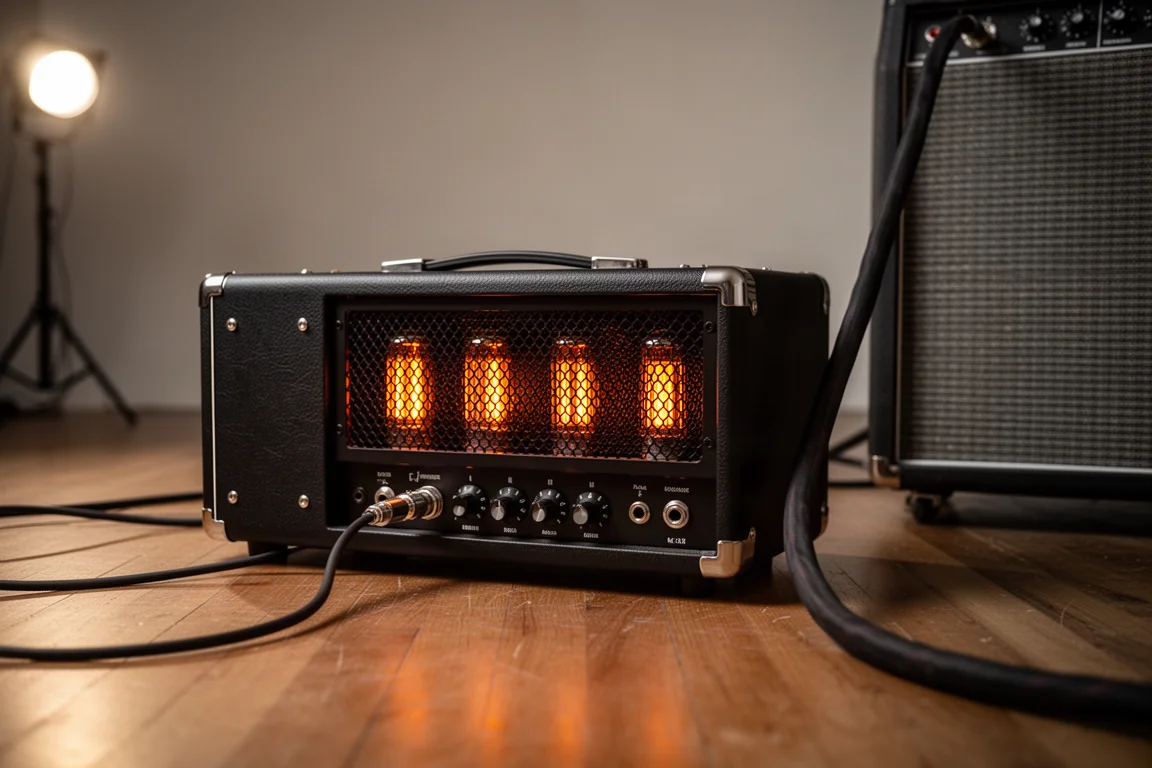
One practical note matters here. When using speaker mode, connect the through output to a speaker so as not to damage a tube amplifier. That single precaution keeps the amplifier correctly loaded and the session safe.
Things to Consider Before Buying
The RNDI asks a few things of its owner. It needs phantom power, so it is not the right choice for a setup with no interface, mixer or preamp able to supply it. It sits at the premium end of the direct box market, and a simple budget unit will handle basic instrument-to-console duties for considerably less. Speaker mode, meanwhile, is a feature to use deliberately: it is designed for amplifier output levels and needs a speaker connected to the through output whenever a tube amp is in the chain.
None of these points are flaws so much as conditions. If your needs are simple, a simpler box is a rational purchase. The RNDI makes sense when the front of the chain is something you are not willing to compromise on.
Buying Advice
Buy the RNDI if you record electric guitar or bass and want the first stage of the chain to be as faithful as possible, or if you want to capture the sound of your amplifier rather than the instrument feeding it. The combination of custom transformers, class A circuitry, wide frequency response, generous input headroom and speaker mode covers ground that a basic DI simply cannot reach.
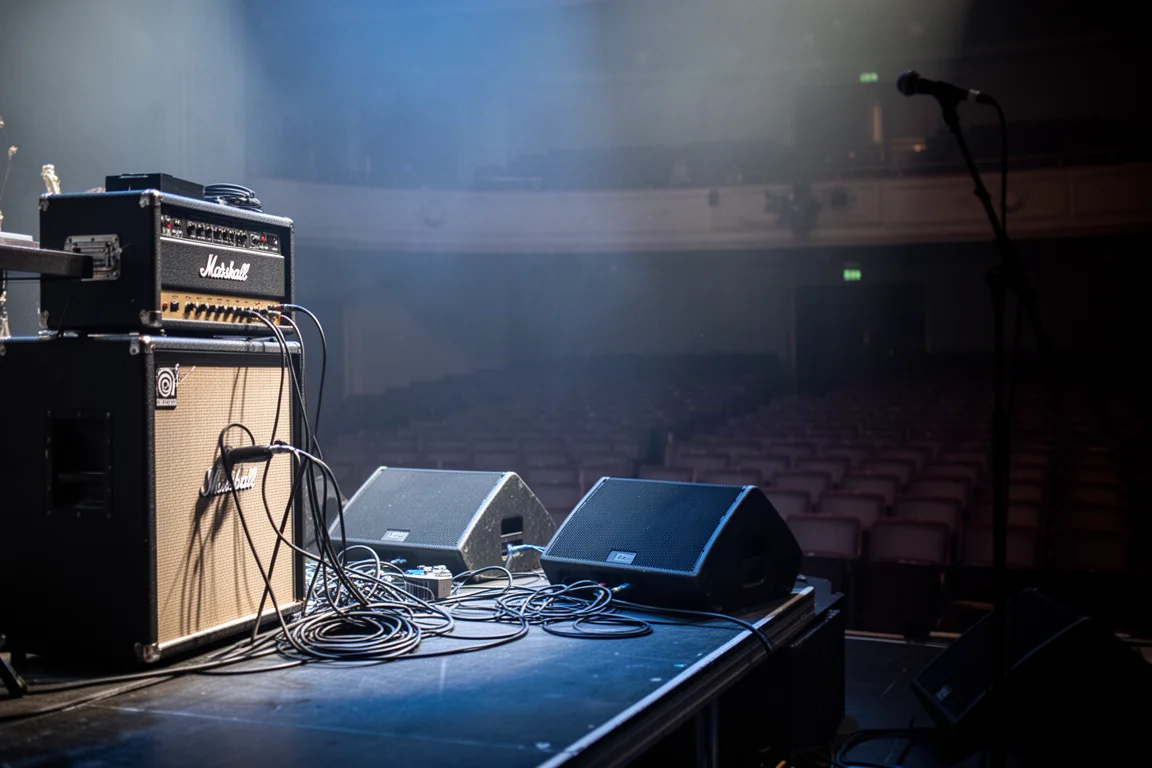
If you only need to get a quiet instrument into a mixer occasionally, a budget direct box will do the job. The RNDI earns its place in a rig where tone decisions are made early and deliberately, and where the ability to record an amplifier’s output is worth having on hand.
Conclusion
The Rupert Neve RNDI is a premium active direct box with a clear purpose: capture the source properly at the first step. Custom transformers and class A biased discrete FET amplifiers give it its character, a flat 20 Hz to 20 kHz response with extended range to 92 kHz gives it reach, high input headroom removes the need for a pad on line level sources, and speaker mode lets you record the amplifier itself at up to 1,000 W. For engineers and players who treat the front of the signal chain as the part that matters most, it is an easy recommendation.
Product link
View more details for Rupert Neve RNDI
This product is mentioned in the review. Check the specifications, options, and compatibility before buying.
View more details for Rupert Neve RNDIFurther reading
Related Reviews
Audio Gear
Best Budget Audio Gear 2022: Award-Winning Speakers, Amps, DACs, and Streamers
A rundown of the standout budget audio products of 2022, including award winners and honorable mentions across speakers, amplifiers, DACs, and streamers.
Audio Gear
Best Gifts for Audio Engineers and Musicians: 10 Practical Ideas
Ten practical gift ideas for audio engineers and musicians, from hearing protection and microphones to headphones, DI boxes, and the small studio accessories that get used every session.
Audio Gear
Best Value Audio Gear: Four Standout Picks for Streaming, Speakers, and DACs
Four audio products that reset expectations for what a given budget can buy, from a compact network streamer to a sub-$1,000 DAC.