Hi-Fi Preamps
Best Budget Preamps for a Separates System: Schiit Saga S and Akitika PR-102
A practical look at two entry points into separate components, the $300 Schiit Saga S and the kit-built Akitika PR-102, and how to choose between them.
Introduction
Moving into separate components sounds more complicated than it usually is, and the entry point is almost always the same piece: a line preamp. It handles two jobs, switching between your sources and controlling volume, and it leaves everything else in your system untouched.
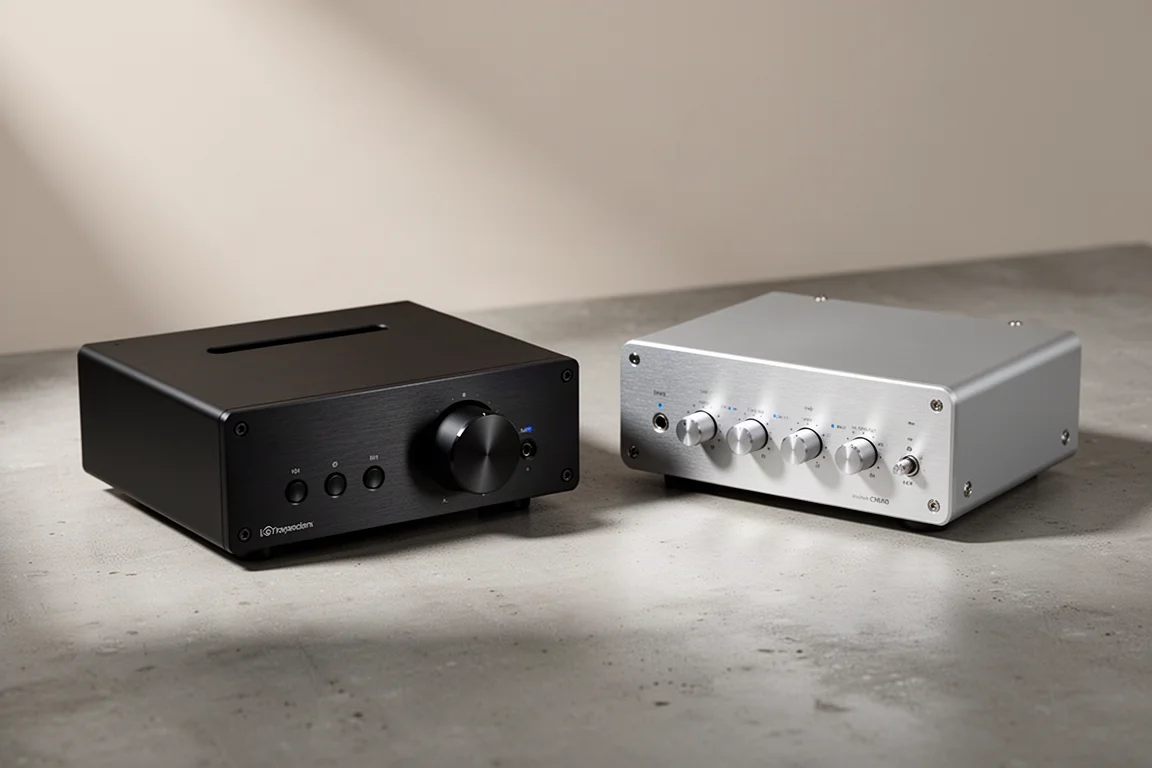
Two preamps sit at very different points on that path. The Schiit Saga S is a compact line preamp priced at $300, designed and built in California, backed by a five-year warranty, and supplied with a remote control. The Akitika PR-102 is a kit-built preamp with tone controls, a broader set of inputs, and outputs for two separate power amplifiers, at a higher price and with limited availability.
This guide covers what each one does well, what it asks of the person setting it up, and which type of listener is likely to be happier with which.
What a Preamplifier Actually Does in a Separates System
A preamp is a traffic cop for your sources. It selects between inputs and sets the volume that travels out to your power amplifier. It is not an integrated amplifier, and it has no speaker connections of its own.
The reason to add one is freedom. Rather than replacing an entire integrated amplifier whenever you want a change, you keep the preamp and swap the parts around it: a DAC, a phono stage, an equalizer, a CD player, or a second power amplifier. A system grows in pieces instead of in one large purchase.
That flexibility matters most for listeners who favor DACs without volume control or a remote. Several well-regarded converters at different price points offer no variable output and no remote at all, which makes them awkward in a system that needs both. A preamp solves that in a single move.
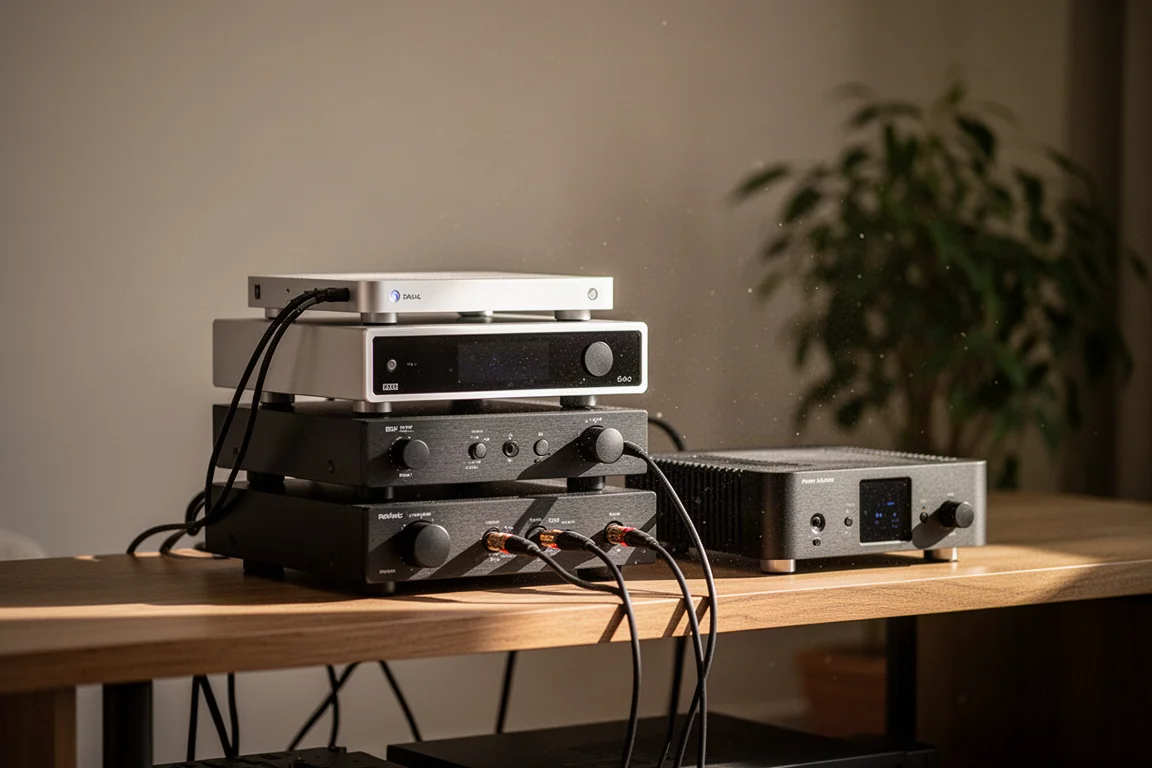
There is a testing advantage too. With two amplifiers connected, you can compare them through the same preamp and the same source, which makes differences easier to hear and easier to trust.
Schiit Saga S: Build, Price, and Warranty
The Saga S is a compact line preamp, roughly nine inches wide, with venting across the top and both sides. It is available in a black or silver finish. The price is $300, which is unusual for a dedicated preamp, and it carries a five-year warranty. It is designed and built in California.
The front panel stays deliberately simple: three buttons that step through five inputs, a volume knob, and a switch that selects between passive operation, which adds no gain to the signal, and a buffered mode that adds a small amount of gain. Volume is controlled by relays, a design choice intended to reduce distortion and crosstalk.
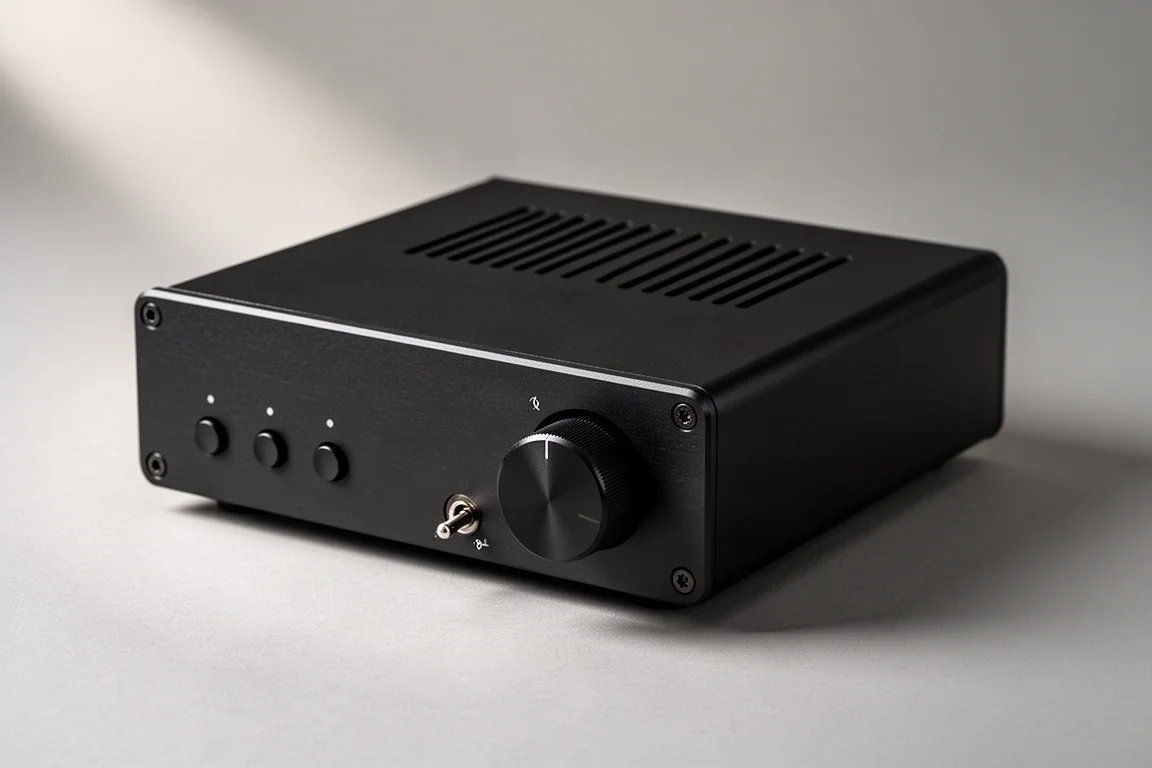
The footprint lines up with other compact components, so it stacks neatly on a shelf alongside matching gear.
Schiit Saga S: Inputs, Outputs, and Remote Control
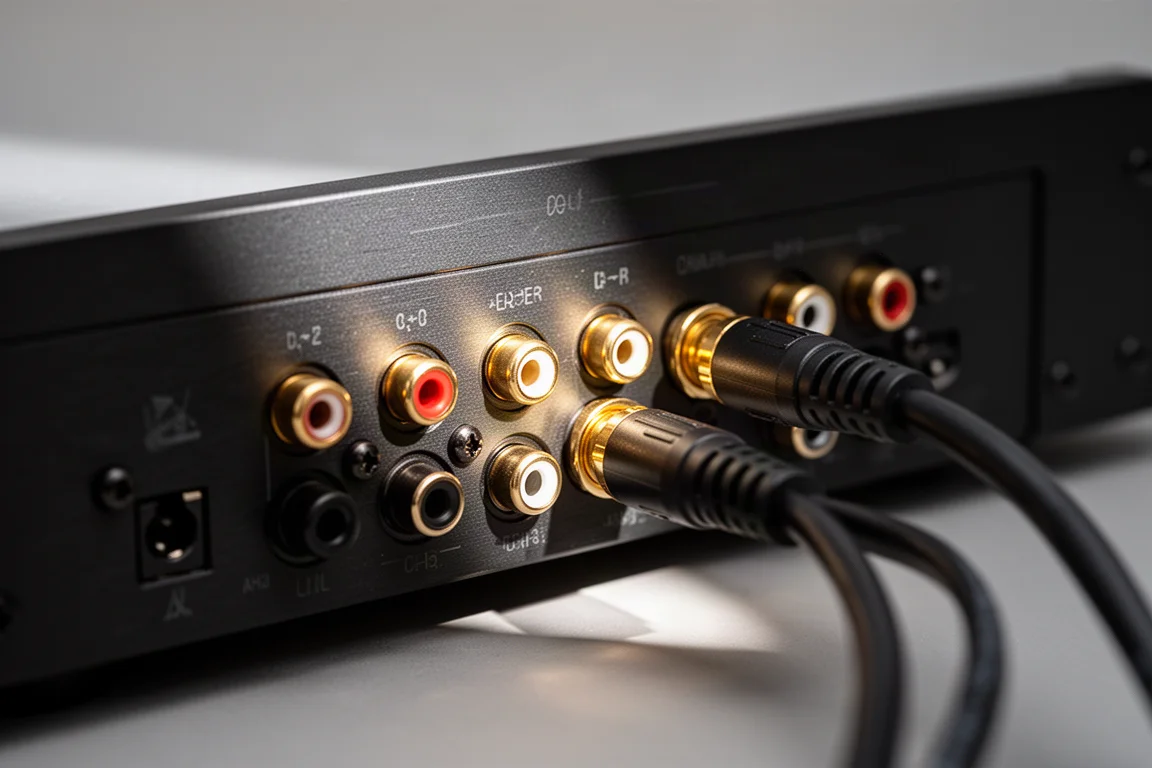
Around the back you get five analog inputs and two analog outputs, all on RCA connectors. This is a single-ended design, so if balanced connections are a requirement, this is not the product for you. There is also a toggle switch on the rear panel, which some people dislike and others never think about, particularly when the gear stays powered on most of the time.
A remote control is included, and it covers input switching and volume. The remote body is metal and magnetic, so it will hold onto a ferrous surface near your listening position rather than disappearing into the sofa.
Akitika PR-102: The Kit Builder’s Alternative
The Akitika PR-102 takes a different approach. It is a kit, it is single-ended, and it adds features the Saga S does not offer: tone controls, a larger set of inputs, and outputs for two separate power amplifiers. It also includes a remote control.
For anyone who wants tone controls in the chain, or who plans to run two amplifiers without swapping cables, those are real advantages. The trade-offs are price and availability. The PR-102 costs more than the Saga S and has been back-ordered for months, sometimes without a firm date.
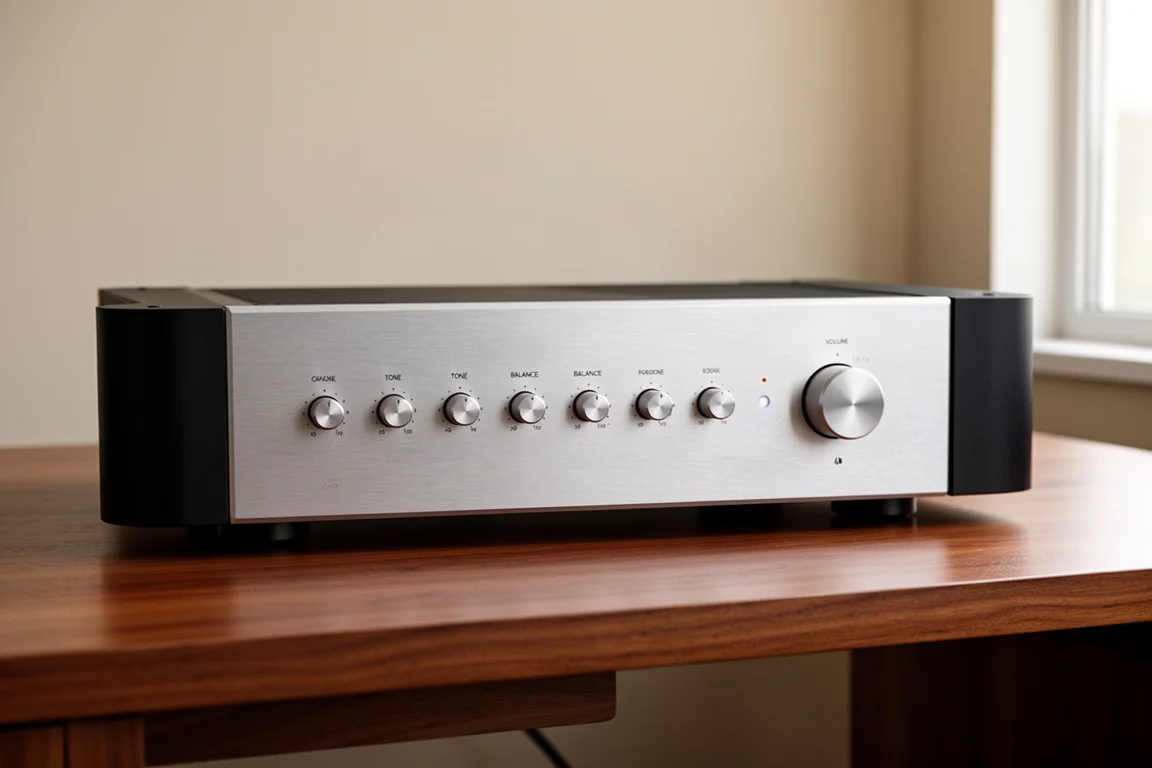
If assembling a kit appeals to you and you are patient about lead times, it is a capable alternative. If you want a preamp now, at a lower price, the Saga S is the more practical route.
Sound Quality and Everyday Listening Notes
The Saga S does not color the signal in any obvious way. What you hear is largely the character of the DAC in front of it and the amplifier behind it. Switching between passive and buffered mode produced no audible difference in practice, which means the simpler setting is often all you need.
That transparency is the whole point of a line preamp. It lets you hear a change when you swap a component, and it keeps the rest of the system honest.
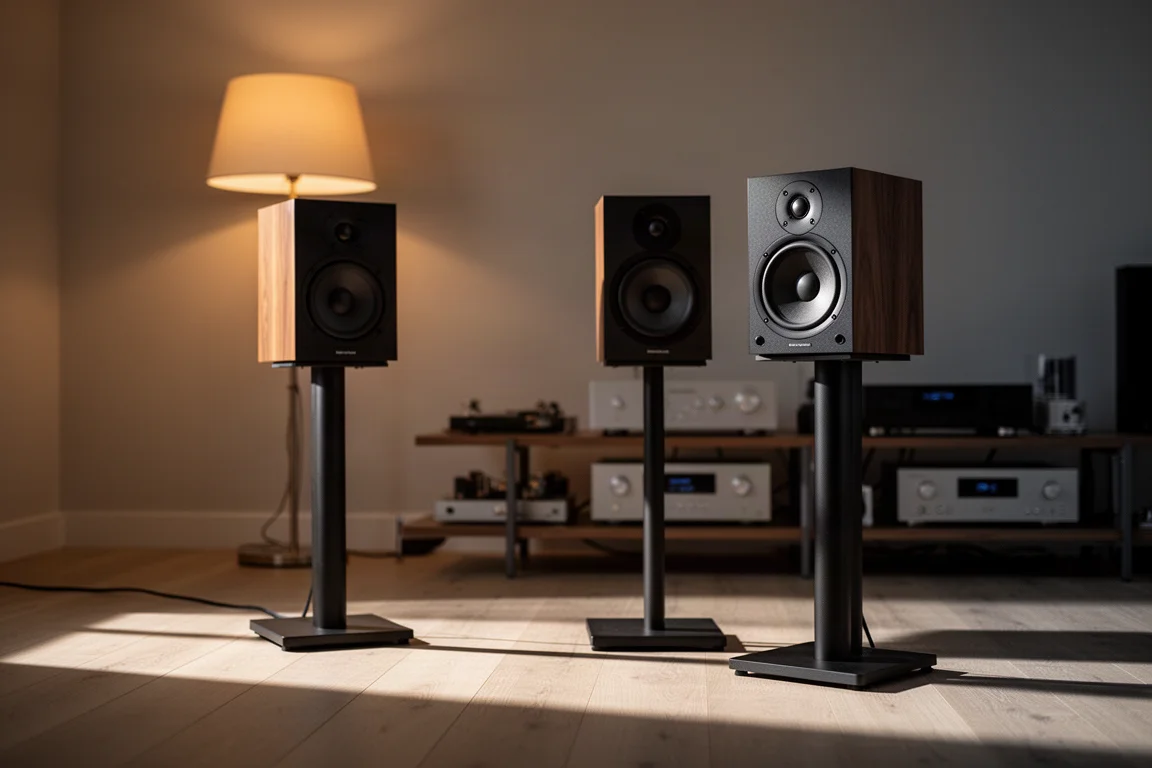
One practical arrangement: a compact DAC feeding the Saga S, the Saga S feeding an equalizer, and the equalizer feeding a pair of monoblock amplifiers. Every part of that chain can be replaced on its own schedule. A starter version of the same idea, with an inexpensive DAC, the Saga S, and a small class-D amplifier, lands in the region of $500 in total, and each piece can be upgraded later.
Buying Advice: Which Preamp Fits Your System
Choose the Schiit Saga S if you want a low-cost, low-hassle way into separates, you need a remote, and single-ended connections are fine for your gear. Five inputs and two outputs cover most systems, and the five-year warranty adds confidence.
Choose the Akitika PR-102 if tone controls matter to you, you want to drive two amplifiers from one preamp, and you do not mind assembling a kit or waiting for stock.
Either way, the preamp is the piece you keep. Amplifiers and DACs come and go, but a good line stage tends to stay in the rack.
What to Check Before You Buy
Confirm the input and output count you actually need. Five inputs and two outputs cover a lot of ground, but count your sources before committing to anything.
Check your connection type. If your amplifier or DAC only offers balanced connections, plan accordingly, since both preamps here are single-ended designs.
Think about gain. If you connect a power amplifier that has its own volume control, set that control at a point where it stays clean and use the preamp for day-to-day volume changes.
Consider the physical layout as well. A compact chassis with side and top venting needs a little breathing room, and a stackable footprint makes it easier to add an equalizer or a second source later.
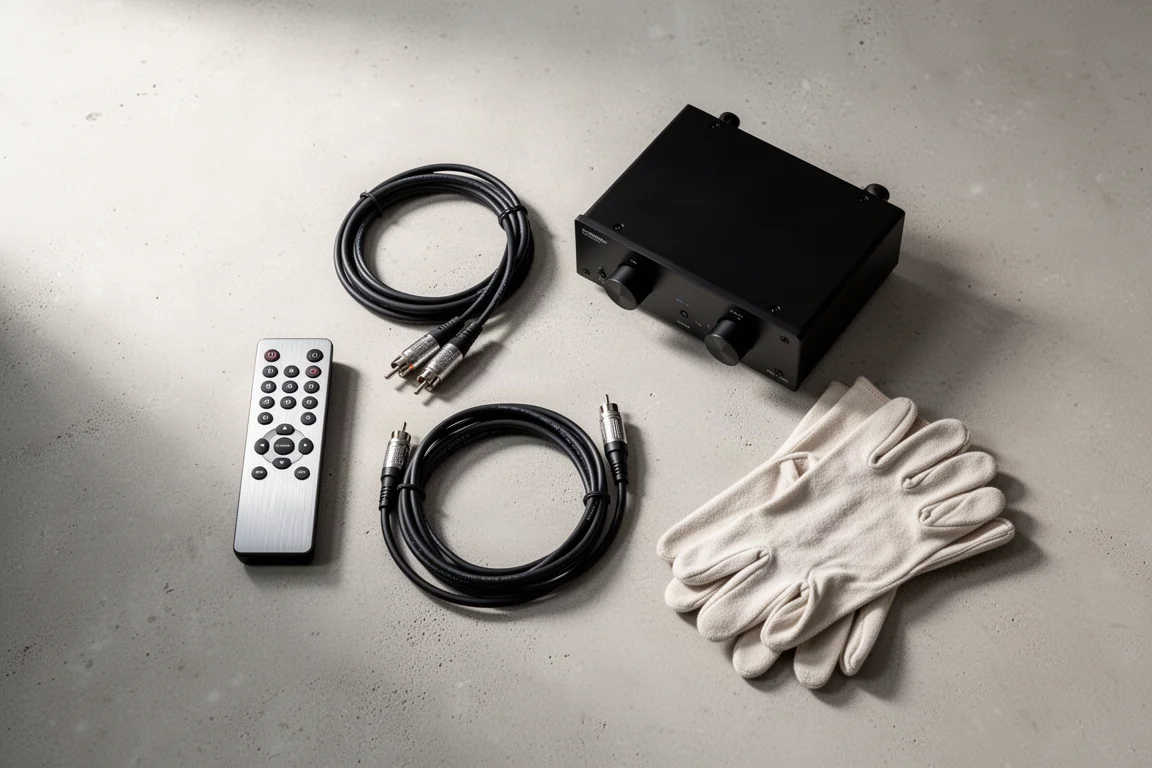
Buying a preamp is less about a single purchase and more about a direction. Once the line stage is in place, every later upgrade becomes a smaller and simpler decision.
Conclusion
The Schiit Saga S is a strong entry point into separates: $300, five inputs, two outputs, a remote control, and a five-year warranty, in a compact chassis designed and built in California. The Akitika PR-102 is the more feature-rich kit option for listeners who want tone controls and dual amplifier outputs and can accept a longer wait for stock. Both make it easier to build a system piece by piece instead of replacing one box every few years.
Further reading
Related Reviews
Hi-Fi Preamps
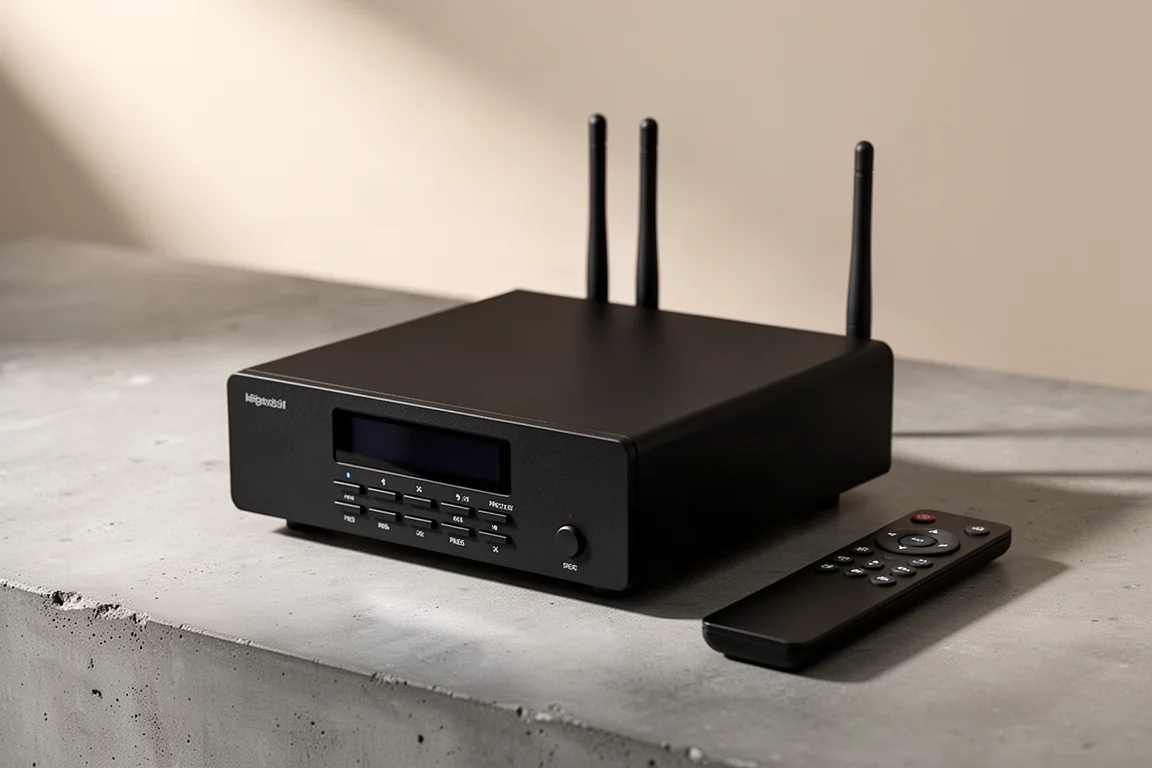
Arylic BP50 Review: A Compact $100 Preamp With HDMI ARC
A compact preamp that brings HDMI ARC, a phono stage, USB playback, and two-way Bluetooth to a small system for around $100.

Backpacking Gear
Building a 10 lb Base Weight: An Ultralight Backpacking Gear List
A practical walkthrough of the ultralight pieces behind a 10 lb base weight, from a 765 g pack and a roomy one-person tent to a full camp chair and a dependable water filter.

Road Bikes
10 New Road Bikes Worth Watching: Aero, Titanium, Steel and Endurance Standouts
A practical roundup of 10 new road bikes, from aero flagships chasing single-watt gains to titanium, steel and endurance platforms built for real roads.