Astrophotography
Wanderer Astro ETA Review: Automatic Tilt Adjustment for Astrophotography
The Wanderer Astro ETA promises to solve one of astrophotography's most frustrating problems: sensor tilt. We tested it on a full-frame camera to see if it delivers.
Introduction
Sensor tilt is one of the most persistent frustrations in astrophotography. When you attach a large sensor camera to a telescope, even a small tilt somewhere in the imaging train can cause corner stars to stretch into elongated shapes while the rest of the frame looks fine. Fixing this manually means loosening screws, making tiny adjustments, reconnecting everything, and checking the stars again. It is tedious, time-consuming, and easy to get wrong.
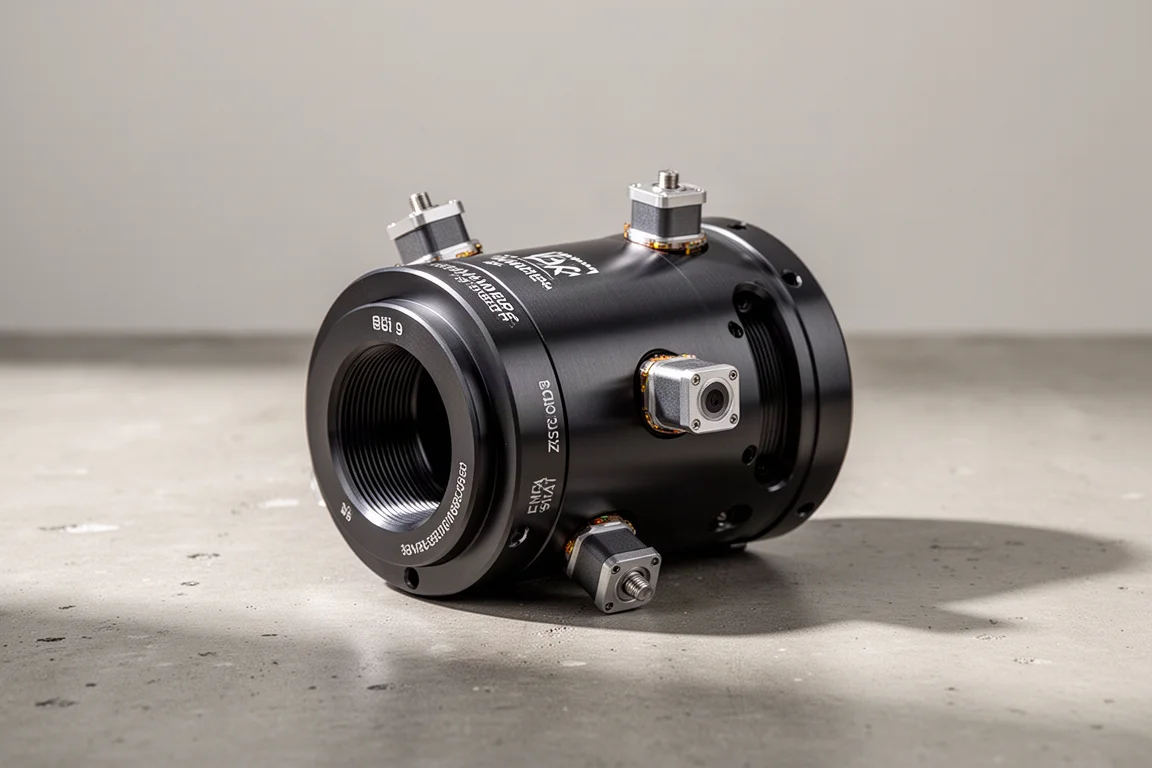
The Wanderer Astro ETA, which stands for electronic tilt adjuster, aims to solve this problem completely. Instead of manually adjusting tilt plates, this device uses three small stepper motors to move the camera sensor plane electronically. It can work manually, where you specify exact movements in fractions of a millimeter, or automatically, where free software analyzes your star field and makes the corrections for you.
We tested the Wanderer Astro ETA on a full-frame camera attached to a compact refractor telescope to see whether it delivers on its promise and whether the price is justified.
What Is the Wanderer Astro ETA?
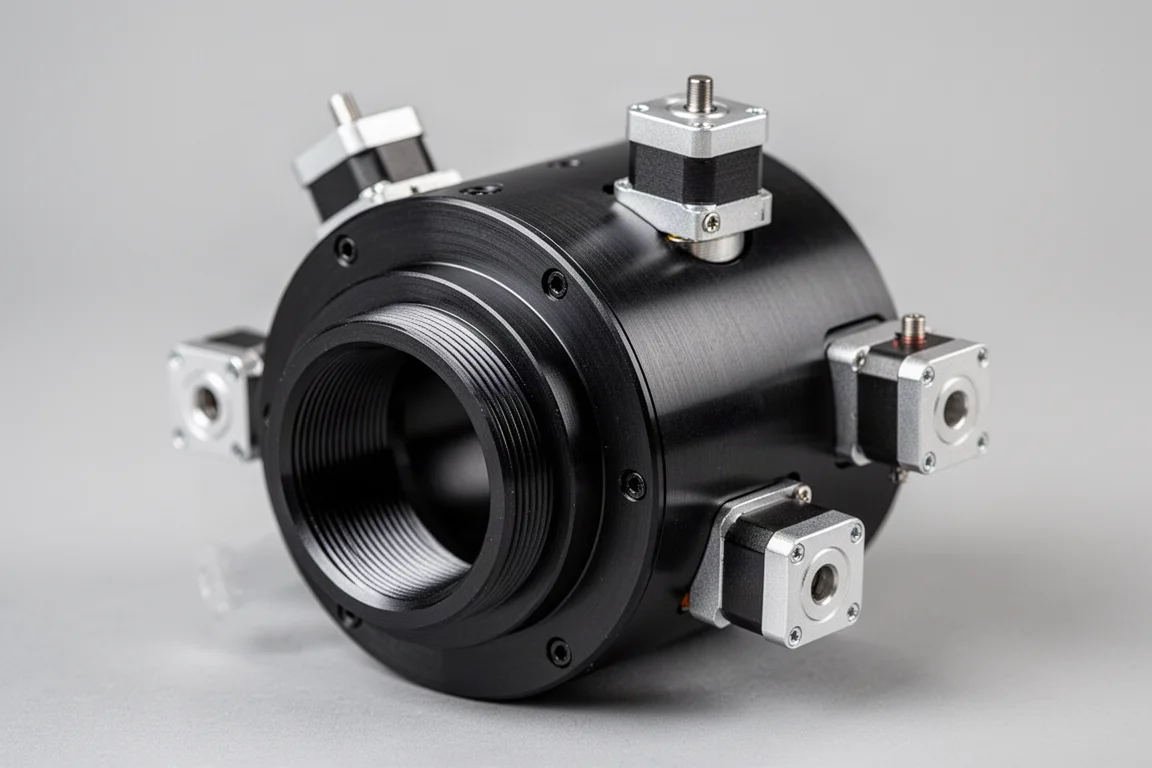
The Wanderer Astro ETA is a precision-machined device that sits between your telescope and your camera. It has three stepper motors positioned around its circumference, and these motors move the imaging train up and down in tiny increments to correct sensor tilt. The device uses an M54 threaded opening, and it comes with an M48 to M54 adapter for telescopes with smaller threads.
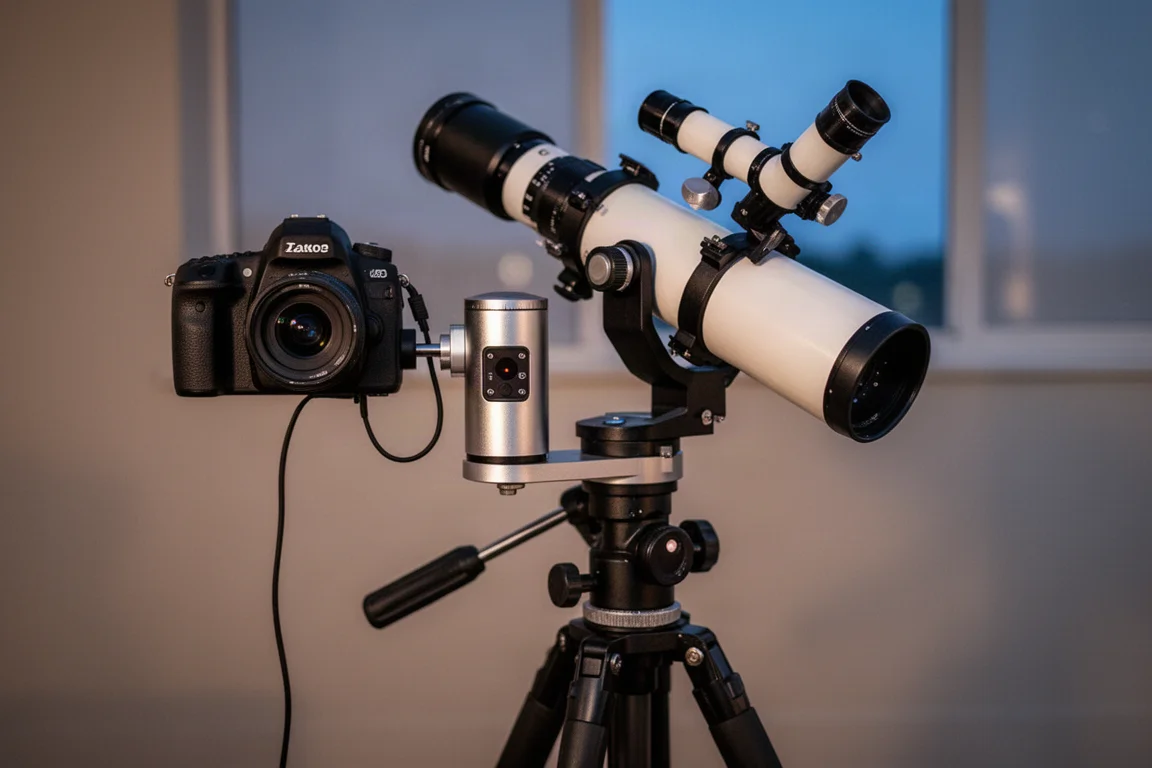
The concept is straightforward. Instead of physically adjusting screws and hoping you get the tilt right, you tell the ETA exactly how much to move each of its three adjustment points. You can specify movements as small as 0.1 millimeter in a particular direction, or you can let the software analyze your star field and determine the correct adjustments automatically.
The ETA also offers up to 1.3 millimeters of travel, which means you can make small back focus adjustments without removing the entire imaging train. This is useful for telescopes where the 55 millimeter back focus specification is critical, and it saves you from the hassle of adding or removing spacers.
Design and Build Quality
The Wanderer Astro ETA is well thought out from a mechanical perspective. The device has a groove designed to accept a compatible off-axis guider, and the camera attaches using six screws around the aperture. The included accessories cover most common setups: stray light blockers, a USB cable, an M48 to M54 adapter, and a generous selection of screws for attaching your equipment.
The manual is detailed and covers compatibility requirements thoroughly. Before purchasing, it is worth reading through the manual to confirm that your off-axis guider and camera are compatible with the ETA. The device is designed to maintain exactly 55 millimeters of back focus when used with compatible equipment, which is important for many telescopes.
One point to note is that the ETA requires a Windows-based computer to operate. It does not work with dedicated astronomy controllers like the ASIAir. You will need a Windows PC running the Wanderer Astro software, and for automatic tilt adjustment, you will also need N.I.N.A. with the Hocus Focus plugin installed.
Software and Setup
The Wanderer Astro software, version 2.2.7, provides full manual control over the ETA. You can see the three adjustment points highlighted on a diagram, and you can change the distance at each point either by adding or removing from the current values or by entering a specific number and telling the device to move to that position. This allows you to make precise electronic adjustments without ever touching a screw.

The software also includes a 3D diagram showing the tilt you are applying to the imaging train, which helps you visualize what is happening. You can save presets for different telescopes, which is convenient if you move your imaging train between setups. The back focus adjustment feature is also accessible here, letting you add or remove small amounts of back focus electronically.
The automatic tilt adjustment is where the ETA really shines. In N.I.N.A., you use the Hocus Focus plugin’s aberration inspector to run an autofocus session. The Wanderer Astro software reads the results and determines exactly which adjustments are needed. It then moves the three adjustment points automatically to flatten the field.
The setup process involves a few calibration steps. You need to tell the software how many microns per focuser step your setup uses, though the ETA can measure this for you by running autofocus sessions at different back focus positions. You also need to set your camera sensor angle, and the software provides helpful examples directly in the app. The camera angle must be within 10 degrees of the correct value for the automatic adjustment to work properly.
Real-World Results
To test the ETA, we intentionally introduced tilt into the imaging train using the camera’s tilt adjustment plate, adding roughly 0.8 millimeters of tilt. We then captured an image with this artificial tilt in place, followed by running the automatic tilt adjustment process.
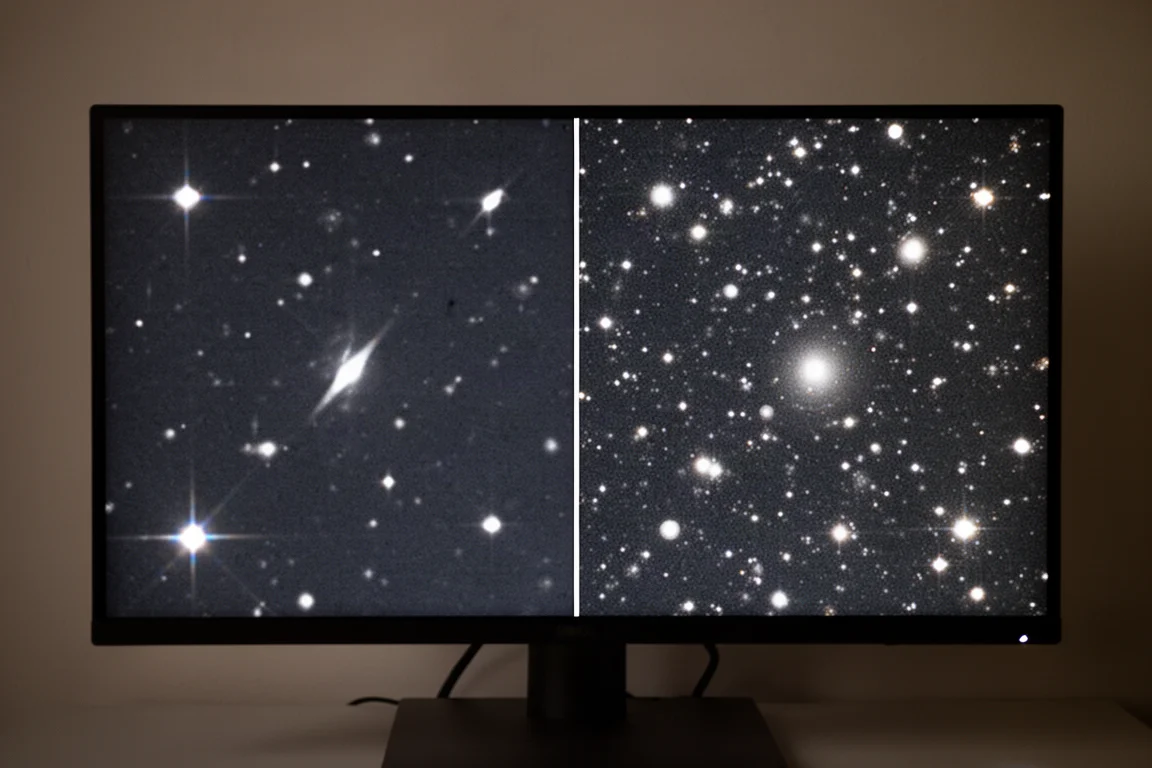
The first autofocus run in the aberration inspector showed significant tilt, requiring many adjustment steps to achieve a flat field. After running the automatic tilt adjustment, the ETA moved its three points to correct the tilt. We found that two adjustment runs were needed to get a good result, with the first pass not quite sufficient on its own.
The before and after comparison on the full-frame camera showed clear improvements. In the top left corner, stars that were slightly elongated in the diagonal direction became essentially perfect after adjustment. The top right corner showed a similar improvement. The most dramatic difference was in the bottom right edge of the image, where the stars were clearly out of focus before adjustment, showing visible elongation and reduced flux. After the ETA did its work, those same stars appeared perfectly round and sharp.
It is worth noting that the telescope used for this test, a compact refractor, is remarkably tolerant of tilt. Even with significant artificial tilt introduced, the images remained relatively good. On a faster telescope with a larger sensor, the difference would likely be even more pronounced. The ETA would be particularly valuable on fast optical systems like hyperbolic Newtonians or refractors with reducers, where tilt sensitivity is much higher.
Who This Product Is For
The Wanderer Astro ETA is designed for astrophotographers who want perfect star shapes across their entire frame without the frustration of manual tilt adjustment. It is especially relevant if you use a large sensor camera, such as full-frame or APS-C, with small pixels that are more sensitive to aberrations.
This device makes the most sense if you have invested in an expensive telescope and want to get the full performance out of it. A telescope that costs several thousand dollars is not being used to its potential if the sensor tilt is preventing sharp corner stars. The ETA removes that limitation.
It is also valuable if you frequently move your imaging train between telescopes. You can save different profiles for each setup, or simply rerun the automatic tilt adjustment when you switch, which takes about 20 minutes before you start imaging.
Things to Consider Before Buying
The price is the main consideration. The Wanderer Astro ETA costs $849, which is a significant investment. It is roughly the same price as an entire compact refractor telescope, so you need to weigh whether the convenience is worth it for your situation.
The ETA requires a Windows PC and specific software. You will need N.I.N.A. and the Hocus Focus plugin for automatic adjustment, and the Wanderer Astro software for control. If you prefer dedicated astronomy controllers, this device will not work with them.
Compatibility is another factor. The ETA is designed to work with compatible off-axis guiders and cameras where you can remove the tilt adapter plate to save 5 millimeters of back focus. If your equipment does not match the intended configuration, you may need adapters or may end up with more back focus than ideal. The manual covers these scenarios in detail, so it is worth reading before purchasing.
Buying Advice
If you are deeply invested in star shapes and have an expensive telescope paired with a large sensor or small pixels, the Wanderer Astro ETA is a compelling purchase. It automates a process that many astrophotographers find frustrating or simply skip, and it delivers measurable improvements in corner star quality.
If you already have a reliable manual tilt adjustment workflow and are comfortable translating Hocus Focus results into screw adjustments, you may not need this device. But if you are like many of us who find manual tilt adjustment too tedious to do properly, the ETA offers a genuine solution.
The ability to adjust back focus electronically and save presets for different telescopes adds further value, especially for those who use multiple setups. The price is high, but for the right user, the ETA can unlock the full potential of an expensive telescope.
Conclusion
The Wanderer Astro ETA delivers on its promise. It automatically corrects sensor tilt using free software, producing visibly sharper corner stars across the frame. The build quality is excellent, the software is well designed, and the results speak for themselves.
The price of $849 is substantial, and the Windows-only software requirement may be a barrier for some. But for astrophotographers who have struggled with tilt adjustment or avoided it altogether, the ETA removes a major source of frustration. If you have invested heavily in your telescope and want to get the best possible results from it, the Wanderer Astro ETA is worth serious consideration.
Product link
View more details for Wanderer Astro ETA
This product is mentioned in the review. Check the specifications, options, and compatibility before buying.
View more details for Wanderer Astro ETAFurther reading
Related Reviews
Astrophotography
ASKAR FRA400C Review: A Versatile 400mm Refractor for Astrophotography and More
The ASKAR FRA400C is a compact 72mm refractor that balances reach, versatility, and portability for astrophotographers and visual observers.
Astrophotography
Askar SQA106 Review: A Premium 106mm Astrograph With Exceptional Optics
The Askar SQA106 is a premium 106mm quintuplet astrograph with impressive sharpness across full-frame sensors, though its price and weight demand careful consideration.
Astrophotography
Astro Imaging Gear 2026: Eight New Products Worth Watching
A look at the most interesting new astrophotography and astronomy products announced this year, from fast telescopes to smart cameras and wireless accessories.