Backpacking Gear
Walmart Budget Backpacking Gear: 9 Affordable Picks for a Sub-$200 Kit
A field-tested roundup of Walmart and Ozark Trail budget backpacking gear, covering what held up in rain, hail, snow, and wind, and what is worth skipping.
Introduction
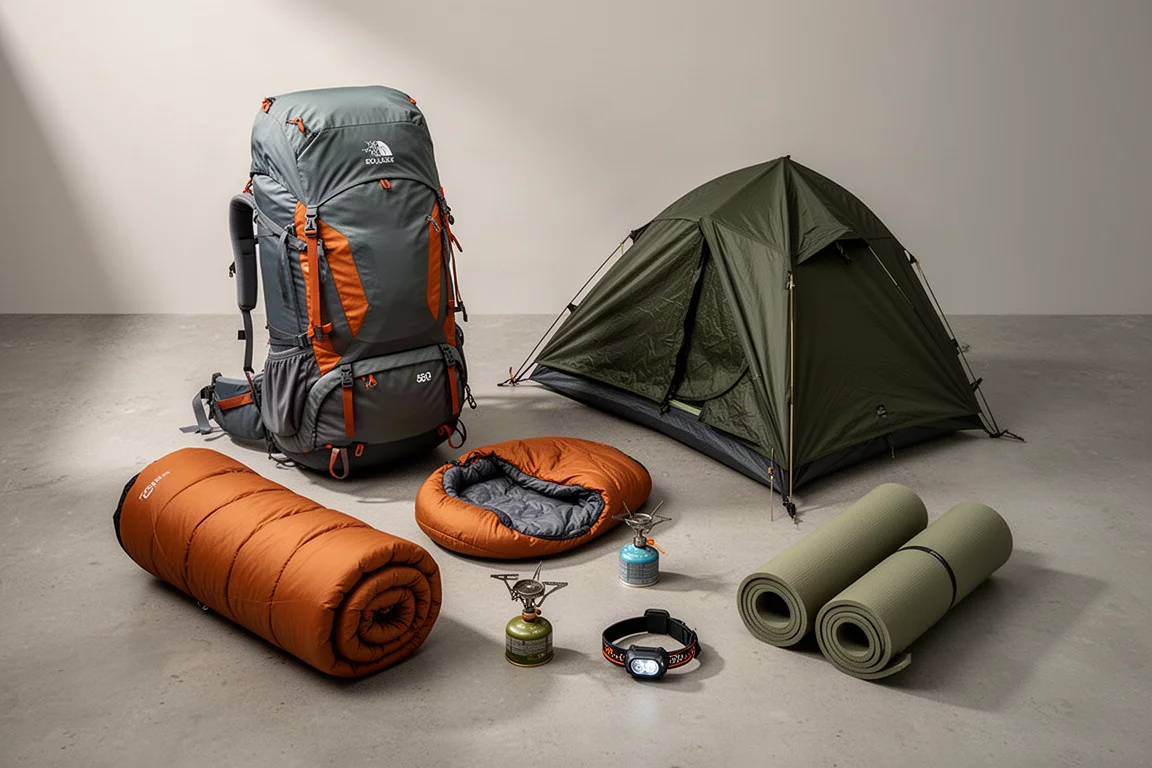
Walmart operates more than 5,000 stores across the United States, which makes it one of the easiest places to pick up outdoor gear at short notice. Its house brand for camping and hiking equipment is Ozark Trail, and the range covers almost everything a first backpacking kit needs.
This roundup collects the Walmart gear that was put through an overnight backpacking trip in genuinely rough conditions: steady rain on the approach, hail, snow above the snow line, strong wind overnight, and temperatures that dropped into the high 20s. Every item here earned its place, or did not, on that trip.
The Walmart purchases came in under $200 in total. Adding the pieces already owned from earlier budget setups brought the complete loadout to $560.
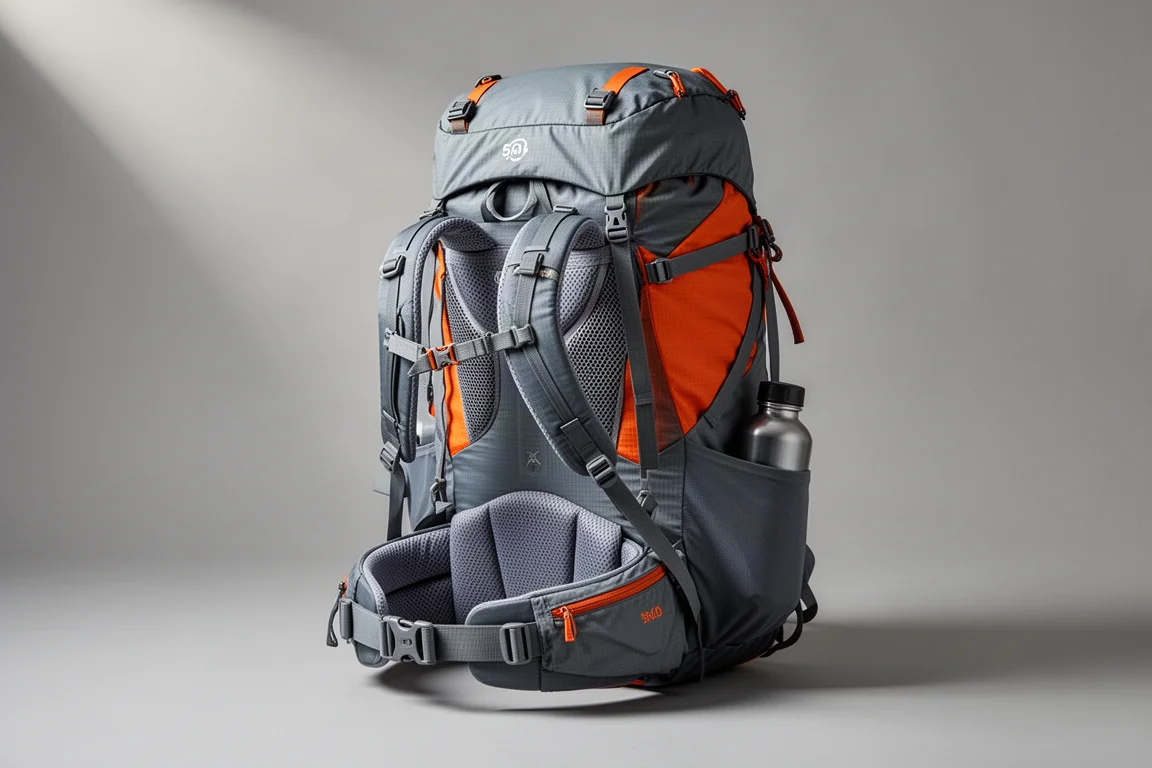
Ozark Trail 50L Hiking Pack
At $39, the Ozark Trail 50L Hiking Pack costs less than most budget packs and still arrives with a longer feature list. The harness adjusts for torso length with a hook-and-loop panel, the sternum strap sits high enough on the chest to be useful, and there are proper load lifters. Two well-padded hip belt pockets, a lid pocket, a second pocket under the lid, two front zipper pockets, a bottom zipper pocket, a main compartment with side zipper access, a hydration reservoir sleeve, two stretchy water bottle pockets, and bottom straps for a pad or a tent round out the layout. A rain cover lives in its own zipped compartment at the base.
On trail, the pack carried a full load of bulky budget gear without complaint. The adjustable torso made the biggest difference, and the hip belt transferred weight onto the legs the way it should. It fits and carries noticeably better than other low-cost packs at this price.

The compromises show up in the details. The large front pocket would be more useful as stretch mesh than as a deep zipper pocket, and the bottom straps are too short to hold a closed-cell pad or a tent. The hip belt pockets are roomy enough for snacks but awkward for a large phone once they are full, and the padding against the lower back is stiff. None of that stopped it from being comfortable enough to carry a full load all day.
Ozark Trail 30°F Mummy Sleeping Bag
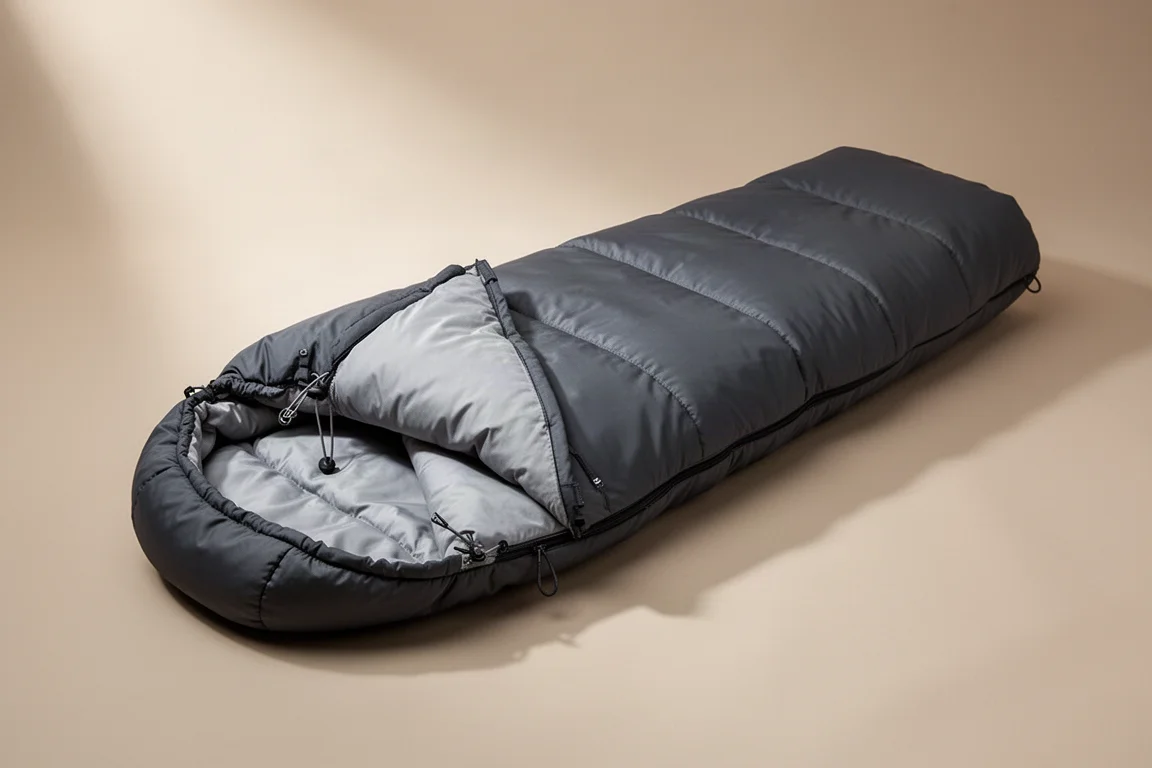
At $35, this bag is ISO tested and rated to 30°F as a comfort rating, which is unusual in this price range. It is a true mummy shape with a hood that cinches around the face and, more surprisingly, a cinchable draft collar.
Paired with base layers, it stayed comfortable through a cold night. It did not feel warm enough once temperatures fell into the high 20s, which is below its stated rating, and it would likely be plenty warm on a mild summer night. The bag survived its first trip without a tear, which is more than can be said for other budget bags at this price.
The trade-offs are worth knowing before you buy. It is snug across the shoulders, the zipper is prone to snagging, and it packs large, taking up roughly half of a 50-litre pack.
Cuddl Duds Base Layers
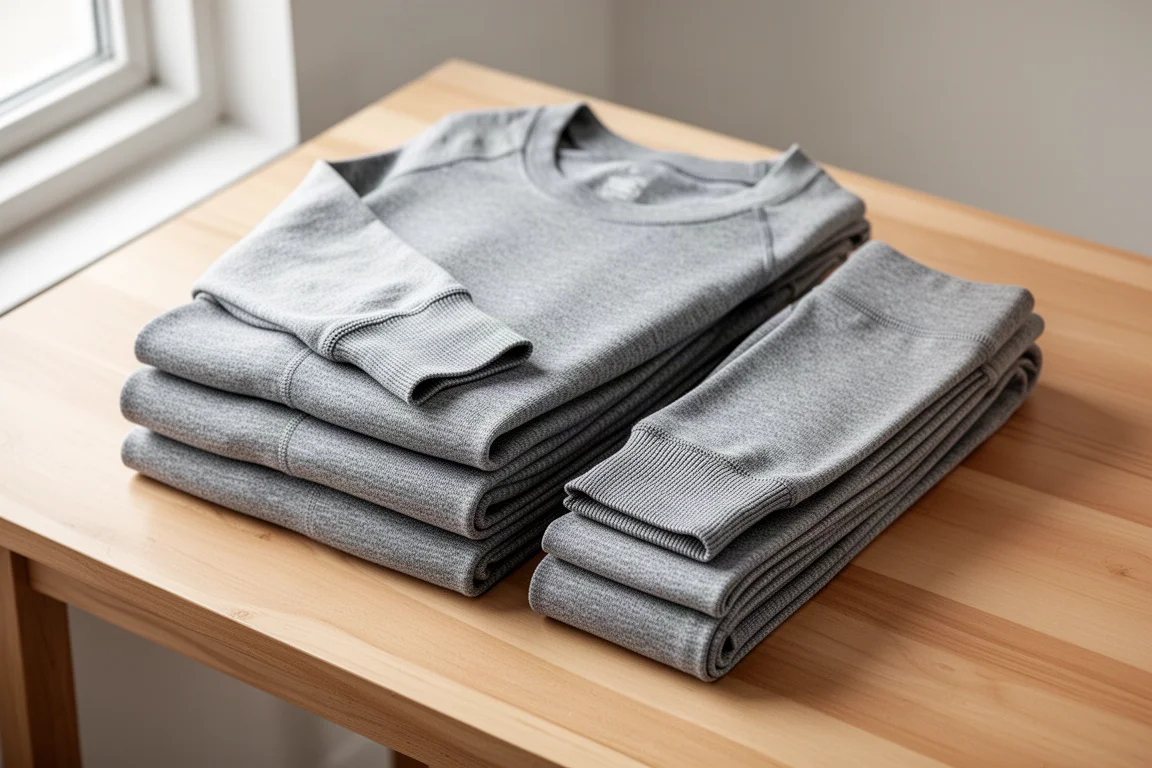
Each piece costs $13. They are recycled polyester with a soft micro fleece lining, and they are synthetic rather than wool. Comparable wool layers typically run $60 to $90 per piece, so the value is obvious if synthetics work for you.
Worn overnight, they were warm and comfortable, and they doubled as sleepwear without complaint. The only real drawback is packed size, since they are bulkier than wool or lightweight synthetic layers.
Ozark Trail Backpacking Stove
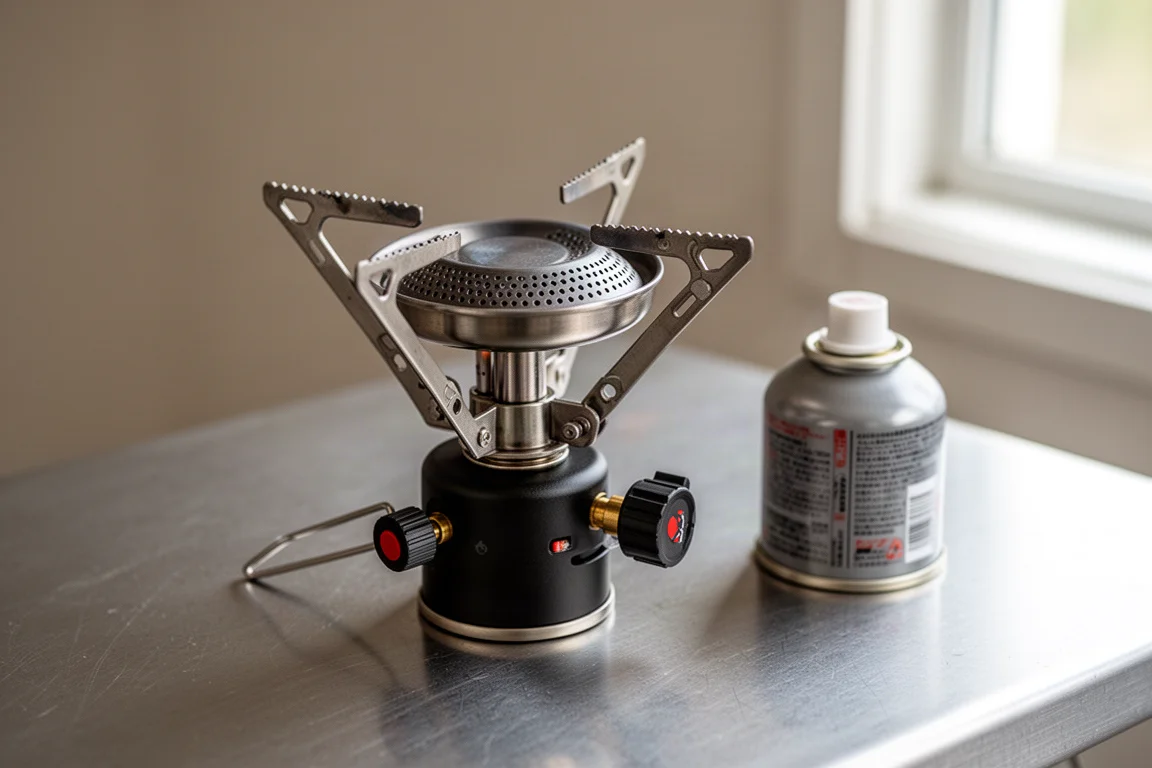
The stove costs $15 and includes an adapter that lets it run on the standard isobutane and propane canisters used for backpacking, or directly on the larger green propane canisters used for car camping. A piezo auto igniter removes the need for matches or a lighter, and a small stand is included. It is compact enough to nest inside a cook pot.
In use, the igniter lit quickly and the stove packed down small. The catch is speed and fuel. Boiling roughly a cup and a half of water took close to three minutes, and fuel consumption is on the higher side. At $15 it still undercuts most backpacking stoves by a wide margin.
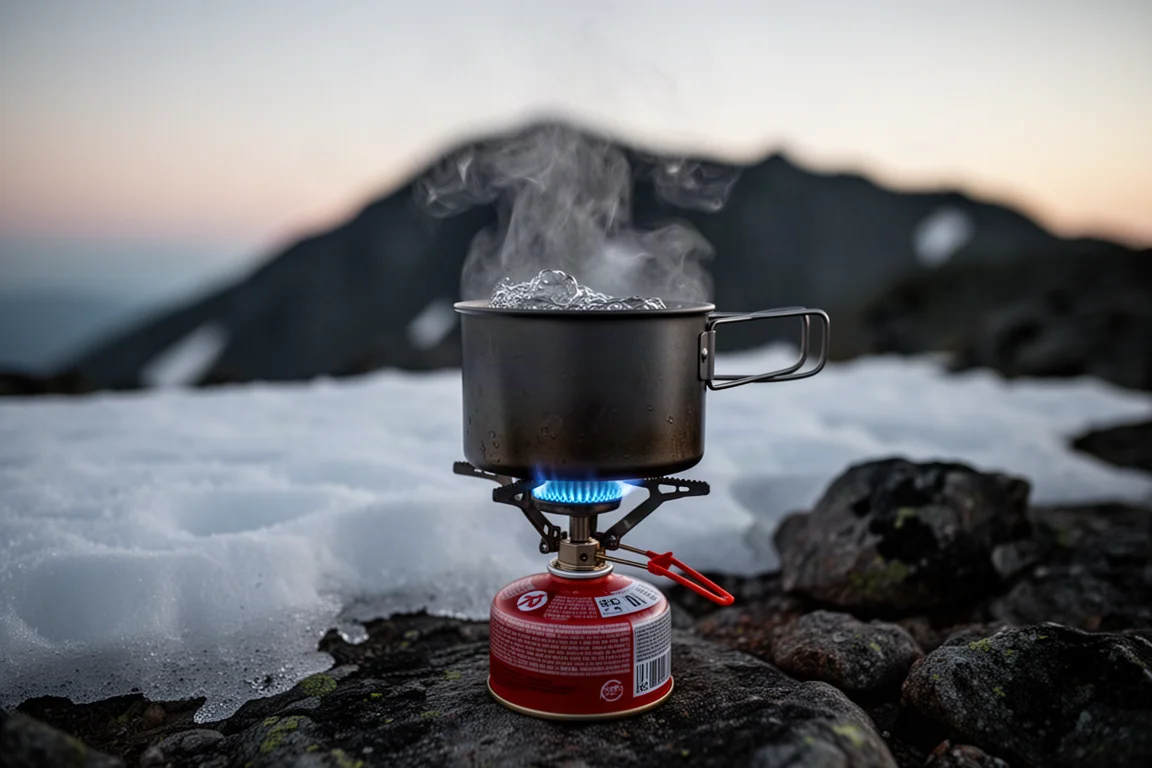
For short trips and simple meals, the slower boil is a fair trade. For longer trips or larger groups, the fuel use is worth planning around.
Ozark Trail Adult Rain Poncho
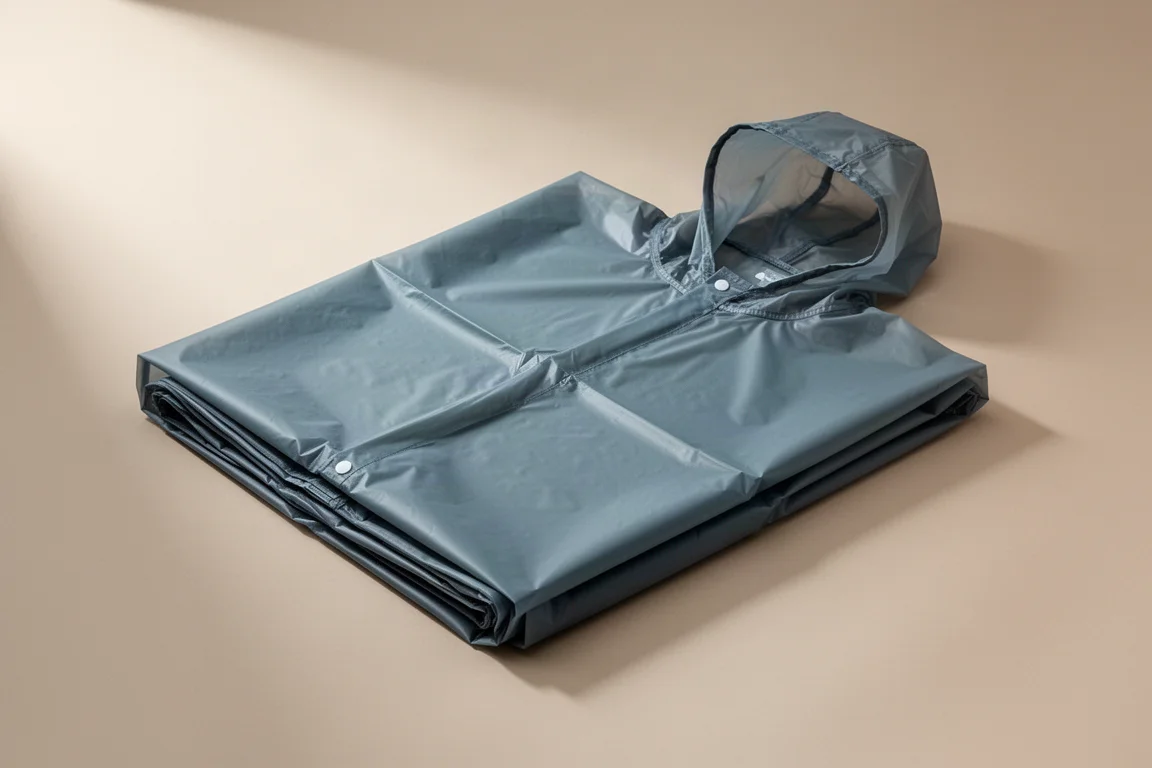
The poncho costs $5 and weighs 0.4 lbs, and it is exactly what that suggests: a simple plastic shell. Wearing it with a backpack is awkward, the hood is uncomfortable, and the length lets rain run straight onto the legs. It did keep the upper body dry, so it works as an emergency layer or a casual festival poncho. For backpacking, a rain jacket and rain pants are the better answer.
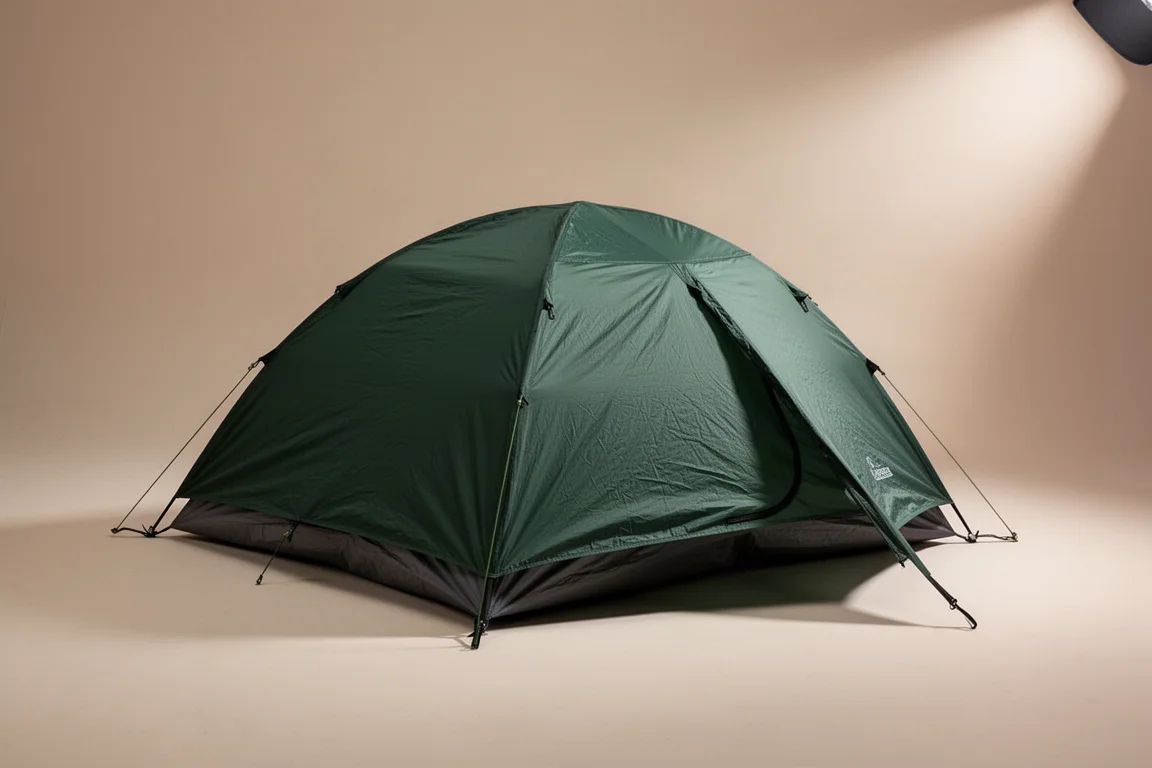
Ozark Trail One-Person Lightweight Backpacking Tent
At $65 and 4 lbs, this is the least expensive lightweight backpacking tent in this roundup, and it includes a full rainfly with vestibules, which is rare at this price. Setup is simple and fast. Inside, the tent stayed completely dry through rain, hail, and snow, and it held up in strong overnight wind without deforming. There was enough vestibule space to keep gear outside the sleeping area.
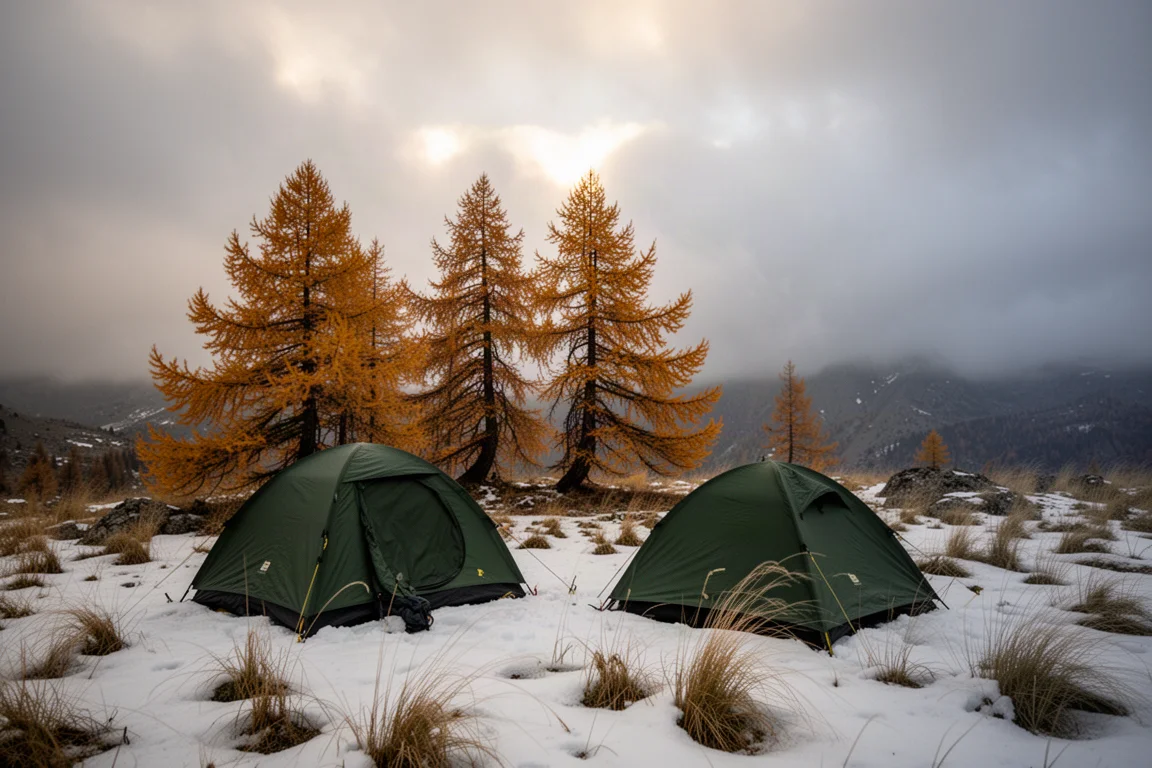
Two things to watch. There is only a single small pocket at the top of the tent and no side pocket. More importantly, small holes began forming at the seams after a single trip, which raises questions about long-term durability. Treated carefully, it is an excellent value for occasional trips.
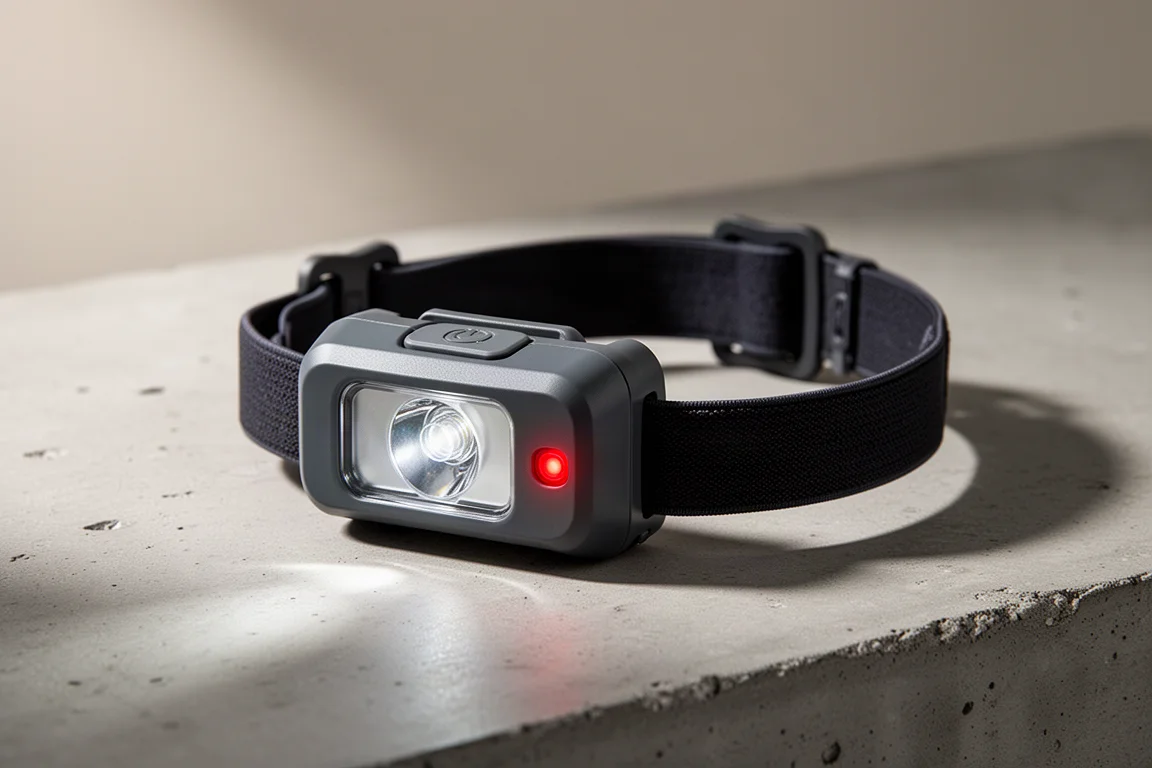
Ozark Trail 500 Lumen Headlamp
For $9 you get 500 lumens, high, medium, and low modes, a red mode, and a flashing mode, with batteries included. The cheaper $5 Ozark Trail headlamp is rated at 250 lumens but has no red mode. A red light preserves night vision and is far less blinding to anyone else at camp, which makes the $9 version the one worth carrying.
Performance matched the price point. It is basic, simple, and reliable for camp chores and reading in the tent.
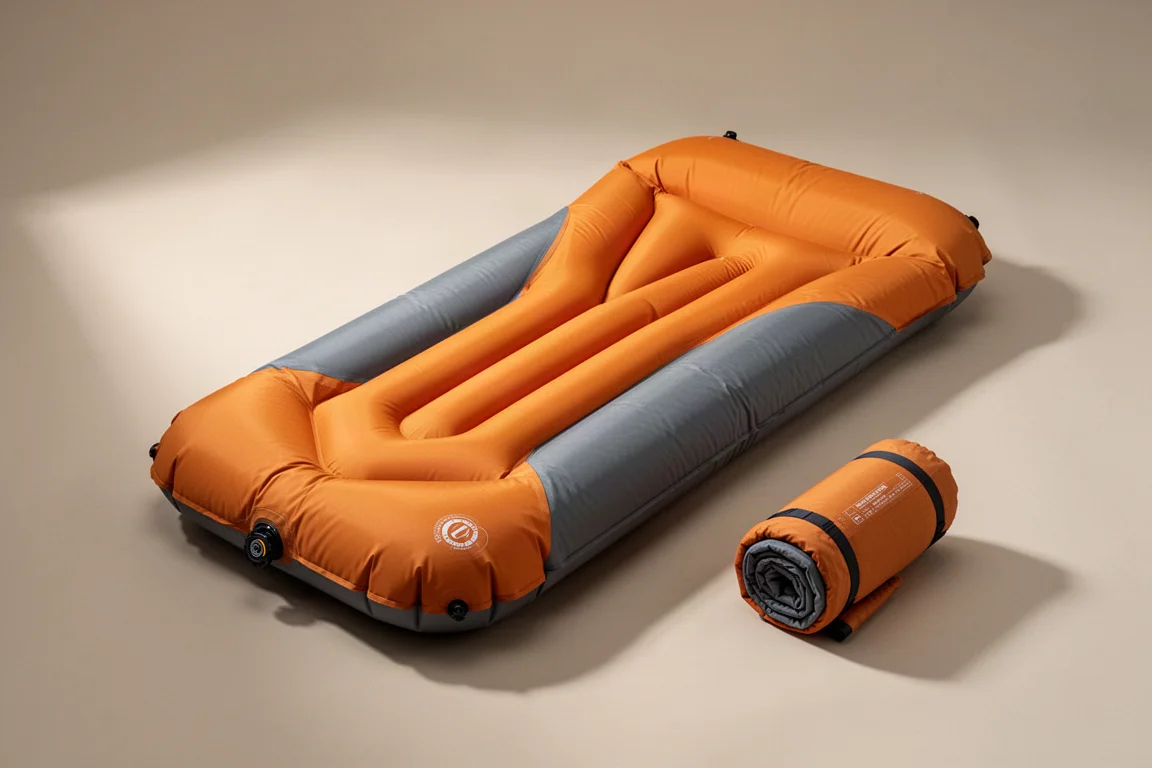
Klymit Static V Sleeping Pad
About $40, frequently discounted, and also stocked by Walmart. It is not an insulated pad, and its R-value is 1.3. An earlier trip ended with it deflating overnight. On this trip it held pressure, though it needed a little top-up, most likely because warm air inside compresses as it cools.
The baffle design let a hip and a shoulder press into the ground, so the pad works best stacked on top of a closed-cell foam pad. Even stacked, the combined insulation landed around an R-value of 3, which was not enough for a night in the high 20s. It is a reasonable pad for warm weather, but it is not the answer for cold-weather backpacking.
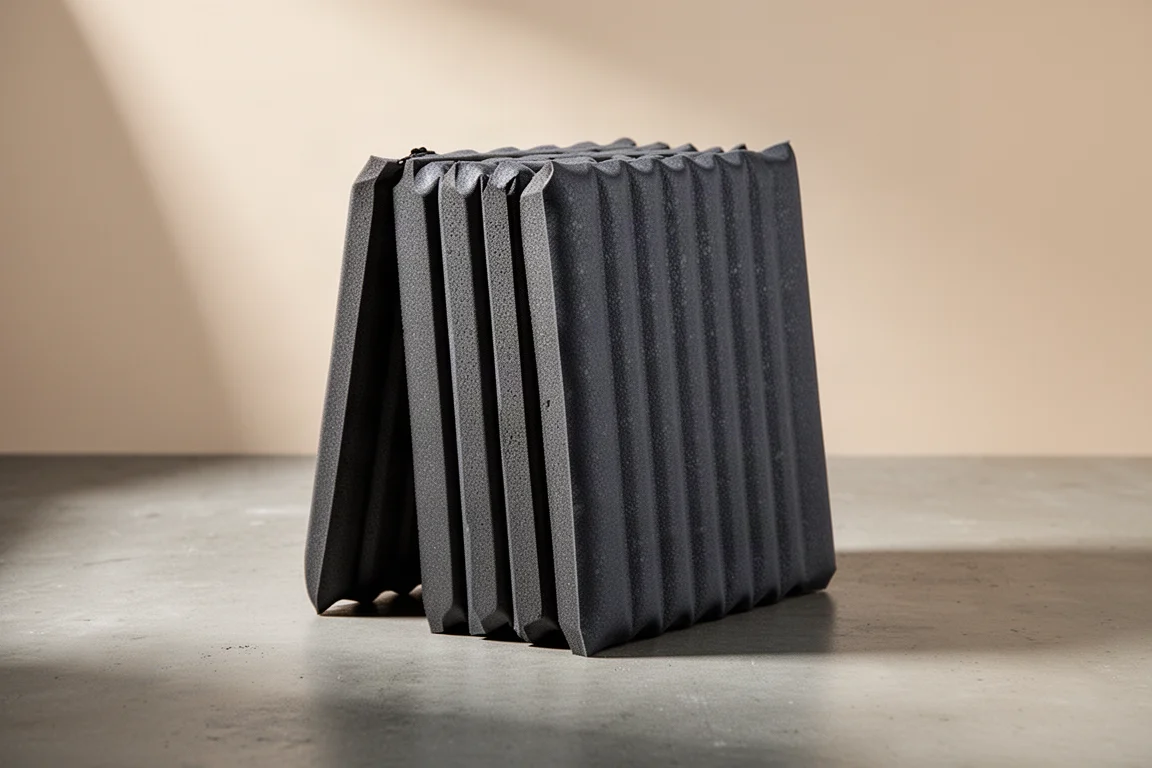
Featherstone Accordion Sleeping Pad
The $30 closed-cell accordion pad serves as the foam base layer under an inflatable pad. It added insulation and protection from the ground, and it works well in that supporting role. Ozark Trail sells a similar pad, but it was not any cheaper, so this one remains the better buy.
Stacked together, the two pads were still not warm enough for the conditions on this trip. The pad itself did its job. The insulation gap is the issue.
Overall Buying Advice
The Walmart kit delivers the most value in four places: the 50L pack, the one-person tent, the canister stove, and the Cuddl Duds base layers. Together they cover the core of a backpacking setup for a little over $130, and each one performs well enough that the low price is not the main reason to buy it.
The sleeping pad is the weak link. Both pads in this roundup are useful, but neither provides the insulation needed for a cold night, and stacking them only gets close. If you backpack in shoulder seasons or at altitude, budget for a warmer pad before anything else.
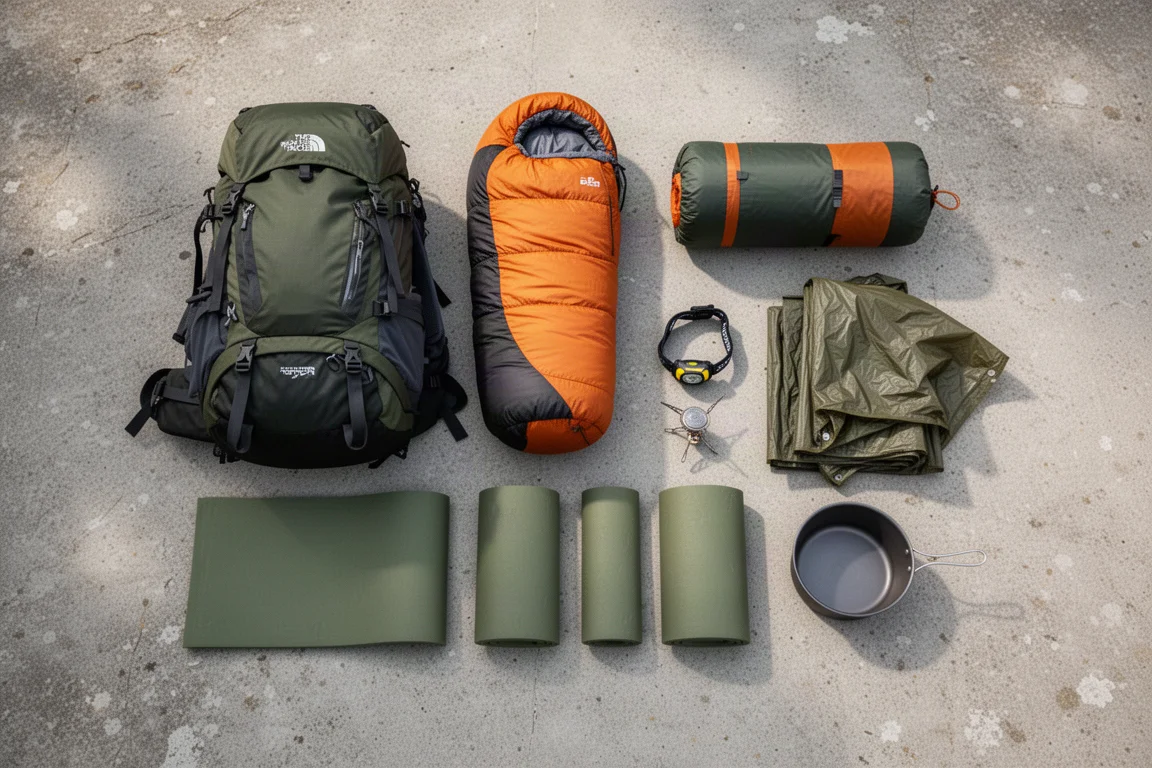
A note on the poncho: at $5 it is fine for casual use, but it is not a backpacking layer. The pack, the tent, the stove, and the base layers are the pieces worth buying first, and the headlamp is an easy $9 addition.
The full Walmart purchase came in under $200. Adding the items already owned from earlier budget setups brought the complete kit to $560, a very low total for a loadout that covered a full overnight trip in rain, hail, snow, and high wind.
Conclusion
Walmart and Ozark Trail cover the essentials of a budget backpacking kit better than expected. The 50L pack, the $65 one-person tent, the $15 stove, and the $13 base layers are the standout buys, and the $9 headlamp is an easy step up from the cheaper version. The poncho is best left for emergencies, and the sleeping pads remain the one real gap, since neither delivers the insulation needed for cold nights.
If you are building a first kit on a tight budget, start with the pack, the tent, and the base layers, then put the money you save toward a warmer sleeping pad.
Further reading
Related Reviews

Backpacking Gear
Building a 10 lb Base Weight: An Ultralight Backpacking Gear List
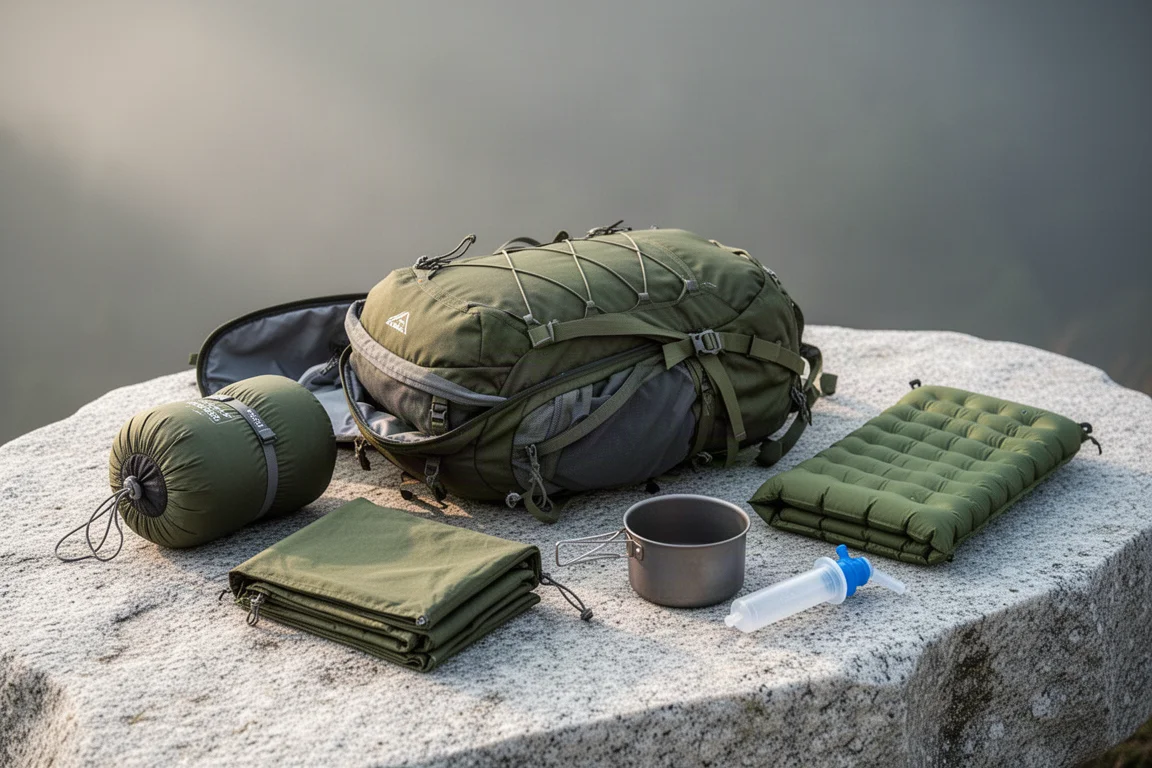
A practical walkthrough of the ultralight pieces behind a 10 lb base weight, from a 765 g pack and a roomy one-person tent to a full camp chair and a dependable water filter.
Backpacking Gear
A 15-Pound Lightweight Backpacking Gear List for Solo Trips
A beginner-friendly 15-pound backpacking setup built from easy-to-find gear, with notes on what each piece does, how it packs, and where to spend your attention.
Backpacking Gear
8 Ultralight Backpacking Gear Upgrades Worth Carrying
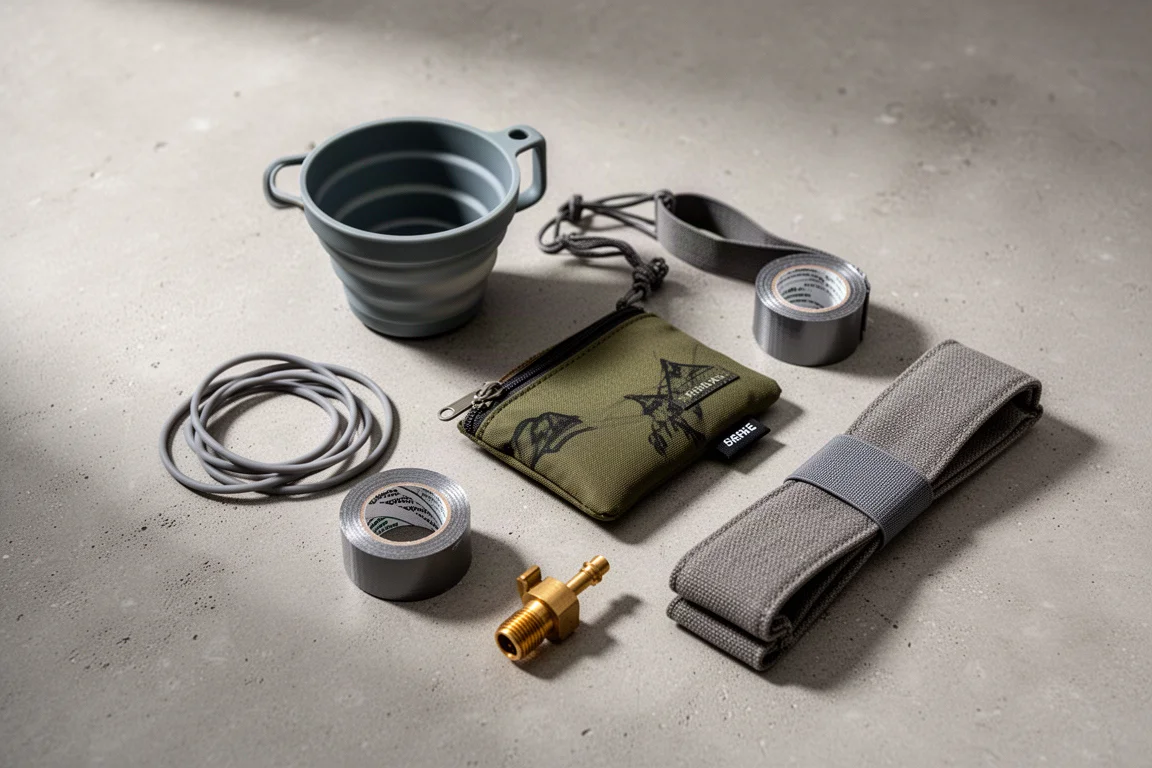
Eight small, affordable backpacking upgrades that solve real trail annoyances, from a pillow that stays put to a fuel valve that rescues leftover canister gas.