Backpacking Gear
Walmart Backpacking Gear: A Full Budget Loadout for Short Trips
A complete budget backpacking loadout covering shelter, pack, sleep system, kitchen, water and rain gear, with what held up on trail and what to skip.
Introduction
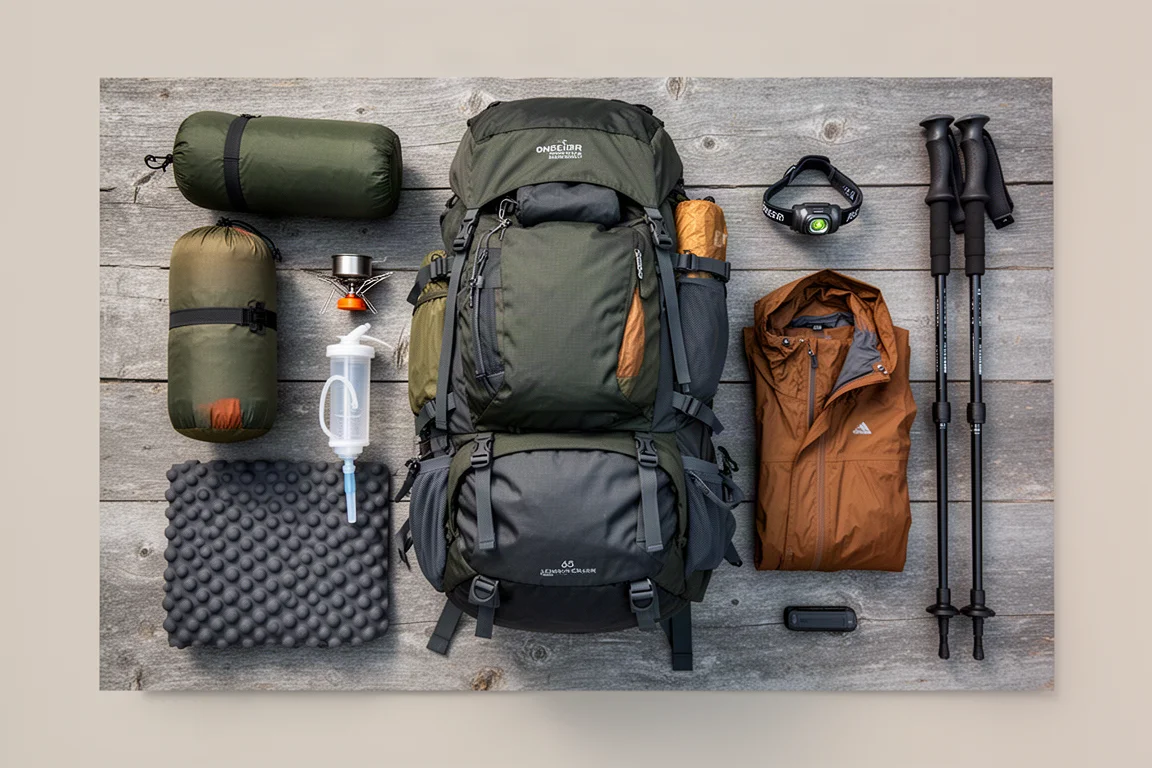
Every item in this loadout came off a Walmart shelf, and the complete kit weighed in at roughly 15 pounds of base weight for about $451.49 in total. That is less than many single high-end backpacking tents cost on their own. The catch is that not every budget item earns its place, and one of them failed outright.
This guide breaks the loadout down by category: shelter, pack, sleep system, kitchen, water treatment, food storage, rain protection, lighting and the small extras. Each entry covers what the gear does well, where it falls short, and who it makes sense for.
How to Judge Budget Backpacking Gear
Four things matter at this price point: carry weight, packed volume, whether the item survives real weather, and whether the savings justify the compromise. Weight is usually where budget gear gives ground first. Stakes, sleeping bags and sleeping pads are the classic offenders, and swapping or trimming them is often the cheapest way to drop ounces without spending much.
Durability is the harder question, because a tent or a rain shell that only lasts one season is not actually cheap. The loadout below mixes items that held up well with one that did not, and the difference is worth knowing before committing to a trip.
Best Shelter: Ozark Trail 1-Person Backpacking Tent
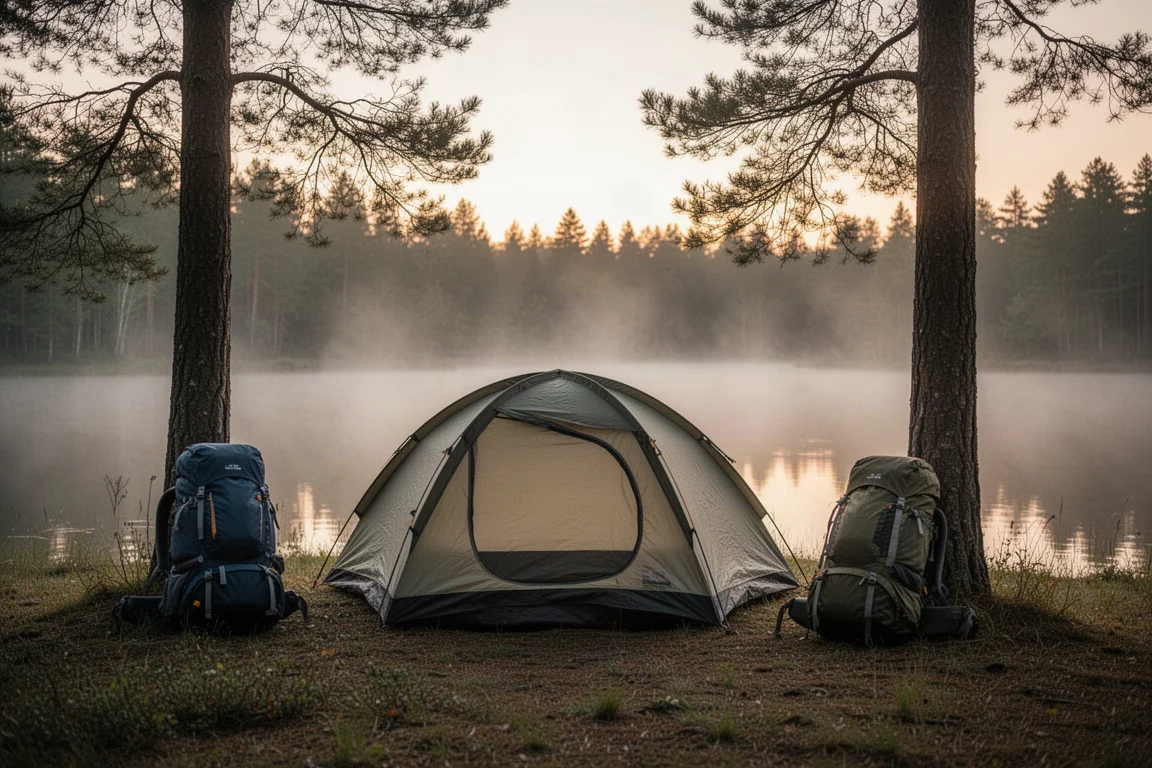
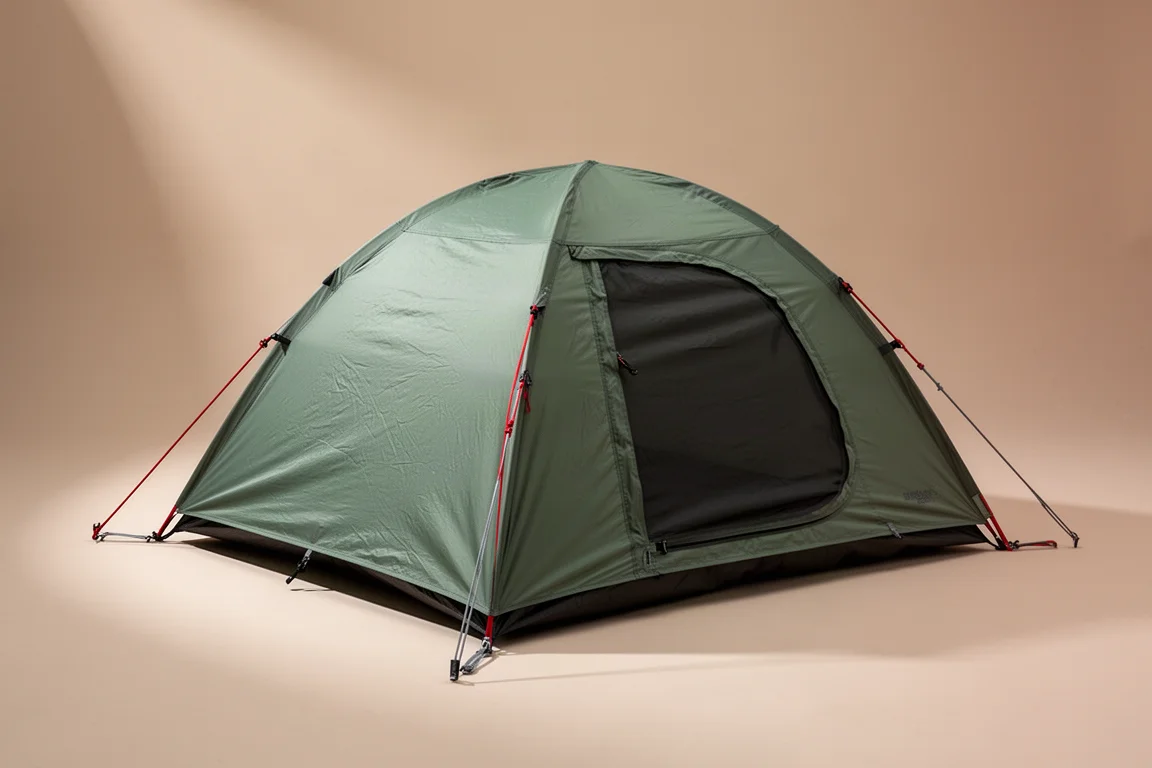
The Ozark Trail one-person backpacking tent was chosen for one reason: it was the lightest solo shelter on the shelf. Two-person tents at the same stores were too heavy for a solo trip, and splitting the weight only makes sense if someone else is carrying half of it. The claimed carry weight is about 3.5 pounds, but the stakes that ship with tents from general retailers tend to be heavy. The tent body, poles and stuff sack came to roughly 2 pounds 13 ounces, and six aluminum stakes added about 3.6 ounces on top.
On trail, the interior felt like a normal one-person backpacking tent, and the vestibule plus a vent hole help with airflow. Condensation was the main annoyance, though the tent was pitched beside water in humid conditions, and single-wall shelters always collect more moisture than double-wall designs. Leaving the vestibule door open in mild, calm weather is the simplest fix.
Durability is the open question. Light rain produced no leaks inside, but after the tent was left out for a longer soaking, a pole snapped and the shelter collapsed. Carrying a length of cordage is a sensible backup, since a shelter with a broken pole can sometimes be tied off to a tree to keep it standing. Water resistance is the biggest unknown at this price, so a waterproofing spray before the first trip is inexpensive insurance.
Best Backpack: Slumberjack 65L Backpack
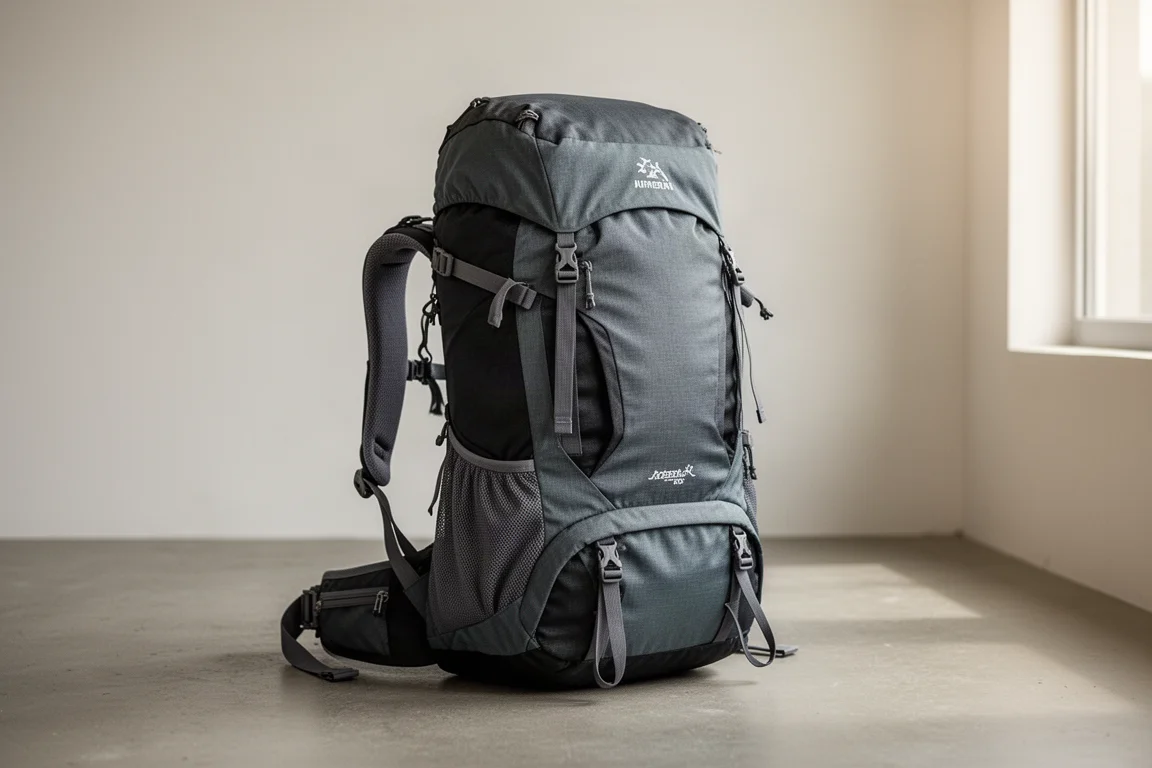
The Slumberjack 65L pack holds more volume than a short trip needs, but the alternatives were either too small for camera gear or missing the features that make a pack livable: hip belt pockets, an outside mesh pocket, side loops and a place to strap a tent. At $84 it is one of the pricier budget packs, and it weighs just over 3.5 pounds, which is in the same range as a typical Osprey pack.
What sets it apart is the adjustment range. Load lifters, hip belt attachments that pivot where the belt meets the pack, and an adjustable back panel for torso length are features that rarely appear on budget packs. The brain is removable, and the material rolls down and clips when it is off. The back panel, hip belt and shoulder straps are all well padded, and it carried a load comfortably.
The main caveat is sizing. The hip belt only cinches down so far, so slender users may find it too large. For anyone building a first loadout, it is still an easy pack to recommend.
Best Sleep System: Firefly Youth Mummy Sleeping Bag
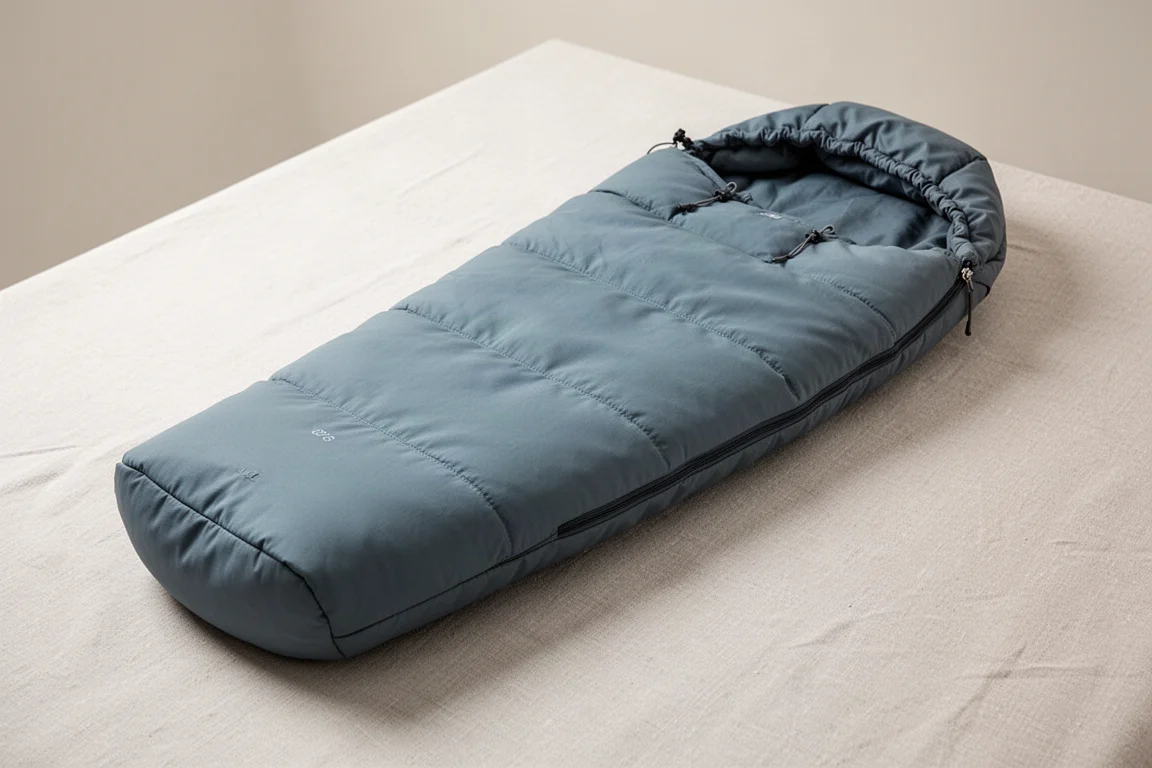
The Firefly youth mummy sleeping bag was the lightest option available and is rated for warmer weather. The adult mummy bag rated for around 50 degrees would have added at least a pound, which is a heavy penalty in a loadout this size. At 5 feet 8 inches the bag is not quite long enough to use the hood properly, but it was fine for mild nights.
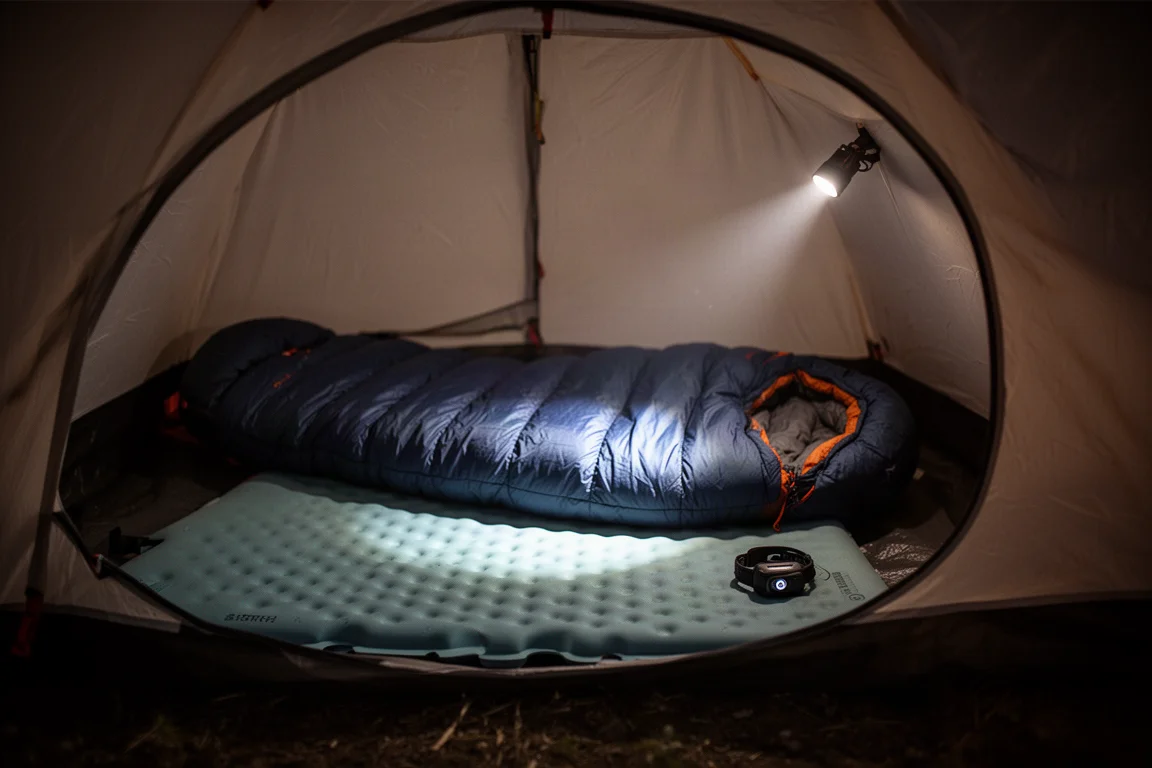
The rest of the sleep system follows the same logic. Self-inflating and inflatable pads at this price are heavy, so a closed-cell foam pad is the practical choice. Closed-cell foam can be trimmed to length, and cutting one down to cover from head to knees brought it to 12.35 ounces for $27.96. It is not comfortable for side sleepers on a long trip, but for a few nights it works, and it doubles as a dry place to sit during breaks. Anyone planning a longer or colder trip should look beyond the sleeping department here.
Best Kitchen Setup: Ozark Trail 4-Piece Stove Kit
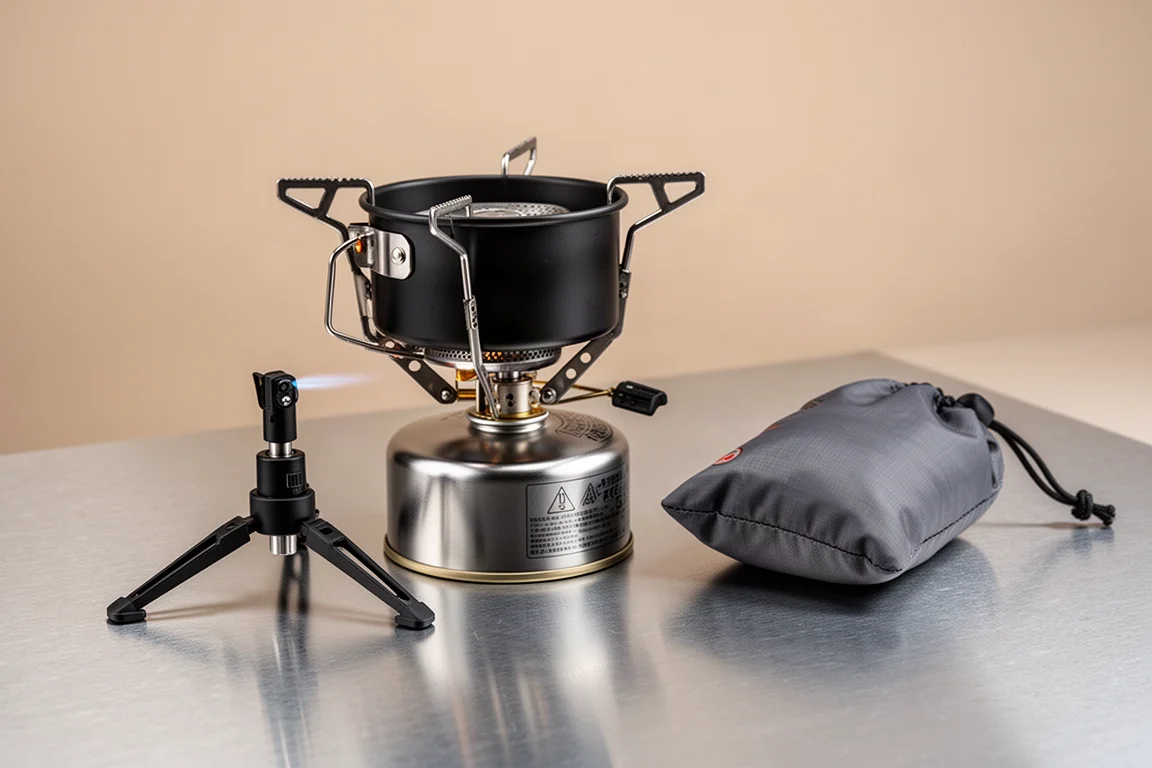
The Ozark Trail four-piece stove kit costs $12.97 and weighs 3.35 ounces, which puts it in the same weight class as far more expensive canister stoves at a fraction of the price. The kit includes the stove, a small tripod that stabilizes a fuel canister, an adapter for larger camping fuel bottles and a stuff sack. Most backpackers will leave the extras at home and carry only the burner, wrapped in a bandana inside a pot.
The stove itself has a built-in striker, so a lighter is only a backup, and the burner swivels out for use. Flip-out arms stabilize a larger pot when needed. One caution with fuel: an eight-ounce canister was the smallest size available, and not every canister brand works with every stove, so it is worth confirming compatibility before leaving the trailhead.
For cookware, an 18-ounce stainless steel cup handled both boiling water for pouch meals and cereal in the morning. It has a folding handle that stays cool enough to hold while stirring. A plastic spoon from a three-piece cutlery set weighed about 1.3 ounces and cost under a dollar, though plastic utensils do break, so a metal spoon is the safer long-term choice.
Best Water Treatment: Sawyer Squeeze Water Filter
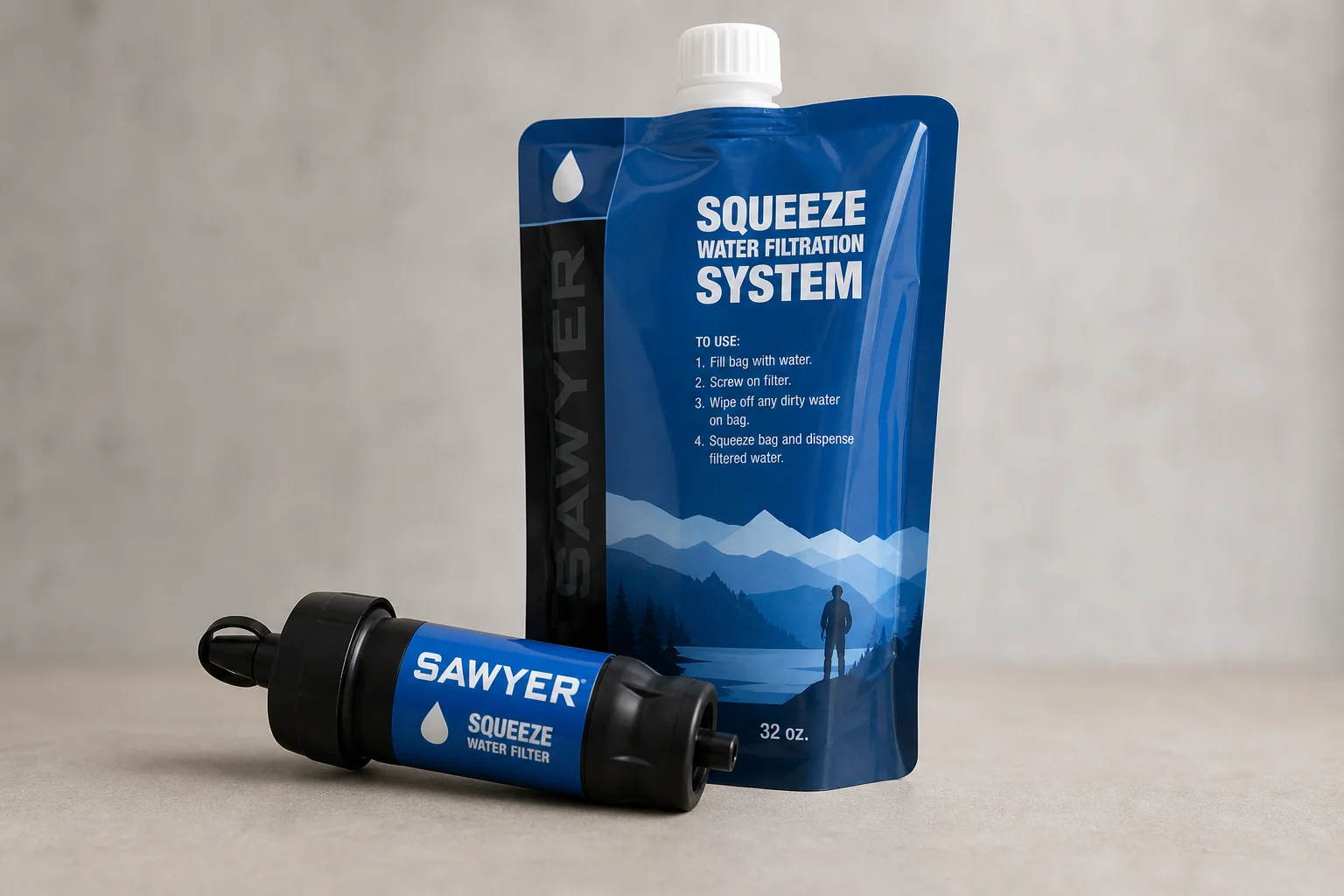
The Sawyer Squeeze weighs 2.45 ounces and cost $29.97, which is often less than it sells for elsewhere. The appeal is simplicity: it threads onto one-liter bottles with matching threads and turns them into a squeeze system. Two one-liter bottles cost $2.82 in total and weigh 1.45 ounces each, so the whole setup stays light.
For a short trip, the combination of a light filter and cheap bottles is hard to beat. The only real requirement is that the bottle threads match the filter, so check that before you rely on the setup.
Best Food Storage: Outdoor Products 20L Dry Bag
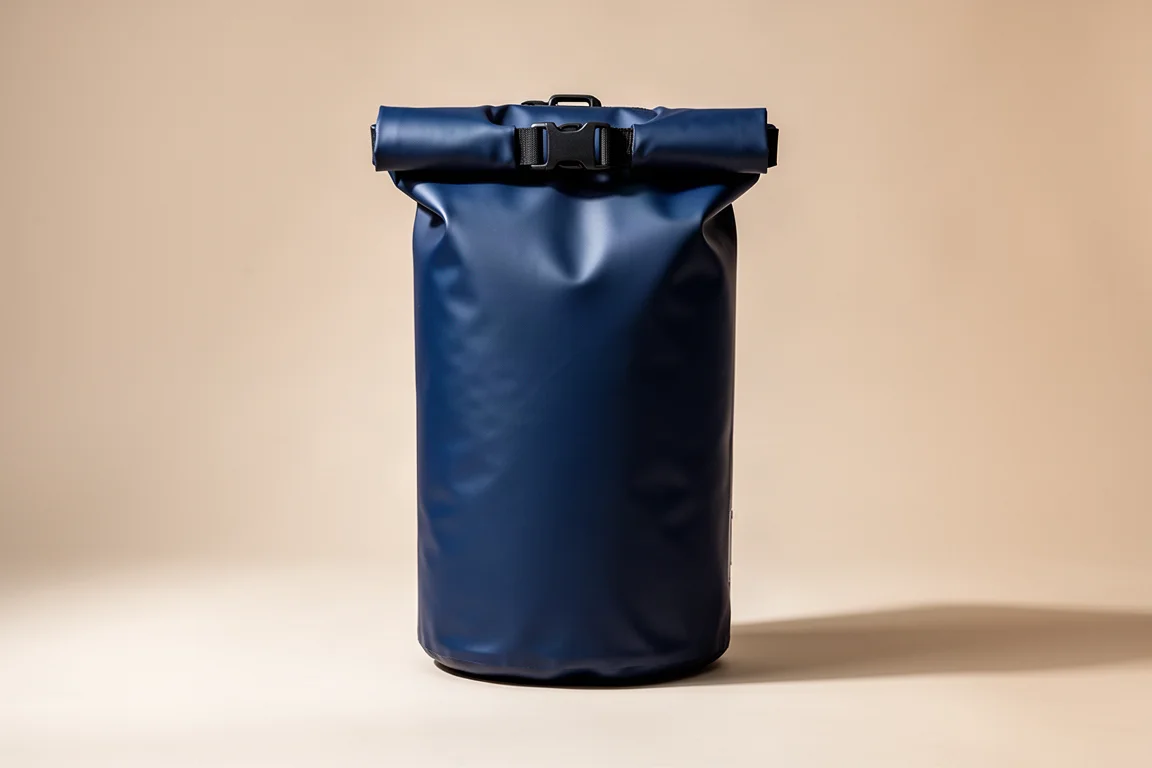
The Outdoor Products 20-liter dry bag was used as a food bag, and it was overkill in two ways. Twenty liters is far more volume than a three-day trip needs, and the vinyl material is thick and heavy at 9.8 ounces, which is more than half a pound for a single bag. It is closer to kayaking gear than backpacking gear.
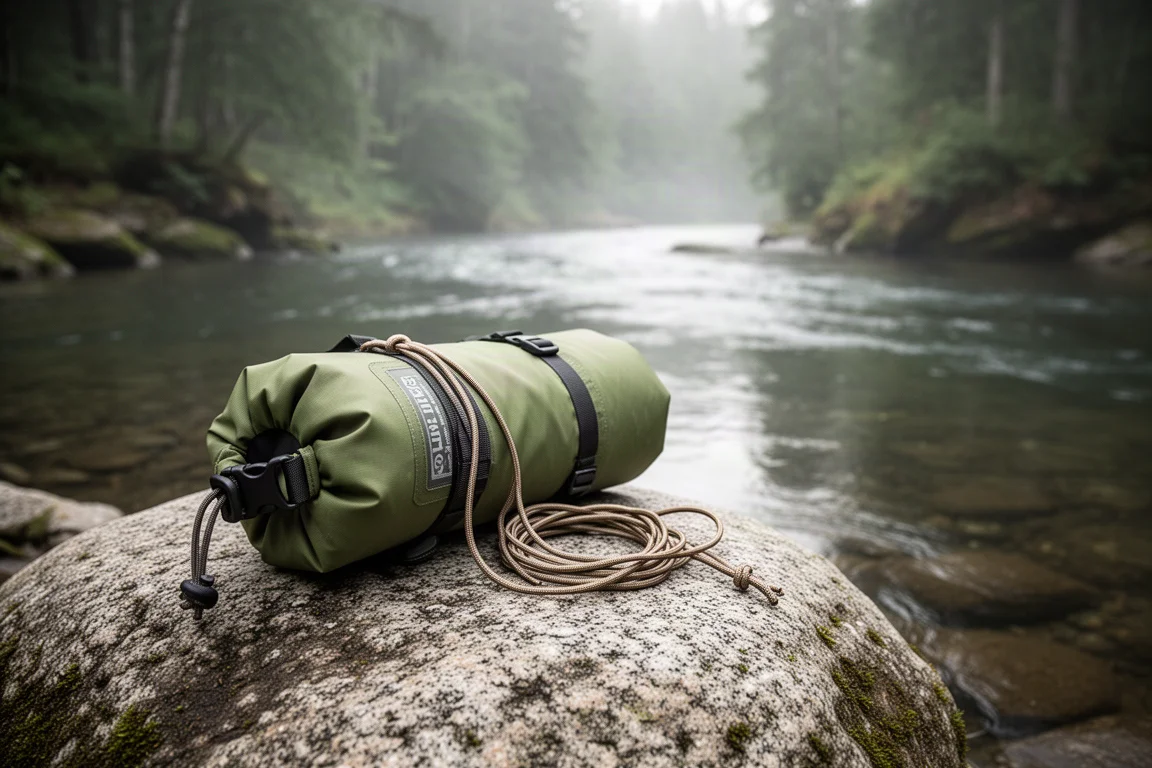
It still worked, and at $6.88 it is a cheap way to keep food and scented items dry and contained. A lighter option would save weight, but if the bag doubles as a hang bag on wet trips, the extra durability is a fair trade.
Best Rain Protection: Frogg Toggs Women’s Ultra-Lite Rain Suit
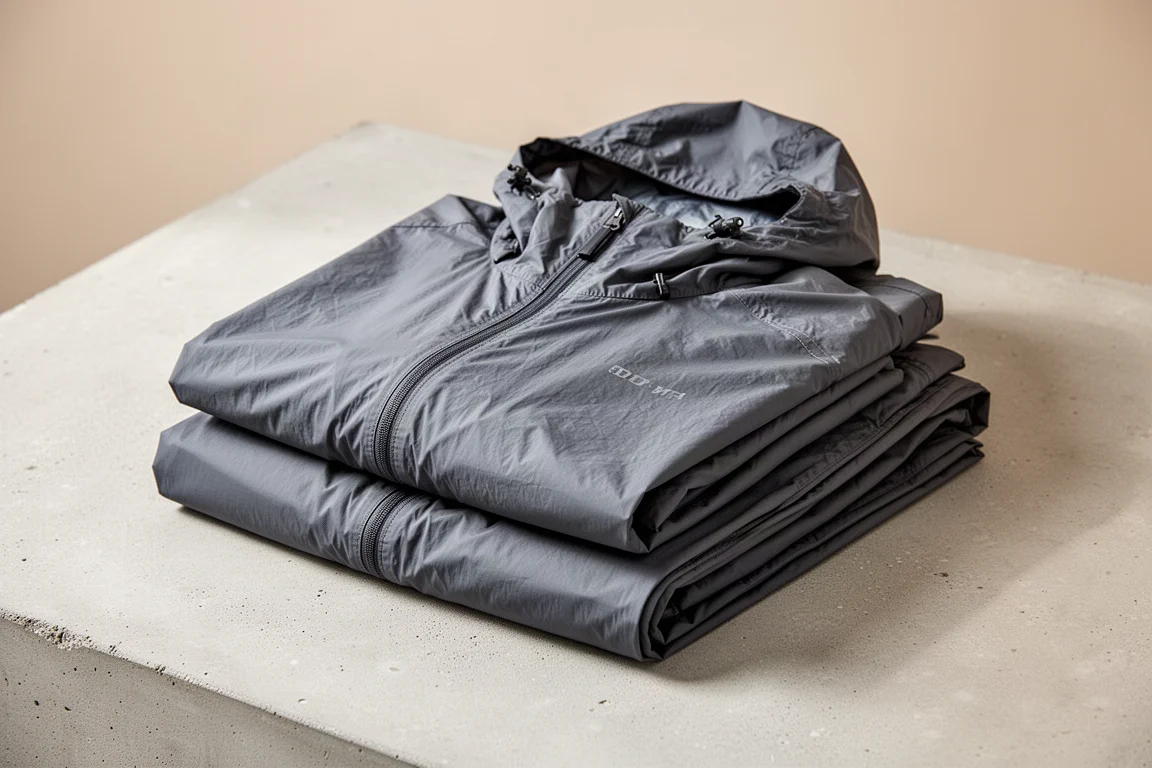
The Frogg Toggs Ultra-Lite rain suit covers jacket and pants for $20.38, and the jacket alone weighs 4.7 ounces. In warm weather the pants can stay home, which makes the jacket an easy item to carry even when rain is not in the forecast.
The material is not the most rugged rain gear available, but it holds up well on maintained trails. It is not built for pushing through dense brush, and a set that sees heavy use will eventually need replacing. As emergency weather protection that lives at the bottom of a pack, it does the job.
Best Lighting: Mossy Oak Headlamp
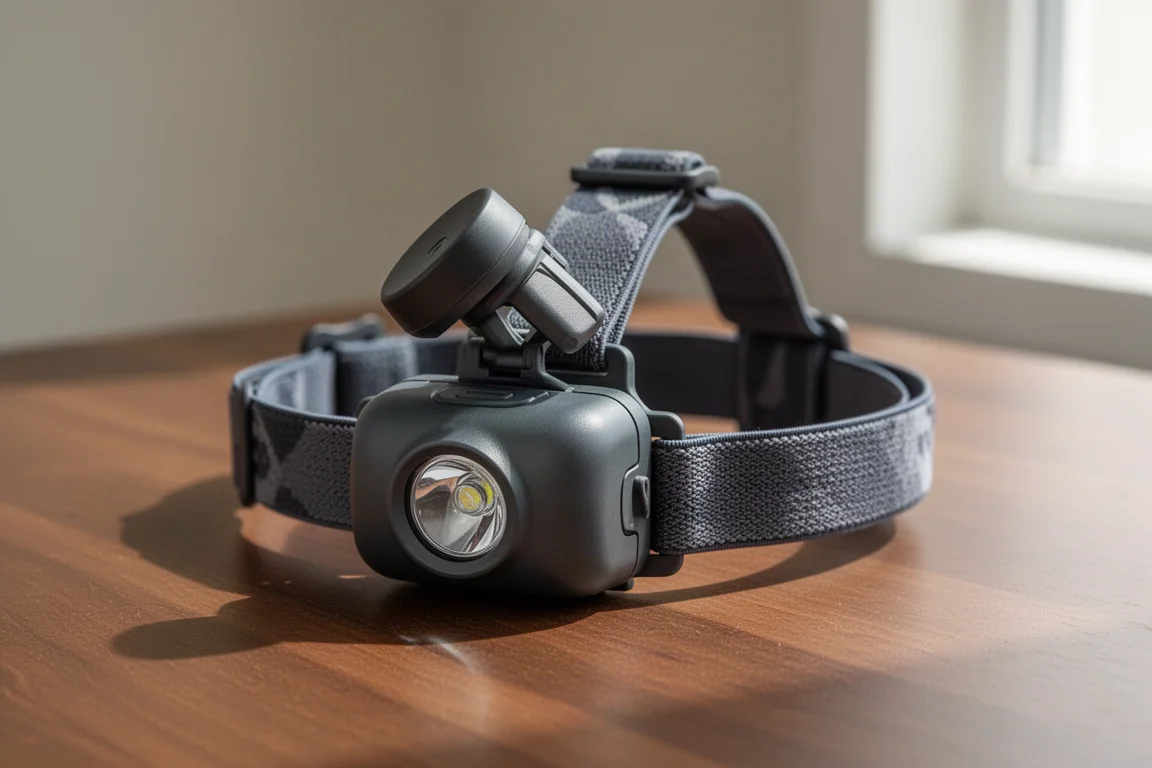
The Mossy Oak headlamp puts out 300 lumens, weighs 3.1 ounces and costs $14.97. It offers low, medium and strobe settings, plus a bluish night mode intended for tracking that also works well for reading or moving around camp without blinding anyone nearby.
Two details stand out. A motion sensor lets you switch the light on and off with a wave of the hand, and the head tilts so the beam can be aimed down for camp chores instead of forcing you to look down constantly. It is rechargeable, which removes the need to carry spare batteries.
Clothing and Small Essentials
Cotton is the thing to avoid, especially in cooler months, because it holds moisture and can contribute to hypothermia. Synthetic fabrics dry faster and reduce chafing. The hiking outfit here was a synthetic V-neck top from Athletic Works, paired with Avia crop leggings that have a waist tie to keep them from sliding down and a side pocket sized for a phone. A long-sleeve Avia athletic shirt served as the sleeping top, and an Avia sweatshirt with thumb holes was the insulating layer. The Avia keyhole sports bra and a three-pack of Reebok synthetic underwear rounded out the clothing.
Socks are where the savings backfired. A six-pack of Avia synthetic socks cost $7.97, and one sock had already worn through after two days of hiking. Sturdy wool socks are the better choice for anyone covering real distance. Footwear was the other weak point: the selection of hiking-appropriate shoes was limited, tread was shallow for muddy trails, and even the largest women’s size still let toes jam against the front of the shoe on descents.
The remaining extras are small but useful. A pair of trekking poles at $39.88 had a reliable locking mechanism and cork grips, though cheaper poles can be found online and a sturdy stick costs nothing. A pocket knife at $2.47 handled small cutting tasks, though the plastic handle felt flimsy. A mini Wet Brush and a small mirror handled personal care, and a pair of sunglasses cost $14.97.
Overall Buying Advice
The full loadout came in at about 15 pounds of base weight and $451.49, which shows that a complete setup can cost less than one premium tent. The trade-offs are real, though: heavier stakes, heavier sleeping bags and pads, and gear that may not survive years of hard use. For short trips in mild weather, that is a reasonable trade.
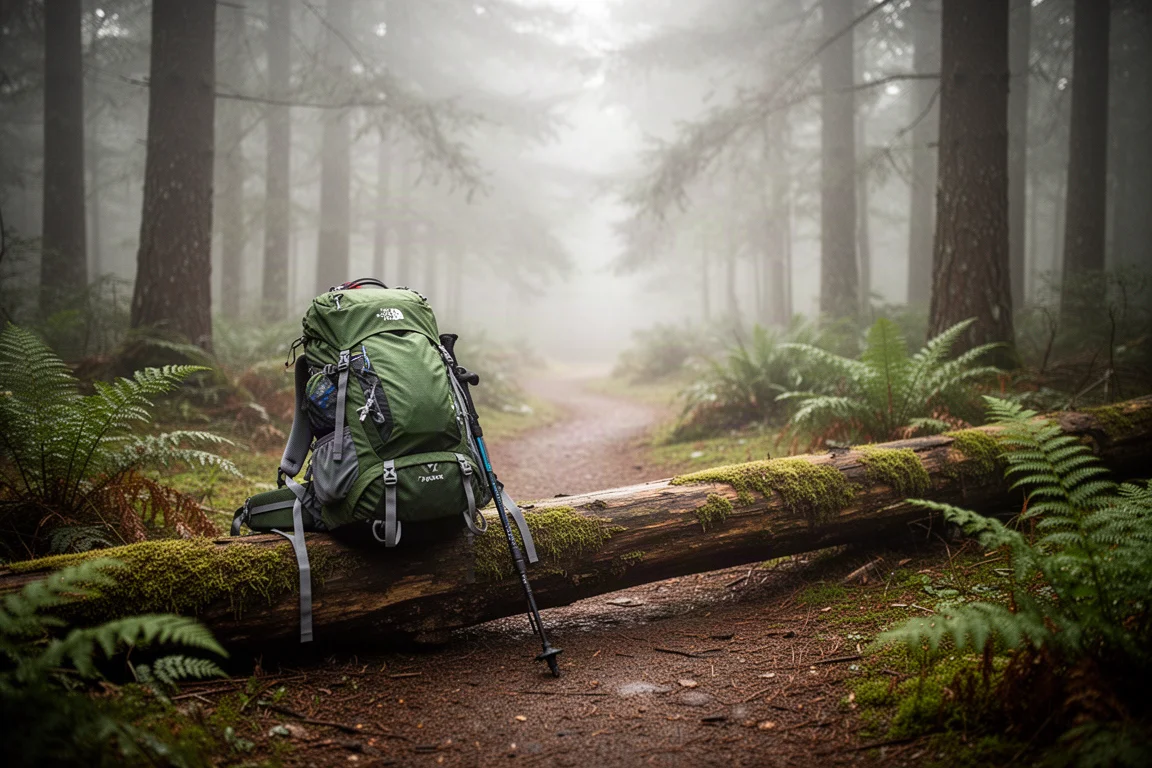
The bigger lesson is to shop around. Building a budget loadout from a single store means accepting whatever that store stocks, and the weakest items here, socks and footwear, are exactly the categories where a specialty shop or an online retailer does better. Thrift stores, resale and gear exchange groups, and seasonal sales can fill the gaps for far less than retail if you give yourself time before a trip.
Conclusion
The shelter is the one item to think hardest about. The pole failure and the unknowns around water resistance make it a reasonable choice for a short, mild-weather trip and a risky one for exposed or stormy conditions.
The pack, the stove, the water filter, the headlamp and the rain suit all deliver well for the money, and together they form a genuinely usable core. Add better socks and footwear from elsewhere, keep the first trips to warm weather while you learn the gear, and a budget loadout can get you outdoors without a premium price tag.
Further reading
Related Reviews

Backpacking Gear
Building a 10 lb Base Weight: An Ultralight Backpacking Gear List
A practical walkthrough of the ultralight pieces behind a 10 lb base weight, from a 765 g pack and a roomy one-person tent to a full camp chair and a dependable water filter.
Backpacking Gear
A 15-Pound Lightweight Backpacking Gear List for Solo Trips
A beginner-friendly 15-pound backpacking setup built from easy-to-find gear, with notes on what each piece does, how it packs, and where to spend your attention.
Backpacking Gear
8 Ultralight Backpacking Gear Upgrades Worth Carrying
Eight small, affordable backpacking upgrades that solve real trail annoyances, from a pillow that stays put to a fuel valve that rescues leftover canister gas.