Cycling Radar
Wahoo Trackr Radar First Look: USB-C, Bigger Battery, and a Few New Tricks
Wahoo's new tail light radar matches the competition on core features and adds brake lighting, a longer claimed battery life, and a USB-C port that finally retires the micro-USB cable.
Introduction
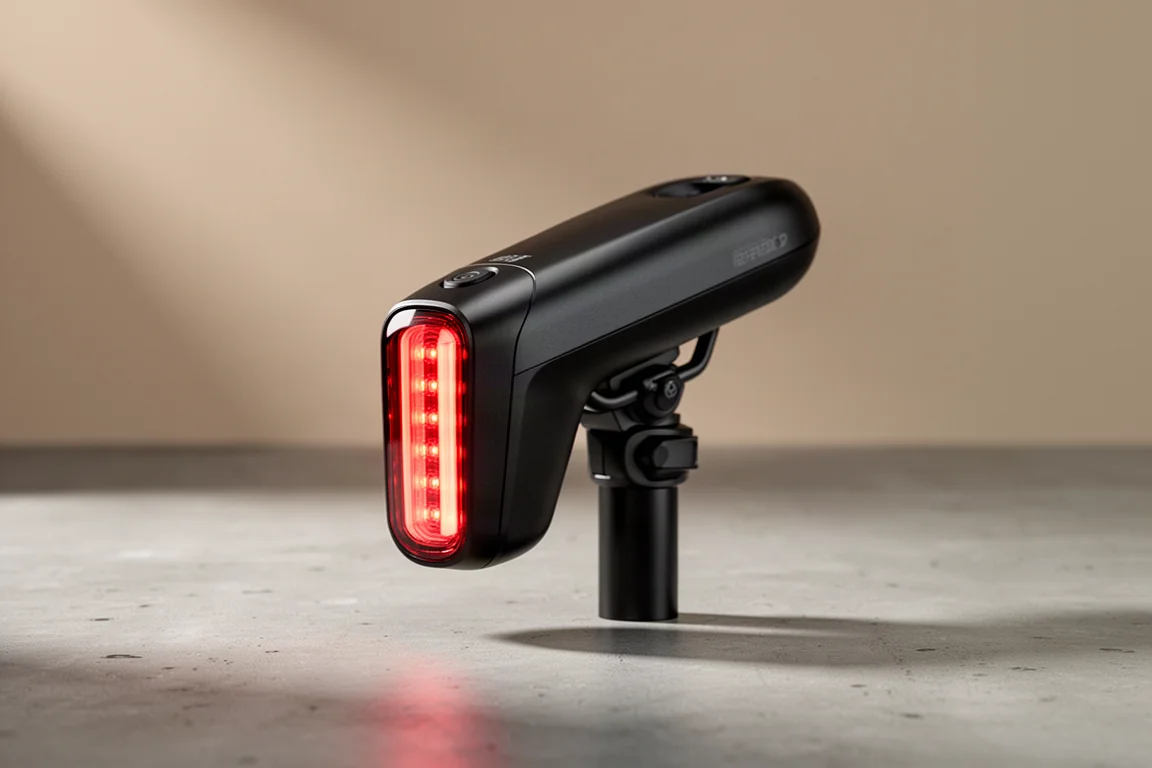
Wahoo has entered the cycling radar market with the new Trackr Radar, launched alongside its new Rome 3 and Bolt 3 bike computers. Priced at $199, it sits in the same price ballpark as the established competitors while adding a handful of features that give it a distinct identity. The headline items: USB-C charging, a claimed battery life that roughly doubles most rivals, and a brake mode that brightens the light when you slow down.
This is a first look based on early riding time rather than a final in-depth review. Wahoo has not yet confirmed an exact shipping date; the target is around May 6th, pending compliance and certification before sales can begin.
Who This Product Is For
Cycling radars suit riders who want early warning of vehicles approaching from behind, especially where a mirror falls short. Two scenarios stand out. First, fast descents, where wind noise makes it genuinely hard to hear an overtaking car. Second, long multi-hour rides on quiet roads, where a subtle alert snaps your attention back to the road position before a vehicle arrives.
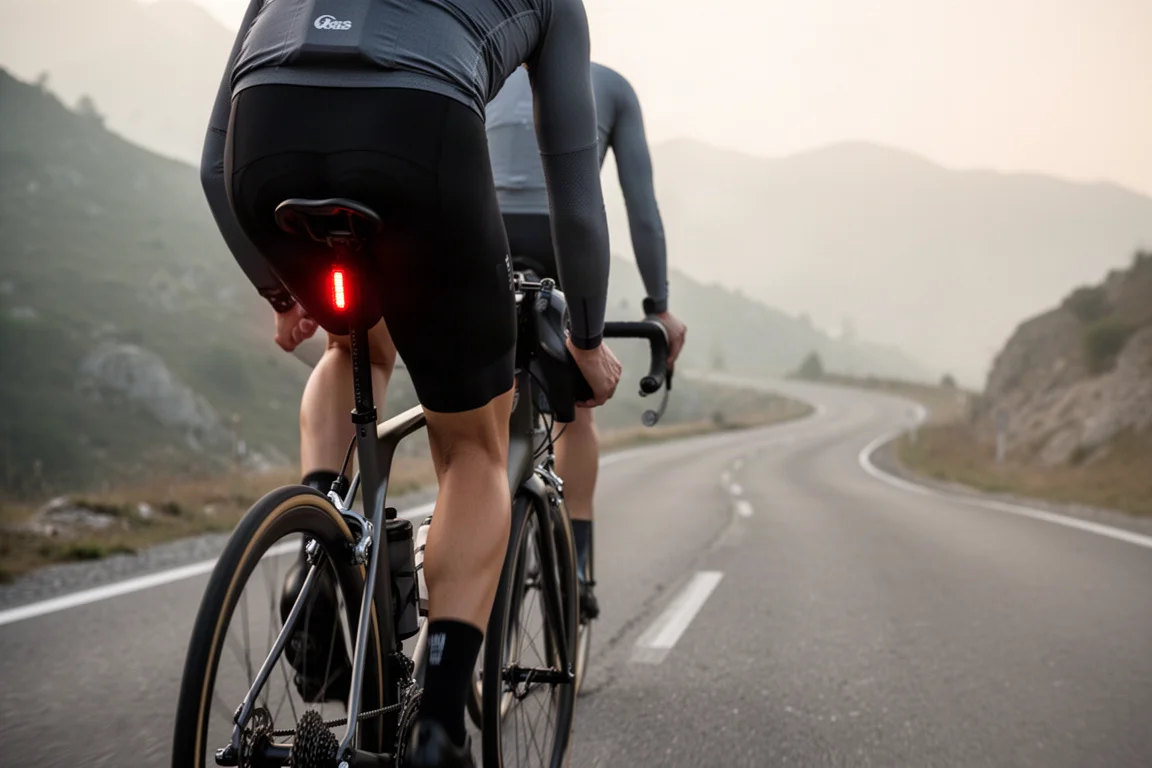
If you ride mostly in traffic-dense cities, the value case is slightly different, since dense environments are also where radar false positives tend to show up more often. That said, for open-road and mountain riding, this category has become something many riders now simply expect on the bike.
How Cycling Radars Work
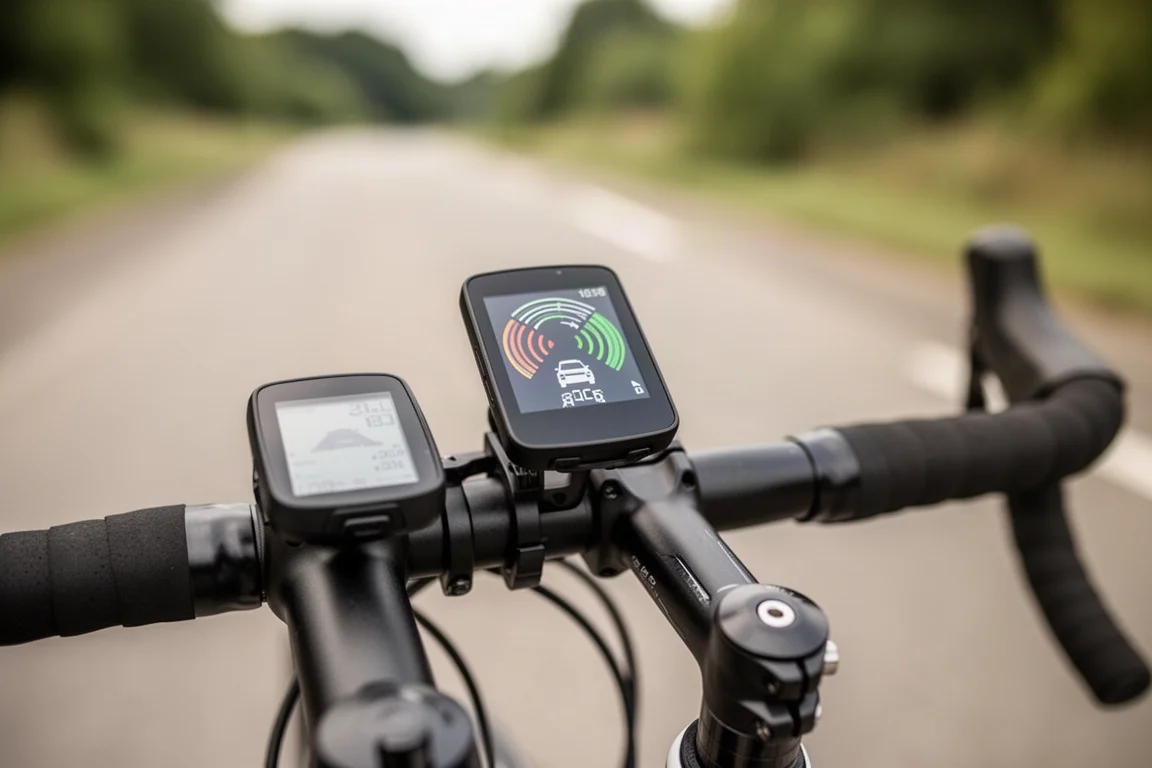
A radar like this mounts on the seatpost and pairs with a bike computer. Because virtually every bike computer today supports the ANT+ cycling radar standard, the pairing is seamless across the market. As a car approaches, two things happen: the computer shows an alert telling you a vehicle is about to overtake, and the radar begins flashing to draw the driver’s attention to you.
The unit can track multiple vehicles at once and reaches a claimed detection range of 150 meters behind you. It also distinguishes between slower and faster overtakes, flagging high-speed approaches in red on the computer instead of the normal orange. Once the vehicle clears, the alert returns to green.
Compared with a conventional mirror, a radar works reliably in rain and fog, and the computer-side alert adds an active layer of awareness a mirror simply cannot provide.
Standard Features
The Trackr Radar pairs as a standard ANT+ cycling radar with all bike computers and a number of watches, and it also pairs as an ANT+ light, meaning its brightness modes can be controlled from a compatible computer. Firmware updates arrive through the Wahoo app.
It has a flashing pattern alert that activates as soon as it detects an approaching vehicle, matching the behavior of other radars in the category.
One notable gap: there is no phone app to display radar contacts. Competing units, such as Garmin’s, can show radar data on a phone, but the Trackr Radar requires a bike computer to view approaching traffic.
On the light side, the lumen output lands within about one lumen of Garmin’s popular RTL 515 radar. Battery life is where Wahoo makes a stronger claim: across most modes, the claimed figures are effectively double Garmin’s, with Day Flash mode roughly a wash between the two. Those claims have not been independently verified yet, and Wahoo has a history of optimistic battery numbers, so treat them as claims for now. The unit weighs 99g (3.5 oz) and is sized similarly to the RTL 515, a bit thicker in one dimension and slightly shorter in another.
And then there is USB-C on the bottom of the unit. It sounds trivial until you realize the Garmin RTL 515 is one of the last micro-USB devices many households still own. For plenty of buyers, that alone is reason enough to look at this unit.
What Makes It Different
Wahoo has added a few features that set the Trackr Radar apart. The first is brake mode: when you apply the brakes, accelerometers and other sensors trigger a sharp increase in light intensity. This kind of behavior has appeared in dedicated bike lights over the past decade, but it is newer territory for radar tail lights.
The second is a two-tier LED layout. Beyond the main LED strip at the top, a broader secondary LED section boosts brightness, including noticeably better side visibility. Compared with the two small side LEDs on the Garmin, this reads as a much more visible solution, and the overall design is arguably cleaner too.
Third is mode memory, which restores your last used light settings when you power the unit back on. In practice, it is redundant for most buyers: a paired bike computer will push its own mode settings anyway, so you are unlikely to notice the feature day to day.
Finally, there is a battery extender mode that dims the LEDs when no vehicle is approaching, with configurable intervals of one, five, or ten minutes. On the current beta firmware, it is not yet active despite various settings attempts, so expect it to arrive in an update closer to launch.
The Mount Situation
The included mount comes with three adapters (an aero adapter that also fits round seatposts, a D-style adapter, and a flat adapter), a clip, and two strap sizes. It is heavily overengineered for what it does, though it has held up fine on a round seatpost across multiple rides.
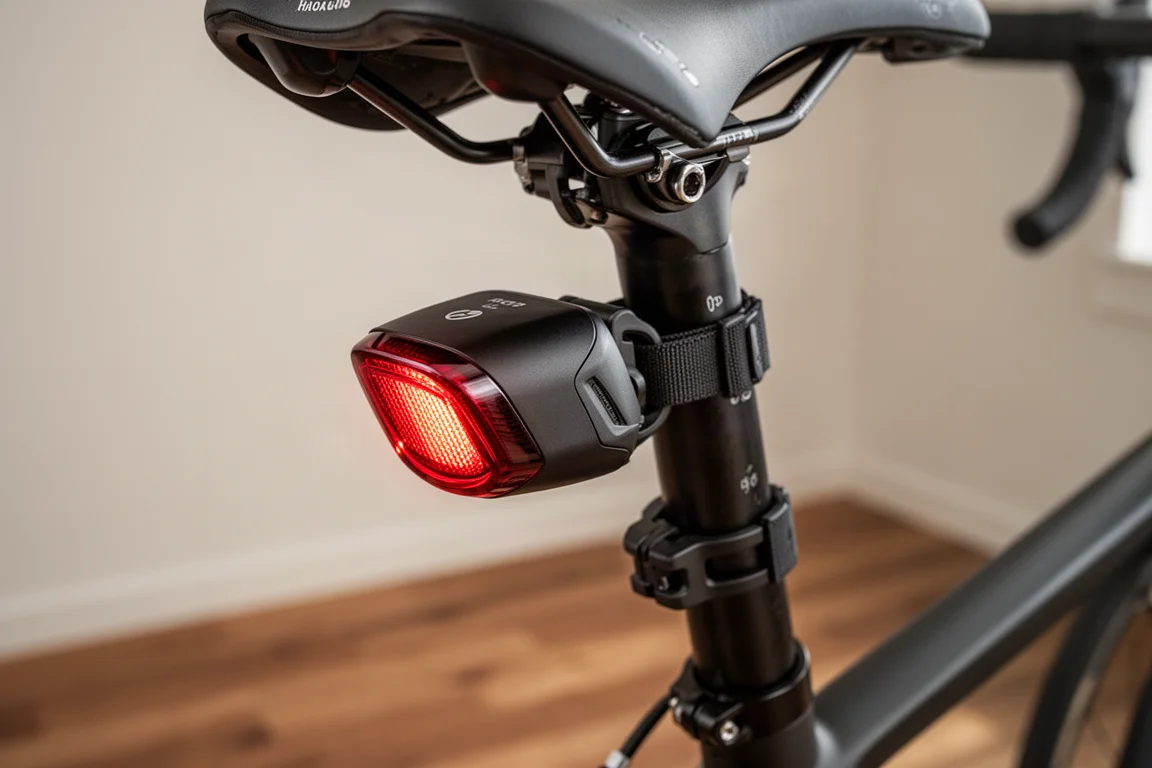
The bigger issue is compatibility. Wahoo made its mounting tabs about a millimeter thicker than the industry-standard design used by Garmin, Bryton, Magene, and nearly everyone else, which means none of the massive ten-year ecosystem of third-party mounts, including saddle rail mounts, will work. Only one third-party option currently exists, a saddle bag mount from KOM Cycling. Riders with unusual seatpost designs will likely need to buy yet another mount that does not even exist yet. Over time more options will appear, but at launch this is a genuine drawback.
Everyday Riding Impressions
After about a week of riding across a range of scenarios with a Garmin radar running side by side, the Trackr Radar behaved nearly identically. In roughly 90 to 95 percent of cases, both units triggered detection within the same second. In some cases the Garmin triggered one to two seconds earlier, and it occasionally picked up vehicles further off to the side.
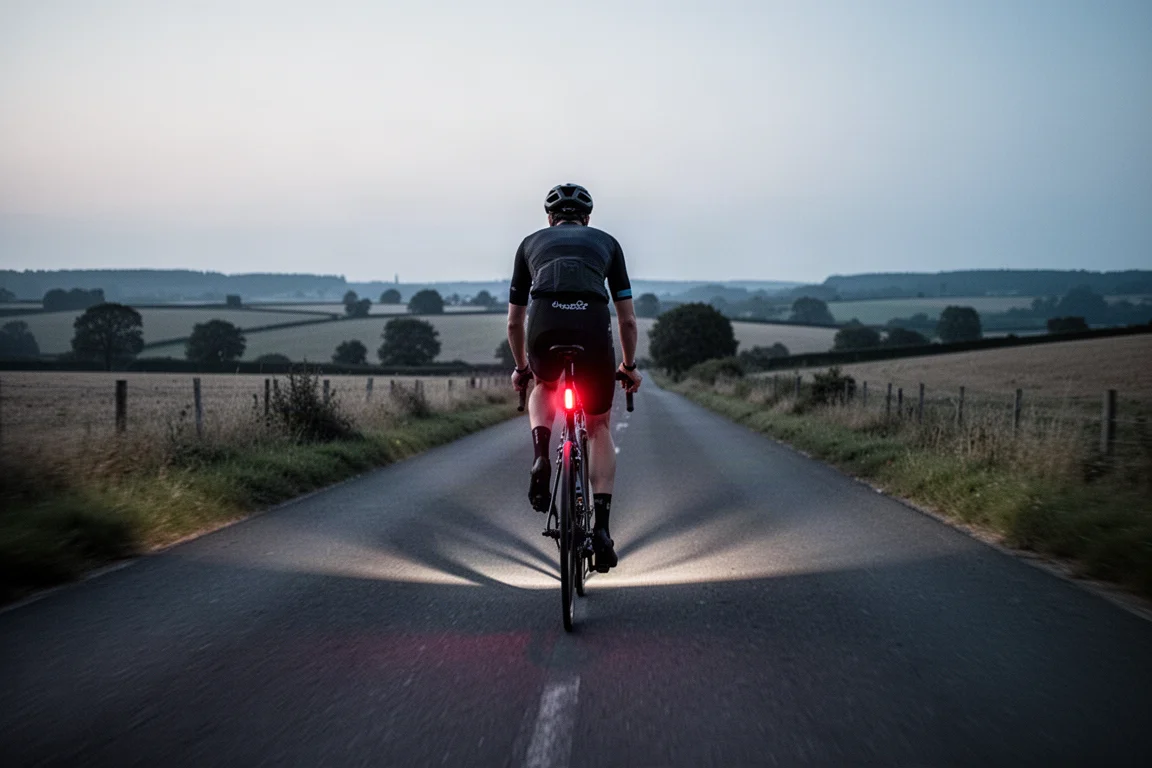
That likely comes down to field of view. Wahoo’s on-paper detection range is actually 10 meters longer at 150 meters versus Garmin’s 140, but Garmin’s field of view is wider at 40 degrees versus Wahoo’s 35. On one trail running beside a highway, the Garmin occasionally picked up highway traffic that the Wahoo ignored. Whether that matters on wider multi-lane roads is something worth testing further.
The most important number held firm: zero false negatives, no missed cars on any road ridden. It did flag overtaking cyclists and even a walker, which are legitimate detections rather than phantom alerts. City testing with reflective building surfaces, where false positives typically live, remains to be done.
Things to Consider Before Buying
The Trackr Radar is a strong package on paper and in early use, but a few things deserve thought before ordering. The claimed battery life has not been verified in long-term testing. The battery extender mode is not functional on current beta firmware. There is no phone display option, so a bike computer is effectively required. And the proprietary mount breaks compatibility with most existing third-party saddle and seatpost mounts, which may mean extra cost for riders with unique setups.
Buying Advice
At $199, the Trackr Radar matches its competitors on price while offering USB-C, longer claimed battery life, brake lighting, and stronger side visibility. For riders already invested in the Garmin or Bryton mount ecosystem, factor in the cost and hassle of a new mount. For anyone starting fresh, or anyone desperate to finally retire a micro-USB cable, the Wahoo is an easy recommendation once it actually ships.
Conclusion
The Trackr Radar is a confident first entry into the radar category: nearly identical detection performance to the market leader, a design that looks good on the bike, and genuinely useful additions like brake mode and USB-C. The mount strategy and a few unverified claims are the main reasons to wait for deeper testing, but the early picture is a positive one.
Product link
View more details for Wahoo Trackr Radar
This product is mentioned in the review. Check the specifications, options, and compatibility before buying.
View more details for Wahoo Trackr RadarFurther reading
Related Reviews
Bike Computers
Best Bike Computers 2026: Wahoo ELEMNT ACE, Garmin Edge 1050 and Two Value Alternatives
A practical comparison of the Wahoo ELEMNT ACE and Garmin Edge 1050, plus two cheaper computers that cover the essentials for far less.
Cycling Computers
Best Cycling Computers: A Practical Guide to Every Major Option
A plain-spoken look at the leading cycling computers, from Garmin's flagship to budget-friendly challengers, and which ones are actually worth buying.
Cycling Helmets
Best Road Cycling Helmets 2026: Four Premium Options Compared
A detailed comparison of four high-end road cycling helmets, from the aerodynamic Kask Protone Icon to the innovative Bolle Furo, with real strengths and trade-offs.