Bike Computers
Best Bike Computers 2026: Wahoo ELEMNT ACE, Garmin Edge 1050 and Two Value Alternatives
A practical comparison of the Wahoo ELEMNT ACE and Garmin Edge 1050, plus two cheaper computers that cover the essentials for far less.
Introduction
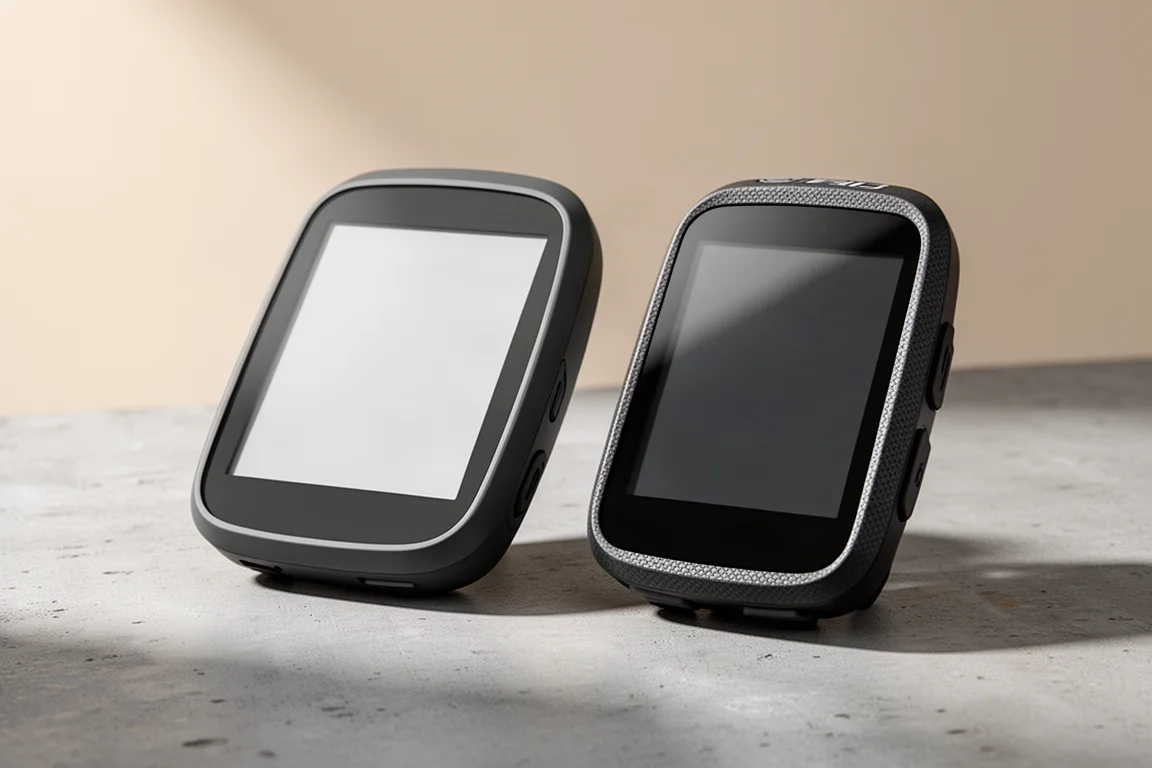
Two flagship GPS computers sit at the top of the market right now: the Wahoo ELEMNT ACE and the Garmin Edge 1050. Both pair large colour displays with long battery claims, connected features and premium pricing, and each brand has pushed a different idea as its headline innovation. The ELEMNT ACE introduces a wind sensor, while the Edge 1050 leans on hazard markers and group ride tools.
This guide compares what the two flagships actually deliver, then looks at two cheaper computers from the same brands that handle the essentials for far less money.
What Sets These Flagship Computers Apart
Both units are top-tier GPS computers with prices to match, and both come with hefty battery life claims that depend heavily on how you use them. The ELEMNT ACE is roughly 100 in local currency cheaper than the Edge 1050 in pound, dollar and euro markets, which matters when the feature sets are this close.
Each brand has also chosen a different direction for its newest technology. Wahoo’s wind sensor is a genuinely new data source, while Garmin’s hazard warnings and group ride features focus on sharing information between riders.
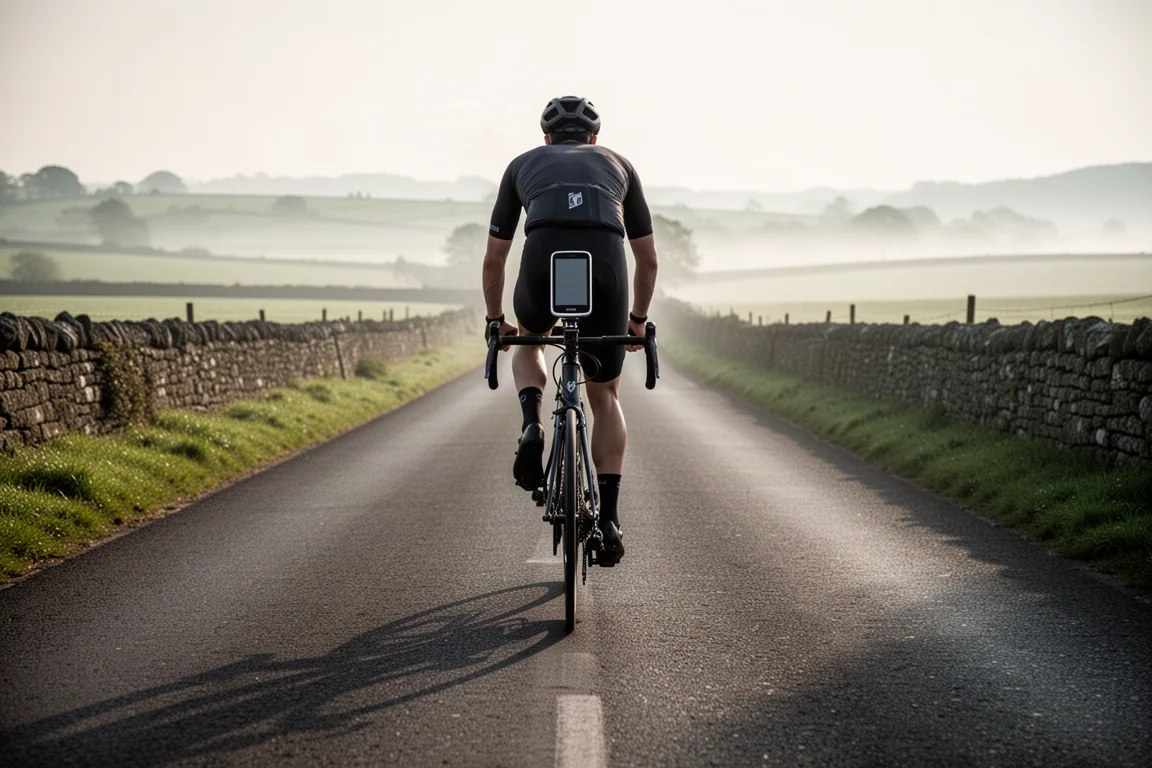
Those two approaches behave very differently in practice. The wind sensor works on its own, with no need for anyone else to own the same hardware, whereas Garmin’s newest features only reach their potential when a large share of your riding group uses compatible devices.
Wahoo ELEMNT ACE: Wind Data and Battery Life
The ELEMNT ACE is the newest computer here and by far the largest. Its headline feature is the wind sensor, which measures wind speed and compares it with ground speed: if wind speed is higher than your ground speed you are riding into a headwind, and if it is lower you are either enjoying a tailwind or sitting in the shelter of a group.
The sensor has clear limits today. Because of its position on the front of the unit it cannot measure crosswinds, and the data is limited to a live per-second feed to the screen, so the reading jumps around as wind tends to do. It also cannot yet report your drag coefficient. Wahoo says it plans to develop the technology further, with drag measurement and wind-map planning tools as possible future uses, though no timeline has been announced. Professional teams have shown interest in using the data to coach riders on habits, teamwork and tactics.
Battery life is where the ELEMNT ACE makes a strong case. There is no dedicated battery save mode, because Wahoo chose to prioritise running all features and connections rather than limiting functionality to reach a bigger headline number. In practice the unit lasts somewhere between 25 and 30 hours with sensors connected, which is more useful than a higher figure that requires switching features off.
Setup is quick: pair your phone over Bluetooth, install the companion app and follow the prompts to create an account or sync existing data. On the bike, the familiar multi-function three-button interface is joined by toggle and power buttons on the side and a new touchscreen. The physical buttons change function depending on the screen you are looking at, and if the touchscreen misbehaves in the rain you can simply use the buttons. Most customisation happens in the app, which keeps the device itself simple but means changing a data field mid-ride requires your phone.
Garmin Edge 1050: Hazards, Group Rides and Battery Claims
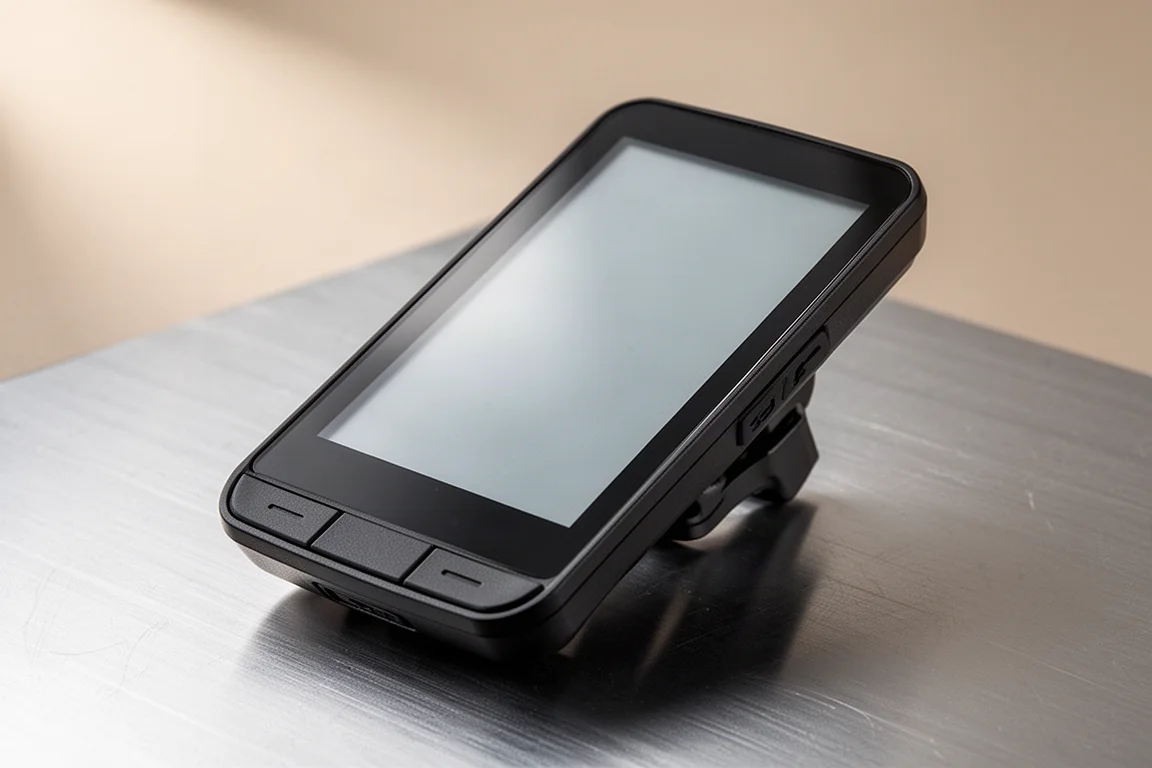
The Edge 1050 brings two features that generated plenty of interest. Hazard warning lets you leave markers for potholes and for dogs that like to chase riders, while group ride tools let you see where the rest of your group is, message each other and compete. The catch is that both only work on a select number of devices, so their value depends on how many of your riding partners own compatible hardware.
Battery claims need reading carefully too. Reaching anywhere near the 60 hour maximum means engaging power save features that reduce the backlight, cut GPS bands, drop sensor connections and even switch mapping off. With everything switched on and most recording features in use, real battery life lands closer to 20 hours.
Setup is a big improvement on older Garmin devices, and the interface will feel familiar to anyone who has used one. A touchscreen is backed by dedicated start, stop, lap and power buttons, and unlike the Edge 840 there are no physical page toggle buttons, so those button functions stay fixed. The Edge 1050 loads and refreshes a little faster than the Wahoo and starts up more quickly, and data fields can be changed on the device while you ride. Custom route creation on the unit, though, remains time consuming and imprecise, and routes are still best planned on a laptop and synced across.
Screens, Maps and Interface: Where the Flagships Differ
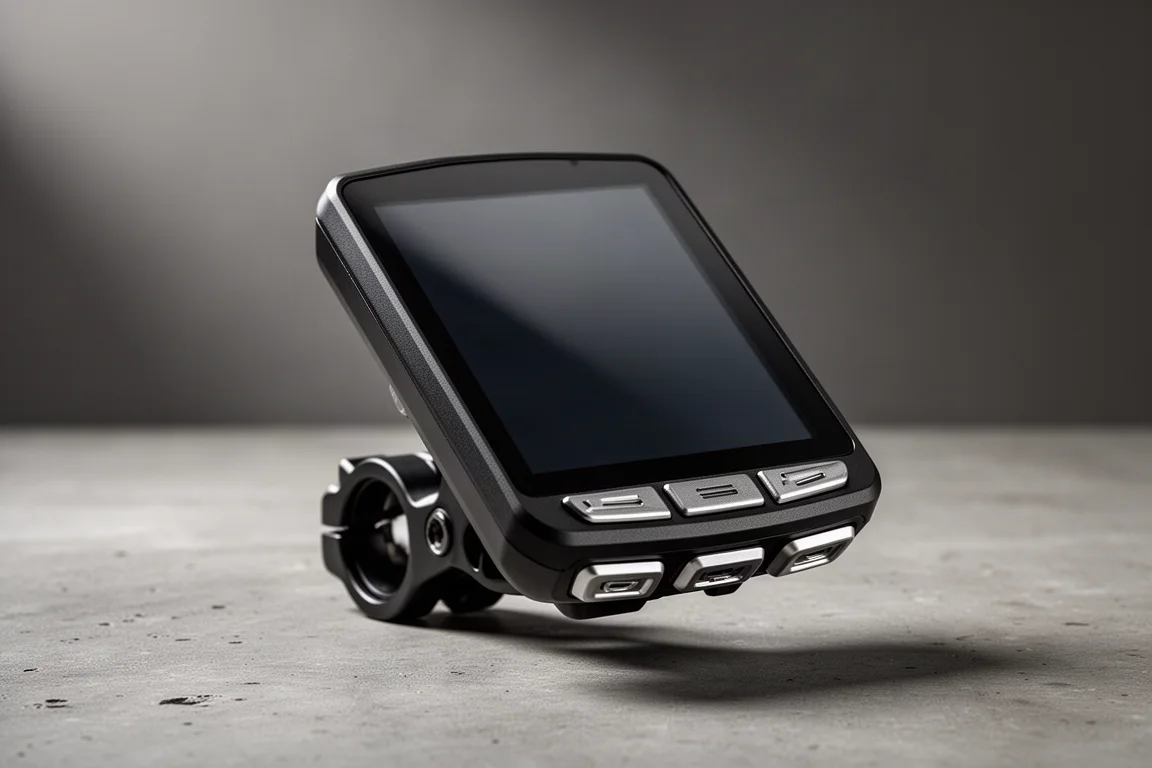
Map clarity is a genuine differentiator. The ELEMNT ACE draws plain white lines for all but the largest main roads, with the width of each line suggesting its relative size, and the extra screen width leaves more surrounding context visible. Road lines on the Edge 1050 appear less clear, and road names can sit awkwardly beside them, making the map feel more crowded. Routing is easy on both, with the ability to navigate home or to a location directly from the device, and neither nags for long when you cut a corner off a planned route. The Wahoo did once direct a road ride down a footpath, though it quickly recalculated to a more suitable route. Garmin’s purple breadcrumb line is a clear way to follow a route, and Wahoo’s chevron design is easy to read.

On screen quality, the matte surface of the ELEMNT ACE practically eliminates reflections, which makes a real difference under dappled tree cover or when the sun catches the display. Garmin’s screen is far more reflective and can be distracting in the same conditions. The Edge 1050 uses a transmissive LCD that produces more vivid colours and contrast, while the Wahoo’s transflective display reflects sunlight back onto the inner layer, reducing reliance on the backlight and helping battery life. The Edge 1050 has a slightly higher resolution, although it is not really noticeable on the bike.
Size is the trade-off. The ELEMNT ACE is a large unit, bigger than the already chunky Edge 1050 and almost 50 g heavier, a consequence of its bigger battery, wider screen and wind sensor. GPS signal quality is solid on both, with no drift issues.
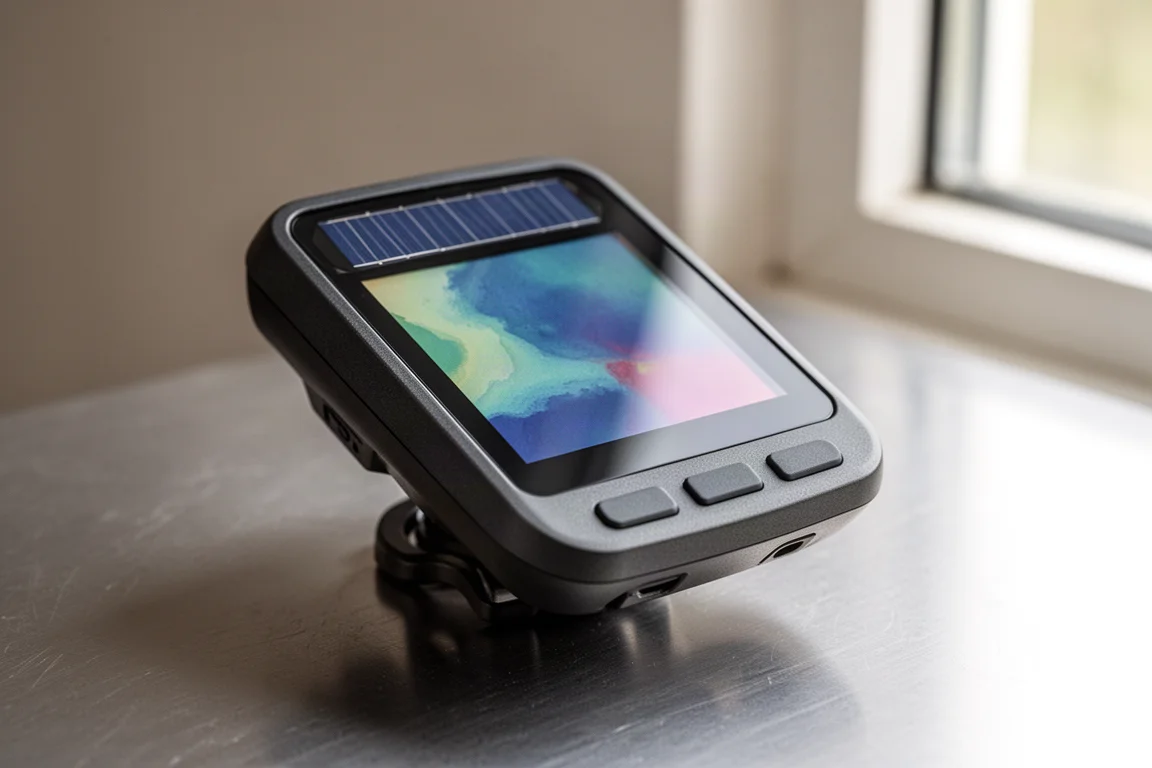
Garmin Edge 840 Solar: The Sensible Garmin Alternative
If the flagship price is hard to justify, the Edge 840 Solar is the pragmatic Garmin option. It costs much less and is just as good at showing the essential recording data most riders actually look at. It also keeps physical page toggle buttons, which some riders prefer over the Edge 1050’s fixed button layout. For anyone already invested in Garmin’s ecosystem, this is the model that makes the most financial sense.
Wahoo ELEMNT ROAM V2: The Value Pick
The ELEMNT ROAM V2 plays the same role in Wahoo’s range. It is smaller, older and considerably cheaper than the ELEMNT ACE, and it still covers the essential recording data just as well. Riders who like Wahoo’s app-based setup and button layout can save a significant amount without losing the core experience.
What you give up is the newest technology: no wind sensor, no large matte display, and none of the extra screen width. If those features are not on your wish list, the saving is easy to justify.
Ecosystem and Setup: Which Brand Suits You?
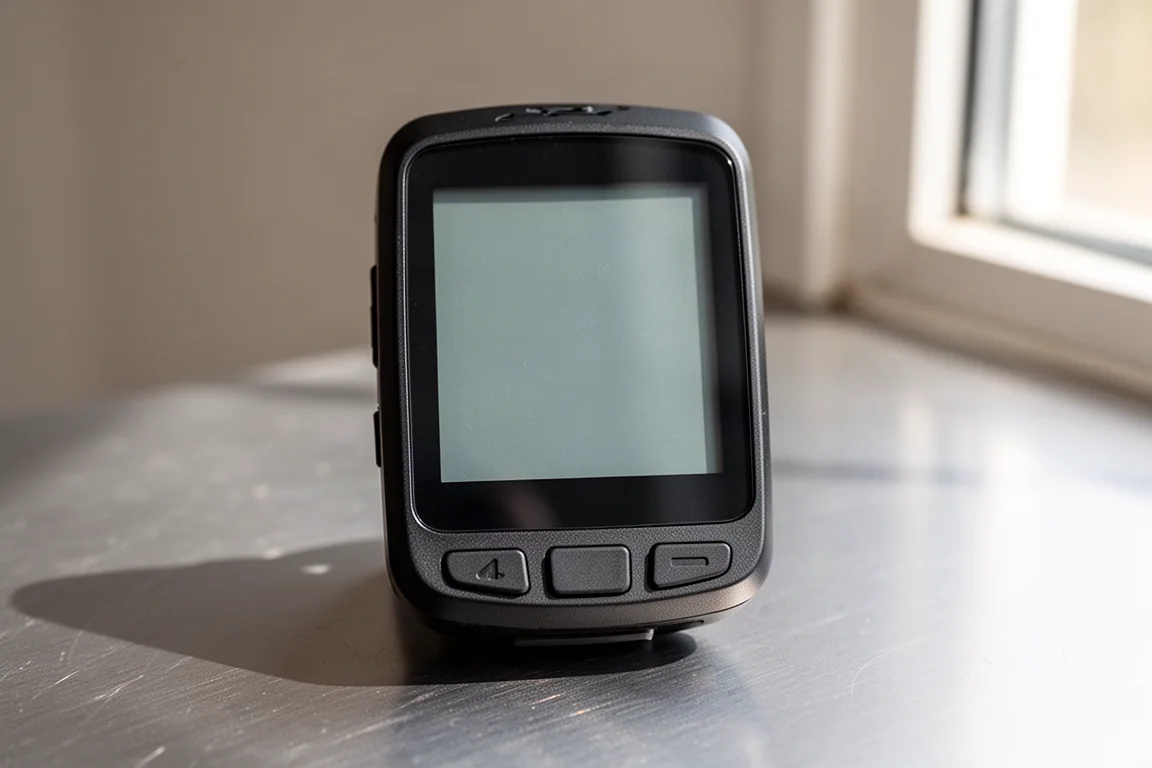
Getting started is straightforward on either platform. Pair your phone over Bluetooth, download the relevant companion app and follow the prompts to set up a new account or sync data from an existing one. Linking accounts to third-party training platforms is easy on both, and once everything is configured you should not have to repeat the process. Garmin’s setup in particular is a big improvement on older devices in its range.
The bigger consideration is the ecosystem you already own. If you have several products from one brand, keeping everything within that brand is easier and often cheaper, and that alone can be enough to settle a close decision.
Which Bike Computer Should You Buy?
Between the two flagships, the Wahoo ELEMNT ACE takes the edge. The wind sensor is the most innovative feature on either unit, it does not depend on other riders owning the same hardware, and the device is a little cheaper than the Edge 1050. Its battery life is also easier to live with, since it does not require switching features off to last a long ride.
For many riders, though, the cheaper options remain the smarter purchase. The Garmin Edge 840 Solar and the Wahoo ELEMNT ROAM V2 cost far less and are just as good at displaying the essential recording data. The Edge 1050 still makes sense if you are already committed to Garmin’s ecosystem and want the hazard and group ride features, as long as enough of your riding group uses compatible devices.
Conclusion
The Wahoo ELEMNT ACE is the more interesting flagship right now, thanks to a wind sensor that no other computer brand offers and a battery that holds up with every feature switched on. The Garmin Edge 1050 counters with a faster interface, a more vivid screen and features that shine inside Garmin’s ecosystem. If budget matters more than novelty, the Edge 840 Solar and the ELEMNT ROAM V2 deliver the essentials for much less.
Further reading
Related Reviews
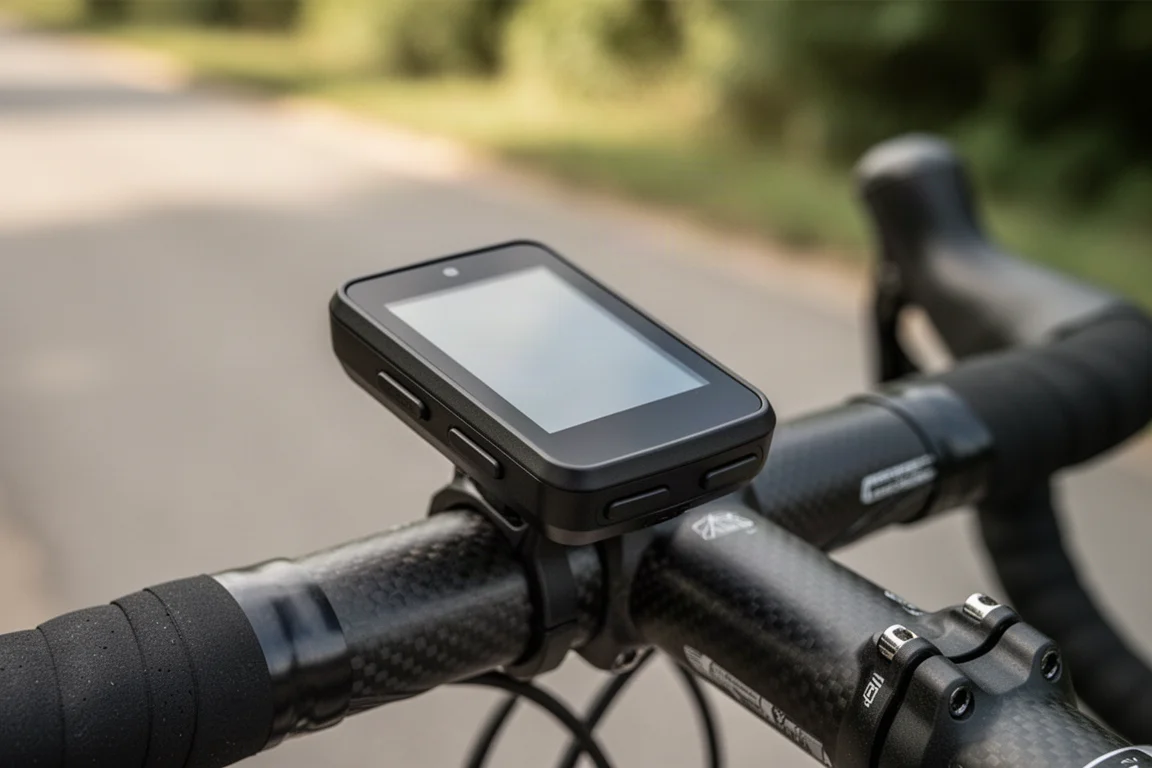
Bike Computers
Bryton Rider 650 Review: High-Performance GPS Without the Premium Price
A full-featured touchscreen GPS bike computer at a fraction of the cost of its premium rivals, with a few quirks worth knowing before you buy.
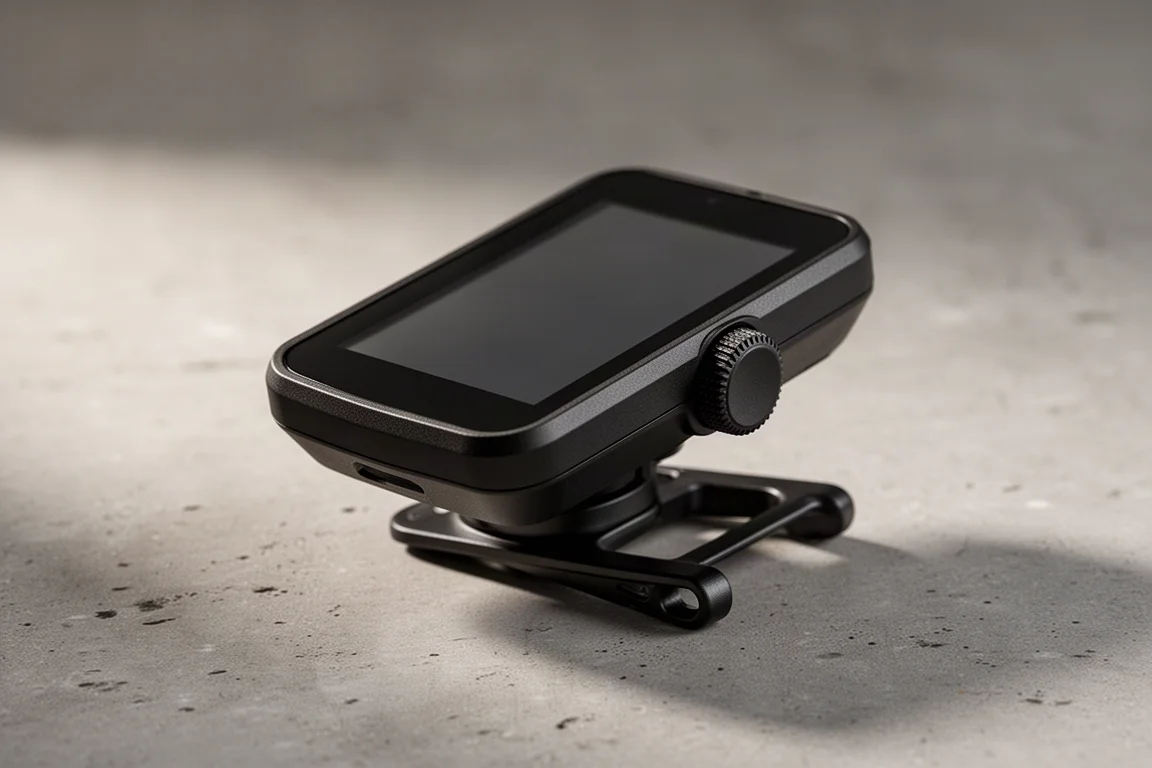
Bike Computers
Coros Dura Review: A 120-Hour Battery Claim and a Serious Value Pitch
The Coros Dura pairs a claimed 120-hour runtime with a $250 price. Here is what stands out, what to weigh, and who it suits.
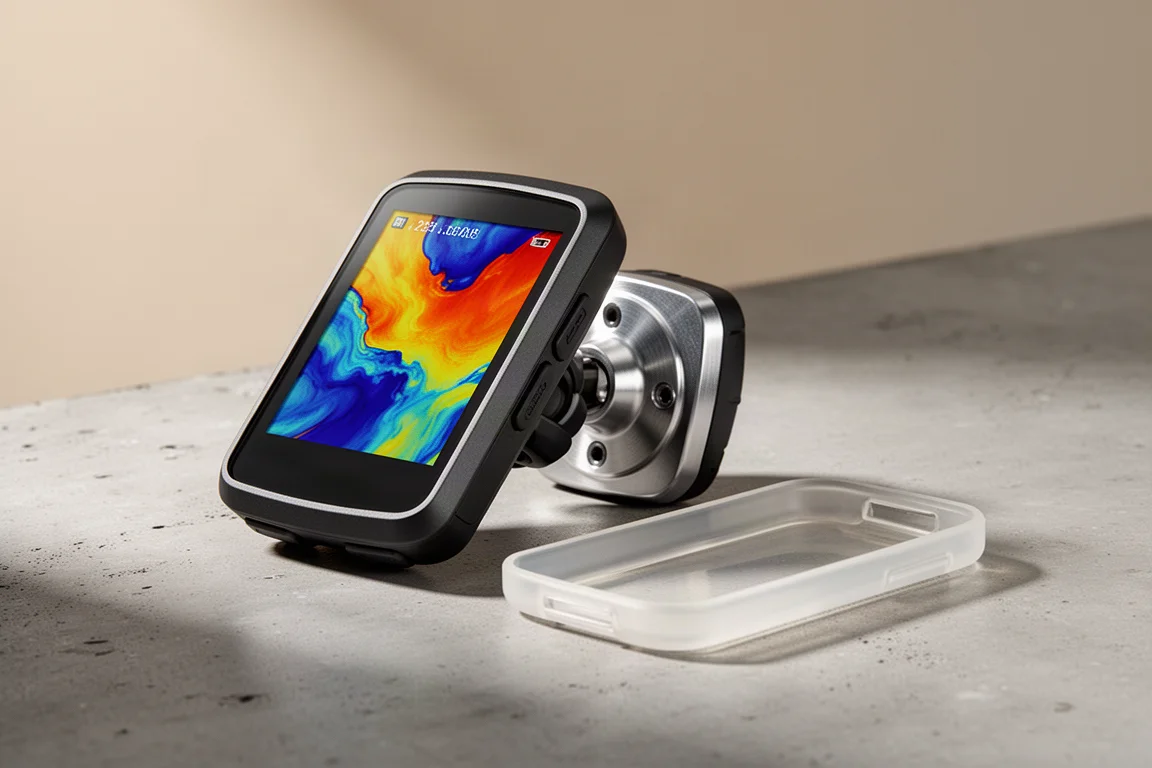
Bike Computers
Garmin Edge 1040 Solar Review: Solar Charging Arrives on the Flagship Bike Computer
The Garmin Edge 1040 Solar brings built-in solar harvesting, up to 100 hours of runtime, more storage, and deeper training insights to Garmin's flagship bike computer.