Cycling Computers
Best Cycling Computers: A Practical Guide to Every Major Option
A plain-spoken look at the leading cycling computers, from Garmin's flagship to budget-friendly challengers, and which ones are actually worth buying.
Introduction
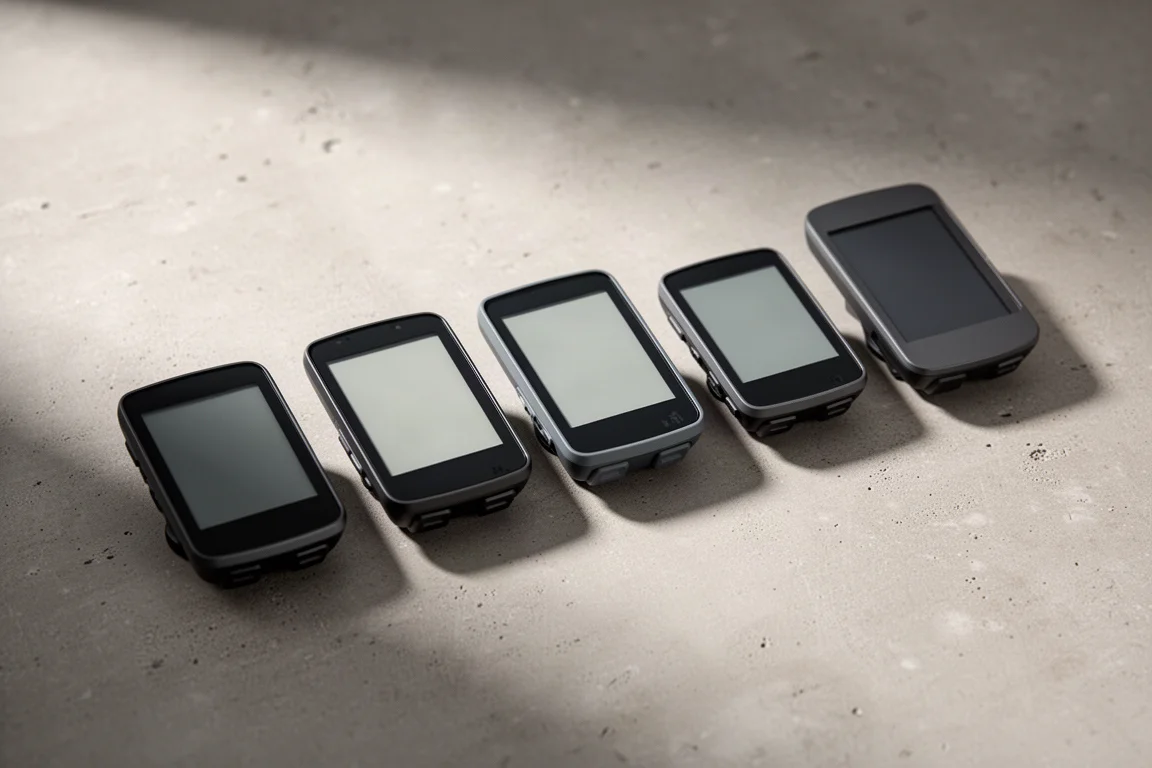
Choosing a cycling computer has never been harder, and not because the options are bad. Garmin, Wahoo, Hammerhead and COROS all make head units that will record your ride, show your power and guide you along a route. The differences that actually matter come down to screen size, how you interact with the device, battery life, and how well the software ecosystem around it works in daily use.
Prices spread widely too. Garmin’s flagship sits at the very top of the market, but several mid-range units deliver most of what most riders genuinely use. There are also discontinued models still worth hunting down, and a couple of newer releases with unfinished edges that are worth understanding before you spend.
This guide walks through each of the main options, what it does well, where it falls short, and who it suits. There are no scores here, just the practical trade-offs worth weighing before you buy.
What Matters Most in a Cycling Computer
Screen size and legibility come first, because everything else is harder to use on a display that is too small or too dim. A larger screen makes multi-field data pages and mapping easier to read at a glance, but it also means a bigger, heavier unit on your bars.
Then there is the question of touch versus buttons. Touchscreens are faster for scrolling maps, changing pages and entering settings, and modern interfaces are designed around them. Physical buttons work in gloves and in the rain, but an interface built for touch can feel clunky when it is driven by buttons alone.
Battery life deserves close attention, especially if you run dual-band GPS and multiple sensors. Claimed runtimes vary enormously between models, and solar variants only deliver meaningful gains in places with reliable, strong sunshine. In mixed or cloudy conditions, the extra cost rarely pays off.
Finally, think about compatibility and maturity. Check support for your drivetrain and sensors before buying, particularly if you run Shimano Di2. Be cautious about features that depend on other riders adopting the same hardware, and about features that have been announced but not yet delivered. Both appear in this category.
Garmin Edge 1050: Top of the Range, Top of the Price
The Edge 1050 is Garmin’s most expensive cycling computer to date at $700. It adds a group ride function designed to keep track of riding partners so nobody gets dropped and lost, plus a road hazard function that lets riders flag potholes and other dangers for other users of the same hardware.
Both ideas are sound, and both depend on a critical mass of other riders using the same devices. Until that happens, the features do less than they promise, which makes the premium harder to justify.
If a large screen and the newest software are what you are after, the Edge 1050 delivers exactly that. If not, the Edge 1040 covers most of the same ground for less money.
Garmin Edge 1040: Big Screen and Long Battery Life
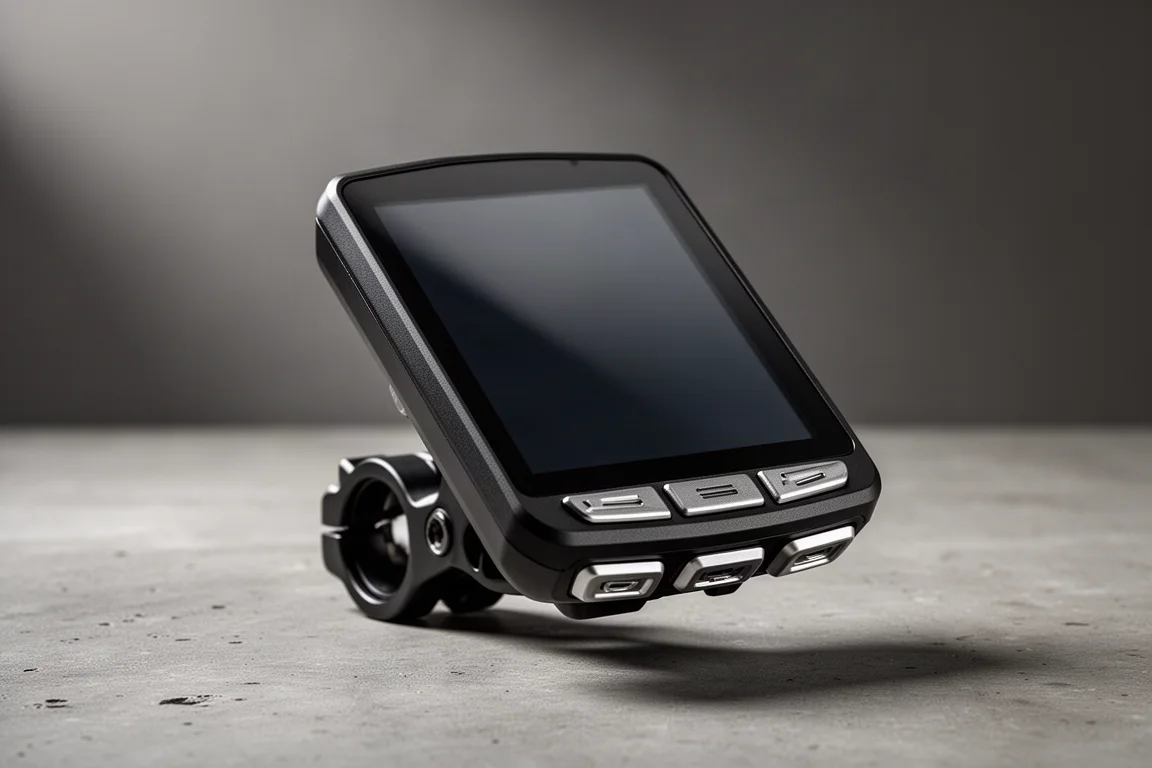
The Edge 1040 shares most of its features with the 1050 and costs roughly £130 less. It keeps the large display that makes mapping and multi-field data pages easy to read at a glance, and it is the obvious choice for riders who want a big device with a big screen.
Battery life is the standout. Garmin claims 35 hours in demanding use, which means dual-band GPS plus a few connected sensors running at the same time. For riders who are not racing professionally, that translates into roughly two weeks of normal riding between charges.
The solar version is only worth the extra if you ride somewhere with reliable, strong sunshine. In mixed or cloudy conditions the benefit is limited, and the standard model is the better buy.
Garmin Edge 840: Smaller Form, Same Capability
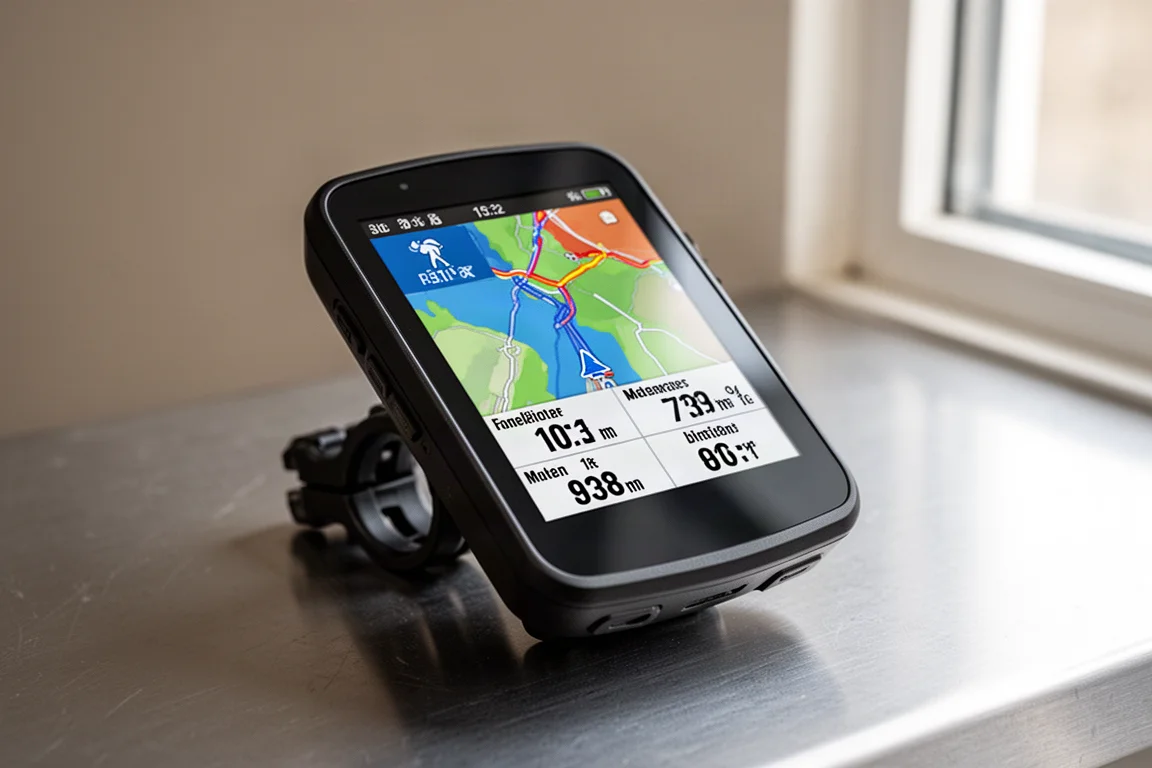
The Edge 840 takes the feature set of the 1040 and shrinks the body. For road riding, the smaller unit sits more neatly on the bars, and the screen is still large enough to show a full data page alongside a clear map.
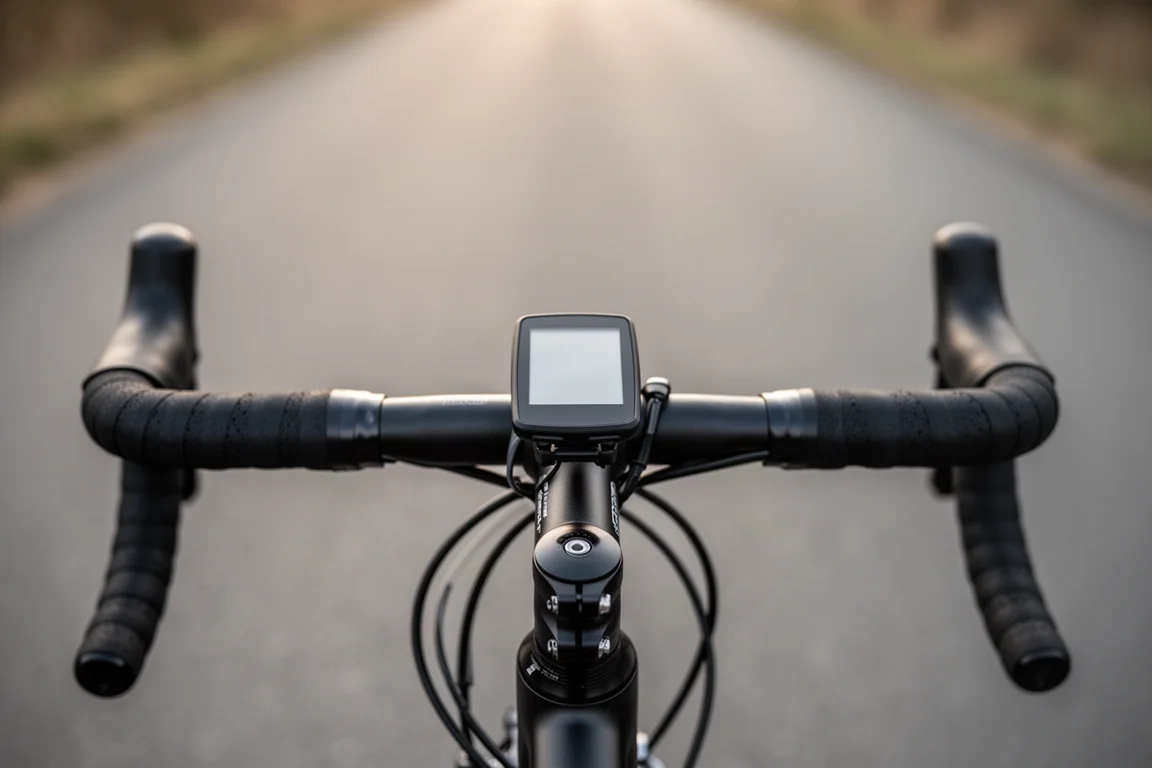
The interface is quick to respond and moving between pages is straightforward. Small touches help too, such as music controls for riders who prefer to leave the computer on for the whole ride. The interface was designed around touch input, which is exactly what this unit provides.
As with the 1040, the solar version adds limited value unless you ride in consistent strong sun. If your riding is mostly on tarmac and you want Garmin’s full feature set in a tidier package, this is the one to look at.
Garmin Edge 540: Button Control, Lower Price
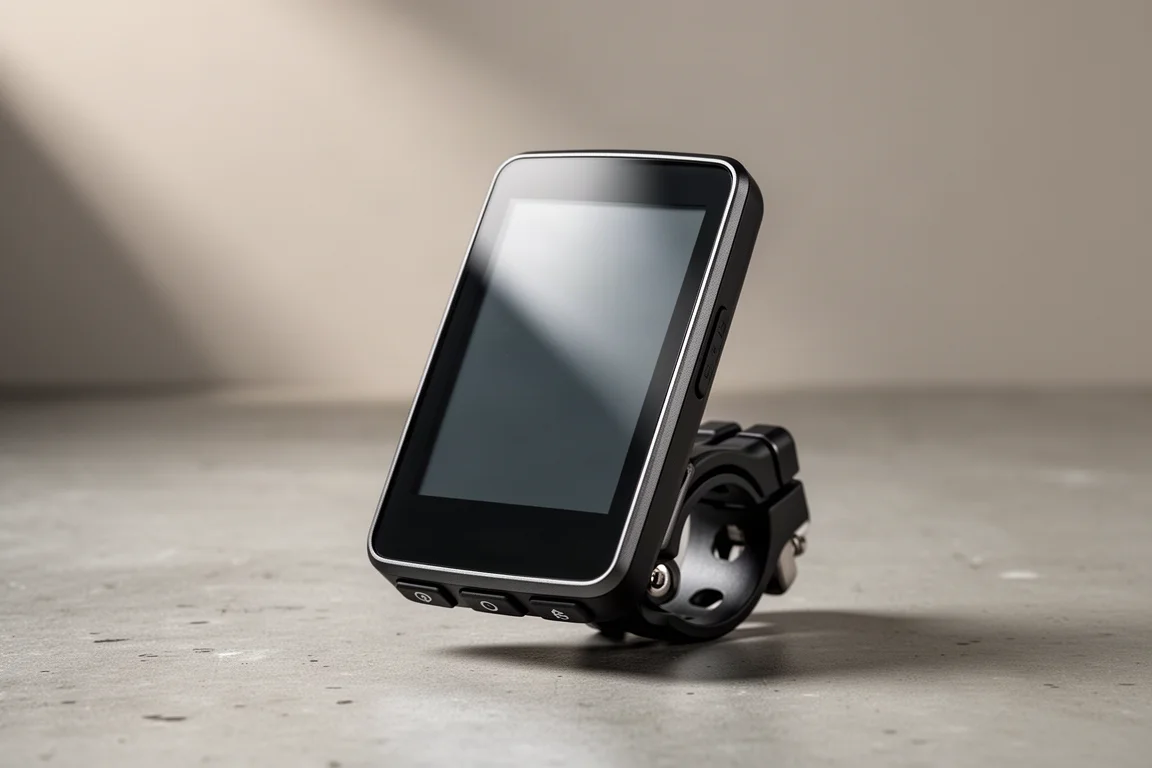
The Edge 540 is closely related to the 840 internally, with a couple of specification downgrades. The key difference is the absence of a touchscreen, which some riders actively prefer when wearing gloves or riding in wet weather.
The trade-off is that the interface was built around touch, so navigating menus and pages with buttons alone can feel clunky and less intuitive than it should. At around £350 it is meaningfully cheaper than the touchscreen models above, and that price gap is the main reason to consider it.
Garmin Edge 830: The Value Pick
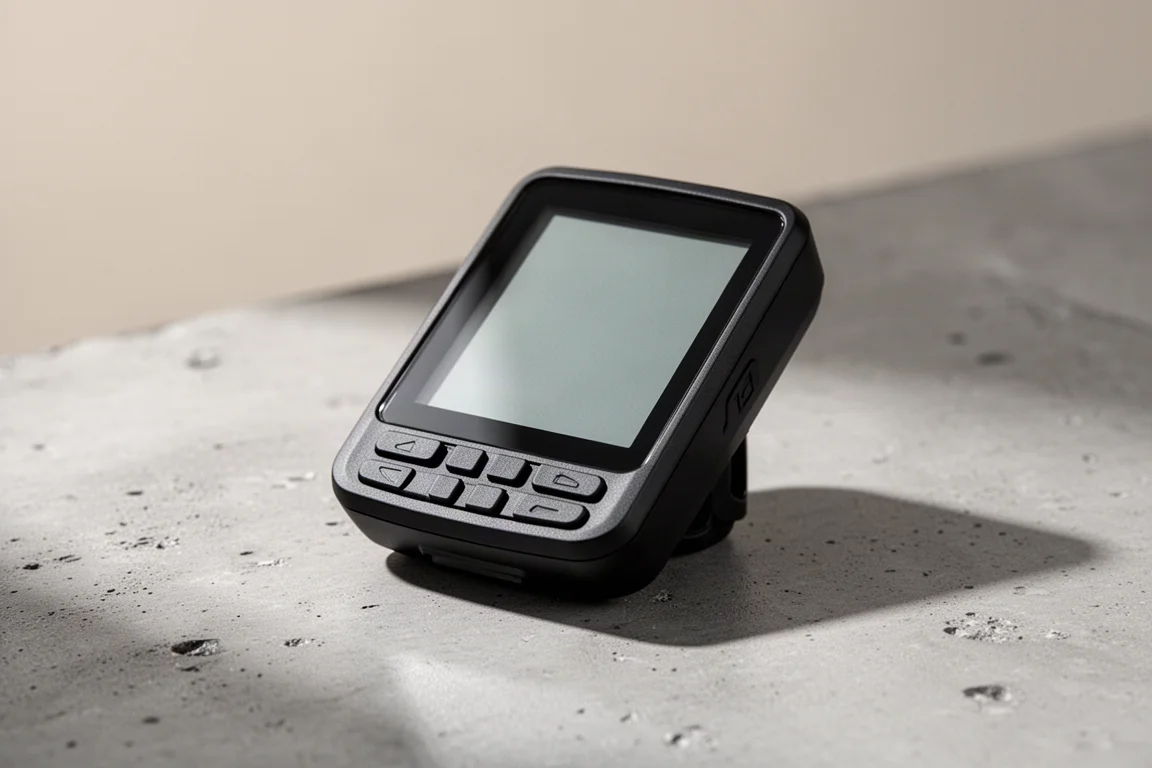
The Edge 830 remains the best value option in this group. It offers a great screen, good mapping, solid battery life and a form factor that suits road bikes well.
The catch is availability. The model has moved onto Garmin’s discontinued list, so finding one for sale is getting harder, and stock will only shrink from here.
It is not flawless, and like most cycling electronics it has its quirks, but nothing about those quirks undermines the balance of price and capability. If you can find one at a sensible price, it is the easiest recommendation in this guide.
Garmin Edge Explore 2: Simple Setup, Clear Mapping
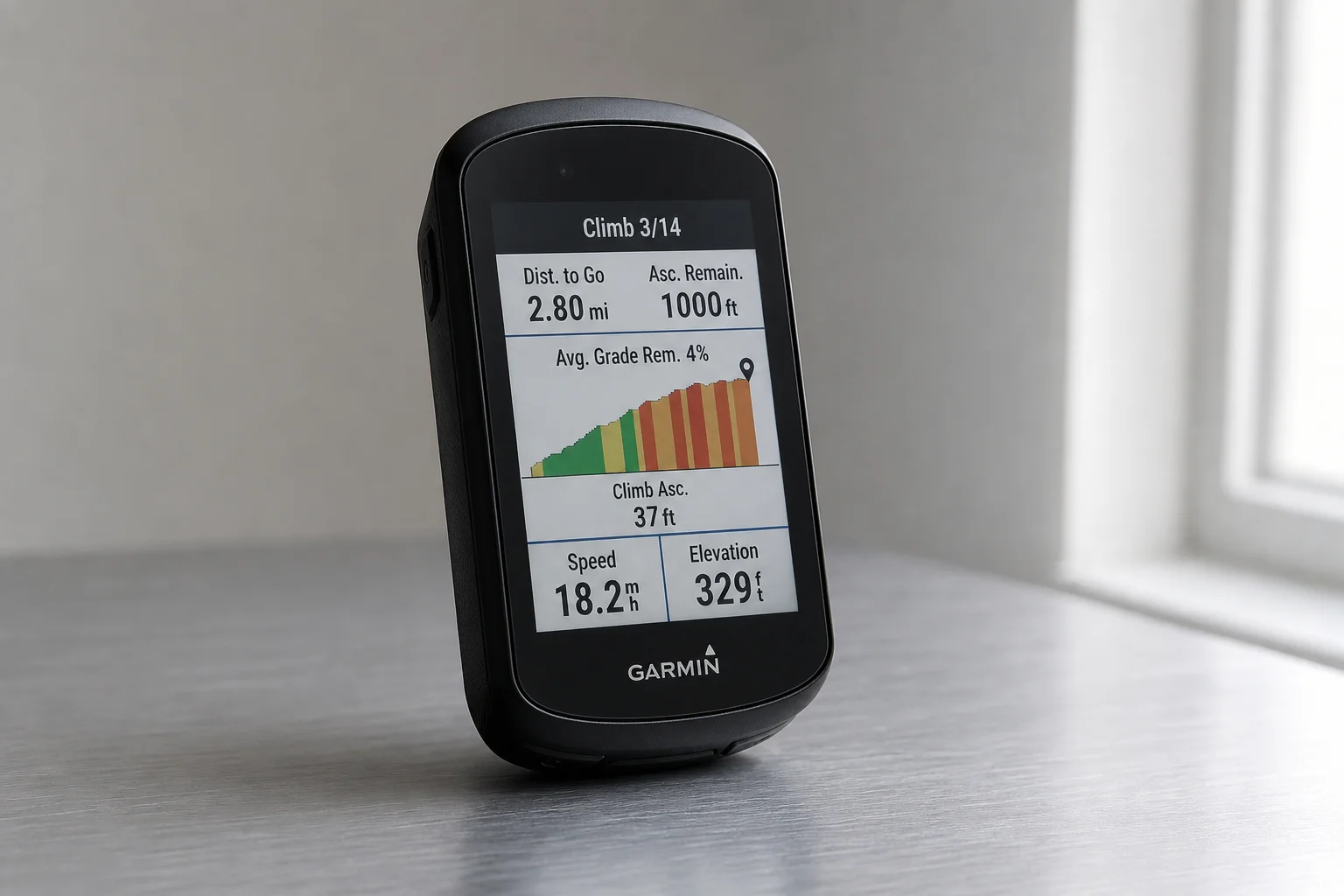
The Edge Explore 2 carries a compelling feature set for most riders. Setup and everyday use are genuinely easy, helped by Garmin’s improved interface, a clear and detailed screen, and rerouting that behaves dependably when you leave the planned route.
There are two compromises worth knowing about. The standard version does not have the power pins in its quarter-turn mount, so it cannot be upgraded to use the power pack; getting that option means spending about £90 more. It also lacks connectivity to Shimano Di2 and SRAM AXS drivetrains, which will matter to some riders but is unlikely to be a deal breaker for most.
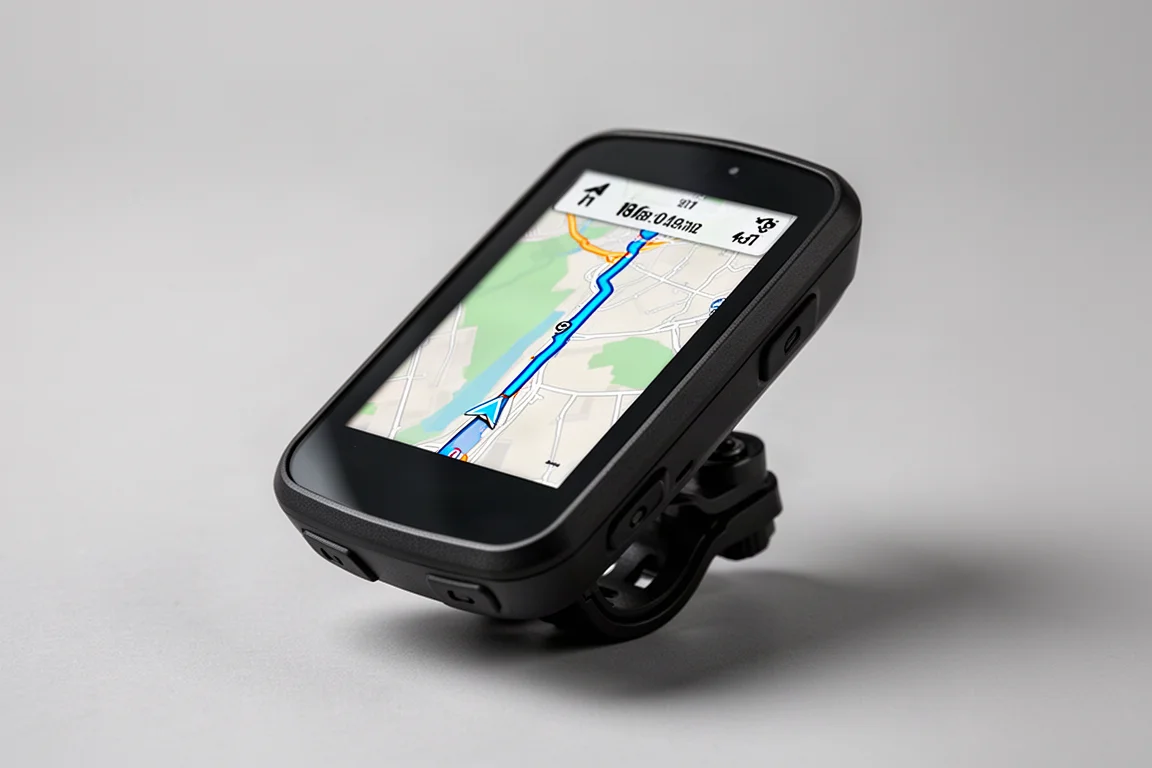
Wahoo ELEMNT ACE: A Big Display With Unfinished Edges
The ELEMNT ACE brings a wind-sensing front end and a large touchscreen. The display is a genuine step up, the interface is pleasant to use, and the companion app remains one of Wahoo’s strongest assets.
The problem is maturity. The unit arrived before it was finished, with several key features still to be launched. The wind sensor is the clearest example: the measurement is not something you can feel in the moment, and the data cannot be analysed in third-party platforms such as Strava, so it stays inside the Wahoo app. Wahoo has said the sensor could eventually support drag calculations and live aero data, but no dates have been set.
There have also been reports of individual units failing to lock onto GPS, showing no distance, dropping connection to paired sensors, and refusing to upload a ride without being plugged into a computer. The body is very large, and mount compatibility remains an ongoing issue. Too much here is still in flux to recommend it with confidence.
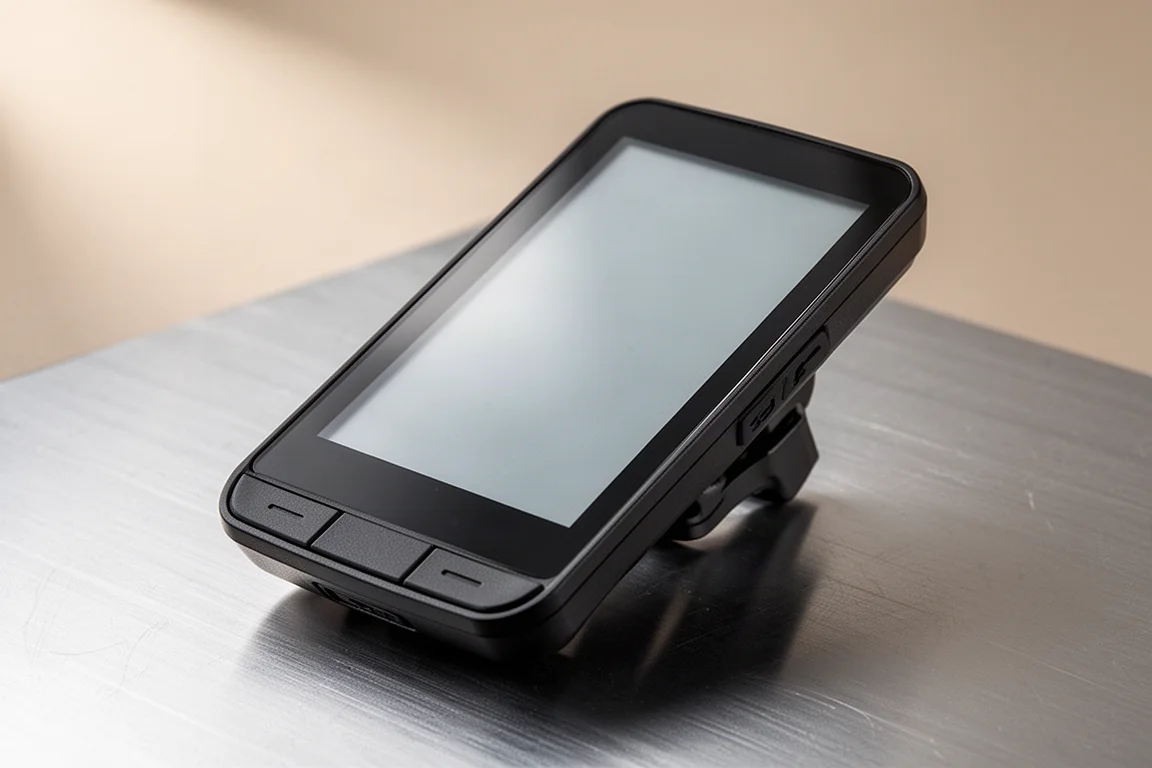
Wahoo ELEMNT ROAM V2: The Comfortable Middle Ground
The ELEMNT ROAM V2 sits between the Garmin Edge 1040 and Edge 840 in size, which makes it a comfortable compromise for riders who want a readable screen without a huge unit on the bars.
Its best trick is Perfect Zoom, controlled by the two side buttons. Press the upper button and the number of data fields drops while the remaining ones grow, down to a single priority metric such as power. The lower button does the reverse.
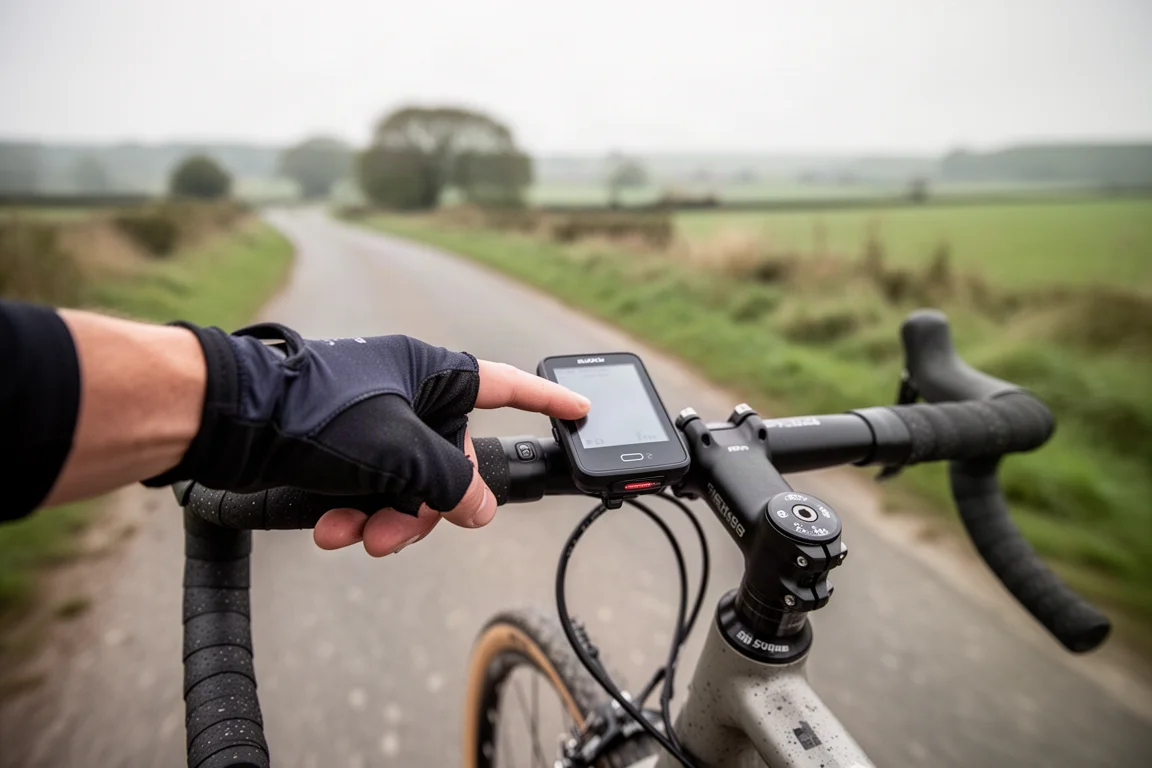
That makes it easy to reshape your display mid-ride without digging into a phone app, and it works better on map pages than Garmin’s equivalent zoom controls. The map itself is clear and following a route is straightforward. The lack of a touchscreen only becomes noticeable when you want to select a point on the map to route to, which is slow with buttons alone.
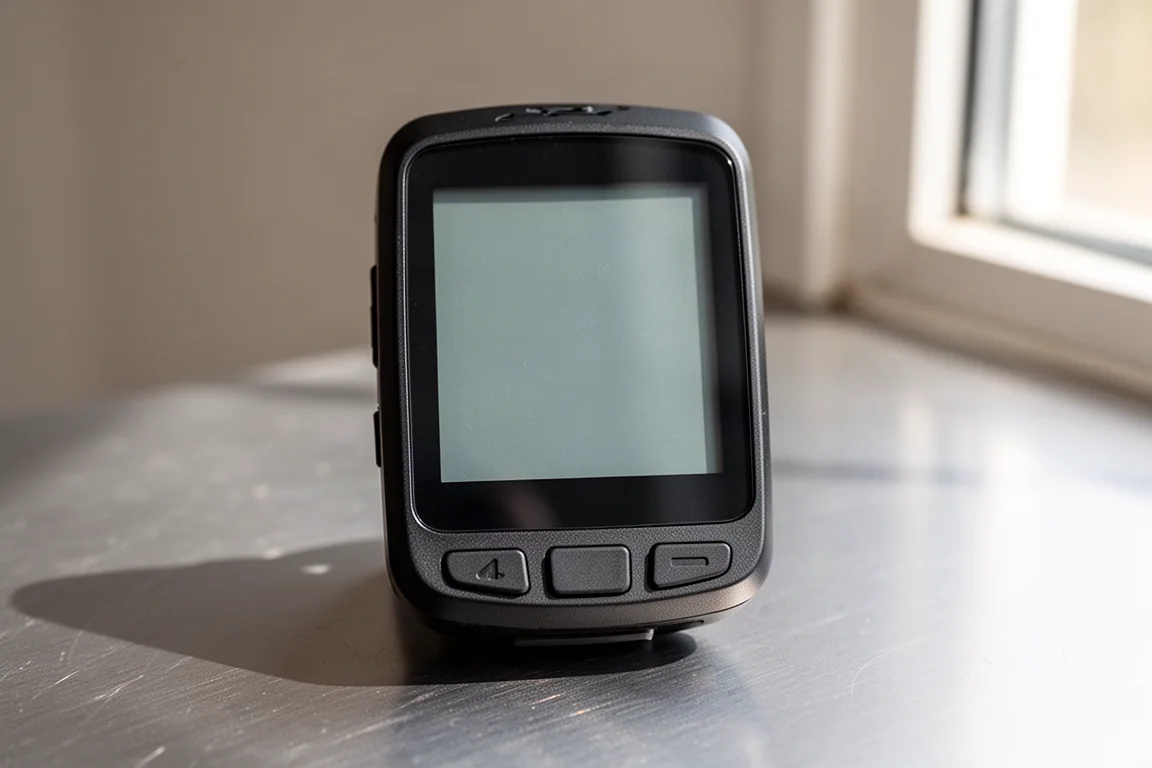
Wahoo ELEMNT BOLT V2: Small, Light, Dependable
The ELEMNT BOLT V2 does what most riders need and nothing they do not. It is small, light, displays your data clearly, and hands that data off for analysis afterwards. Battery life sits at a decent 15 hours, and routes are easy to follow.
It is the kind of computer that disappears on the bike, which is a compliment. A future version with a touchscreen, a properly sized display in the same compact body, and without the convex buttons and front LED indicators would be a very strong proposition. For now, the current model remains an excellent everyday choice.
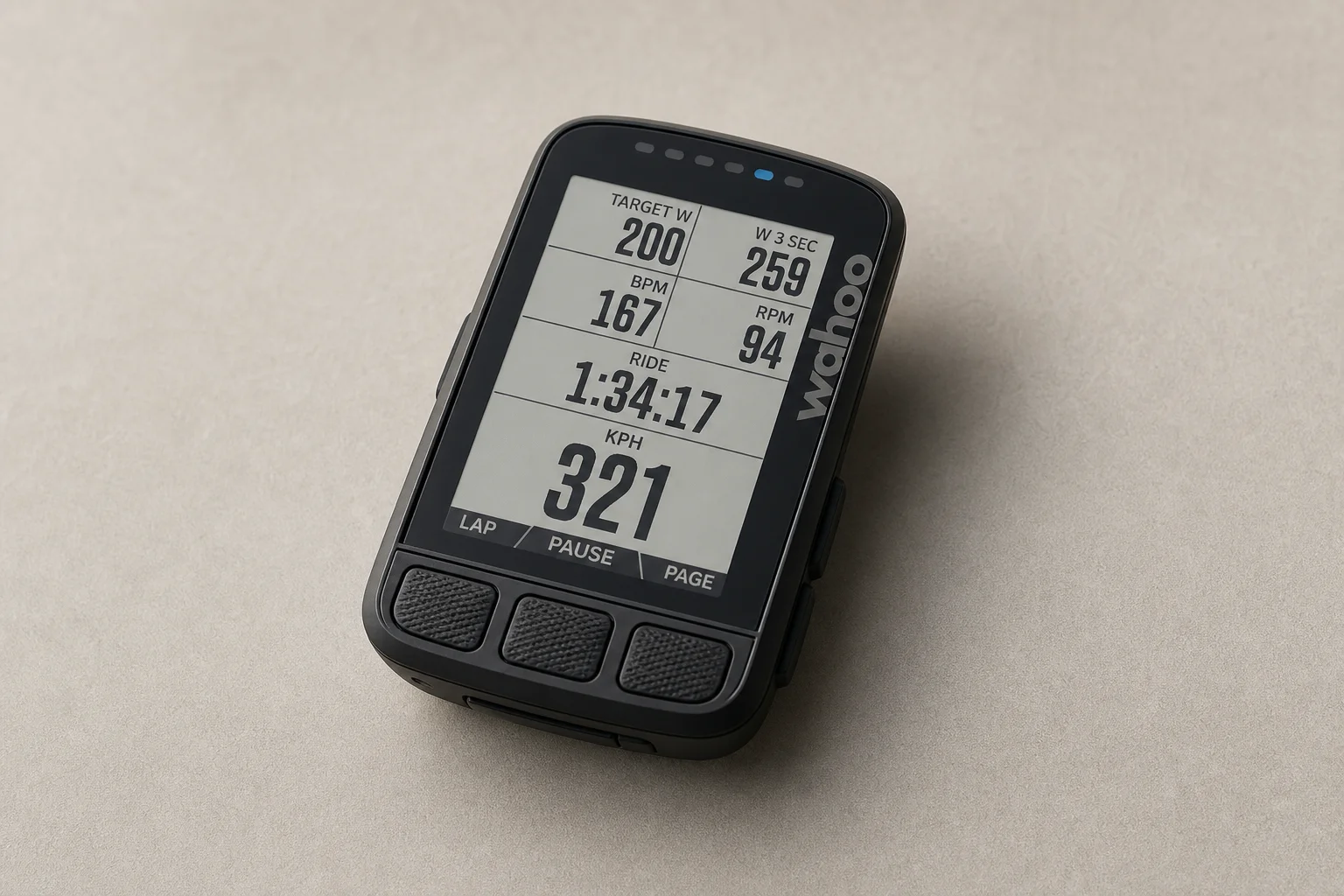
Hammerhead Karoo: For SRAM Riders and Tinkerers
The Karoo is worth a close look if you run a SRAM AXS groupset and are comfortable with a device that changes often. Shimano Di2 support is less well sorted, so Di2 users are better served elsewhere.
Mapping is excellent, and Hammerhead was the first brand to offer a climbing feature that helps you pace your effort uphill. The climb program looks and works well, and plenty of riders will prefer it to Garmin’s version.
The main frustration is boot time. Even with memory doubled to 4 GB and a processor running at nearly twice the previous speed at 2 GHz, the unit is slow to start. Updates arrive roughly every two weeks, which suits riders who enjoy constant refinement but can be tiring for casual users. Unlike some rivals, the Karoo launched fully finished and has only been improved since.
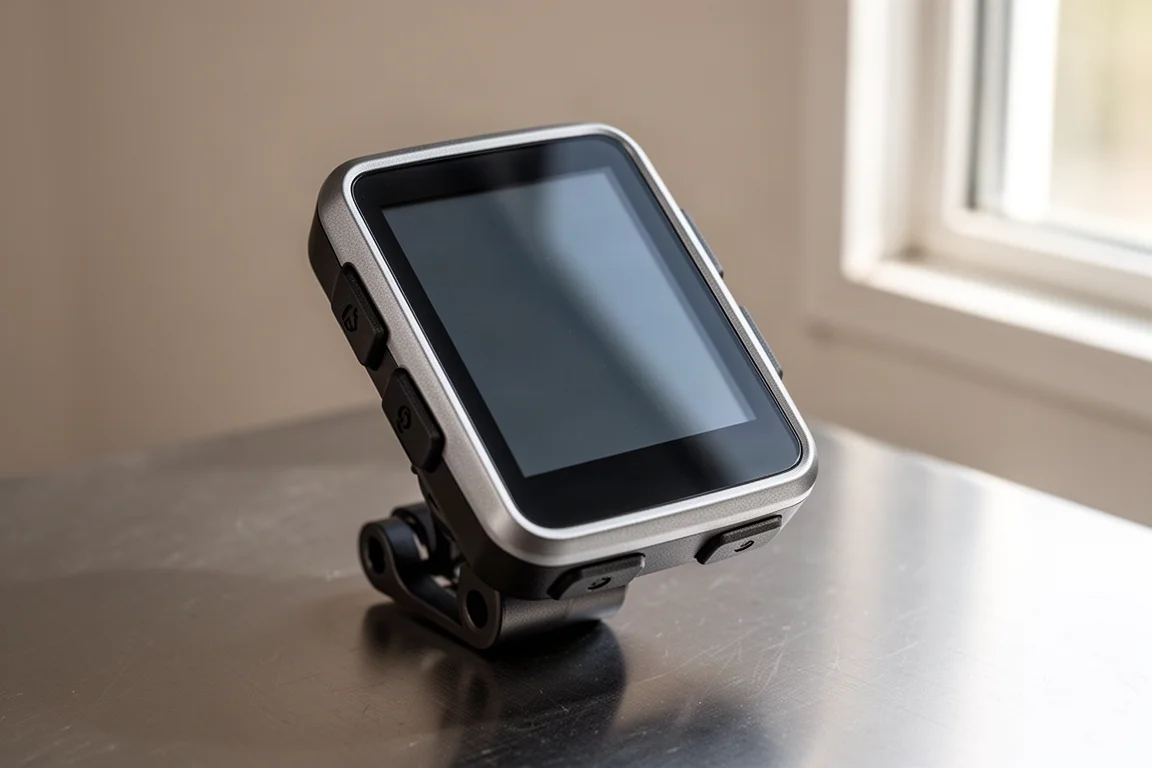
COROS DURA: Big Battery Claims, Real Caveats
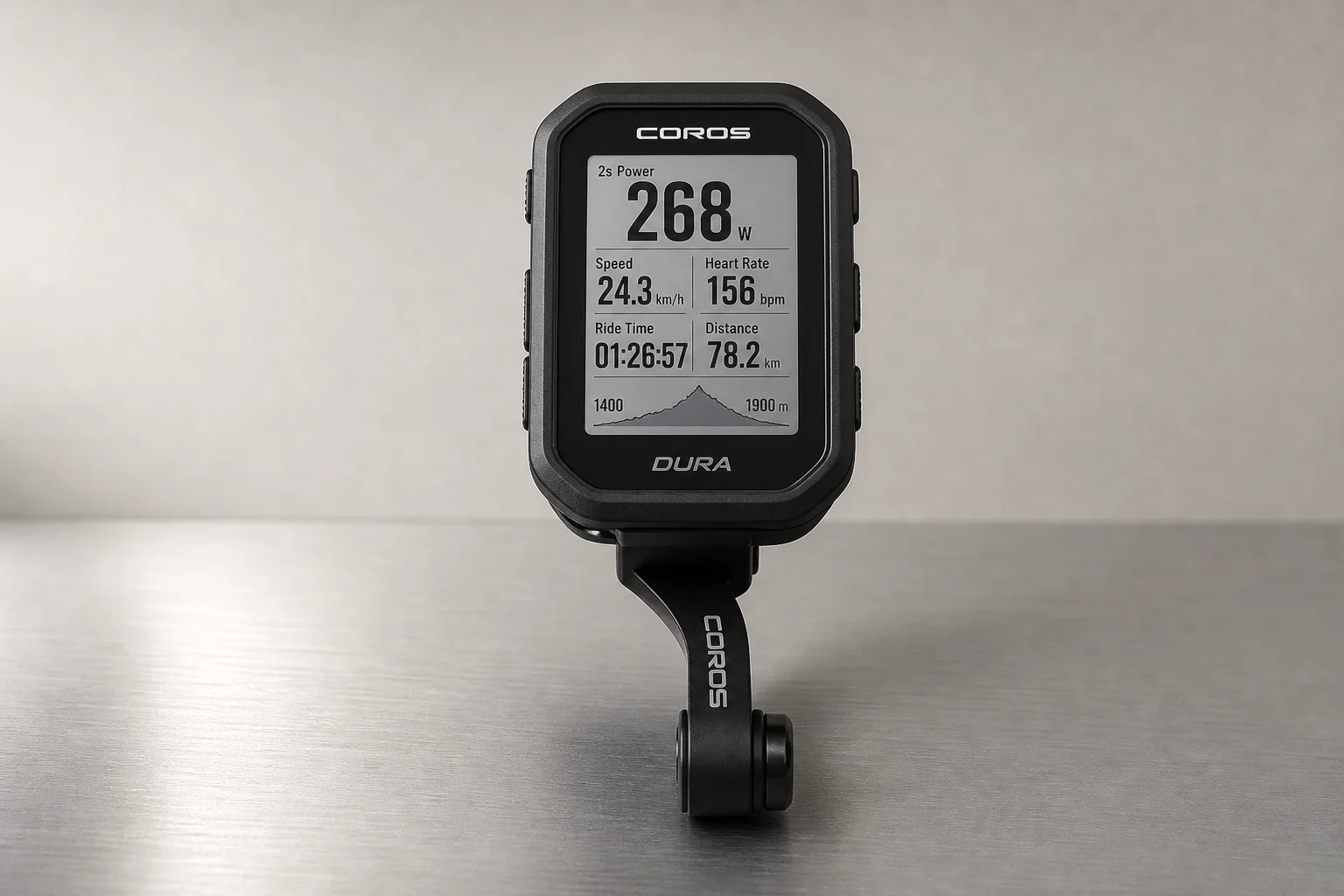
The DURA arrived before it was fully ready, but it has settled into a decent option from a challenger brand. Battery life is the headline: COROS claims 120 hours with single-band GPS, and the large panel on the upper face is a solar cell that the company says adds two hours of runtime for every hour ridden. In anything other than hot summer sun, those numbers are unlikely to be matched in practice.
Early firmware caused real problems. ANT+ devices and power meters could not communicate properly, which left long sections of a ride recorded at a single wattage and made the power data useless. That appears to have been resolved since.
Navigation works well now, but rerouting still requires the COROS app on a phone with a good internet connection. The unit is compact and the lightest in this group at 55 g, and at £170 it is also the most affordable. Data fields can be customised through the app. COROS is a major player in sports wearables and a second generation is likely to be excellent, but this one comes with caveats.
Buying Advice: Matching the Computer to Your Riding
If value is the priority and you can find one, the Edge 830 is the pick. If you want a large screen and long battery life, the Edge 1040 is the sensible flagship. Riders who prefer a smaller body on the bars should look at the Edge 840, while those who want physical buttons can save money with the Edge 540. The Edge Explore 2 suits riders who want easy setup and dependable mapping without flagship features.
On the Wahoo side, the ROAM V2 and BOLT V2 are the models to choose. The ELEMNT ACE needs more time before it earns a recommendation. The Hammerhead Karoo is a strong fit for SRAM AXS users who enjoy frequent updates, and the COROS DURA is worth considering if battery life and price matter more than polish.
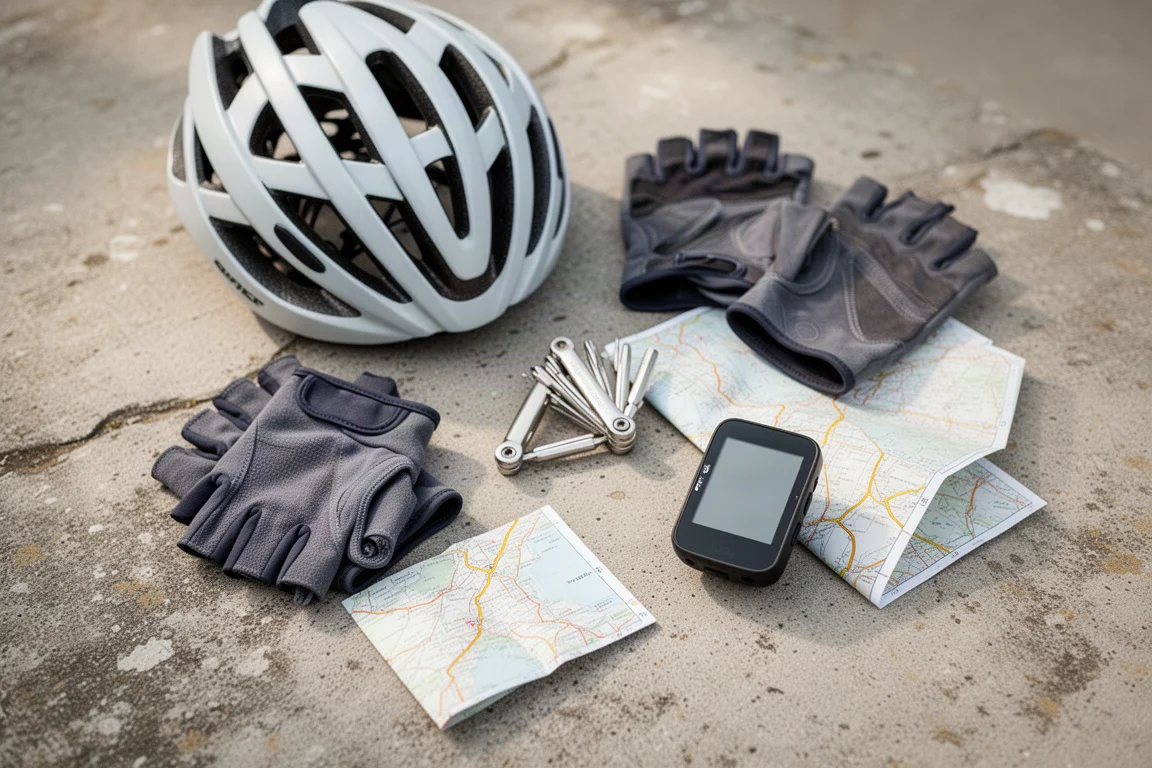
A few general rules help. Skip solar variants unless you ride somewhere with consistent strong sunshine. Be cautious about paying for features that depend on other riders adopting the same hardware, or that are promised but not yet delivered. And check drivetrain and sensor compatibility before you buy, particularly if you run Shimano Di2.
Conclusion
The Edge 830 remains the value benchmark wherever you can still find one, and the Edge 1040 and Edge 840 cover the big-screen and compact ends of the Garmin range well. Wahoo’s ROAM V2 and BOLT V2 continue to be excellent, dependable choices, while the ELEMNT ACE still has too many loose ends. The Hammerhead Karoo rewards SRAM AXS riders who like regular updates, and the COROS DURA is a promising but imperfect battery-first option. Match the device to how you actually ride, and almost any of these will serve you well.
Further reading
Related Reviews
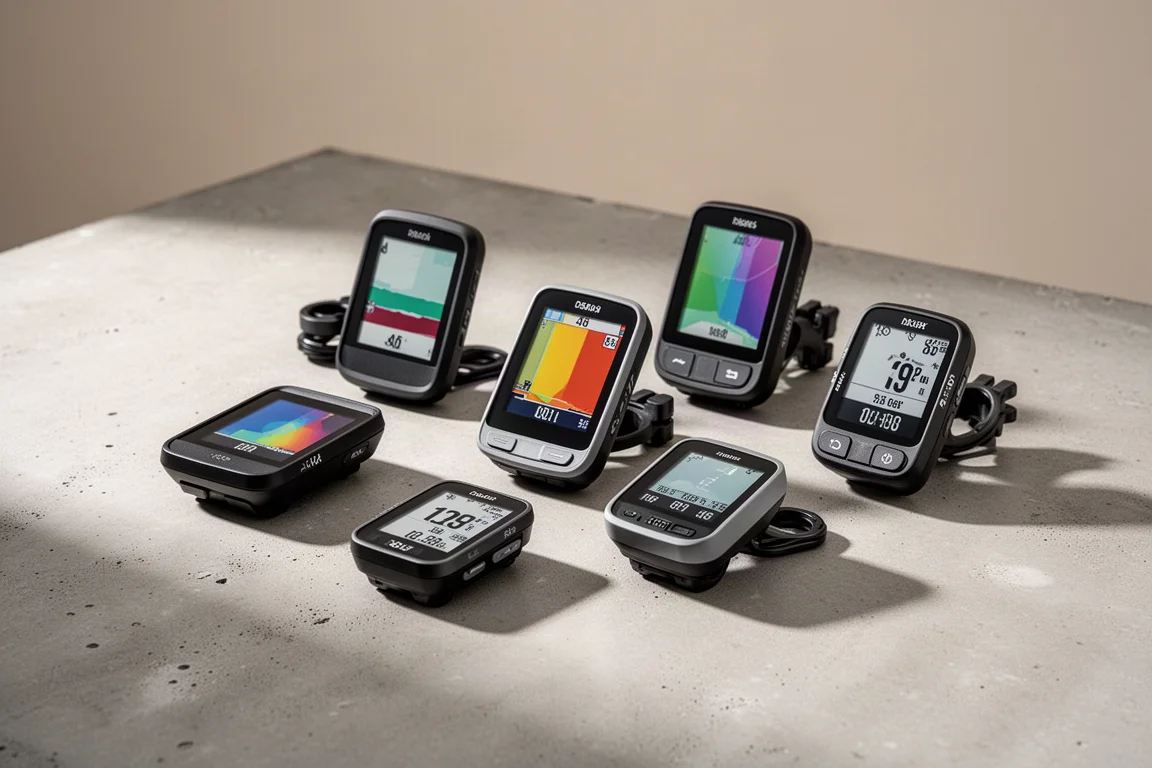
Cycling Computers
Best Cycling Computers: 11 Options Compared
A practical look at 11 cycling computers, from the premium Garmin Edge 1050 to the budget Coros Dura, with strengths, trade-offs, and buying advice.
Cycling Computers
Best Cycling Computers 2026: 10 Head Units Across Every Price Point
A practical guide to ten cycling computers, from a $9.99 wired unit to solar-assisted flagship head units with colour mapping, sensor pairing and long battery life.
Cycling Computers
Best Cycling Computers Under £200: Seven Capable Head Units Compared
Seven cycling computers below £200 compared on navigation, sensor support, battery life and everyday value.