Cycling Radar
Bryton Gardia R300 Review: A Cheaper Cycling Radar That Is Not Quite Ready
The Gardia R300 undercuts the market leader on price, but detection quirks and false alerts give us pause before a full recommendation.
Introduction
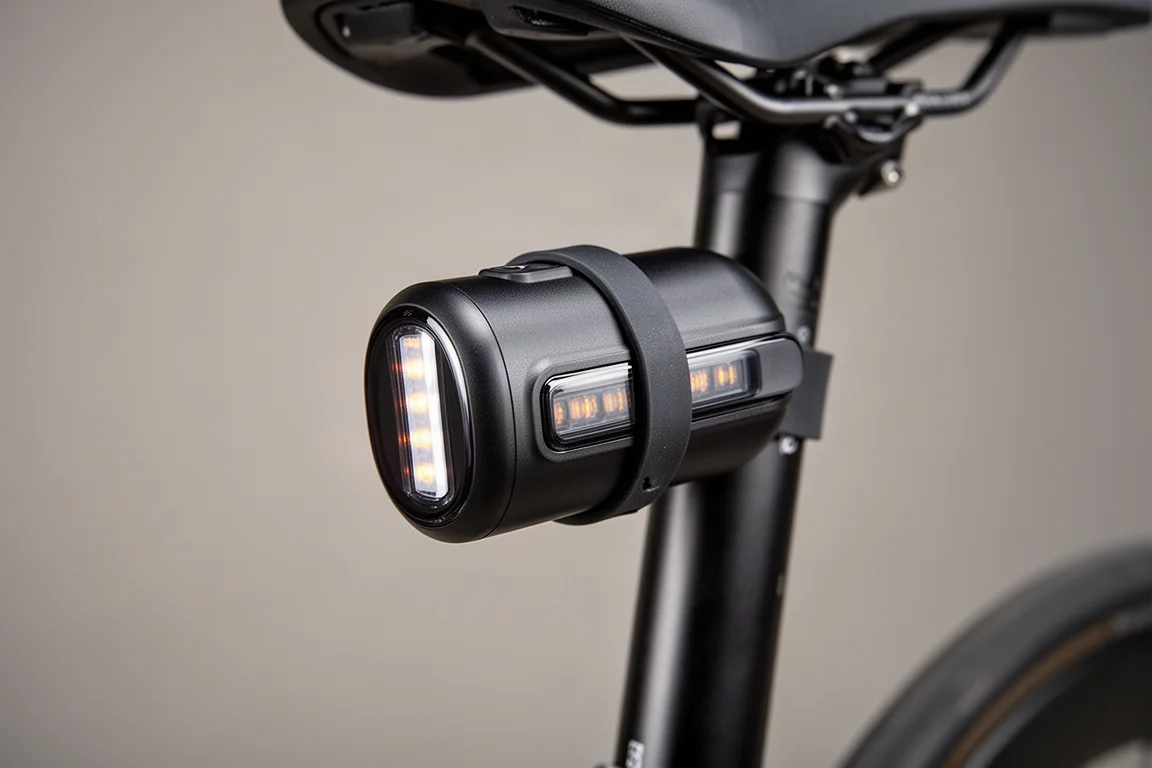
The Bryton Gardia R300 is a cycling radar that Bryton announced at Eurobike in the summer of 2022, with an initial rollout in European and Asian markets in the November to December window. It has only now reached the American market, and that longer time on store shelves elsewhere is worth keeping in mind as we walk through the strengths and the weaknesses we ran into during testing.
The pitch is appealing. Cycling radar is one of the few product categories almost universally loved by riders who use it, and the category leader has been around for close to a decade. A well-executed alternative at a lower price should be an easy win. The R300 is priced at $129, matching other radar and light combos in the space, while Garmin’s Varia RTL515 radar light combo sits at $199, roughly $70 more.
How Cycling Radar Works
For anyone new to the category, the concept is simple. You mount a radar on the back of your bike and it tracks traffic overtaking you. The key word is overtaking: the device watches for vehicles, and even other cyclists, approaching faster than you are moving. Cars travel much faster than bikes, and knowing one is closing in gives you a few extra seconds to move further out of the way or simply stay aware, which matters more than ever as quieter electric cars multiply on the road.
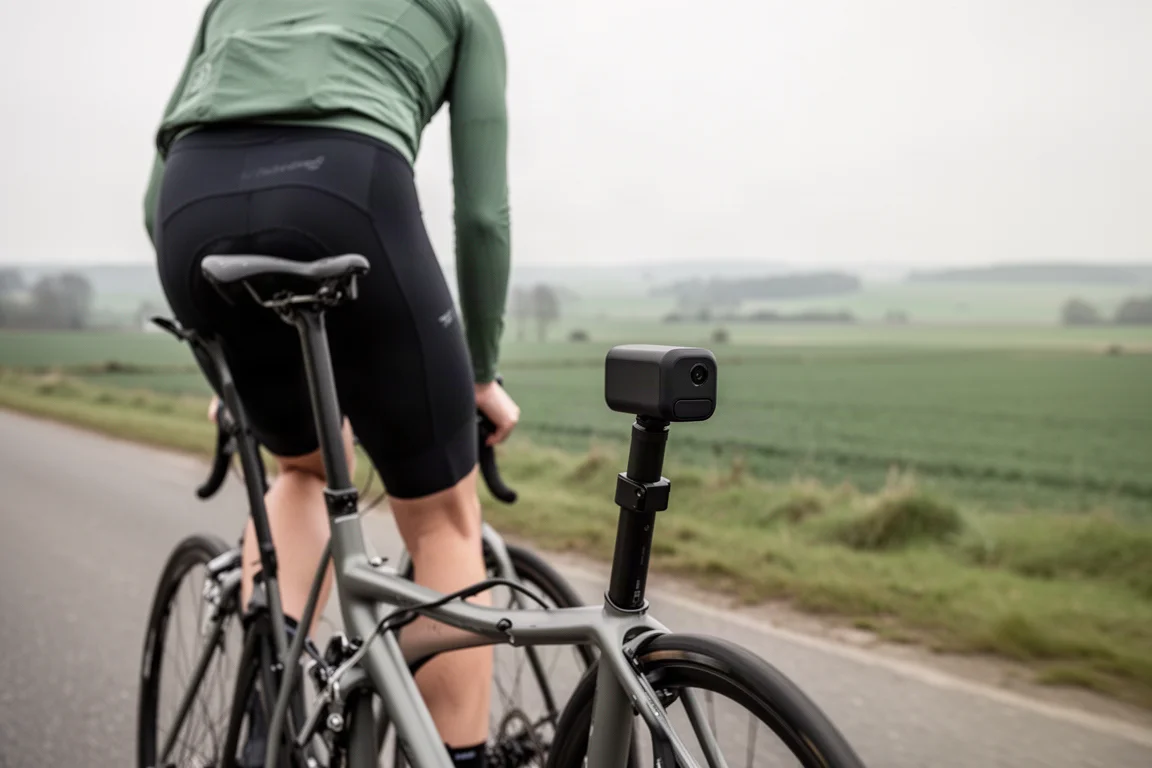
One pleasant surprise is compatibility. All of the major cycling radars follow the ANT+ cycling radar device profile, which means they work with head units from Garmin, Hammerhead, Wahoo, Stages, Sigma and essentially every major brand, along with some Garmin watches. There is no ecosystem lock-in to worry about here.
Hardware and Light Modes
In the box you get a couple of different mounts for different seatpost styles plus an industrial-strength rubber strap for the seatpost itself. We had no issues getting it attached securely. In terms of size and thickness, the R300 is close to a wash against the market leader.
The main hardware difference is charging: the Gardia R300 uses USB-C on the bottom of the unit, while the older Varia RTL515 still relies on micro USB. Garmin’s newer radar camera combo does move to USB-C, but it costs considerably more and adds a camera, so it is not really in the same ballpark.
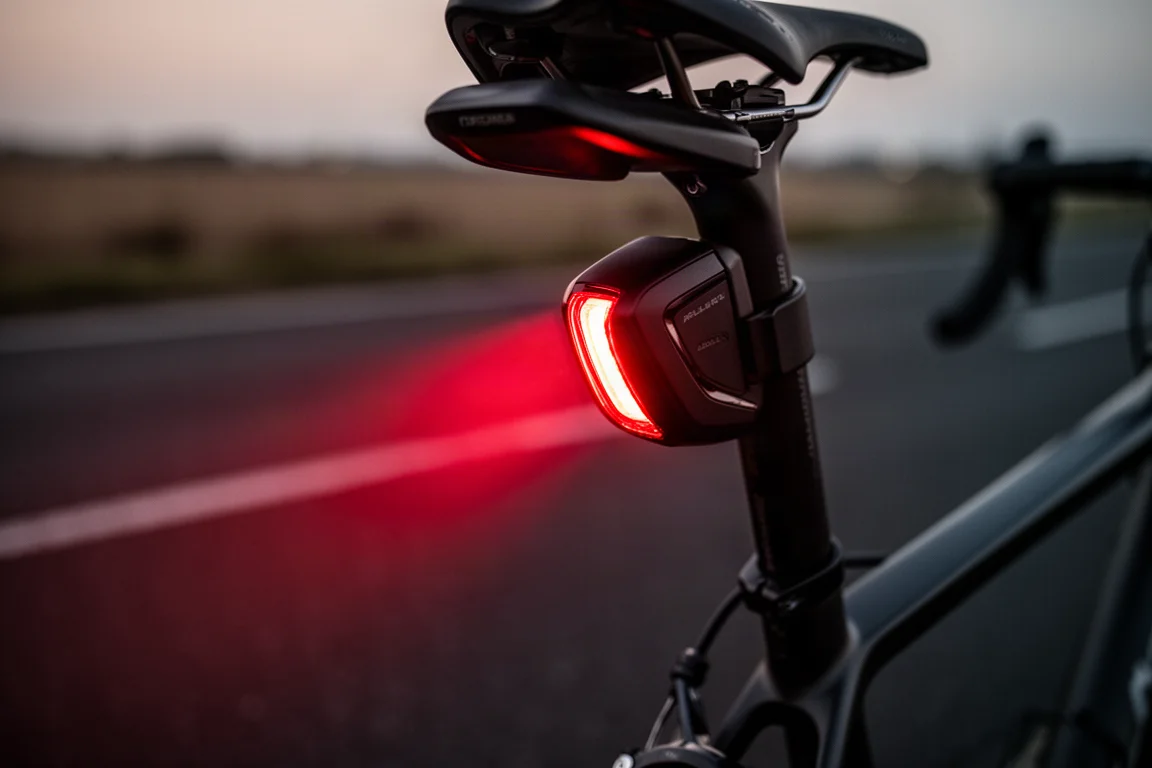
The R300 also supports the ANT+ lighting specification, though support for that profile is not as widespread and is primarily native to Hammerhead and Garmin head units, with Wahoo notably absent. In practice it is not a big deal because the light patterns are controlled directly on the unit itself with a button press. There are several modes to choose from, including high solid, low solid, group ride, night flash, day flash and light off, and each pattern corresponds to a different radar display boundary on your head unit.
Tracking and Detection Performance
For the most part, the R300 behaves like a radar should. In side-by-side testing with a Garmin Varia recording on two separate head units, most detections landed within about a second of each other. When a car was picked up in the distance by both units, it appeared as a yellow indicator showing its position relative to the rider, and it switched to green once the car passed. Around 95 percent of the time, the two units were effectively interchangeable.
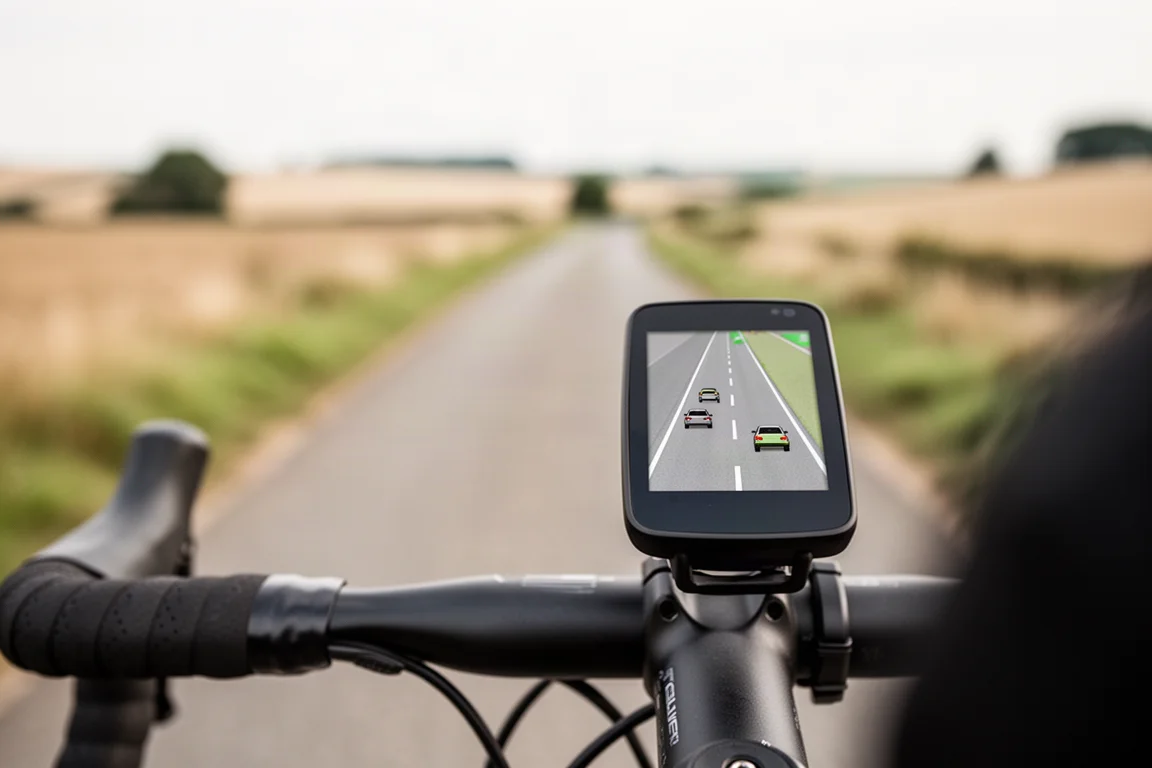
That remaining margin, however, is where the R300 struggles. Vehicles that match the rider’s speed for a moment are genuinely tricky for any radar, since the device has to decide whether the object is still tracking alongside or has dropped off. The Garmin held onto those cars; the Bryton repeatedly lost them, sometimes for the rest of a stretch of road, only re-acquiring when the car finally pulled away to pass. In one multi-car scenario, the Garmin tracked a nearby car plus one far behind it, while the Bryton only registered the near car. Vehicles hidden behind other vehicles are a known difficulty for all radars, but the comparison unit consistently handled them better.
Detection levels are another shared feature with different execution. Both units distinguish between normal-speed approaches and high-speed overtakes, the latter triggering a red alert. Where the Garmin held a steady red, the Bryton flickered back and forth between red and yellow, apparently unsure of itself. There is also a battery notification quirk: the unit sends a battery low message at 50 percent, repeatedly, which gets old quickly.
False Positives and False Negatives
Then there are the two most serious categories of error. False positives, where the radar detects something that simply is not there, occurred on essentially every ride with the R300. The unit would briefly flash a high-speed vehicle alert in red, drop to yellow, and then declare all clear with nothing present on an empty country farm road. False positives are not unheard of in the category, but the ones seen here were unexplainable, with nothing reflective or moving nearby.
False negatives are the worse failure mode, because the radar declares the coast clear while a car is actually approaching. On one sunny three-hour ride on an open farm road with nothing blocking visibility, we experienced roughly one to two of these per hour. It is worth noting the connection is unconfirmed; every other ride was overcast and this behaviour did not appear, so sunshine may be a factor. Still, comparable devices have a spotless record here, with no such reports surfacing in extended community discussions over a couple of years.

One genuinely useful behaviour works as advertised: overtaking cyclists are detected, as seen when a rider pulled up behind at a stop light. Trains running beside the roadway and traffic on adjacent roadways also show up, which is the same across all radars in this class.
Buying Advice
At $129 versus $199, the R300 saves you about $70 on paper. In reality, the market leader is frequently on sale for around $149, shrinking the gap to about $20 at best. Given the trade-offs: missing traffic entirely, dropping tracking when cars match your speed, phantom high-speed alerts, and rare but concerning false negatives, that saving is hard to recommend.
It is also fair to note the unit has been shipping to consumers in Europe and Asia since late in the previous year, several months before the American launch, and the core detection issues we saw remain. If Bryton refines the firmware, this could become a strong value pick. As it stands, the money is better spent on the more polished option.
Conclusion
The Bryton Gardia R300 gets the fundamentals right: good hardware, USB-C charging, broad ANT+ compatibility, useful light modes and reliable detection of the vast majority of overtaking traffic. But radar has to work 100 percent of the time, and in the moments that matter most, cars matching your speed, multiple vehicles, and the occasional empty-road false negative, it is not there yet. We would wait for firmware improvements before spending on it.
Product link
View more details for Bryton Gardia R300
This product is mentioned in the review. Check the specifications, options, and compatibility before buying.
View more details for Bryton Gardia R300Further reading
Related Reviews
Cycling Radar
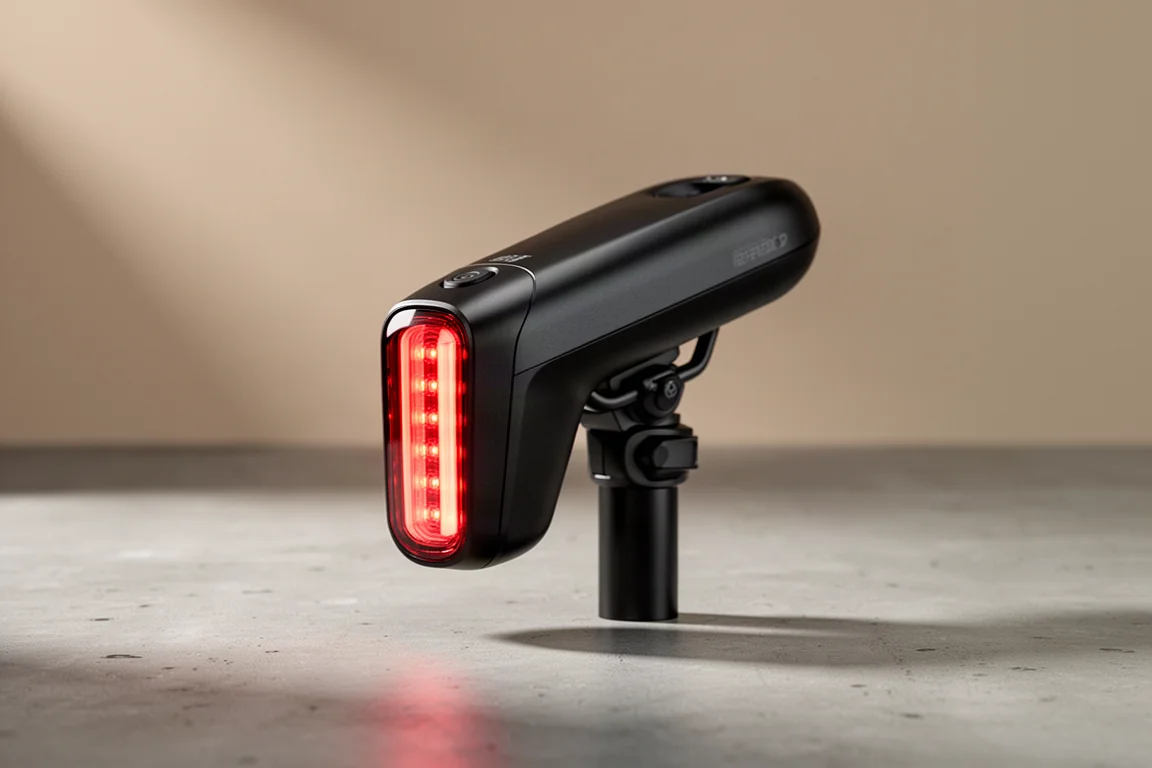
Wahoo Trackr Radar First Look: USB-C, Bigger Battery, and a Few New Tricks
Wahoo's new tail light radar matches the competition on core features and adds brake lighting, a longer claimed battery life, and a USB-C port that finally retires the micro-USB cable.
Cycling Helmets
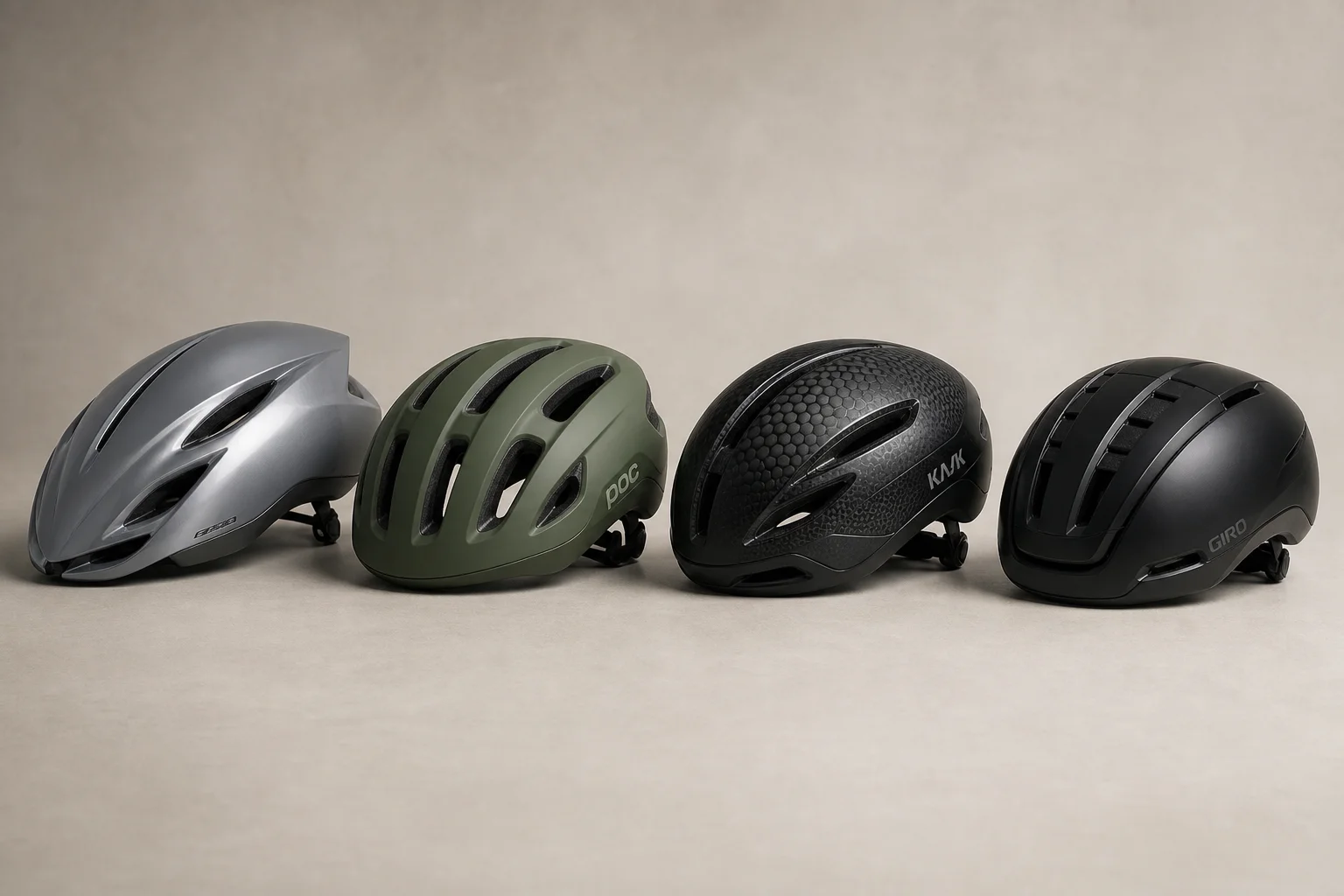
Best Road Cycling Helmets 2026: Four Premium Options Compared
A detailed comparison of four high-end road cycling helmets, from the aerodynamic Kask Protone Icon to the innovative Bolle Furo, with real strengths and trade-offs.
Cycling Gear
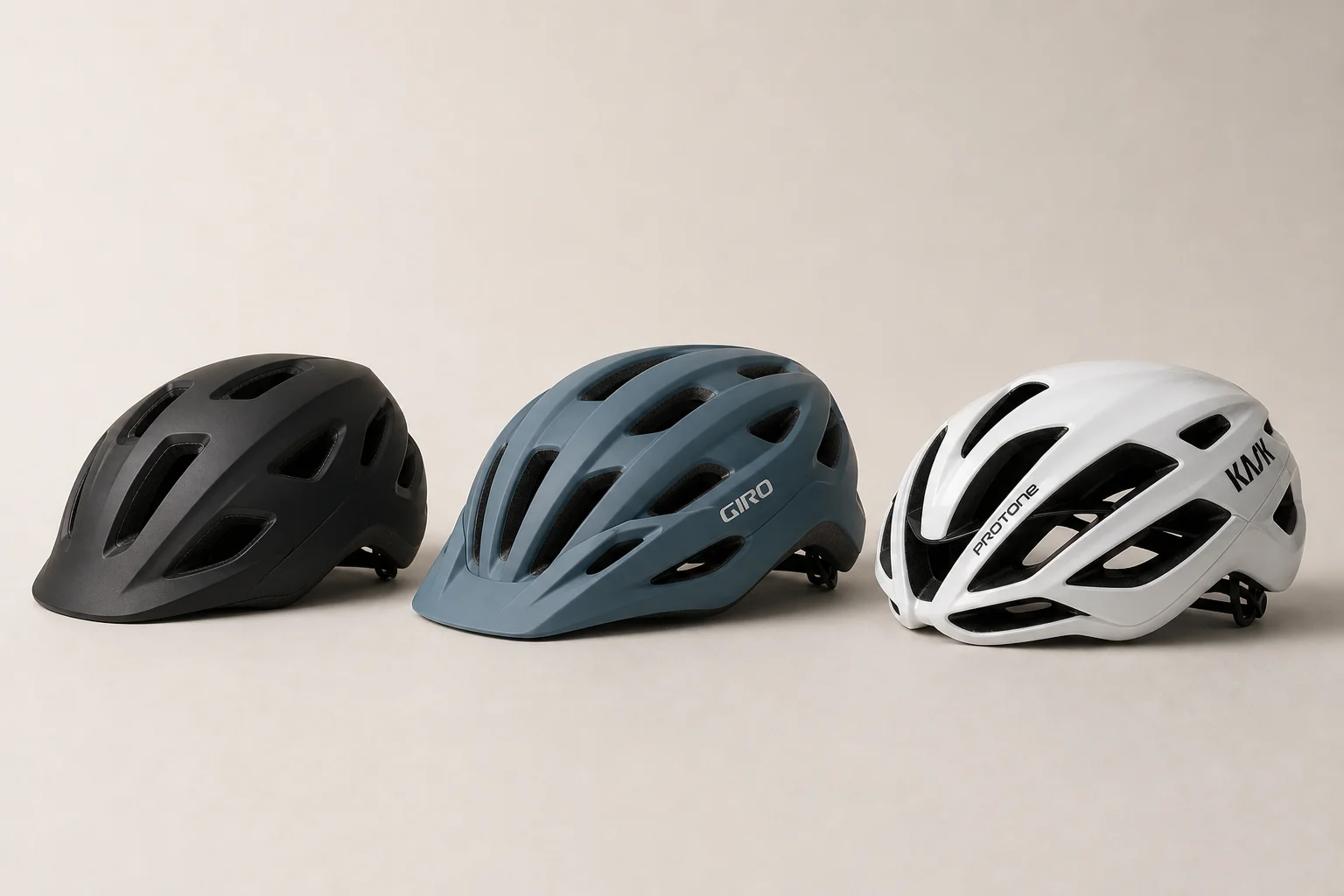
Budget vs Premium Cycling Helmets: What You Actually Get for the Extra Cost
A practical comparison of three helmets at different price points reveals where premium helmets truly differ from budget options, and where safety standards matter most.