Cycling Components
Wahoo Speedplay Pedals Review: Adjustable Float, Low Stack Height, and Real-World Gains
Wahoo Speedplay pedals combine adjustable independent float, several spindle widths and a low stack height in one road pedal system. Here is what those features actually change for everyday riders.
Introduction
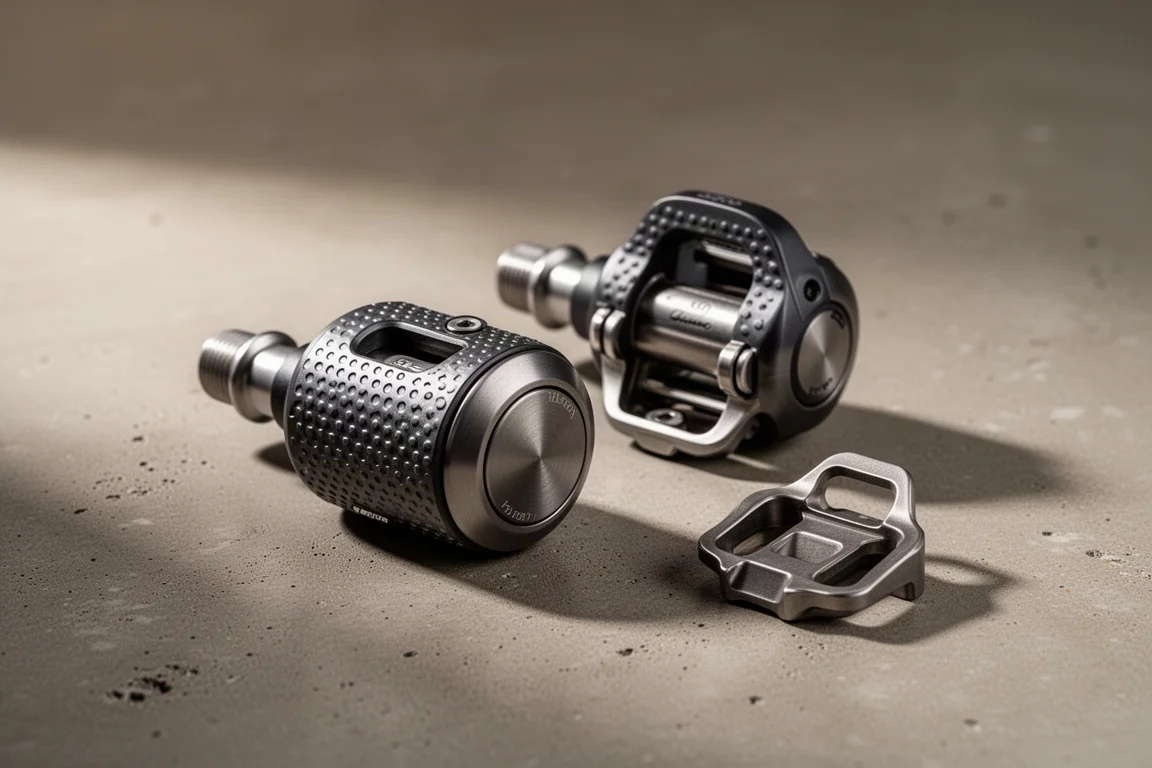
Pedals are one of only three contact points between a rider and a bike, and they remain one of the rare pieces of equipment in the professional peloton where rider preference still outweighs sponsorship alignment. One of the most successful teams in the WorldTour spends tens of thousands of pounds a year on Wahoo Speedplay pedals despite having no sponsorship agreement with the brand. That is a serious budget commitment for a component most riders barely think about.
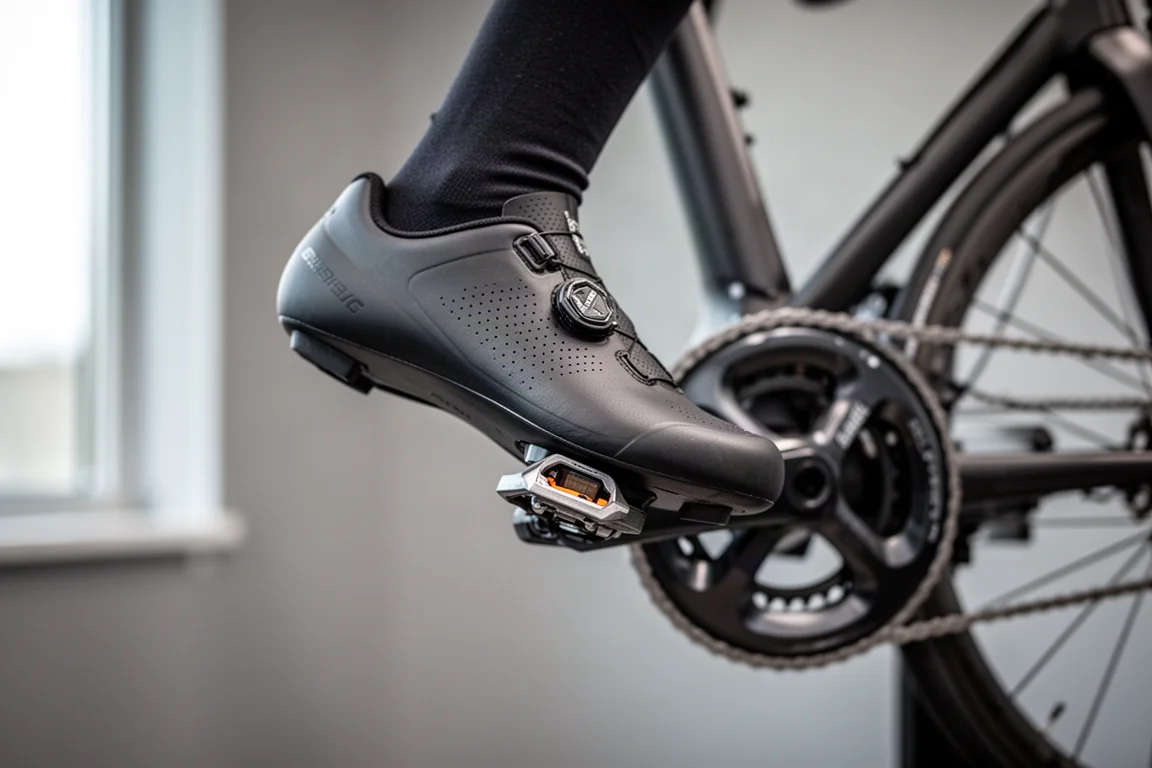
The reason is not a single headline number. It is a combination of fit adjustability and a low stack height that, added together, let riders sit and pedal the way their own bodies want to. Some of those advantages matter enormously at the sharp end of racing, and a few of them translate surprisingly well to everyday riding.
Who Wahoo Speedplay Pedals Are For
These pedals suit riders who have run into a fit problem that a fixed-float pedal cannot solve. Knee discomfort, hip tracking, saddle pressure and general asymmetry are the usual triggers. Because the float is independent and adjustable, and because the pedals are available in different spindle widths, the system can be tuned to a body rather than asking a body to adapt to the system.
They also make sense for riders moving to shorter cranks. Shorter cranks normally require a higher saddle, which lifts the rider and increases the drop to the bars. A pedal with a lower stack height offsets part of that, so the saddle height change is smaller and the position stays workable.
Riders who want one locked-in foot position for the whole ride are the least likely to enjoy them, although the float can be dialled right down or effectively removed if that is your preference.
Main Strengths: Float, Stance Width, and Stack Height
The case for Speedplay rests on three practical features, and in real-world use they rank differently from the way they are usually presented. Stack height tends to get the attention, but float and stance width are the ones most riders will notice first.
Each of the three is a genuine engineering choice rather than a marketing angle, and each one answers a different question about how your foot meets the pedal. Taken together they explain why riders who are very finely attuned to their position keep coming back to this system.
Independent Float, Tuned to You
Speedplay cleats allow up to 15 degrees of total float, and the amount is set with two stoppers that control heel-in and heel-out movement. The left and right feet can be set differently, which matters because almost nobody is symmetrical. One foot might want to sit at 11 o’clock while the other sits closer to 12.
The point is not maximum float. It is the right float for your foot. A position that is locked completely straight loads the same tissues in the same way thousands of times an hour, which is not how anyone walks or runs. Allowing the foot to move where it wants tends to reduce discomfort and often frees up a little more power in the process.
The sensible approach is to ride the cleats as they come out of the box, work out what feels natural, and then adjust gradually. The stoppers are easy to change at home, so you can experiment on a turbo trainer and fine-tune over a few rides. A rider’s preferred position can also shift as a long ride goes on and fatigue builds, which is another argument for a system that moves with you.
Adjustable Stance Width
Speedplay is available with several different spindle widths. That gives you a way to change how far apart your feet sit, which is not something most pedal systems allow at all. Stance width changes are frequently used to address knee complaints and saddle discomfort, and increasing it is a common fix for riders who cannot get comfortable on the saddle no matter how they set the bike up.
Lower Stack Height and a Cleaner Aero Profile
Once the cleat is engaged, the Speedplay system sits lower than a conventional road pedal, with a difference of roughly four to five millimetres compared with other pedal brands. The cleat engages inside the pedal housing, so the two parts together present a larger total surface area than the lollipop shape suggests. A lower stack height means a rider can keep an optimal saddle height while sitting slightly lower overall, which reduces frontal area.
There is also an aerodynamic argument. The one-sided design and the dimpled surface keep the shoe and cleat profile less exposed, and earlier wind tunnel testing pointed to a measurable advantage. To get the full benefit you want a four-bolt shoe, because the cleat then sits inside the sole instead of on an adapter plate. A three-bolt conversion plate gives back two or three millimetres of the stack advantage, and a four-bolt mounting is also stiffer since it bolts directly into the shoe.
Things to Consider Before Buying
Be realistic about the stack height claim. For most riders, four or five millimetres is not going to transform their riding. The fit-related benefits are the ones that tend to justify the switch, and even those depend on the pedal being set up properly rather than simply installed.
Shoe compatibility deserves attention before you buy. Four-bolt shoes unlock the full stack and rigidity benefit, while a three-bolt shoe plus adapter works but gives up part of the advantage. If you are already happy with your shoes, factor that into the decision.
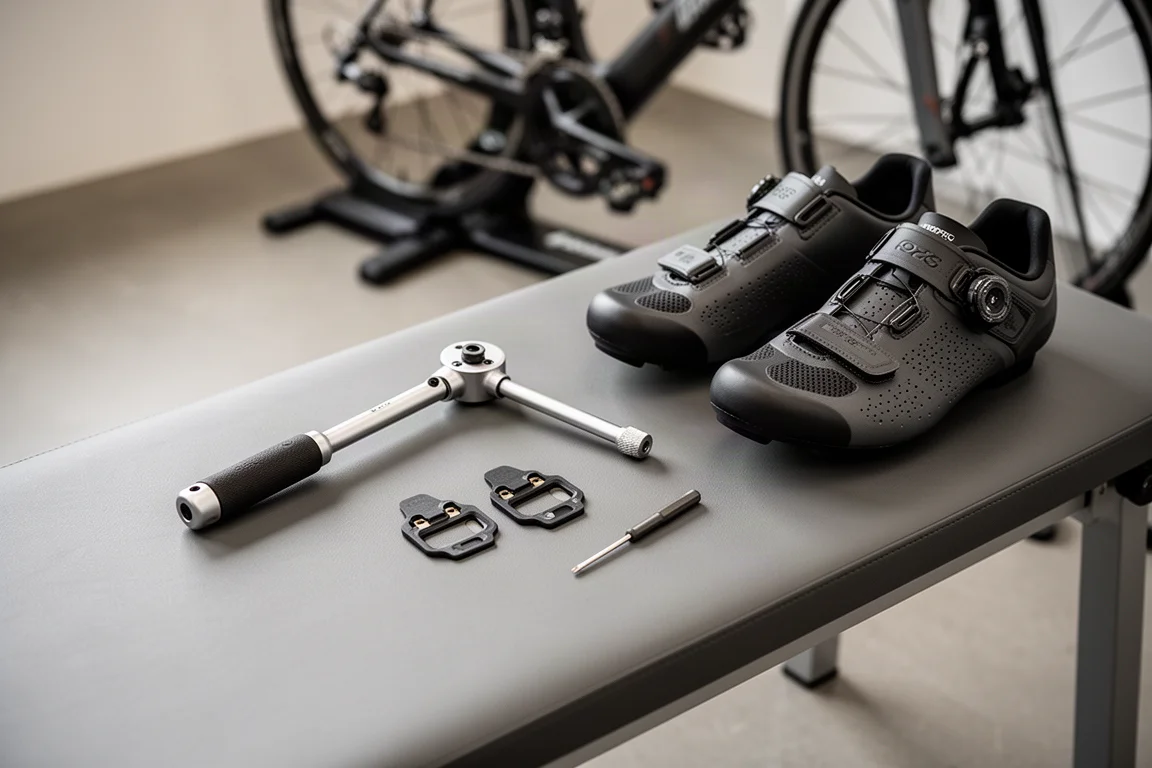
Float is a personal setting rather than a specification. Riders who expect to clip in and immediately feel a perfect position may need a few rides of small adjustments. Riders who genuinely want zero movement will find the system more adjustable than they need, though the stoppers can effectively lock the foot in place.
Finally, pedals are one variable among several. Crank length changes often deliver more for a rider’s comfort and position than a pedal swap on its own, and the two work best when considered together. If your position is already comfortable and efficient, the gains here will be smaller.
Buying Advice
Think of Speedplay as a customisable pedal platform rather than a fixed component. If you have a persistent knee, hip or saddle issue, or if you are making the move to shorter cranks and want to keep your saddle height sensible, the adjustable float and the stance width options give you tools that most pedals simply do not offer.

Start with the cleats exactly as delivered, ride them for a while, then make one change at a time and note how it feels. Match the purchase to your shoes so you get a four-bolt mounting if you can, and treat the setup as an ongoing process rather than a one-off job. Riders who are willing to spend a little time dialling in their position are the ones who get the most from this system.
Conclusion
Wahoo Speedplay pedals earn their place in the professional peloton through a combination of low stack height, a cleaner aero profile and, above all, a level of fit adjustability that most pedal systems cannot match. The aerodynamic and stack height gains are small on their own and mostly relevant at the highest level of racing. The float and stance width options are the parts that translate to ordinary riders, because they let a foot go where it wants to go instead of forcing it into a fixed position for thousands of pedal strokes.
If your current setup is comfortable and your knees are happy, there is no urgent reason to change. If something is not working, this is one of the few components that can genuinely be reshaped around your body.
Product link
View more details for Wahoo Speedplay Pedals
This product is mentioned in the review. Check the specifications, options, and compatibility before buying.
View more details for Wahoo Speedplay PedalsFurther reading
Related Reviews
Cycling Components
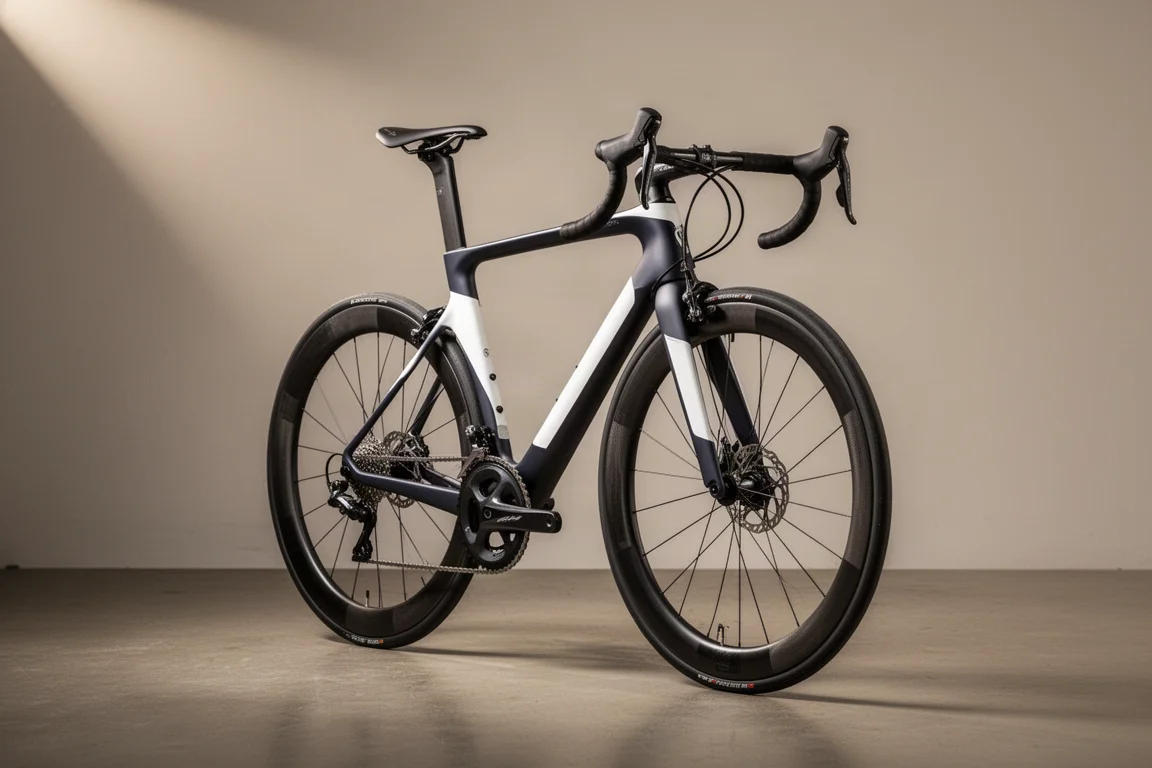
A 20,000-Mile Budget Race Bike Build: Five Parts Worth Knowing
A rim brake race bike assembled from low-cost components and ridden for 20,000 miles. Here is what delivered real speed, what caused problems, and what to weigh before copying the formula.
Cycling Components
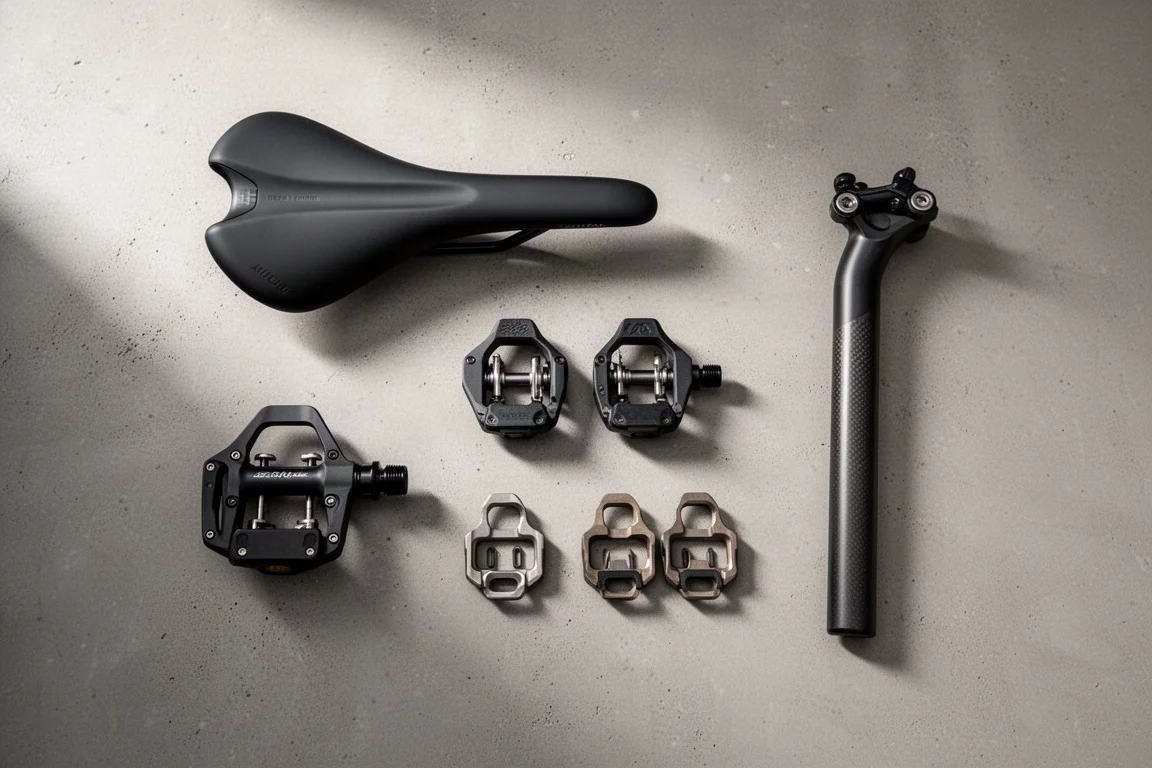
7 Bike Fit Products Fitters Avoid: What to Check Before You Buy
Seven bike components that regularly cause knee, foot and saddle problems, with the specific concerns behind each one and what to look for instead.
Cycling Components
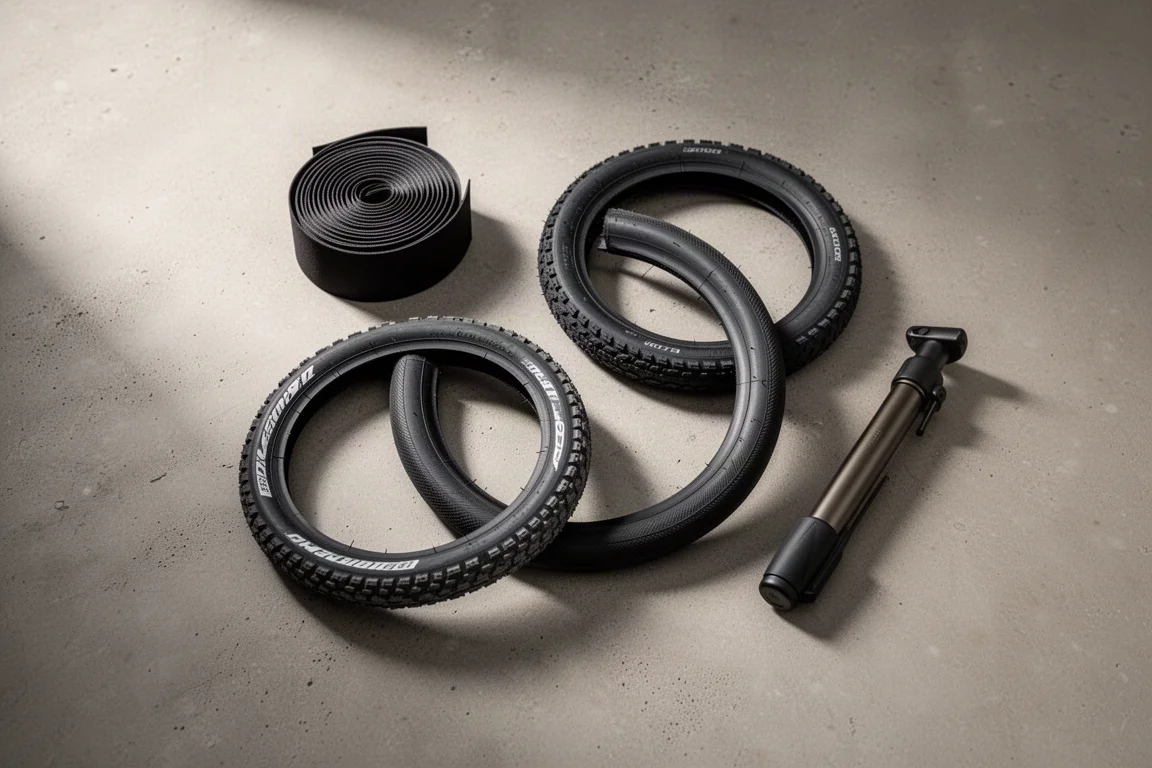
Four Affordable Bike Upgrades That Improve Ride Feel
Four low-cost cycling products that make a real difference to ride feel, plus the free setup changes worth trying first.