Bike Computers
Wahoo ELEMNT ROAM Review: Hardware and Software Updates Worth Knowing
The Wahoo ELEMNT ROAM gains raised buttons, USB-C, a 64-color display, and dual band GPS, while battery life and screen size stay the same.
Introduction
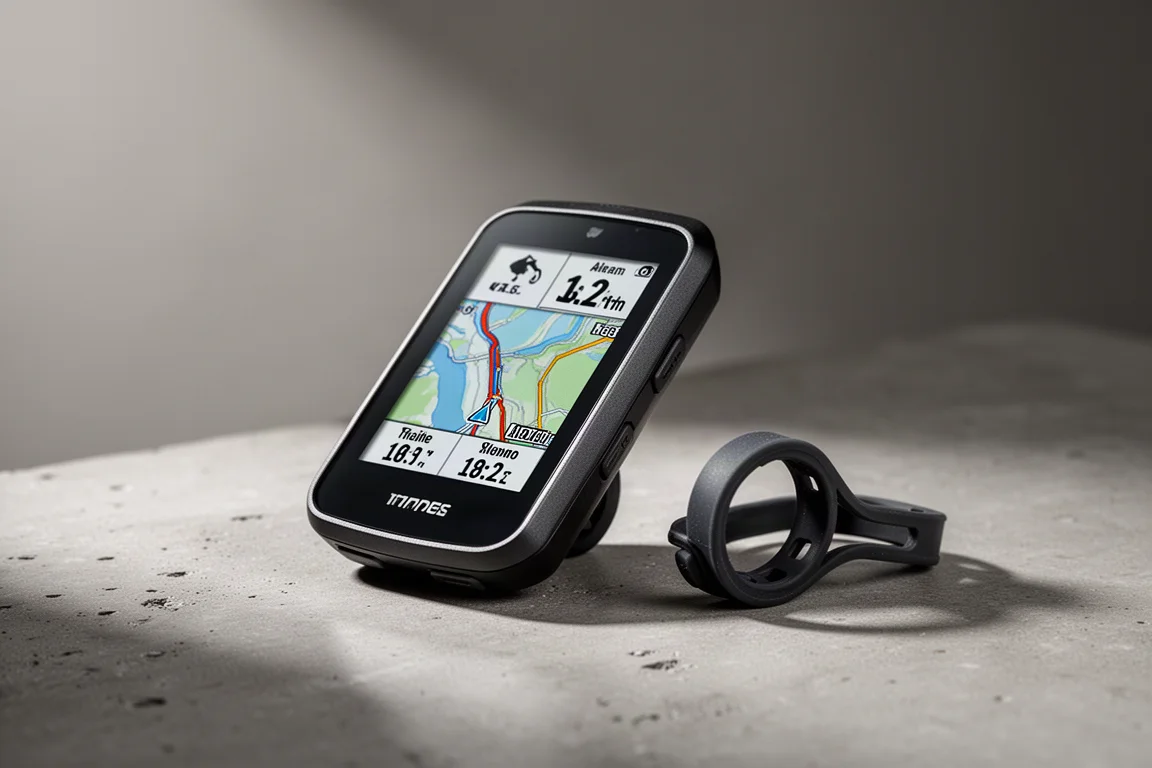
The Wahoo ELEMNT ROAM has been updated across both hardware and software, and the changes focus on the details riders interact with most. Raised buttons replace the concave controls of the previous generation, charging moves to USB-C, the display gains 64-color support, and dual band GPS arrives for better satellite locks in dense urban streets and remote terrain. The matte screen finish and the LED strip layout that Wahoo riders value have been carried over unchanged.

Two specifications have stayed put. The screen remains 2.7 inches, and the battery rating remains 17 hours. Both are worth understanding before you decide whether this generation is the right one for you.
Who this product is for
This computer is aimed at riders who plan long routes and want to spend their time riding rather than configuring menus. Setup is quick: switch the unit on, scan the QR code with the companion app, and pairing is done in roughly five minutes. If you already own a Wahoo computer, your previous settings can be copied across, so the transition is close to instant.
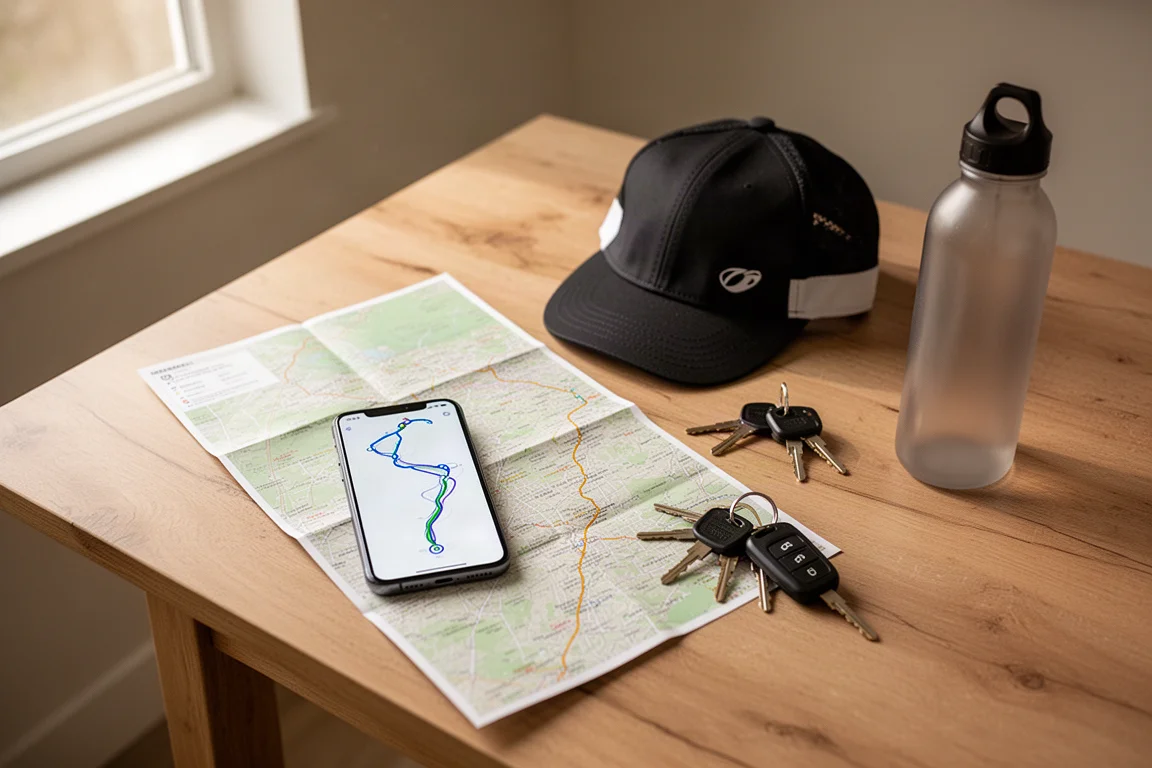
It also suits riders who load routes from a range of sources. A route held on a phone, whether as a GPX file or from a route-sharing platform, can be shared into the app and pushed straight to the unit. That makes the ROAM a practical choice for sportives, group rides, and multi-day trips where the plan is often assembled on the move.
Main strengths
Hardware improvements
The most welcome change is the button design. The previous concave buttons were difficult to press, could collect water, and were awkward with gloves on. The new raised buttons give a clear click and are far easier to find by feel while riding. USB-C charging is also a sensible, overdue update that brings the ROAM in line with most other devices riders already carry.
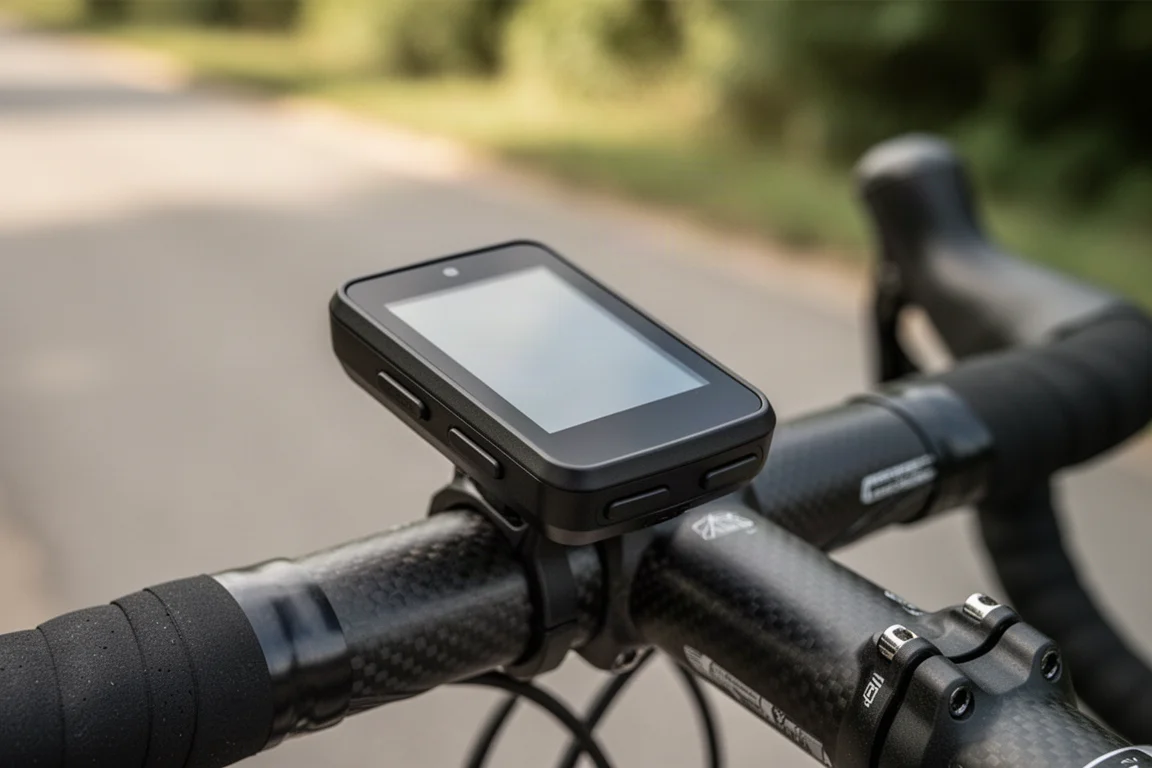
The front panel keeps the LED array running along the side and across the top, a feature Wahoo users tend to appreciate for at-a-glance effort and navigation cues, along with the ambient light sensor in the top corner that manages automatic screen dimming. The matte display remains a genuine advantage in bright conditions, holding up better than a glossy finish when sunlight and tree cover shift across the road. Weight is unchanged at roughly 95 grams for the computer alone and about 140 grams with the mount, and the bolt hole on the back still allows the unit to be secured to the mount.

The move to a 64-color screen, up from eight, is handled with restraint. Color is used to draw the eye toward the metrics that matter, and you can choose what gets color coded, whether that is heart rate zones or power zones. In mapping, color distinguishes different areas without overwhelming the map, while the chevrons that indicate direction of travel remain in place and stay legible even through sunglasses.
Software and navigation features
Summit segments bring climb-focused guidance to the ROAM, using the color display to highlight the hardest parts of an ascent. The feature can sit at the bottom of the screen while your key data fields stay visible, which makes it easier to pace an effort on a long climb rather than guessing at what is left.
Storage has grown from 4 GB to 32 GB, and the unit ships packed with mapping, so it should cover riding almost anywhere in the world without extra downloads. Dual band GPS supports the major satellite systems, including GPS, GLONASS, and Galileo, and the computer selects the best option for your location automatically. That should improve satellite locks both far from civilization and in dense urban environments where positioning was previously vague.
Two smaller additions round out the software. The ROAM can now talk to Supersapiens sensors for glucose monitoring, and public route sharing makes it quick to beam a route to the unit through the app when you arrive at a group ride without it loaded on any platform. Data screen setup remains one of the ROAM’s strongest points, with the superview function supporting up to 11 data fields and scaling down to a single metric as you zoom in.
Things to consider before buying
Battery life is the most notable omission. The rating stays at 17 hours, matching the previous model rather than extending it, and there is no solar element here despite the generous bezel around the display. For riders with full-time jobs who get out on weekends and a few evenings a week, 17 hours is still roughly a week of riding. For anyone planning very long days or multi-day events, it is a specification worth weighing carefully.
The screen is the second compromise. At 2.7 inches with a substantial bezel, the display leaves space unused on a computer designed for big adventures, where a larger map would be genuinely useful. The matte finish helps visibility, but the footprint itself has not been trimmed.
Storage is generous on paper, though only about 1 GB of the 32 GB remains free after the global maps are installed. That should be enough for planned workouts, courses, and previous rides, but how quickly it fills is something to keep an eye on. The overall design also still feels a little less refined than its price bracket suggests, particularly next to sleeker alternatives.
Buying advice
Priced at $399.99 in the US, £349 in the UK, and a comparable figure in Europe, the ROAM sits at the premium end of the bike computer market. If you value fast setup, a matte screen that stays readable in changing light, and mapping that covers the world out of the box, the updates in this generation make it a stronger proposition than the model it replaces. The raised buttons and USB-C alone remove two daily frustrations.
If your priority is maximum battery life or the largest possible display for the money, the unchanged 17-hour rating and the 2.7-inch screen are the two areas to think about hardest. Riders who charge weekly and navigate with clear eyesight will find very little to complain about. Riders chasing multi-day endurance records may want to wait and see what future generations bring.
Conclusion
This is a meaningful step forward rather than a minor refresh. Better buttons, modern charging, color that serves a purpose, expanded storage, and dual band GPS all address real weaknesses, while the easy setup and matte display that define the Wahoo experience are untouched. The unchanged battery and screen size are the trade-offs, and they are the right things to weigh before you buy.
Product link
View more details for Wahoo ELEMNT ROAM
This product is mentioned in the review. Check the specifications, options, and compatibility before buying.
View more details for Wahoo ELEMNT ROAMFurther reading
Related Reviews
Bike Computers
Best Bike Computers 2026: Wahoo ELEMNT ACE, Garmin Edge 1050 and Two Value Alternatives
A practical comparison of the Wahoo ELEMNT ACE and Garmin Edge 1050, plus two cheaper computers that cover the essentials for far less.
Bike Computers
Bryton Rider 650 Review: High-Performance GPS Without the Premium Price
A full-featured touchscreen GPS bike computer at a fraction of the cost of its premium rivals, with a few quirks worth knowing before you buy.
Bike Computers
Coros Dura Review: A 120-Hour Battery Claim and a Serious Value Pitch
The Coros Dura pairs a claimed 120-hour runtime with a $250 price. Here is what stands out, what to weigh, and who it suits.