Bike Computers
Coros Dura Review: A 120-Hour Battery Claim and a Serious Value Pitch
The Coros Dura pairs a claimed 120-hour runtime with a $250 price. Here is what stands out, what to weigh, and who it suits.
Introduction
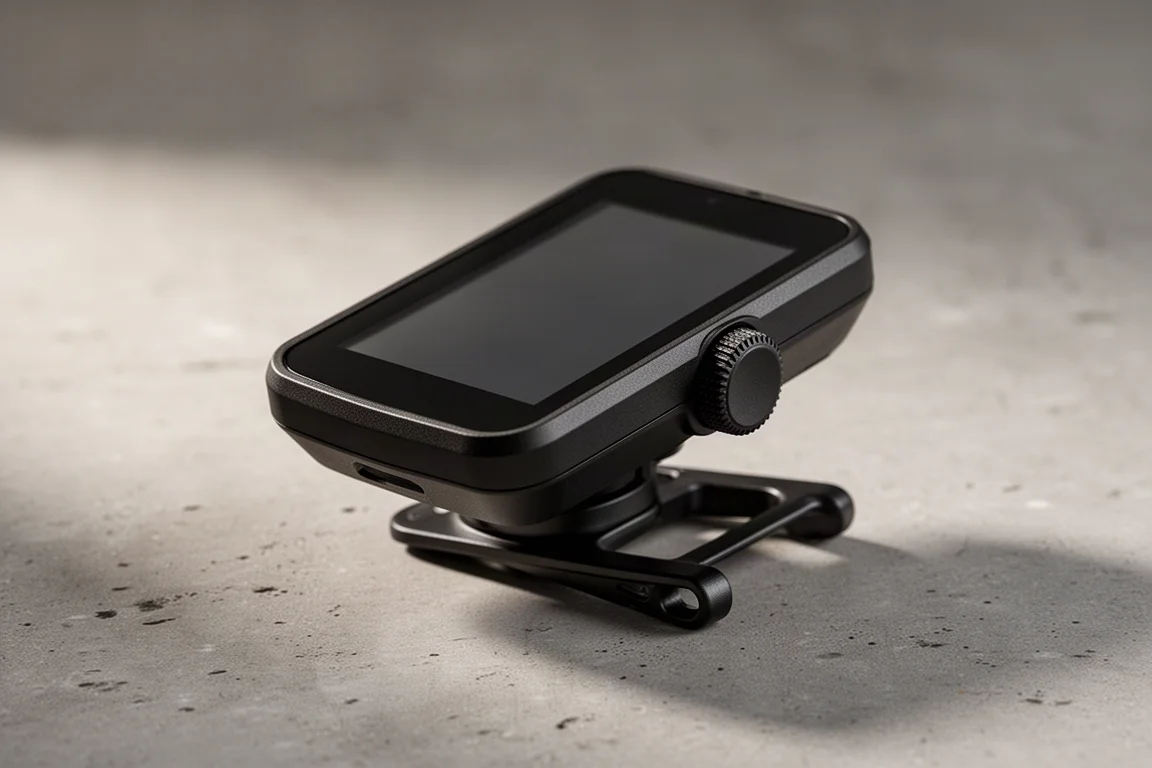
The Coros Dura is a new GPS bike computer from a company best known for running watches, and it arrives with a headline claim that is difficult to ignore: up to 120 hours of battery runtime on a single charge. That is far beyond what most rival computers deliver, and it reframes the conversation for riders who plan long days in the saddle, multi-day trips, or events where charging is simply not an option.
Two design choices make that number possible. The first is a memory-in-pixel display, the low-power screen technology used in e-readers, which draws a fraction of the current of a conventional colour screen. The second is a solar panel, a feature that has appeared on premium Garmin computers for several years. Coros claims that every hour of riding in sunlight adds around two hours of runtime, a figure that would be genuinely impressive if it holds up in practice.
At $250, the Dura also undercuts the established competition by a wide margin. For riders who have been put off by how expensive modern bike computers have become, that combination of runtime and price is the reason this device is worth a closer look. What follows is a practical look at where the Dura stands out, where it makes compromises, and who should consider it.
Who this product is for
The Dura is aimed squarely at riders who value runtime above all else. If you are lining up a big gravel event, chasing a fastest known time, riding transcontinental distances, or heading out on a multi-day bikepacking trip, the ability to leave the charger at home is a genuine advantage rather than a specification sheet talking point. A three-day ride that drains a typical computer after eight hours in the saddle is exactly the scenario this device was built for.
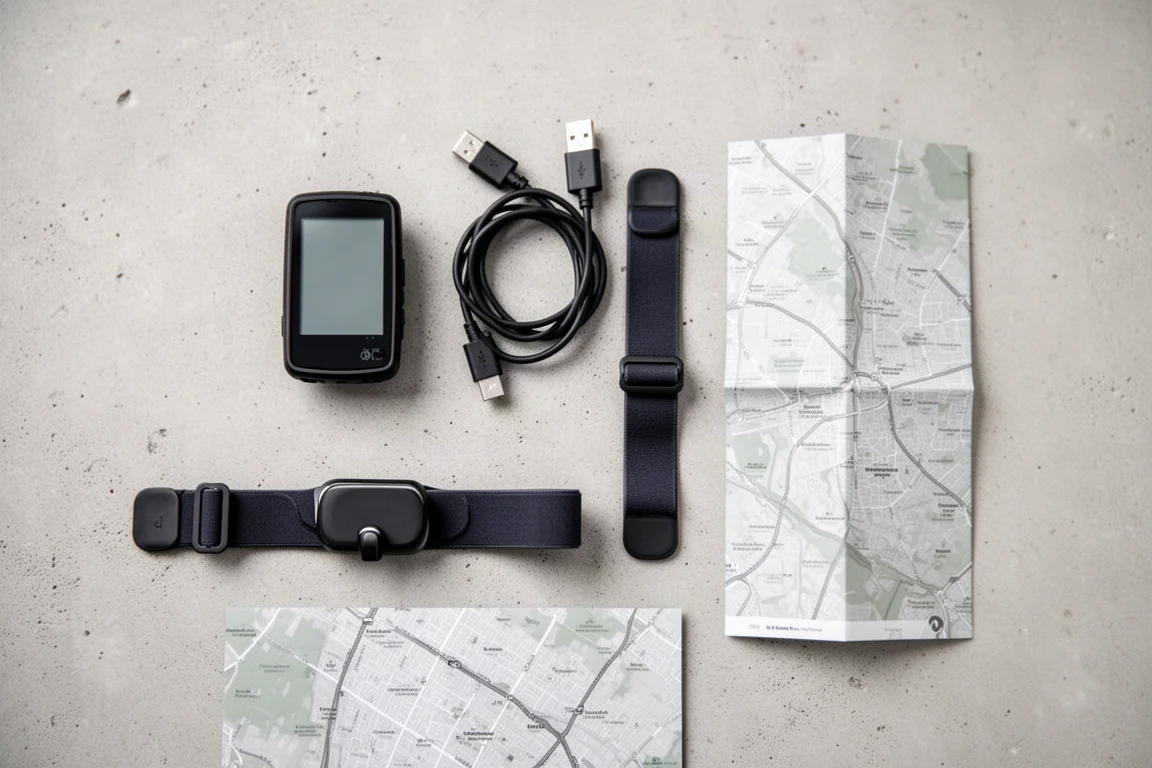
It also suits riders who want capable navigation and training tools without paying flagship prices. The feature set covers the essentials that performance-minded riders expect: structured workouts, an FTP test, power meter support with left-right balance and three-second smoothing, and mapping with turn-by-turn directions.
Riders who buy primarily for display quality should look elsewhere. The Dura’s screen is not in the same league as the sharpest panels on the market, and that trade-off is deliberate: lower power draw is what buys the runtime.
Main strengths
Battery runtime is the defining strength. The claim of up to 120 hours is far more than most computers manage, and the memory-in-pixel panel plus solar top-up work together to get there. In early hands-on use, with a heart rate sensor paired over both Bluetooth and ANT+, the battery was still reading 91% after several rides, which supports the idea that the runtime claim is not just marketing theatre. Riders who want to verify it for themselves will want to run the battery right down to zero and track the riding hours it covers.
Daily usability is stronger than the specification sheet suggests. Pressing the power button wakes the screen instantly, with no boot sequence to sit through, and satellite lock is quick enough that the computer is ready by the time you have wheeled the bike out of the door. Riders who are usually in a hurry will notice that more than they expect.
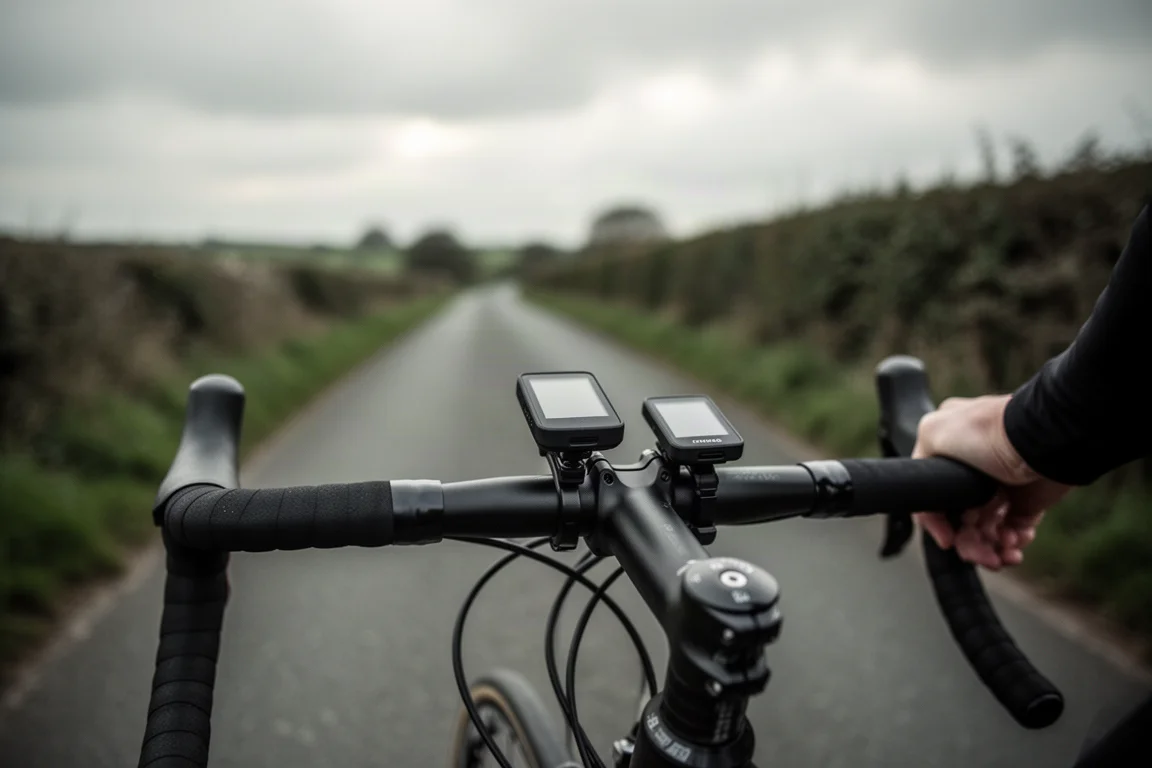
Navigation has been smooth in use. Routes pulled from Strava through the companion app, turn-by-turn directions on the road, and uploading the finished ride back to Strava have all worked without drama. The phone app itself is intuitive: data screens are customised there rather than on the device, and firmware updates arrive through the same app. The Dura is currently running beta firmware, and updates have been landing quickly, which is a good sign for a first-generation product that will need to keep maturing.
The default data screens are well judged out of the box, covering speed, average speed, grade, time of day and elapsed time on the first page, with a second page for three-second average power, normalized power, speed, time of day and distance, and a mapping page beyond that. Everything can be customised if the defaults do not match how you ride. The Dura also uses a Garmin quarter-turn mount, and an out-front mount is included in the box. That is a smart decision, because mounts for that standard exist for practically every bar and stem combination.
Things to consider before buying
The display is the clearest compromise. Menu screens look dated next to the latest rivals, and the panel is not as sharp or as colourful as what Garmin, Hammerhead or Wahoo offer. Out on the road in cloudy conditions the contrast is actually good, and reading speed, power or heart rate at a glance works well, but anyone expecting a smartphone-like screen will be disappointed. The Hammerhead Karoo 3 in particular sets a much higher bar for display quality, though it costs considerably more. Compared with a Wahoo Elemnt Roam, the Dura offers a similar amount of colour and clarity for following the route line, so the gap is not as wide as the menu screens suggest.
The rotary dial on the side is a nod to the watches Coros makes, and it works as both a scroll wheel and a selector. In practice it can feel redundant when the 2.7-inch touchscreen is responsive, and scrolling through menus can be slightly over-sensitive. It is a minor annoyance rather than a problem, but worth knowing before you buy.
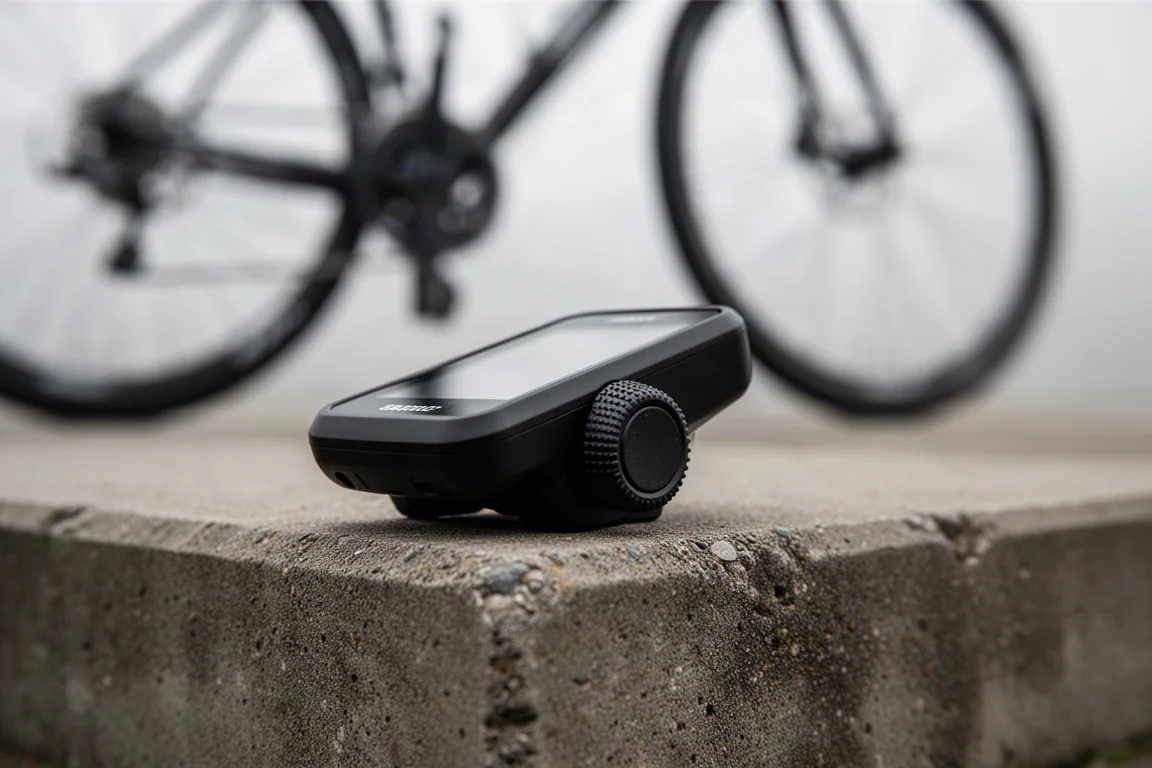
There is also no power-off button. The Dura is an always-on computer, so it powers down or sleeps automatically rather than shutting off completely. That will not bother most riders, but it is a change from what many people are used to.
The larger question is long-term reliability. This is a new category for Coros, and a first-generation device from any brand carries some risk around durability and long-term software support. So far the experience has been seamless, with no crashes and no unexpected behaviour, but that is a short track record. Firmware is still in beta, and while the update pace is encouraging, buyers should weigh that against the maturity of the established players.
Buying advice
The value case is straightforward. At $250, the Coros Dura costs significantly less than a Garmin Edge 840 Solar at over $400 and a Hammerhead Karoo 3 at around $475, while offering far more battery runtime than either. If runtime and price matter most, the Dura is the more sensible purchase.
If display quality is the priority, the calculus flips. The Karoo 3 and the top-tier Garmin and Wahoo computers offer noticeably better screens and more polished interfaces, and they come with longer track records. The right answer depends on whether you would rather have a screen that looks excellent or a battery that lasts for days.
For most riders, the sensible approach is to match the computer to the rides you actually do. If your longest days end with a charger in your bag and a battery percentage you would rather not think about, the Dura solves a real problem. If your rides are shorter and you value a premium display, the extra spend elsewhere is easier to justify.
Conclusion
The Coros Dura is a compelling first attempt at a GPS bike computer. The 120-hour runtime claim, the solar top-up and the $250 price add up to a package that is difficult to dismiss, and the everyday experience of using it, from instant wake to smooth navigation and Strava uploads, has been better than its modest menu design suggests.
The compromises are real: a screen that trails the best in the category, a rotary dial that adds little to a good touchscreen, and the usual uncertainty that surrounds any first-generation product. Riders who prioritise endurance and value over display polish will find a lot to like here, while those who want the sharpest screen on the market should plan on spending more elsewhere.
Product link
View more details for Coros Dura
This product is mentioned in the review. Check the specifications, options, and compatibility before buying.
View more details for Coros DuraFurther reading
Related Reviews
Bike Computers
Best Bike Computers 2026: Wahoo ELEMNT ACE, Garmin Edge 1050 and Two Value Alternatives
A practical comparison of the Wahoo ELEMNT ACE and Garmin Edge 1050, plus two cheaper computers that cover the essentials for far less.
Bike Computers
Bryton Rider 650 Review: High-Performance GPS Without the Premium Price
A full-featured touchscreen GPS bike computer at a fraction of the cost of its premium rivals, with a few quirks worth knowing before you buy.
Bike Computers
Garmin Edge 1040 Solar Review: Solar Charging Arrives on the Flagship Bike Computer
The Garmin Edge 1040 Solar brings built-in solar harvesting, up to 100 hours of runtime, more storage, and deeper training insights to Garmin's flagship bike computer.