Bike Computers
Bryton Rider 650 Review: High-Performance GPS Without the Premium Price
A full-featured touchscreen GPS bike computer at a fraction of the cost of its premium rivals, with a few quirks worth knowing before you buy.
Introduction
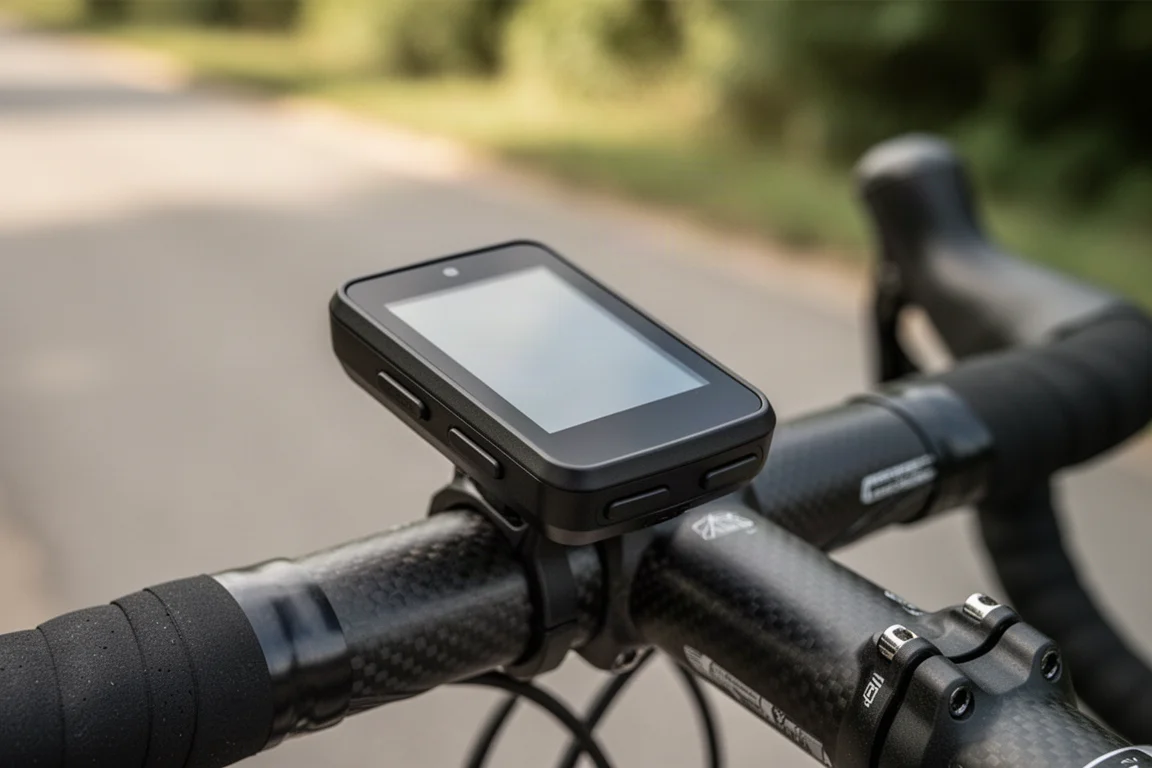
The Bryton Rider 650 is a compact GPS bike computer that asks a very different question to most of its rivals. Instead of paying for the most advanced feature set on the market, you pay for the fundamentals done well, and you keep a considerable amount of money in your pocket.
At 139.99 pounds or 169.95 dollars, it sits far below the premium field. A similarly sized Garmin Edge 550 is priced at 469.99 pounds or 599.99 dollars. Wahoo’s latest ELEMNT ROAM 3 lands at 399.99 pounds or 464.99 dollars, and the Hammerhead Karoo 3 comes in at 450 pounds or 475 dollars. That is a gap of hundreds, and it is the single most important fact about this device.
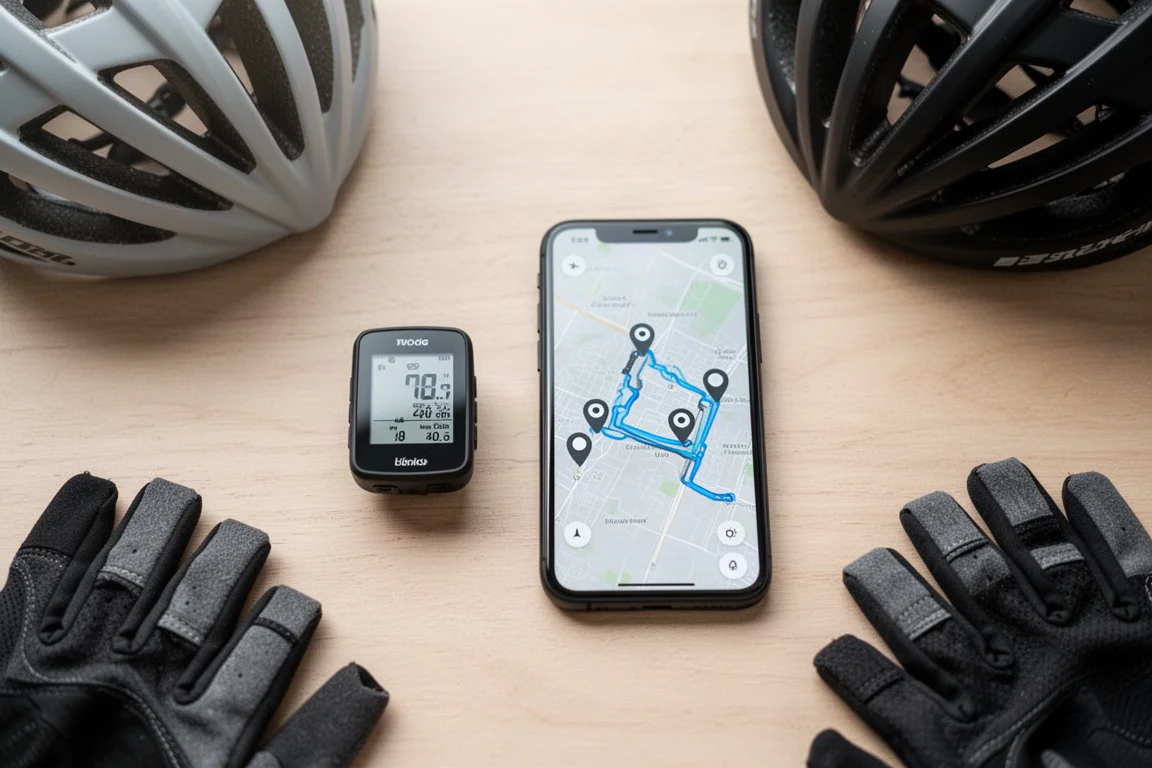
What you get for that money is not a stripped-back unit. The Rider 650 pairs a 2.8-inch colour touchscreen with a full set of modern connectivity options, a barometric altimeter, multi-constellation positioning, and a claimed 33-hour battery life that is longer than its main rivals from Garmin and Wahoo.
It is not flawless. Some interactions take getting used to, screen brightness errs on the dim side, and a couple of small design decisions get in the way. But the essentials are all present, and they work.
Who this product is for
This is a computer for riders who want reliable navigation, accurate data, and broad sensor support without paying premium money for features they may rarely touch.
It suits road riders who follow planned routes, gravel riders who want clear mapping, and indoor training riders who need ANT+ FEC smart trainer compatibility and a dedicated indoor profile. It also works well for anyone moving across from a phone-only setup or an older, less capable unit.
Riders who build their training around live segment racing, predictive climbing data on unplanned routes, or the most advanced performance analytics may want to look further up the range or at a premium alternative. For everyone else, the feature list here covers an enormous amount of ground.
Main strengths
Connectivity is genuinely broad. Bluetooth and ANT+ are both supported, which opens the door to heart rate monitors, power meters, rear radars and lights, and electronic groupsets including Shimano Di2, SRAM AXS and Campagnolo EPS. E-bike support is included as well. Pairing a power meter and an electronic drivetrain took only seconds and required no fiddling, and adding a third-party radar was just as straightforward.
Positioning is fast and stable. The unit draws on GPS, GLONASS, Galileo, BeiDou and QZSS satellites together with a built-in barometric altimeter. Satellite lock was as quick as a premium rival running alongside it, the map position stayed accurate, and there was none of the drift that can place a rider beside a road rather than on it. The only setup step worth noting is that the altimeter needed a manual calibration on the first ride before elevation totals lined up.
Battery life holds up in real use. The claimed 33 hours is plausible if you are not leaning heavily on routing and multiple sensors. In practice, running a SRAM AXS groupset, a power meter and a rear radar light, the unit consistently managed around 14 and a half hours. That is a realistic figure for a fully connected setup and comfortably covers long days out.
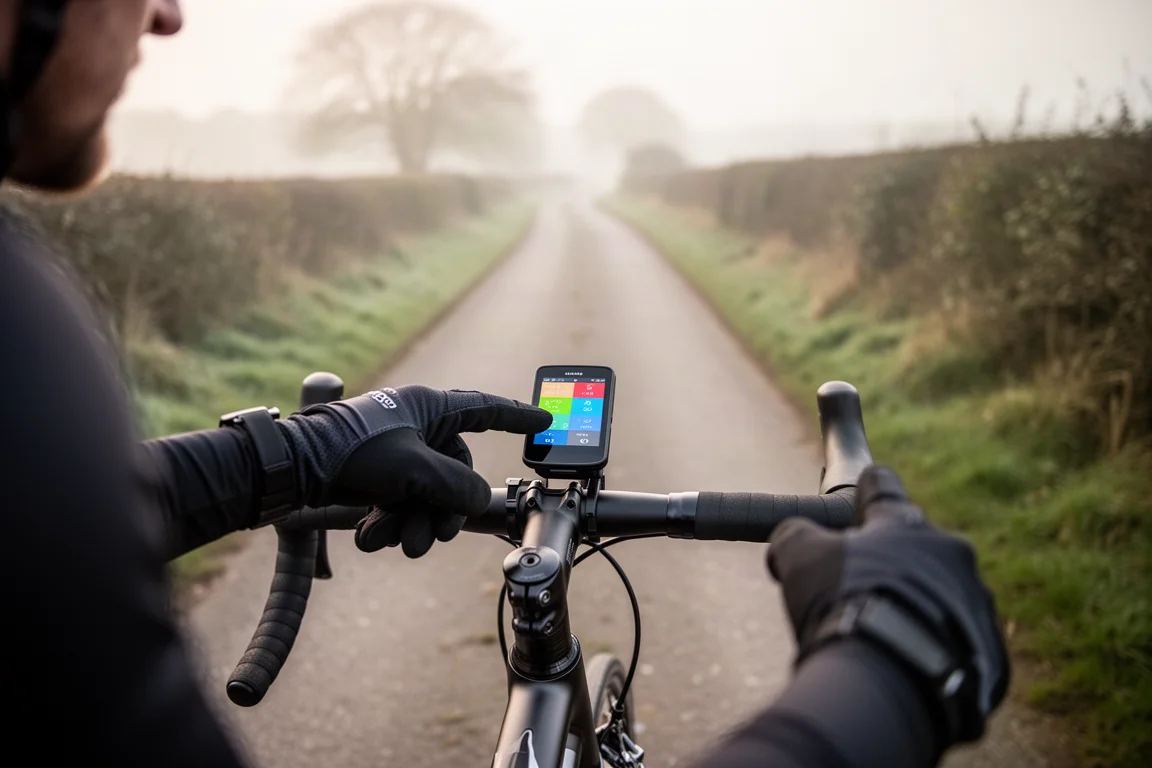
The screen setup is flexible. Each page can hold up to 10 data fields, which is more than enough to cover the metrics most riders care about, and customising screens on the move is refreshingly simple. Building a detailed power page with maximum, average and current output alongside cadence and left-right balance took very little time.
Mapping and routing are capable. OpenStreetMap data provides clear navigation, including on-device rerouting back to the starting point through the Bryton Active app. There is also a route suggestion feature where you enter how far you want to ride and the computer proposes a trio of routes, which is genuinely useful in unfamiliar territory. Audio alerts before upcoming turns are available, though they can be switched off.
Safety and training features are covered. Live tracking works together with the Bryton Active app, and the unit syncs with Bryton’s own radar as well as radar units from other brands. The Climb Challenge screen shows gradient and remaining climb length on pre-loaded routes, and the indoor profile with smart trainer support rounds out the package.
The button layout has real advantages. In addition to the touchscreen, there are five physical buttons. The power button doubles as a screen lock with a short press, which matters when rain makes a touchscreen unreliable, and the central function key can be assigned to jump straight to a favourite data screen or to the map. The lap marker sits on its own button as well.
The companion app is quick. Setup and navigation through the Bryton Active app are easy, connections are fast, and post-ride uploads arrived faster than a comparable premium setup transferring to its own platform. Routes can be pulled in from Komoot, Ride with GPS and Strava, and the app includes its own route creator where you drop a series of pins and upload straight to the device from your phone. Recorded power, heart rate and cadence graphs can be zoomed on the phone, and the data matched a premium platform with no anomalies or spikes.
Things to consider before buying
The interface takes adjustment. The software and user interface are a clear improvement over earlier Bryton units, but the way tasks are organised differs from the established premium platforms. Riders switching from another ecosystem should expect a short learning period rather than instant familiarity.
Screen brightness is on the dim side. Automatic brightness tends to run dimmer than a comparable premium unit. This is more noticeable on the map screen, where the base map uses considerably more colour. In rural areas and on gravel rides, the expanse of green can make details harder to pick out at a glance.
The side buttons are close together. They sit prominently, but the spacing is tight. With winter gloves on, it is easy to fumble between the page switch and the pause or stop control on the right flank. A little more separation would help.
Climb Challenge needs a planned route. The gradient and climb length display only works with a pre-loaded route, so it does not behave predictively on an unplanned ride. That functionality sits with Bryton’s more expensive S-series units, such as the S810 at 269.99 pounds or 299.99 dollars. At a saving of around 130 pounds, many riders will be happy to do without it.
The altimeter needed a first-ride calibration. Elevation totals looked off on the very first outing until the altimeter was manually calibrated, after which readings stayed in step.
Buying advice
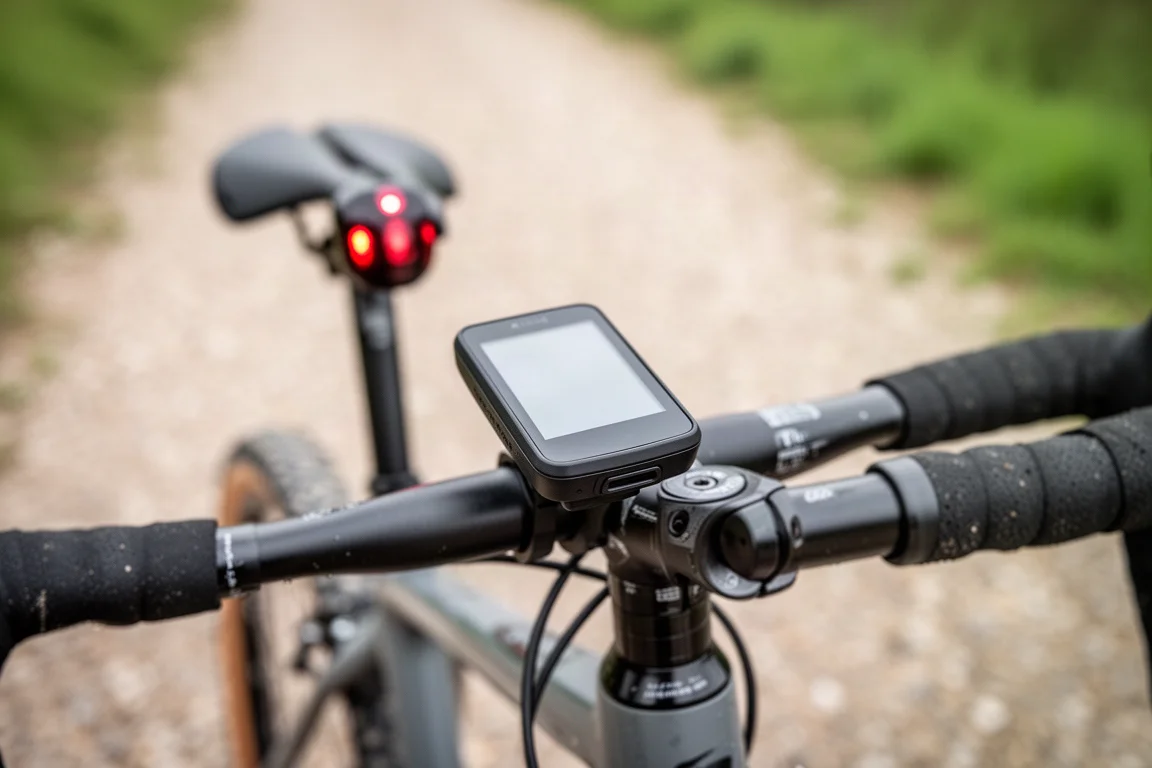
The case for the Rider 650 is straightforward. It locates satellites quickly, connects to sensors without fuss, navigates well, records clean data, and covers the full spread of modern connectivity from radars and power meters to electronic groupsets and smart trainers. The claimed battery life is longer than its nearest rivals, and real-world runtime with a heavy sensor load is respectable.
What it does not have is the predictive climbing function found on the most expensive options, and its screen and interface carry a few rough edges. Against savings of over 300 pounds compared with the premium field, those compromises are easy to accept for most riders.
If you are prepared to shop for value rather than the top of the range, this is one of the strongest options available. It does the same job as the premium units in a slightly different way, and it leaves a lot of budget free for the rest of your kit.
Conclusion
The Bryton Rider 650 is the most impressive GPS bike computer Bryton has produced to date. It is quick to acquire a position, easy to operate once the interface clicks, and fully featured for the price. Some interactions take a little getting used to, but riders moving from any other platform will recognise the same adjustment period.
At 139.99 pounds or 169.95 dollars, it costs less than half of what the non-touchscreen premium alternative asks, and far less than similarly specified units from the biggest names. It may not match the most expensive offerings feature for feature, but it delivers all the essentials and a great deal more besides. For value-focused riders who still want genuine high-performance capability, it is an easy recommendation.
Product link
View more details for Bryton Rider 650
This product is mentioned in the review. Check the specifications, options, and compatibility before buying.
View more details for Bryton Rider 650Further reading
Related Reviews
Bike Computers
Best Bike Computers 2026: Wahoo ELEMNT ACE, Garmin Edge 1050 and Two Value Alternatives
A practical comparison of the Wahoo ELEMNT ACE and Garmin Edge 1050, plus two cheaper computers that cover the essentials for far less.
Bike Computers
Coros Dura Review: A 120-Hour Battery Claim and a Serious Value Pitch
The Coros Dura pairs a claimed 120-hour runtime with a $250 price. Here is what stands out, what to weigh, and who it suits.
Bike Computers
Garmin Edge 1040 Solar Review: Solar Charging Arrives on the Flagship Bike Computer
The Garmin Edge 1040 Solar brings built-in solar harvesting, up to 100 hours of runtime, more storage, and deeper training insights to Garmin's flagship bike computer.