Bike Computers
Wahoo ELEMNT ACE vs Garmin Edge 1050: Which Flagship Bike Computer Wins?
A head-to-head look at two flagship GPS bike computers: Wahoo's wind sensor and matte screen against Garmin's vivid display, speed and connected features.
Introduction
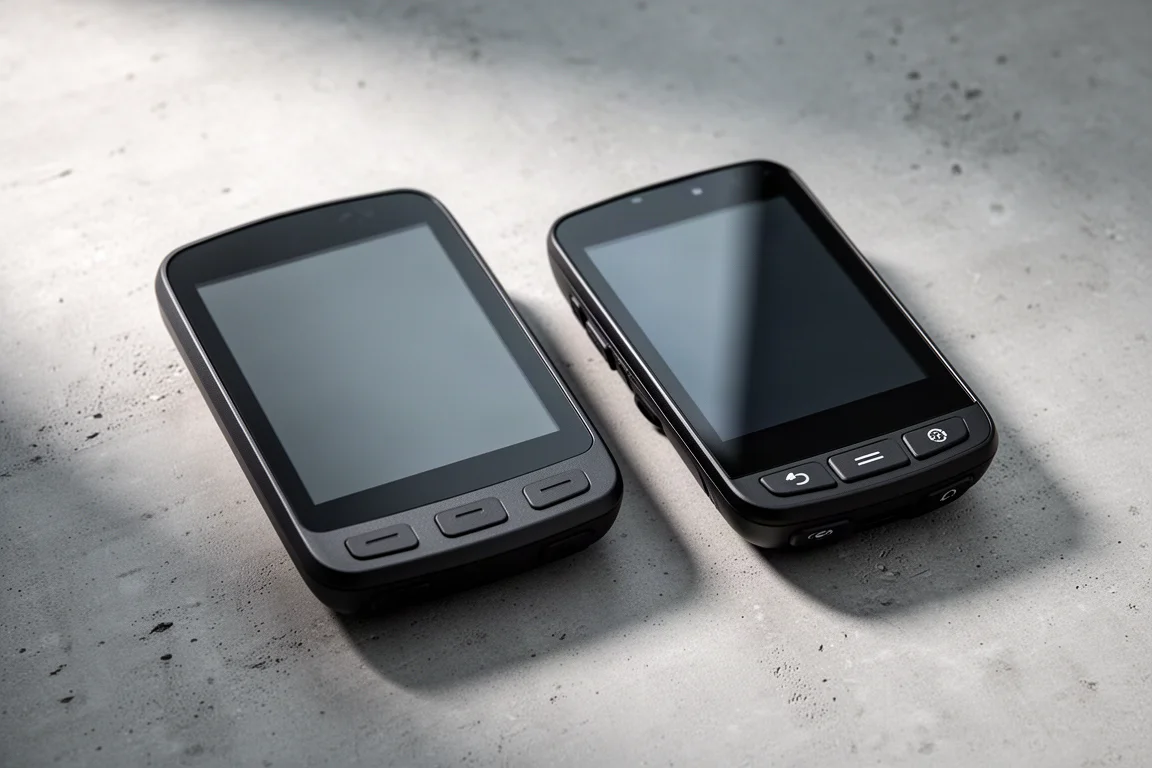
Flagship GPS computers rarely land at the same moment, but right now Wahoo and Garmin each have a new top-tier unit on the market. The Wahoo ELEMNT ACE is the bigger, heavier machine, and it arrives with a new wind sensor and a matte screen. The Garmin Edge 1050 leans on years of touchscreen development plus connected features such as hazard markers and group ride tools.
Both are excellent, and neither is the value pick of its range. If a decision has to be made between these two, the ELEMNT ACE takes the win, but it is a close call. Here is how they compare on features, battery life, setup, mapping, controls and price.
What Sets These Two Flagship Computers Apart
Both units sit at the top of their ranges, and both come with prices to match. Smaller and older computers from each brand handle essential ride recording for much less money, so the case for a flagship rests on the extras rather than the basics.
The features that separate them work in very different ways. The Wahoo wind sensor is self-contained: it delivers data whether or not anyone else on the road owns the same device. Garmin’s hazard warnings, which let riders leave markers for potholes and for dogs that chase, and its group ride tools, which show where group members are and allow messages, only work on a limited set of compatible devices. Those features get more useful as more people adopt them, and right now that reach is limited.
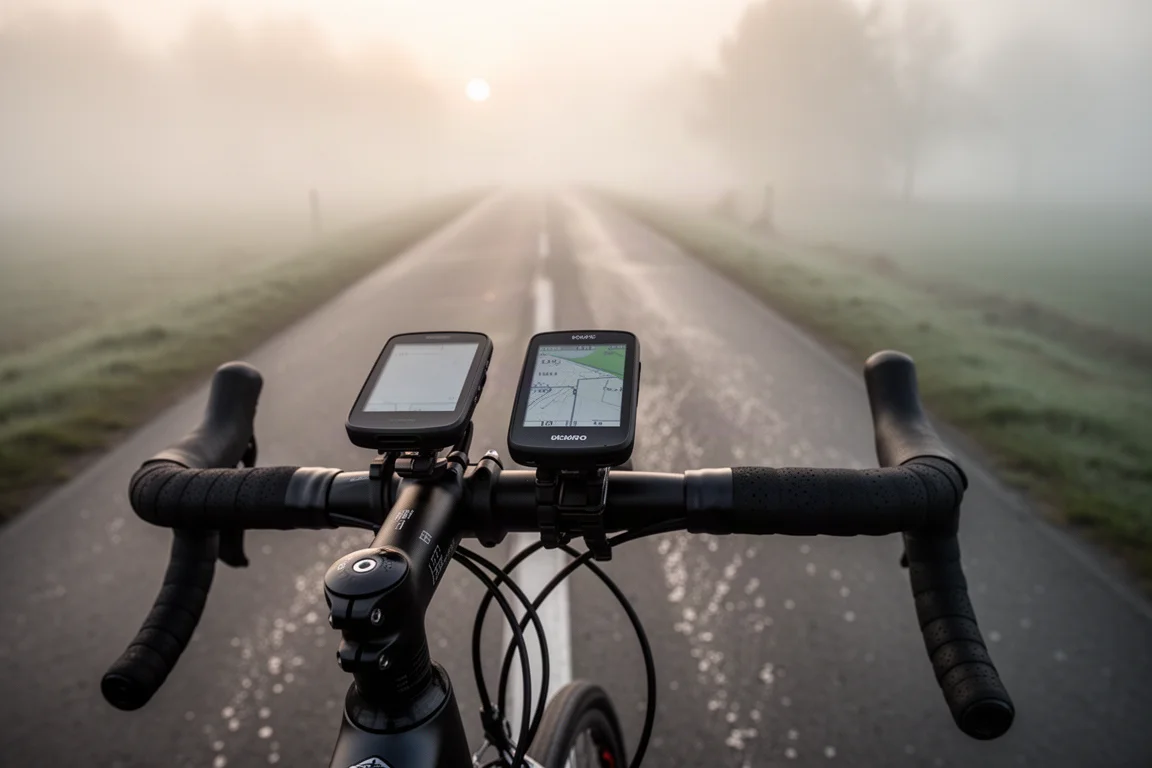
That difference in reach matters for anyone weighing up long-term value. A feature that depends on other riders owning the same hardware can feel thin in the first year or two, while a sensor that works alone delivers from the first ride. Wahoo’s wind sensor is also the most original idea in this comparison, and no other computer brand offers anything like it.
Wahoo ELEMNT ACE: Wind Sensor and Screen Clarity
The headline addition on the ELEMNT ACE is the wind sensor, which measures wind speed and compares it with ground speed. When wind speed exceeds ground speed, the rider is heading into a headwind. When it is slower, the ride is likely benefiting from a tailwind or from shelter in a group. Wahoo frames the metric as an explanation for why a ride feels easier or harder than expected.
The sensor has clear limits today. Its position on the front of the unit means it cannot measure crosswinds, and the live feed updates every second, so the reading jumps around the way wind does. It cannot yet report drag coefficient, something that seemed likely when details first surfaced. Wahoo says it plans to develop the technology further, with drag measurement and planning tools such as wind maps on the roadmap, but no timeline has been given. Professional teams have shown interest in using the data to coach riding habits, teamwork and tactics.
In practice the sensor mostly confirms what riders can already feel, which makes it more of a data enthusiast’s tool than a ride-changing feature. Even so, it is a genuinely new source of data to study, and that originality carries weight here.
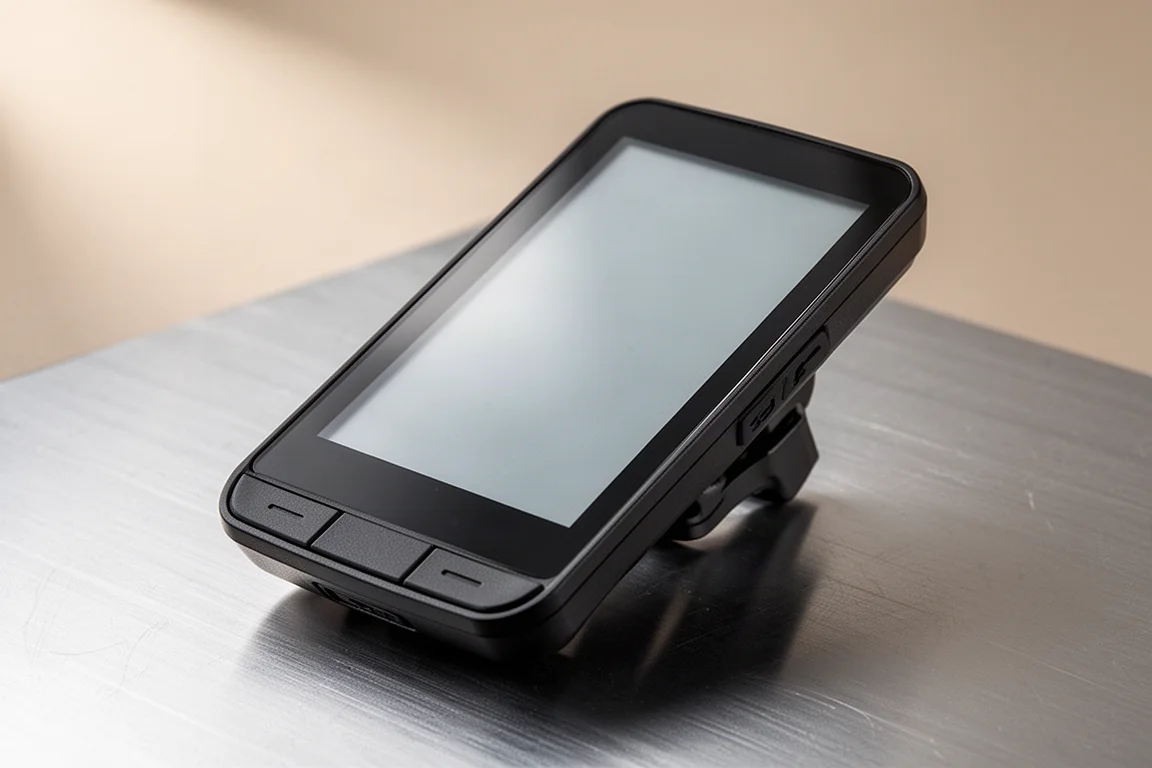
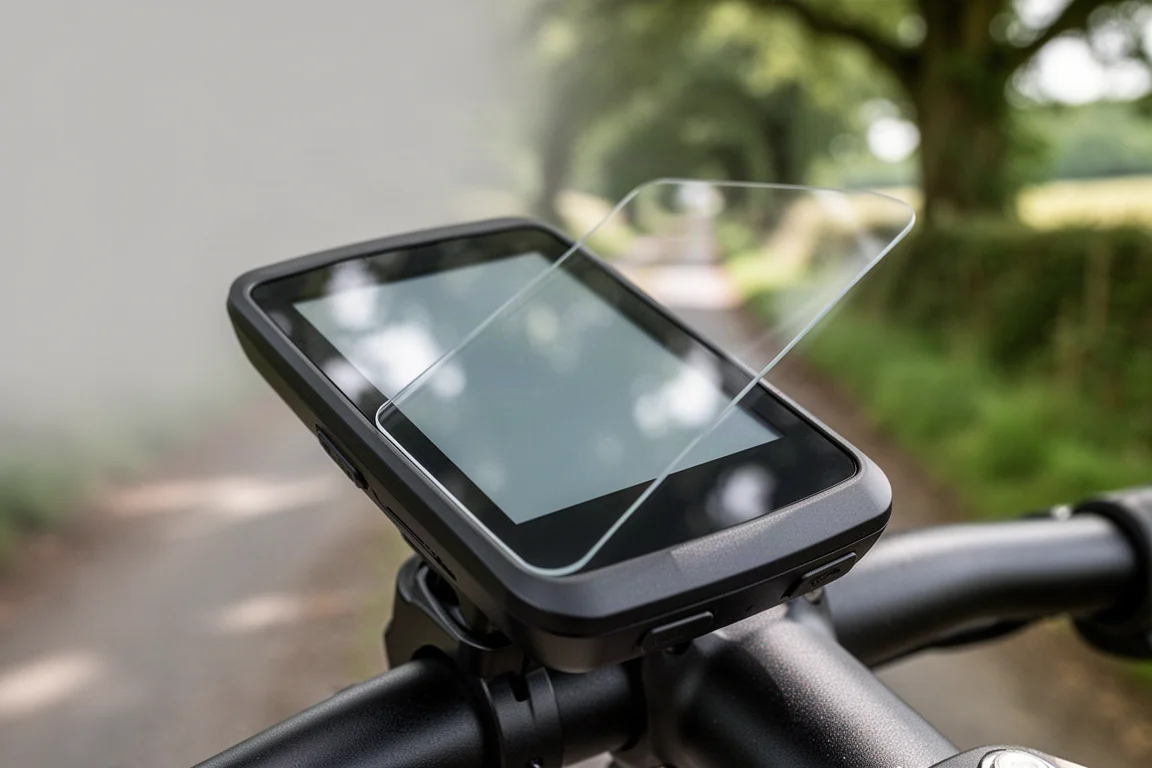
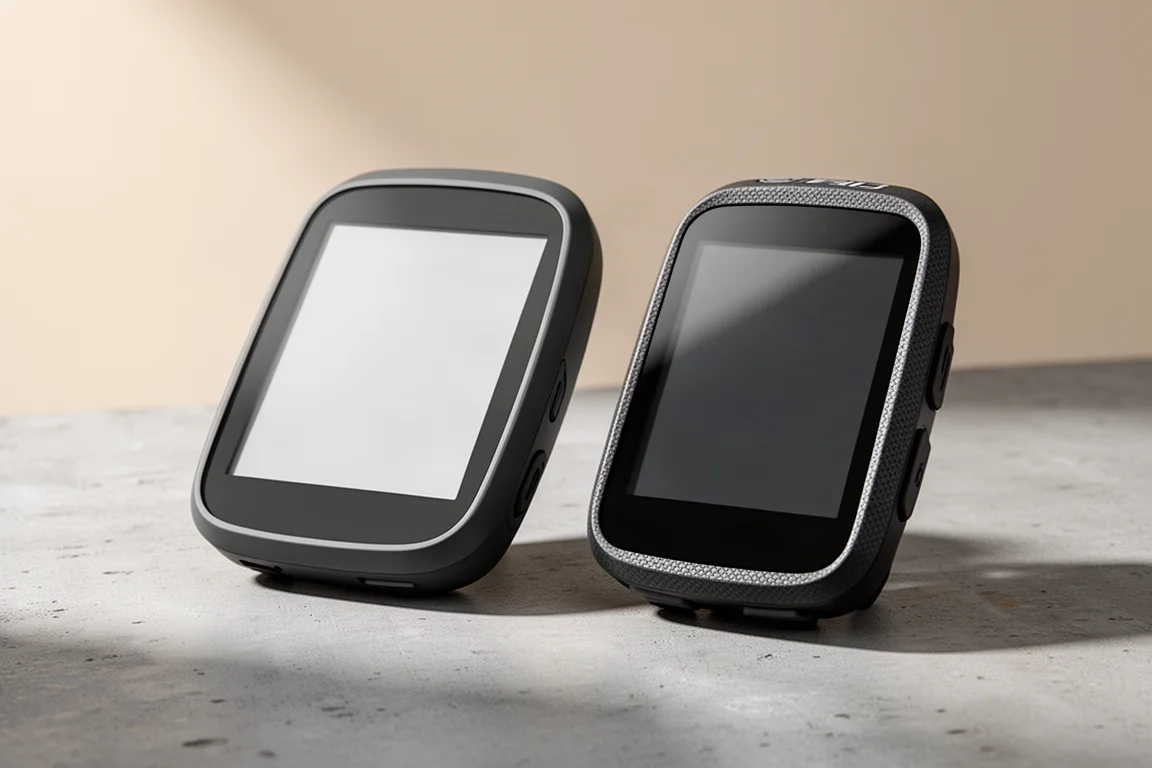
The screen is the other standout. The ELEMNT ACE uses a matte surface that practically eliminates reflections, which is a real advantage under dappled tree cover or when the sun catches the display. It uses a transflective panel, so it reflects sunlight back through the inner screen layer and depends less on a backlight, which supports its battery life. Colors and contrast look less vivid than on the Garmin, and the unit is big, heavy and almost 50 g heavier than an already substantial rival. The extra screen width does add useful surrounding map context.
Garmin Edge 1050: Connected Features and Display
The Edge 1050 arrives with a long list of capabilities, though a couple of the newest ones frustrate. Hazard warnings that let riders mark potholes and chasing dogs only work on a select number of devices, and the group ride features that show member positions, enable messages and add competition are similarly limited. The ideas are good, but they need broad adoption to be worthwhile, and that adoption is not there yet.
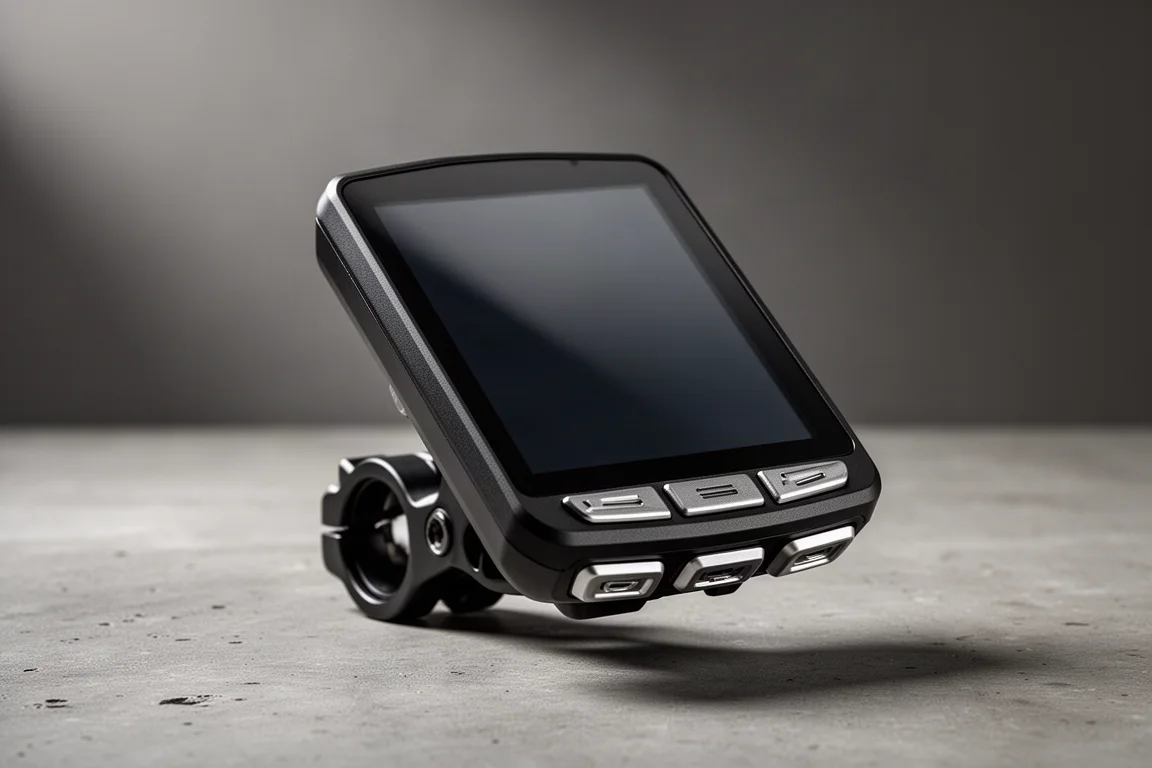
Where the Garmin does pull ahead is responsiveness. It loads and refreshes slightly faster, and it starts up more quickly. Its touchscreen has years of development behind it and is supplemented by dedicated stop, start, lap and power buttons with fixed functions, though there are no physical page toggle buttons as on the Edge 840.
Screen customization is handled on the device. Riders enter the profile and page editor, choose how many fields they want and decide what each field displays. Changing a data field mid-ride is straightforward, which is not the case on the Wahoo, where the phone has to come out. The display is a transmissive LCD, so colors and contrast look more vivid than on the transflective Wahoo panel, and resolution is slightly higher, though the difference is not really noticeable on the bike. The trade-off is a far more reflective screen that can be distracting in bright conditions.
Battery Life, Setup and Everyday Use
Both brands make hefty battery life claims. Reaching anything close to Garmin’s 60 hour maximum means engaging power save features: reducing the backlight, cutting GPS bands and sensor connections and even turning off mapping. With everything switched on and most recording features in use, a little over 20 hours is realistic.
Wahoo took the opposite approach, prioritising battery life with features and connections active rather than limiting functionality to get there. That means the ELEMNT ACE has no dedicated battery save mode, and it cannot match the Garmin’s top-end figure with the same sensors connected. In practice it lasts somewhere between 25 and 30 hours, based on limited time with the unit so far. For riders who want the longest runtime without giving up features, the Wahoo is the better answer.
Setup is simple on both. The routine is to pair a phone over Bluetooth, download the companion app and follow the prompts to create an account and set preferences, or to sync data from an existing account. Linking Garmin Connect or Wahoo accounts to third-party platforms such as Strava is easy as well. Setup on the Edge 1050 is a clear improvement over older Garmin devices, so upgrading owners should find it much easier than before. There is little to separate the two here, and once everything is configured it is not a step anyone repeats often.
Mapping, Navigation and On-Bike Controls
Both computers guide riders around a route well, and both recalculate quickly when a corner is cut off a planned route, without nagging about U-turns for too long. GPS signal quality was solid on both, with no drift issues.
Map clarity favours the Wahoo. It uses plain white lines for all but the largest main roads, with relative road sizes suggested by line width, and the extra screen width adds useful surrounding context. On the Garmin, road lines look less clear and road names can sit awkwardly beside them, making the map feel more crowded. In practice the difference is subtle until you are out on the road. One Wahoo navigation slip sent a road ride down a footpath, though ignoring it quickly produced a more suitable route. The purple breadcrumb line on the Garmin is a nice touch, and Wahoo’s chevron design is easy to follow too.
Control layouts differ in an important way. Garmin’s buttons have defined functions, while the three buttons on the Wahoo change function depending on the screen in view. The Wahoo pairs its multi-function three-button interface with toggle and power buttons on the side plus a new touchscreen, and if the touchscreen misbehaves in the rain, the buttons still work. Neither device can be used by touchscreen alone: both require physical buttons to start and pause a ride.
Customization is where the philosophies diverge. Much of the ELEMNT ACE setup happens in the app, which suits riders who dislike menu mazes, but each screen’s fields are organised by a priority system, so the zoom toggle shows more or fewer of them in a fixed order. Changing that order means stopping and using the phone. On the Garmin, fields can be changed while riding. Creating custom routes on the Garmin is possible but time-consuming and imprecise, so routes are still best built on a laptop and synced across.
Price, Ecosystem and Buying Advice
The Wahoo ELEMNT ACE is around £100, $100 and €100 cheaper than the Garmin Edge 1050, depending on market. Both are flagship purchases, and neither is the sensible buy for every rider. The Edge 840 and the ELEMNT ROAM V2 cost much less and are just as capable at showing essential recording data, which makes them the better use of money for most people.
If the budget is there and the latest hardware is the goal, the ELEMNT ACE is the pick. Its wind sensor is the more interesting new idea, it lasts longer with everything switched on, and it costs less. The Garmin counters with faster performance, on-device customization and a more vivid display.
Ecosystem is the other deciding factor. If a rider already owns several products from one brand, keeping everything within that brand makes pairing easier and is cheaper when those products are already owned. That alone can swing the decision the other way.
Conclusion
Both of these computers are excellent flagships, and either will serve a rider well for years. The Wahoo ELEMNT ACE wins narrowly: the wind sensor is genuinely new, the matte screen is easier to live with in bright light, battery life is stronger without feature compromises, and the price is lower. The Garmin Edge 1050 remains the better choice for riders who value a faster interface, on-device data field changes and vivid color, or who are already invested in the Garmin ecosystem. For everyone else, a cheaper computer from either brand may be the smarter purchase.
Further reading
Related Reviews
Bike Computers
Best Bike Computers 2026: Wahoo ELEMNT ACE, Garmin Edge 1050 and Two Value Alternatives
A practical comparison of the Wahoo ELEMNT ACE and Garmin Edge 1050, plus two cheaper computers that cover the essentials for far less.
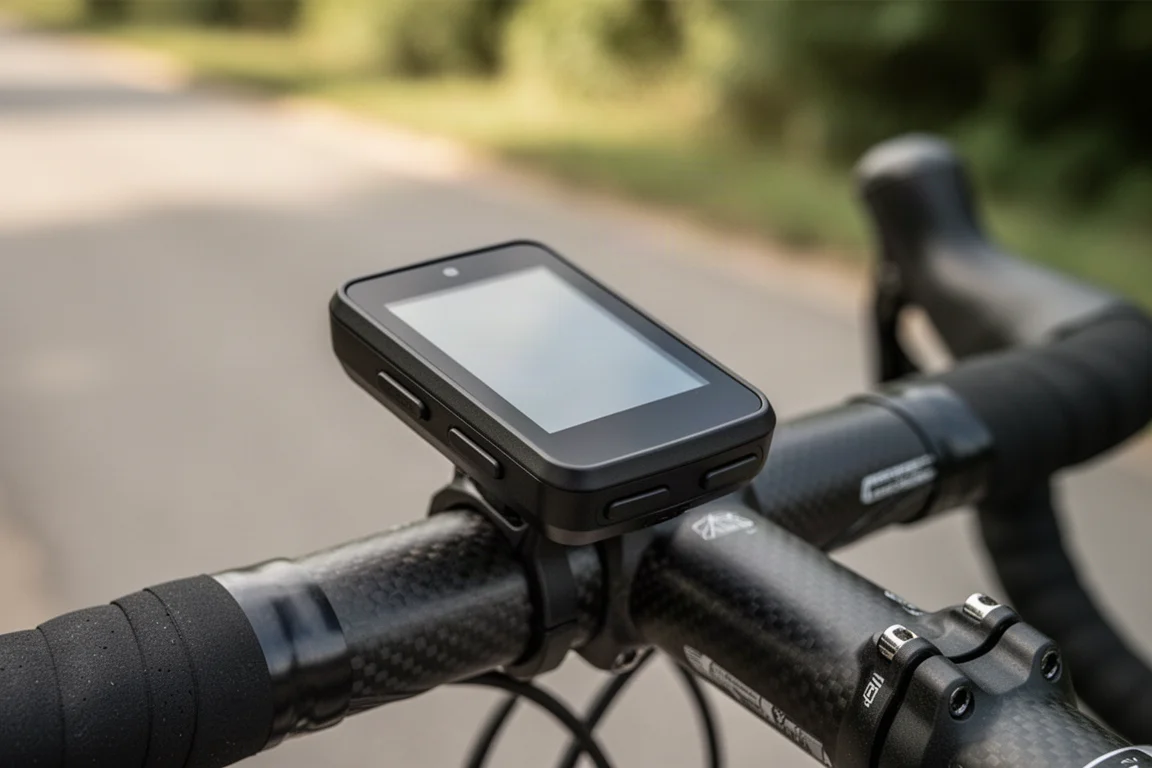
Bike Computers
Bryton Rider 650 Review: High-Performance GPS Without the Premium Price
A full-featured touchscreen GPS bike computer at a fraction of the cost of its premium rivals, with a few quirks worth knowing before you buy.
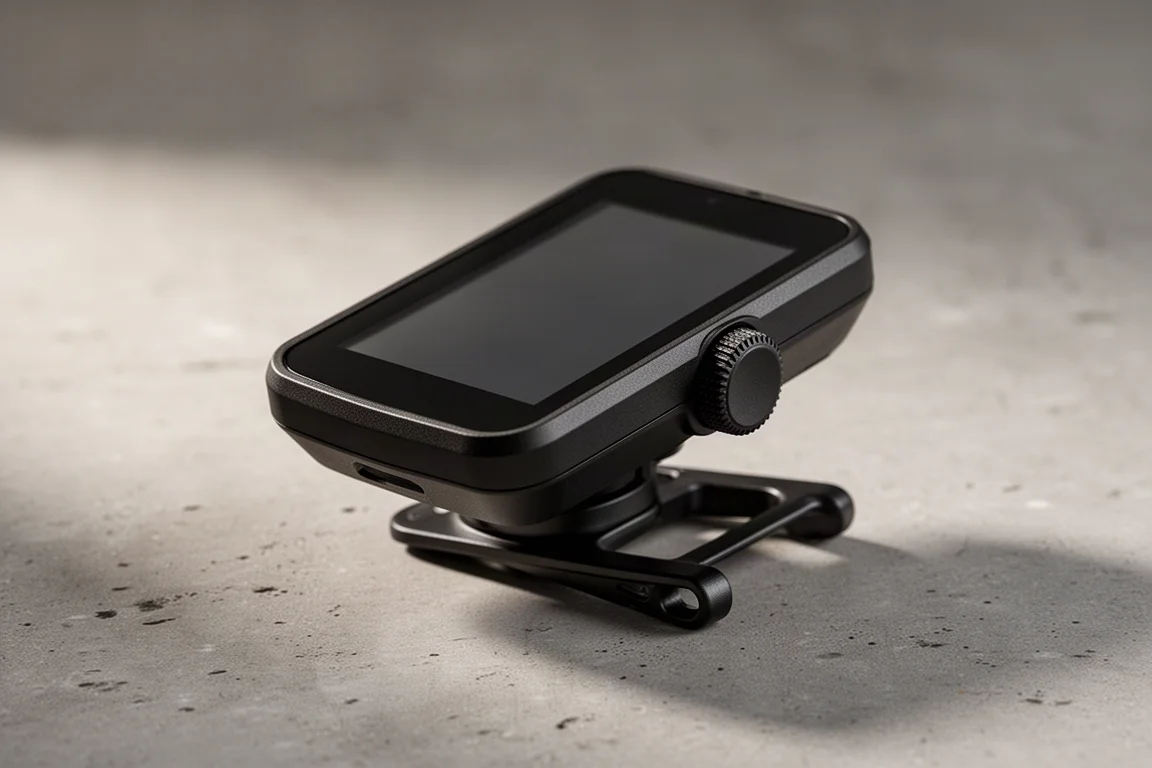
Bike Computers
Coros Dura Review: A 120-Hour Battery Claim and a Serious Value Pitch
The Coros Dura pairs a claimed 120-hour runtime with a $250 price. Here is what stands out, what to weigh, and who it suits.