Cycling Computers
Wahoo ELEMNT Ace Review: A Bigger Screen, a Longer Battery, and a Wind Sensor
A close look at the Wahoo ELEMNT Ace, including its 3.8 inch TFT touchscreen, claimed 30 hour battery, built-in wind sensor, and the trade-offs worth weighing before buying.
Introduction
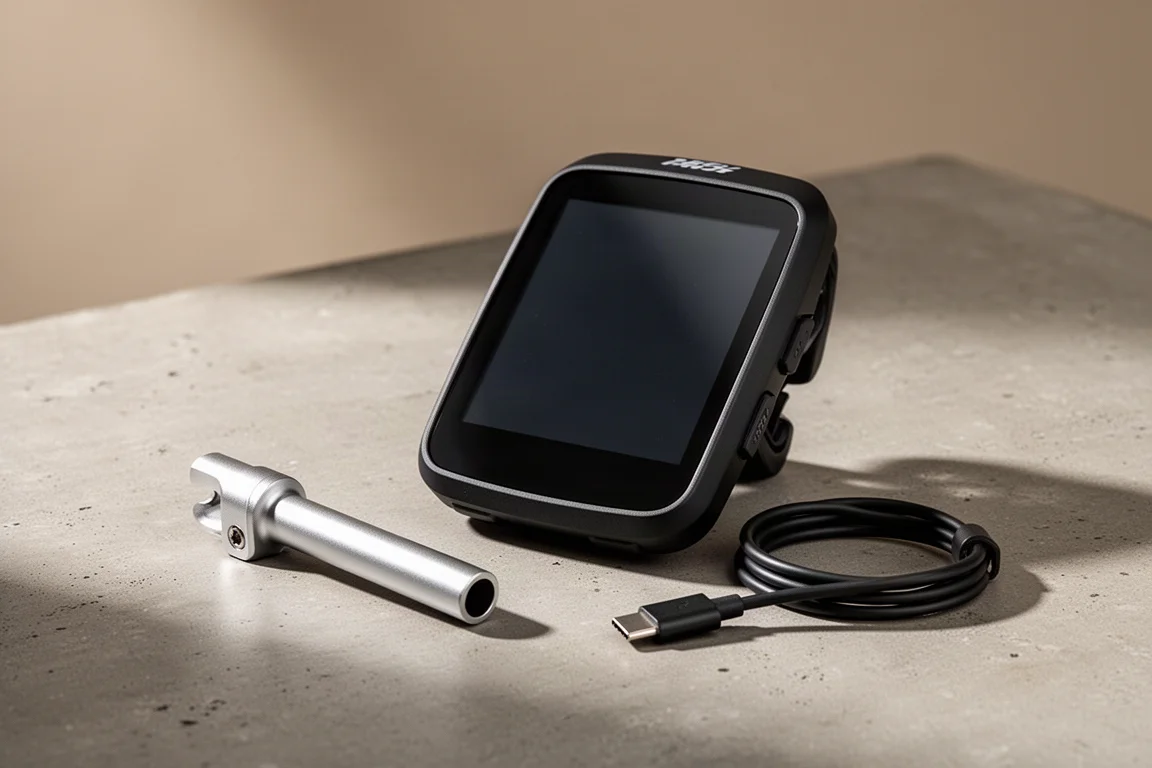
The Wahoo ELEMNT Ace is Wahoo’s newest head unit and its largest to date. Wahoo says it consulted more than a thousand riders during development, and that the two most requested features were a bigger screen and longer battery life. The Ace answers both: a 3.8 inch TFT display that Wahoo describes as the biggest screen of any cycling GPS head unit, paired with a claimed 30 hours of runtime.

It also introduces something genuinely new in the form of a wind sensor built into the front of the housing, and it moves to a redesigned Wahoo app for setup and screen configuration. This review covers what the Ace does well, where the trade-offs sit, and who should consider it.
Who This Product Is For
The Ace suits riders who spend long days on the bike and would rather stop thinking about charging. With a claimed 30 hours of battery life, most riders will need to take the unit off the bike far less often, and even a low battery warning at 25 percent still leaves roughly seven and a half hours of riding.
It also makes sense for riders who lean heavily on navigation. The larger touchscreen supports pinch and drag map manipulation, and the device ships with global maps preloaded.
Riders who spend time under heavy tree cover, on gravel, or on mountain bike trails may also benefit from the improved GPS accuracy Wahoo claims, which is designed to hold a signal through dense foliage.
Finally, the Ace is aimed at riders who want to configure their screens away from the bike. The new Wahoo app supports cloud-based workout profiles, so a screen layout can be set up while the computer is switched off and will sync once the unit is turned on.
Main Strengths
Display and Touchscreen
The 3.8 inch screen is not only larger but noticeably wider than competing units, which makes it feel bigger than the headline measurement suggests. It is a TFT panel, which uses reflected ambient light to brighten the display rather than relying entirely on backlighting, and that helps reduce battery draw. The Ace also renders 16 million colors, compared with 64 colors on the Roam and Bolt.
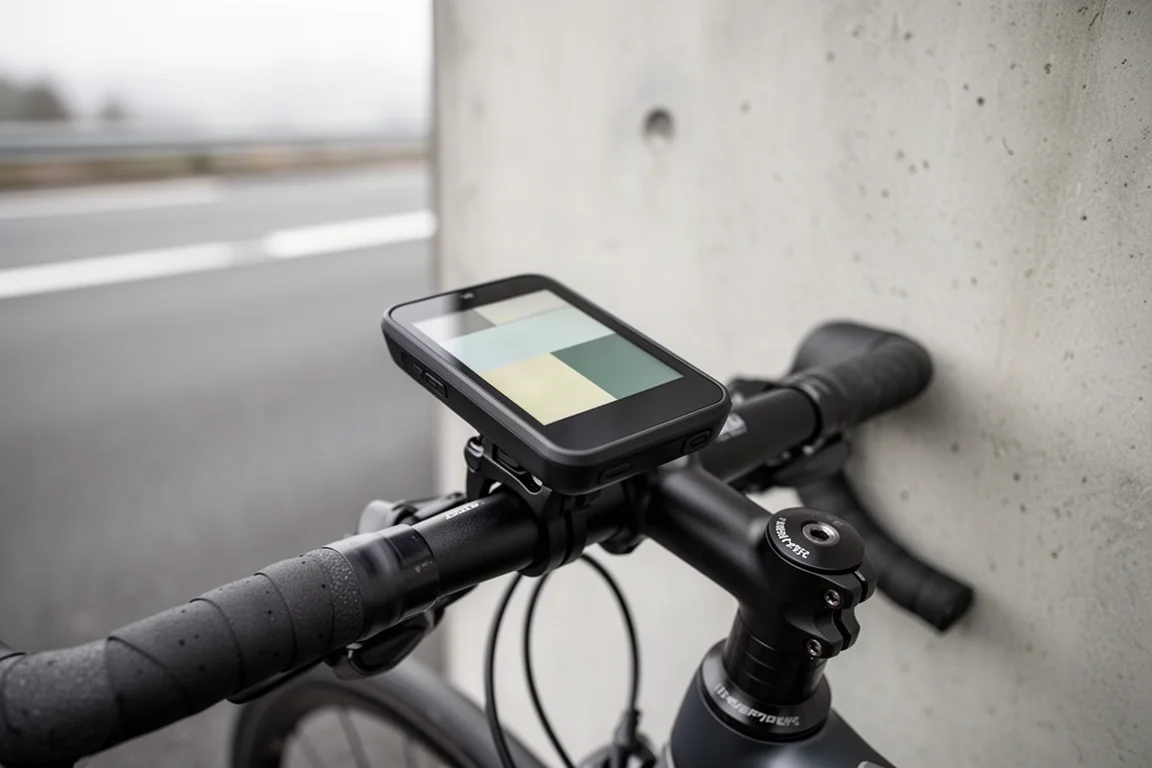
Touch input works alongside the physical buttons, so the unit can be operated entirely by buttons when that is preferable. That matters in cold weather with winter gloves on. Wahoo also says that while heavy rain can reduce touch sensitivity, the screen will not glitch the way a phone might.
Battery Life and Weight
Thirty hours of claimed runtime is a substantial step up from the roughly 17 hours of the Roam, and the battery is not designed to be user replaceable. For most riders the practical benefit is fewer charging cycles rather than a longer service life.
Navigation and Route Planning
Routes can reach the Ace in several ways. A Wahoo account can be synced with the major mapping platforms, so a route created or starred there will appear on the device automatically. A GPX file received by message can be opened on a phone, shared with the Wahoo app, and pushed straight to the head unit. Routes can also be created in the Wahoo app or directly on the Ace itself.

The maps use OpenStreetMap data, which is detailed and improving over time, and additional layers can be added for points of interest and bike paths. For group rides, a route shared through the app can be broadcast locally so everyone starts on the same page. The interface adds a drop-down menu for settings and a map screen shortcut to route planning, while keeping the familiar Wahoo feel.
Wind Sensor
The opening at the front of the device is a wind sensor. It reports detected wind speed, and when that figure sits alongside ground speed, the Ace can indicate how much of a tailwind or headwind is in play, shifting that part of the display through darker shades of green for a tailwind and darker shades of red for a headwind. In a group, a lower detected wind speed reflects how effectively a rider is slipstreaming. All of this data is recorded for post-ride analysis.
Wahoo says it is working on further uses for the sensor, including the possibility of combining wind data with a power meter to assess how efficient a riding position is. The sensor sits behind a protective membrane, so it can be rinsed, but nothing should be pushed into the opening.
Things to Consider Before Buying
The Ace is heavy. At 208 g it is more than double the 94 g of the Roam, and that weight is the direct cost of the larger battery and screen.
Size is another factor. Although the unit is not much thicker than previous Wahoo computers and does not extend beyond the line of the shifters, it is visibly larger on the bars, which is worth weighing up on a bike with a crowded cockpit.
The wind sensor delivers a new category of data rather than a proven training tool. Its value today is in reading wind conditions and group efficiency, with more advanced applications still in development.
The Ace also moves to the new Wahoo app rather than the older ELEMNT app. Wahoo is combining its indoor and outdoor apps into a single platform, so existing users will need to adjust to a different setup workflow.
Buying Advice
At $599 or £549, the Ace sits at the top of Wahoo’s range, and the price reflects the screen, the battery, and the wind sensor. Riders who want a compact, lightweight computer for shorter rides and racing may find the Roam or the Bolt a better fit for their needs and budget.
For riders who plan long days, rely on navigation, or simply want the largest display available on a cycling computer, the Ace’s combination of screen size, runtime, and map detail makes a clear case. The CNC machined aluminium mount is a solid touch, and replaceable colored trim lets riders customize the look from launch. Wahoo also states that the packaging is 99.99 percent recyclable, with only a small tie wrap falling outside that.
Conclusion
The Wahoo ELEMNT Ace is built around the two things riders asked for most: a bigger screen and a longer battery. It delivers both, then adds a wind sensor that opens up headwind, tailwind, and group efficiency data that few computers offer.
The trade-offs are weight, size, and price, and they are real. Riders who value a light and compact unit may not want the extra grams on the bars. Riders who ride long, navigate often, or want the largest screen on the market will find the Ace a well-considered package with a battery that keeps up with their ambitions.
Product link
View more details for Wahoo ELEMNT ACE
This product is mentioned in the review. Check the specifications, options, and compatibility before buying.
View more details for Wahoo ELEMNT ACEFurther reading
Related Reviews
Cycling Computers
Best Cycling Computers: 11 Options Compared
A practical look at 11 cycling computers, from the premium Garmin Edge 1050 to the budget Coros Dura, with strengths, trade-offs, and buying advice.
Cycling Computers
Best Cycling Computers 2026: 10 Head Units Across Every Price Point
A practical guide to ten cycling computers, from a $9.99 wired unit to solar-assisted flagship head units with colour mapping, sensor pairing and long battery life.
Cycling Computers
Best Cycling Computers Under £200: Seven Capable Head Units Compared
Seven cycling computers below £200 compared on navigation, sensor support, battery life and everyday value.