Bike Computers
Wahoo ELEMNT ACE First Look: Bigger Screen, Touch Input, and a Wind Sensor
A closer look at Wahoo's new flagship bike computer, covering the 3.8-inch transflective screen, first-ever Wahoo touchscreen, built-in wind sensor, claimed 30-hour runtime, and what to weigh before buying.
Introduction
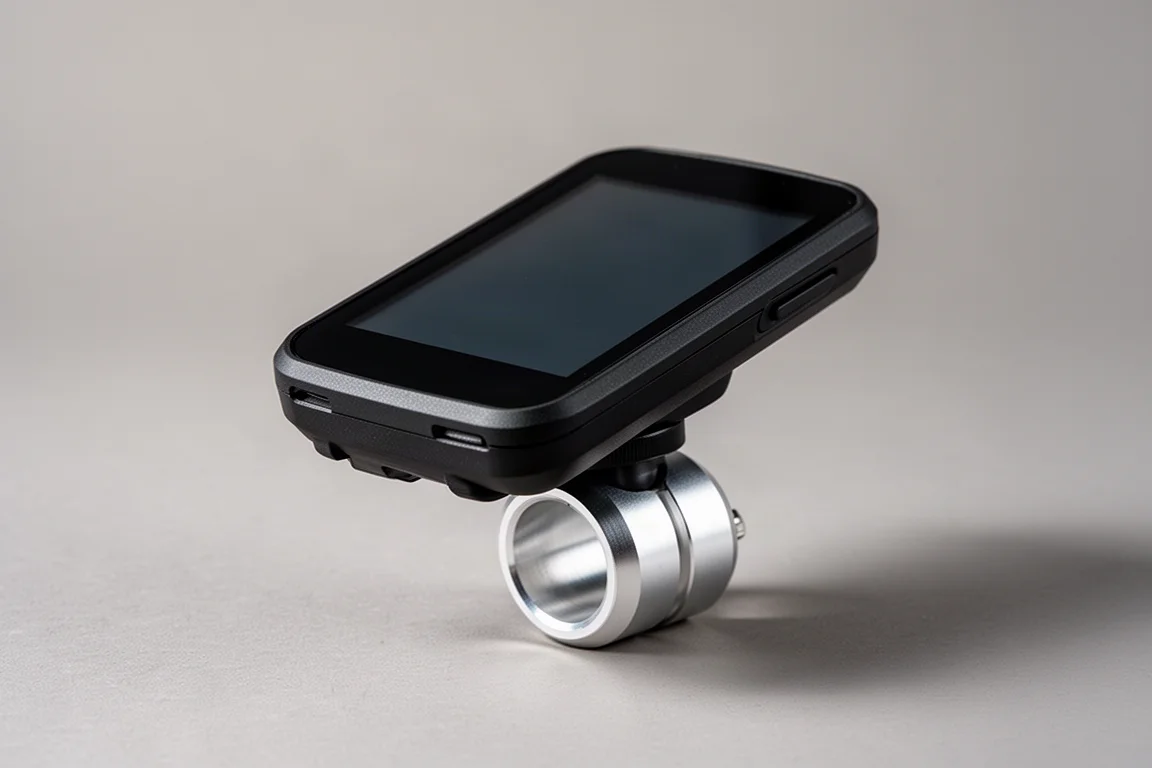
The Wahoo ELEMNT ACE is Wahoo’s new flagship bike computer, and it is a clear departure from everything the company has built before. It pairs a 3.8-inch screen with a claimed 30-hour battery runtime, adds a touchscreen for the first time on a Wahoo computer, and introduces a small pressure-based sensor that measures wind speed while you ride. Wahoo describes it as a ground-up redesign rather than an enlarged version of an existing model, and the interface, the setup process, and the on-device menus all reflect that.
At $600, or roughly £550, the ELEMNT ACE sits below the Garmin Edge 1050 on price while offering a larger display. This first look covers what the computer does well, where it asks for a little patience, and who should consider it.
Who this product is for
The ELEMNT ACE is aimed at riders who want more screen and more runtime than a compact computer can offer. If you find yourself squinting at a smaller display, if you plan long days or multi-day bikepacking trips, or if you simply prefer to see a full map and a dense data page at the same time, the larger panel is the main argument for this device.
It also suits riders already invested in the Wahoo ecosystem. Setup runs through the Wahoo smartphone app, and Wahoo is folding the older companion app into a single updated app so routes, sensors, workouts, and ride data all live in one place. Riders who care primarily about weight, though, are better served by the much smaller and lighter ELEMNT BOLT.

Long-distance and mixed-surface riding is where the combination of a large transflective screen and a long claimed battery runtime makes the most sense. Road racers who only need speed, power, and a turn prompt may find the extra size unnecessary, and anyone upgrading from an ELEMNT ROAM will recognise the layout immediately, just on a bigger canvas.
Main strengths
Bigger screen with touch and buttons
The 3.8-inch display is larger than the 3.5-inch panel on the Garmin Edge 1050 and considerably larger than the 2.7-inch screen on the ELEMNT ROAM. It uses a transflective TFT panel chosen for visibility across a wide range of light and weather, from bright sun to flat overcast. Text is crisp, contrast is good, and the screen stays legible in conditions where a glossier panel would struggle.
Brightness is the one place where the Edge 1050 holds the advantage. The Garmin panel is noticeably brighter and makes a stronger impression in a shop, though it is rarely run at full brightness in practice. The ACE trades some of that peak brightness for all-day readability.
Color is handled with restraint. The panel supports 16 million colors, but Wahoo uses them sparingly compared with Garmin or Hammerhead, mostly to shade power and heart rate zones. That turns out to be genuinely useful: when you are pushing hard, a colored block on the screen tells you which zone you are in without you having to read a number.
Touch is new for Wahoo here. The touchscreen responds well, though it is not quite as quick as the Edge 1050’s. The important part is that you are not forced to use it. Physical buttons remain, laid out the same way as on the ELEMNT ROAM, so anyone upgrading already knows where everything is. The up and down toggles on the right zoom data pages in and out, so adding or removing fields is a two-tap operation rather than a trip through the menus.
Wind sensor and ride data
The headline feature is a small pressure sensor mounted at the front underside of the computer that measures wind speed. It is the first implementation of its kind on a GPS bike computer, and it answers a question riders have asked for years: how strong is this headwind, really?
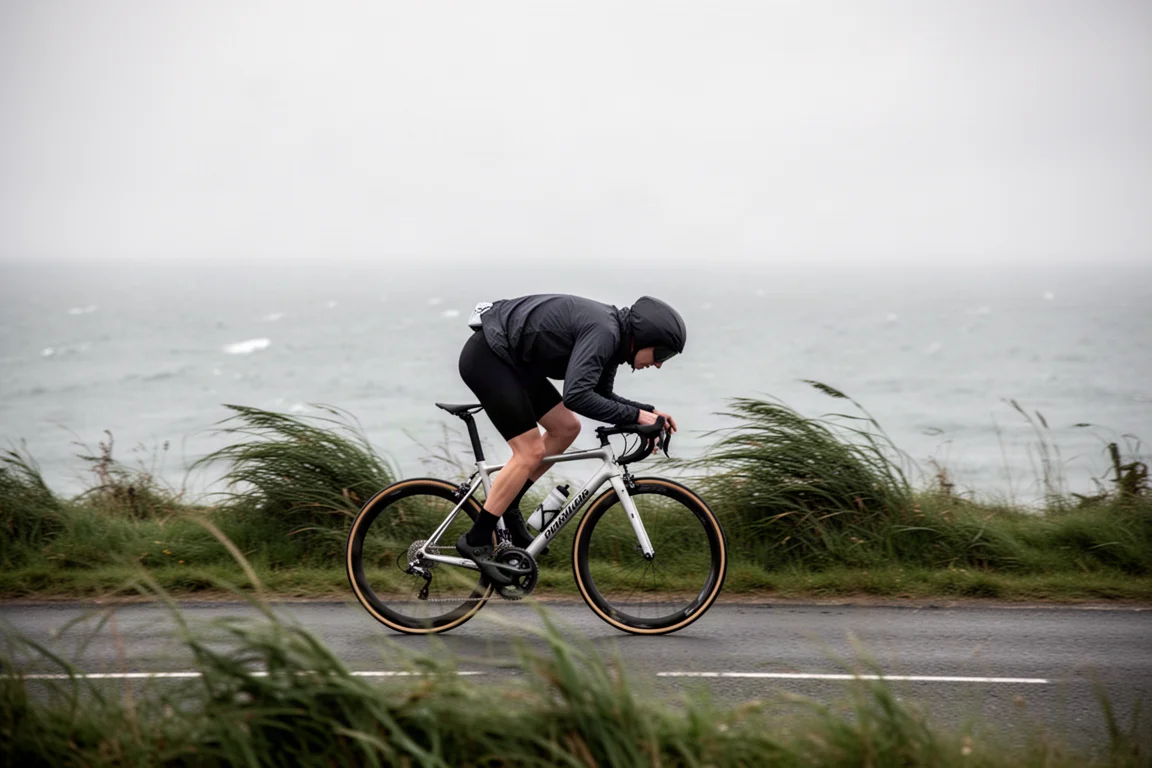
Wind speed appears on the mapping page by default as a small color-coded icon, and you can build a dedicated data page that shows wind speed alongside power and road speed. That combination is the interesting one, because it lets you see how much power a headwind is costing you in real time, and how much a tailwind is giving back. After a ride, the Wahoo app breaks down how much of the session was spent riding into a headwind and how much with a tailwind, which adds useful context when you are trying to work out why a route felt harder than the numbers suggested.
There is a limit to what the sensor does today. It cannot yet feed a real-world aero or CdA calculation, so you cannot use it to compare helmets, wheel choices, or body positions out on the road. Wahoo says the hardware is in place and has discussed that capability as a future direction, but nothing is available now. For the moment, the wind sensor is a measurement and analysis tool rather than a full aerodynamic testing rig.
Battery, size, and build
A claimed 30-hour runtime is the reason the ACE is as large and as heavy as it is. The body is visibly bigger, deeper, and chunkier than the Garmin Edge 1050, and it feels heavier in the hand, though both are substantial devices next to something like the ELEMNT BOLT. The runtime figure is a manufacturer claim and has not been verified across a full set of long rides, so it is worth treating as an official number until more distance is logged.
In the box you get a USB-C charging cable and a machined aluminium out-front mount sized for a 31.8 mm round handlebar. The mount is a nice piece of hardware, but it will not fit one-piece aero cockpit stems, which have become common on mid-range and high-end bikes. In that case you will need the mount that came with your handlebar or stem. Mount standards remain inconsistent, and the closest thing to a universal option is a two-bolt underside mount, which is worth choosing because it usually adds a lower GoPro-style fitting for a camera, light, or bell.
Navigation and turn-by-turn voice prompts
Getting a route onto the ACE is straightforward. You can send one from the Wahoo app, from Strava, or from most mapping services, and you can also plot a route directly on the device by scrolling the map and selecting a point of interest. The quickest method is still to search for a destination on your phone, then share it across through the Wahoo app. The same approach works on the Garmin Edge 1050.
Once a route is loaded, the built-in speaker can read turn-by-turn directions aloud. Prompts arrive at the right moment, the voice is easy to hear, and the volume is adjustable, so it is possible to follow a route without looking down at all. If you deliberately ride off course, the device recalculates and steers you back quickly, with no noticeable delay. Voice guidance can be switched off entirely for riders who prefer to glance at the map as a junction approaches.
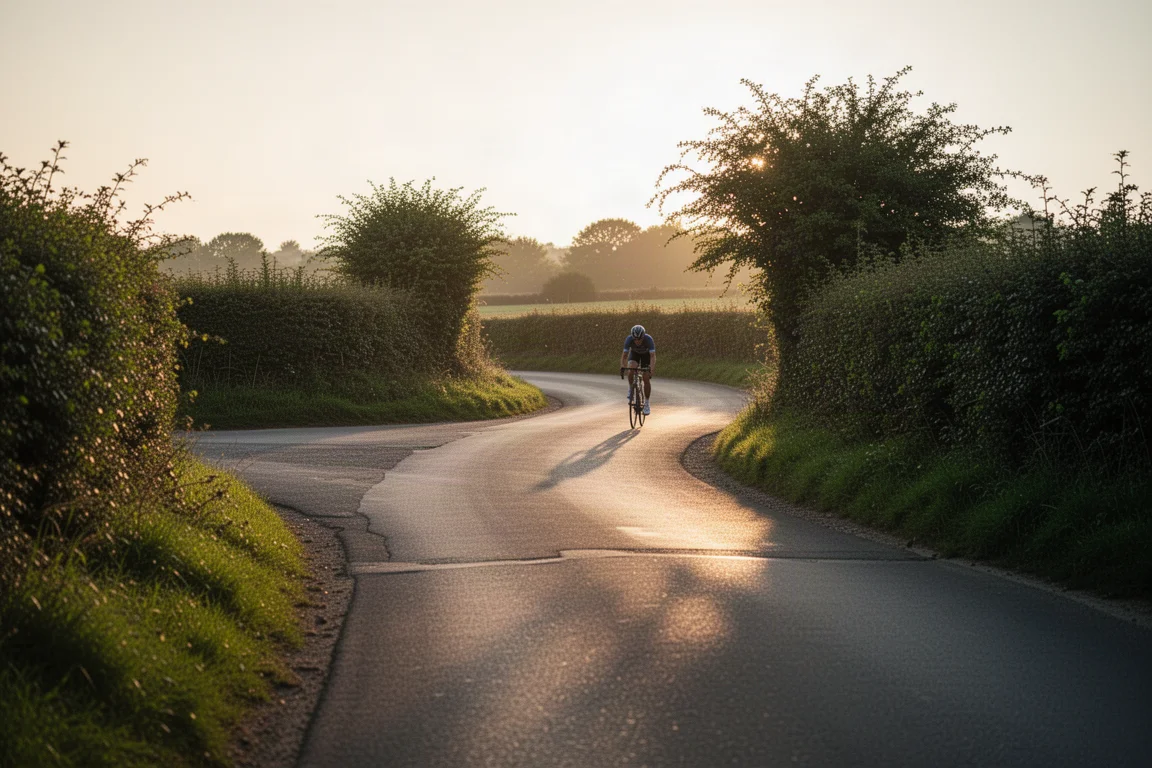
The navigation behaviour itself is consistent with what Wahoo users already know: reliable, simple to follow, and easy to correct when you take a wrong turn. The addition of audio prompts is optional rather than mandatory, which keeps the experience familiar for anyone coming from an ELEMNT ROAM.
Things to consider before buying
Size and weight are the first trade-off. The ACE is larger and heavier than the Garmin Edge 1050, and it is a long way from the compact feel of an ELEMNT BOLT. Riders who obsess over grams, or who race short events where every gram is counted, will not gain much from the extra bulk.
Screen brightness is the second. The Edge 1050 has the brighter panel, and if you want the punchiest display available, that matters. The ACE counters with a transflective screen that stays readable in direct sun, but it will not have the same showroom impact.
Durability of the wind sensor is the open question. There are two open ports on the front of the unit where dirt, mud, and grit could collect. Wahoo states that extensive real-world testing supports the sensor’s reliability and durability, but it is not a user-serviceable component and it cannot be replaced if it fails. In normal use on mixed surfaces it has held up so far, but it is a part worth being aware of before you commit.
Finally, the aero and CdA functionality that would make the wind sensor transformative is not available yet. If that is the feature you are buying for, it is a case of waiting to see what arrives.
Buying advice
At $600, or around £550, the ELEMNT ACE undercuts the Garmin Edge 1050 while offering a larger screen, a longer claimed battery runtime, and a sensor no other bike computer currently has. If you want a big, readable display for navigation, long rides, and bikepacking, and you value Wahoo’s simple interface and quick setup, this is a compelling package.
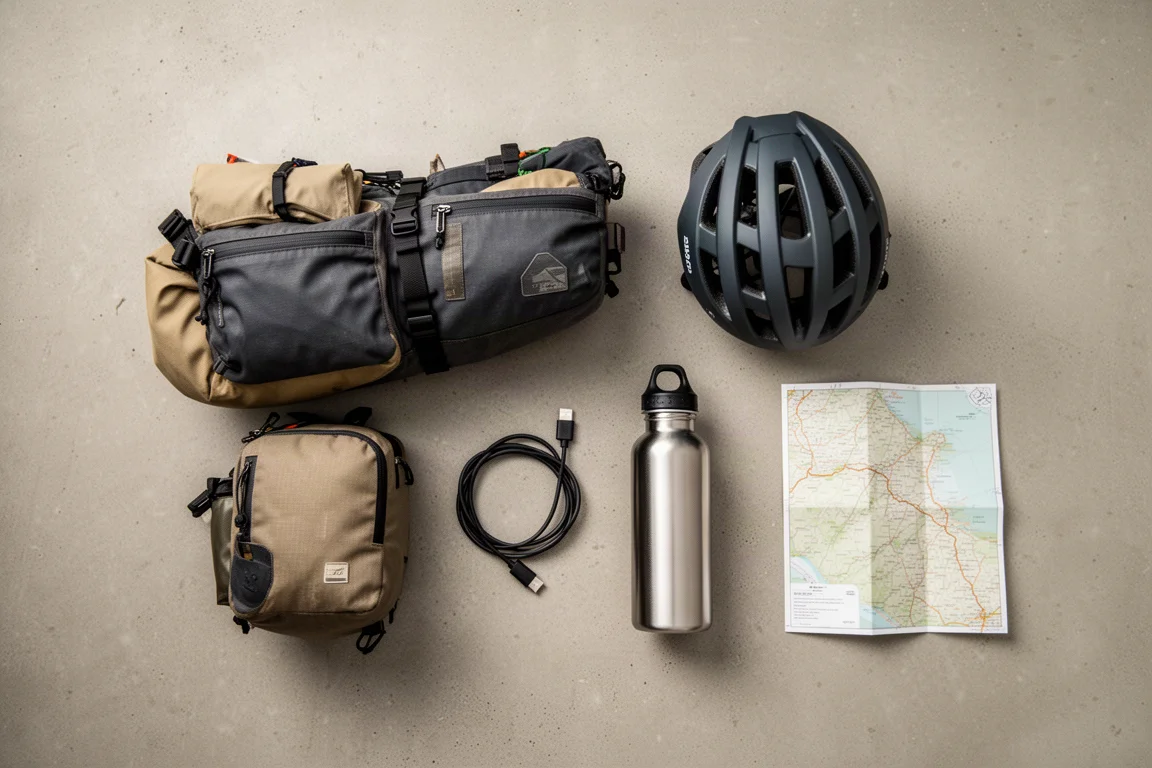
If weight or compactness matters more than screen size, the ELEMNT BOLT remains the sensible pick, and the ELEMNT ROAM V2 stays a good middle ground for riders who do not need the larger panel. If maximum screen brightness is your priority, the Edge 1050 is the alternative to weigh against it. For everyone else, the ACE is worth a close look, particularly if the wind data appeals and you are comfortable with the idea that its most advanced potential is still ahead.
Conclusion
The Wahoo ELEMNT ACE takes the reliability and straightforward setup that Wahoo riders already trust and scales it up. The larger transflective screen, the addition of touch alongside physical buttons, the voice prompts, and the claimed 30-hour runtime all point to the same rider: someone who wants to spend long hours on the bike without worrying about the computer. The wind sensor is the genuinely new idea, and it already delivers useful headwind and tailwind data even before any aero features arrive. It is a bigger, heavier computer than some rivals, and the sensor’s long-term durability is still an open question, but as a first look it makes a strong case for anyone shopping at the top of the Wahoo range.
Product link
View more details for Wahoo ELEMNT ACE
This product is mentioned in the review. Check the specifications, options, and compatibility before buying.
View more details for Wahoo ELEMNT ACEFurther reading
Related Reviews
Bike Computers
Best Bike Computers 2026: Wahoo ELEMNT ACE, Garmin Edge 1050 and Two Value Alternatives
A practical comparison of the Wahoo ELEMNT ACE and Garmin Edge 1050, plus two cheaper computers that cover the essentials for far less.
Bike Computers
Bryton Rider 650 Review: High-Performance GPS Without the Premium Price
A full-featured touchscreen GPS bike computer at a fraction of the cost of its premium rivals, with a few quirks worth knowing before you buy.
Bike Computers
Coros Dura Review: A 120-Hour Battery Claim and a Serious Value Pitch
The Coros Dura pairs a claimed 120-hour runtime with a $250 price. Here is what stands out, what to weigh, and who it suits.