Golf
Volvik Golf Balls 2026: A Practical Guide to Choosing the Right Ball for Your Game
A clear breakdown of Volvik's golf ball lineup, from the Power Soft to the Condor X, and how compression, cover, spin, and visibility affect your game.
Introduction
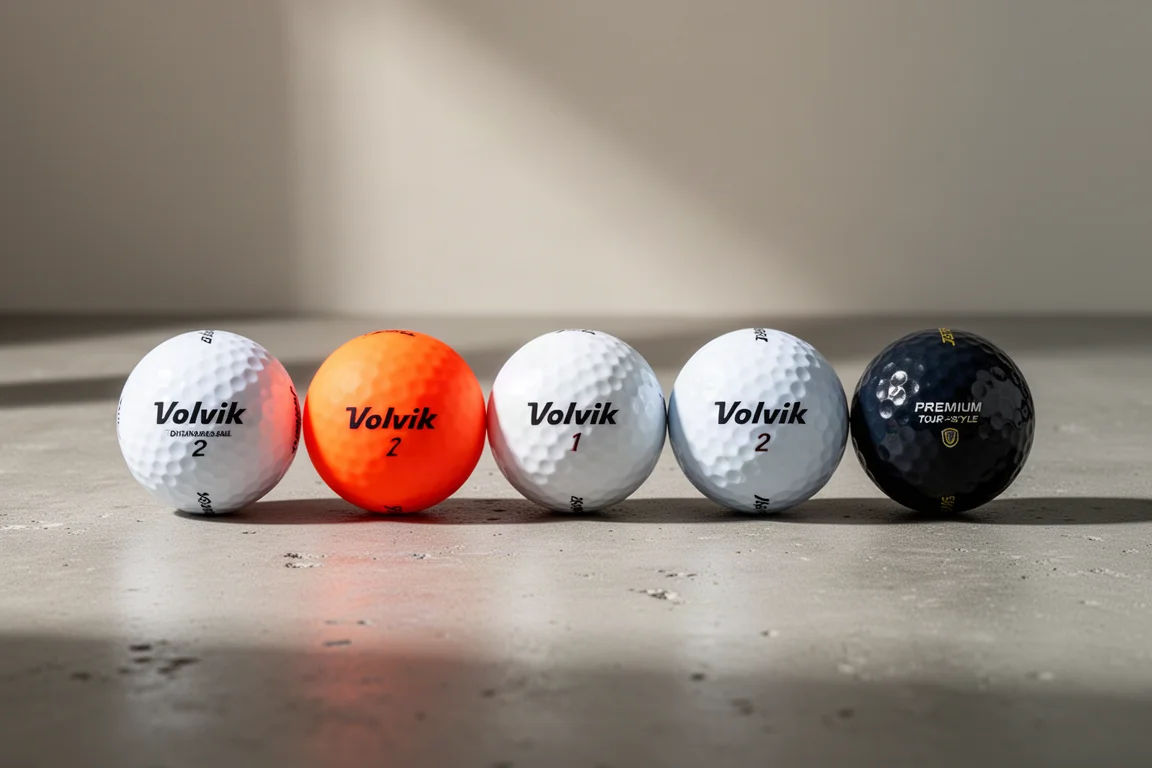
Most golfers pick a golf ball for the wrong reasons. They grab the cheapest option, copy what tour professionals use, or settle for a ball found in the woods. But the right golf ball can help your game far more than most people realize, especially for beginners and average golfers. This guide breaks down what actually matters, what does not, and how to match a ball to your swing. We will use Volvik’s lineup as the reference because it offers one of the clearest ranges for understanding who each ball is designed for.
What Actually Matters When Choosing a Golf Ball
The biggest mistake golfers make is assuming a tour ball is automatically the best ball. For some players, it absolutely is. For most, it is not. If your swing speed is slower, if you struggle with slicing, if you lose a few balls per round, or if you simply want more distance, a super high compression tour ball can actually make the game harder. The good news is that you can play good golf with a cheaper ball.

Several factors determine which ball suits you best. Compression, cover material, spin, visibility, and construction all play a role. Understanding each one helps you make a smarter choice without overpaying for performance you cannot use.
Compression: Matching the Ball to Your Swing Speed
Compression describes how much the golf ball squashes at impact, and it directly affects how firm the ball feels. A lower compression ball is softer and easier to compress. Think of a trampoline: you sink down and get shot back up. That is what happens when the ball hits the club face. It compresses at impact and rebounds off the club, flying through the air.
Lower compression balls help golfers with slower swing speeds. If you measure your swing speed and find it below 90 miles per hour, or certainly below 85, a lower compression ball helps you generate speed. You will launch the ball higher and reduce side spin for straighter, longer shots.
A higher compression ball is the opposite. It is firmer and requires faster swing speeds to fully compress. If you swing at 100 miles per hour or more, a higher compression ball creates more efficient energy transfer. The result is a lower spinning, more penetrating, and more controllable ball flight.
Using the wrong ball for your swing creates problems. A fast swing with a soft ball overcompresses it, leading to reduced ball speed, excessive spin, and shots that launch too high and balloon in the air. That costs you distance. A slow swing with a high compression ball undercompresses it, making the ball feel hard at impact and fly lower and shorter than you want.
Cover Material: Urethane vs. Surlyn
The cover material is the second major factor. Today, golf balls use one of two cover types: urethane or surlyn, also known as ionomer. A surlyn or ionomer cover is more durable and does not scuff as easily because it is made of a harder material. These balls are often built for straighter shots and are usually longer for average golfers or those with slower swing speeds.
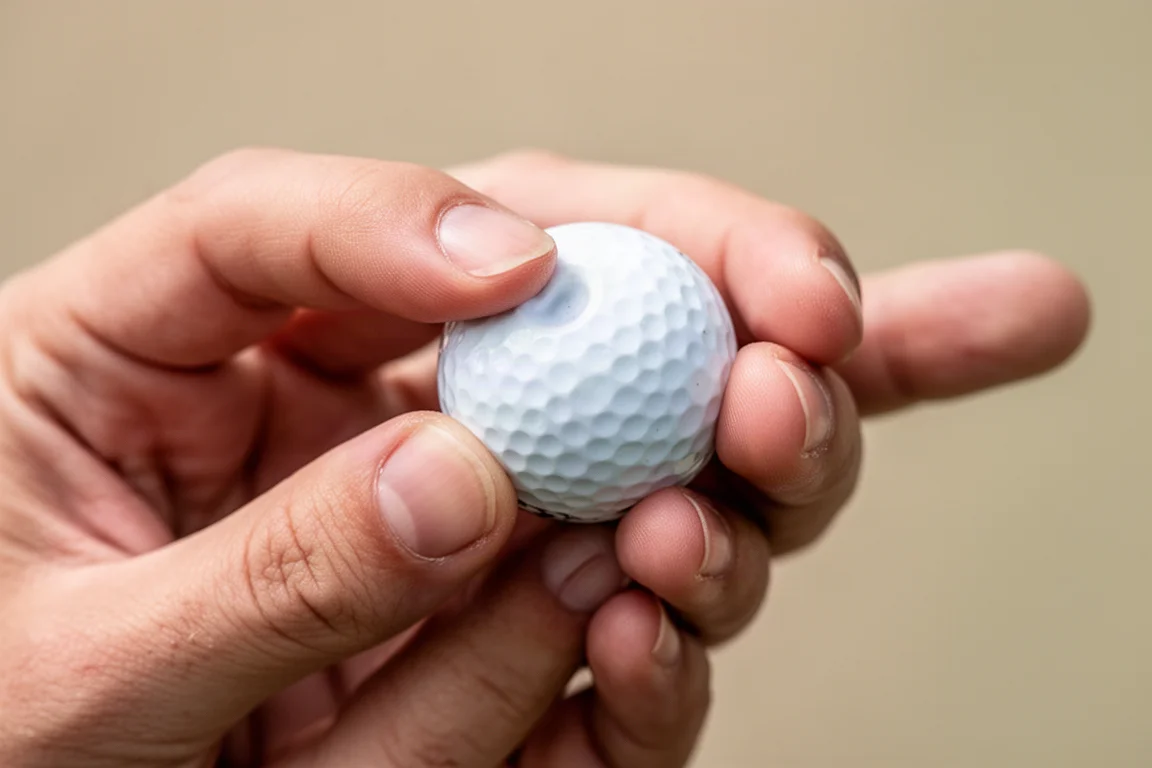
A urethane ball feels softer. You can press your fingernail into the cover and it may leave a slight mark. Urethane covers provide more greenside spin and more control over shots. They generally come at a higher price and are considered premium balls.
Spin: Less Is Often More
Contrary to popular belief, most beginners need less spin than they think, especially off the driver. More spin sounds appealing, but golf is a game of opposites. Beginners often add too much spin because the club face is not square at impact consistently. More spin sounds great until you slice the ball 40 yards off to the right. Lower spin off the driver means your slices do not go as far right and your hooks do not go as far left. It generally means straighter shots.
Visibility and Confidence
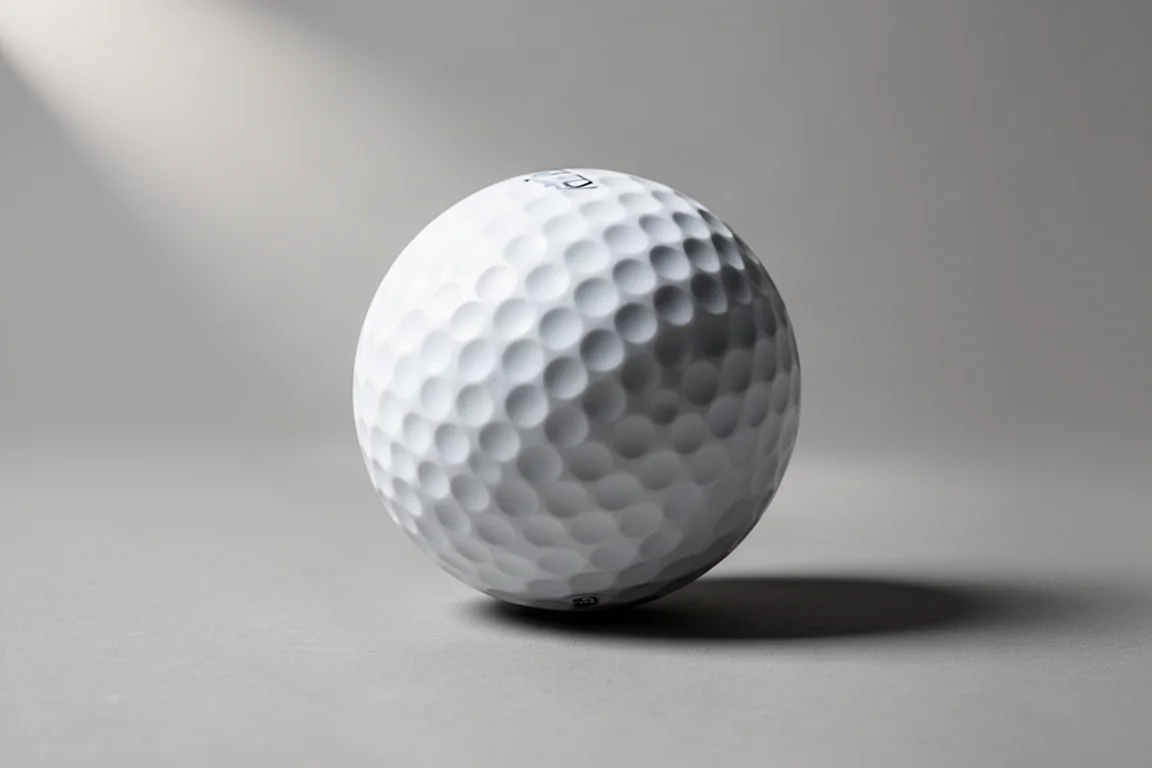
Visibility matters more than most golfers admit. If you can see the ball better, track it better, and line up your putts better, you will probably play better golf. This is where Volvik became famous. Their brightly colored balls are ridiculously easy to see against the sky or the grass.

Ball Construction: Two, Three, and Four-Piece Designs
The number of layers in a golf ball affects its performance profile. Two-piece balls have a cover and a core. They are designed for distance, durability, lower spin, and forgiveness. These are usually great for beginners because that is exactly what you need. Many golfers would actually score better with a two-piece ball than a tour ball.
Three-piece balls add a mantle layer between the cover and the core. That layer creates more feel, more spin control, and more short game performance. Golfers get better greenside control, more stopping power on wedge shots, and overall more versatility. A three-piece ball offers forgiveness plus a performance factor.
Four-piece balls add even more separation between driver, iron, and wedge performance. They are generally built for high swing speed players or stronger players trying to maximize every part of their game. But more layers do not necessarily mean a better ball for you.
The Volvik Power Soft
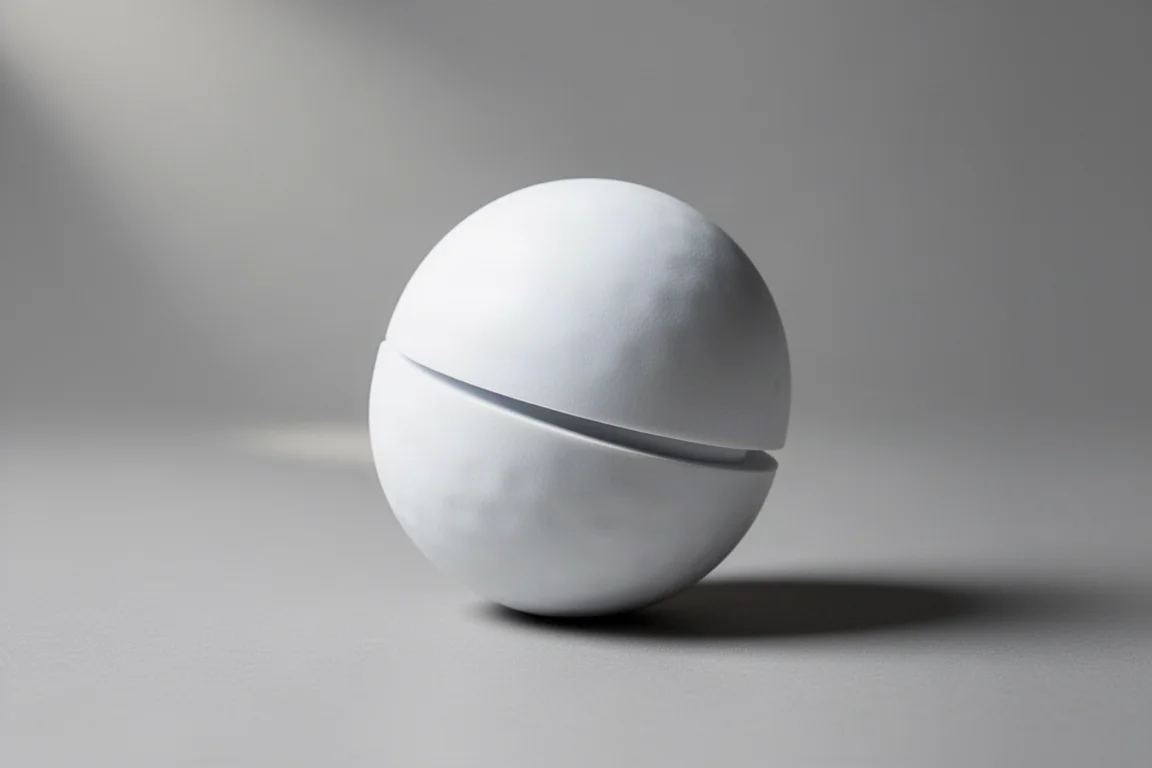
The Volvik Power Soft is Volvik’s two-piece distance ball. It is a great choice if you are newer to golf, have a moderate swing speed, and want to hit the ball straighter. This is probably where most beginners should start.
The Volvik Vivid
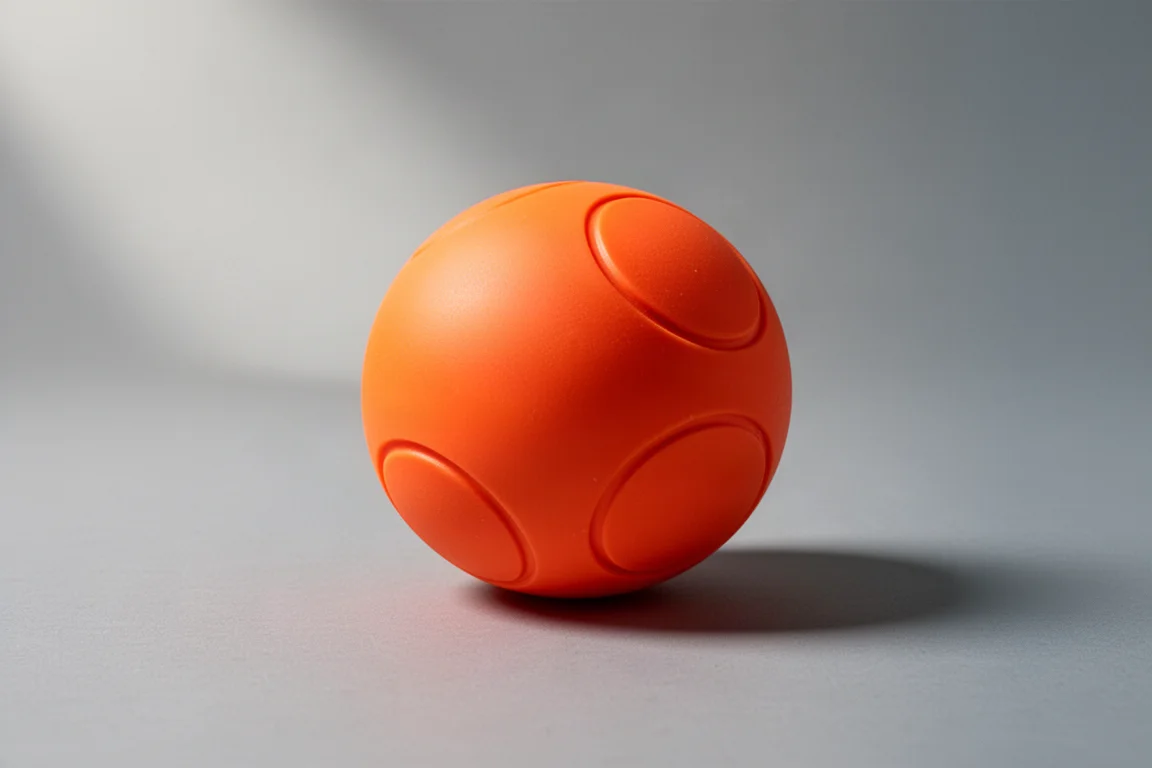
The Volvik Vivid family is where Volvik’s visibility reputation shines. This family includes both matte and shiny options in all sorts of colors to maximize contrast against the sky or grass. The Vivid lineup is primarily built around a three-piece construction that balances distance, low driver spin, and high wedge spin. You get a softer feel, more short game control, and all the benefits of a highly visible ball. This is where golfers start wanting more finesse without jumping into a full tour level ball.
The Volvik Axia
Once your swing speed starts getting faster, or if you naturally create a lot of speed, you may want a firmer golf ball. The Volvik Axia gives you a firmer feel, faster ball speeds, and more stability. It is designed for players who can compress it properly. If that is not you, this may not be the ball for you. The Axia is where golfers start getting into trajectory control, spin consistency, and overall ball speed performance. But for many golfers, this ball might actually perform worse without the swing speed to match it.
The Volvik VTU3 and VTU4
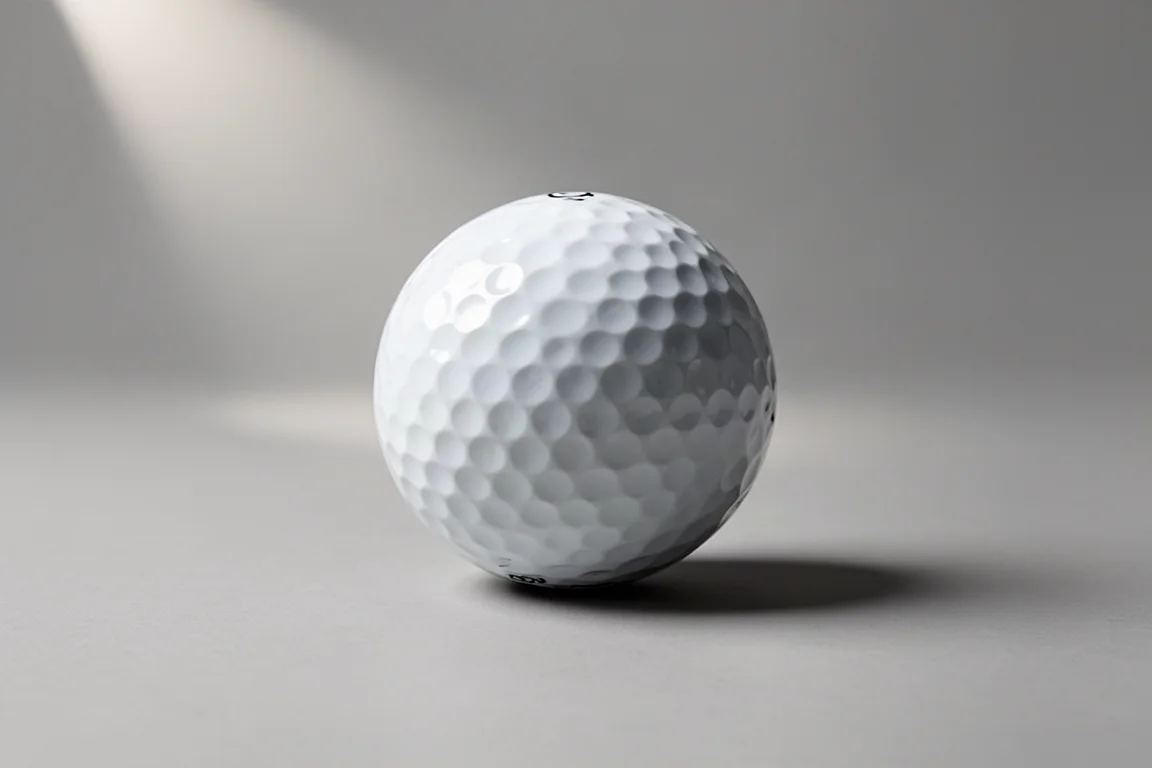
The Volvik VTU3 and VTU4 are for golfers who want more greenside control, more spin into greens, and more shot shaping ability. In testing the entire Volvik line, the VTU3 was the spinniest ball in the lineup, generating even more spin than the higher-end Condor line. This is where the tour category begins.
The VTU lineup is built for mid to lower handicap players looking for scoring performance, wedge spin, and consistency. The VTU3 uses a three-piece construction, feels slightly softer, and is probably the better choice for mid handicap golfers. The VTU4 adds a fourth layer for more performance separation. It is optimized for higher swing speed players and stronger ball strikers, still in the mid handicap range but for those who swing a little faster.
The Volvik Condor and Condor X
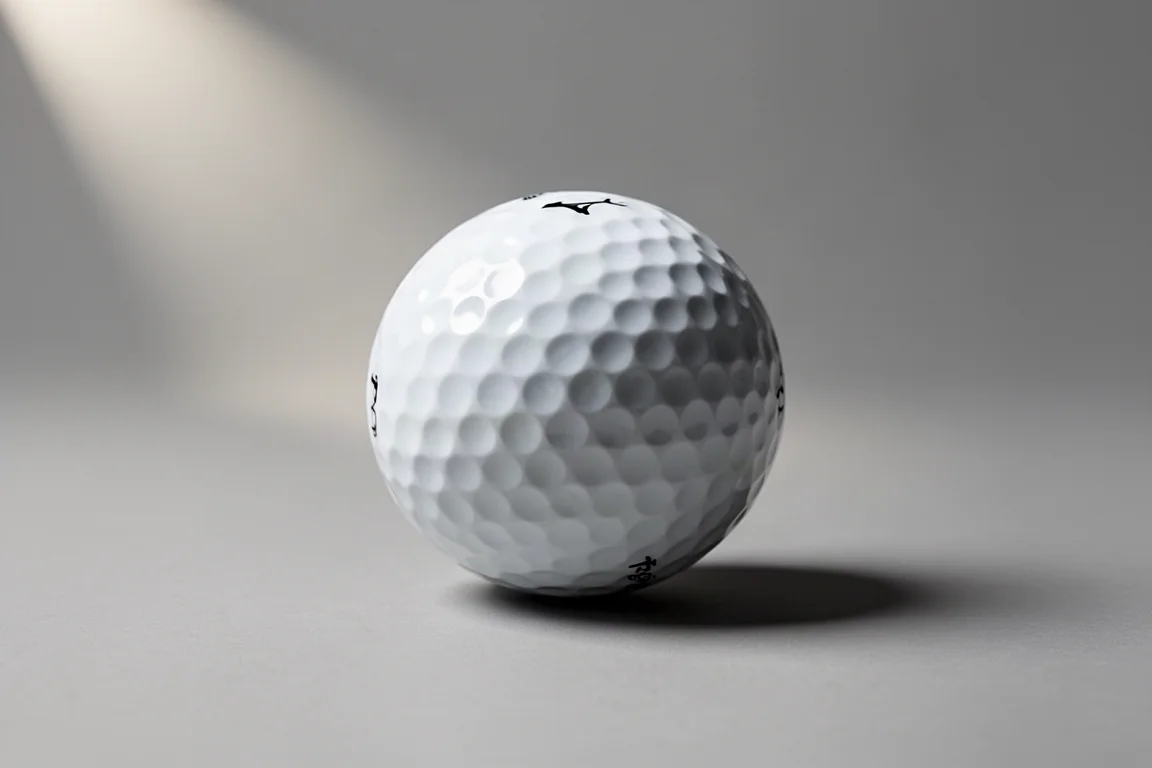
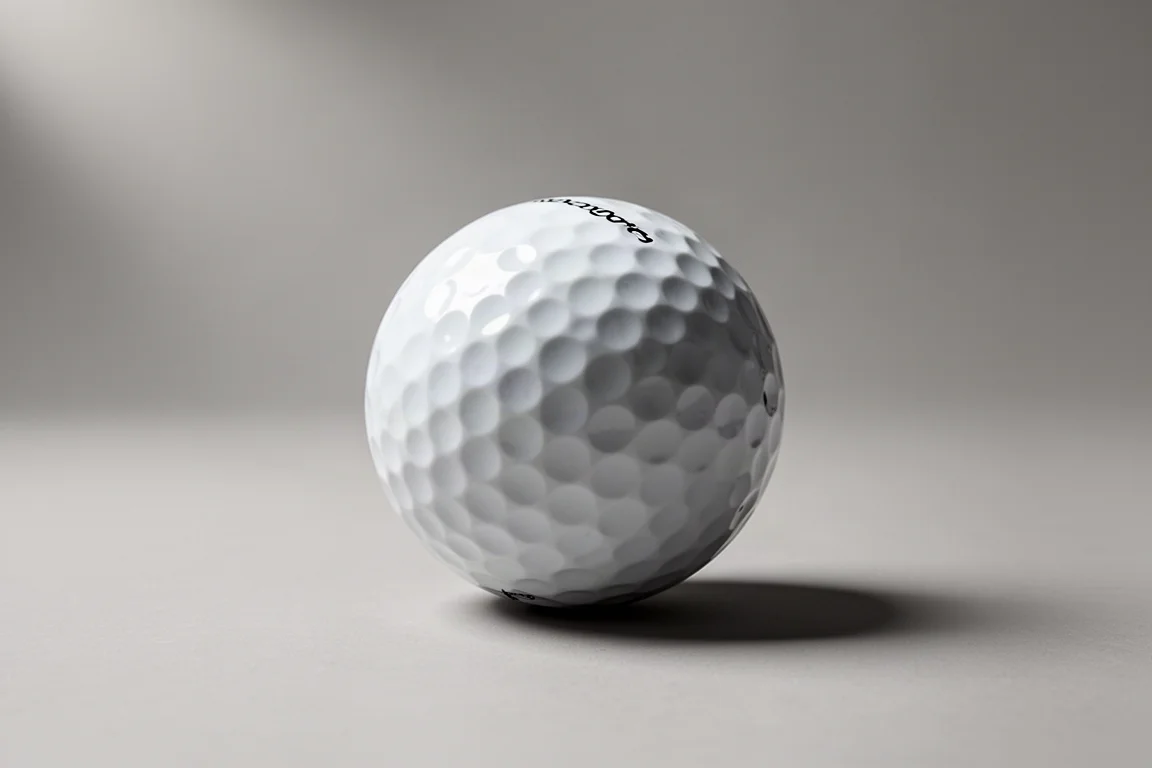
The Volvik Condor and Condor X are Volvik’s flagship line, designed around one goal: ball speed. These balls are built to reduce drag and maximize distance performance. The Condor is distance focused, offers easier overall playability, and is meant for a broader range of better golfers. The Condor X is firmer and built for faster or more aggressive golf swings.

This is another great example of why fitting matters. Some golfers will absolutely gain distance from this type of ball, while others might lose performance if it is too firm for their game. Many players, including those with moderate swing speeds, will find the standard Condor a better fit than the firmer Condor X.
Overall Buying Advice
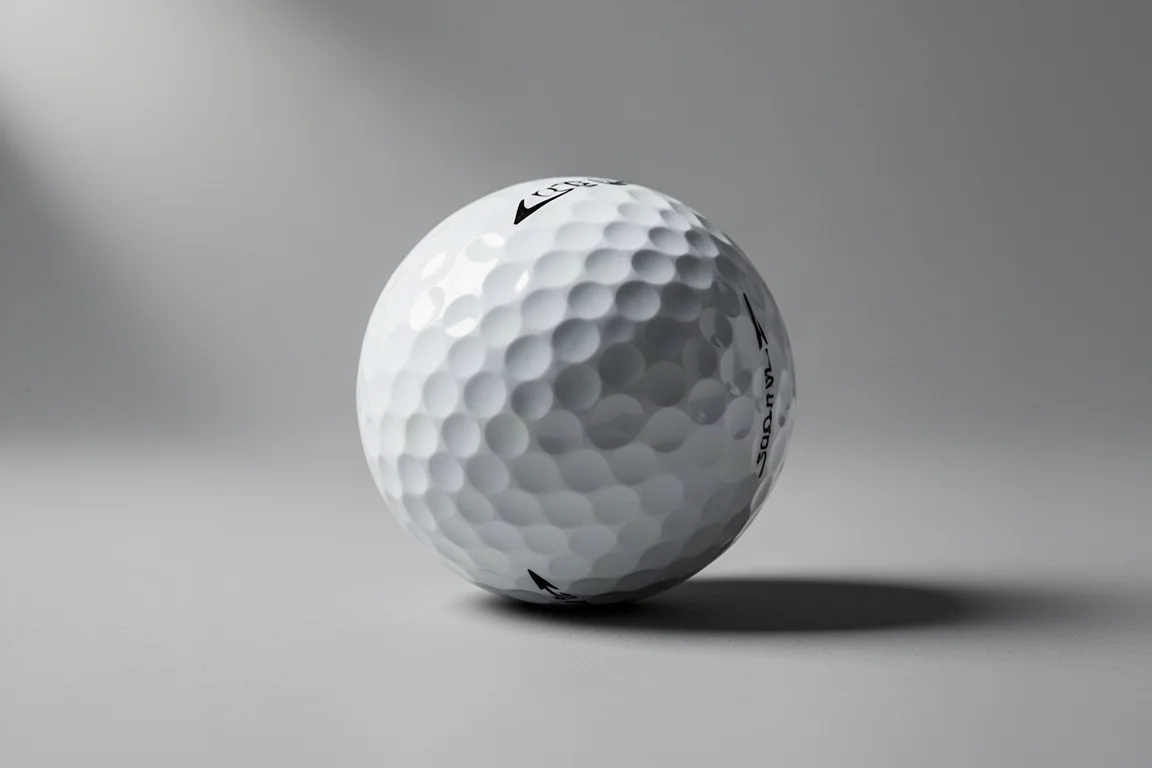
Stop asking what the best golf ball is and start asking what the best golf ball is for you. Beginners and moderate swing speed players should start with the Power Soft or Vivid. Faster swingers should look at the Axia. Mid to lower handicap players wanting spin and control should consider the VTU3 or VTU4. Better golfers focused on distance should explore the Condor or Condor X, depending on swing speed.
Conclusion
Choosing the right golf ball comes down to matching compression, cover, spin, visibility, and construction to your game. Volvik’s lineup makes this easy because each ball has a clear purpose. Whether you are just starting out or looking to fine-tune your performance, there is a ball in this range designed for you.
Further reading
Related Reviews
Pickleball Paddles
2025 Paddle Awards: The Best Pickleball Paddles of the Year
A category-by-category breakdown of the best pickleball paddles of 2025, covering value, control, all-court, power, and paddle of the year.
Automotive Accessories
70mai Dash Cam Comparison: A200 vs A510 vs A810
Three dash cameras from 70mai across different price points reveal how resolution and sensor quality impact real-world footage clarity, especially for number plate visibility and low-light performance.
Mobile Gaming Accessories
8BitDo FlipPad vs GameSir Pocket Taco: Which Vertical Phone Controller Fits You Best?
Two compact vertical phone controllers with very different approaches to connectivity, controls, and everyday use. Here is how they compare across seven practical categories.