Portable Power
Vivore Portable Power Station (296Wh) Review: A Practical Entry-Level Power Bank for Camping and Blackouts
A compact 296Wh power station with a 300W max combined output, fast charging, and useful safety features, held back only by unprotected ports and an all-plastic shell.
Introduction
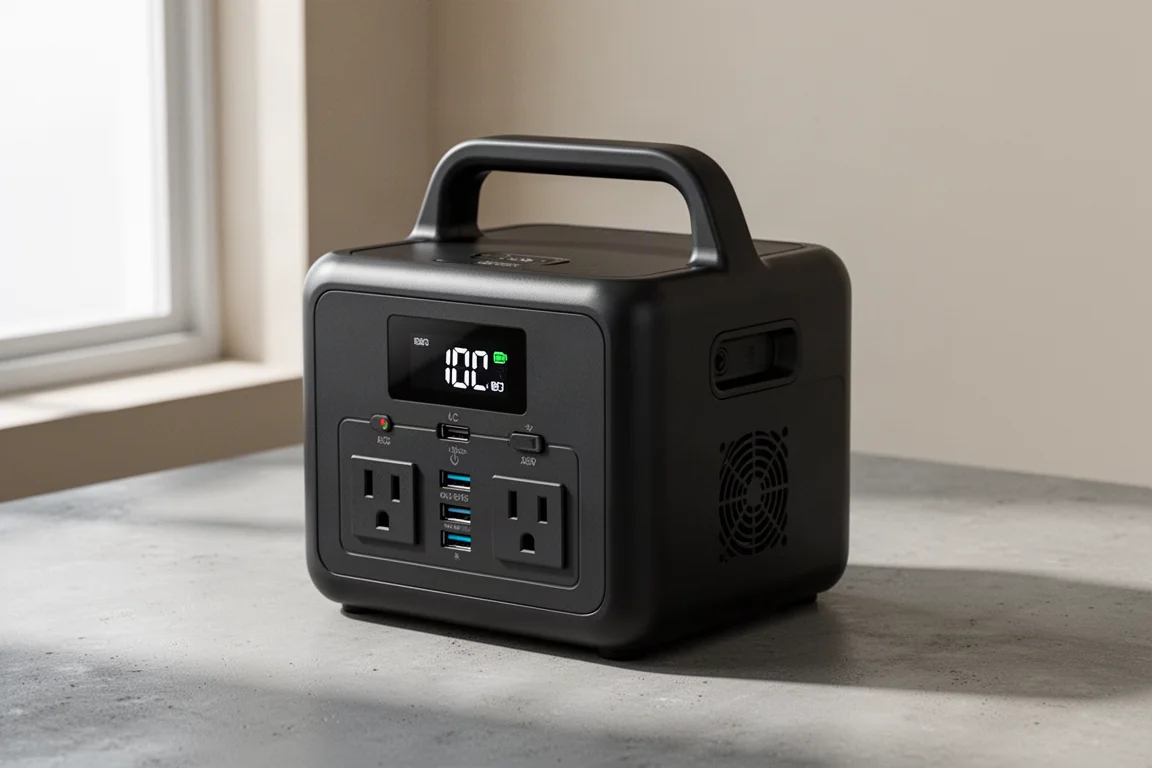
Entry-level portable power stations start around two or three hundred dollars from pretty much any brand, and the sheer number of wattage and voltage numbers thrown around in their listings can make them genuinely confusing to shop for. The Vivore portable power station sits right in that entry-level tier with a 296 watt-hour battery, and it turns out to be a capable little unit for lighting, charging, and light-duty loads, as long as you understand its limits.
What the Vivore 296Wh Actually Is
The Vivore carries a 296 watt-hour capacity, built from a 20 amp battery at 14.8 volts. Watt hours is the number worth memorizing when comparing any power station, because voltage times amp hours gives you one universal figure you can compare against literally any battery, regardless of its voltage or amp hour rating. The Vivore lists all of its inputs and outputs clearly on the back of the unit, which makes the specs easier to digest than most.
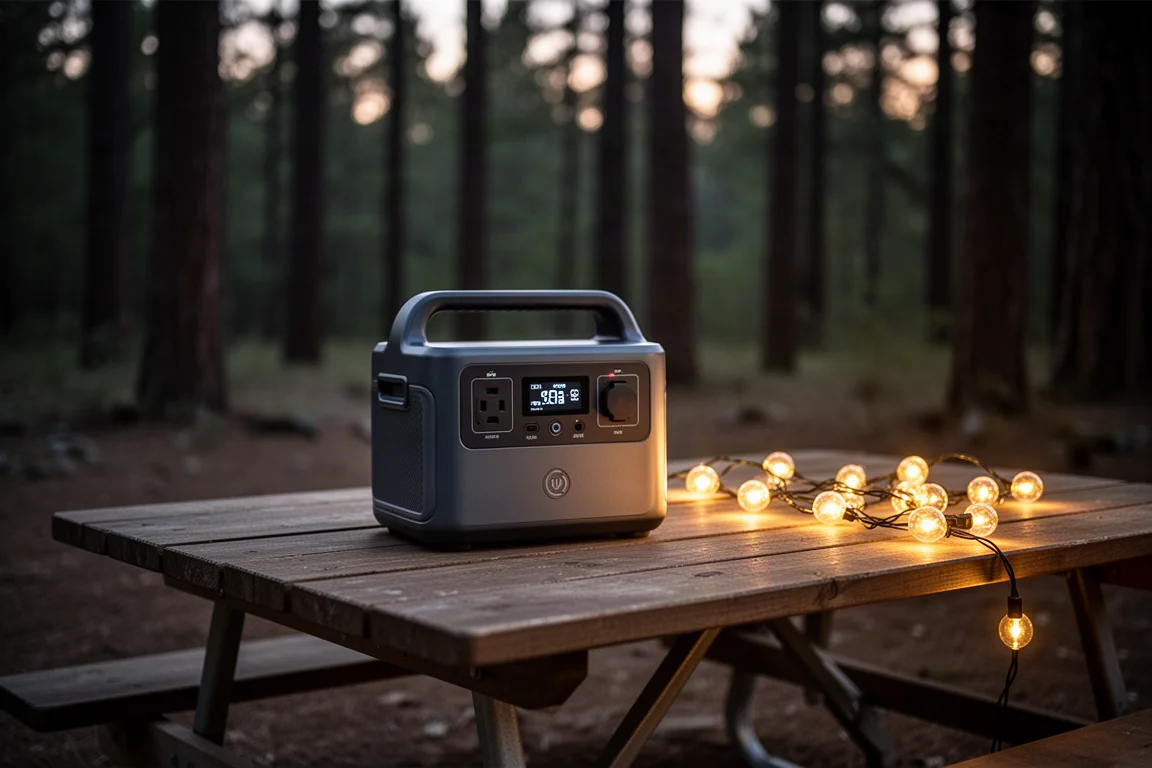
The total output is capped at 300 watts combined. In practice that means close to 300 watts available from the AC terminals, with the remainder shared across USB-C and other outputs, for example 150 watts on AC plus around 100 watts from one of the USB-C ports. The unit also includes a safety light on the side, which doubles as a way to wake the unit, and a straightforward power button on the front.
Real-World Testing
Charging speed is one of the stronger points. A full charge from a low state of charge took roughly three to four hours, which is not bad for this size. The front display shows current wattage draw, total output, estimated hours remaining at the current draw, and a battery percentage meter, so it is easy to keep track of what the unit is doing.
To put realistic numbers on it, a cordless tool battery charger pulling around 93 watts left an estimated three hours of runtime, and settled to roughly 47 watts with about six hours estimated remaining. A portable fan added around 30 watts on its lowest speed, about 70 watts on medium, and jumped further at maximum speed, all while the battery charger was still running. Even with both loads combined the unit was still under 100 watts, leaving roughly 200 watts of headroom before hitting the 300-watt ceiling.
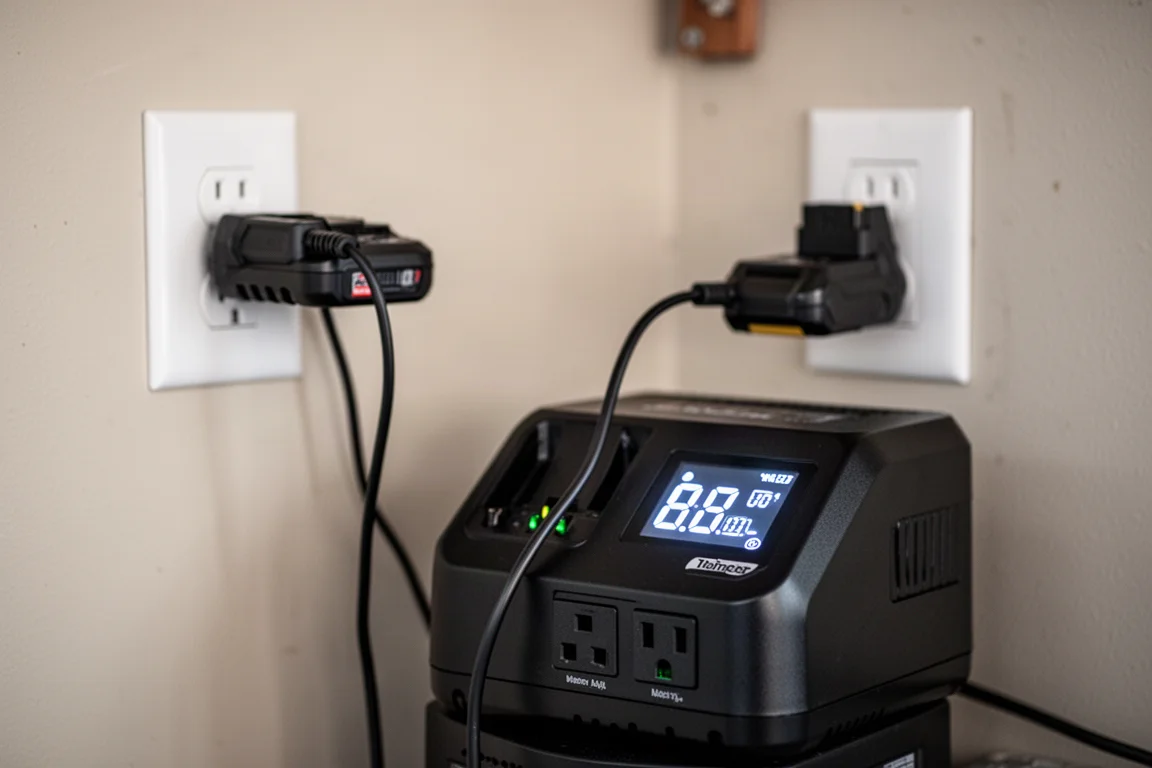
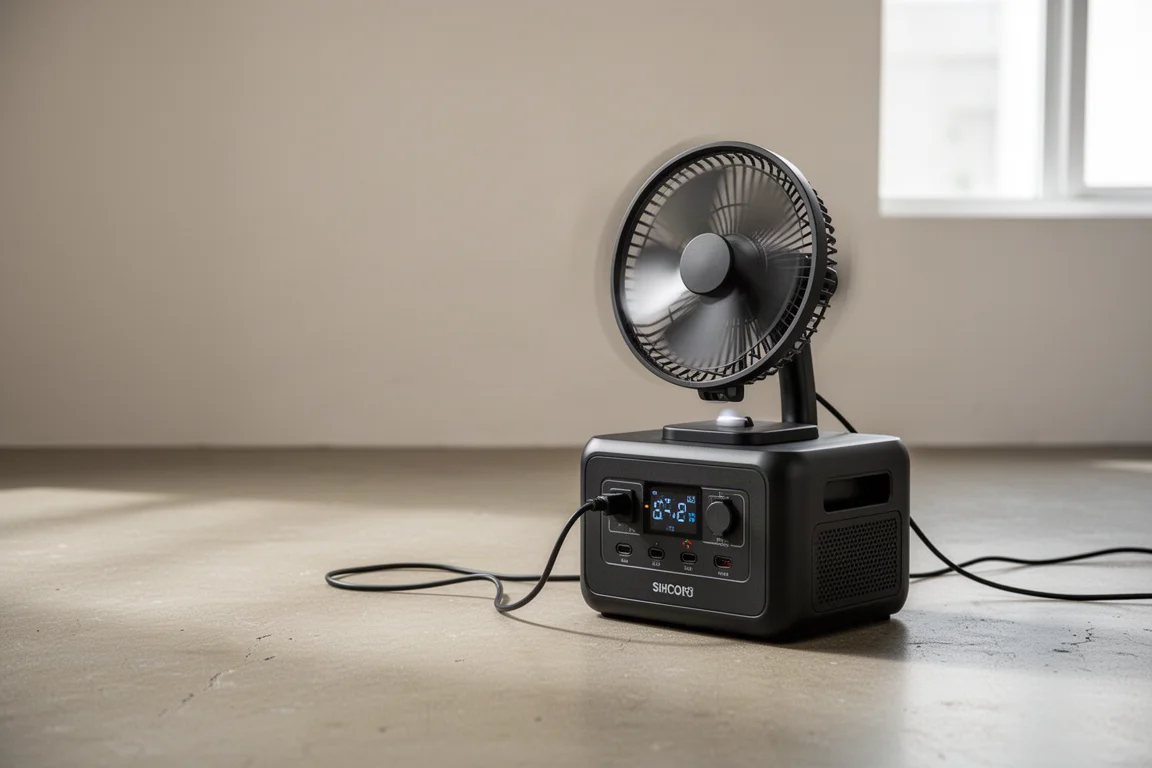
That headroom matters. This size of unit can comfortably handle LED lighting, a laptop, a couple of phones, a tablet, and a fan or battery charger. It cannot handle high-draw appliances. Do not expect it to run an AC unit, a kettle, or anything with a heating element; those pull far more power than the inverter can supply.
Things to Consider Before Buying
Active cooling is the spec to look for on any power station, and the Vivore has it: a fan on the side keeps the batteries from getting toasty as you pull more power out. The unit also carries the safety features you want at this price, including over-voltage protection, protection from pulling too much power, which shuts the outlets down, and over-heat protection. That level of self-protection technology has improved significantly over the last five to ten years, and it shows here.
Solar charging is supported, though panels are sold separately and typically run around 150 to 250 dollars. Feedback from someone using a similar setup is that solar takes a long time to charge and may not be worth the extra spend. You can also recharge the unit from your car, which is a handy option on road trips.
The main complaint is the case. It is all plastic with no rubber over-molding, and there are no covers for the USB, AC, or DC input ports, so dirt and debris can get in quite easily. Sawdust in a garage or dust thrown in and out of a car trunk will find those openings. A rubberized cover or included case would go a long way. The unit is also light enough to lift one-handed, which is great for portability, though it still feels reasonably well built.
Buying Advice
At roughly 260 to 270 dollars on Amazon, the Vivore sits at the lower end of the entry-level power station bracket. For that money you get a fast-charging, actively cooled 296Wh unit with a clear display and solid protection circuitry. If your use case is storm outages, hurricanes, camping, or occasional blackouts where you want to run a fan, charge tool batteries, and top up phones at the same time, this is a genuinely practical pick. If you want to run appliances, look at a larger capacity tier instead.
Conclusion
The Vivore 296Wh does the core job well: fast charging, honest runtime estimates, active cooling, and enough output for lighting, chargers, fans, and laptops with room to spare. The uncovered ports and plastic shell are the trade-offs, and for anyone using it around dust or in and out of a vehicle, it is worth budgeting for some kind of protective case. As a first step into portable power, it is an easy unit to recommend.
Product link
View more details for Vivore Portable Power Station (296Wh)
This product is mentioned in the review. Check the specifications, options, and compatibility before buying.
View more details for Vivore Portable Power Station (296Wh)Further reading
Related Reviews
Portable Power
Best Portable Power for Camping and Remote Work: Six Power Banks and Solar Panels Compared
A practical comparison of six portable power options, from a 500W solar generator for car camping to a one pound solar power bank built for backpacking.
Portable Power
Best Portable Power Stations 2026: Nine Models Compared for Real-World Use
We compared nine portable power stations across output, capacity, charging speed, noise, and UPS performance to find the best value and the best overall pick.
Portable Power
Best Portable Power Stations and Power Banks for Blackouts and Travel
Five portable power solutions compared: two EcoFlow power stations, a flight-friendly Zendure power bank, a see-through Shargeek, and the feature-packed Omni 20c+.