Portable Power
Best Portable Power Stations and Power Banks for Blackouts and Travel
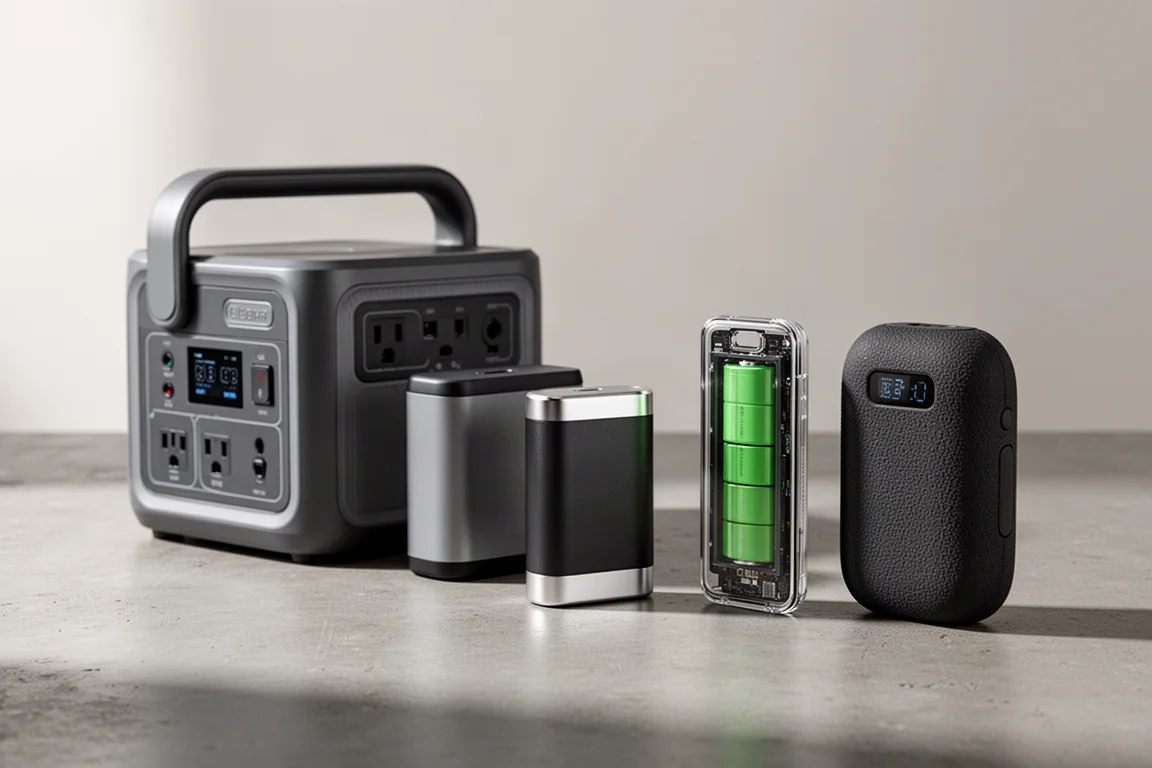
Five portable power solutions compared: two EcoFlow power stations, a flight-friendly Zendure power bank, a see-through Shargeek, and the feature-packed Omni 20c+.
Introduction
With power outages becoming a more common worry, backup power has moved from a niche gadget to something closer to an essential home appliance. In this roundup we look at five options at very different scales: two larger EcoFlow power stations built for homes, vans and campsites, plus three flight-friendly power banks from Zendure, Shargeek and Omnicharge.
What to Look For in a Portable Power Solution
Capacity is the key factor: how much energy is available, measured in watt hours on larger units. If a battery has 1,000 watt hours and your equipment draws 800 watts, in theory it could run for around ten hours. Maximum power delivery, measured in watts, determines what you can actually plug in and run.
Recharge speed matters too, especially when access to power is intermittent or limited, and the number of charge cycles gives you an indication of overall battery life. Finally, check how many outputs there are and what type, since that shapes everyday practicality.
Why Portable Power Matters
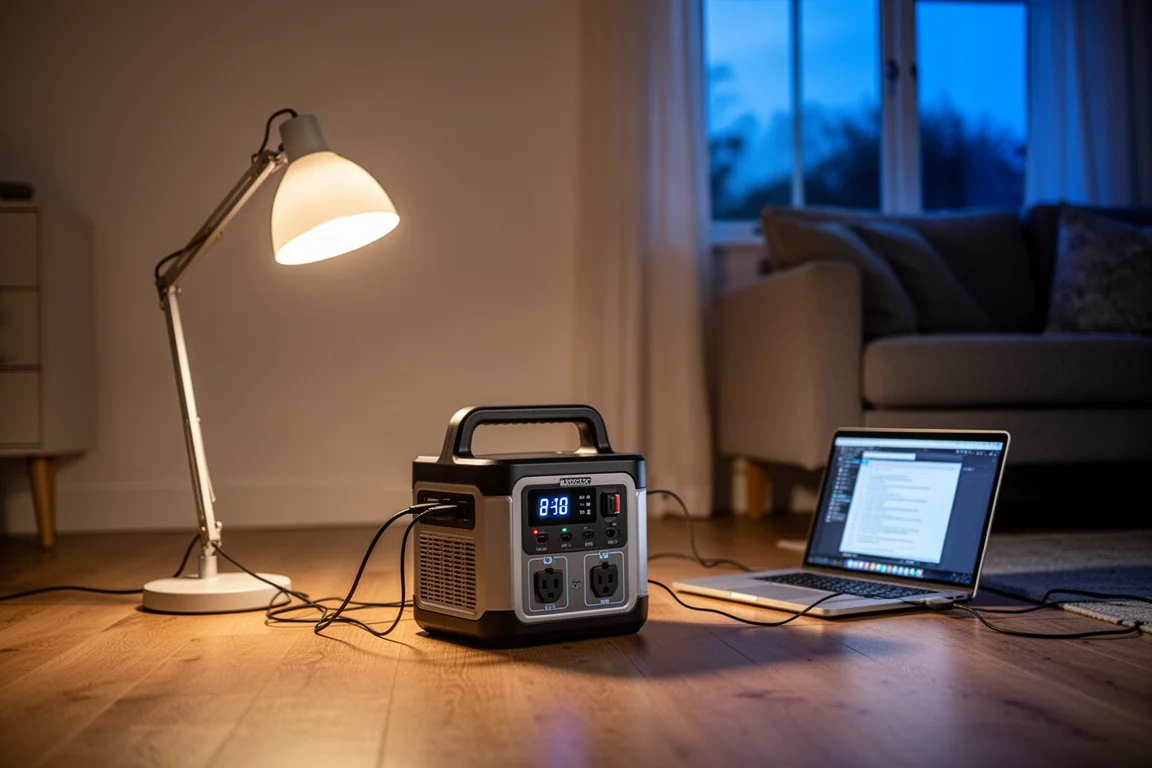
There are three main reasons to consider portable power. The first is emergency use: keeping phones charged, the fridge running, lights on, a router connected, or even a gas or oil boiler’s ignition, pumps and valves working during a blackout.
The second is travel. For RVs, caravans and camping, portable power makes off-grid living far more realistic, especially when paired with a solar panel. The third is simple convenience: power where sockets simply do not exist, such as an outdoor party with lighting and music, or a power saw on a worksite far from the grid.
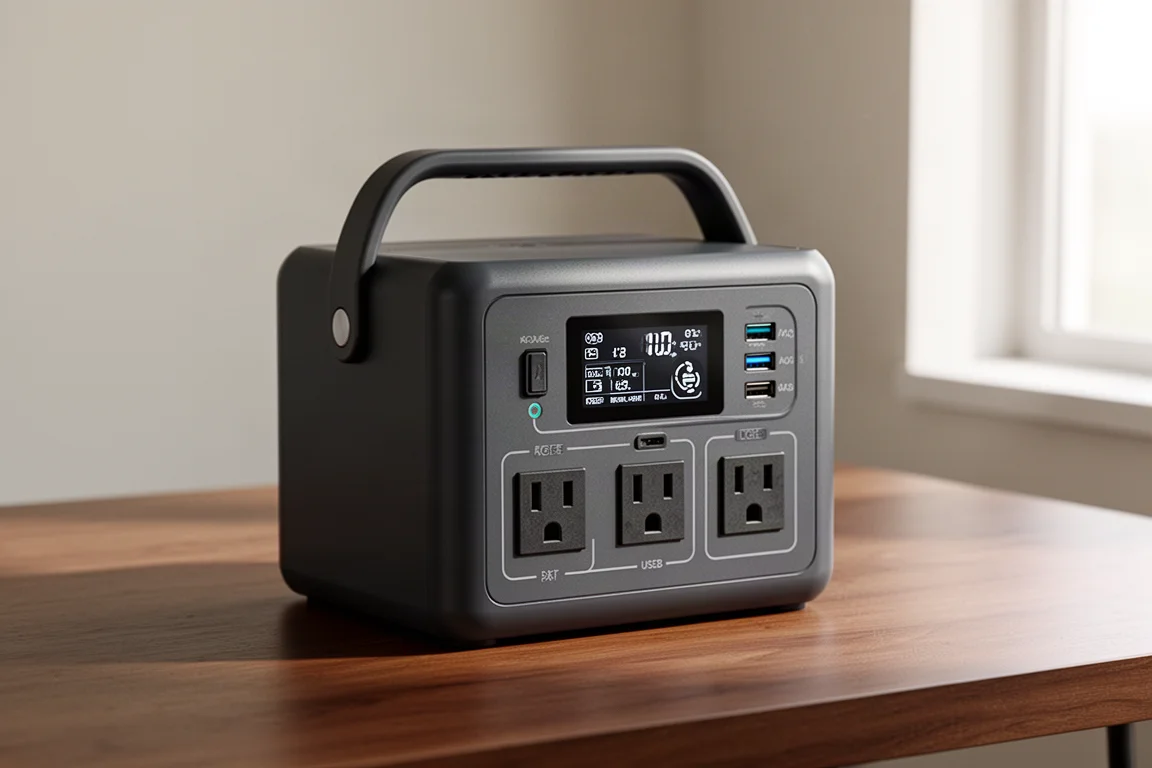
EcoFlow Delta 2
The Delta 2 is the newest addition to EcoFlow’s Delta range and brings genuinely game-changing battery technology. It has a capacity of 1,024 watt hours, weighs 12 kilograms, and delivers 1,800 watts of output, enough to run 90 percent of appliances according to EcoFlow. An X-Boost mode can push that to 2,400 watts for short runtimes.
It offers 13 outputs: four mains sockets, two 12V sockets plus one 12V cigar lighter socket, four USB-A (two fast charging) and two USB-C with a maximum 100W output, all usable simultaneously. In practice, it could run a 55-inch TV drawing 320 watts for around three hours, or a 1,150W microwave for about 50 minutes.
The standout feature is the LiFePO4 battery, rated for 3,000 cycles, six times longer than the industry’s 500-cycle average. Recharge it daily and it should still last over eight years; weekly charging points to something like 50 years. It can reach 80 percent in just 50 minutes and 100 percent in 80 minutes, which is market leading and matters enormously when mains access is patchy. Solar input supports up to 500 watts, capacity can expand to 3kWh with plug-in expansion units, and a companion app lets you monitor and control the unit over Bluetooth or the internet from anywhere in the world.
EcoFlow Delta Mini
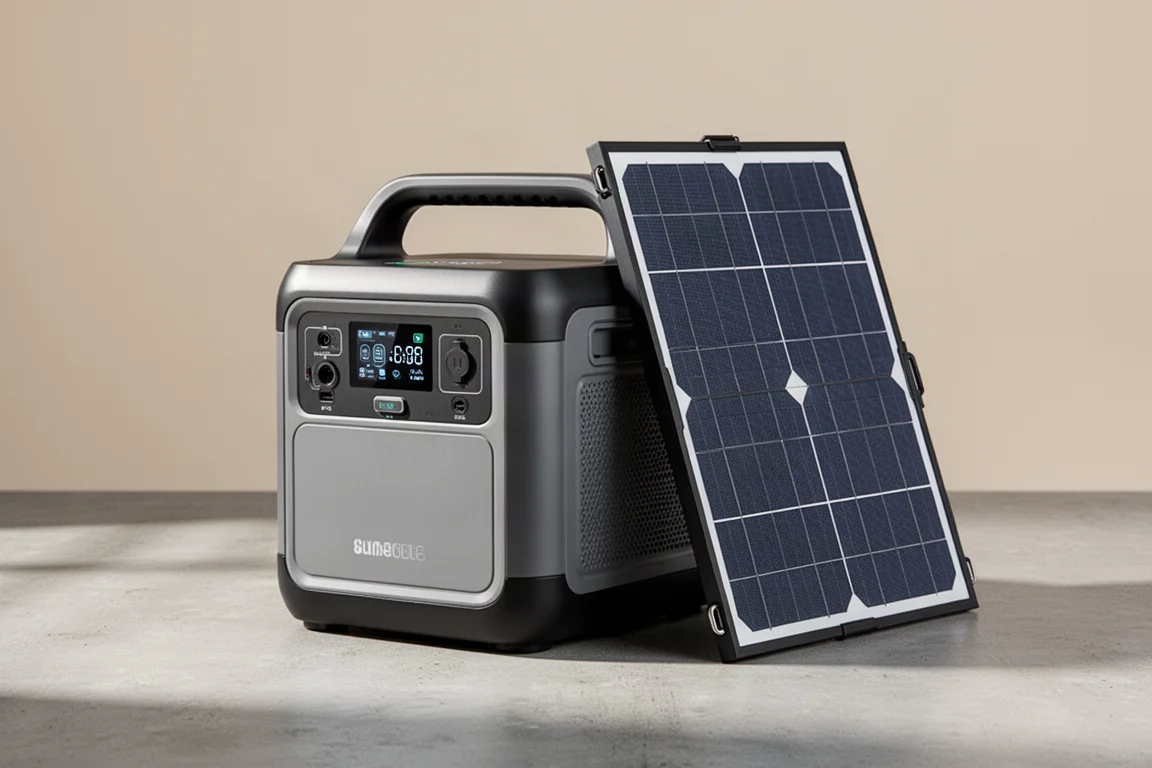
The Delta Mini is the smallest in the Delta range, with 882 watt hours of capacity in an 11-kilogram body. It charges from empty in 1.6 hours, delivers 1,440 watts, and its batteries are rated for 800 cycles.
It has two inputs (mains and DC, such as a car or solar panel) and nine outputs: two mains, three 12V, one 100W USB-C and three USB-A, one of which is fast charging, all usable simultaneously. The display shows remaining capacity, estimated runtime under the current load, and input or output power while charging or in use.
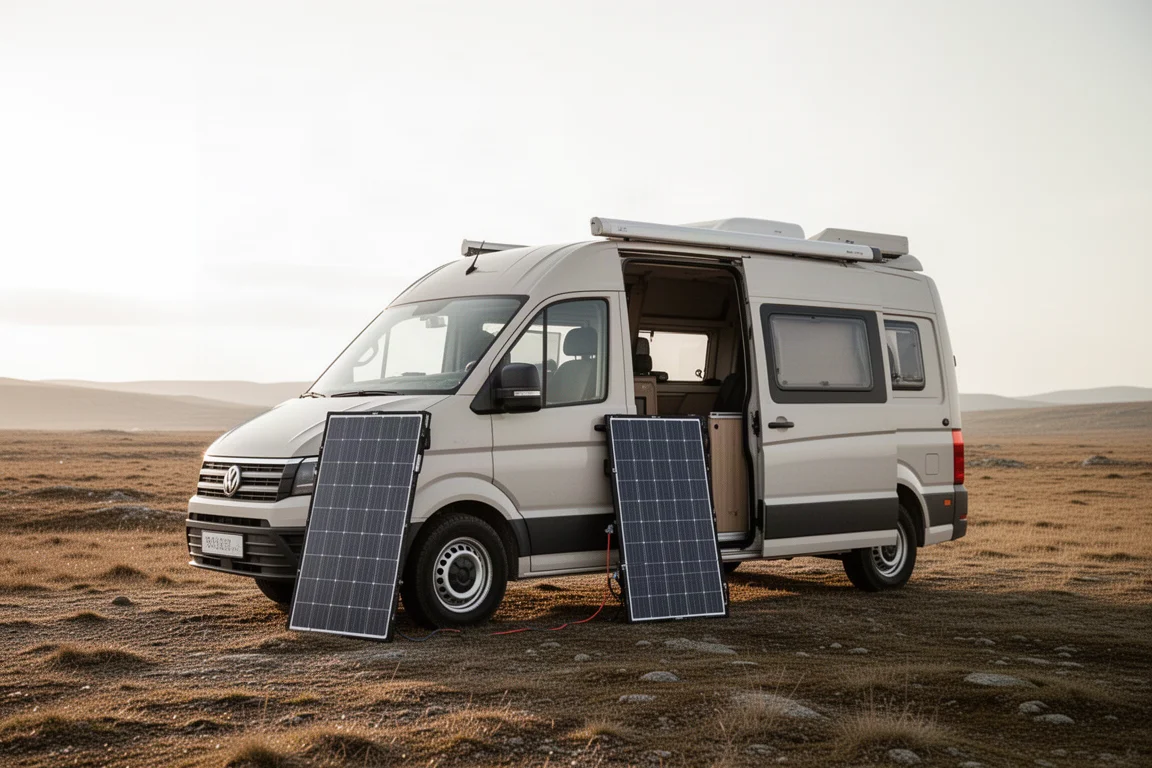
It is a proven travel companion: it has been used to power a graphics-intensive mains laptop in a converted van, topped up with a 160W EcoFlow solar panel, making remote work possible far from any socket.
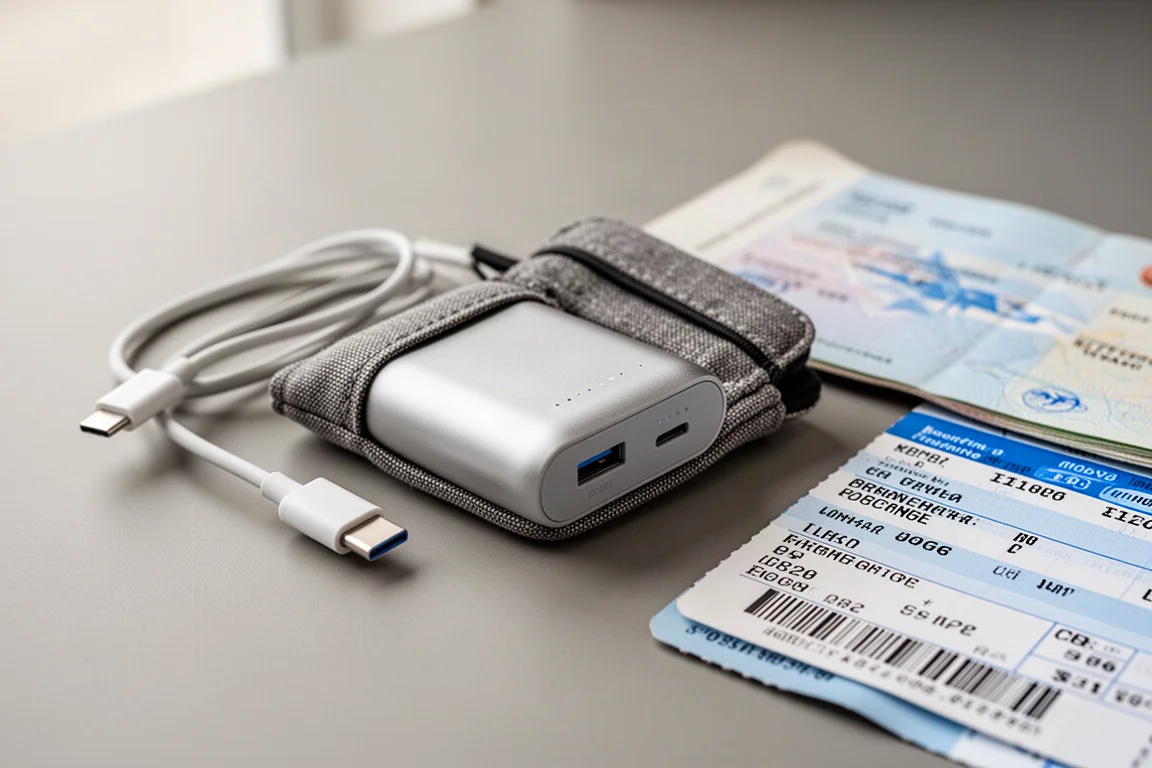
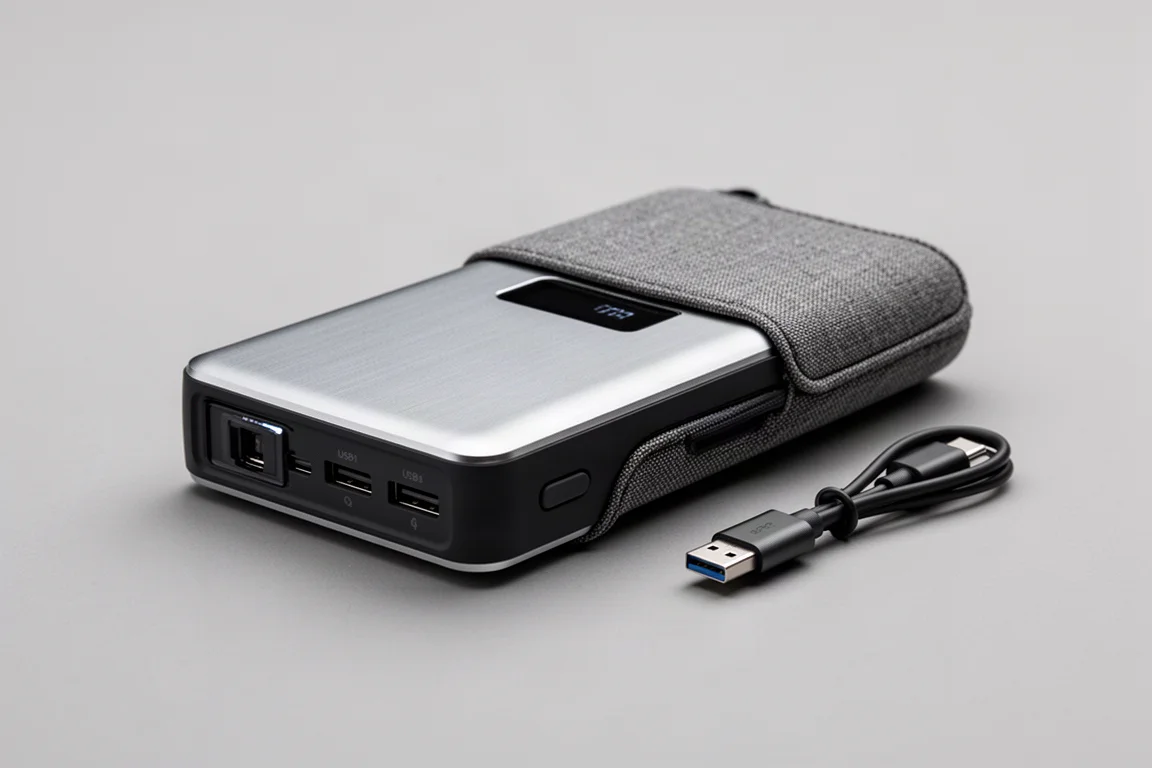
Zendure SuperTank Pro
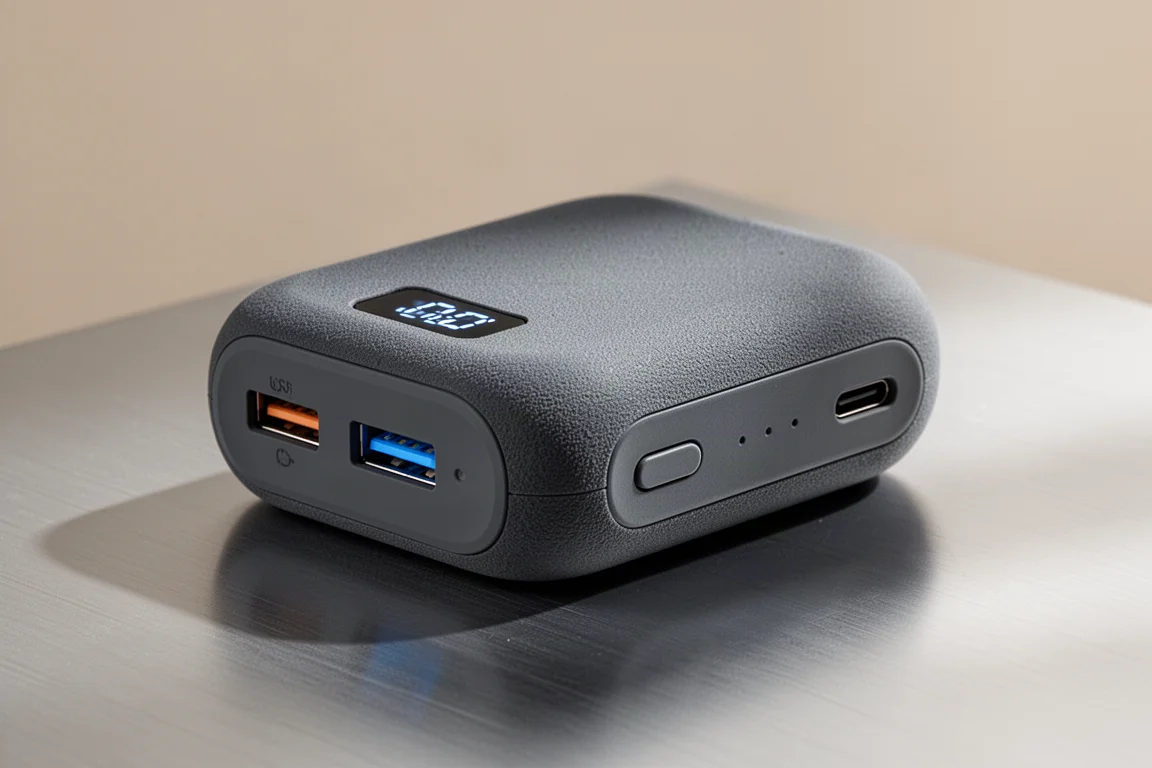
The SuperTank Pro is the biggest capacity power bank you can take on a plane without special permission. A quick note on flight rules: power banks must go in hand luggage, never checked bags, and the maximum without approval is 100 watt hours, roughly 27,000mAh. This unit sits at 26,800mAh, or 99.16 watt hours, just within the limit.
Despite the large capacity it is compact and weighs just 565 grams, helped by lithium polymer cells rather than the heavier lithium-ion cells more commonly used. An aluminium top and base are welcome, though the rest of the body is plastic. It comes with a case and a USB-C charging lead.
The monochrome OLED display shows what is happening on each of the four ports, all USB-C. Two ports handle 100W power delivery in both directions, enough to fast charge a laptop, while the other two are output-only at up to 20W each. Maximum total output is 138W, pass-through charging is supported, and a suitable fast charger takes it from zero to 100 in just under two hours. The display switches off after about 15 seconds, but a press of the side switch brings it back.
Shargeek Storm 2 Slim
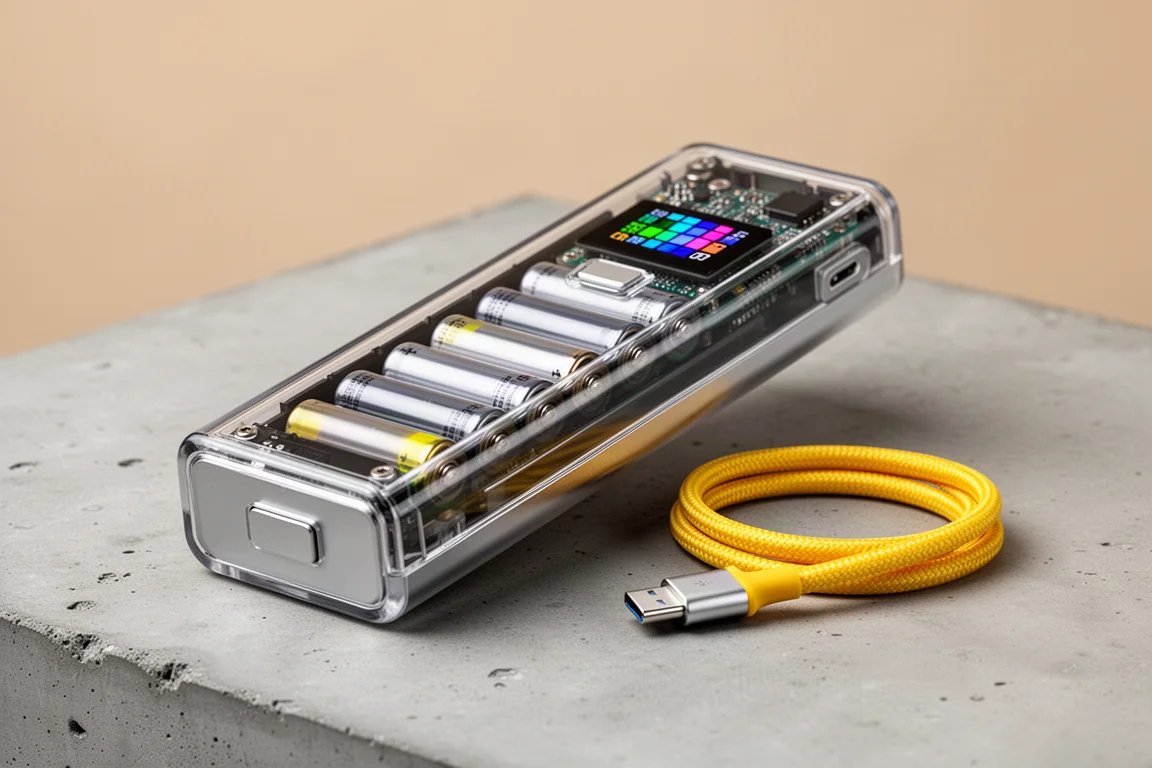
The Storm 2 Slim is a design standout. The original Storm 2 launched in 2021 and sold over 100,000 units; this slimmer, lighter version has already matched that milestone, with a reduced specification but excellent build quality and materials.
Capacity is 20,000mAh or 72 watt hours, so it also flies legally in hand luggage. It has just two ports: a USB-C delivering up to 100W output (the current USB-C maximum, enough to fast charge a laptop) and used for charging the bank itself at up to 65W, with a full charge taking about 90 minutes; and a USB-A output-only port at up to 30W. Maximum combined output is 130W.
The see-through case, which is fireproof, is the signature feature, with neatly arranged 21700 cells of 5,000mAh each visible inside and a lovely textured finish. A high-resolution colour display offers plenty of information plus extras like a charge timer. At 450 grams, it charges an iPhone around four times or can fully charge a MacBook Air, and it comes with a bright yellow USB-C cable and a cloth pouch.
Omnicharge Omni 20c+
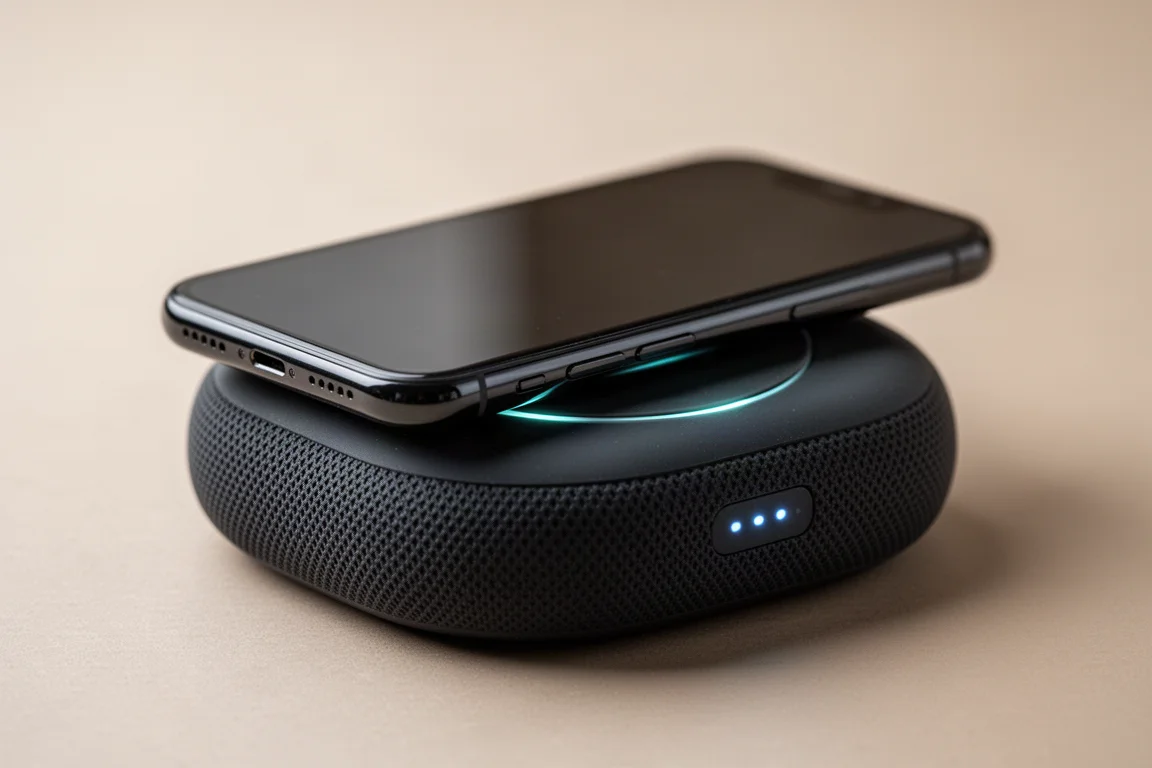
The Omni 20c+ feels very premium, with a matte rubberized texture and a distinctive shape that sits solidly in the hand. Capacity is 20,000mAh or 71 watt hours.
It has four ports: two USB-A on the front at up to 18W each, and two USB-C, one on either side. The left USB-C supplies up to 60W output and charges the unit at up to 45W; the right USB-C supplies the full 100W and also charges the unit at 45W. Maximum combined output is 120W. An OLED screen can stay illuminated in use and offers a wealth of data, with a mode switch alongside.
Two features set it apart: a 10W wireless charging pad on the top for inductive-charging phones, and USB hub mode, which lets you plug a laptop into the right USB-C port and connect a USB drive to the other ports for data transfer. It also supports pass-through charging. Full charging takes around three hours, it weighs 514 grams, and a case is available at extra cost.
Overall Buying Advice
The EcoFlow power stations are a different animal entirely: not pocketable or flight-friendly, but serious kit for home and outdoor use with usable mains power, high capacity and a wide range of sockets. For blackout preparedness, the Delta 2’s LiFePO4 battery and market-leading recharge speed make it the strongest choice.
Among the three travel power banks, all can deliver 100W via USB-C and all fly in hand luggage. Choose the Zendure SuperTank Pro for maximum capacity and simplicity, the Shargeek Storm 2 Slim for looks and the best colour display, and the Omni 20c+ for features, including wireless charging and hub functionality, accepting a slower recharge and a bit of a learning curve.
Conclusion
Whichever way you go, matching the product to your real use case is what matters: a power station for home backup and off-grid trips, or a compact power bank for charging on the move. Any of these five will keep devices running when the grid cannot.
Further reading
Related Reviews
Portable Power
Best Portable Power for Camping and Remote Work: Six Power Banks and Solar Panels Compared
A practical comparison of six portable power options, from a 500W solar generator for car camping to a one pound solar power bank built for backpacking.
Portable Power
Best Portable Power Stations 2026: Nine Models Compared for Real-World Use
We compared nine portable power stations across output, capacity, charging speed, noise, and UPS performance to find the best value and the best overall pick.

Backpacking Gear
Building a 10 lb Base Weight: An Ultralight Backpacking Gear List
A practical walkthrough of the ultralight pieces behind a 10 lb base weight, from a 765 g pack and a roomy one-person tent to a full camp chair and a dependable water filter.