Portable Power
Best Portable Power for Camping and Remote Work: Six Power Banks and Solar Panels Compared
A practical comparison of six portable power options, from a 500W solar generator for car camping to a one pound solar power bank built for backpacking.
Introduction
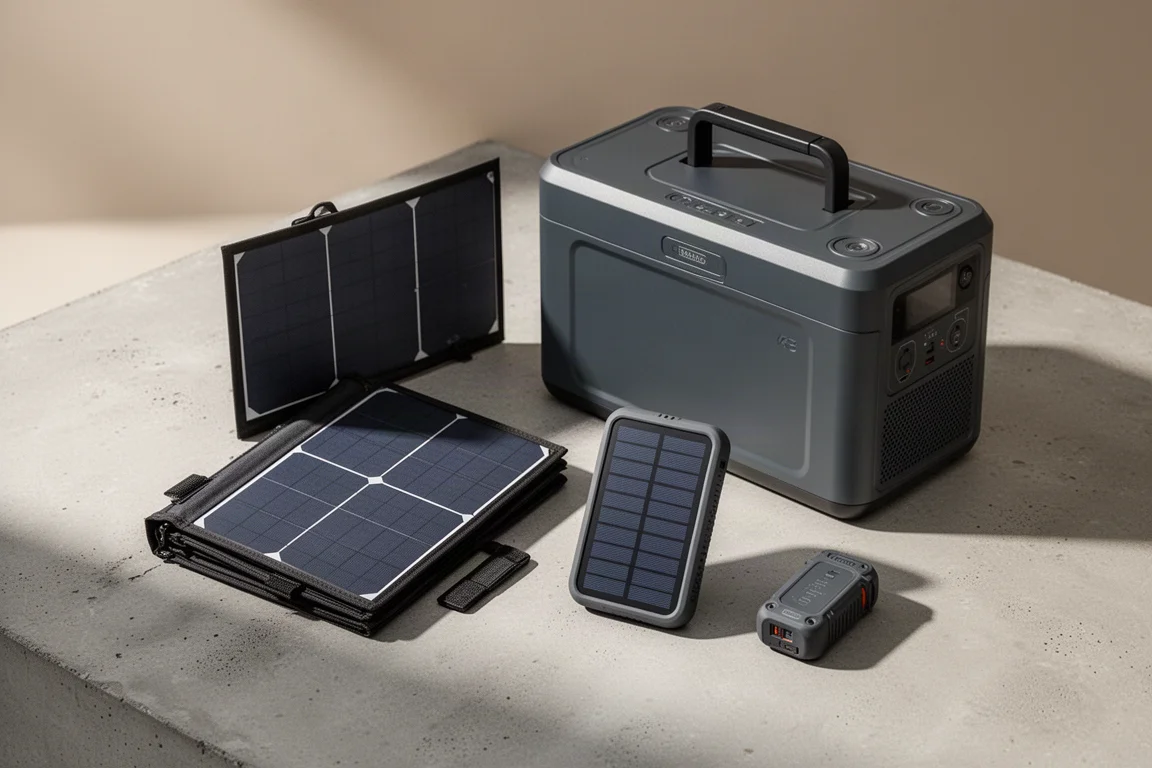
Choosing portable power for camping, remote shoots and multi-day trips comes down to matching capacity to the devices you actually carry. A 15 pound power station makes sense when the vehicle carries the load. A one pound solar power bank makes sense when every gram counts on a backpacking route. This guide covers six options across that range, from a 500W portable solar generator down to a compact pump and light unit that doubles as a phone charger.
What to Look For in a Portable Power Setup
Three things separate a power option that earns its place in your bag from one that stays in the garage: weight, ports and how you plan to recharge it.
Weight matters more than headline capacity for anyone travelling on foot. A 15 pound station is a car camping tool, while a two pound unit with an AC inverter can still run a laptop and fit inside a pack. The difference between carrying one pound and carrying four pounds of power gear is very noticeable over a full day of hiking.
Port selection decides what you can actually run. AC outlets handle laptops and camera chargers, USB-C handles modern phones and drones, and standard USB ports cover everything else. Check that the mix matches your kit before you buy, because adapters add weight and clutter.
Recharging is the third variable. Mains power and a car outlet are the fastest routes, while solar is a slower top-up that works best when you can leave a panel in direct sun for hours. Small panels rarely deliver enough current to be worth the space they take up.
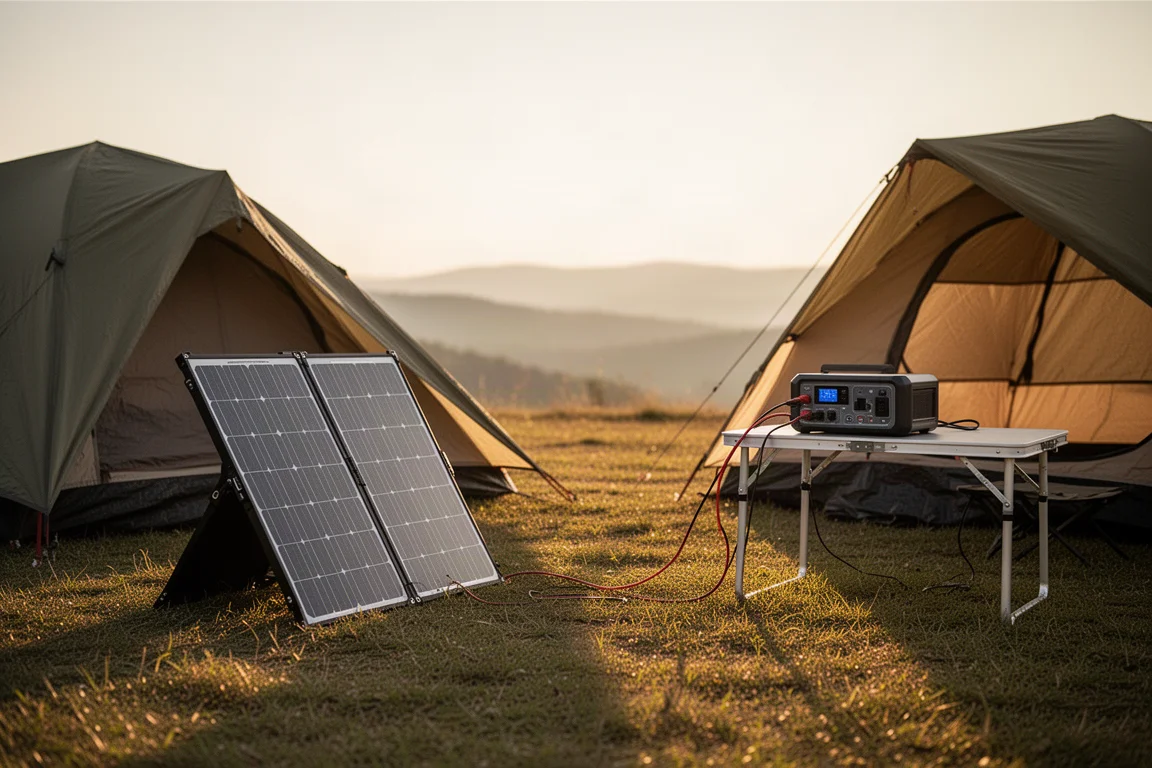
That framework makes the six options below easier to place. Each one covers a different weight class, a different port mix and a different kind of trip.
Rockpals 500W Portable Solar Generator: Best for Car Camping and RVs
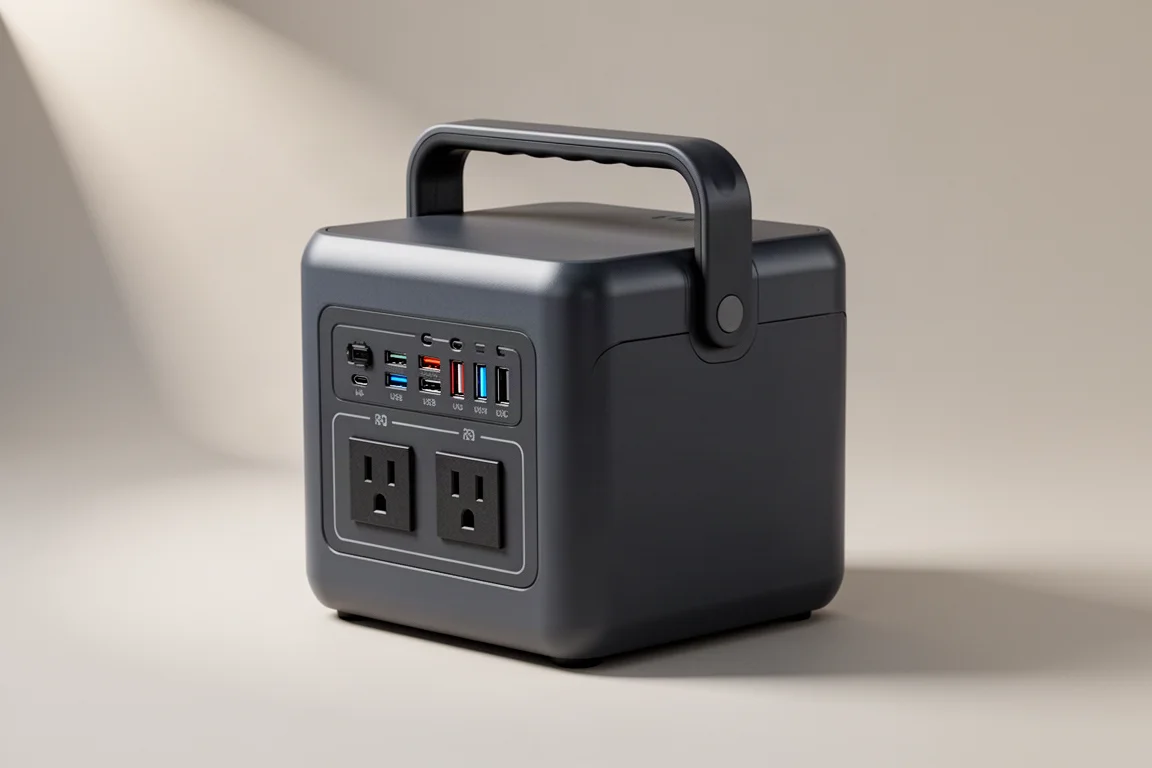
The Rockpals 500W portable solar generator is the largest unit here and the one built for trips where the vehicle carries the load. It provides two AC outlets alongside multiple USB ports and USB-C ports, so a single box can run a laptop, charge drone batteries, charge camera batteries and power a string of camping lights.
Recharging is straightforward: mains power, a car outlet or a solar panel. A full charge takes roughly eight hours, and the unit weighs about 15 pounds. The 500W capacity gives enough headroom that a normal trip is unlikely to drain it completely, which is exactly what you want from a base camp power source.
Its natural home is car camping, glamping and RV travel, where the weight is a non-issue and the outlet count is genuinely useful for a group. It sits at around $500.
Rockpals 100W Solar Panel: Best for Base Camp Charging
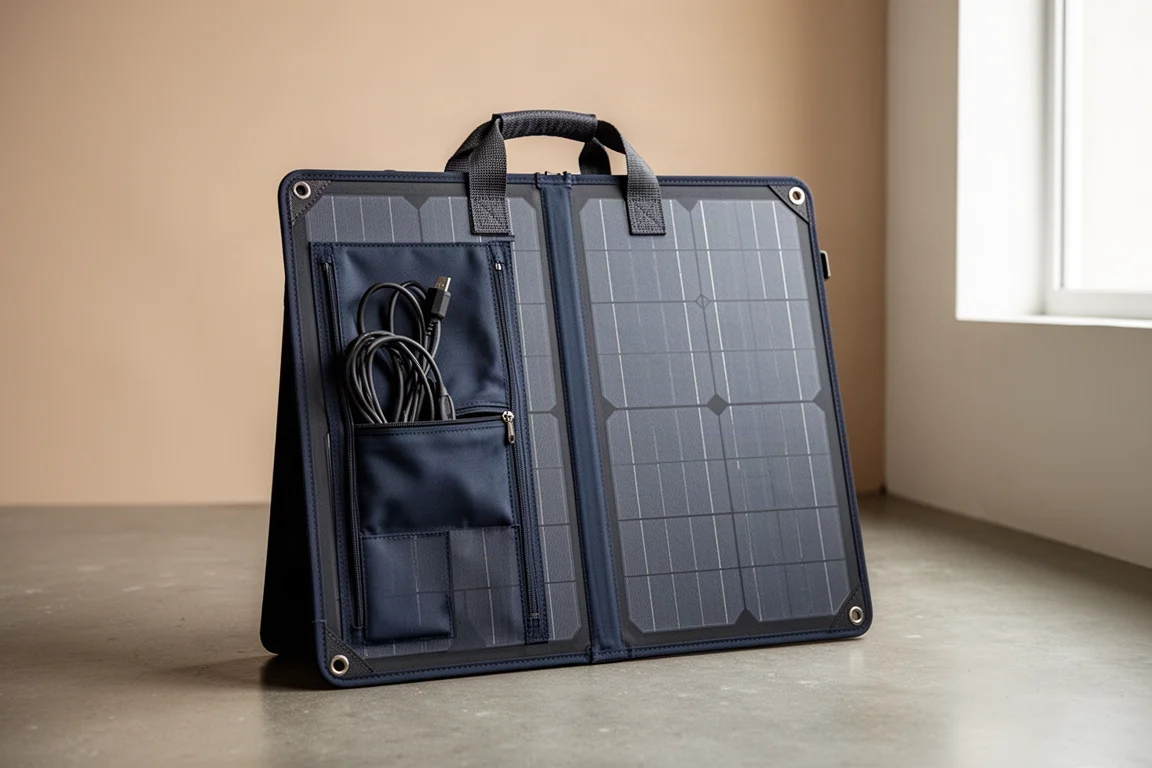
The Rockpals 100W solar panel is the matching solar companion for the larger station. It folds into a briefcase-style case with a dedicated pocket that keeps the cables neatly organised, which makes packing and unpacking at camp quick and tidy.
Solar charging is slow by nature, and a single panel will not refill a large station quickly. The realistic use case is leaving the panel set up at camp while you head out for a day hike, then returning to a partially topped-up battery. That is a useful trickle rather than a fast recharge.
For a week-long camping trip the panel covers the basics comfortably. For anyone living on the road for weeks at a time, or running an RV, a larger solar setup is the more sensible route.
Goal Zero Sherpa 100: Best Mid-Size Option With an AC Inverter
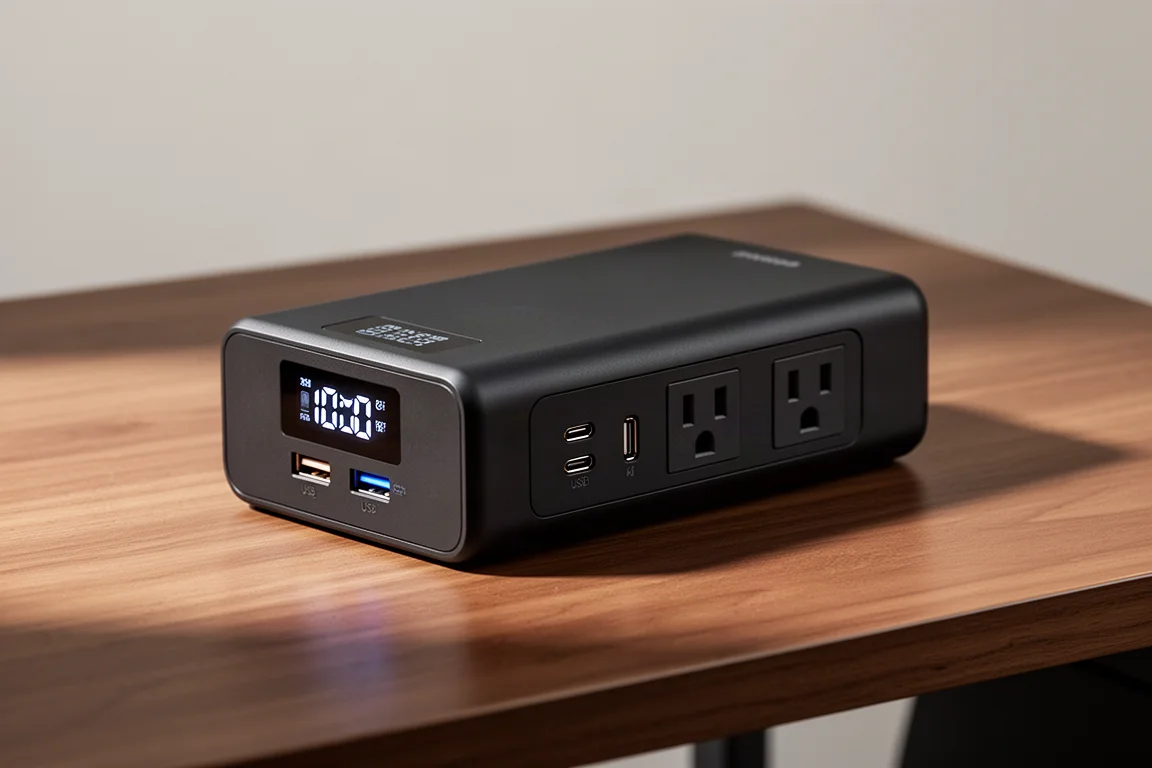
The Goal Zero Sherpa 100 is the smallest portable charger here that includes a real AC inverter, which means you can plug in a laptop or another mains-powered device without a separate adapter. It carries two USB ports and USB-C ports, so the port mix comes close to what much larger stations offer, all in a package that weighs about two pounds.
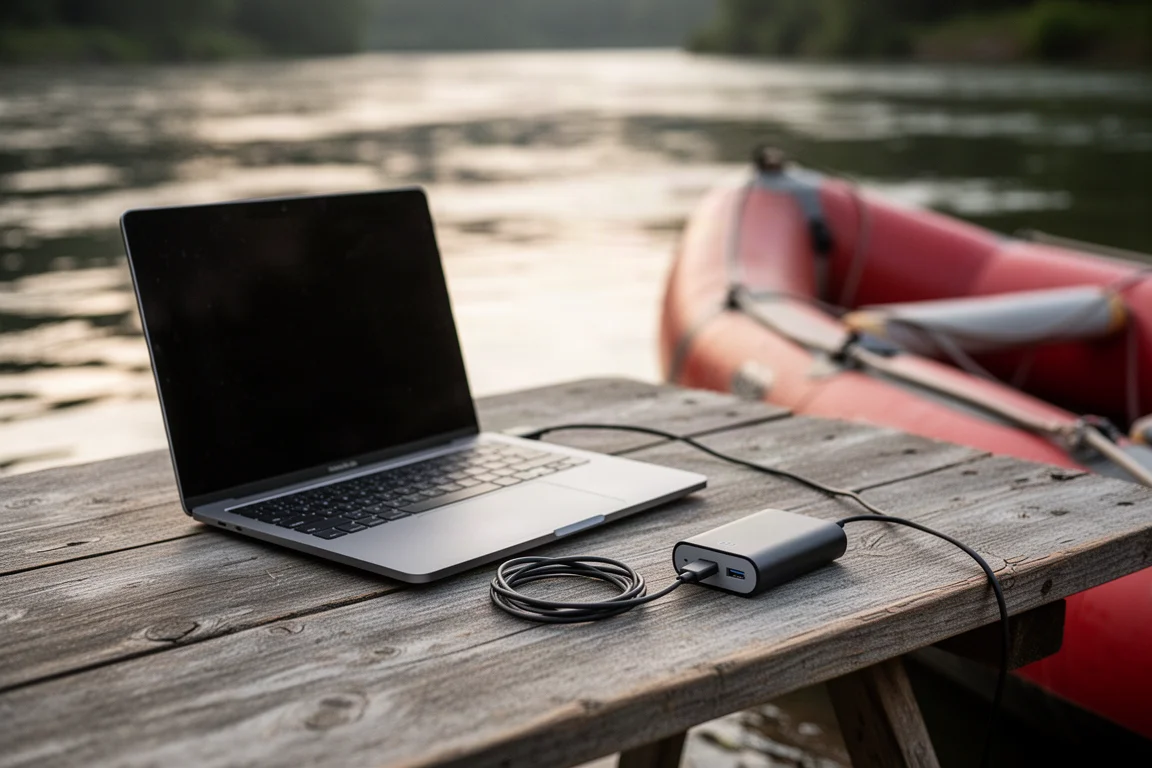
The trade-off is capacity. At 100 watts it will not drive heavy devices the way a large station does, and two drone battery charges will empty it. That limitation is easier to accept once you weigh it against the form factor, because a two pound unit with a working AC outlet is a genuinely portable option.
It costs around $300, and its strengths show up on raft trips, ATV trips and vehicle-based travel where you can top it up during the day and use it at night.
Goal Zero 10W Solar Panel: Why Small Panels Struggle
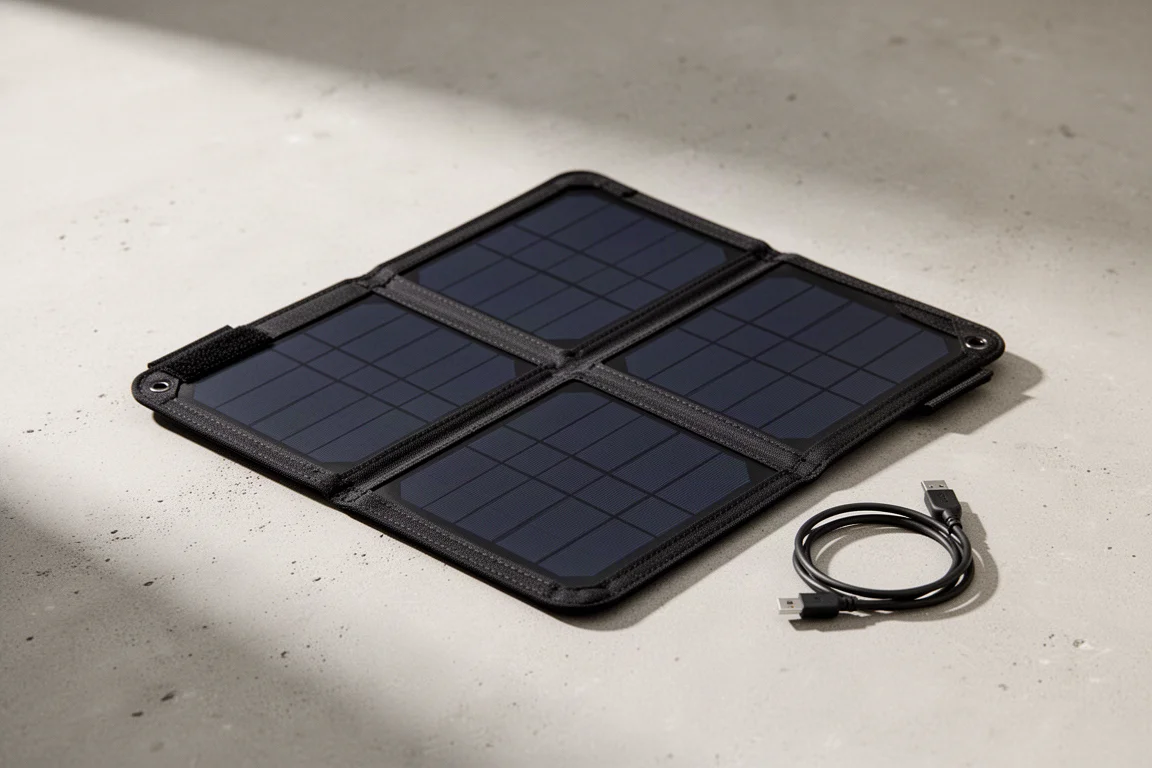
The Goal Zero 10W solar panel is a very compact folding panel, and it is the clearest illustration of why wattage matters more than convenience in solar gear. At 10 watts it cannot deliver enough current to charge a power bank meaningfully. Running it all day in good sun adds roughly five percent to a battery, which is a poor return for the space it occupies in a pack.
For practical solar charging, 20 watts is closer to the minimum worth carrying, and a panel of that size weighs around two pounds. Pair it with a two pound power bank and you are carrying four pounds of power gear, which is a real consideration for anyone on foot.
The 10W panel is best treated as an occasional accessory rather than a primary charging method. If your plan depends on solar, start at 20 watts and build from there.
Anker PowerCore Solar: Best for Multi-Day Backpacking
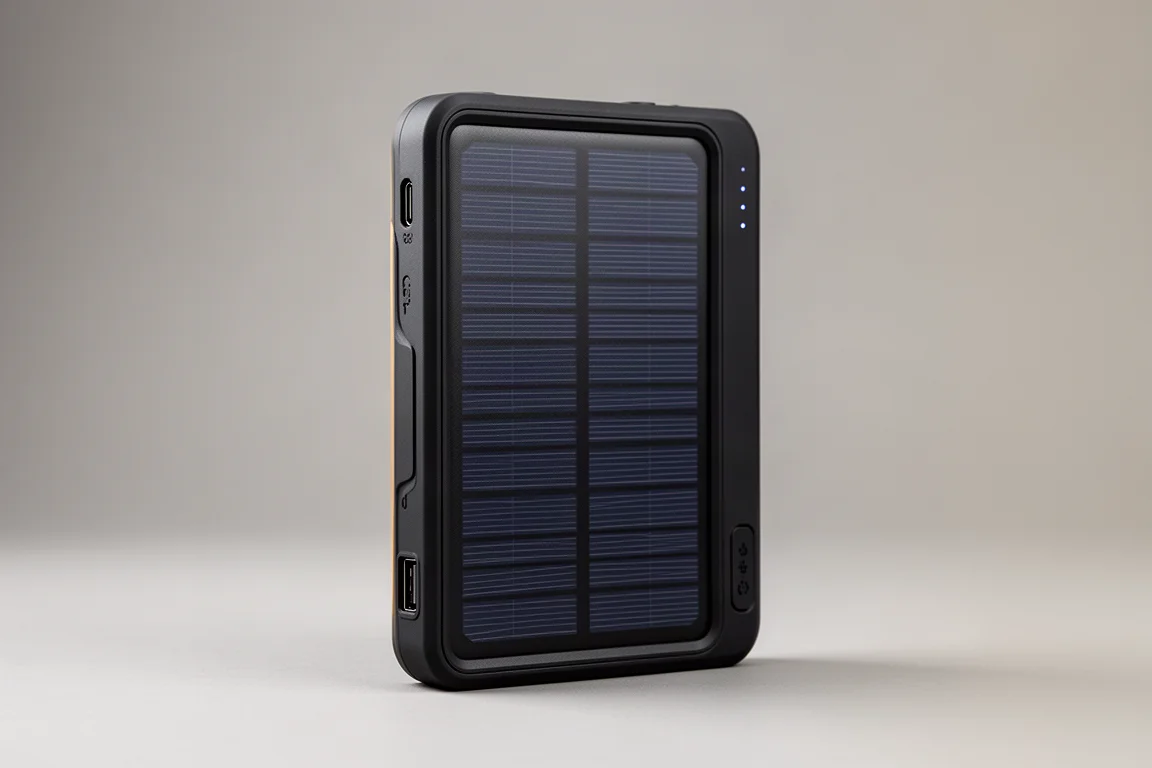
The Anker PowerCore Solar weighs one pound and costs between $70 and $100, and it is built for people who count every ounce. There is no display and no extra ceremony: just one USB-C port and one USB port, plus simple bar indicators for remaining charge and a light that flags overheating.
Most of the body is an actual solar panel, so the unit is always trying to top itself up whenever it is in sunlight. That means no separate panel to pack, which is precisely what makes it work on long multi-day backpacking trips where the charging list is short: a GPS watch, a phone and occasionally a camera battery.
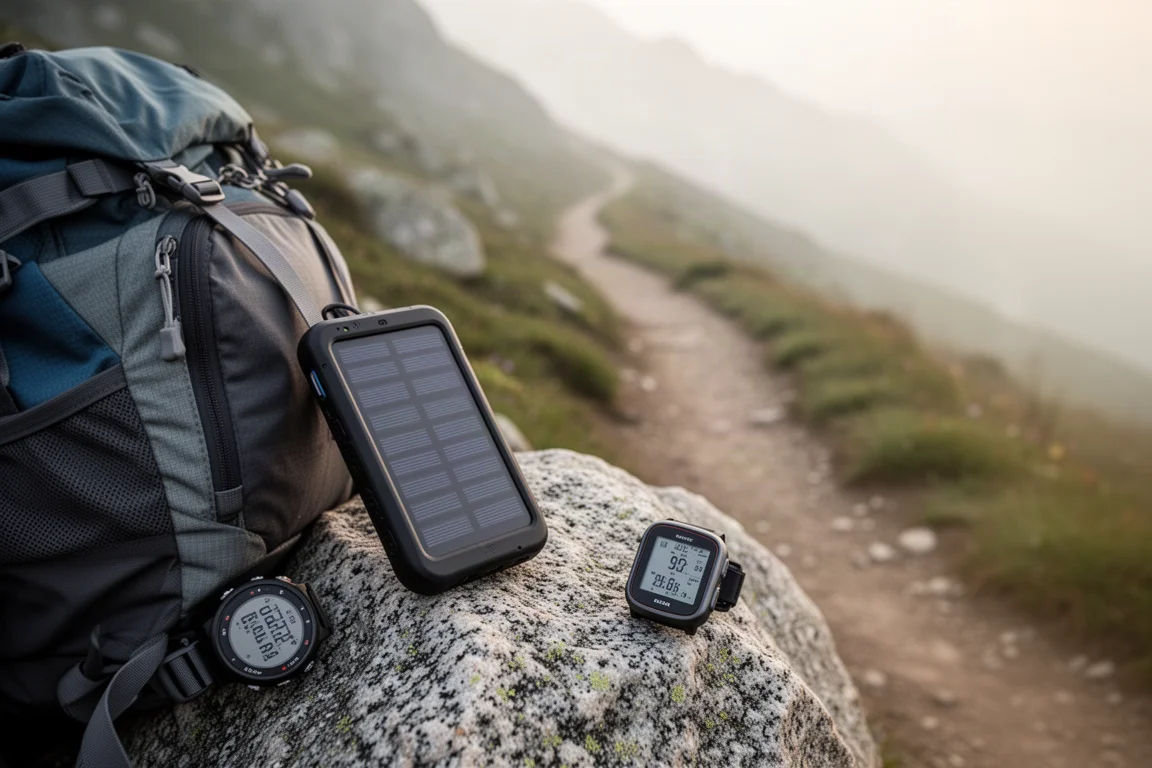
There is also a flashlight built into the end of the unit, a small extra that is most useful in an emergency rescue situation. For two or three days of light charging, this is a self-contained solution that never needs a wall outlet.
Exped Widget: Best Minimalist Option for Phone-Only Trips
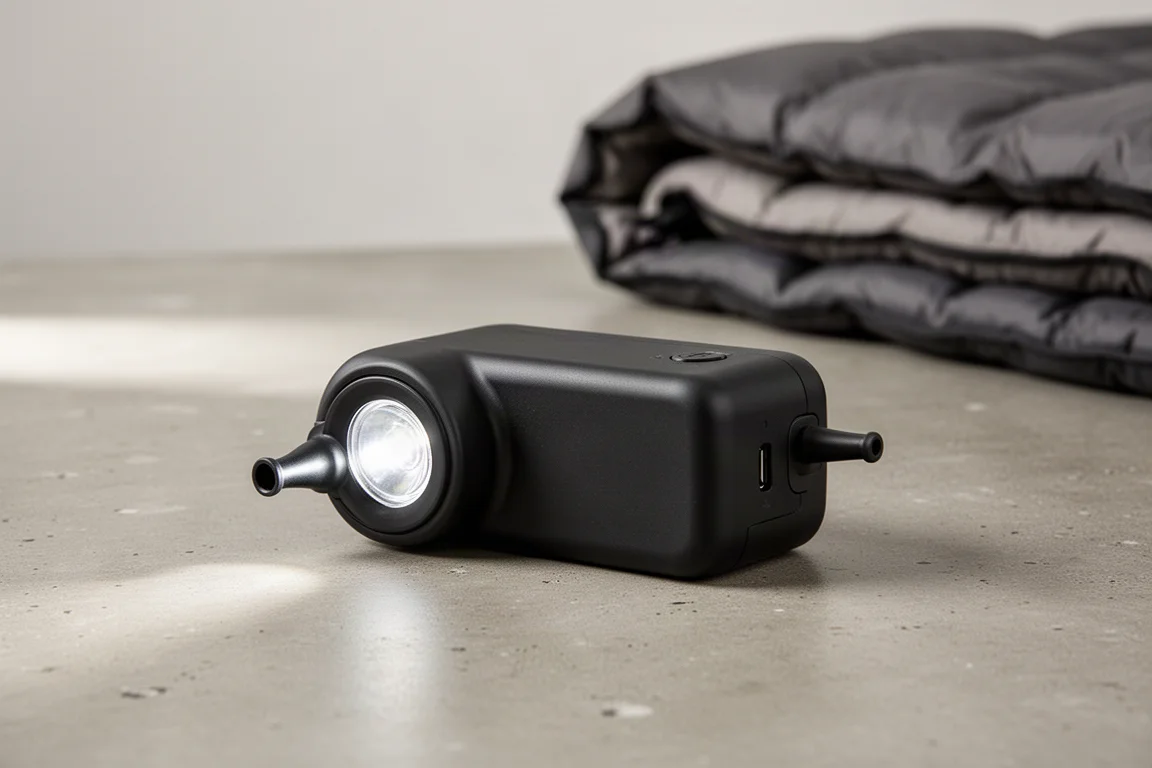
The Exped Widget is the smallest and cheapest option here at around $40, and it does three jobs at once: it is a pump, a tent light and a charging station. For overnight trips of one to three nights where the only devices are a phone and a GPS watch, it covers the charging need without adding a dedicated power bank to the pack.
It makes the most sense for travellers who are not carrying camera batteries or drones. If your charging list is longer than a phone and a watch, the Anker unit above is the better fit, and if you need to run a laptop, step up to the Goal Zero Sherpa 100 or the Rockpals station.
Buying Advice: Matching Capacity to Your Trip
Match the power option to how you travel rather than to the biggest number on the spec sheet.
For car camping, glamping and RV trips, the Rockpals 500W station and its 100W panel cover laptops, cameras, drones and lighting without any worry about weight. A full charge takes about eight hours and the station weighs around 15 pounds, so it lives in the vehicle rather than on your back.
For travel where you move between vehicles, rafts and camps, the Goal Zero Sherpa 100 gives you a real AC outlet in a two pound package, and a 20W panel can top it up during daylight hours.
For backpacking and multi-day trips on foot, the Anker PowerCore Solar is the practical choice at one pound with the solar panel built in. Keep expectations realistic about solar input and treat it as a supplement to a full charge before you leave.
For phone-only trips, the Exped Widget handles charging plus a pump and a light for around $40, which is hard to argue with for short overnights.
Whichever you choose, check the port mix against your devices first and be honest about how much weight you are willing to carry. A power bank that stays at home is not a useful purchase.
Conclusion
Six options, six different jobs. The Rockpals 500W station and its 100W panel suit vehicle-based trips where capacity matters more than weight. The Goal Zero Sherpa 100 delivers a working AC inverter in a two pound body for travellers who need laptop power on the move. The Anker PowerCore Solar is the one to carry on foot, with the panel built into the unit. The Exped Widget covers phone-only overnights for very little money.
The Goal Zero 10W panel is the cautionary entry in this list. At 10 watts it adds roughly five percent over a full day of sunlight, so it is worth knowing that 20 watts is the more realistic starting point for solar charging. Pick the weight class that matches your trip, confirm the ports fit your devices, and the rest is straightforward.
Further reading
Related Reviews
Portable Power
Best Portable Power Stations 2026: Nine Models Compared for Real-World Use
We compared nine portable power stations across output, capacity, charging speed, noise, and UPS performance to find the best value and the best overall pick.

Backpacking Gear
Building a 10 lb Base Weight: An Ultralight Backpacking Gear List
A practical walkthrough of the ultralight pieces behind a 10 lb base weight, from a 765 g pack and a roomy one-person tent to a full camp chair and a dependable water filter.

Road Bikes
10 New Road Bikes Worth Watching: Aero, Titanium, Steel and Endurance Standouts
A practical roundup of 10 new road bikes, from aero flagships chasing single-watt gains to titanium, steel and endurance platforms built for real roads.