Portable Power
Best Portable Power Stations 2026: Nine Models Compared for Real-World Use
We compared nine portable power stations across output, capacity, charging speed, noise, and UPS performance to find the best value and the best overall pick.
Introduction
Portable power stations have become essential gear for camping trips, emergency backup, and even everyday use around the house. But with prices ranging from around $500 to nearly $1,500, it is natural to wonder whether the cheaper models can keep up with the premium ones. This comparison puts nine power stations through the same set of real-world tests, including powering a 33-gallon air compressor, running halogen work lights, measuring maximum output, checking battery capacity, and verifying charging speed.
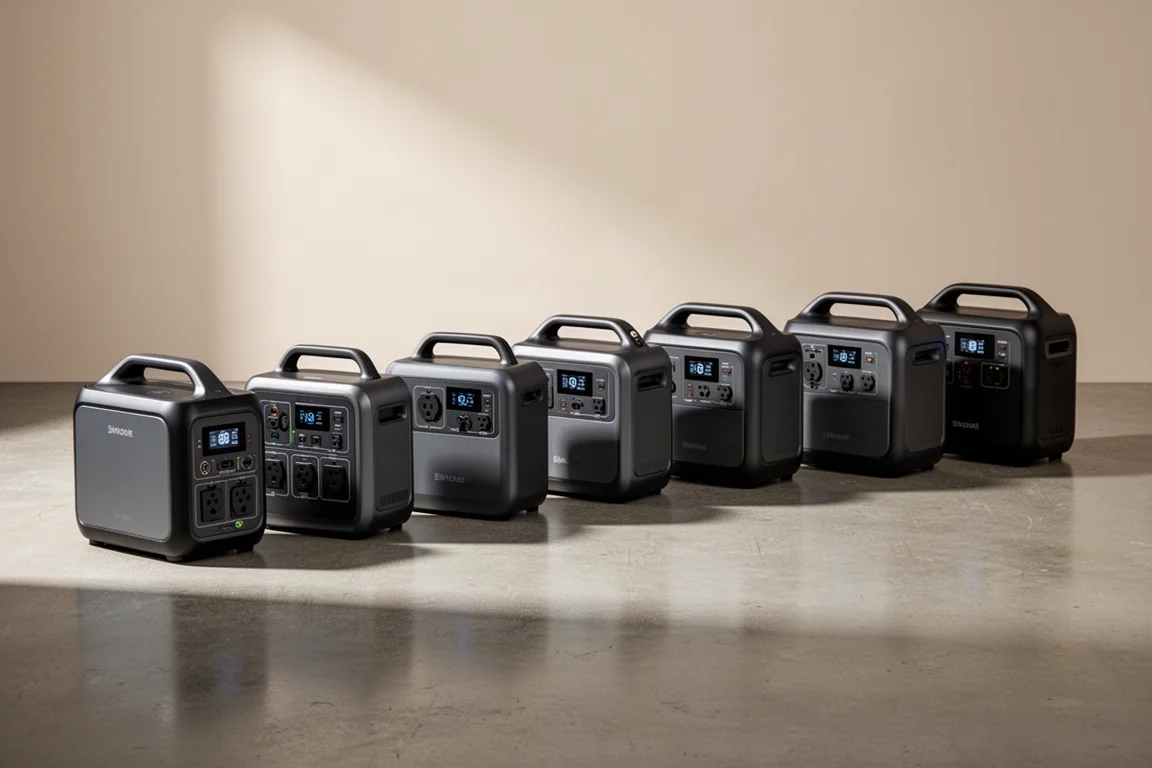
All nine units use lithium iron phosphate batteries and are designed to deliver roughly 2,000 watts of continuous power. The lineup includes models from Segway, Opus, Dabsson, EcoFlow, Blue Addi, DJI, Anker, Crestell, and Jackery. Each one was tested under identical conditions so the results are directly comparable.
How We Compared These Power Stations
The testing process covered several key areas that matter most to buyers. First, each unit was asked to power three 500-watt halogen lights, which is roughly equivalent to running over 150 LED lights at once. This checks real-world output stability and voltage regulation under load. Next, a 33-gallon air compressor already at 90 PSI was used to test surge capacity, since starting a motor draws far more current than running it steadily.
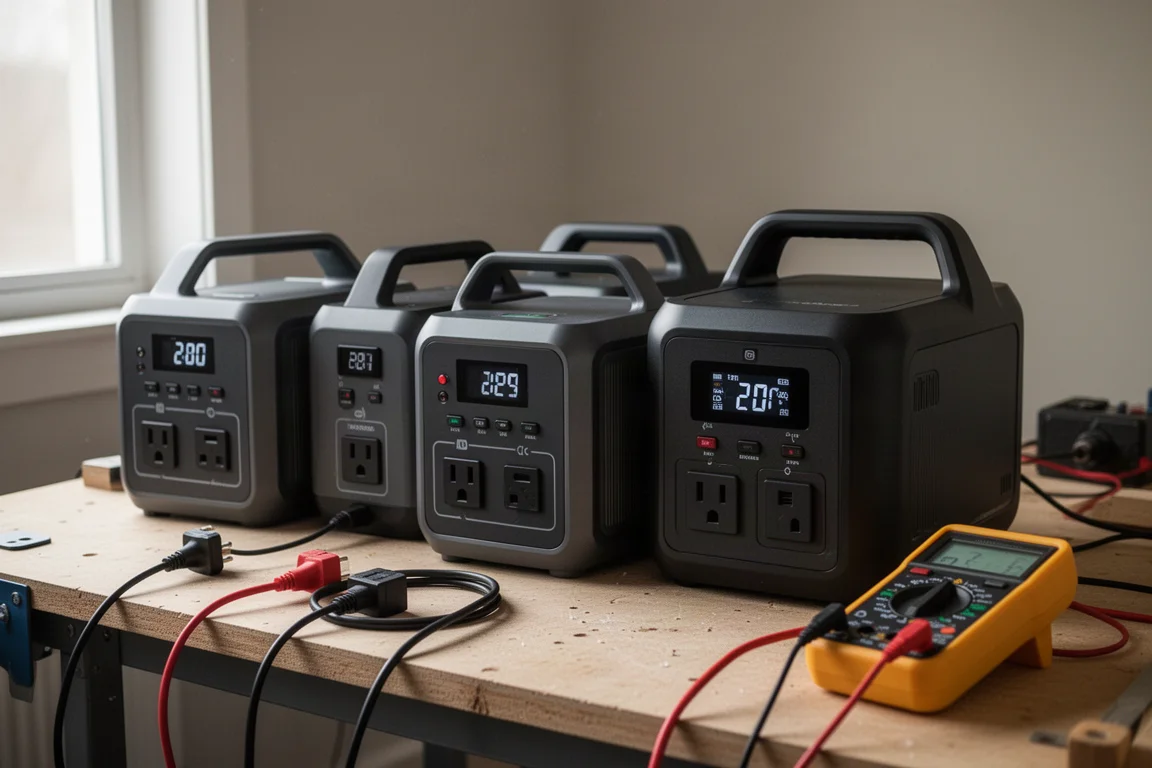
Maximum continuous output was measured by gradually increasing the load with a fan speed controller and a space heater until each unit reached its limit. Battery capacity was then tested by draining each unit completely while powering the halogen lights, with a timer running to record total runtime. Finally, charging speed was measured from empty to full, and each unit was tested as an uninterruptible power supply to see whether a connected computer stayed running during a power cut.
Segway Power Station
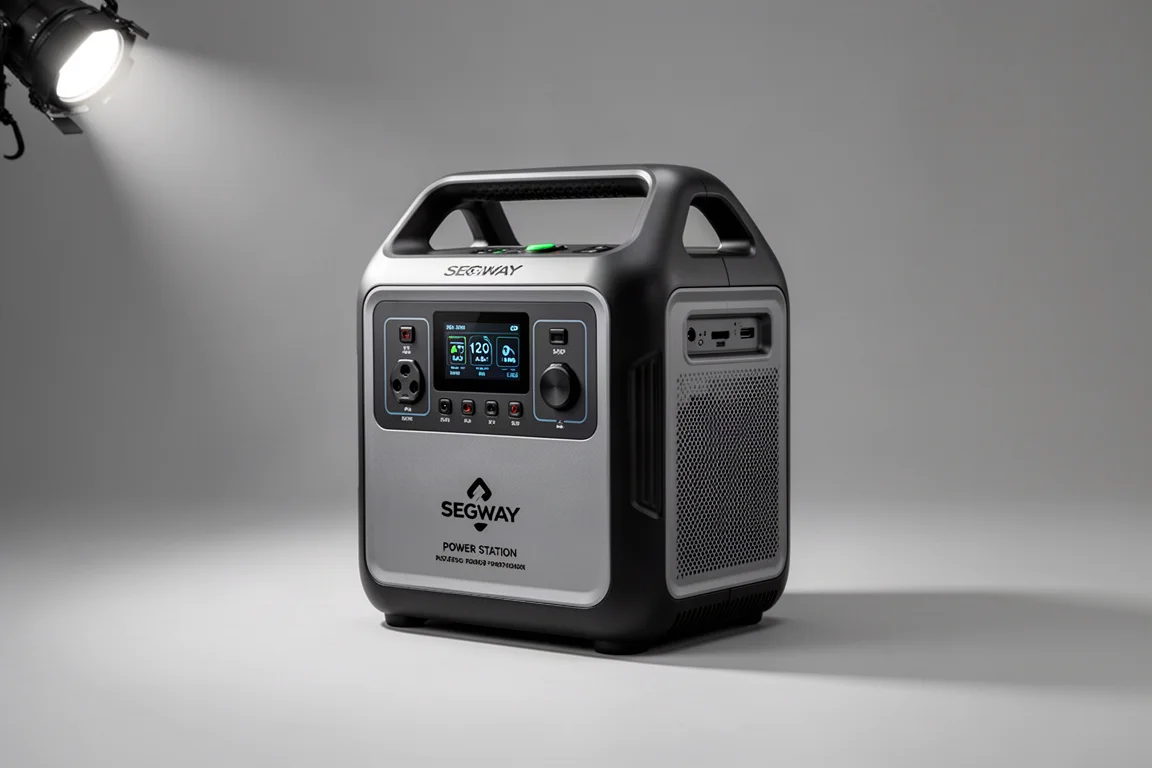
The Segway is the least expensive unit in this test at $499. It is rated for 2,200 watts of output and has a battery capacity of 1,240 watt hours. The manufacturer claims it can recharge in about 1.2 hours, last over 4,000 cycles, and operate at 97% efficiency. It weighs 35.91 pounds and is made in China.
Under load, the Segway held steady at around 1,445 watts with voltage staying just over 120 volts. Its cooling fan measured 58.9 dB, which is on the louder side. In the air compressor test, the Segway handled the compressor with one light easily, and even managed two lights with some initial voltage drop down to 109.35 volts. Its maximum sustained output reached about 2,275 watts. In the capacity test, it drained in close to 33.5 minutes, producing 790 watt hours. It charged from empty in just over an hour, taking 1,040 watt hours of energy. As a UPS, the computer stayed running with only a very brief light flicker.
Opus Power Station
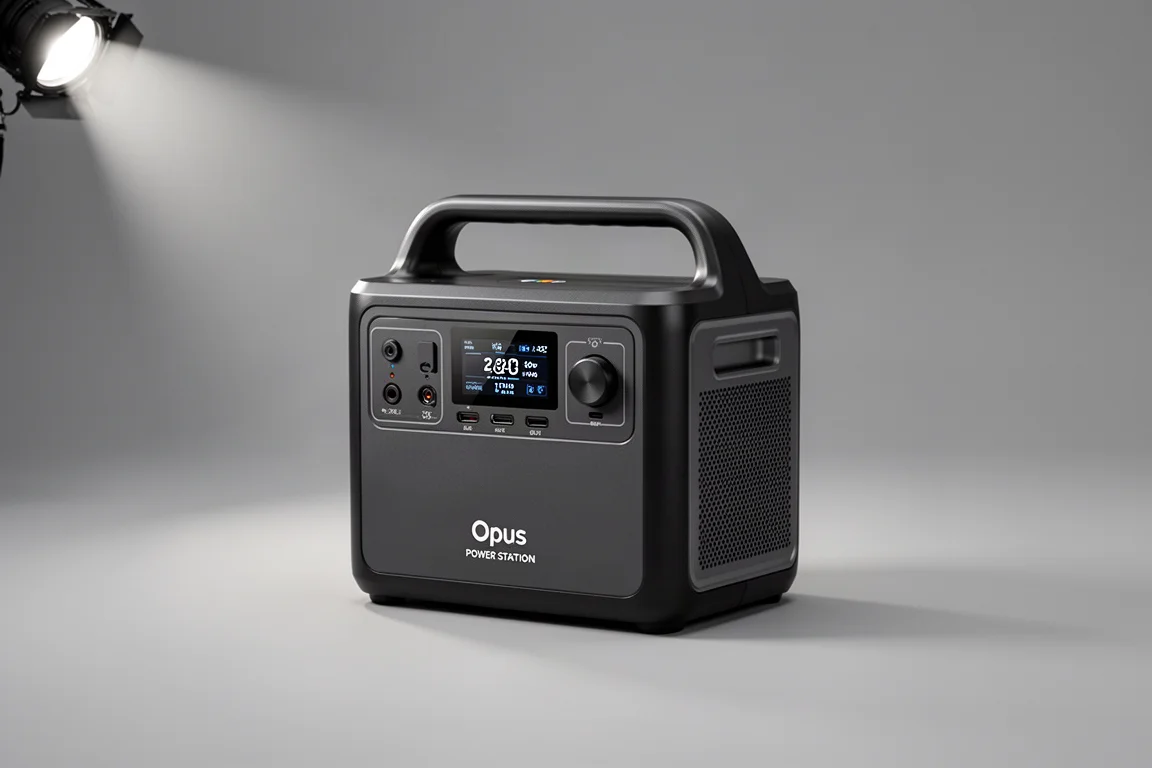
The Opus costs $549 and is rated for 2,000 watts with a surge capacity up to 4,500 watts. Its total capacity is 1,024 watt hours. The manufacturer claims pure sine wave output, a 0 to 80% charge in 36 minutes, and a power transfer time of less than 20 milliseconds for UPS use. The battery is rated for over 3,500 cycles. It weighs 27.8 pounds and is made in China.
The Opus powered the halogen lights almost immediately, showing around 1,447 watts on the energy meter. Its cooling fan was noticeably loud at 67.4 dB. In the air compressor test, the Opus struggled with two lights and powered down its AC outlets when voltage dropped to 94. Its maximum output reached about 1,985 watts before voltage dropped significantly. In the capacity test, it lasted about a minute longer than the Segway, producing 820 watt hours. It charged from empty in 52 minutes and 18 seconds, taking 1,040 watt hours. As a UPS, the computer stayed up with a brief light flicker.
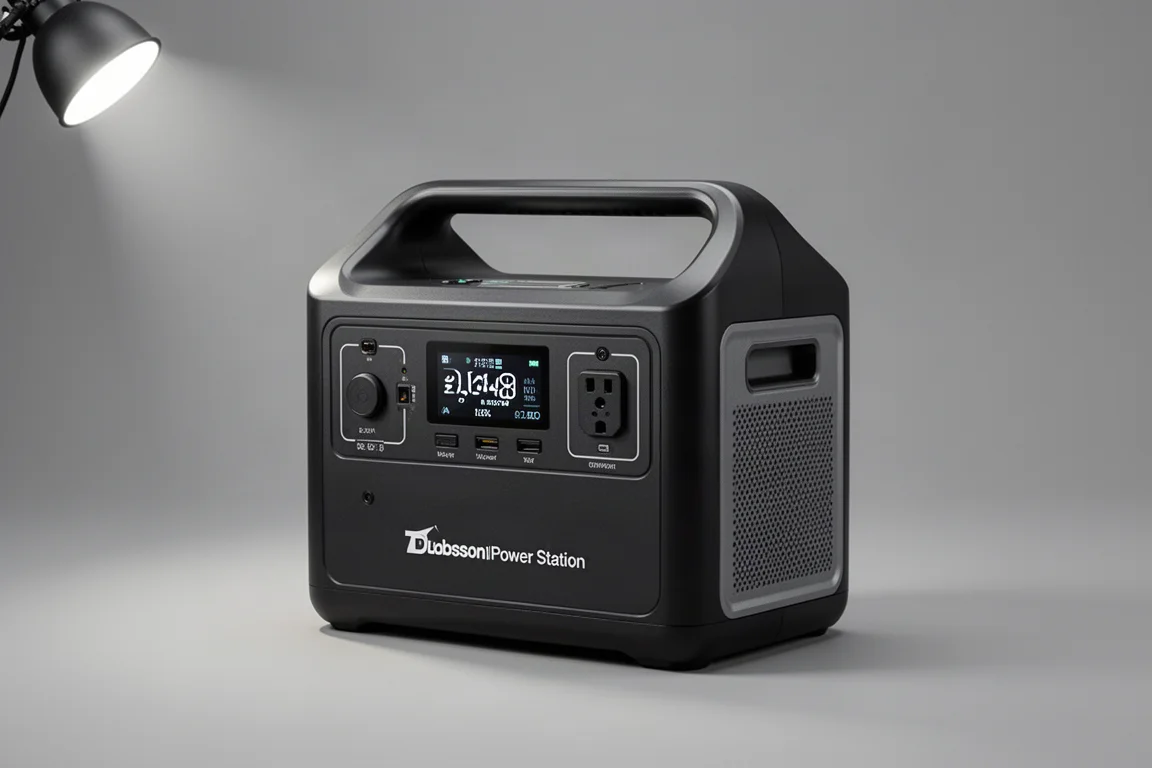
Dabsson Power Station
The Dabsson is priced at $599 and rated for 2,200 watts of AC output, with a power boost feature up to 3,300 watts. Its battery capacity is 2,048 watt hours, double that of several competitors. The manufacturer claims over 4,000 charge cycles, an 80% recharge in 1.5 hours, and EPS switching under 15 milliseconds. It weighs close to 40 pounds and is made in China.
The Dabsson held around 1,440 watts under load with the lights, and its cooling fan measured 56.8 dB, the quietest up to that point. In the air compressor test, it handled the compressor with two lights easily at 119.5 volts and 2,554 watts, but three lights proved too much. Its maximum surge reached over 3,100 watts before settling back to around 2,200 watts. In the capacity test, it lasted 78 minutes and 40 seconds, producing 1,880 watt hours, which works out to 91.8% of its rated capacity, the best efficiency in this test. It charged from empty in about 114 minutes, taking 2,380 watt hours. As a UPS, it performed extremely well with no light flicker at all.
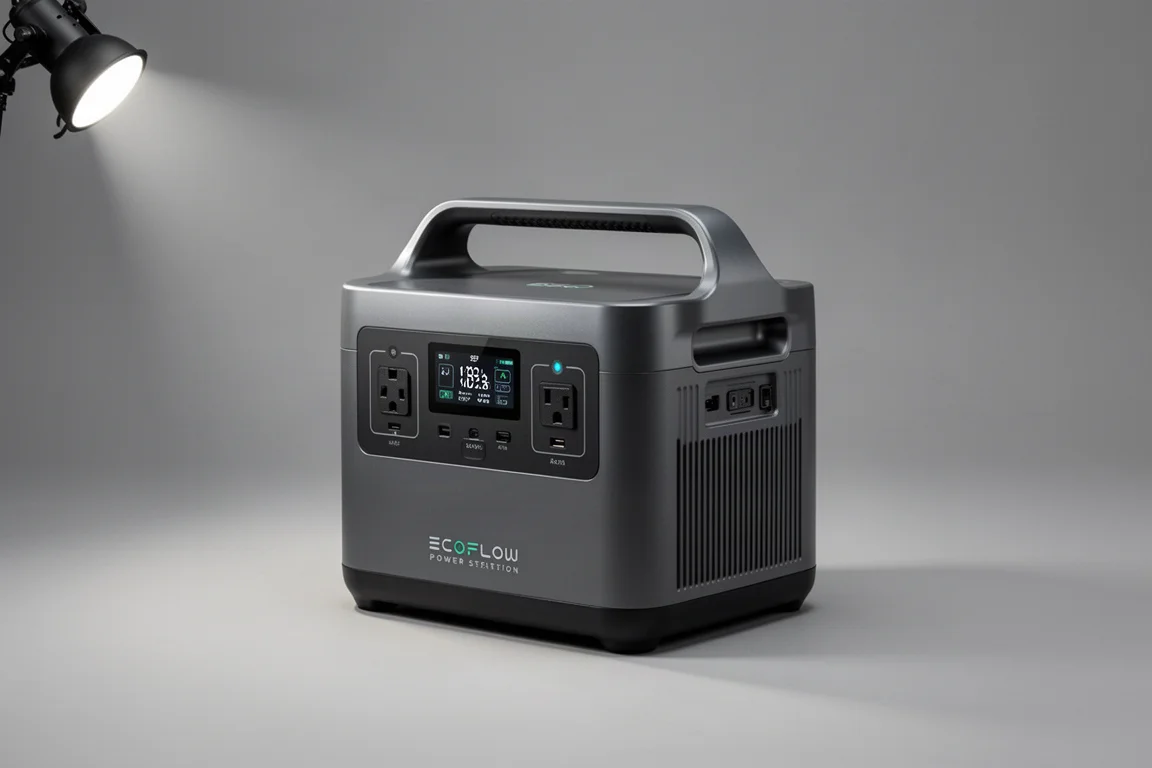
EcoFlow Power Station
The EcoFlow costs $699 and is rated for 1,024 watt hours with a maximum output of 1,800 watts. The manufacturer claims seven times faster charging, reaching 80% in 50 minutes and 100% in 80 minutes. It supports solar charging up to 500 watts and has a battery life cycle of over 3,000 cycles. It weighs about 26.5 pounds and is made in China.
The EcoFlow initially powered down its AC outlet when the lights were plugged in, but worked fine once the outlet was turned back on. Its cooling fan was by far the quietest in the test at just 37.8 dB. In the air compressor test, it struggled with one light, dropping below 100 volts, though it did kickstart the compressor. Its maximum output matched its rating at around 1,810 watts. In the capacity test, it produced 900 watt hours before powering down at just over 38 minutes, an efficiency of 87.9%. It charged from empty in 57 minutes and 20 seconds, taking 1,180 watt hours. As a UPS, it performed well with only a brief light flicker.
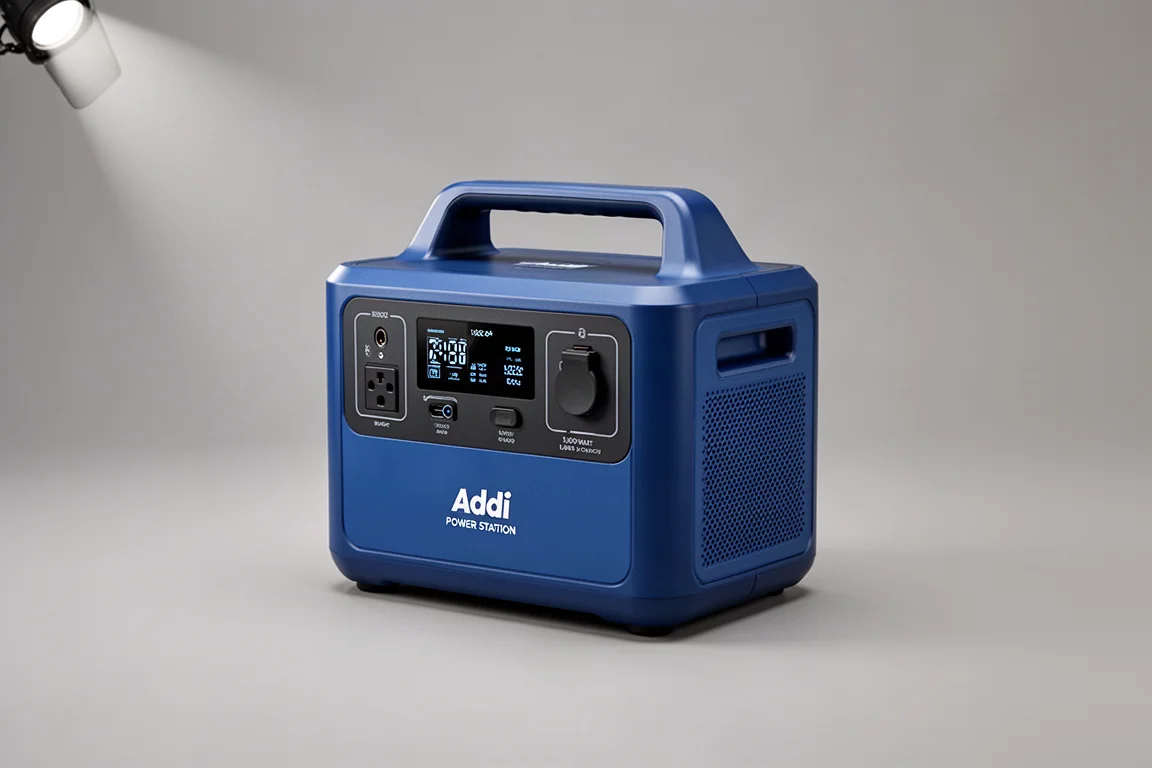
Blue Addi Power Station
The Blue Addi is priced at $799 and rated for 1,800 watts with a 3,600-watt surge. It has a total capacity of 1,024 watt hours. The manufacturer highlights its compact size at 17 liters and light weight of 25 pounds, with a claimed full charge in 70 minutes. It can power up to 11 devices at once and is made in China.
The Blue Addi measured just under 25 pounds, making it the lightest unit in the test. Its cooling fan was one of the quietest at 48.1 dB. However, it was unable to kickstart the air compressor even without any lights drawing current. It did handle the space heater and lights well at around 2,130 watts. In the capacity test, it produced 850 watt hours before powering down at close to 36 minutes. It charged from empty in about 1 hour and 8 minutes, taking 1,130 watt hours. As a UPS, it performed well with no visible light flicker.
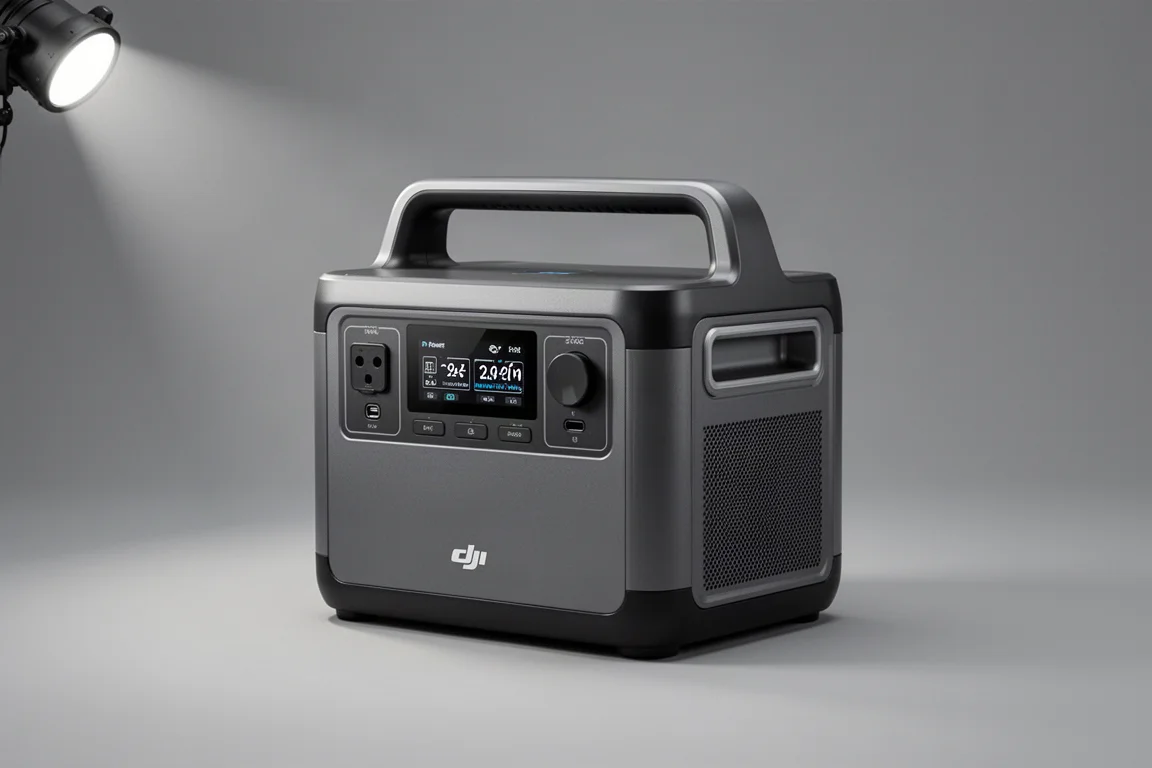
DJI Power
The DJI Power is also priced at $799 and has a total capacity of 1,024 watt hours. The manufacturer claims it can handle up to 2,600 watts, recharge from 0 to 80% in 37 minutes, and operate at only 26 dB. It features dual 140-watt USB-C charging ports and can be used as a UPS with a 10-millisecond switch time. It weighs 31.24 pounds and is built in China.
The DJI powered the lights easily and stayed within one watt of the energy meter reading. Its cooling fan measured 55.7 dB. In the air compressor test, it handled the compressor with one light easily and with two lights, though it powered down after 8 seconds at 2,439 watts. Its maximum continuous output reached about 2,641 watts, the highest in this test. In the capacity test, it produced 870 watt hours before powering down at 36 minutes and 38 seconds. It charged from empty in 53 minutes and 17 seconds, taking 1,170 watt hours. As a UPS, there was a very brief light flicker but the computer stayed running.
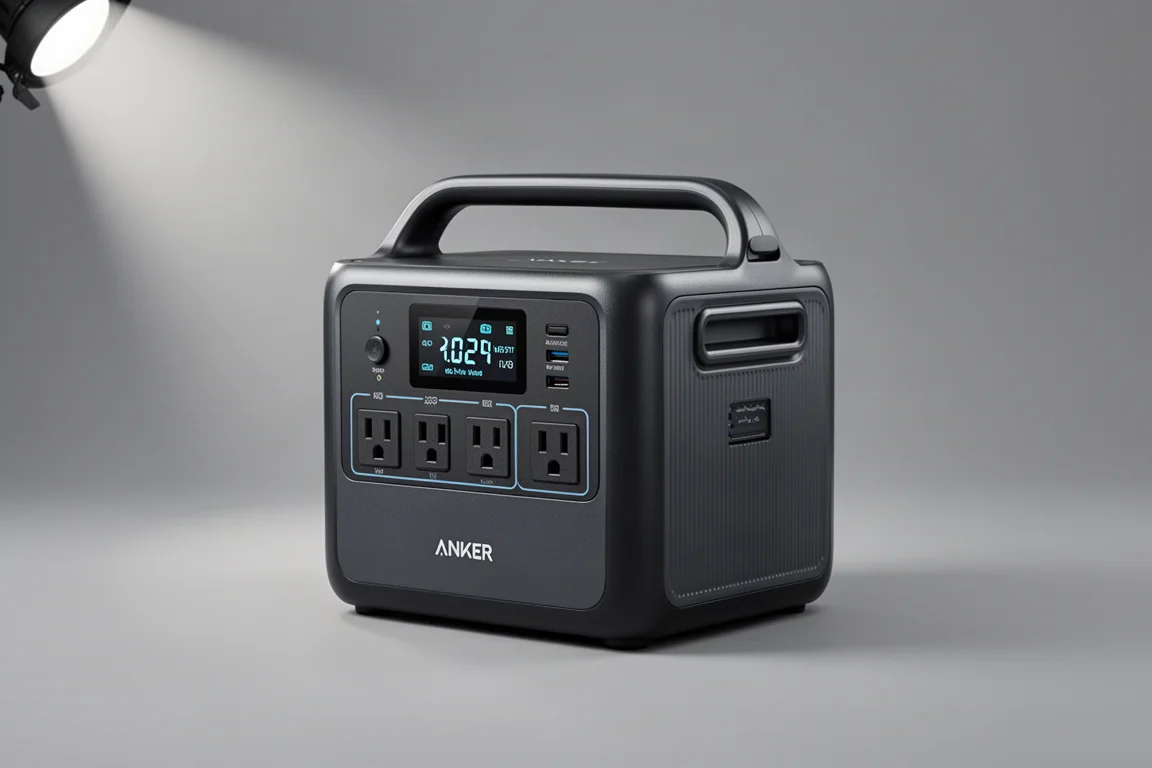
Anker Power Station
The Anker is priced at $799 and rated for 2,000 watts with a surge up to 3,000 watts. It has a total capacity of 1,024 watt hours. The manufacturer claims it is 14% smaller and 11% lighter than similar models, with a 49-minute ultra-fast recharge time. After 4,000 cycles, the battery should retain at least 80% capacity. It is made in Vietnam.
The Anker weighed just under 25 pounds and measured 60.9 dB under load. In the air compressor test, it handled one light with voltage dropping to 109, but overloaded with two lights and gave up after a few seconds. Its maximum output matched its 2,000-watt rating. In the capacity test, it produced 870 watt hours, lasting about 2 seconds less than the DJI. It charged from empty in just under 49 minutes, the fastest among the 1,024 watt hour units, taking 1,180 watt hours. As a UPS, there was even less light flicker than the DJI and the computer stayed powered up.
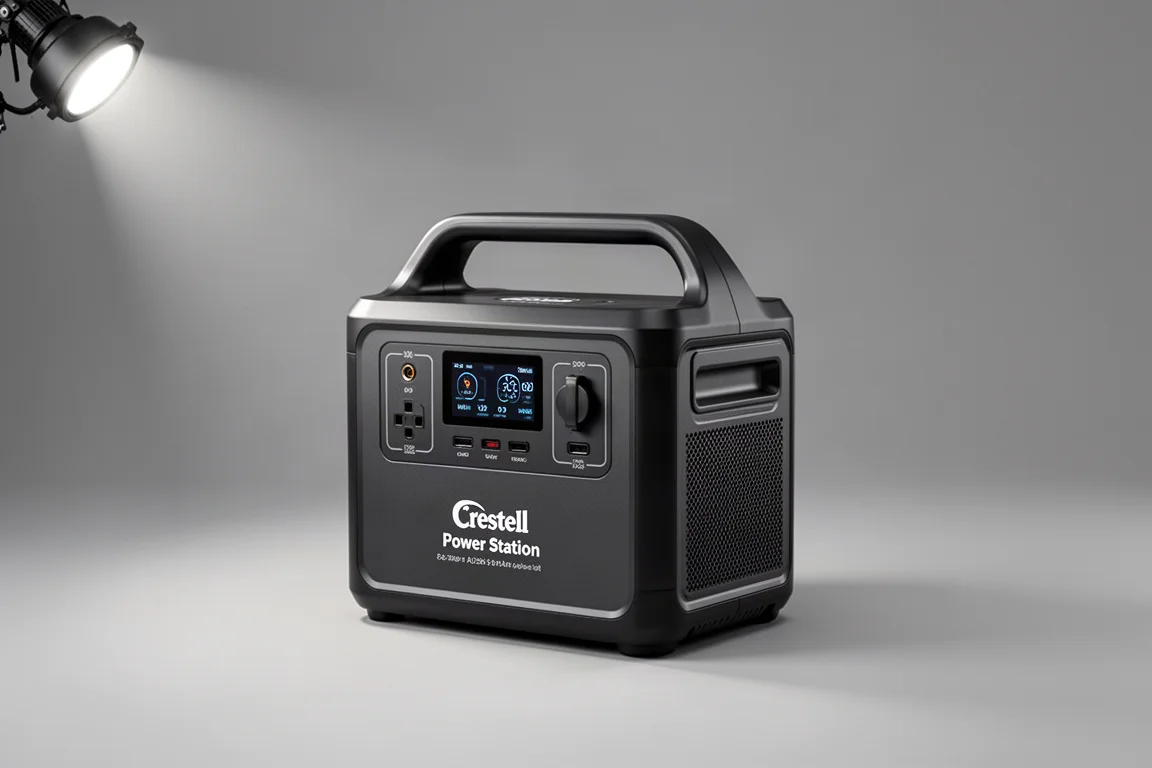
Crestell Power Station
The Crestell is priced at $800 and rated for 2,200 watts with a 4,800-watt peak. It has a total capacity of 1,126 watt hours and 13 different ports. The manufacturer claims a full charge in 1.25 hours, a battery life cycle of 3,500 cycles, and a 20-millisecond UPS switch time. It weighs 34.86 pounds and is made in China.
The Crestell showed a lower no-load voltage of around 110.8 volts, and its watt meter read 18 watts lower than the energy meter. Its cooling fan was one of the loudest at 63.4 dB. In the air compressor test, it was the only unit to kickstart the compressor with three halogen lights running, reaching almost 2,600 watts. Its maximum output reached 2,465 watts before the outlet powered down, though it maintained 2,200 watts for a sustained period. In the capacity test, it powered down at 12% charge, producing 830 watt hours. It charged from empty in about 64 minutes, taking 1,111 watt hours. As a UPS, the computer powered down and the light flickered for about half a second. One of its USB-C ports rated for 100 watts only produced 53 watts, and another rated for 18 watts only reached 1 watt.
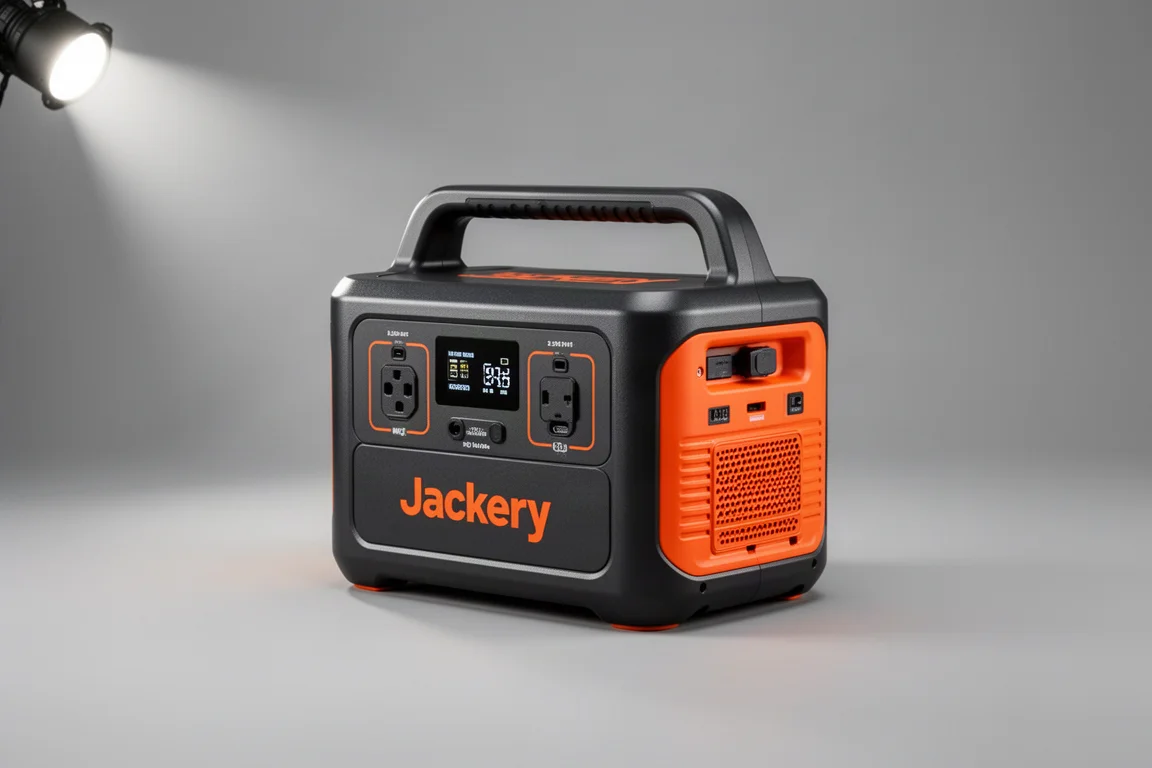
Jackery Power Station
The Jackery is the most expensive unit in this test at $1,499. It is rated for 2,200 watts with a 4,400-watt peak and has a total capacity of 2,042 watt hours. The manufacturer claims it is 41% lighter and 34% smaller than a typical 2-kilowatt power station, with a charging noise of only 30 peak dB. It can charge from 0 to 80% in 66 minutes with AC fast charging, and reach a full charge in 102 minutes. It weighs 39.13 pounds and is made in China.
The Jackery measured 45.4 dB, making it the second quietest unit in the test. In the air compressor test, it handled one light easily but gave up early with two lights already running. Its maximum output exceeded its 2,200-watt rating for several minutes, reaching about 2,410 watts before powering down at 2,600 watts. In the capacity test, it lasted close to 75 minutes, producing 1,780 watt hours for an efficiency of 87.2%. It charged from empty in about 1 hour and 20 minutes, taking 2,220 watt hours. When accounting for usable energy per minute of charge time, the Jackery came out on top at 22.3 watt hours per minute. As a UPS, it performed very well with only a brief light flicker. After 15 hours on standby, it retained 89% charge, the best in this test.
Output and Surge Performance
All nine power stations came very close to beating their rated output. The DJI produced the most continuous power at around 2,641 watts, with the Jackery in second place at about 2,410 watts. The Crestell was the standout in the air compressor test, being the only unit to kickstart the compressor while also powering three halogen lights. Five other brands had enough surge capacity to handle the compressor with two lights running.
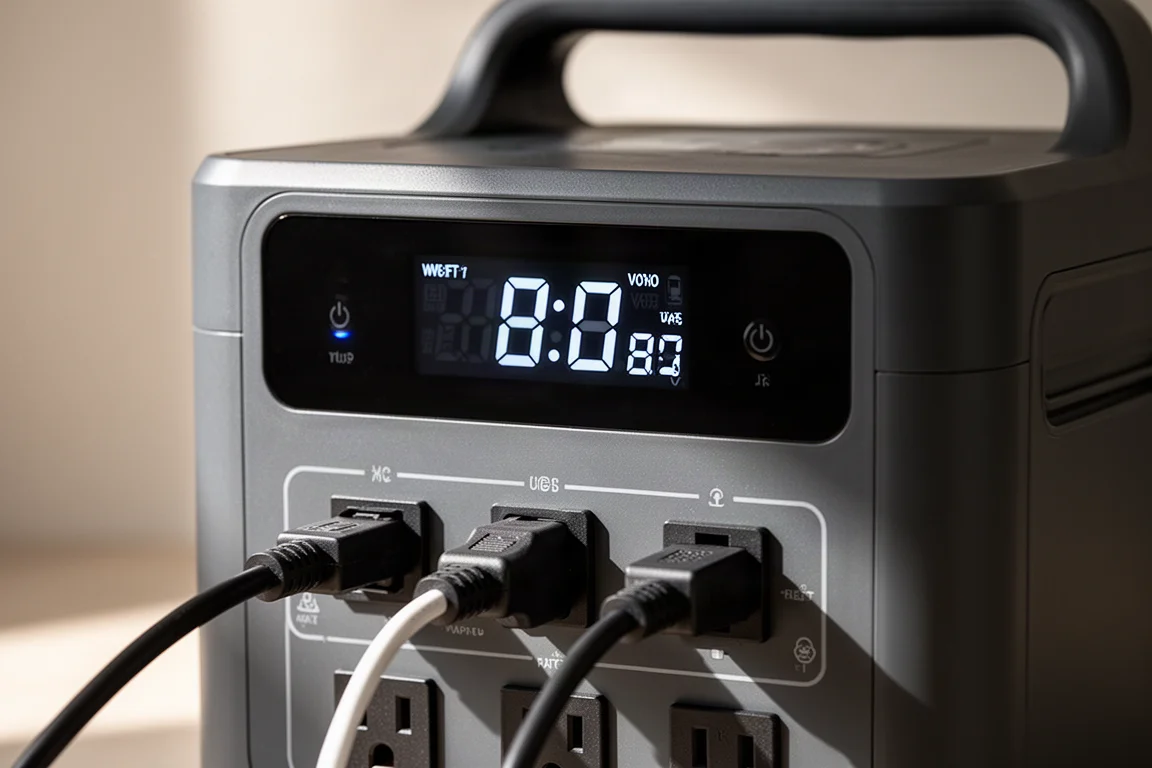
For buyers who need to run motor-driven tools or appliances, surge capacity matters as much as continuous output. The Dabsson and Crestell both showed strong surge handling, while the Blue Addi could not start the air compressor at all. The EcoFlow matched its rating closely but dropped below 100 volts during the compressor test, which is too low for sensitive equipment.
Charging Speed and Efficiency
Charging speed varied significantly across the lineup. The Anker reached a full charge in just under 49 minutes, the fastest among the 1,024 watt hour units. The Opus followed at 52 minutes, with the DJI close behind at 53 minutes. The Jackery, despite having roughly double the capacity, finished in about 1 hour and 20 minutes, which is impressive for its size.
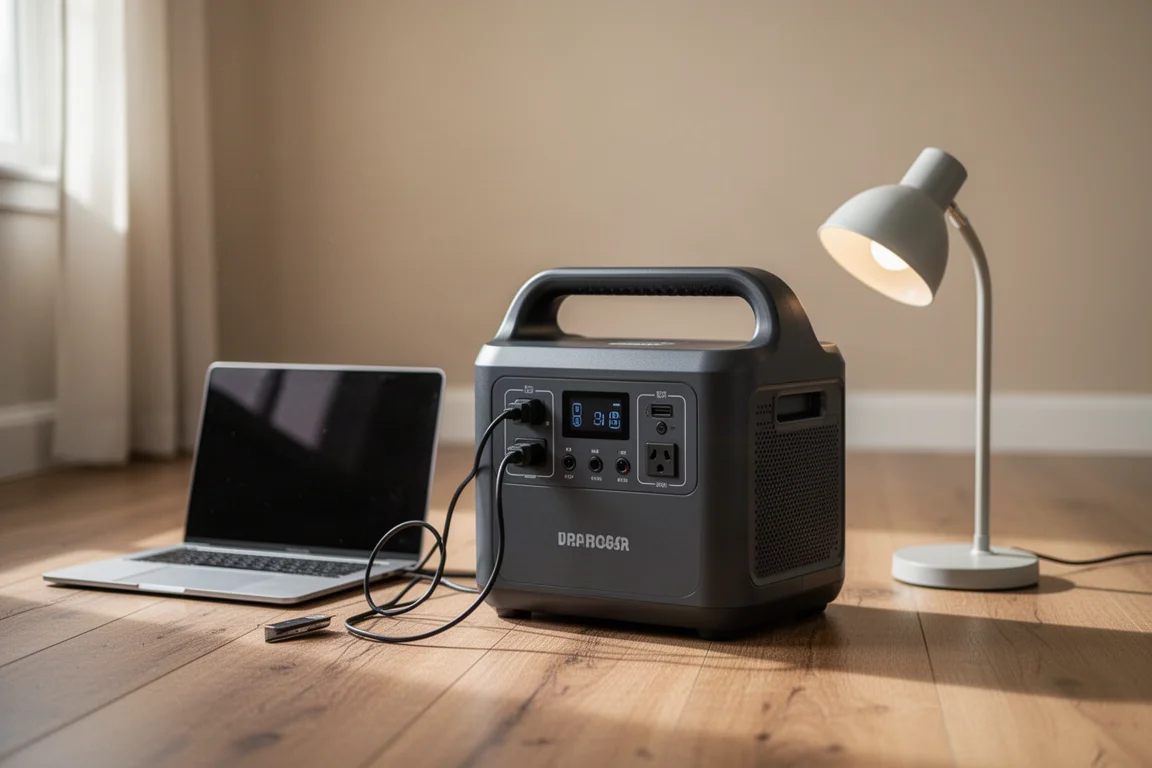
When accounting for usable energy per minute of charge time, the Jackery came out on top at 22.3 watt hours per minute, followed by the Anker at 17.8 and the Dabsson at 16.4. The Dabsson also posted the best discharge efficiency at 91.8% of its rated capacity, with the EcoFlow at 87.9% and the Jackery at 87.2%. All units lost some energy through cooling fans, transistors, and internal wiring resistance, which is normal for this category.
UPS Performance and Standby Drain
For buyers planning to use a power station as an uninterruptible power supply, the UPS test is critical. The Dabsson performed best with no light flicker at all when disconnected from wall power. The Blue Addi also showed no flicker. The Segway, Opus, EcoFlow, DJI, Anker, and Jackery all kept the computer running with only a very brief light flicker. The Crestell was the only unit where the computer powered down, with the light also going out for about half a second.
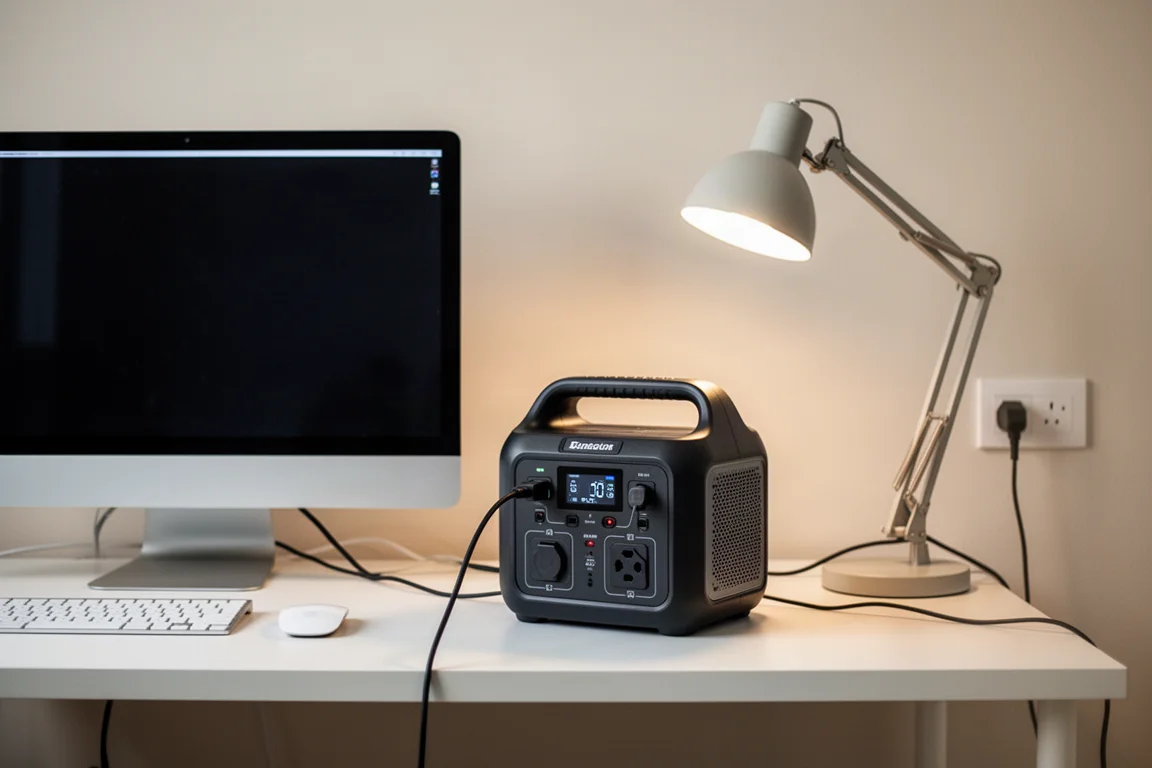
Standby drain is another important factor for UPS use. After 15 hours with nothing plugged in, the Jackery retained 89% charge, the best result. The Dabsson held 85%, the Blue Addi 84%, and the EcoFlow 82%. The Opus struggled the most, dropping to 55%, while the DJI fell to 69% and the Segway to 73%. If a power station will sit idle waiting for an outage, lower standby drain means more reserve power when it is needed.
Buying Advice
For the best value, the EcoFlow stands out. It earned strong marks across every category and is priced at $699, making it a sensible choice for buyers who want solid performance without spending a fortune. It is also the quietest unit in the test at 37.8 dB, which matters if the power station will run indoors or near living spaces.
For the best overall performance, the Jackery is the clear winner. It has roughly double the capacity of most competitors, posted excellent efficiency, charged quickly for its size, and retained the most charge on standby. The trade-off is its $1,499 price, which is significantly higher than the rest of the field. Buyers who need maximum capacity and are willing to pay for it will find the Jackery hard to beat.
Conclusion
This comparison shows that price does not always predict performance. The $699 EcoFlow matched or beat several more expensive units in key tests, while the $800 Crestell impressed with its surge handling despite some USB-C port issues. The $1,499 Jackery justified its premium price with the largest capacity and best standby performance, but the EcoFlow remains the smart pick for most buyers. Anyone choosing a power station should weigh their actual needs around output, capacity, noise, and UPS requirements before making a decision.
Further reading
Related Reviews
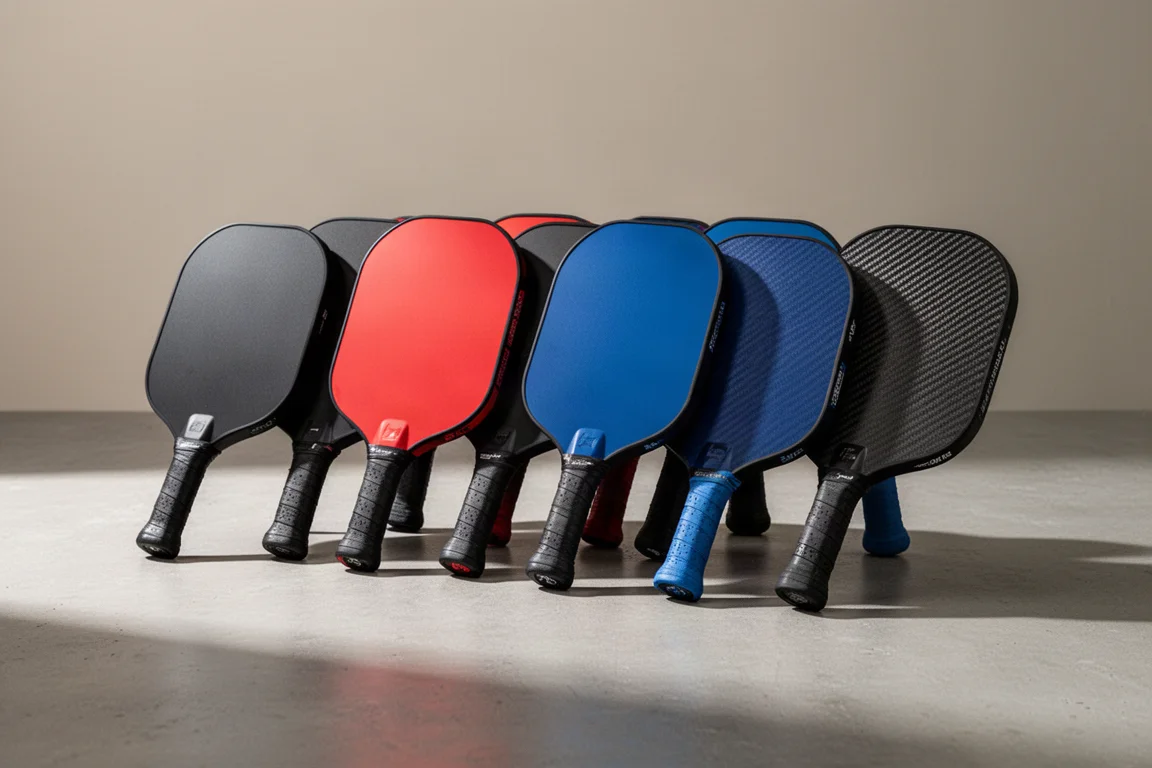
Pickleball Paddles
2025 Paddle Awards: The Best Pickleball Paddles of the Year
A category-by-category breakdown of the best pickleball paddles of 2025, covering value, control, all-court, power, and paddle of the year.
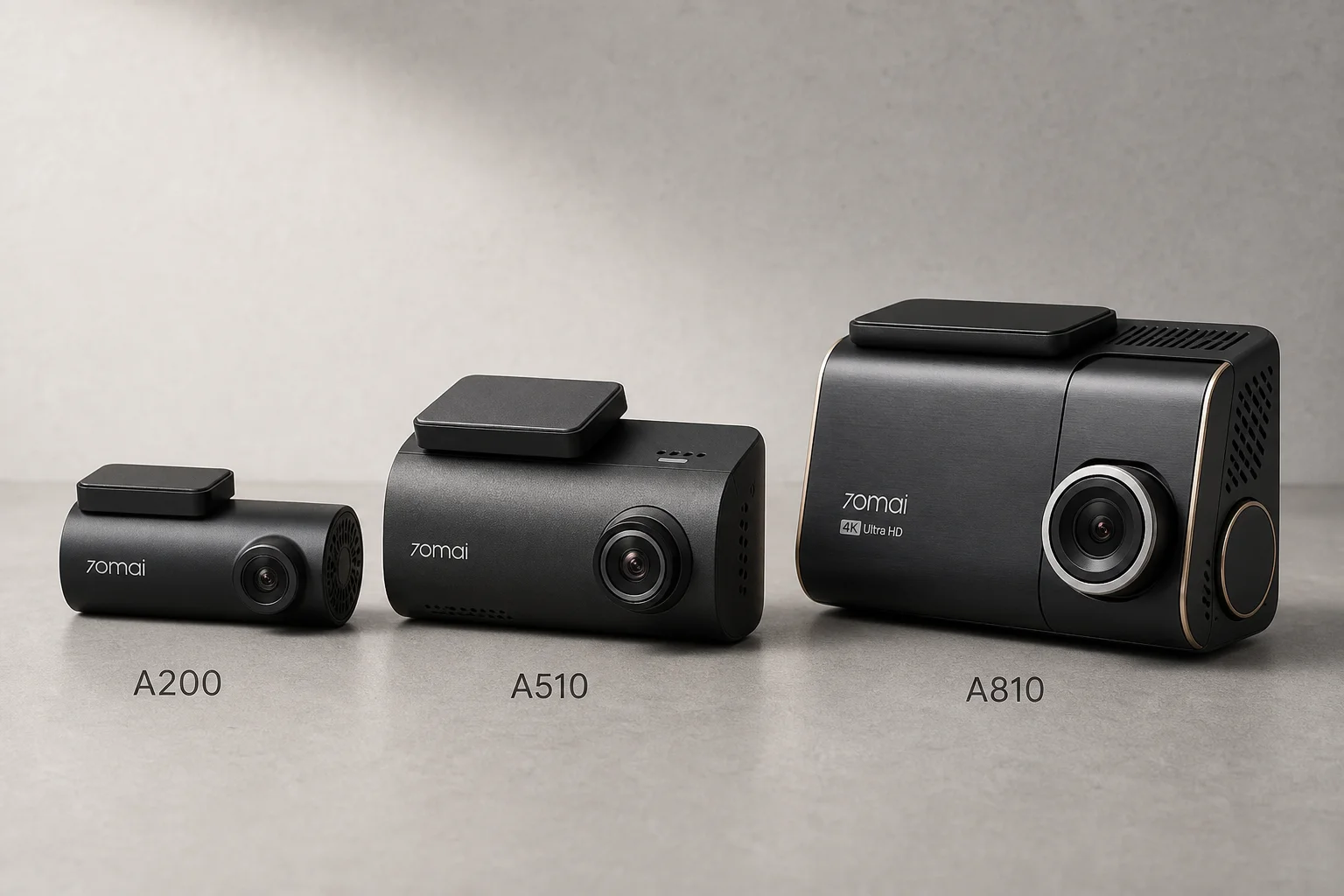
Automotive Accessories
70mai Dash Cam Comparison: A200 vs A510 vs A810
Three dash cameras from 70mai across different price points reveal how resolution and sensor quality impact real-world footage clarity, especially for number plate visibility and low-light performance.
Mobile Gaming Accessories
8BitDo FlipPad vs GameSir Pocket Taco: Which Vertical Phone Controller Fits You Best?
Two compact vertical phone controllers with very different approaches to connectivity, controls, and everyday use. Here is how they compare across seven practical categories.