Impact Wrenches
Vintage vs Modern Impact Wrenches: Five Tools Spanning 60 Years of Torque
From a 1950s Thor Model 55 to today's cordless mid-torque tools, five impact wrenches show how much has changed, and how much hasn't.
Introduction
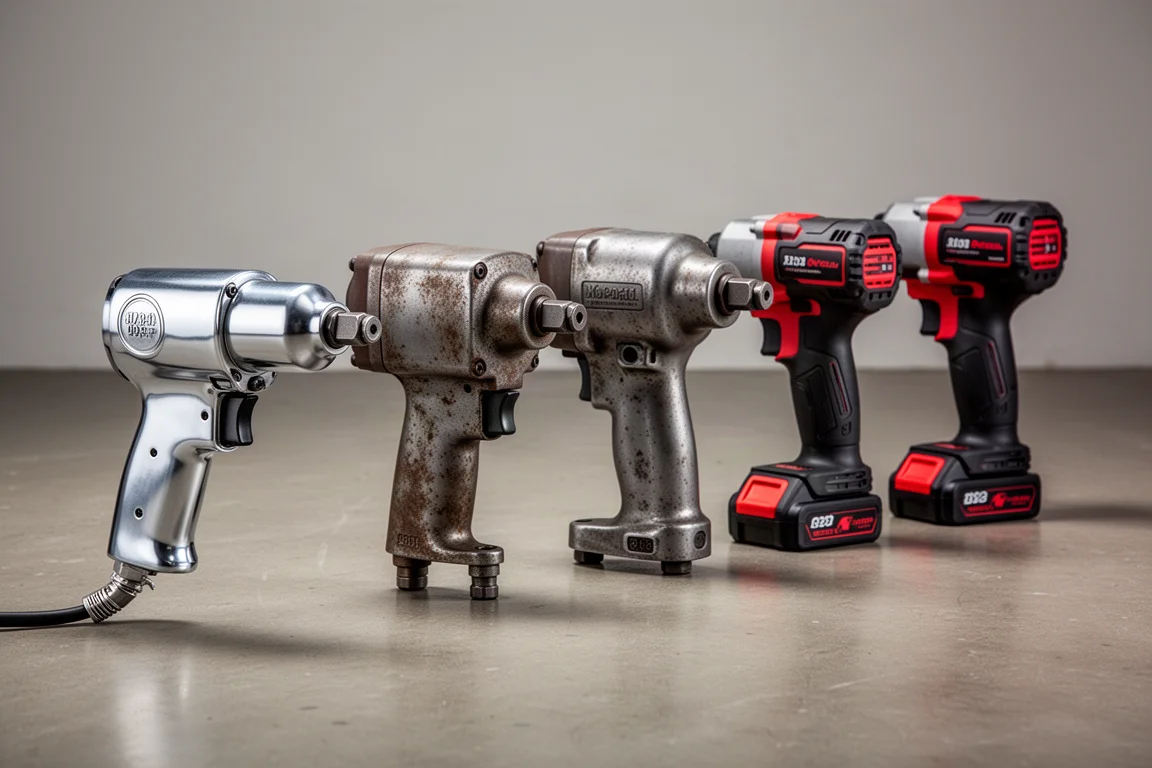
Most tool comparisons look at what is new on the shelf. This one goes further back. By putting a 1950s Thor Model 55 corded electric impact wrench, an early 1960s Cleco WP 421C pneumatic, a 1990s Ingersoll Rand 231H, and two current mid-torque cordless tools through the same measured tests, a clear picture emerges of how impact wrench design has evolved, and where the old designs still surprise.
The headline takeaway: a rocking-dog air impact from the 1960s can still out-hit modern cordless mid-torque tools, while the corded electric category has quietly disappeared from most workshops despite big gains when it was still alive.
Thor Model 55: Streamlined 1950s Design
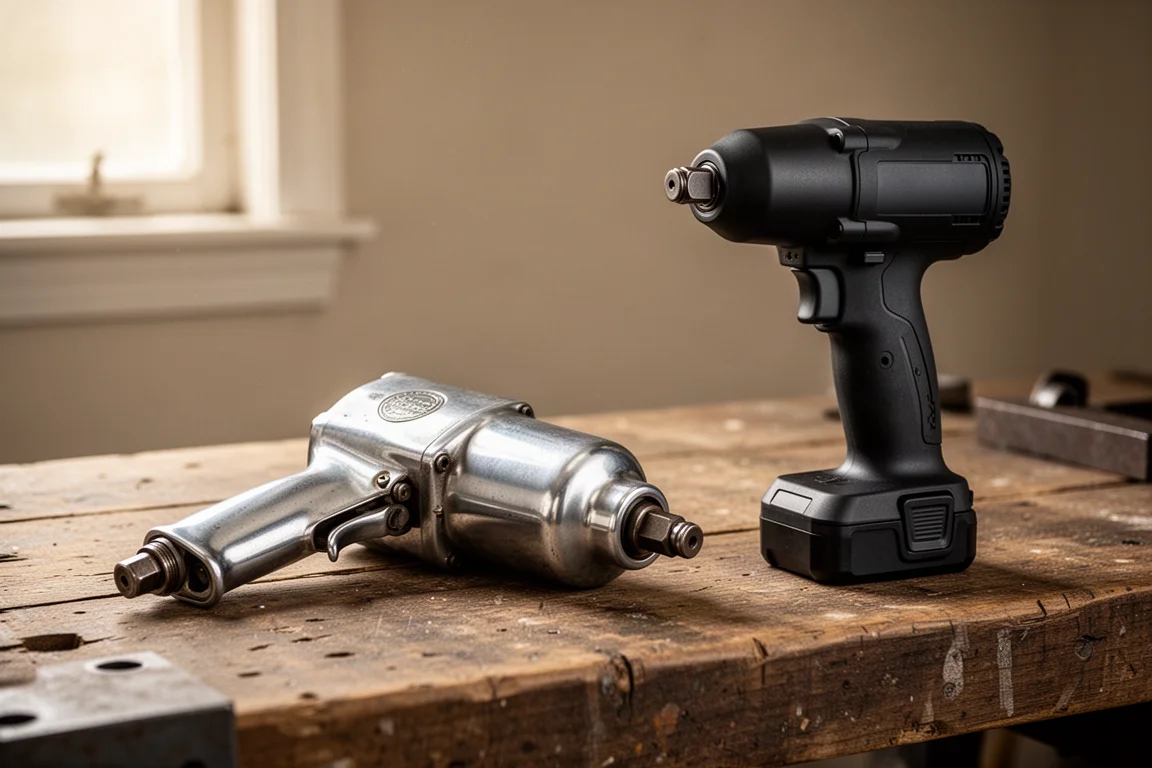
The Thor Model 55 was built by the Thor Power Tool Company, founded in 1893 and producing its first pneumatic power hammer before expanding into a range of tools. This particular unit was assembled at the Speedway division facility in Cicero, Illinois, and its streamlined postwar styling looks like something out of the space age rather than the workshop.
In a 5-second working torque test it produced 78 ft-lbs, which feels modest today. In a 15-second best case scenario test it managed 190 ft-lbs. Two quirks stand out: the forward-reverse switch is backwards compared to every modern impact, and the tool feels remarkably smooth, helped by an internal hammer cam riding on a roller bearing. Under the housing you find an 8:1 gear reduction with just two planets instead of the usual three or four, tiny carbon brushes, and hardened dowel pins acting as low-wear striking surfaces. It is a fascinating snapshot of mid-century engineering, even if its numbers now trail far behind.
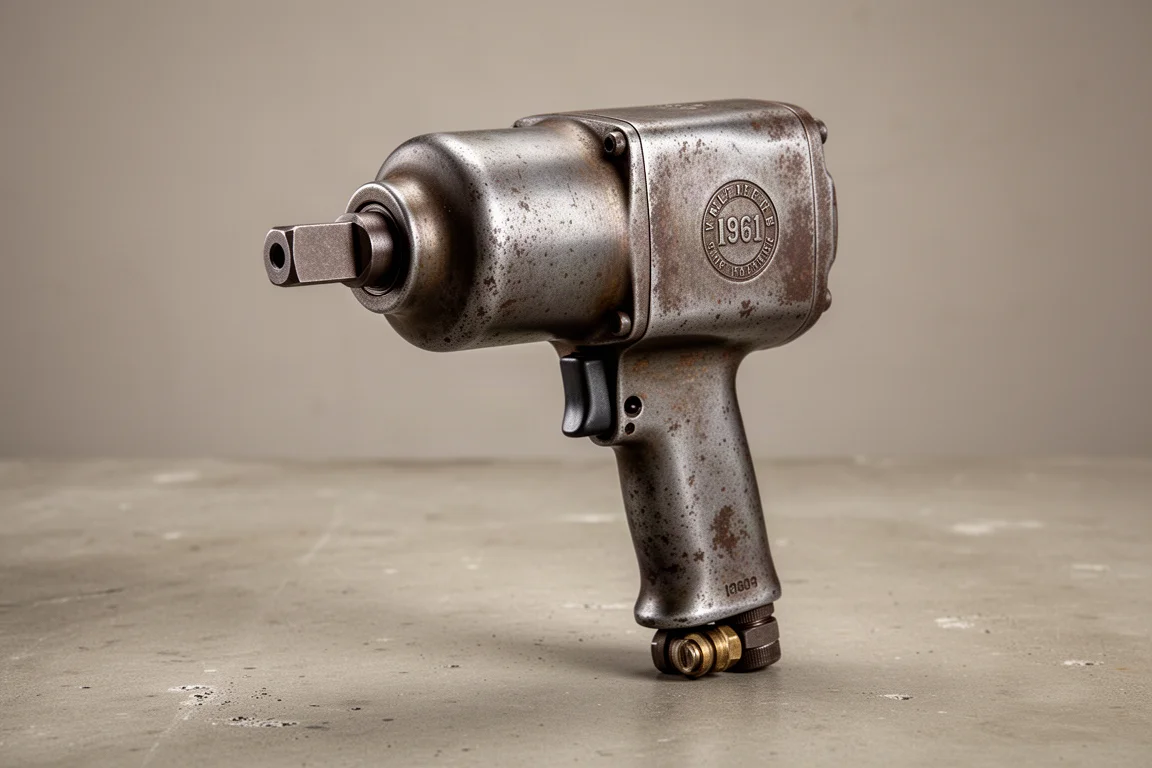
Cleco WP 421C: The 1960s Air Gun That Still Competes
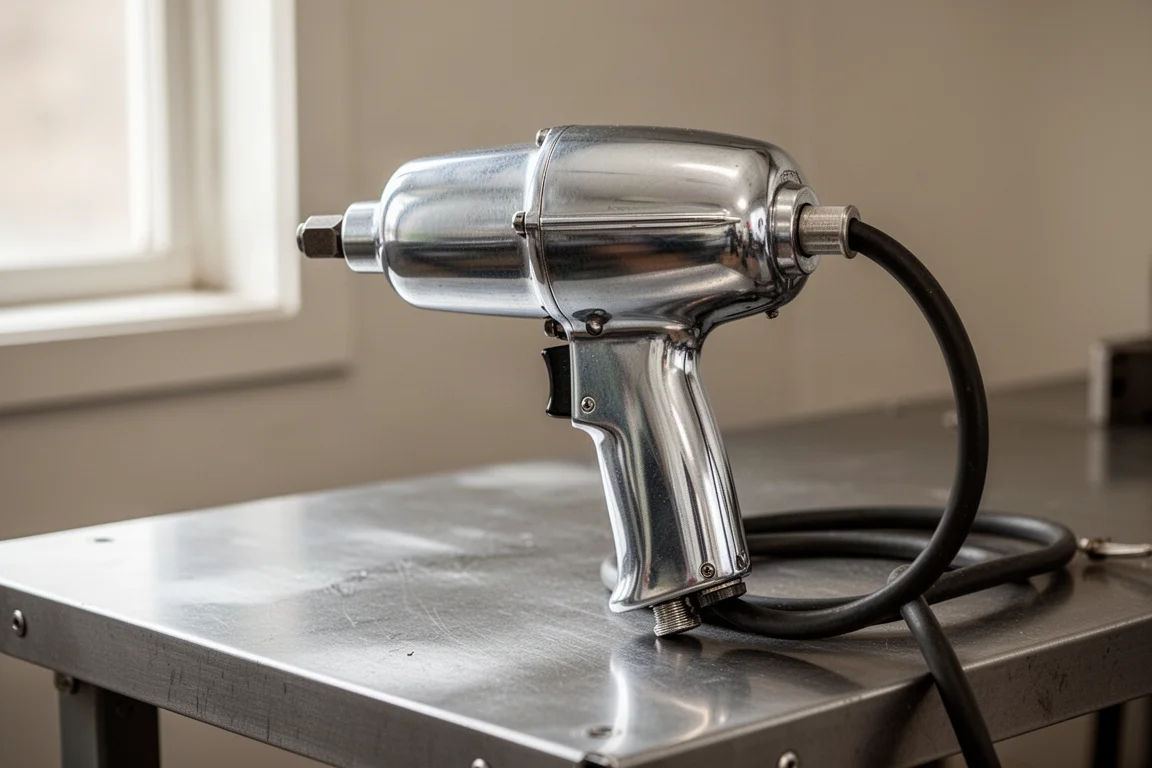
The Cleco WP 421C is a half-inch drive pneumatic impact from the early 1960s, and it is the star of this comparison. After arriving described as non-functional and being revived with sourced regulator and spring parts, it produced 345 ft-lbs in a 5-second working torque test and an impressive 517 ft-lbs in a 15-second best case test at 150 PSI.
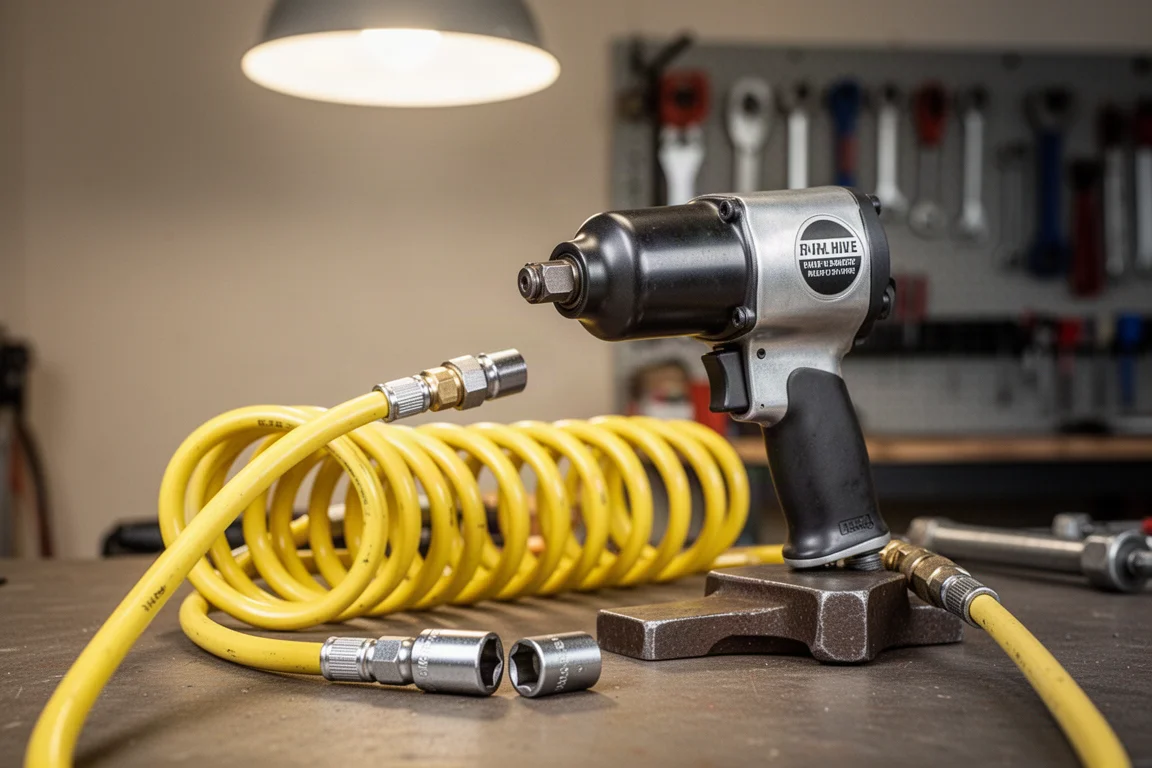
That is more than current Makita and Milwaukee mid-torque cordless tools deliver, from a gun roughly 60 years old. The reason lies in its rocking dog clutch mechanism: the hammer case spins around the drive anvil, dogs cam out to strike the anvil wings, then rock back out of the way so the air motor can speed the hammer mass up again. This design hits once every 360 degrees, favouring speed and energy per blow, which is why racing pit crews favoured similar mechanisms. Modern twin hammer designs scale better with inlet pressure, but this vintage Cleco clearly holds its own.
Ingersoll Rand 231H: The Reliable Benchmark
The Ingersoll Rand 231H dates from the early 1990s and has earned a reputation as a calibration reference tool. When it claims a 450 ft-lbs max torque, it actually delivers, and in the same median working torque test it has repeatedly produced nearly identical numbers, 285 ft-lbs and then 286 ft-lbs at the recommended 90 PSI working pressure years apart.
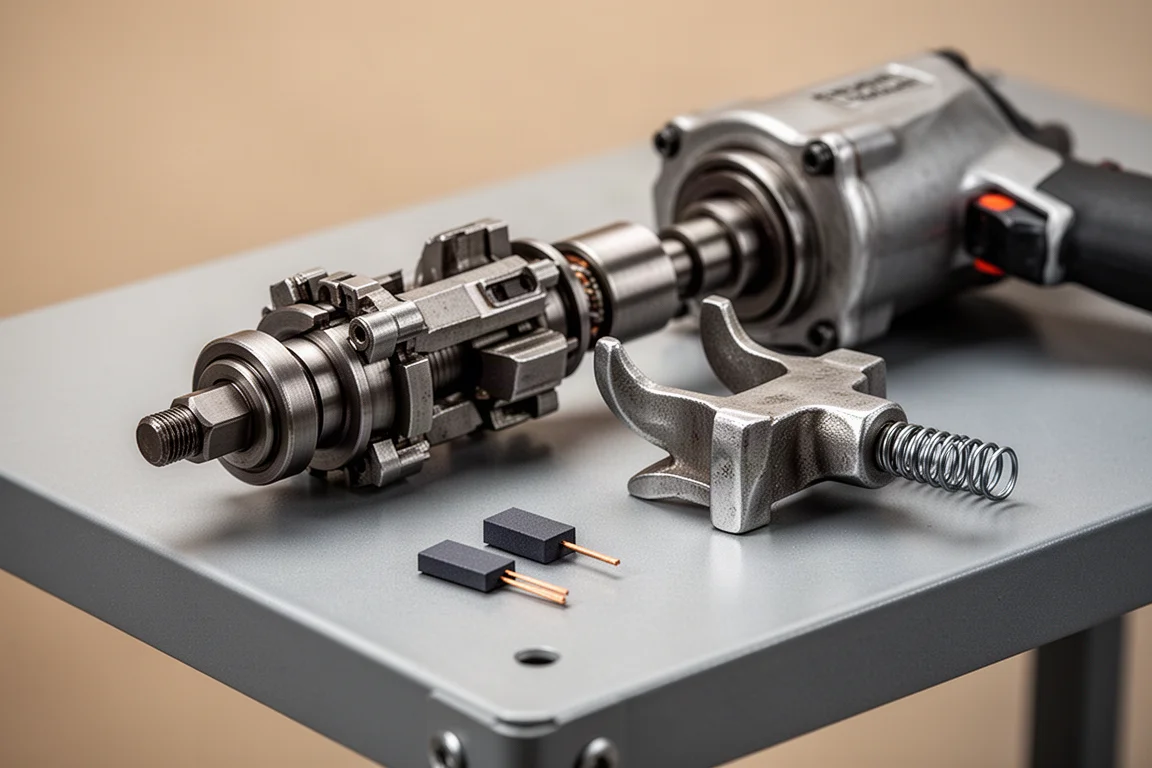
Its durability comes from a now-standard twin hammer mechanism, with two floating hammers that also act as cams and strike simultaneously. Maintain it, and it just keeps working. For anyone wanting a dependable air impact with predictable, honest output, this design remains a reference point, and it is why it serves as the benchmark between the vintage and modern tools here.
Makita LXT Mid-Torque: Modern Cordless Performance
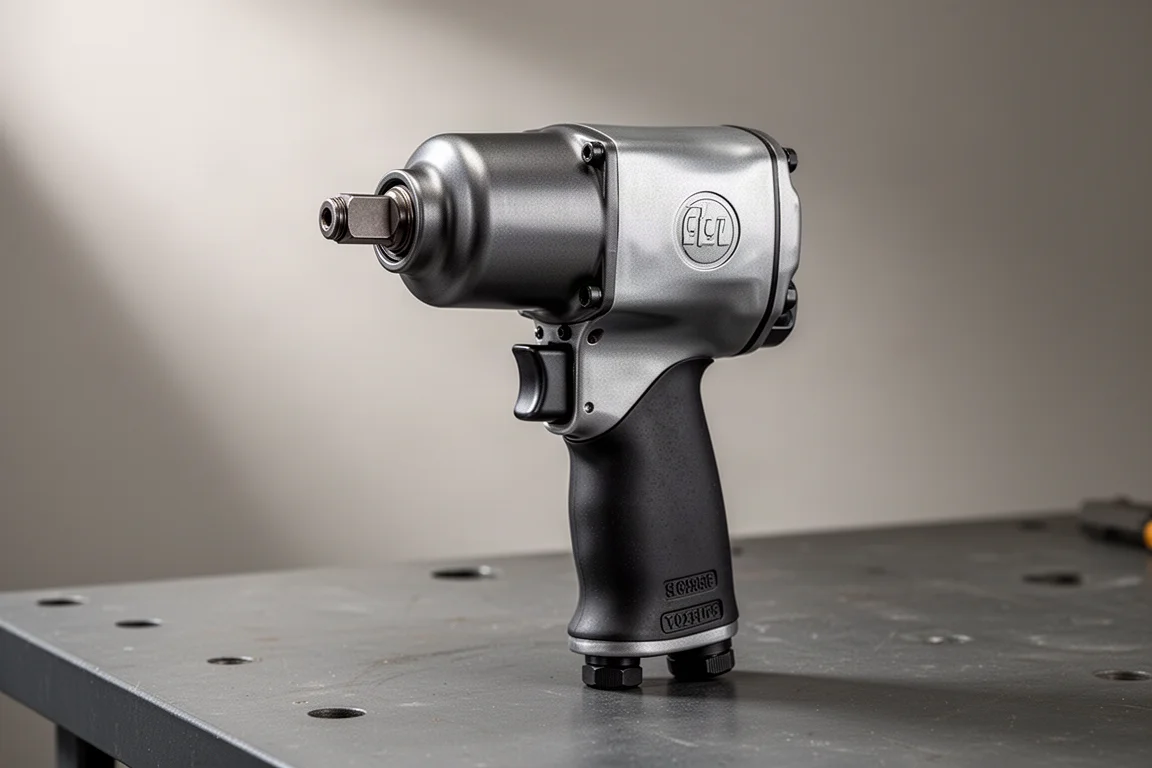
The Makita LXT mid-torque represents today’s cordless option in this comparison, and it is physically larger in most dimensions than the 60-year-old Cleco, yet in a 5-second test it delivered less torque than the vintage air gun.
This is worth pausing on. Only in recent years, with brushless motors, has cordless technology managed to surpass 1960s air tool performance at all. Before that, Milwaukee’s earlier cordless platforms produced around 378 ft-lbs in the same testing. Modern cordless impacts are impressive achievements in packaging and motor design, but the vintage air tools in this comparison still hold real ground in raw short-duration torque.
Milwaukee M18 Mid-Torque: Cordless Catches Up
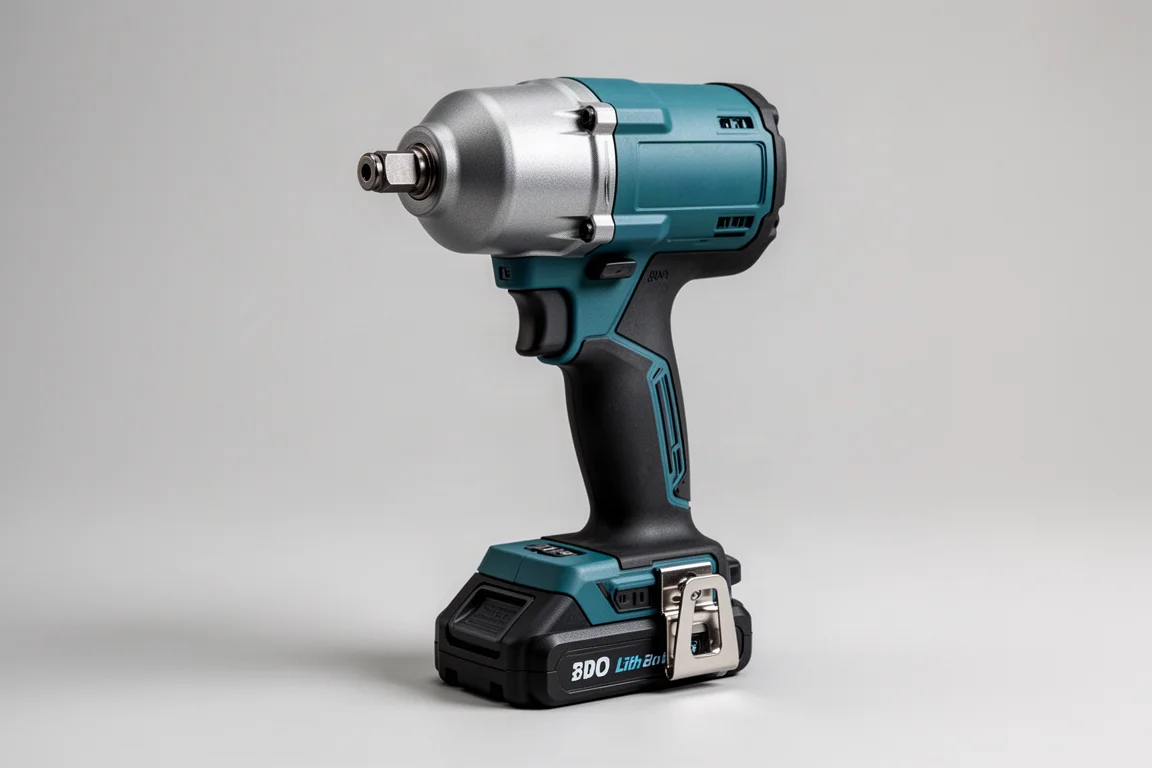
The closest modern Milwaukee to the Cleco WP 421C is the M18 mid-torque, and in this comparison the old air tool still beats it. Step up to Milwaukee’s latest high-torque model and the balance shifts, which says a lot about how far brushless motors have come.
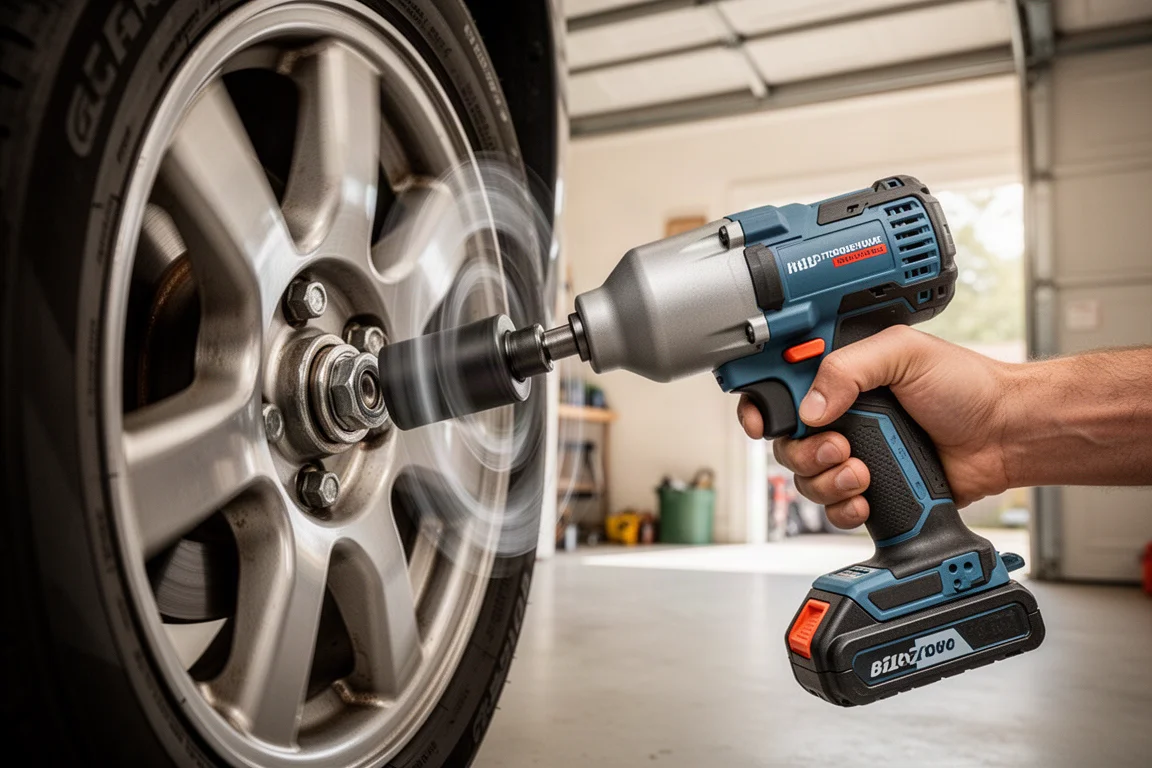
Part of the gap is mass: the vintage corded Thor’s hammer assembly weighs only 50 to 60 percent of the Milwaukee’s, and modern electric motors easily drive larger hammers and springs resetting thousands of times per minute. Designers also have to make these tools work even with small 2 Ah batteries. Choose cordless for convenience and mobility; accept that at equal tool size, compressed air still has an edge in raw torque.
Buying Advice
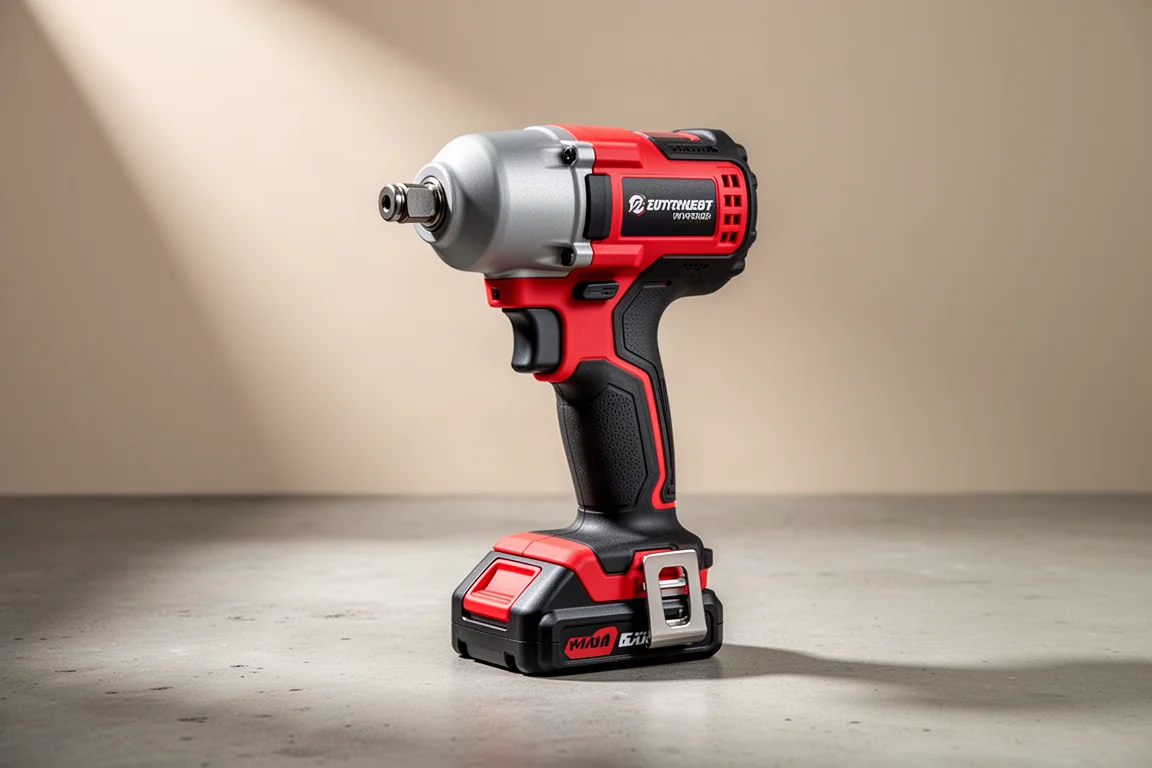
If you want dependable, honest torque for wheel work and general maintenance, a well-maintained air impact like the Ingersoll Rand 231H remains a superb, predictable choice as long as you have a compressor. If you need maximum torque in a compact package and have serious air supply, larger modern air impacts are still the benchmark. If you value portability above all, a modern cordless mid-torque is more convenient than ever, but be aware that at the same tool size, air tools still win on peak short-burst torque.
Conclusion
Sixty years of progress has brought brushless motors, better ergonomics, and impressive cordless power, yet a 1960s rocking dog air impact still outperforms today’s mid-torque cordless tools in raw torque. Choosing between vintage toughness and modern convenience comes down to your air supply, your workspace, and how much torque per ounce of tool you really need.
Further reading
Related Reviews
Impact Wrenches
Ingersoll Rand 232TGSL Thunder Gun Review: The Street-Legal NASCAR Impact Wrench
A close look at the retail version of Ingersoll Rand's NASCAR pit gun, with real torque data, teardown insights, and tuning potential worth knowing before you buy.
Impact Wrenches
NASCAR Pit Gun Showdown: Thunder Gun vs 232TGSL, Earthquake, and Thor 1894
A real Ingersoll Rand Thunder Gun pit gun goes head to head with the street-legal 232TGSL, Harbor Freight's Earthquake, and the Thor 1894 on the torque dyno.

Backpacking Gear
Building a 10 lb Base Weight: An Ultralight Backpacking Gear List
A practical walkthrough of the ultralight pieces behind a 10 lb base weight, from a 765 g pack and a roomy one-person tent to a full camp chair and a dependable water filter.