Impact Wrenches
NASCAR Pit Gun Showdown: Thunder Gun vs 232TGSL, Earthquake, and Thor 1894
A real Ingersoll Rand Thunder Gun pit gun goes head to head with the street-legal 232TGSL, Harbor Freight's Earthquake, and the Thor 1894 on the torque dyno.
Introduction
With NASCAR’s 2022 season came a big change: 18-inch aluminum wheels with a single center lug replaced the classic five-lug 15-inch steel wheels that defined pit stops for most of the last century. That shift retired one of the most famous tools in motorsport, the Ingersoll Rand Thunder Gun pit gun, and opened the door for new Italian-built pit guns to take over.
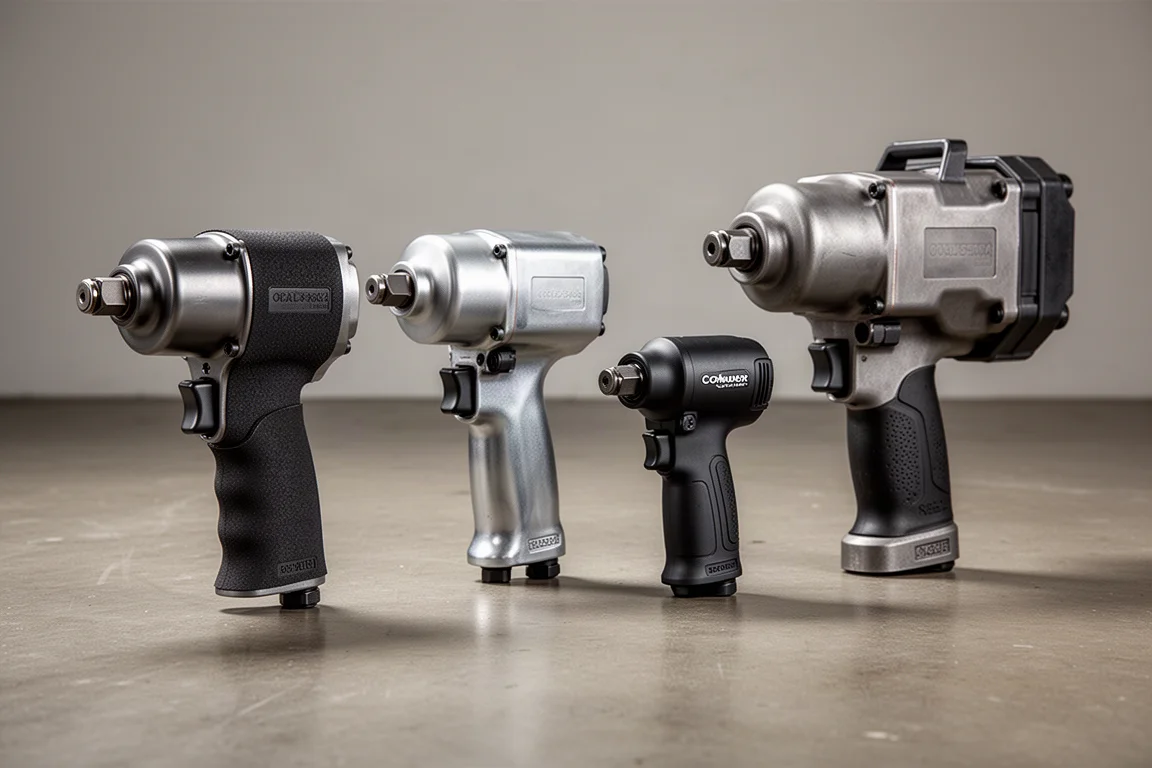
To give the old pit gun a proper sendoff, we ran a genuine Thunder Gun against the tools most people can actually buy: the street-legal Ingersoll Rand 232TGSL, the budget-friendly Harbor Freight Earthquake, and the Thor 1894, currently the most powerful air impact wrench we have measured. Here is how each one stacks up.
The Real NASCAR Thunder Gun
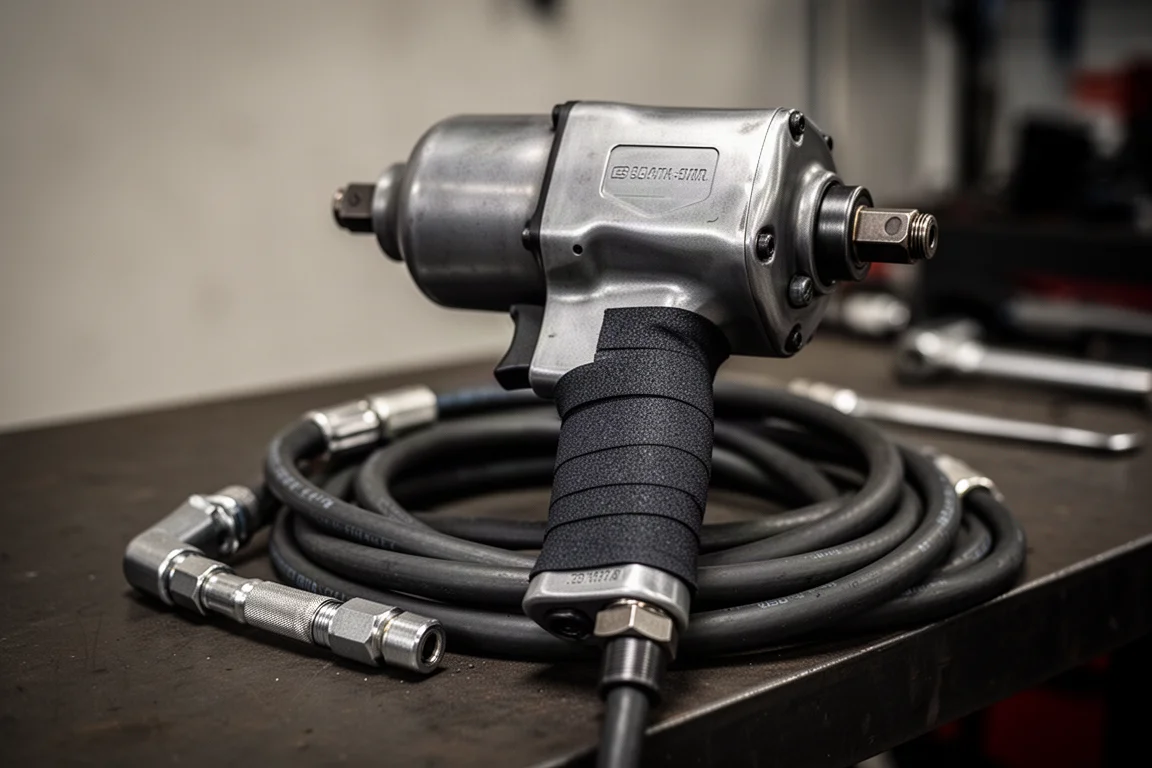
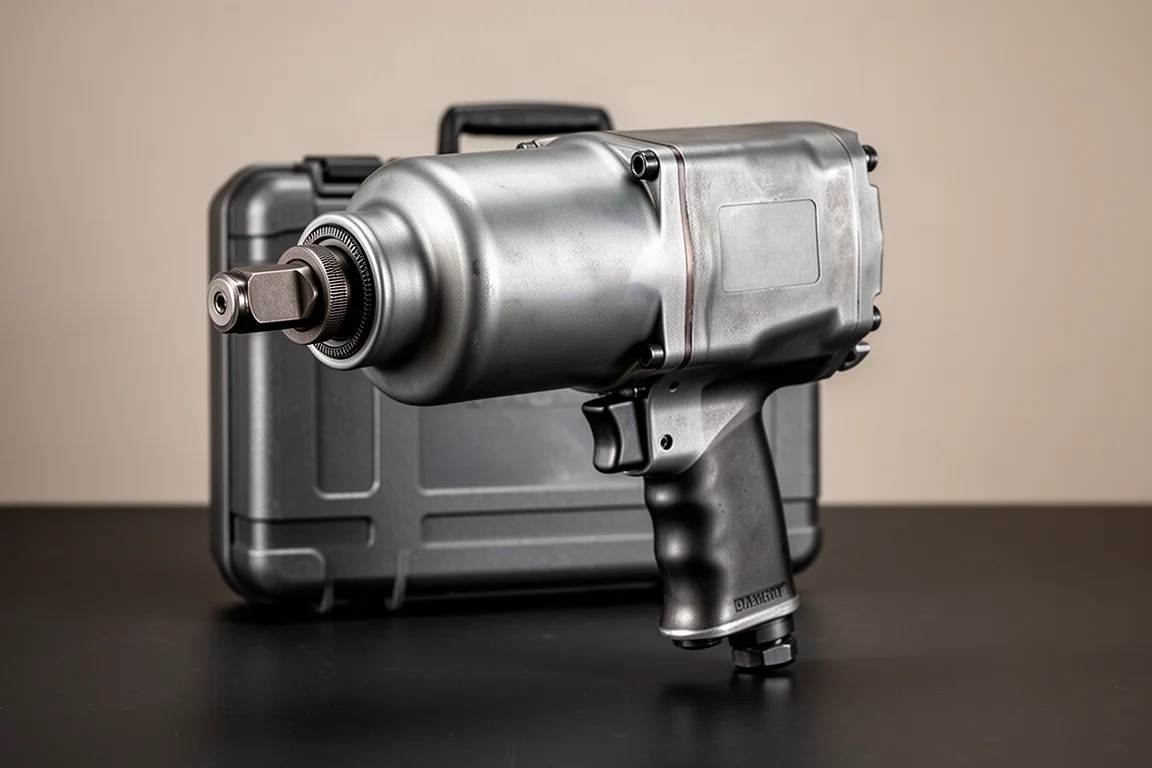
This is not the street-legal 232TGSL. The genuine pit gun is wrapped in grip tape, has no power selector, runs 110 to 175 PSI, and has a hair-trigger forward and reverse switch. It is also the loudest impact wrench we have ever heard, which makes the name fitting. Inside, you find a nicely machined billet alloy steel hammer cage using a swinging weight mechanism, a design rarely seen today. It stores potential energy as the hammer spins up off the lug nut, then dumps that energy into the fastener on engagement. That is why it thrives on the throttle-up-before-you-push-it-on technique that pit crews use and home shops should avoid.
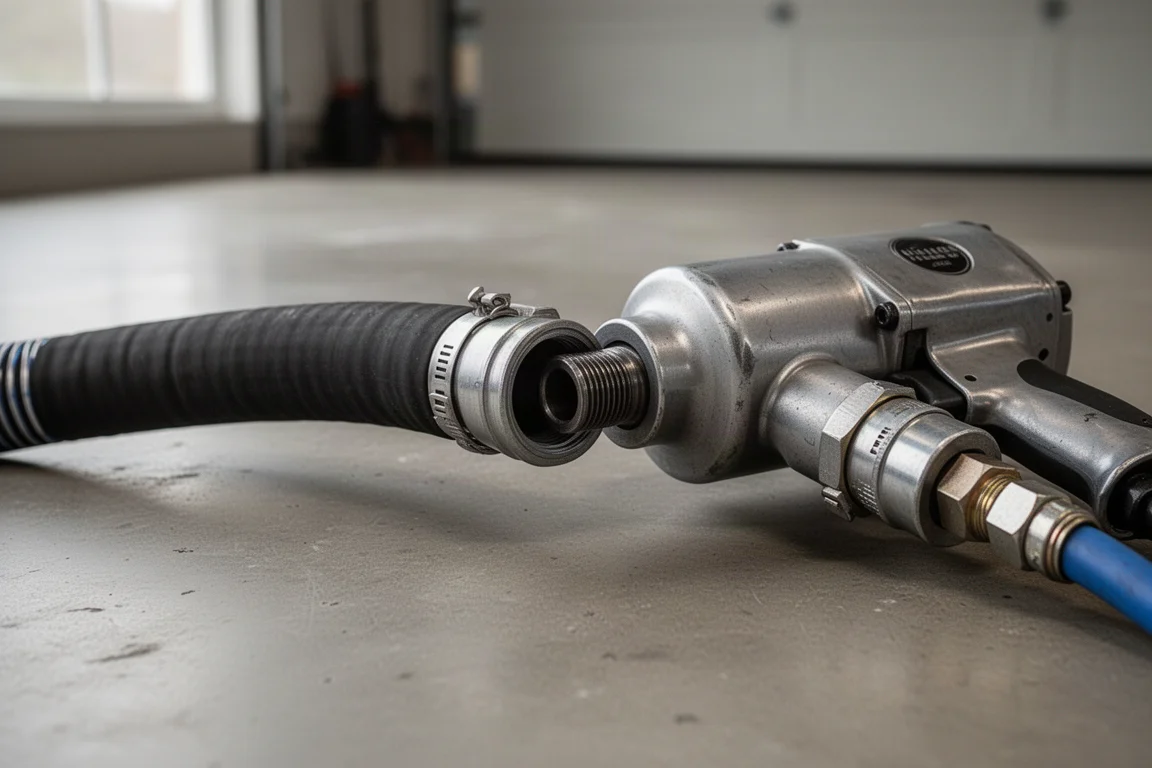
Because it runs 110 PSI dynamic pressure instead of the usual 90, it is hungry for air: with a 25-foot half-inch hose threaded directly into the gun, we needed about 145 PSI at the wall to hold 110 PSI while running. Free-spinning, we recorded around 12,750 RPM, well above the roughly 10,350 RPM of the street-legal version.
How the Thunder Gun Performed on the Dyno
In a 5-second working torque test, the Thunder Gun put up 476 ft-lbs, an impressive number for such an old-school design, settling between the Earthquake and the Thor. In the 10-second max torque test in reverse it reached 527 ft-lbs. Where it truly shines is off the line: no tool we have tested builds torque faster in the first one to three seconds, though it plateaus afterward, likely because it is not getting all the air it wants.
In the 15-second best-case test at 175 PSI, it posted a peak of 692 ft-lbs with massive dynamic gains, only barely beaten by our custom ported 232TGSL build. On a simulated really tight lug nut, our best attempt at the pre-spin run-up technique came in at about 0.56 seconds, faster than the more powerful Thor’s 0.67 seconds at the same torque level. On super tight fasteners around 600 ft-lbs, though, the Thor’s twin hammer design wins: 4.5 seconds for the Thor versus 9.5 seconds for the pit gun.
Note that the Thunder Gun cannot realistically be purchased, so it will not appear on our leaderboard. It was built for one job, and it does that job brilliantly.
The Street-Legal Alternative: Ingersoll Rand 232TGSL
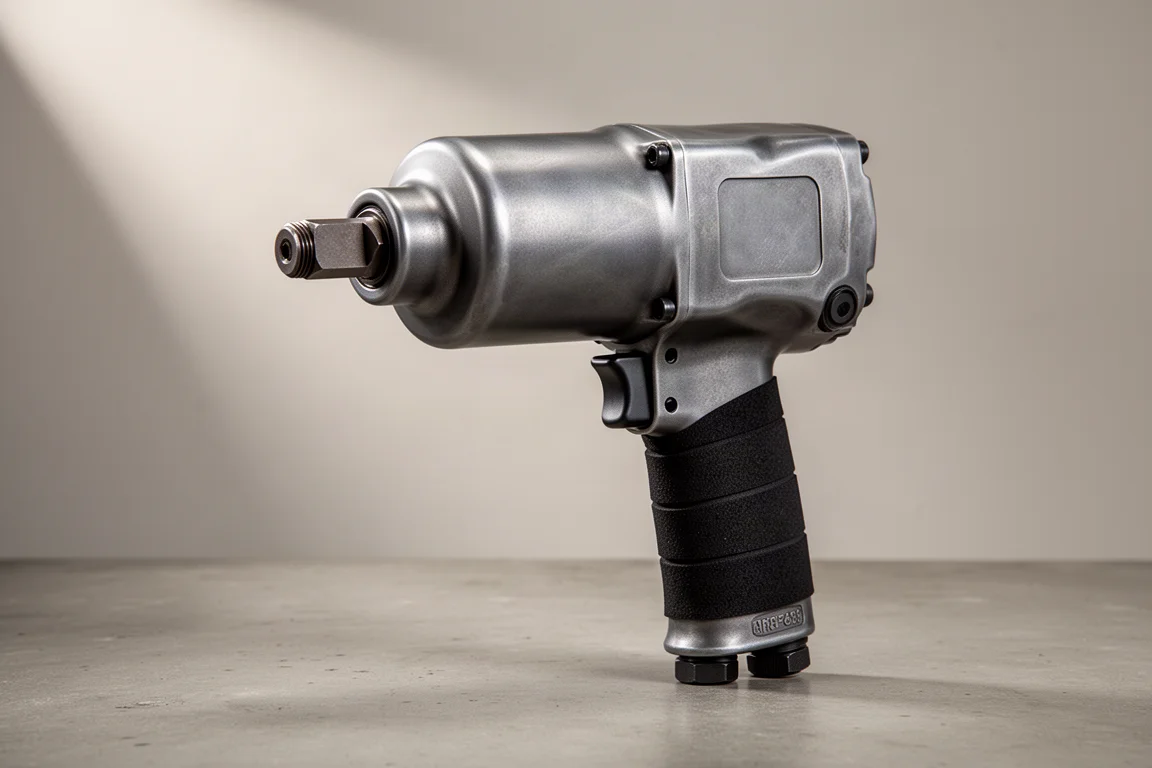
The 232TGSL is the version you can actually buy, modeled on the original 231H platform. It uses the more common twin hammer mechanism found in most air impacts of this size today, which is more durable over the life of the tool but does not scale power with RPM the way the swinging weight design does.
On the dyno, the stock 232TGSL reached around 10,350 RPM free-spinning, the most we had ever seen from an air gun at the time. Our ported and polished motor swap version was built specifically to stand up to the real pit gun, and in the 15-second peak test it just barely edged out the Thunder Gun. For most enthusiasts who want a taste of that pit lane character in a tool they can own and maintain, this is the sensible pick.
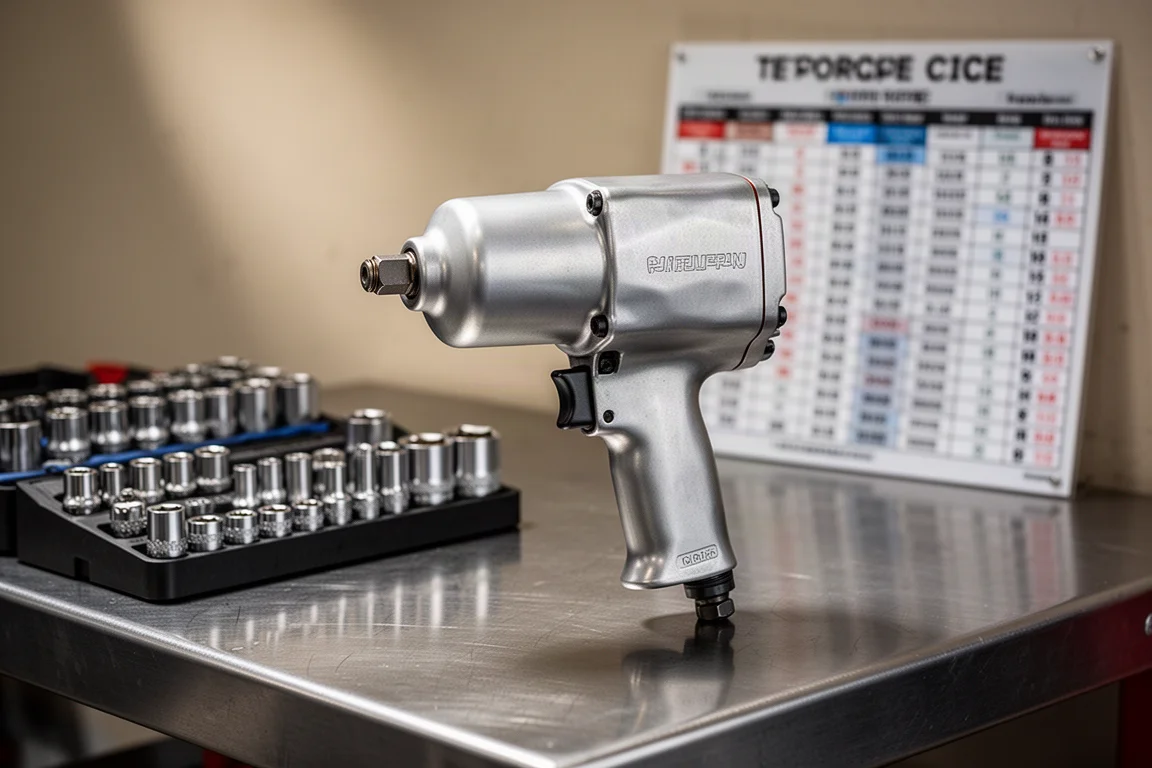
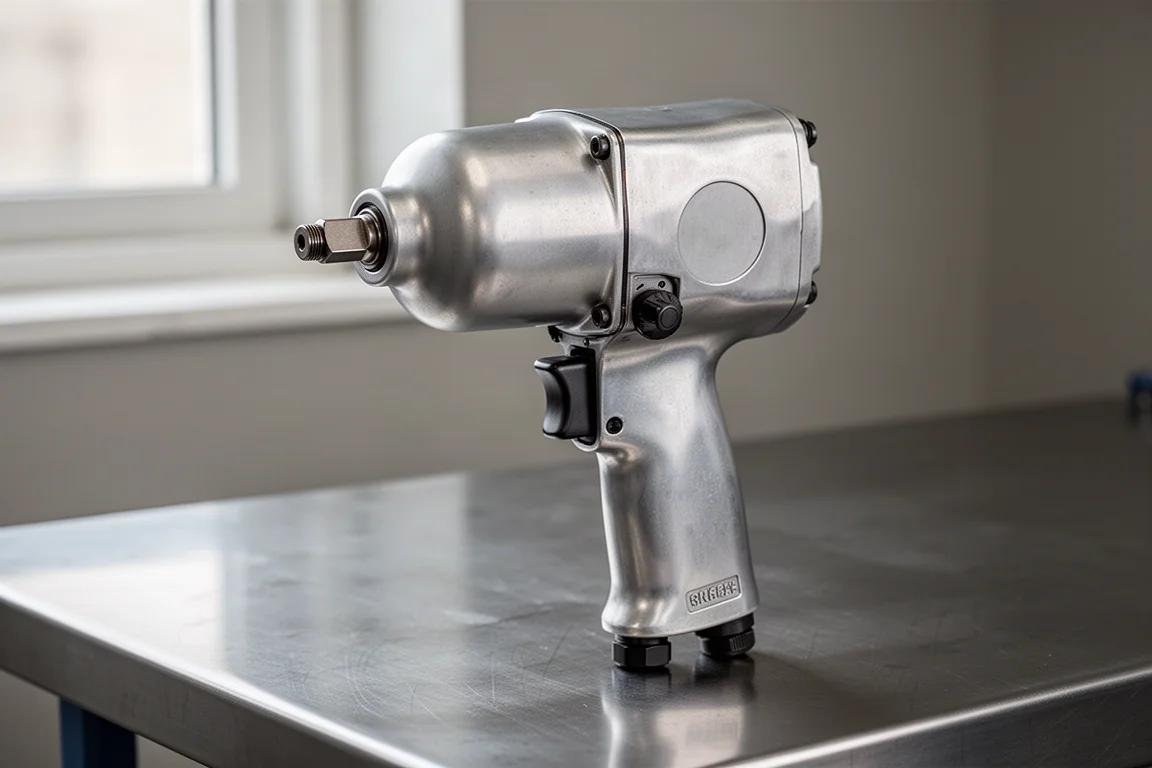
The Budget Pick: Harbor Freight Earthquake
The Harbor Freight Earthquake is a decent, run-of-the-mill air gun, the kind you might already have at home. Its strength is making good power right out of the gate, which showed in our testing where it landed near the bottom of this particular group but still delivered respectable working torque.
If your needs are occasional lug nuts and general shop work rather than record-breaking numbers, it represents solid value. Just do not expect it to hang with the Thor 1894 on genuinely stubborn fasteners.
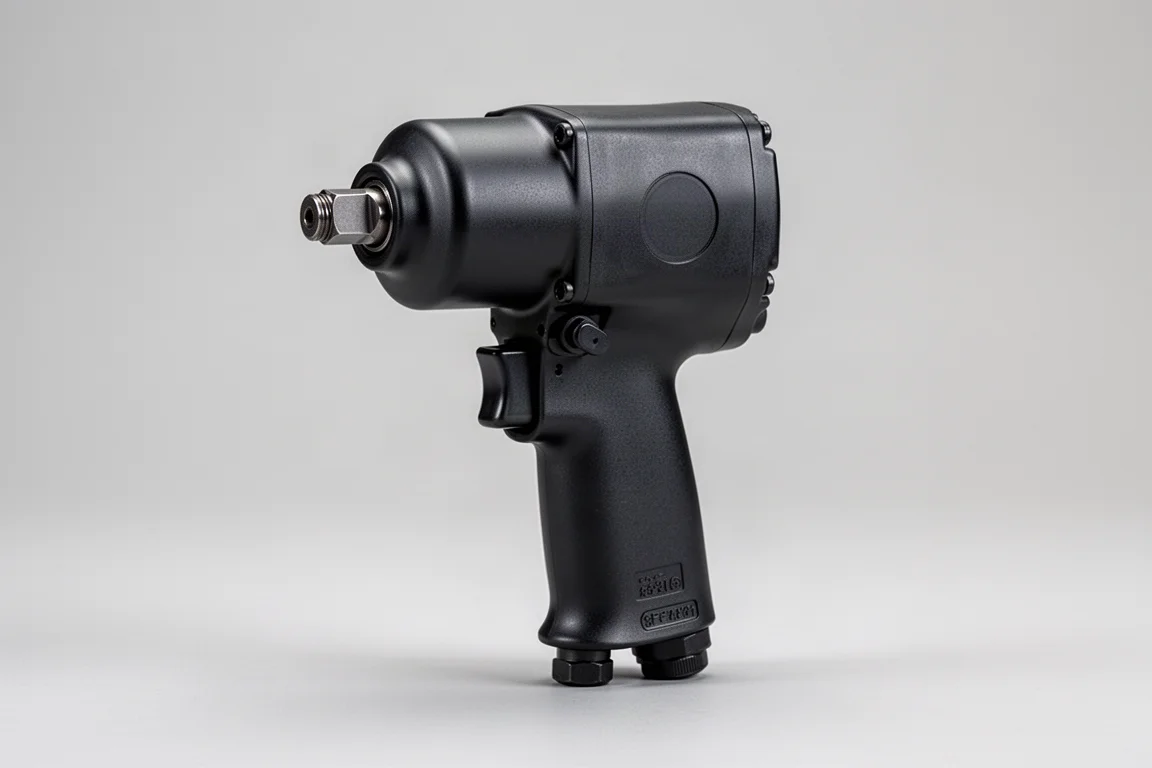
The Heavyweight: Thor 1894
The Thor 1894 is the most powerful air impact wrench of its generation by our measure, and the dyno confirms why. It posted the highest settling numbers in the group and, as noted above, dispatched a 600 ft-lb fastener in just 4.5 seconds where the pit gun needed 9.5. That is the advantage of a large modern twin hammer design: efficient energy transfer with each impact, even if it is slower on quick, pre-spun removals.
If your priority is brute force on the tightest bolts rather than pit-stop speed, this is the tool to beat.
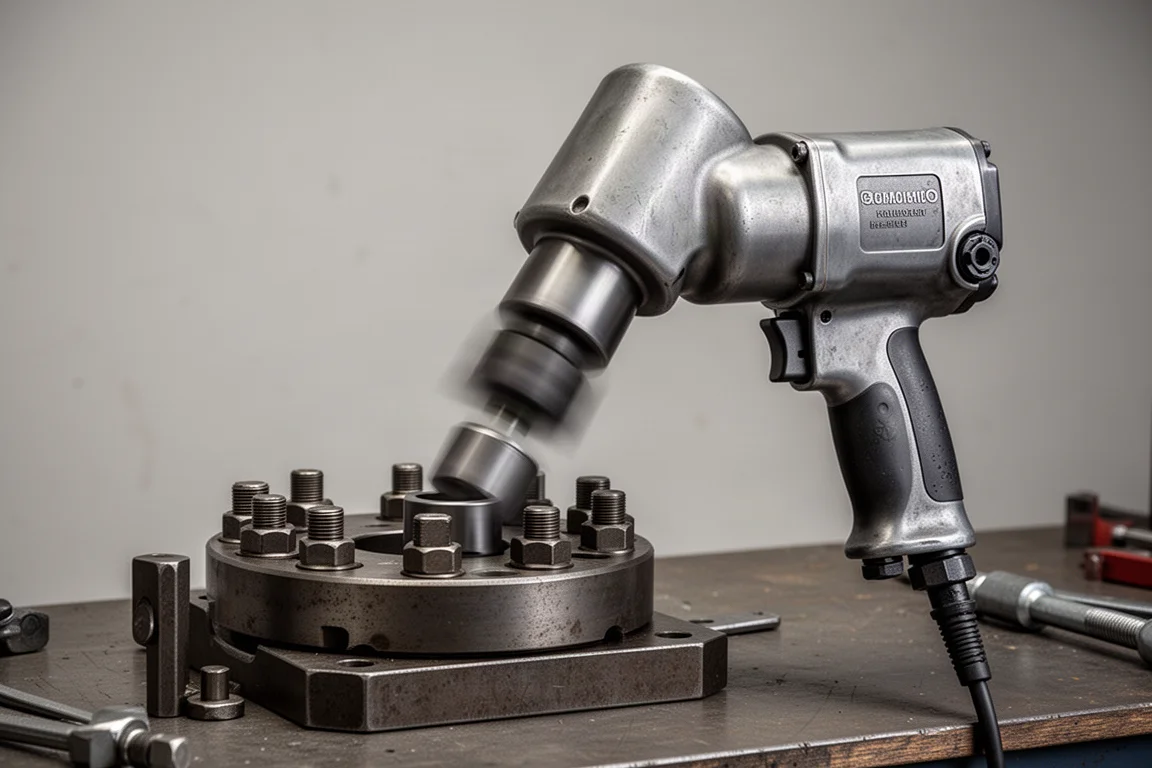
Which One Should You Buy?
For almost everyone, the choice comes down to use case. If you want the strongest raw loosening power available from an air gun, the Thor 1894 is the clear leader. If you want proven performance with the most pit-lane pedigree at a friendlier price, the 232TGSL is the natural choice, and it responds well to tuning. The Harbor Freight Earthquake covers basic shop duty on a budget. The genuine Thunder Gun is effectively unobtainable, which is a shame, because its sound and off-the-line torque are unlike anything else.
Conclusion
The Thunder Gun’s retirement marks the end of an era, and its swinging weight mechanism remains one of the most fascinating designs we have ever taken apart. For real-world buying, the Thor 1894 takes the power crown, the 232TGSL offers the best blend of heritage and availability, and the Earthquake keeps things affordable. All four prove that there is still plenty of life left in compressed air.
Further reading
Related Reviews
Impact Wrenches
Ingersoll Rand 232TGSL Thunder Gun Review: The Street-Legal NASCAR Impact Wrench
A close look at the retail version of Ingersoll Rand's NASCAR pit gun, with real torque data, teardown insights, and tuning potential worth knowing before you buy.
Impact Wrenches
Vintage vs Modern Impact Wrenches: Five Tools Spanning 60 Years of Torque
From a 1950s Thor Model 55 to today's cordless mid-torque tools, five impact wrenches show how much has changed, and how much hasn't.

Backpacking Gear
Building a 10 lb Base Weight: An Ultralight Backpacking Gear List
A practical walkthrough of the ultralight pieces behind a 10 lb base weight, from a 765 g pack and a roomy one-person tent to a full camp chair and a dependable water filter.