Hi-Fi Audio
Vintage-Inspired Hi-Fi in 2026: Five Heritage Components Worth Considering
Five components that pair retro styling with modern inputs, from Klipsch's most affordable Heritage speaker to a sealed three-way KLH and a walnut-trimmed Onkyo streaming amplifier.
Introduction
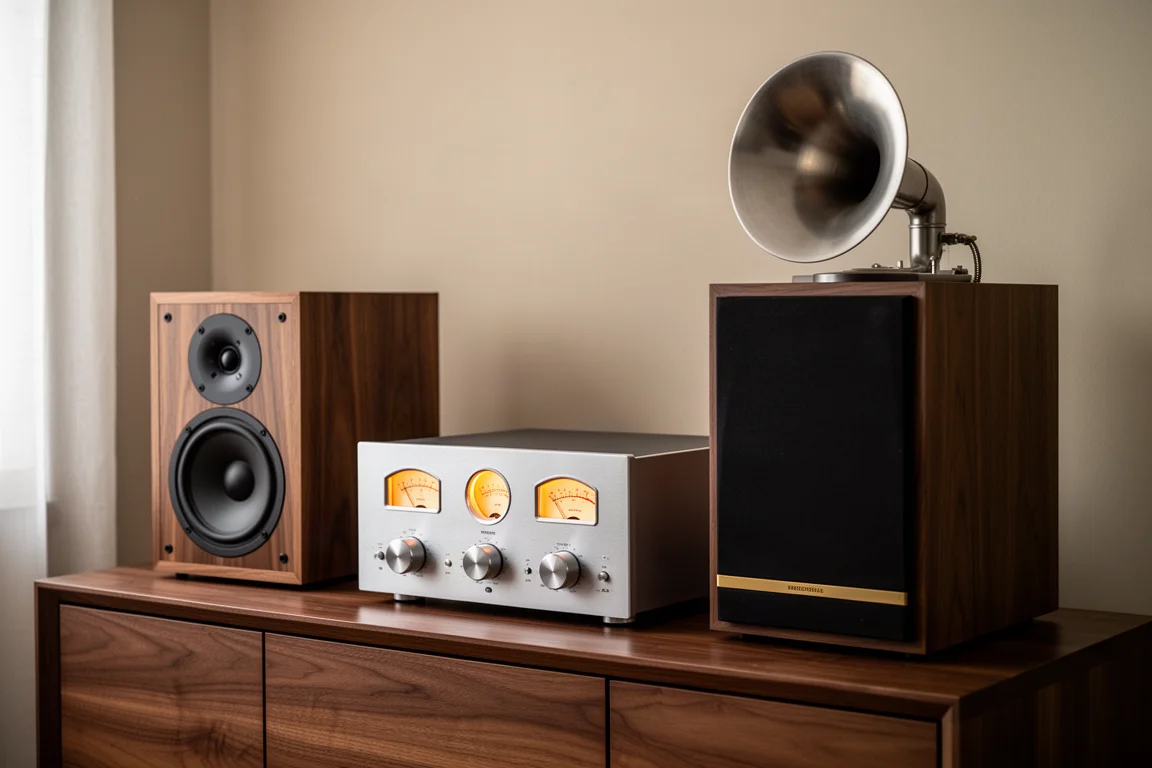
Heritage has become one of the most dependable ideas in hi-fi. The components arriving for 2026 borrow the proportions, materials and control layouts of gear built in the late 1970s and early 1980s, then add the streaming, room correction and digital inputs that modern listeners expect. The result is a category that looks familiar at a glance and reads as genuinely current once you study the specification sheet.
This roundup covers five components that stand out for different reasons: two Klipsch Heritage speakers at opposite ends of the price range, an Onkyo streaming amplifier with optional wood side panels, an Advance Paris integrated amplifier with an unusually generous connection panel, and a compact sealed three-way speaker from KLH. Each one earns its place for a particular kind of listener rather than for a single headline number.
Why Vintage-Inspired Hi-Fi Is Having a Moment
Design has always done more work in audio than specifications alone suggest. A component with large metal knobs, brushed aluminium and a warm wood panel invites you to sit down and use it, and that is a large part of why the retro approach keeps returning. Owners tend to enjoy the ritual as much as the output.
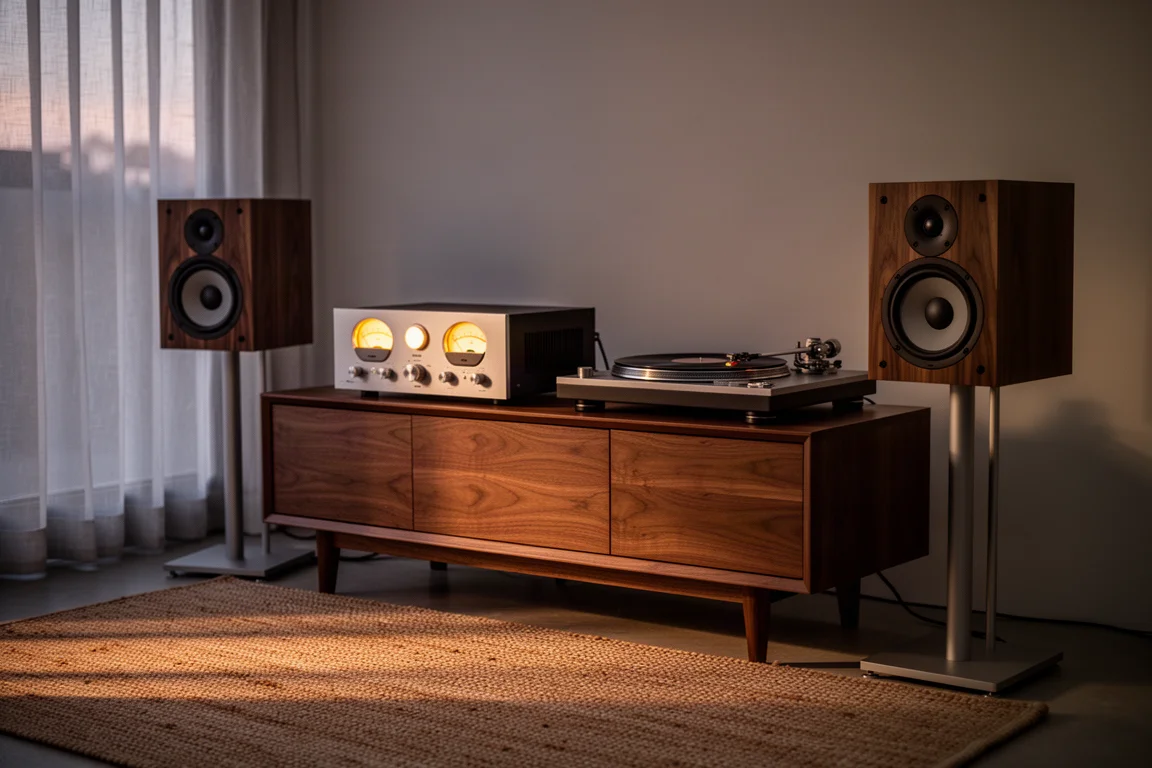
What separates this generation from simple nostalgia is that the styling no longer replaces features. These components ship with streaming platforms built in, along with DACs, HDMI switching, phono stages and room correction. Buyers who want a single box to handle a television, a turntable and a streaming subscription do not have to choose between convenience and a cabinet that suits a living room.
Klipsch Rebellion: The Most Affordable Heritage Speaker
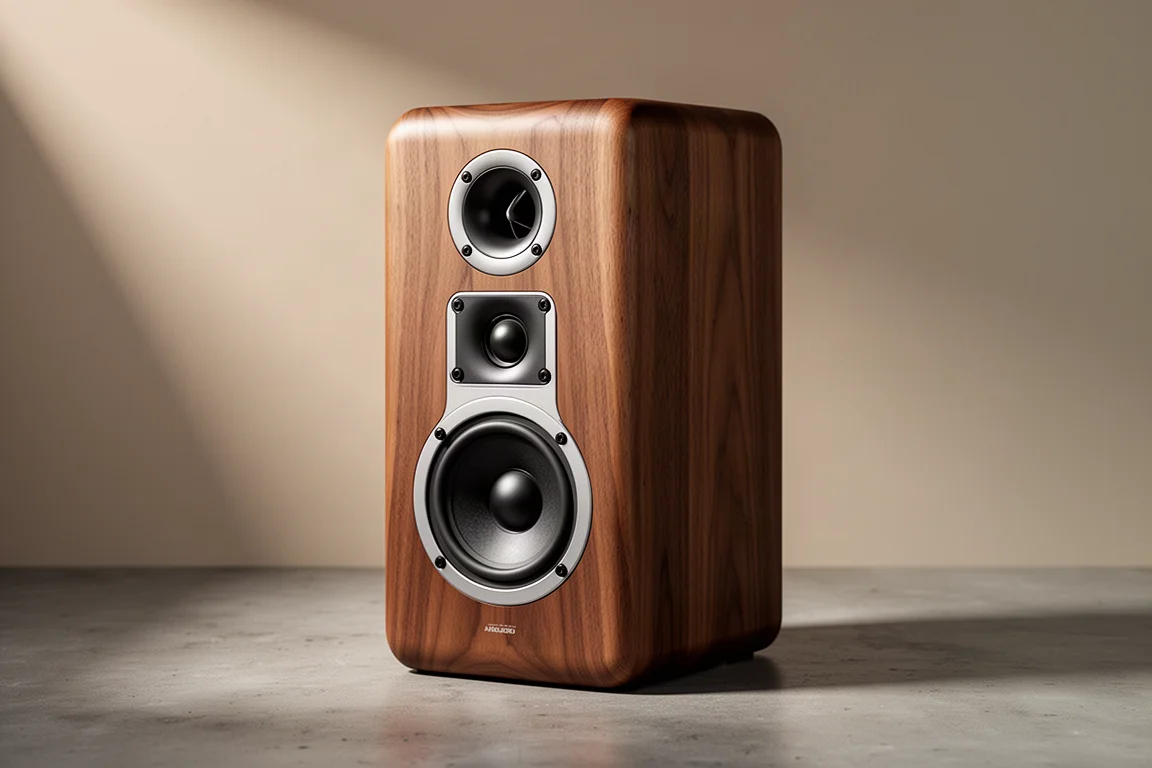
Klipsch has been building speakers for 80 years, and the Rebellion is the most affordable model in its Heritage line. It is a two-way bookshelf speaker priced at $2,600, and its design traces back to the original Rebel, a speaker sold between 1949 and 1958. Paul Klipsch intended that model as a center channel for the K Horn, an idea that arrived before the public was ready for three-channel playback.
The Rebellion uses a Tractrix horn similar to the one in the Forte, and it is rated at 95 dB, which makes it easy to drive with modest amplification. It is built in Hope, Arkansas alongside the rest of the Heritage range. For the 80th anniversary year, a tiger wood finish is available at $3,200. The version shown was a prototype, so the final woofer finish may differ, and the speaker is expected to be ready at the end of the month.
Klipsch 80th Anniversary K Horn: A Two-Way Rework of an Icon
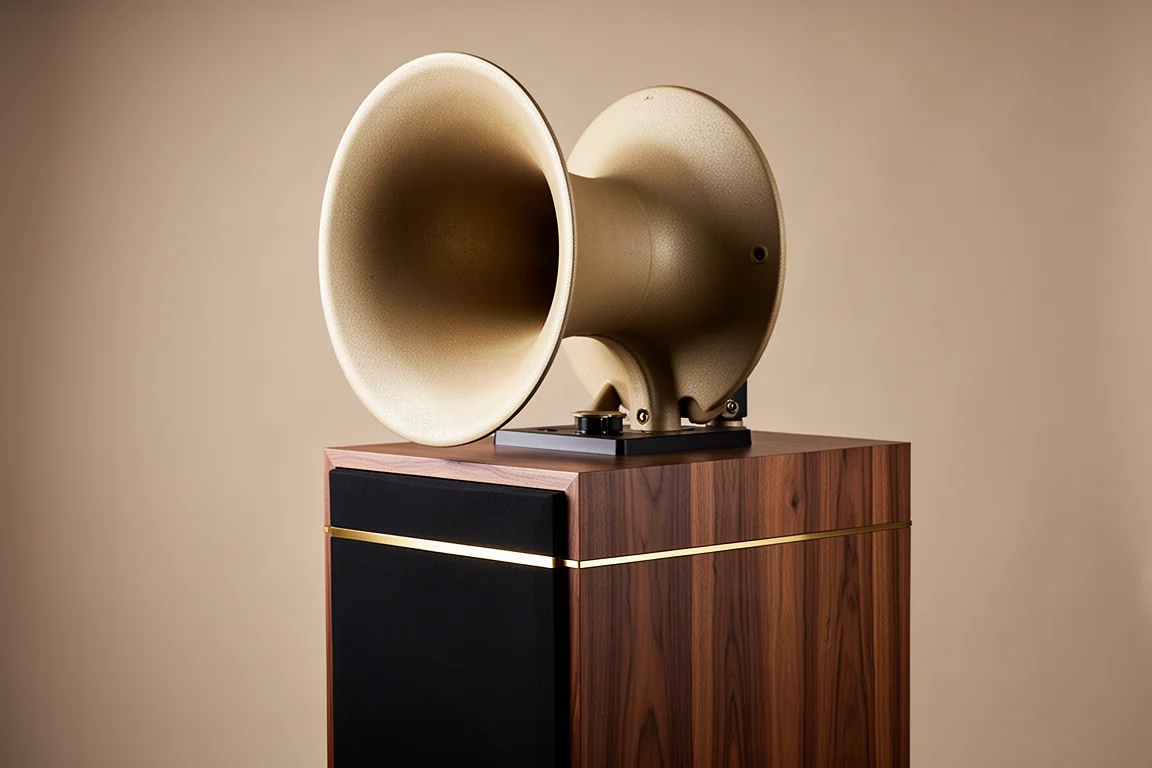
The anniversary K Horn takes one of the most recognizable horn loudspeakers and reworks it as a two-way design with an active crossover voiced for this edition. The horn is sand cast and based on one of Paul Klipsch’s original designs. The original was the K5J and this version is the K5K, with an upgraded 4-inch compression driver on the back and a crossover point at 350 Hz.
The cabinet matches the current K Horn, and the brass inlay across the front does more than decorate: it traces the folds inside the cabinet that the 15-inch woofer loads into. Each pair carries an 80th anniversary badge, production is limited to 280 pairs worldwide, and the price is $26,000. Every pair includes a vinyl record of Paul Klipsch’s original stereo masters, the demonstration recordings he used while developing two-channel playback, with digital versions also provided.
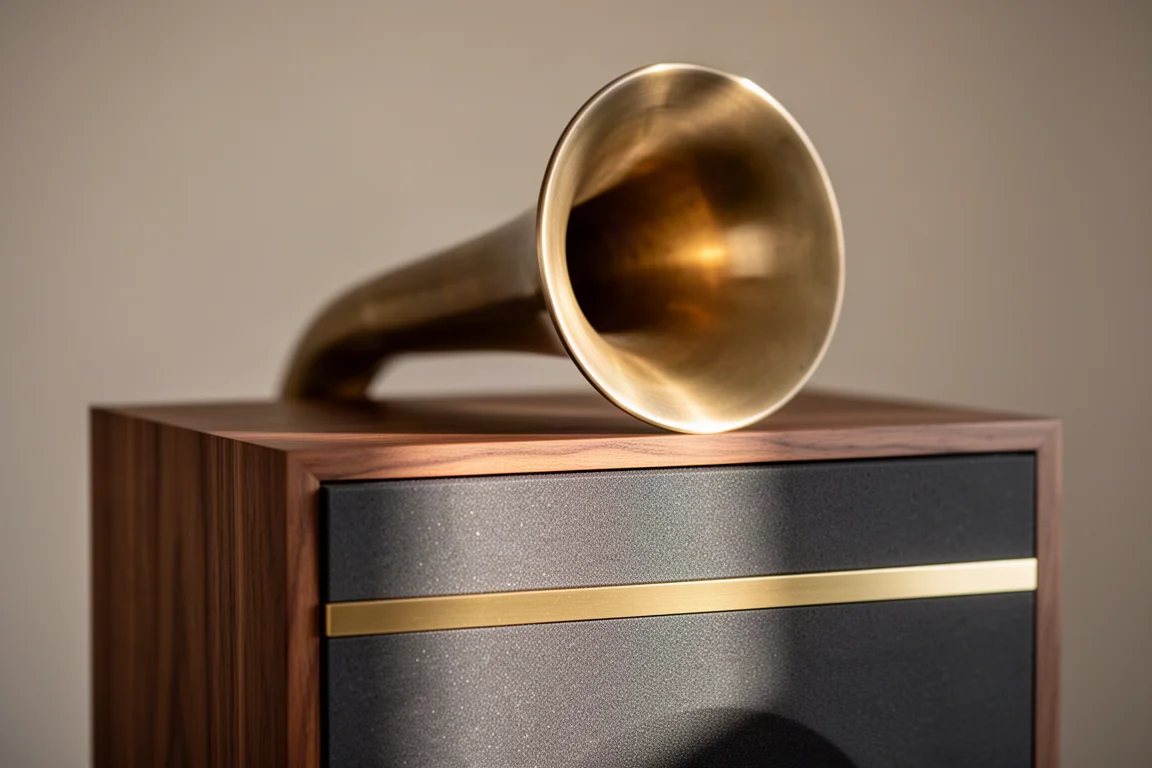
For a buyer at this level, the appeal is partly about the object itself. This is a limited run with a documented design lineage and a finish that pairs brass with wood. It is also a serious piece of engineering for anyone who already owns a high-efficiency system.
Onkyo Muse 150: Retro Looks With Streaming Inside
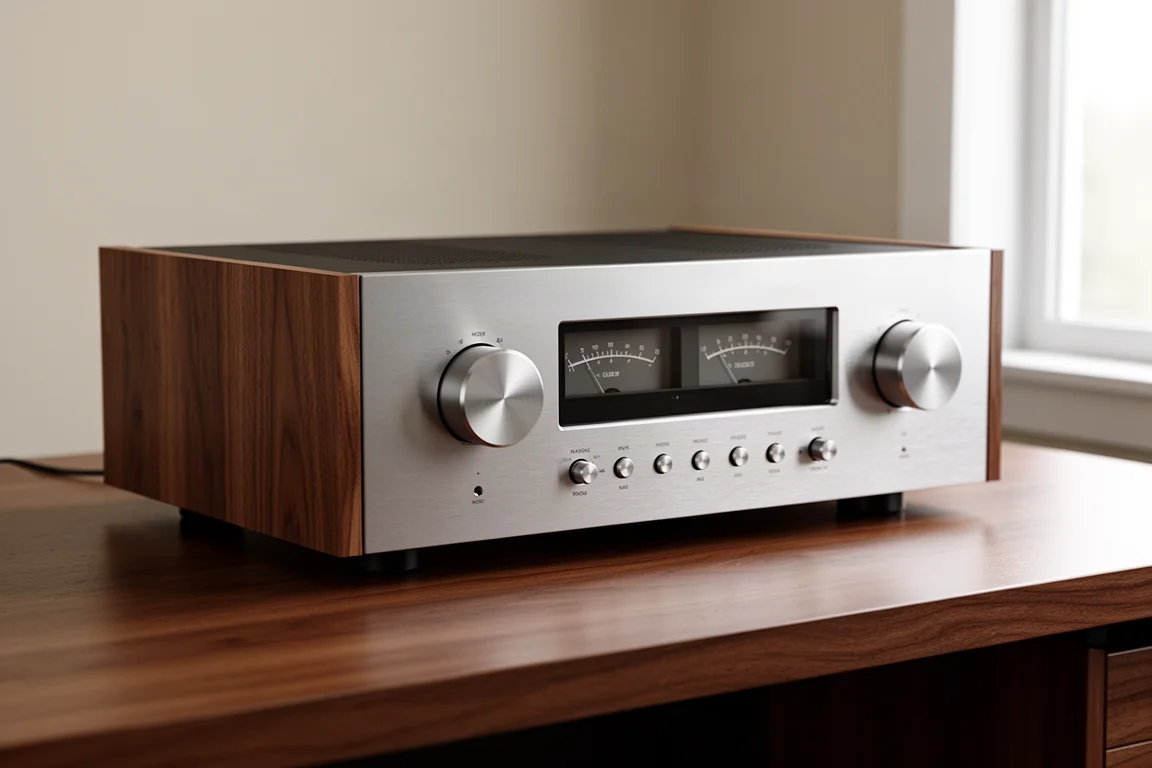
The Muse 150 is a 125 W class D integrated streaming amplifier with a brushed aluminium front panel, large control knobs and optional wood side panels. Its proportions and control layout reference the M-5880 from the 1990s, and the top panel treatment echoes the company’s power amplifier styling. Tidal Connect and Spotify Connect are built in, and Onkyo room correction is included.
The connection panel is unusually complete for an amplifier with this look: HDMI in and HDMI out, a DAC, optical and coaxial inputs, USB, a subwoofer output, and a toggle for moving magnet or moving coil cartridges. Preamp outputs mean the Muse 150 can serve as the front end for a separate power amplifier later. Pricing is $1,499 for the standard version and $1,699 for the anniversary version, which is the one that adds the walnut side panels.
Advance Paris A10 Classic: Connectivity First
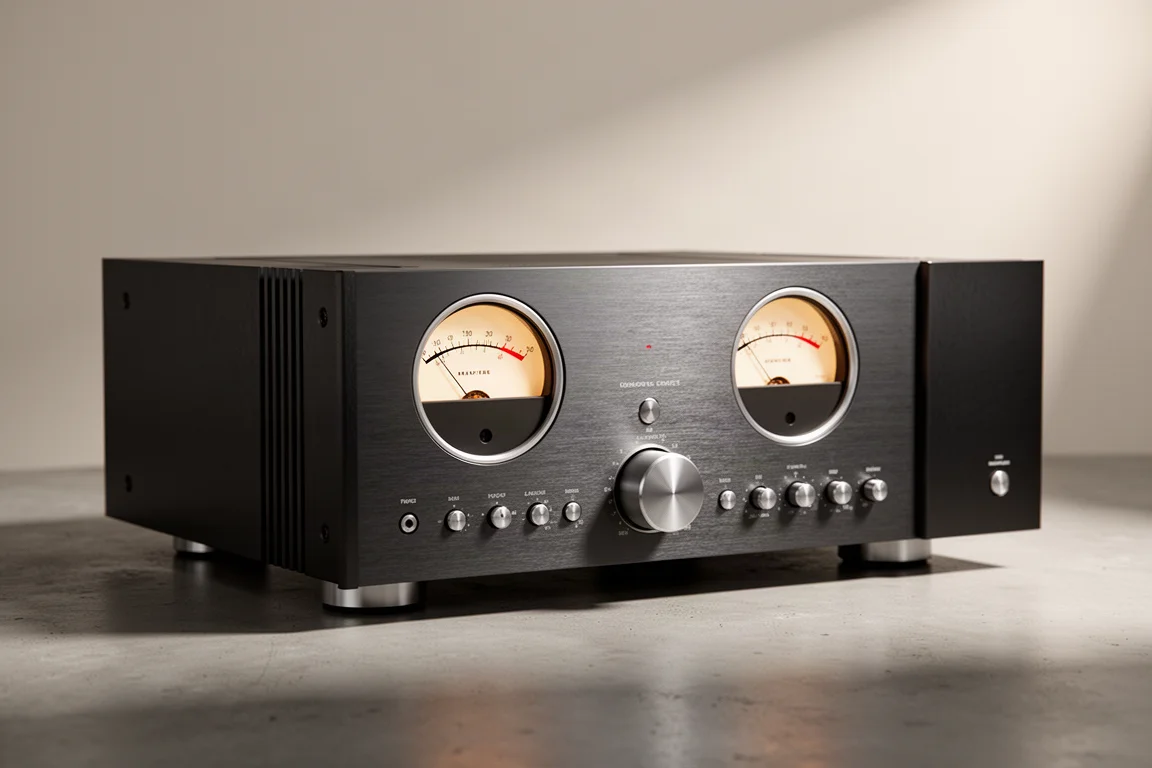
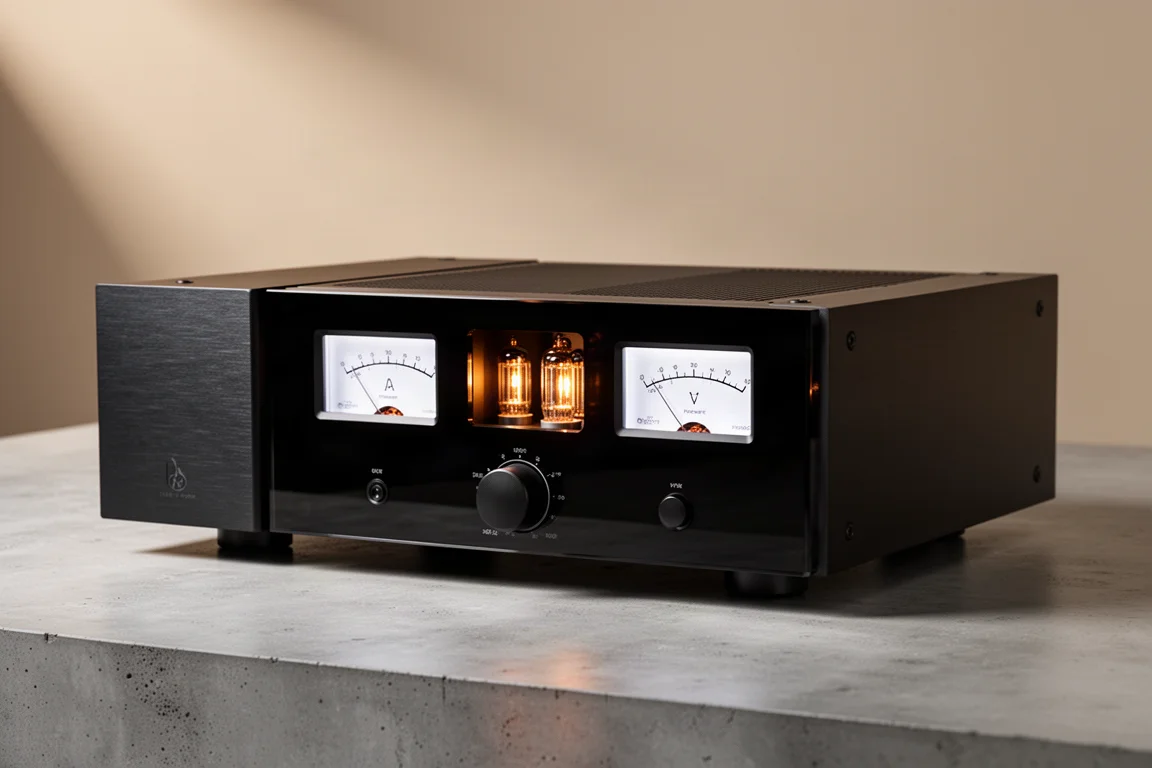
Advance Paris builds components that mix vintage and modern styling, and the A10 Classic is the most accessible way into that look. Retail pricing is $3,000, although promotional pricing has brought it down to around $2,500, and that promotion is expected to end. The front panel pairs brushed metal with round level meters.
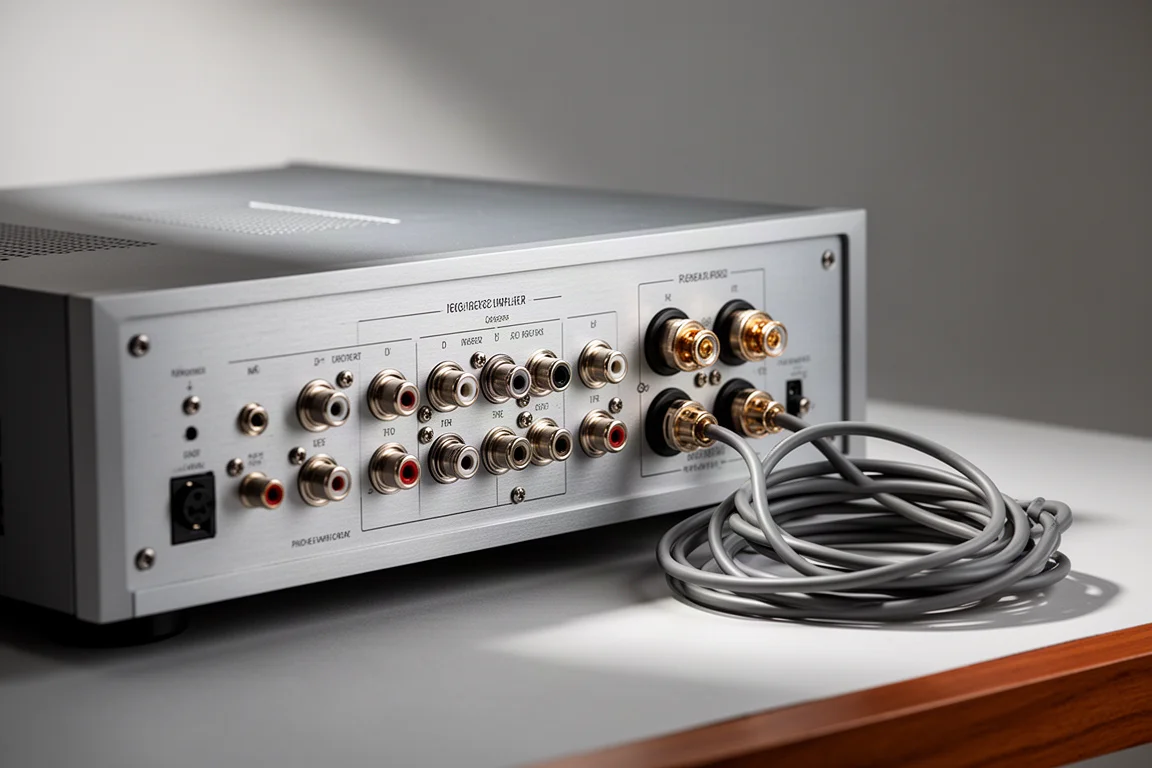
What sets the A10 Classic apart is the back panel. It offers HDMI, a fully functioning DAC, optical and coaxial inputs, USB, XLR inputs, multiple analog inputs, multiple subwoofer outputs, multiple speaker outputs and preamp outputs, a count that exceeds many home theater receivers. Higher models in the range step up with features such as HDMI eARC and two-way Bluetooth.
The practical argument for this amplifier is flexibility. It can be the only component in a simple system, or the hub of a system that grows over several years, and it makes few demands about which sources you bring to it.
KLH Model Four: A Sealed Three-Way With History
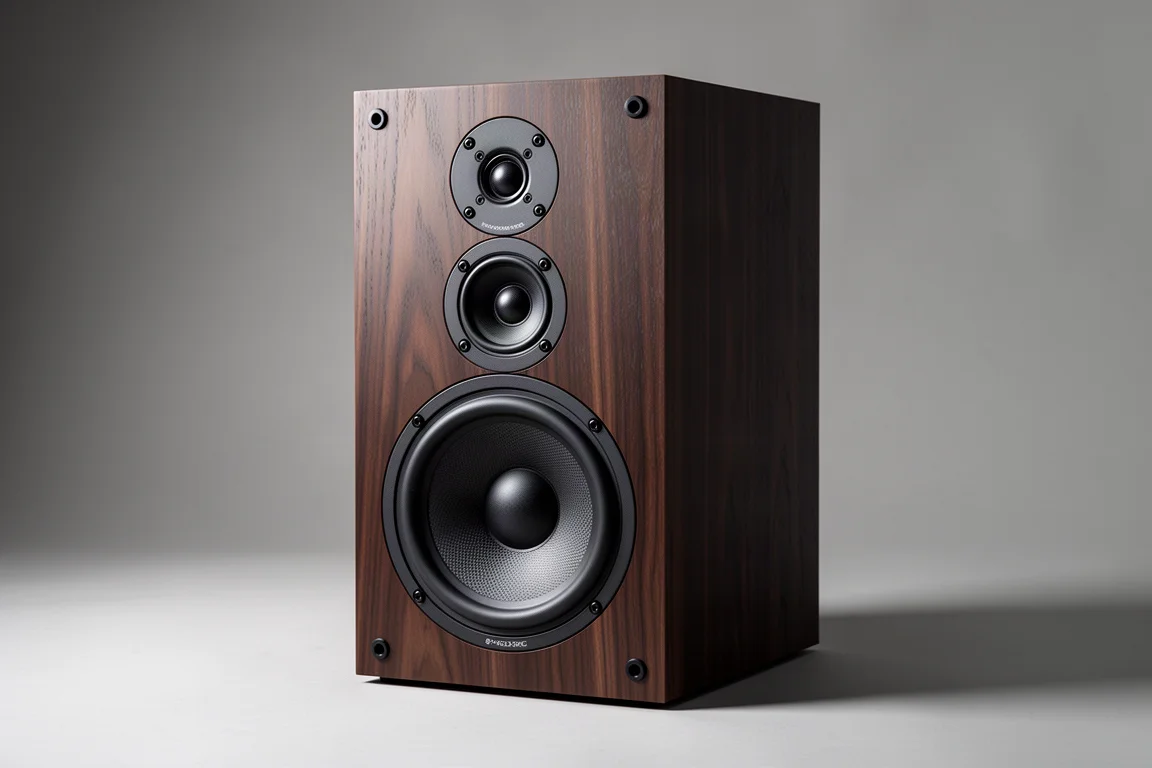
KLH has released the Model Four, a three-way speaker built around an 8-inch woofer in an acoustically suspended, sealed cabinet. It is a compact design rather than a large floorstander, and it carries one of the most recognizable names in American speaker history. The price is $2,000, which places it in the middle of the market for a three-way speaker with this kind of lineage.
The sealed cabinet is the detail worth noticing. Rather than relying on a port, the Model Four uses an acoustic suspension enclosure to load its 8-inch woofer, which gives the speaker a distinct identity among three-way designs at this price.
How to Choose Between These Components
The starting point should be the room and the way you listen rather than the specification sheet. If you want the least expensive route into the Klipsch Heritage sound, the Rebellion is the obvious candidate, and its 95 dB rating means it does not require a large amplifier to play loudly. If you want a statement system with a fixed production run behind it, the anniversary K Horn is the model with collector appeal.
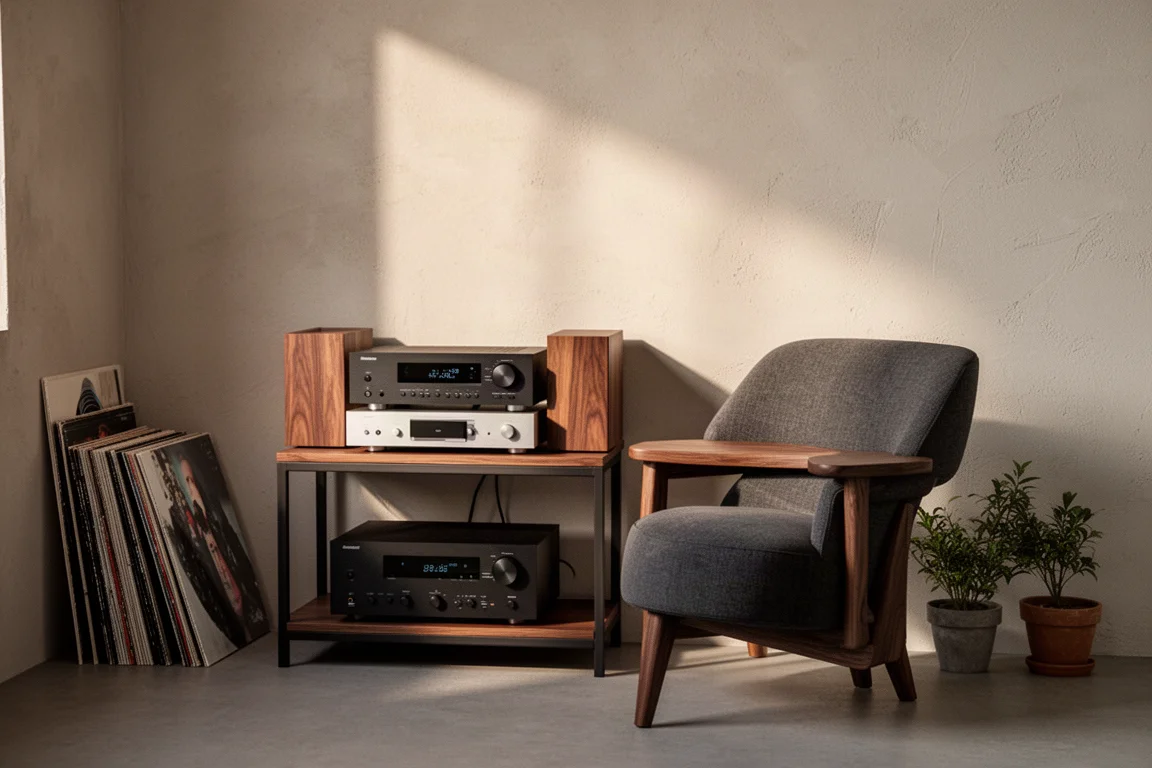
For a single box that handles television, streaming and vinyl, the Onkyo Muse 150 covers the most ground for the money, and the anniversary version is the one to choose if the walnut side panels matter to you. The Advance Paris A10 Classic makes sense for anyone who expects to add sources and subwoofers over time. The KLH Model Four suits listeners who want a compact sealed three-way and value the name behind it. In every case, decide first whether the retro styling is worth the premium, then check that the feature set covers the sources you actually use.
Conclusion
The retro revival in hi-fi is not a passing mood. The five components here show why: they combine materials and layouts that people genuinely enjoy living with, alongside streaming, digital inputs and room correction that make them practical today. Whether you start with the Rebellion, step up to the anniversary K Horn, build a system around the Muse 150 or the A10 Classic, or choose the compact Model Four, the decision comes down to matching one component to the way you actually listen.
Further reading
Related Reviews
Hi-Fi Audio
Accuphase C-57 vs Allnic H-7000V: Two High-End Phono Stages Compared
A fully balanced solid-state phono stage with a pitch-black noise floor meets a tube design built for well-loved records. Here is how to choose between them.
Hi-Fi Audio
Active vs Passive Hi-Fi: Five Components for a Modern System
Five components that define modern active and passive hi-fi systems, with the strengths, trade-offs and setup details worth weighing before you buy.
Hi-Fi Audio
Advance Paris A10 Apex Review: A Hybrid Integrated Amplifier That Covers a Lot of Ground
A French hybrid integrated amplifier with a class A tube preamp stage, analogue power meters, and an internal DAC and phono stage good enough to make extra boxes unnecessary.