Vintage Hi-Fi
Vintage Infinity Speakers and a Harman Kardon AVR 235: Three Used Hi-Fi Finds Worth a Look
A practical look at the Infinity SM12, the Infinity SM125, and the Harman Kardon AVR 235, with the specs, used prices, and setup notes that matter before you buy.
Introduction
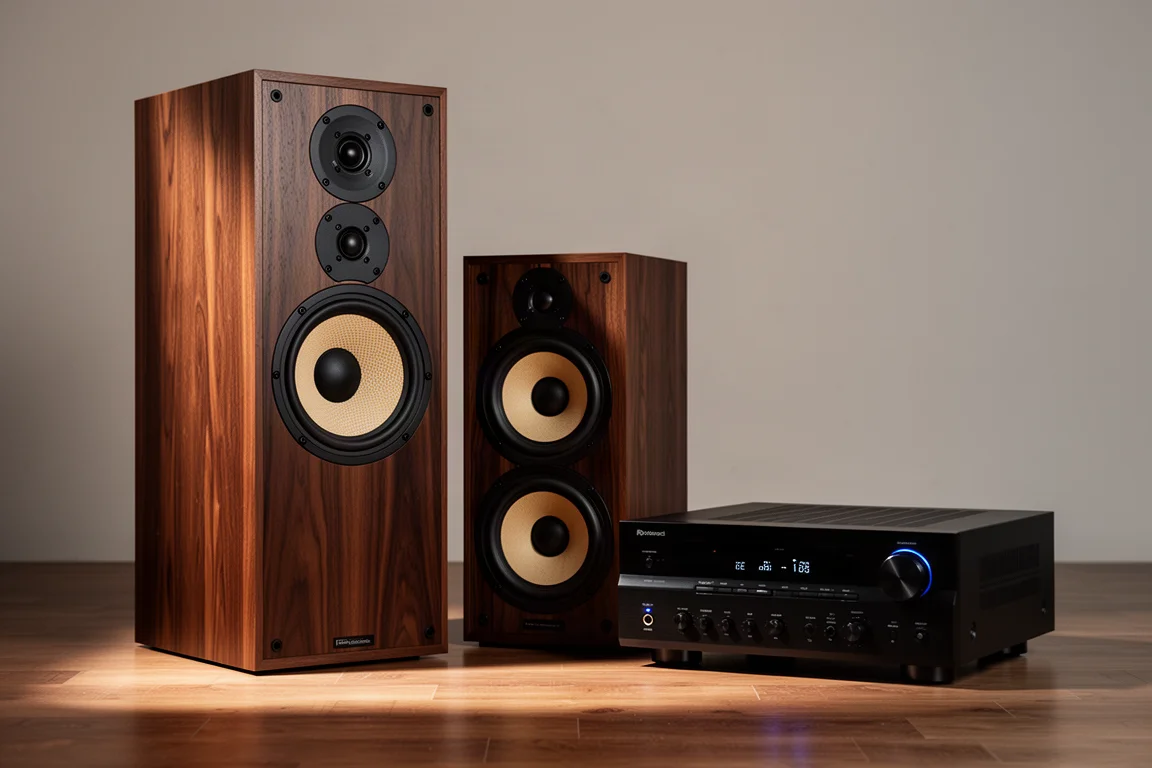
Vintage Infinity speakers have a following for a simple reason: the company built a lot of efficient three-way designs through the 1980s and 1990s that still sound lively and dynamic today. This guide covers three pieces that turned up together in one secondhand system: the Infinity SM12, the larger Infinity SM125, and the Harman Kardon AVR 235 that drives them.
None of these are exotic collector pieces. They are affordable, widely available used, and easy to live with, provided you know what you are buying and what to inspect. Here is what each one brings, and how to decide whether any of them deserves a spot in your room.
What Makes These Vintage Infinity Pieces Worth a Look
Three things make this era of Infinity gear interesting. First, efficiency: the SM series was designed to make the most of modest amplification, so even a small stereo receiver can drive these speakers to loud, room-filling levels. Second, adjustability: both models here include level controls for the treble or mid-range drivers, which lets you tune the balance to your room instead of accepting a fixed voicing. Third, price: used examples trade hands for a fraction of what they cost when new.
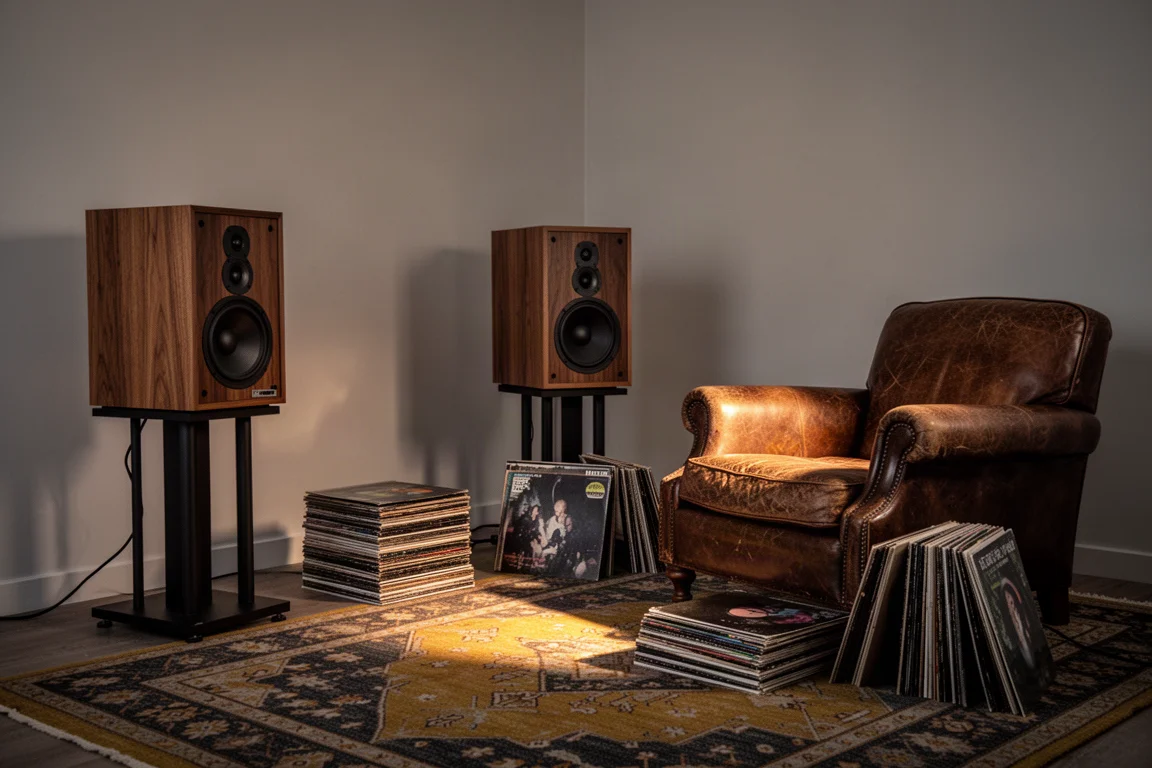
The trade-off is that age matters more than the badge. Foam surrounds, capacitors, and cabinet finishes all deteriorate over time, and a pair stored in a damp basement will need more work than one that has lived in a living room. Buy on condition first, model second.
Infinity SM12: The Compact Three-Way Classic
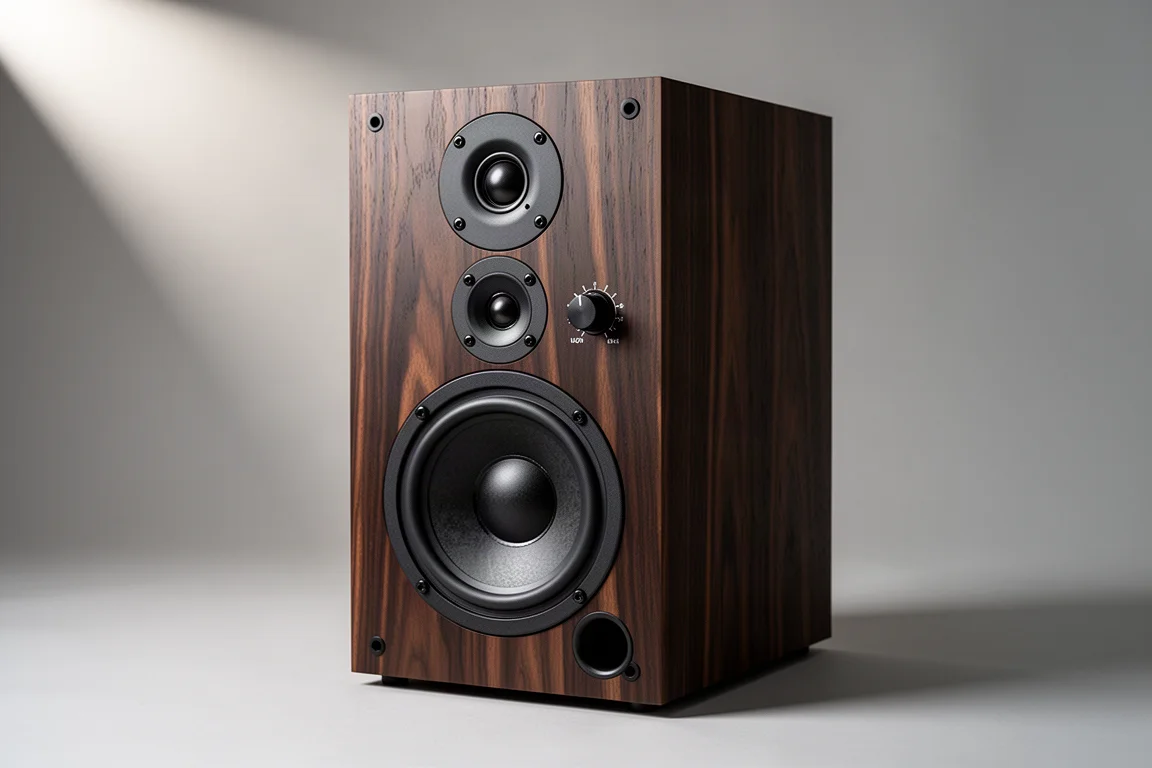
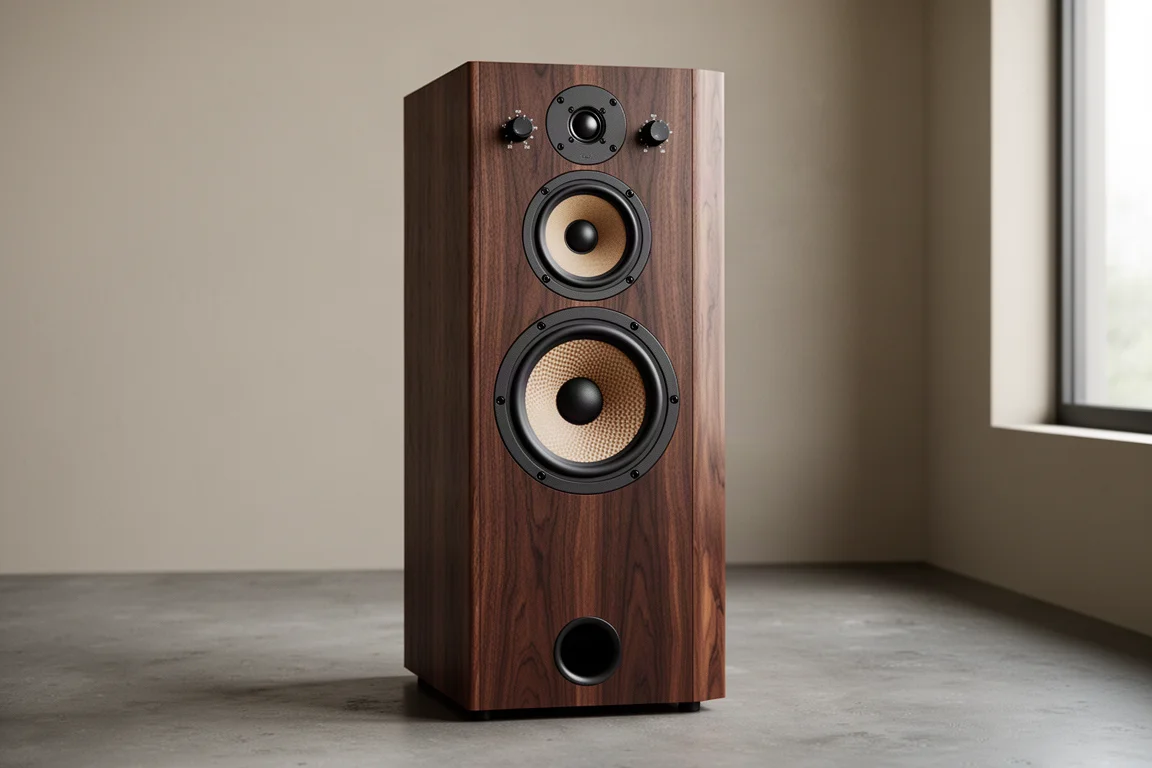
The SM12 is a three-way design with a roughly 10-inch woofer, a dedicated mid-range driver, and a 1-inch soft-dome polycell high-output tweeter. A high-frequency level control on the front baffle runs from minimum to maximum, which is the simplest way to dial back the top end in a reflective room. The cabinet is ported at the bottom.
When it was new, the SM12 sold for around $650. On the used market it has appeared for far less, with examples changing hands for as little as $80. That gap between original and current pricing is the main argument for trying a pair.
Two criticisms come up repeatedly: the bass can sound boomy, and the treble can be a touch forward. Both are addressable. Owners often add poly-fill to the cabinet and place small risers underneath to decouple the speaker from the floor, and the level control handles the rest. Driven by an older two-channel receiver, the SM12 sounds considerably larger than its cabinet suggests.
Infinity SM125: The Full-Size Floorstander
The SM125 is the bigger sibling, built from roughly 1996 to 1998. It is a three-way floorstander with a 12-inch paper-cone woofer, a 4.5-inch mid-range, and a 1-inch tweeter. It stands about 35 inches tall and 12 inches deep, and like the SM12 it is ported at the bottom. Separate treble and mid-range level controls let you shape both the top end and the mid-band.
The published numbers are generous: a frequency response of 32 Hz to 27,000 Hz, 8-ohm nominal impedance, and 100 dB sensitivity. That sensitivity is why these speakers feel so effortless. The driver layout also invites the obvious comparison with classic 12-inch JBL monitors, with the Infinity as the more affordable route to that sound.
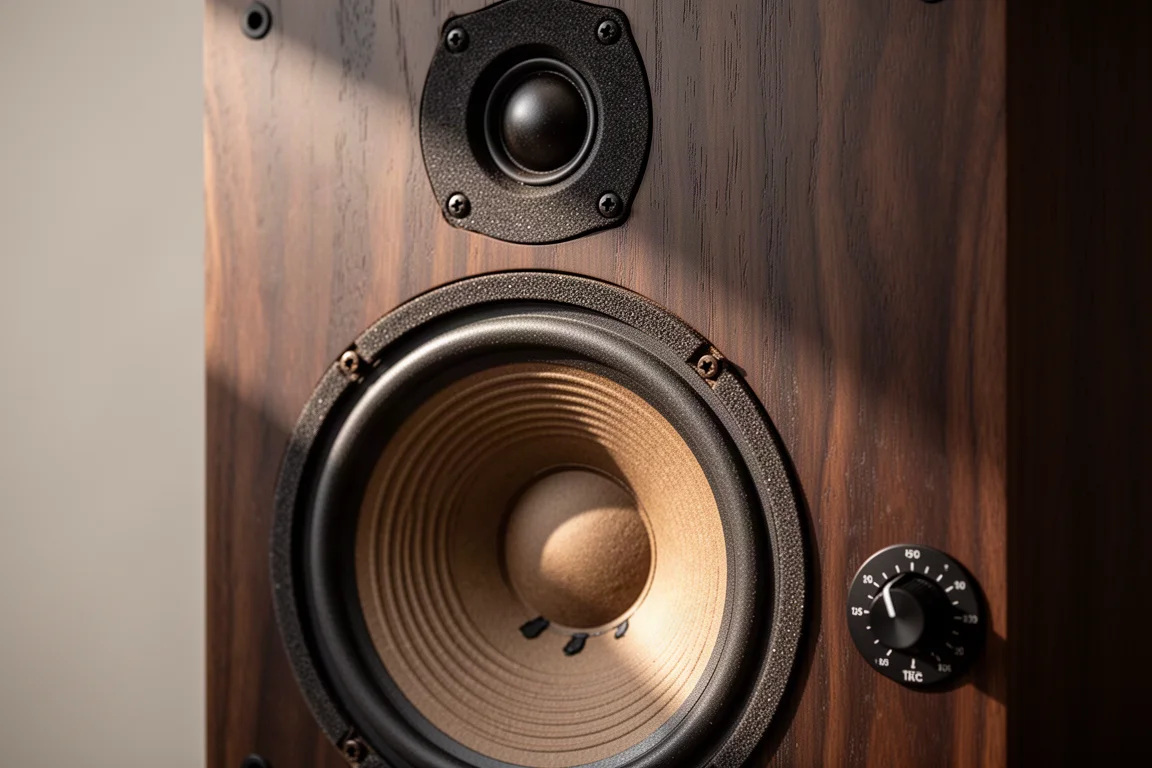
Used prices sit in a comfortable middle ground. A pair has sold for around $200, and listings overseas have appeared near €400. Expect a slightly bright top end; the level controls and a little room treatment go a long way. Replacement foam surround kits are widely available if the originals have perished, which is common on speakers of this age.
Harman Kardon AVR 235: The Multi-Channel Hub
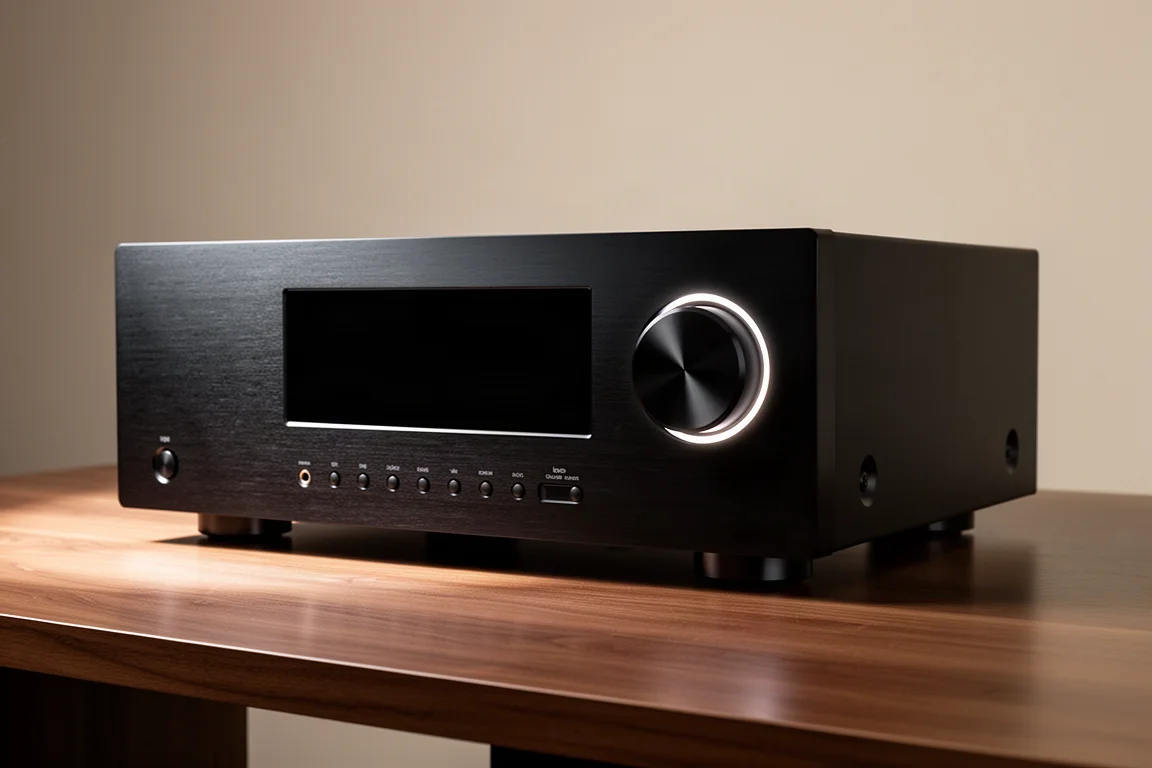
The AVR 235 is a multi-channel AV receiver rather than a two-channel stereo amplifier, and it carries the feature set you would expect from that generation: surround processing and multi-channel amplification, plus a volume knob with an illuminated LED ring that remains a genuinely nice piece of industrial design.
Used examples trade for around $120, which makes it a cheap way into surround sound. It is worth being clear about what it is not. Collectors reserve their enthusiasm for two-channel receivers from roughly 1970 to the early 1980s, and multi-channel designs from the following decades generally do not carry the same reputation for sound quality. If stereo music is the goal, a vintage two-channel amplifier is usually the more rewarding choice. If the goal is a surround system for film and television, the AVR 235 covers the basics, and you will need a center channel speaker to complete the front stage.
Room Placement and Setup Notes
Placement matters as much as the electronics with speakers this size. Both Infinity models are bottom-ported, so they want a little breathing room from the wall behind them, and both benefit from being raised slightly off a hard floor to reduce boom. A pair of small risers or a strip of dense foam under each cabinet is a cheap, effective fix.
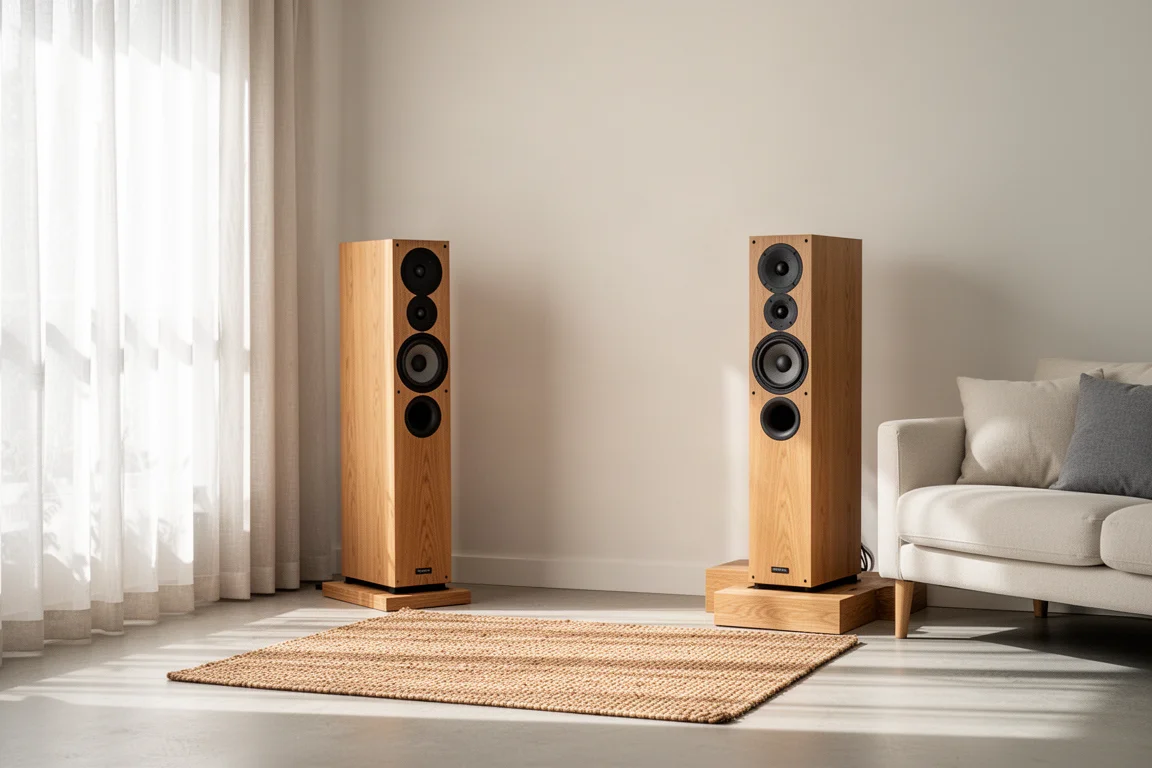
Set the level controls with the room in mind rather than by the numbers. Start at the middle detent, listen from your usual seat, and adjust in small steps. Reflective rooms with bare floors and glass will need more attenuation than carpeted rooms with soft furnishings. If the bass still feels heavy after that, poly-fill inside the cabinet is the next step.
Condition, Parts, and Service Considerations
Buying vintage means inspecting, not just listening. Check the foam or rubber surrounds around every woofer and mid-range cone: if they are cracked or crumbling, budget for a replacement kit. Press gently on the cone to feel for voice-coil rub. Look at the cabinet corners for water damage and veneer lifting, and confirm that the level controls turn smoothly without scratchiness.
For the receiver, ask about the condition of the volume potentiometer and the front panel, and be realistic about age-related service. None of this is a reason to avoid vintage gear. It is simply the checklist that separates a bargain from a project.
How to Choose Between the SM12 and the SM125
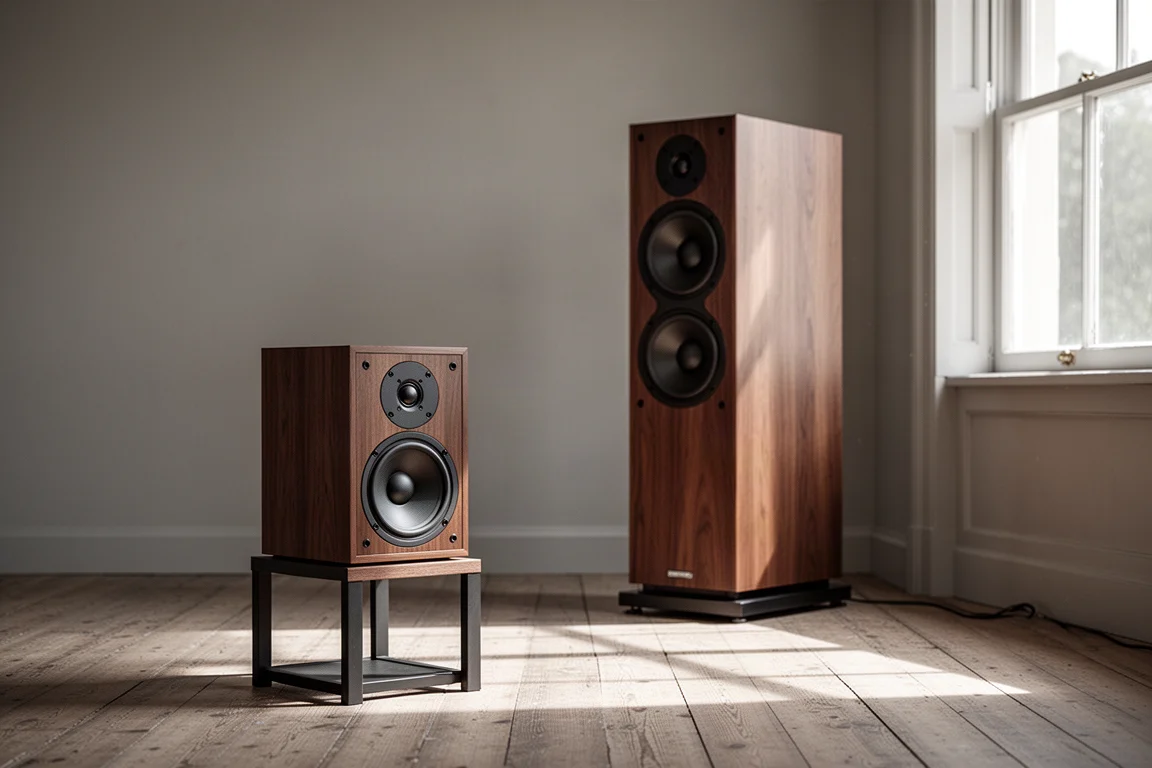
The decision comes down to room size and how much low end you want. The SM12 is the friendlier fit for smaller rooms, apartments, and nearfield listening, and it is the cheaper entry point. The SM125 takes up more floor space but delivers greater scale, deeper bass extension on paper, and higher sensitivity, which makes it the better match for larger rooms and for listeners who like to play loud without leaning on the amplifier.
If you are building a system from scratch, the SM125 as the front pair with the SM12 as surrounds is a sensible split, and the AVR 235 can drive either arrangement. Whichever route you take, buy the best-condition pair you can find rather than chasing a specific cosmetic variant, and take the time to set the level controls properly once everything is in place.
That single afternoon of positioning and tuning is what turns a pair of secondhand speakers into a system you keep.
Conclusion
The Infinity SM12 and SM125 are both efficient, adjustable three-way speakers that still make sense in a secondhand setup, and the Harman Kardon AVR 235 is an inexpensive way to add multi-channel playback. Buy on condition, set the level controls to suit your room, and give the cabinets some breathing room. At current used prices, there is not much risk in finding out whether this era of Infinity sound suits you.
Further reading
Related Reviews
Vintage Hi-Fi
Marantz 7C Review: The 1958 Stereo Preamplifier That Still Sounds Contemporary
A close look at the Marantz 7C, the 1958 tube preamplifier that launched stereo for the brand, including its zero feedback phono stage, front panel controls, sound character and the quirks to expect.
Vintage Hi-Fi
Modernizing a Marantz 2216: Three Streaming Upgrades for Vintage Hi-Fi
A practical look at the classic Marantz 2216 receiver and three streaming add-ons that bring modern convenience to a vintage system.
Vintage Hi-Fi
Realistic STA-2270 vs Yamaha CR-800: Two Vintage Receivers Worth a Look
Two Japanese-built vintage receivers with very different approaches to tone shaping, plus what to weigh before buying used gear with no warranty.