Vintage Hi-Fi
Realistic STA-2270 vs Yamaha CR-800: Two Vintage Receivers Worth a Look
Two Japanese-built vintage receivers with very different approaches to tone shaping, plus what to weigh before buying used gear with no warranty.
Introduction
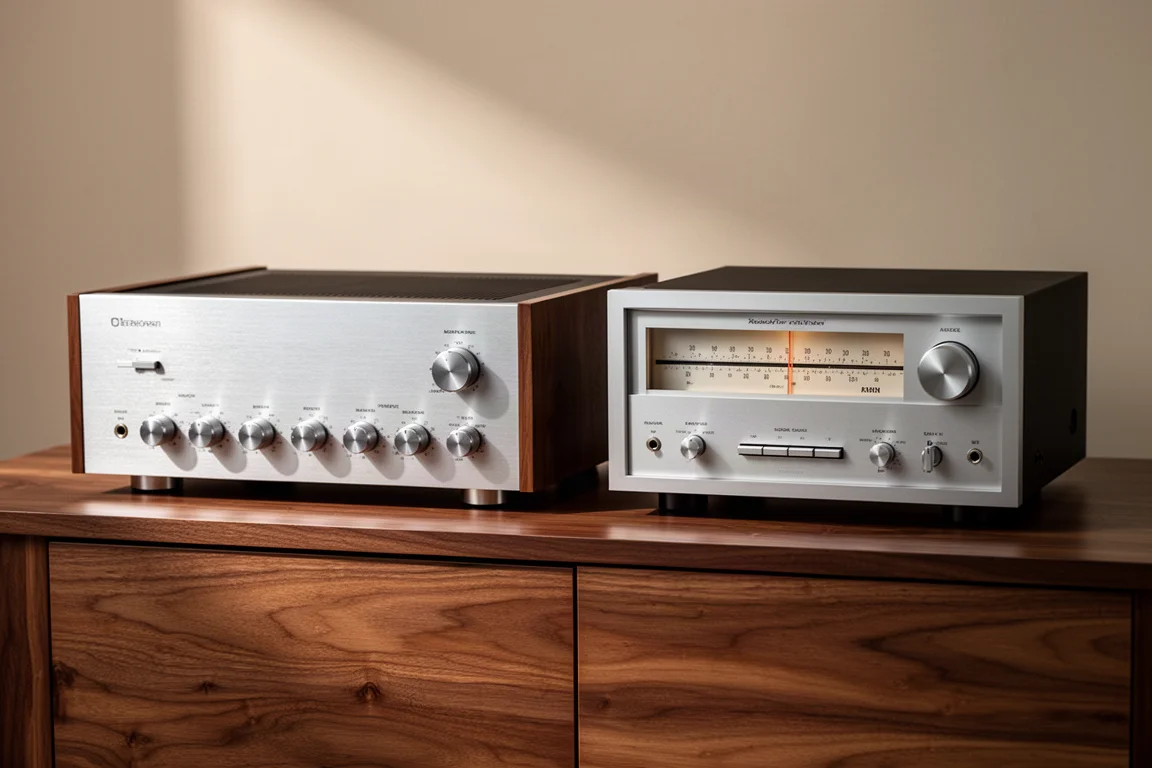
Vintage hi-fi prices have climbed sharply over the past five to ten years, and most of the attention goes to the obvious names. Meanwhile, an entire generation of Japanese-built receivers from the mid-1980s sits in the shadow of the golden-era models, and some of them are among the strongest value propositions in two-channel audio right now.
Two of them are worth a closer look: the Realistic STA-2270 and the Yamaha CR-800. Neither comes with a warranty, neither comes with a guarantee, and either one could arrive dead on arrival. At the prices these receivers often sell for, that risk is part of the calculation, and for plenty of buyers it is a calculation that still works out.
This guide covers what each receiver offers, where the two differ, and what to think about before spending money on used gear.
Why Realistic Receivers Deserve a Second Look
Realistic was RadioShack’s in-house brand, and its receivers were widely treated as second or third tier next to Pioneer, Marantz, and Kenwood. That reputation is exactly why the 2000 series is interesting today. These receivers sit at the transition point where analog tuner sections gave way to digital synthesized tuning, and they arrived after 1983, the year many enthusiasts treat as the cutoff for the golden age of the two-channel receiver. Because they fall outside the classic window, they sell for far less than their build quality suggests.
They were still made in Japan, and Realistic kept metal knobs and detented controls on its higher-end models while some better-known competitors moved to plastic parts in the early 1980s. The result is a receiver line that feels more substantial than its original market position implied.
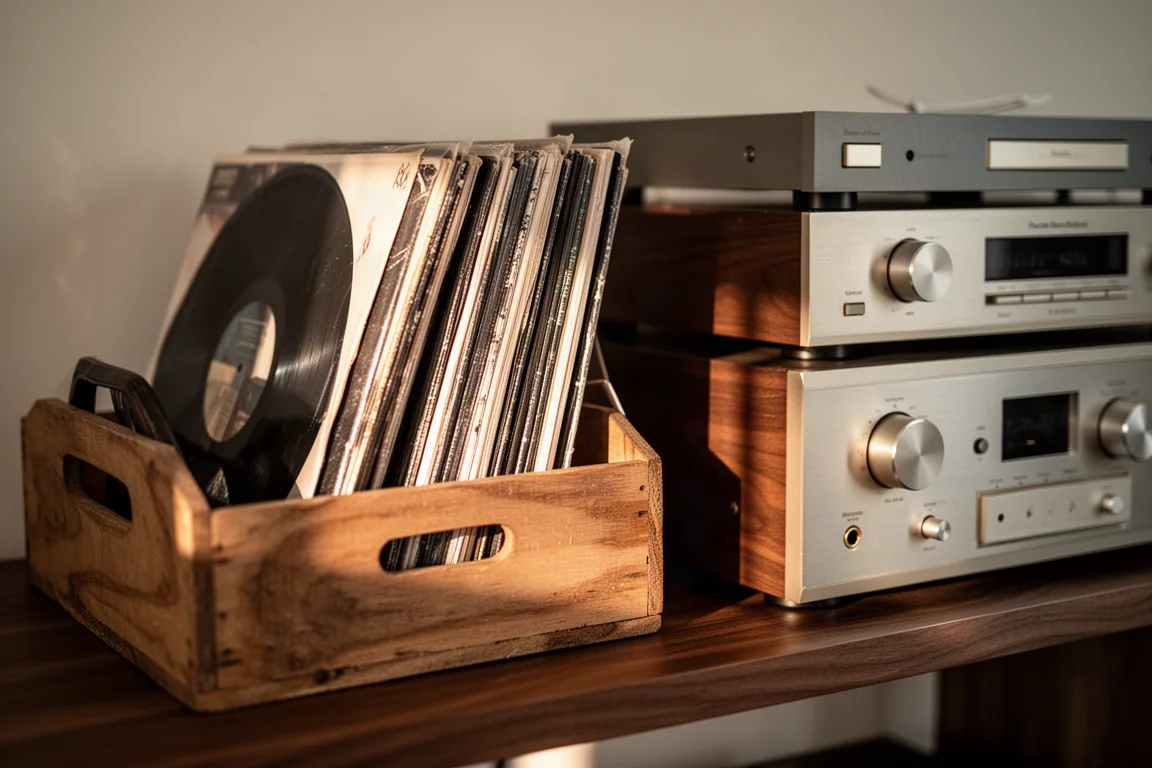
For buyers who care more about sound and usability than about collector prestige, that combination of Japanese construction and modest resale value is the whole argument. These are the vintage ugly ducklings, and the discount is the point.
Realistic STA-2270: Power, Controls, and Connectivity
The STA-2270 was built from 1984 through 1986 and retailed for around $400 in 1986. It is rated at 65 watts per channel into 8 ohms, is stable down to 4 ohms, and works with loads from 4 to 16 ohms. The front-panel power meter is marked for 8 ohms and runs up to 75 watts, and like many receivers of the era, the STA-2270 tends to deliver more than its rated figure in practice.
Around the front panel you get a chunky power button with an LED beneath it, a headphone output, and separate speaker A and speaker B switches so two pairs of speakers can run at once. Tuning is digital synthesized, with a digital readout, a tune knob, memory, and a bank of presets for favorite stations.
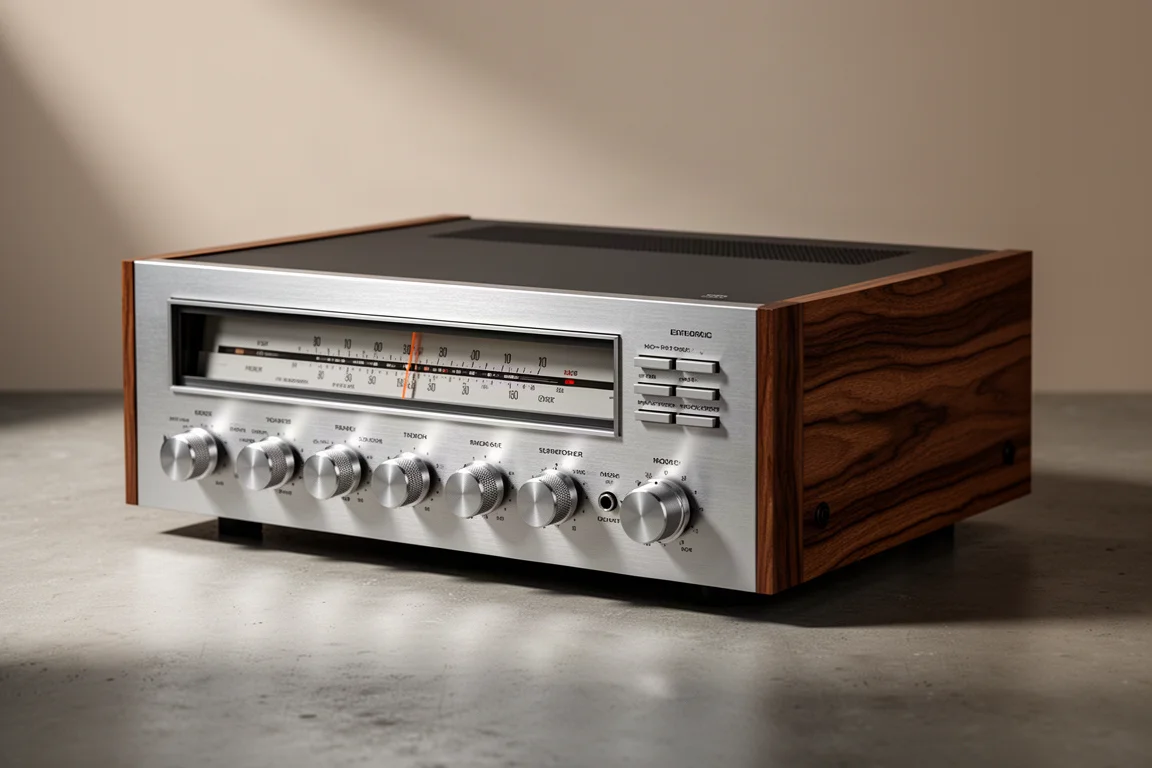
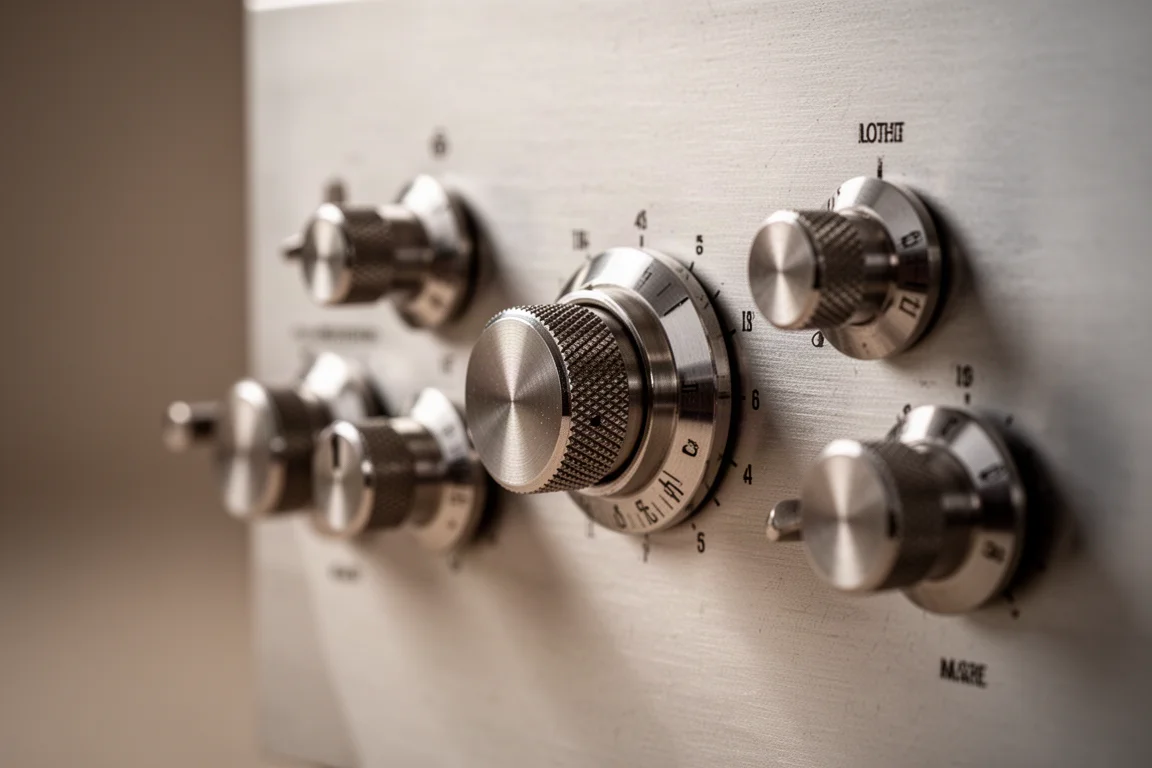
What sets the higher-end Realistic receivers apart is the tone section. The STA-2270 has bass, treble, and a dedicated mid-range control, all on detented metal knobs, plus a loudness button. The tone controls can be used together with loudness, so excess bass can be dialed back rather than simply switched out. Volume and balance are metal and detented as well, with numbered markings around the volume control.
Inputs cover phono, auxiliary, TV, tape 1, tape 2, and dubbing, along with FM and AM. There is also a 30 Hz cut filter, FM mute, a search button, mono and stereo modes, and a stereo expander that in practice tended to make everything sound worse rather than widening the stage. The cabinet sides use a walnut-grained vinyl veneer, and the plastic surfaces do pick up skin oil, so they benefit from an occasional wipe.
Inside, the design uses discrete output transistors, which is a large part of why these receivers carry a reputation for durability and solid sound. The rear panel has tape in and out, antenna connections, a phono stage with a ground terminal, two AC outlets, and speaker connections that feel a little cheap compared with the rest of the build. Used units turn up for modest money, with recent listings around $125.
Yamaha CR-800: A Different Approach to Loudness
The Yamaha CR-800 is a comparable vintage receiver rated at roughly 60 watts per channel, and it approaches tone shaping from a different angle. Instead of a mid-range control, it offers bass and treble adjustments plus a variable loudness control that can be dialed in progressively rather than switched on and off.
That variable loudness is the CR-800’s standout feature, and it can get you close to the balance a mid-range control provides on the Realistic, particularly at lower listening volumes. The trade-off is a simpler tone section overall.
Used CR-800 examples have sold for around $300, and a properly serviced unit may have had capacitors and other aging components replaced as part of a rebuild. Listings are not always easy to find, so patience matters more with this one than with the Realistic.
Sound Quality Notes: Dynamic, Bright, and Adjustable
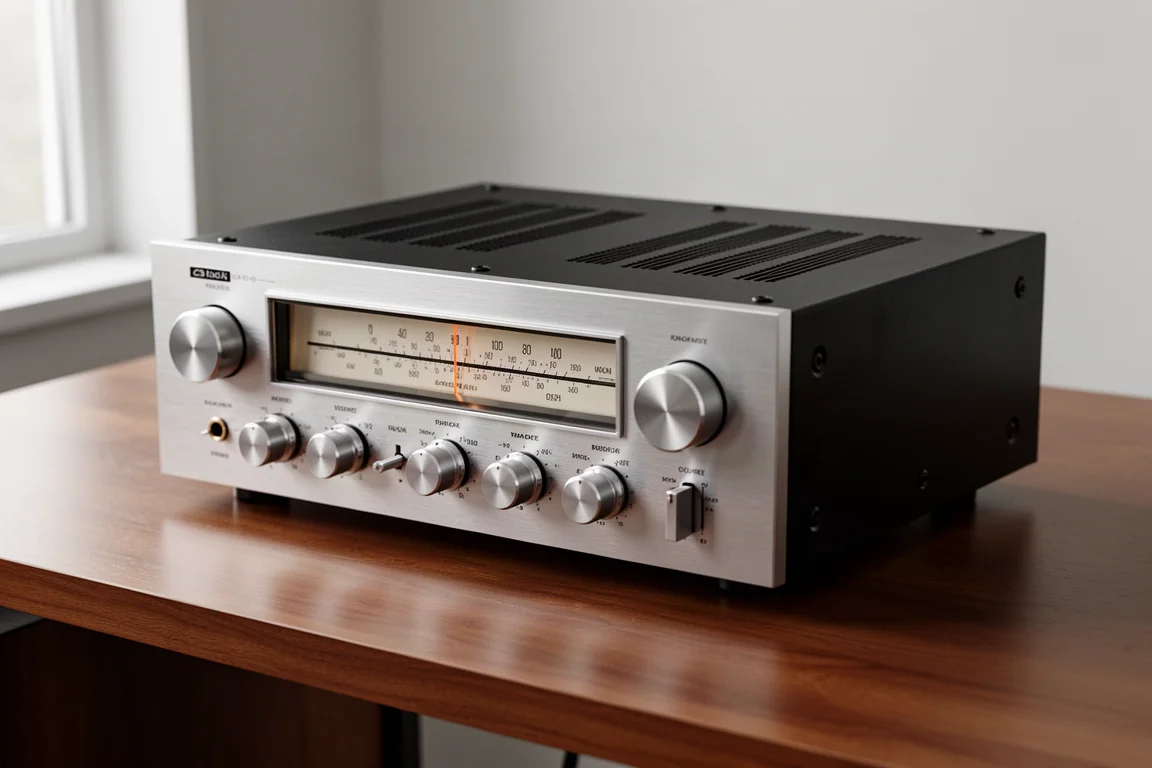
The STA-2270 has a dynamic, energetic character. It can also sound a little spicy on top, and depending on the speakers in the system, you may find yourself trimming the treble. The mid-range control gives you a way to do that without gutting the rest of the presentation. One practical approach is to leave loudness off and pull the mid-range down slightly, which keeps the balance comfortable even at lower volumes.
The Yamaha is the more neutral of the two in tone-shaping terms, and its variable loudness control covers similar ground for listeners who mostly play at moderate levels. Which one suits a room depends on the speakers and the volume you actually listen at, not on the spec sheet.
Both receivers reward careful matching. A bright speaker paired with a bright receiver can become fatiguing, while a warmer speaker balances out the top end nicely.
Build Quality and Reliability in Used Vintage Gear
Both receivers come from Japanese production lines, and both use metal knobs and detented controls rather than the plasticky parts that appeared on some competitors of the same period. That tactile quality holds up well decades later.
Reliability is where used shopping requires a realistic mindset. There is no warranty, no guarantee, and no assurance that a unit will work when it arrives. Newer 2000-series Realistic models are often considered a slightly safer bet than older vintage receivers simply because they are younger, but that is a tendency rather than a promise. Components age, capacitors drift, and service is part of the ownership picture with any receiver of this age.
Small details matter too. The speaker terminals on the STA-2270 are the weakest physical element, and a unit that has been stored poorly may need more than a cleaning to come back to full health.
What to Check Before Buying a Used Receiver
Buy where you can test the unit, or where returns are straightforward. Confirm that both speaker channels work, that the tuning presets and memory hold, that the phono stage is quiet, and that every switch and knob moves cleanly through its detents.
Ask about service history. A receiver that has already had capacitors and other aging components replaced is worth more than a cosmetically identical unit that has never been opened. If service has not been done, factor the possibility into your budget rather than assuming the unit will run forever as it is.
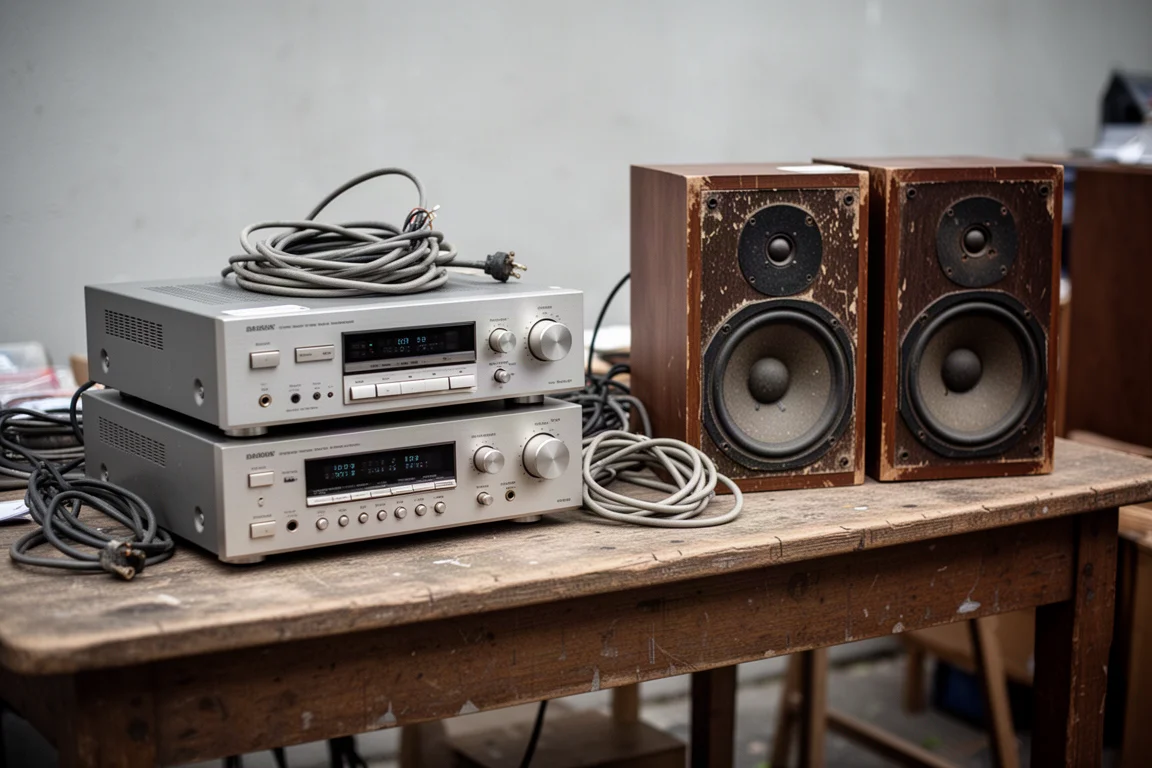
It also helps to know what you are buying. Receivers like these were built in large numbers, and condition varies enormously between examples, so a listing photo and a short conversation with the seller can tell you a great deal.
Brand Heritage: The Realistic Story
Realistic was introduced in 1954 under the name Realist. A camera company was already using that name, and after a dispute RadioShack changed it to Realistic. The badge went on an enormous range of products over the following decades, from walkie talkies and CB transceivers to eight-track recorders, cassette decks, televisions, and the well-regarded Minimus speaker line. The brand was phased out in 1994. A 2016 revival focused on Bluetooth speakers did not take hold, and RadioShack closed soon afterward.
For a lot of listeners, Realistic was the gateway into separates and proper hi-fi. The 2000 series spans a wide range, from the 80-watt-per-channel STA-2080 to the STA-2100, the line’s monster receiver, which can command $800 to $1,100 on the used market. The STA-700, an earlier 12-watt-per-channel model sold from 1983 to 1984 for $179, sits at the other end of the scale.
Buying Advice for Vintage Hi-Fi Shoppers
The STA-2270 makes the most sense for buyers on a tight budget who want something different from the usual vintage names and are willing to accept some risk. At the prices these units often sell for, the value proposition is strong, and the 2200 series in particular is younger than the classic golden-era models.
The CR-800 suits a buyer who wants a well-built vintage receiver with flexible loudness compensation and does not mind waiting for a clean example. It costs more than the Realistic when it appears, and it is less common.
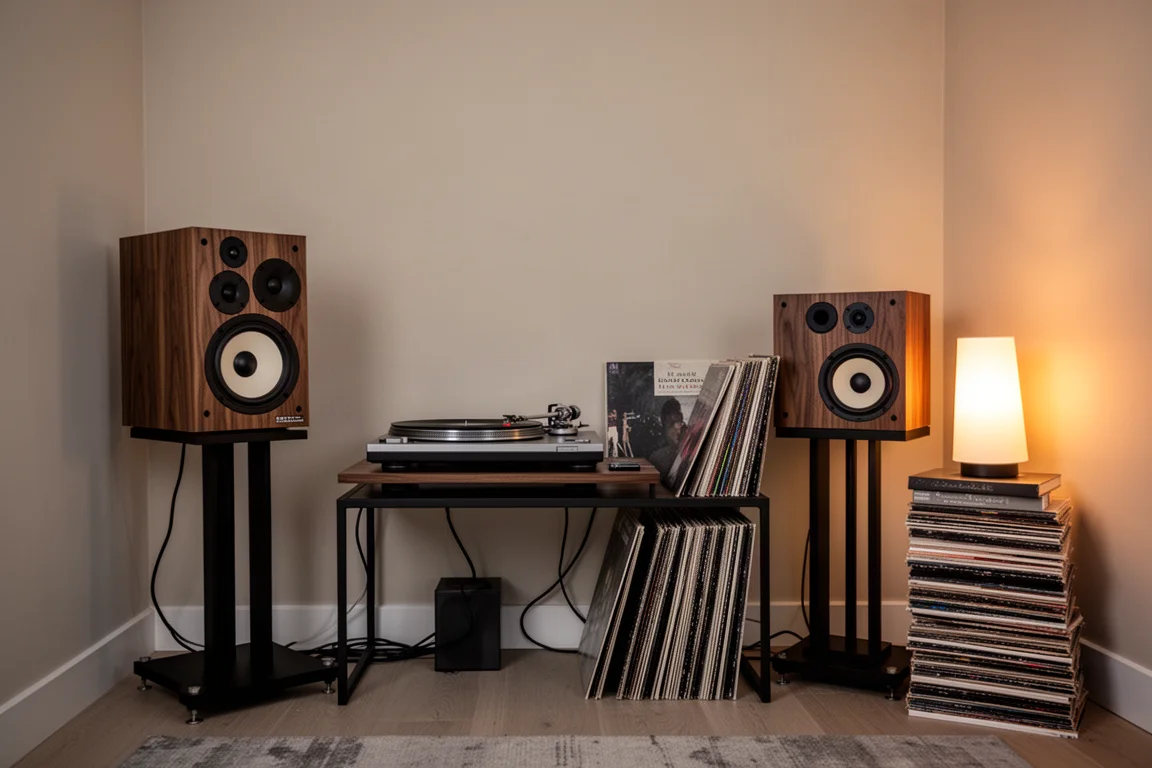
Either receiver works well as a second system or as a first step into vintage audio, especially if you already have a main setup in place. Buy carefully, budget for possible service, and treat the lack of warranty as the price of entry.
Conclusion
The Realistic STA-2270 and the Yamaha CR-800 take different routes to the same destination. The STA-2270 offers 65 watts per channel, a full tone section with mid-range control, Japanese construction, and one of the lowest entry prices in vintage hi-fi. The CR-800 counters with a variable loudness control and a cleaner, more neutral approach to tone shaping, at a higher cost and with fewer units available.
For buyers who want maximum value and do not mind a little risk, the Realistic is the more compelling proposition. For those who want a specific feature set and are prepared to pay for it, the Yamaha earns its place. Both are worth considering while prices for the better-known vintage brands keep climbing.
Further reading
Related Reviews
Vintage Hi-Fi
Marantz 7C Review: The 1958 Stereo Preamplifier That Still Sounds Contemporary
A close look at the Marantz 7C, the 1958 tube preamplifier that launched stereo for the brand, including its zero feedback phono stage, front panel controls, sound character and the quirks to expect.
Vintage Hi-Fi
Modernizing a Marantz 2216: Three Streaming Upgrades for Vintage Hi-Fi
A practical look at the classic Marantz 2216 receiver and three streaming add-ons that bring modern convenience to a vintage system.
Vintage Hi-Fi
Vintage Infinity Speakers and a Harman Kardon AVR 235: Three Used Hi-Fi Finds Worth a Look
A practical look at the Infinity SM12, the Infinity SM125, and the Harman Kardon AVR 235, with the specs, used prices, and setup notes that matter before you buy.