Vintage Hi-Fi
Marantz 7C Review: The 1958 Stereo Preamplifier That Still Sounds Contemporary
A close look at the Marantz 7C, the 1958 tube preamplifier that launched stereo for the brand, including its zero feedback phono stage, front panel controls, sound character and the quirks to expect.
Introduction
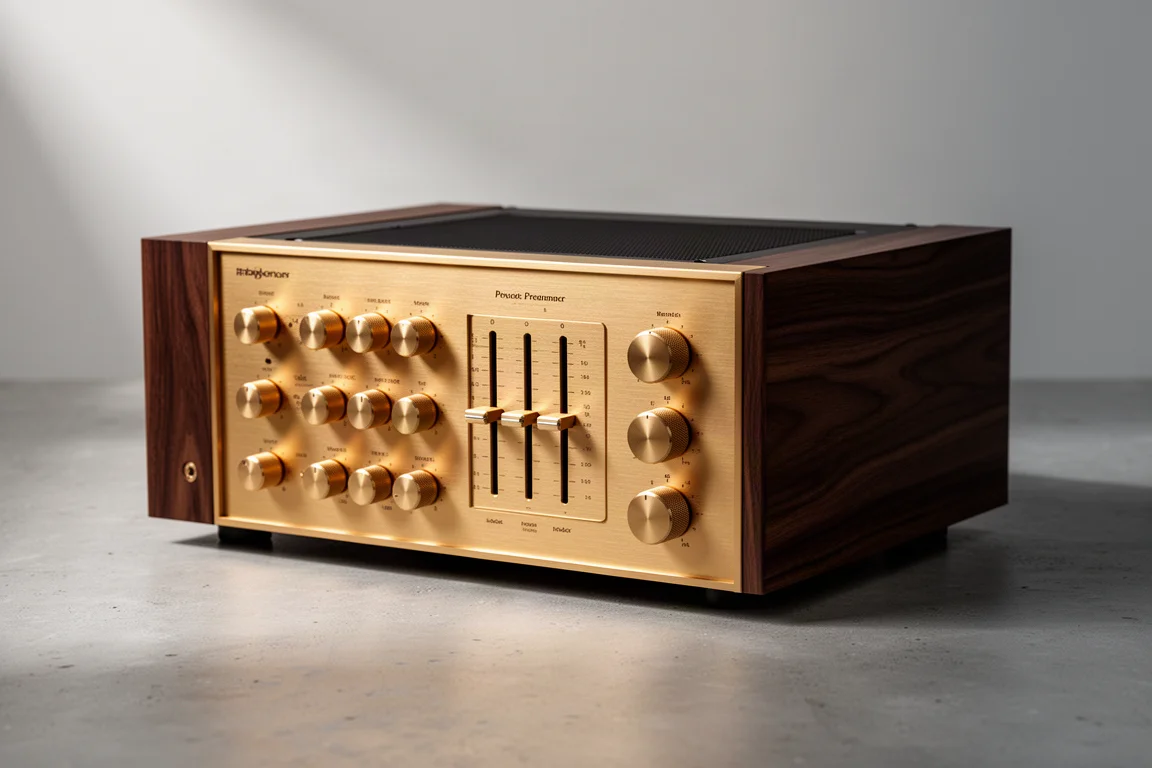
The Marantz 7C is one of the most recognizable high-end components ever built. It debuted in 1958, designed and manufactured in New York City, and it was the first stereo component to carry the Marantz name. Saul Marantz, the company’s owner, shaped the visual design, while chief engineer Sid Smith handled the electronics. That division of labour helps explain why the 7C still looks so modern: placed beside a stereo preamplifier from the mid 1970s, the 1958 Marantz reads as the more forward-looking design.
The 7C also marks a turning point in the brand’s history. Marantz had built mono equipment through the early 1950s, and this was where stereo began for the company. Saul Marantz sold the business to the distributor Superscope in 1964, a few years after the 7C arrived. Superscope later sold it to Philips, and the brand passed through Denon and then Sound United before landing with the Harman Corporation. That is a long road, and it starts here.
Who This Preamplifier Is For
This is a preamplifier for listeners who care about what a component represents as much as how it measures. Buyers of vintage audio are often drawn to a piece because of its history and its design, and the 7C delivers both. It is the model that established Marantz in stereo, built while Saul Marantz was still actively involved with the company.
It also suits listeners who want tubes without the syrupy version of the tube sound. The 7C does not come across as soft, mellow or mushy. It sounds surprisingly contemporary, and it can sit in a wide range of systems without embarrassing itself.
Anyone expecting the thick, heavily coloured presentation of some classic tube designs should adjust expectations first. The character here is cleaner and more even than that stereotype suggests, and it holds up well against far newer equipment.
Design and Front Panel Controls
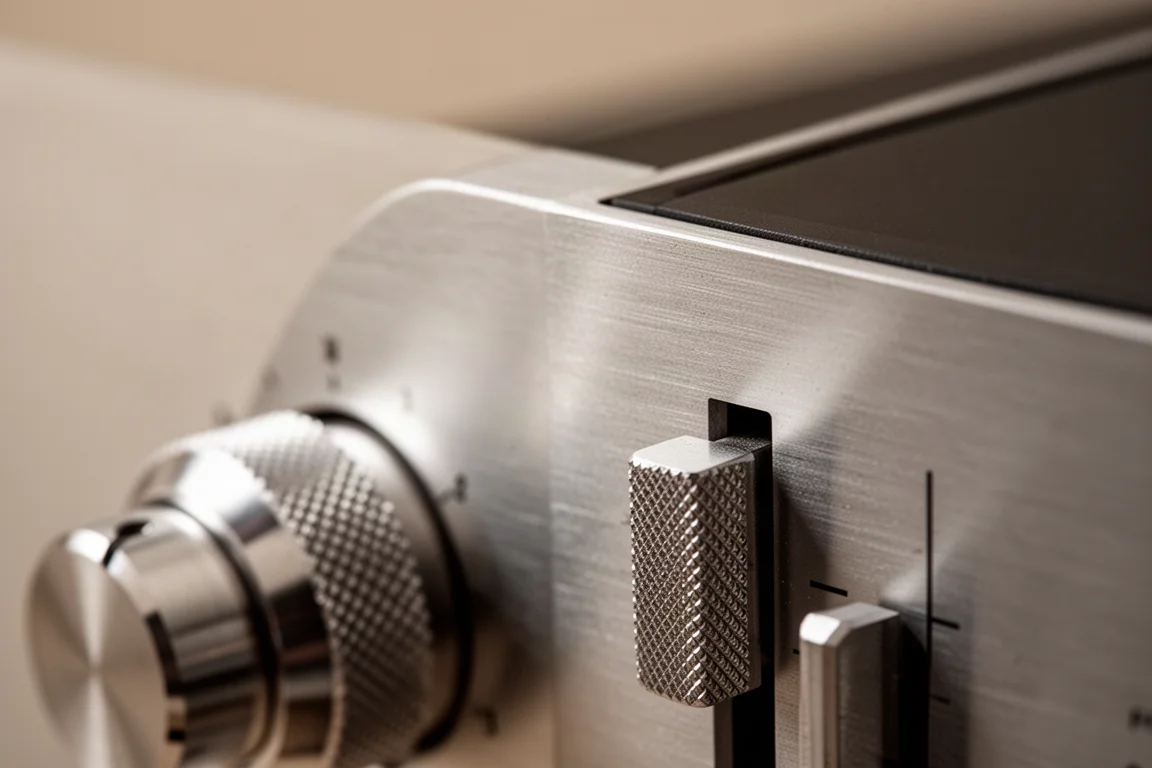
The front panel is a study in purposeful layout. Four slider controls sit at the centre. From left to right they are tape play, then the phono EQ selector with 78, RIAA and the older Columbia LP curves, then a rumble filter with flat, 50 Hz and 100 Hz settings, and a high frequency control offering flat, 9K and 5K roll-off.
Around those sliders you get separate bass and treble controls for the left and right channels, a volume control and a balance control. The input selector covers two phono inputs, a tape head input, AM/FM mono and AM/FM stereo. The tape head input made sense in an era when feeding a tape head signal straight into an outboard preamplifier was a genuine option. A separate mode control switches between stereo, channel A, channel B, A plus B, and stereo with the channels reversed.
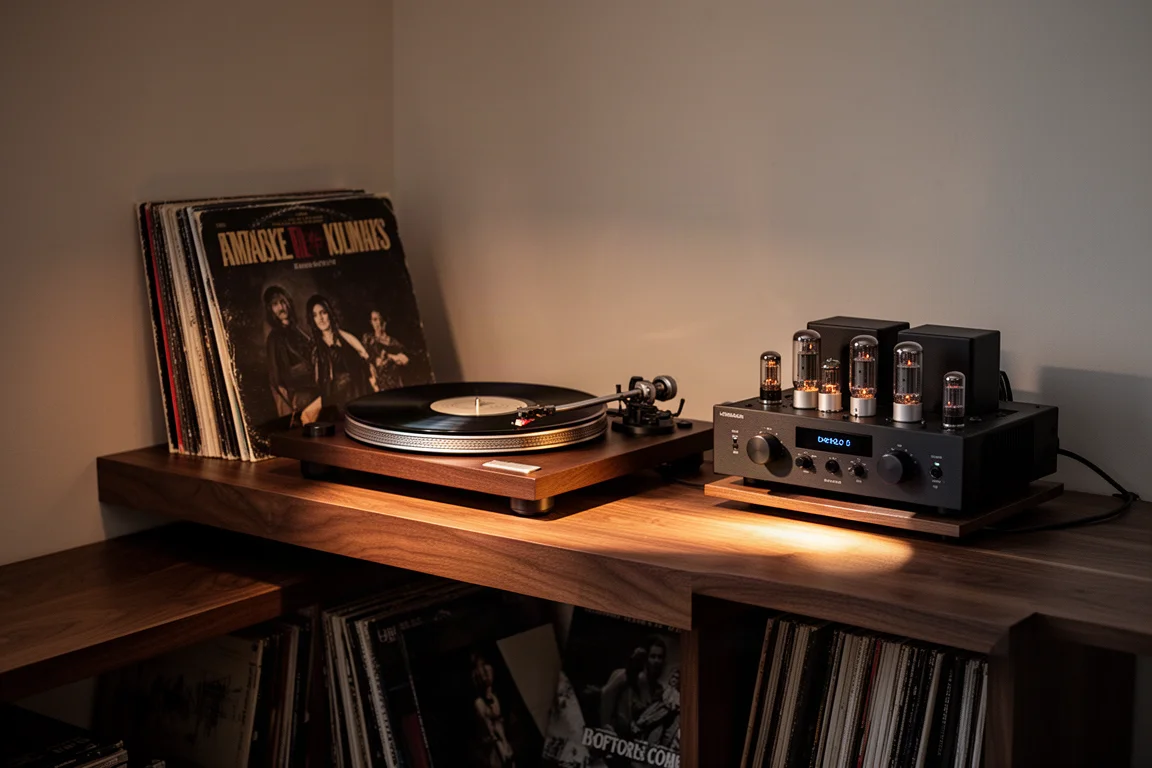
The phono section is the technical headline. It uses a zero feedback design, which was remarkable for 1958, and it runs six 12AX7 tubes. Individual examples can turn up with different valves fitted, including new old stock Telefunken 12AX7s.
Main Strengths
Sound quality is the first thing to note, because it is the most surprising. The 7C does not sound old, and it does not sound like a museum piece. Placed in a modern system, it produces a result that few listeners would object to, and the stereo image is natural rather than a hard left-right effect.
Noise performance is the second strength. Older tube electronics often hiss, hum or buzz audibly through the speakers, and that is not what happens here. The 7C runs remarkably quiet in practice, which makes it far easier to live with than its age might suggest.
The third strength is rhythm. Material with drive and attitude keeps its bounce and pace instead of being smoothed into politeness, which is not what most people expect from tube electronics of this vintage.
Just as important, the sound has weight without sounding slow. Bass has a solid, planted quality, and the tonal balance stays even across a wide range of recordings rather than flattering only a narrow selection.
Things to Consider Before Buying
Input leakage is the clearest sign of the 7C’s age. If a CD player is left running while an LP plays, the CD signal can bleed faintly into the record’s sound, roughly 30 to 40 dB down. It is quiet enough to ignore in most listening, and the fix is simple: keep only one source playing at a time. This behaviour is common in older components, so it is a characteristic to understand rather than a fault to fear.
The second consideration is the tube flavour question. If you want tubes that sound as tubey as possible, the 7C may not deliver that in the way some dedicated tube designs do. Its appeal is the balance it strikes between clarity and warmth rather than heavy coloration.
The third is condition. A component of this age deserves a careful look at its valves, its cosmetics and its overall state before any commitment, since originality and completeness affect both enjoyment and long-term ownership.
Listening Impressions
An early stereo recording is the natural place to start with an early stereo preamplifier, and a 1959 Charles Mingus album proved the point. The bass sounded solid and well defined in pitch, the horns came through with clarity, and nothing about the presentation felt lacking.
CD playback turned out to be the bigger surprise. Through the 7C, discs sounded fuller and tonally richer than vinyl did through the same preamplifier, and warm enough to come across as analog in character. Warmer than the records, in fact, which is not the result most listeners would predict.
Material built on rhythm fared just as well. 1950s rock and roll came through alive, with bounce, drive and attitude intact, which is exactly the quality that older tube gear is often accused of softening. Quieter, more exposed singer-songwriter records also held up, keeping their emotional presence instead of being flattened into background music.
Buying Advice
No current pricing is quoted here, and values for vintage components move with condition, originality and completeness, so it is worth researching active listings before committing to a purchase. The valve set fitted to a specific example matters too, since 12AX7 types vary and the tubes shape the character of the phono stage.
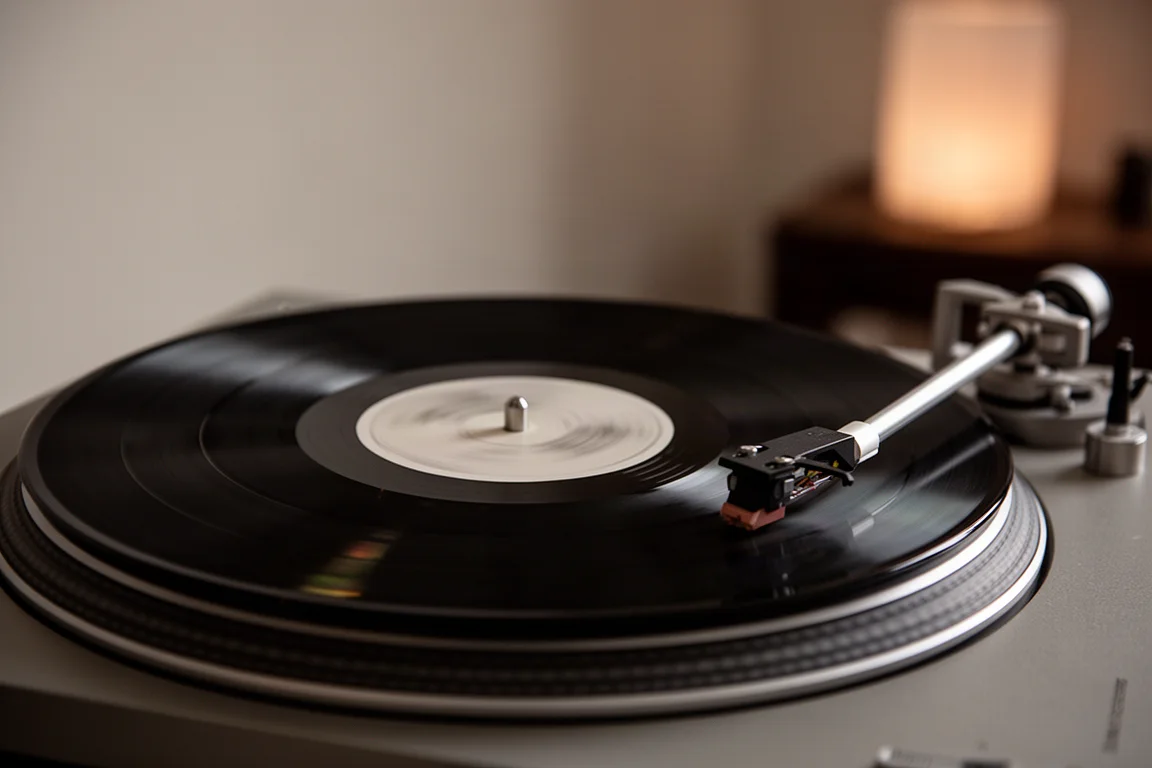
Practical ownership is straightforward once the quirks are understood. Run one source at a time to avoid the faint leakage between inputs, give the unit a sensible amount of ventilation, and pair it with a turntable and cartridge that suit its even tonal balance. A moving iron or moving magnet cartridge is a natural match for the phono input.
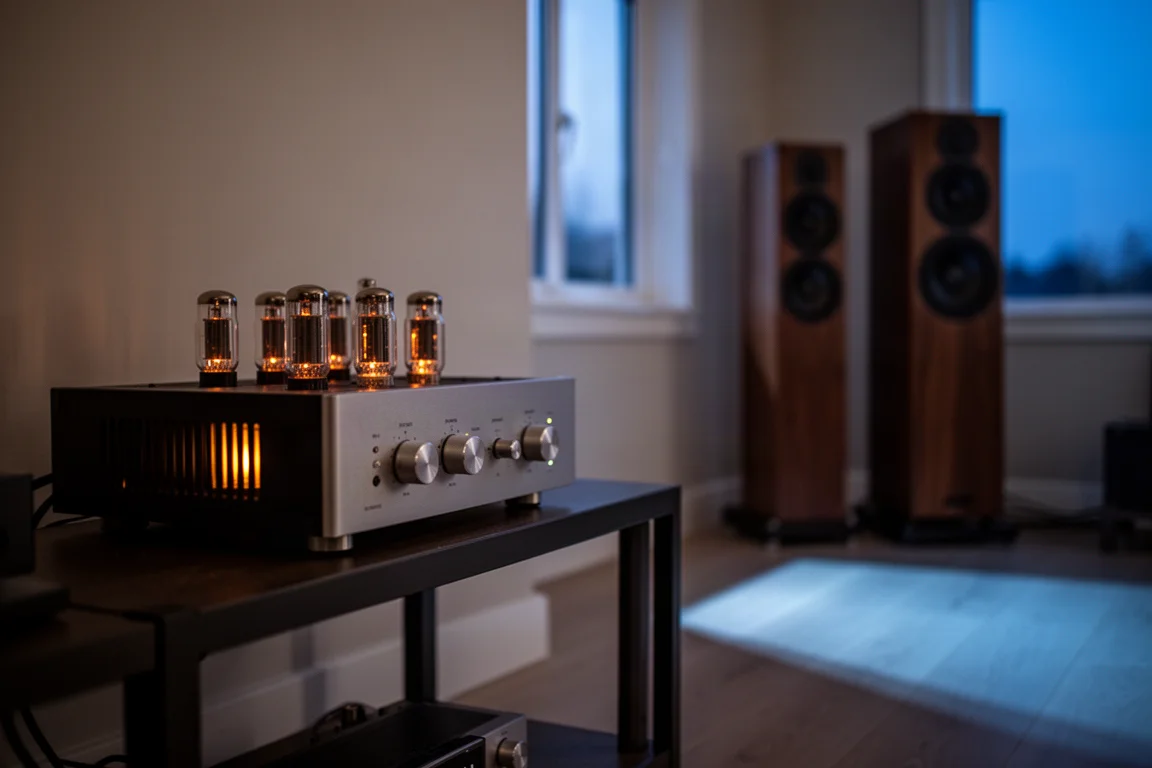
It also helps to decide what you are buying. Listeners who want the deepest, most heavily coloured tube sound may prefer a different design, while buyers drawn to the history, the panel layout and the idea of owning the model that launched stereo for Marantz will find that the 7C backs up its reputation with genuine performance.
Conclusion
The Marantz 7C earns its standing twice over. It is a landmark piece of design from 1958 that still looks ahead of equipment built years later, and it is a genuinely capable preamplifier that sounds contemporary rather than dated. Its zero feedback phono section, six 12AX7 tubes and unusually quiet operation make it far more usable than its age implies.
The trade-offs are honest ones: faint leakage between inputs when more than one source is running, and a tube character that favours balance over thickness. For listeners who value what this component represents and want a vintage preamplifier they can actually enjoy, the 7C remains a compelling proposition.
Product link
View more details for Marantz 7C
This product is mentioned in the review. Check the specifications, options, and compatibility before buying.
View more details for Marantz 7CFurther reading
Related Reviews
Vintage Hi-Fi
Modernizing a Marantz 2216: Three Streaming Upgrades for Vintage Hi-Fi
A practical look at the classic Marantz 2216 receiver and three streaming add-ons that bring modern convenience to a vintage system.
Vintage Hi-Fi
Realistic STA-2270 vs Yamaha CR-800: Two Vintage Receivers Worth a Look
Two Japanese-built vintage receivers with very different approaches to tone shaping, plus what to weigh before buying used gear with no warranty.
Vintage Hi-Fi
Vintage Infinity Speakers and a Harman Kardon AVR 235: Three Used Hi-Fi Finds Worth a Look
A practical look at the Infinity SM12, the Infinity SM125, and the Harman Kardon AVR 235, with the specs, used prices, and setup notes that matter before you buy.