Vintage Hi-Fi
Modernizing a Marantz 2216: Three Streaming Upgrades for Vintage Hi-Fi
A practical look at the classic Marantz 2216 receiver and three streaming add-ons that bring modern convenience to a vintage system.
Introduction
Bringing a vintage receiver back into everyday use does not have to mean a costly restoration project. When the speakers in a system are efficient, a modest classic receiver can still drive them with confidence, and a single modern streaming component can add the conveniences most listeners now take for granted.
This guide covers the Marantz 2216, a 16 watt per channel stereo receiver built between 1977 and 1980, along with three streaming add-ons that connect through its auxiliary input: the Bluesound Node, the Arylic S50 Pro+, and the Andover Audio Songbird. Each one offers a different balance of features, price, and simplicity.
Marantz 2216: A Classic Receiver With Real Strengths
The 2216 is a straightforward design by modern standards. It offers a couple of analog inputs, a built-in phono preamp, an AM/FM tuner, and the ability to power two sets of loudspeakers through push-pin style binding posts. Original retail was $240, which works out to roughly $800 in today’s money.
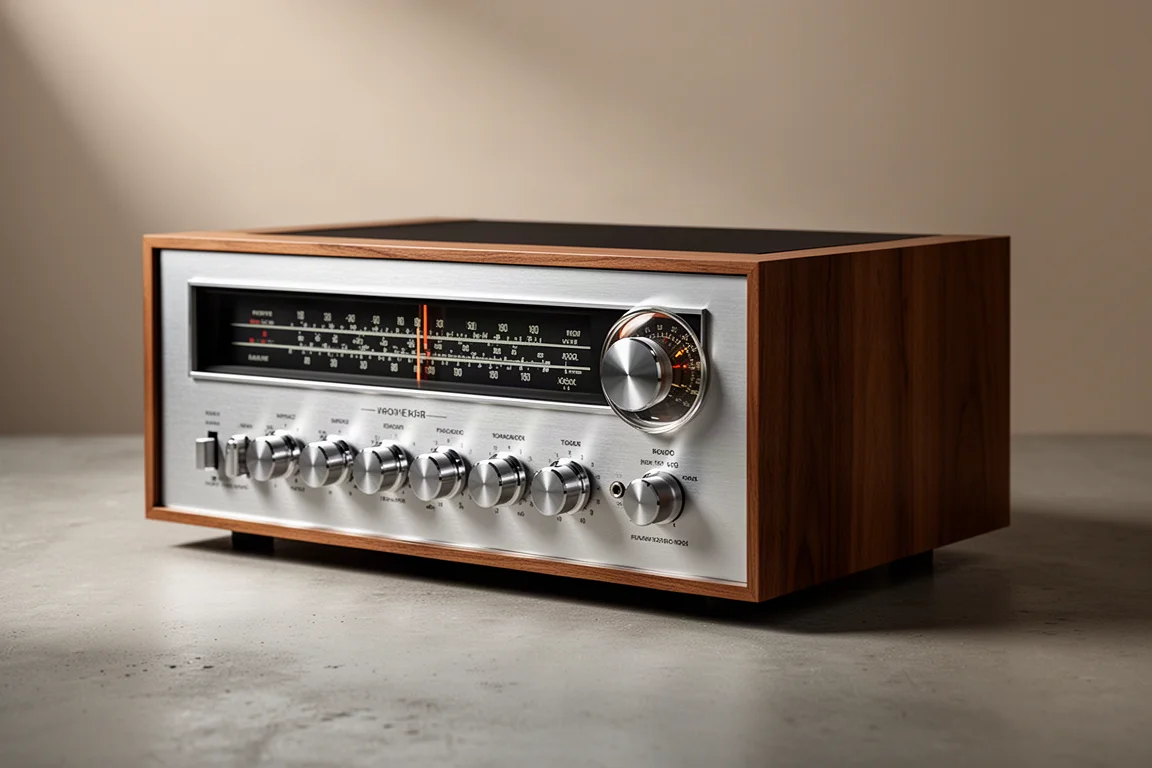
Its appeal is not only functional. The silver face and chunky chrome knobs give the 2216 a visual presence that most current receivers cannot match, and it includes manual controls for treble, bass, balance, and loudness rather than burying those adjustments in a menu.
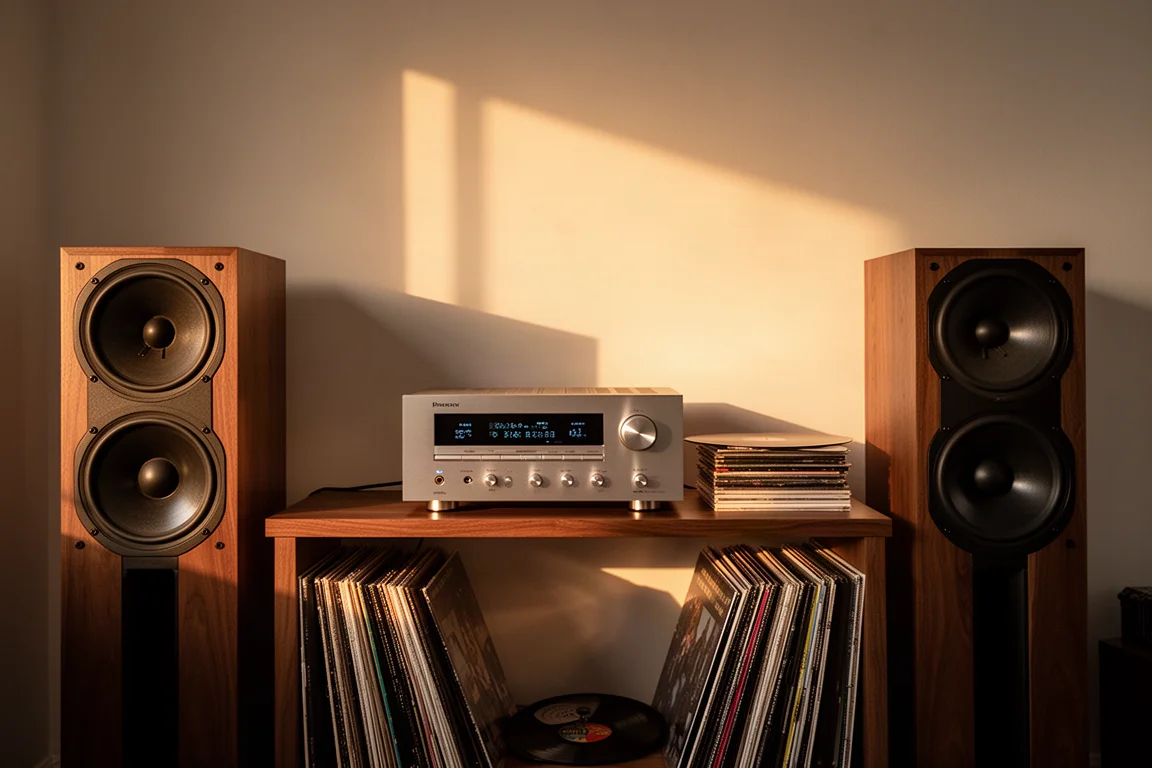
Because it is easy to drive, the 2216 suits high-sensitivity speakers. It handles loads above roughly 4 ohms with a sensitivity of 88 dB or higher without complaint, and it has no trouble with horn-loaded designs or larger modern tower speakers.
Used prices have risen in recent years, but the 2216 remains one of the more affordable classic Marantz stereo receivers. Well-sorted examples generally sell for between $500 and $1,000 depending on the seller, while parts-quality units can start near $100 and fully restored examples can reach around $999.
What the 2216 Sounds Like
Vintage equipment varies, and the two biggest variables are the age and condition of the specific unit. In good condition, the 2216 produces bass that is firm, deep, and reasonably dynamic, though it may give up a little focus and definition. Speakers with solid bass delivery will play deep, but the finest textures may not resolve with the same clarity as modern equipment.
The midrange sits relatively neutral, sometimes a touch laid back or smooth, which makes for a soothing rather than forward presentation. Turn the volume up and the receiver still delivers a sense of excitement, and it works well across a wide range of music for casual listening.
Treble is the clearest indicator of condition. An airy, smooth top end that is not overly forward suggests the unit is working properly. Noise, fizz, distortion, or missing highs are a sign that service is due.
Soundstage performance offers good width and depth with surprising center fill, provided the speakers are capable of the same. Absolute separation and focus are a little softer than what modern gear delivers, but nothing sounds vague or unclear.
Things to Know Before Buying a 2216
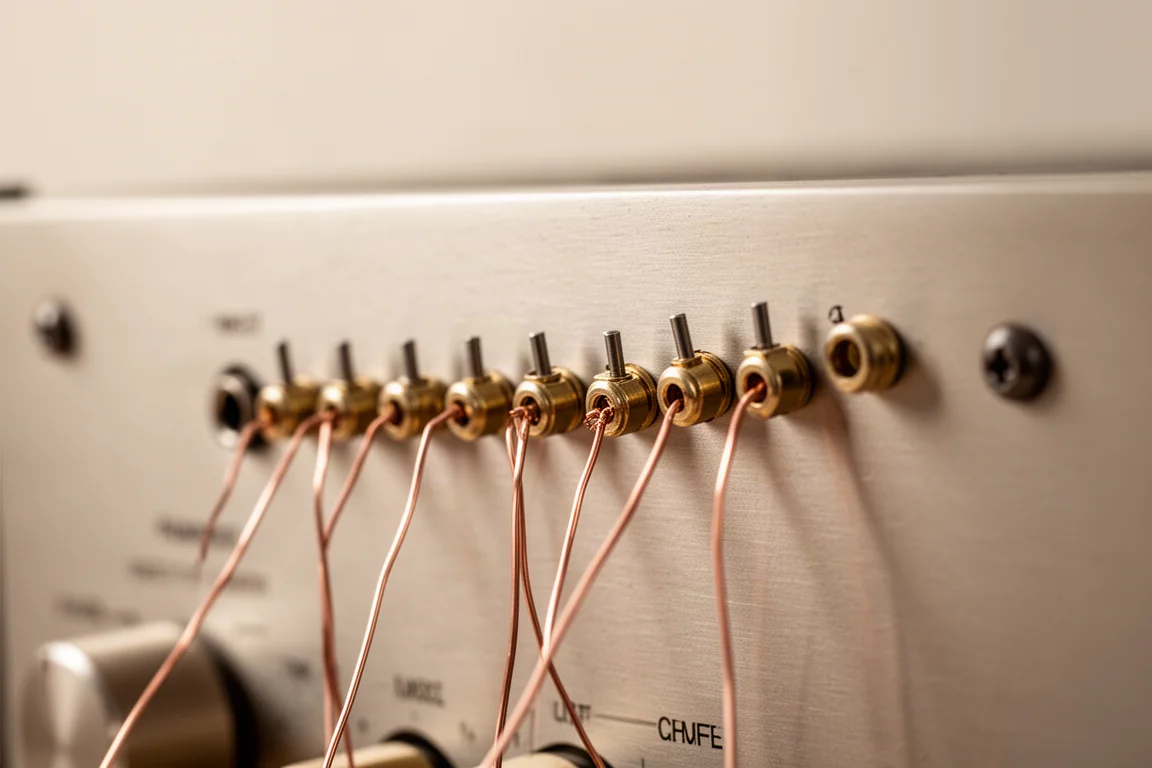
The push-pin binding posts are very small. Thick speaker cable, such as 12 gauge bare wire, can be difficult to connect, so 14 or 16 gauge wire is the practical choice. Swapping the push pins for traditional five-way binding posts is a reasonable upgrade if you want more flexibility.
The tuner performs at roughly the same level as the tuner on the costlier Pioneer SX-780. The phono preamp is genuinely good and makes a fine starting point for a first vinyl setup, and the auxiliary input leaves room for a CD player or a music streamer.
Keep in mind that there is no remote power on and off. A smart outlet can handle that if it matters to you, but otherwise the receiver needs to be switched on by hand.
Condition is the other major consideration. No two vintage receivers perform alike, and power-up noises are a normal part of the experience, though unusually loud or changing noises can point to a unit that needs attention. Buying from a seller who can describe the service history makes a real difference.
Streaming Option 1: Bluesound Node
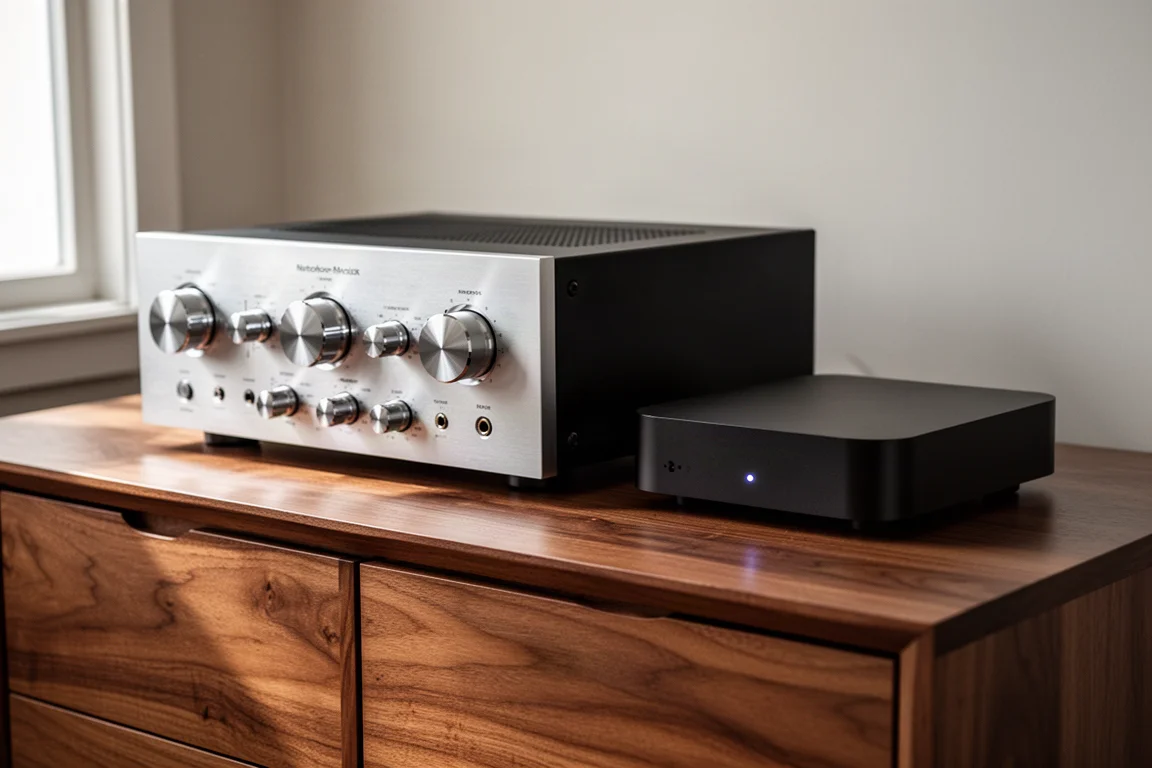
Connecting the Node to the 2216’s single auxiliary input transforms what the receiver can do. The Node adds HDMI connectivity, and it also brings remote control to a receiver that never had any.
The trick is to set the Marantz volume high, around three o’clock or full, so the Node effectively treats the 2216 as a power amplifier. Volume can then be adjusted from a smartphone using the BluOS app, or from a TV remote when HDMI control is enabled. It is a genuinely convenient arrangement, with one important caveat: turn the Marantz volume back down before switching to the phono preamp or the tuner.
The Node also allows a subwoofer to be added to the system, which is a meaningful upgrade for anyone running a 2.0 or 2.1 setup. Streaming is handled through BluOS, with support for high-resolution audio and MQA files from Tidal. It does not change the fundamental sound of the Marantz. It also makes it possible to fold a vintage rig into a whole-home distributed audio system, as long as the receiver is left powered on.
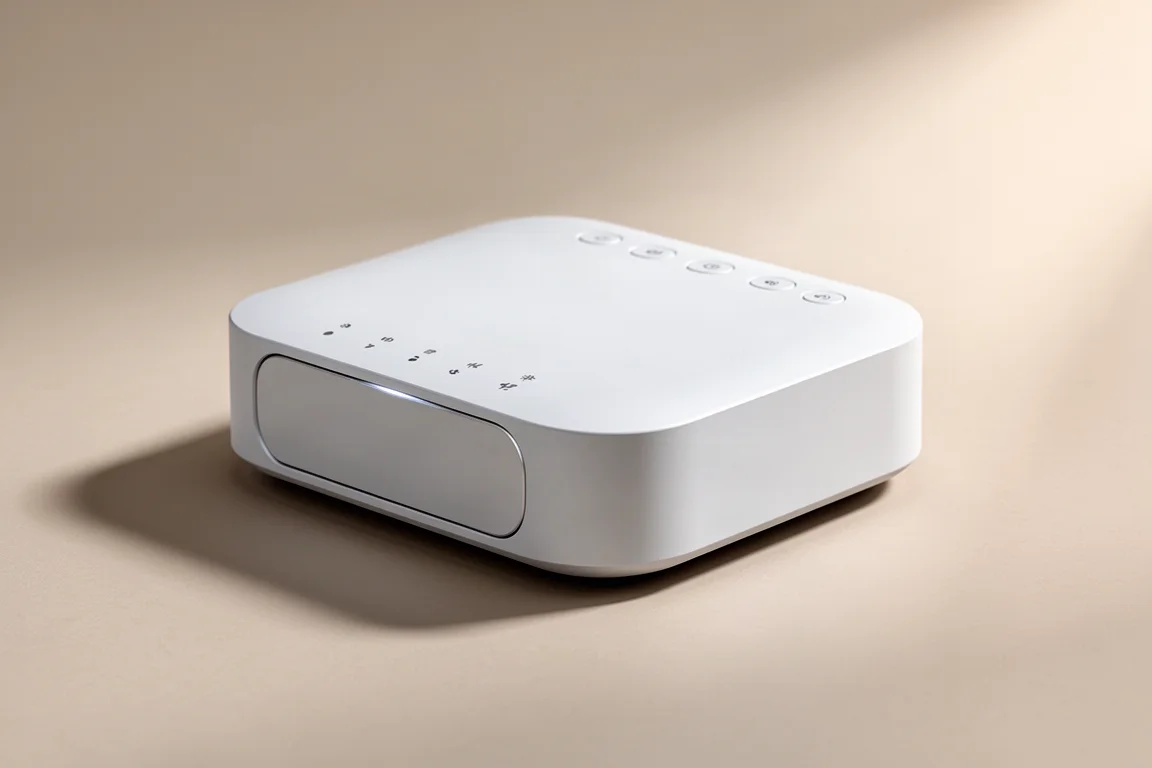
Streaming Option 2: Arylic S50 Pro+
For roughly $200, the Arylic S50 Pro+ delivers the lion’s share of what the Node offers at about half the price. It is the budget-minded choice that still covers the essentials.
If HDMI connectivity and subwoofer support are not priorities, the Arylic makes a strong case for itself. It pairs well with vintage receivers and is simple to integrate through an auxiliary input.
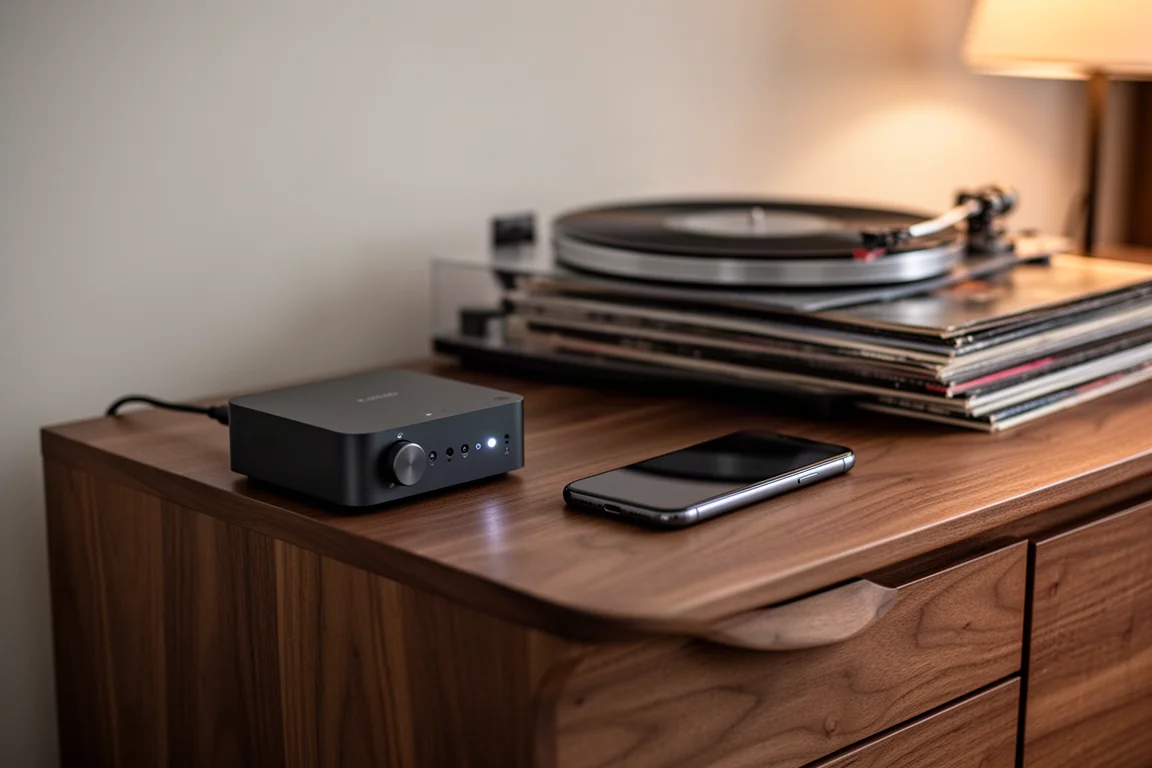
The Node is the better product overall, but the gap is smaller than the price difference suggests. For listeners who mainly want to stream music through an older receiver, the Arylic covers the job without much compromise.
Streaming Option 3: Andover Audio Songbird
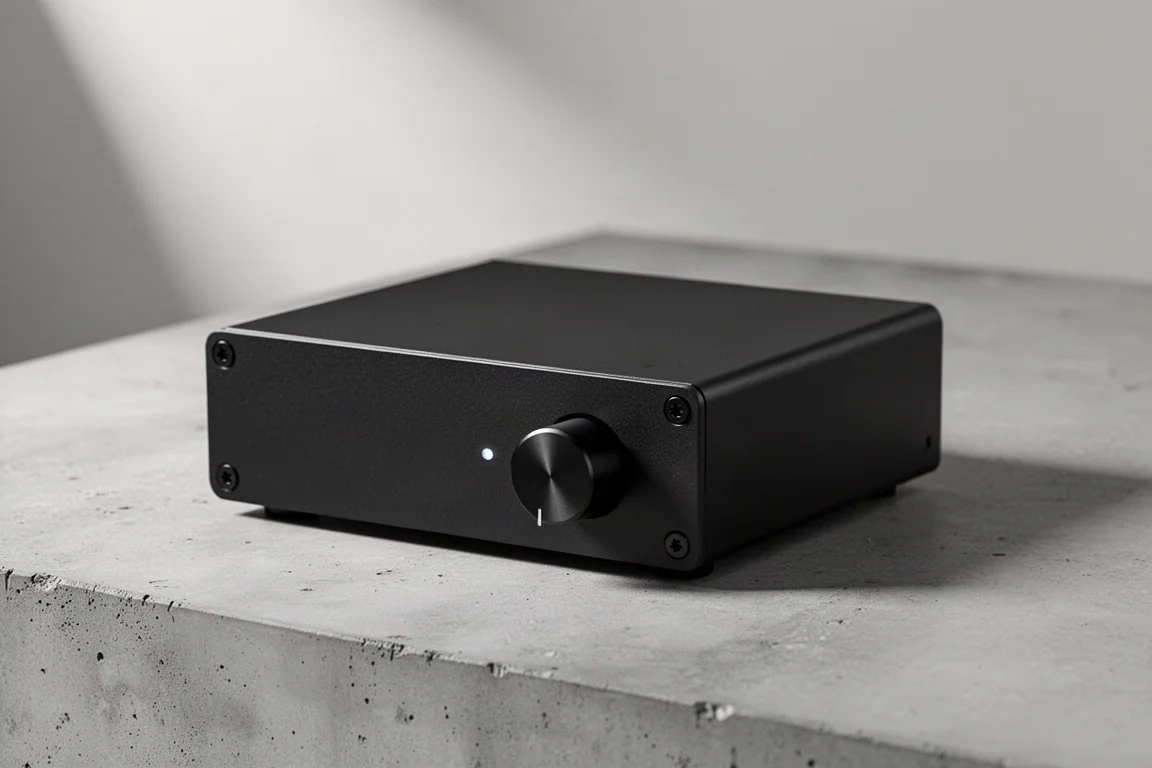
The Songbird is essentially a stripped-down version of the Arylic, and it uses the same app. If you already own an Arylic product, your existing hardware will recognize the Andover streamer as another Arylic device, which keeps everything under one control system.
It is the option to consider when the goal is to spend as little as possible while still adding streaming to a vintage setup. Like the other two, it connects through an auxiliary input and works with any vintage receiver.
Buying Advice
All three streaming solutions work with any vintage receiver and pair especially well with receivers from Marantz and Pioneer. The right pick comes down to how much you value features versus price.
The Node cannot be beaten for the most comprehensive feature set, and its remote control behavior and subwoofer output make it the most flexible option. The Arylic S50 Pro+ is the value pick at roughly half the cost, and the Songbird is the most economical route for anyone who wants streaming without extras.
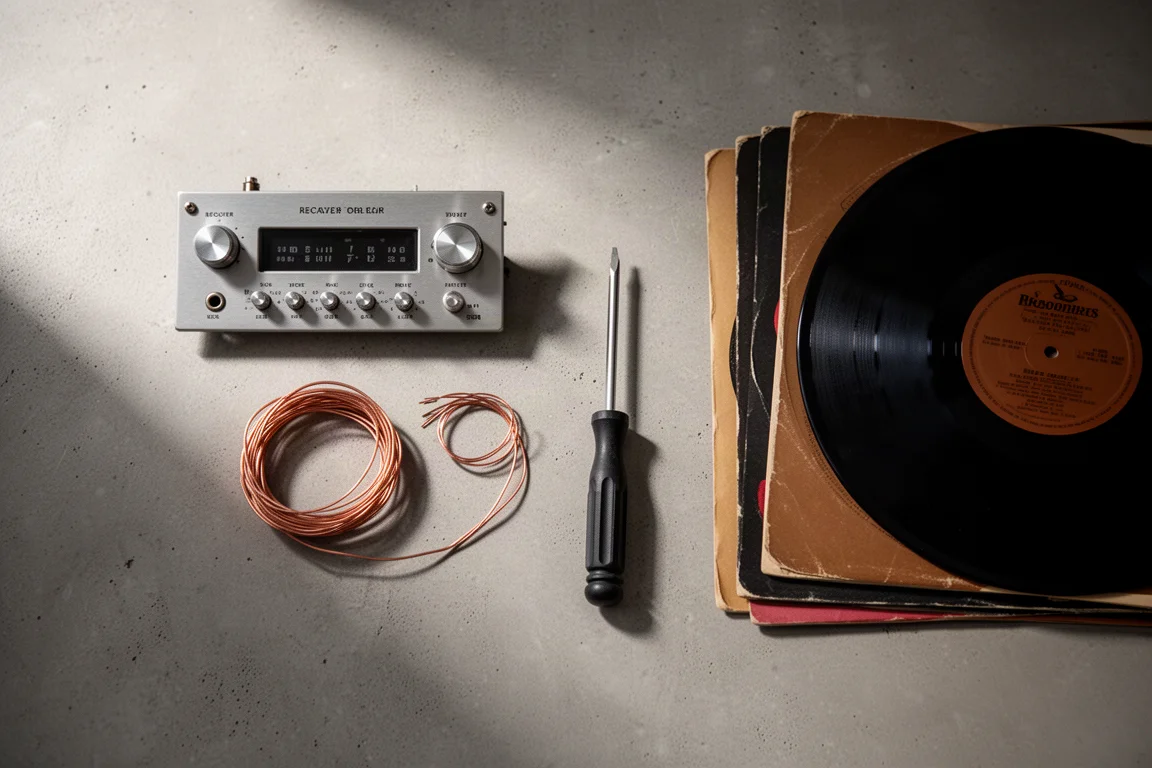
It is also worth being honest about the vintage side of the equation. Old equipment is often easier to work on than newer products, which is part of its appeal, but that only helps if you have access to a repair shop or are comfortable doing the work yourself. Buying secondhand does not always mean saving money either, so shop carefully and be clear about the experience you want.
Conclusion
A well-chosen streaming component can make a 40-year-old receiver feel current again without altering its character. The Marantz 2216 remains a capable and stylish foundation for an efficient speaker system, and adding a Node, an S50 Pro+, or a Songbird through its auxiliary input is a simple way to enjoy modern convenience alongside classic sound.
Further reading
Related Reviews
Vintage Hi-Fi
Marantz 7C Review: The 1958 Stereo Preamplifier That Still Sounds Contemporary
A close look at the Marantz 7C, the 1958 tube preamplifier that launched stereo for the brand, including its zero feedback phono stage, front panel controls, sound character and the quirks to expect.
Vintage Hi-Fi
Realistic STA-2270 vs Yamaha CR-800: Two Vintage Receivers Worth a Look
Two Japanese-built vintage receivers with very different approaches to tone shaping, plus what to weigh before buying used gear with no warranty.
Vintage Hi-Fi
Vintage Infinity Speakers and a Harman Kardon AVR 235: Three Used Hi-Fi Finds Worth a Look
A practical look at the Infinity SM12, the Infinity SM125, and the Harman Kardon AVR 235, with the specs, used prices, and setup notes that matter before you buy.