Home Audio
Vintage Beolab 4000 Upgrade Guide: Modern Grilles, Streaming, and Bass
A practical look at updating a pair of vintage Bang & Olufsen Beolab 4000 speakers with aftermarket wood grilles, a modern streamer, and a subwoofer, plus the current models worth comparing against.
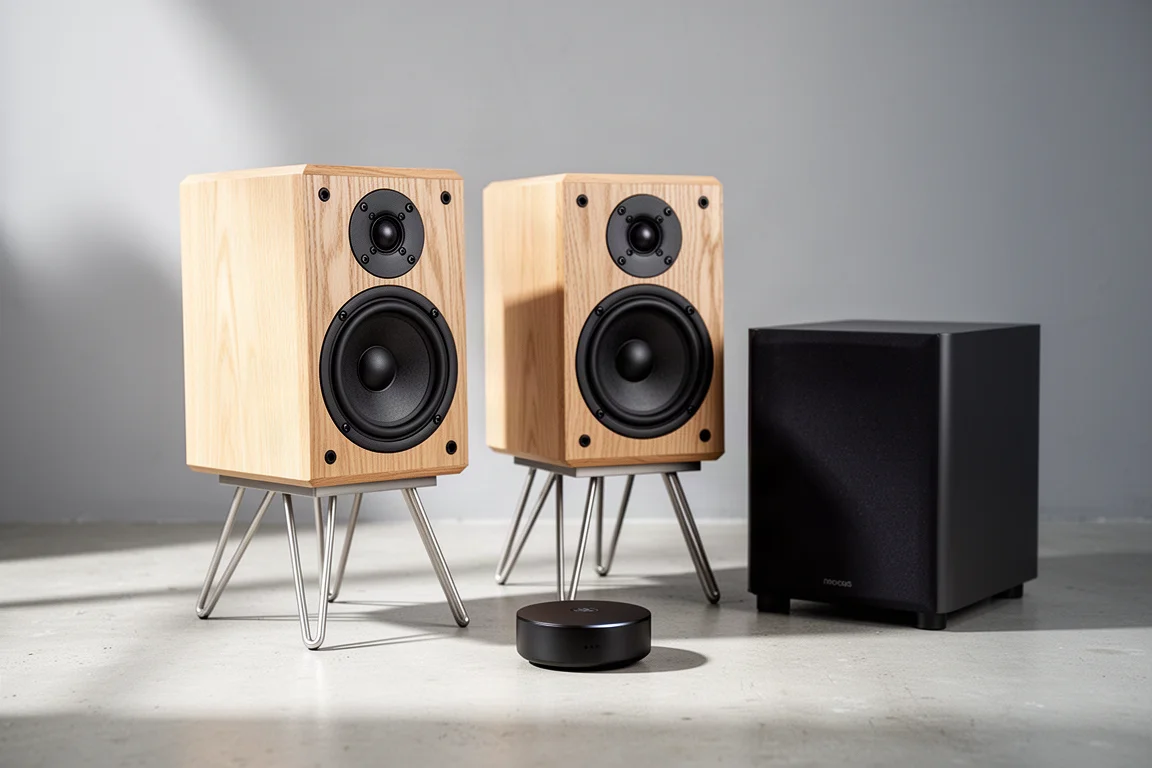
Introduction
Bang & Olufsen has spent decades building speakers that people keep. The Beolab 4000, a compact two-way powered bookshelf model from the mid 1990s, is one of the clearest examples: it still looks modern enough to sit in a current living room, and it still sounds good enough to build a system around.
The interesting question is whether a pair of these can be brought closer to what the company sells today. Modern Bang & Olufsen products lean heavily on app control, streaming, and room tuning. Vintage models do not. With the right accessories, though, the gap narrows more than most people would guess.
This guide covers the parts of that path: the Beolab 4000 itself, the official hub Bang & Olufsen sells for older products, a third-party streaming alternative, a subwoofer that changes the equation, and the two current speakers that make the most sense as a comparison.
Bang & Olufsen Beolab 4000: The Vintage Starting Point
The Beolab 4000 is a class A/B powered two-way monitor. A one-inch soft dome tweeter handles the top end, paired with a woofer of roughly four inches, for a reported frequency response of about 50 Hz to 20 kHz. Maximum SPL is rated around 97 dB. That is genuinely loud, but distortion rises noticeably as you approach that ceiling. In practice most listening happens well below 80 dB, where the speaker stays composed.
Room size matters more than raw output. The 4000 works best in small to medium spaces. It can serve as a main pair, but it is at its most convincing as a centre channel, as surrounds, or on a desktop where you are not asking it to fill a large room.
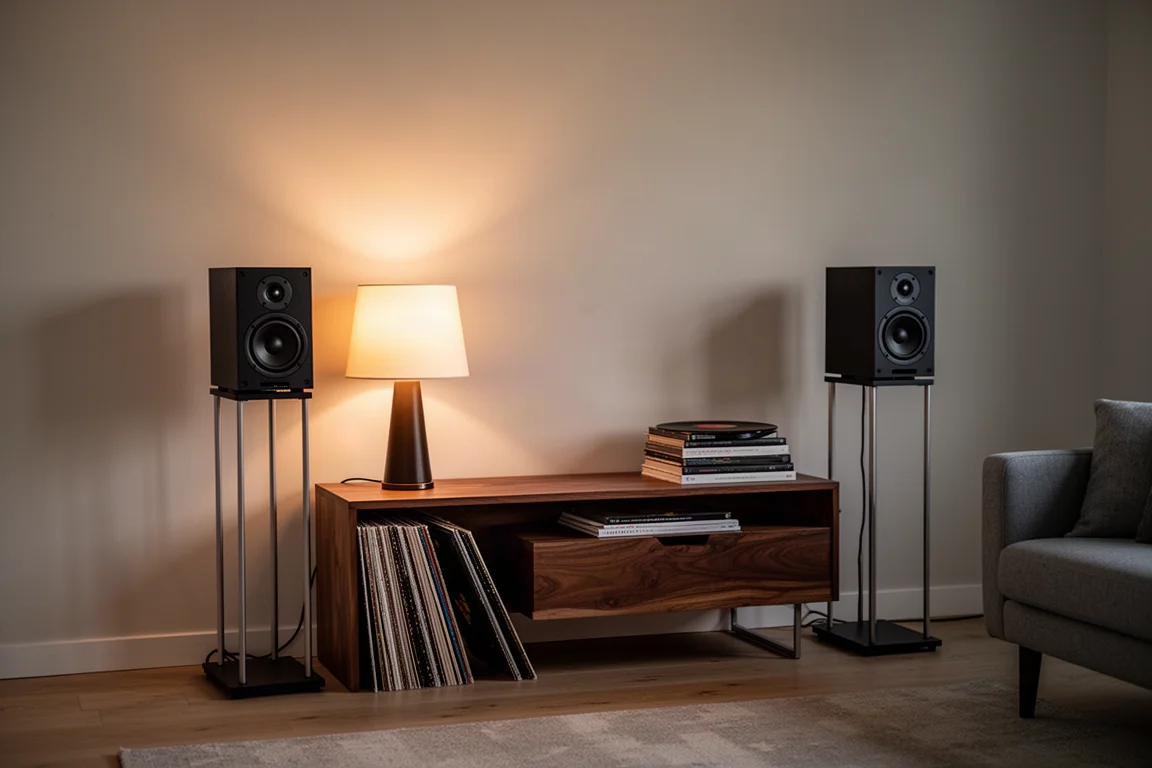
Connections are more flexible than the age suggests. The speaker accepts Bang & Olufsen’s proprietary Powerlink cable, and it also takes a standard line-level or RCA feed. That second option is what makes modern accessories possible, because it lets the speaker work with ordinary hi-fi and AV gear rather than only with other Bang & Olufsen components.
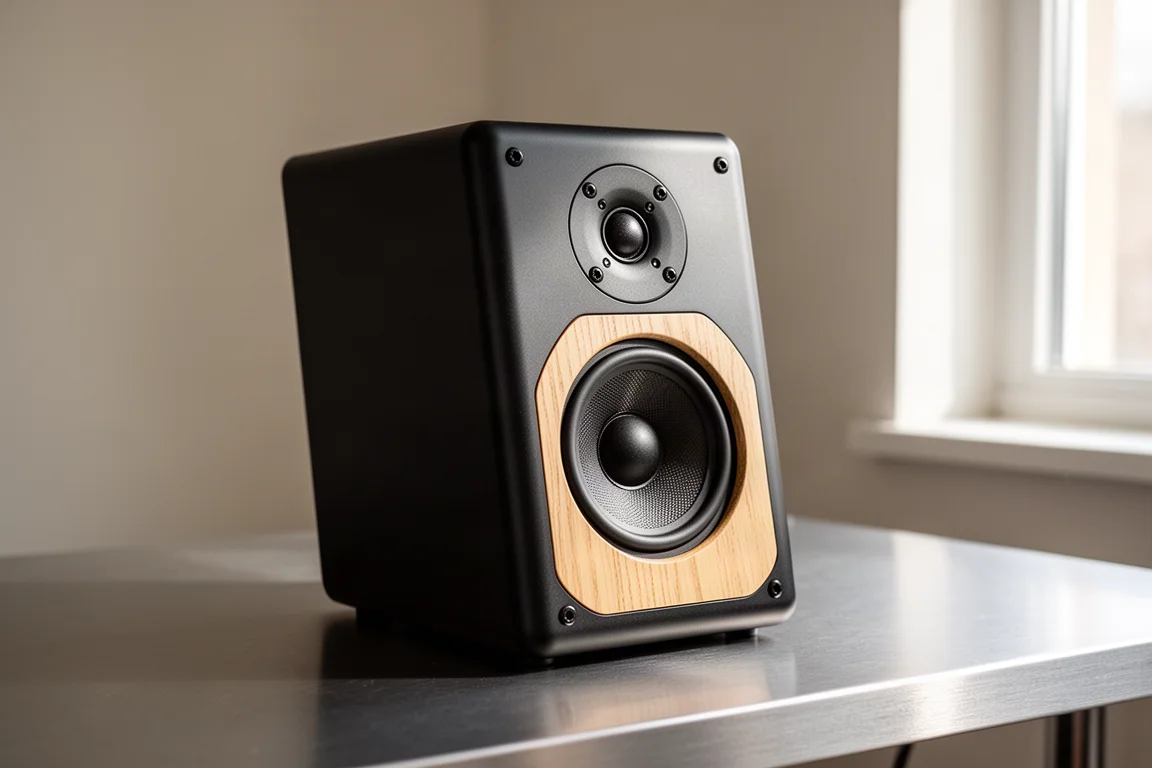
Cosmetically, the original black finish has aged well. The grilles are the weak point. Aftermarket wood grilles made for vintage Bang & Olufsen speakers are available, and they are designed to look almost identical to the wood grilles on current models. They attach magnetically, as if they had been specified at the factory. A pair runs about $500 in the United States, which is not cheap, but a used pair of Beolab 4000 speakers typically costs around $500 as well, so the total can still land under $1,000.
Bang & Olufsen Core: The Official Modernisation Route
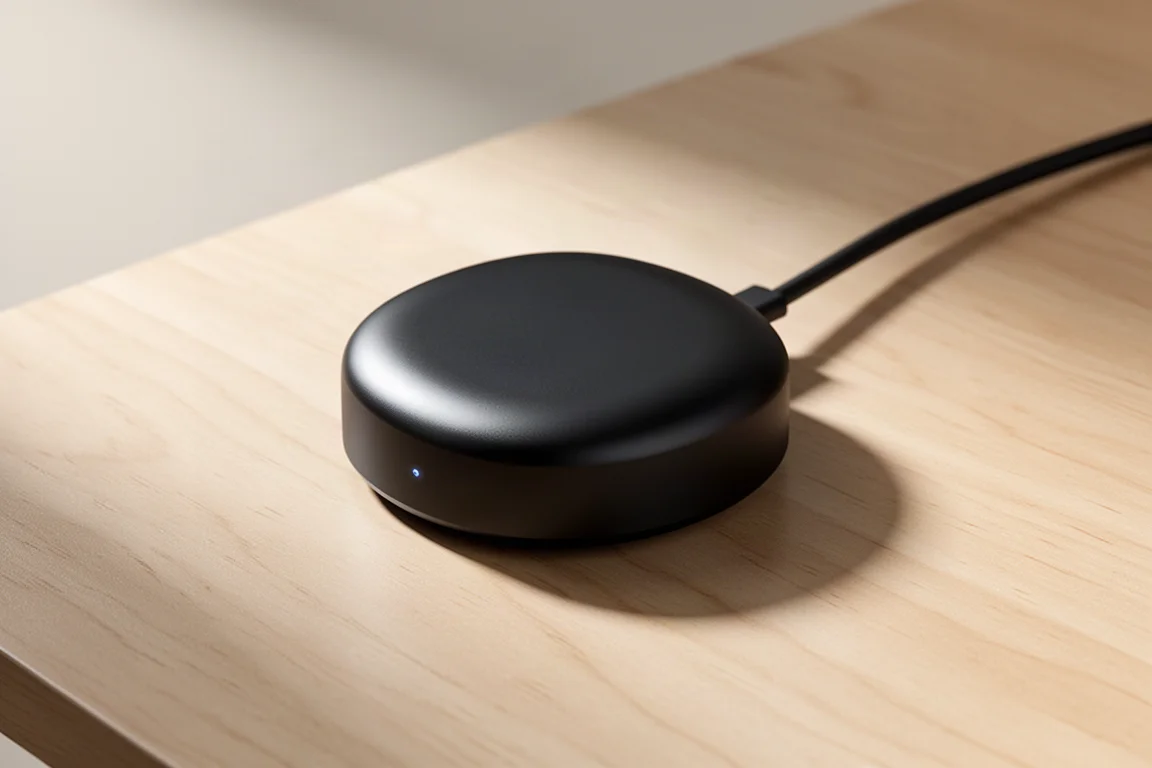
The Core is a small, puck-shaped hub that acts as a new brain for older Bang & Olufsen products. It brings vintage speakers into the current app ecosystem, so they can be seen and controlled alongside modern models.
Its ports look similar to Ethernet sockets but are not, which means vintage gear needs adapter cables to connect. Once everything is wired up, the Core allows AirPlay streaming, direct streaming from a phone, and pairing with other Bang & Olufsen products for a whole-home distributed audio system. It is a genuinely useful accessory for anyone blending old and new hardware.
There is one significant limitation. The app’s tuning dial, which lets you shape the sound of modern Bang & Olufsen speakers by dragging a finger around a virtual control, does not extend to 1990s-era models. Tone controls are available, but the deeper DSP customisation is not. For a device that costs around $1,000, that omission is hard to overlook if sound shaping is what you were hoping for.
Bluesound Node: A More Flexible Hub
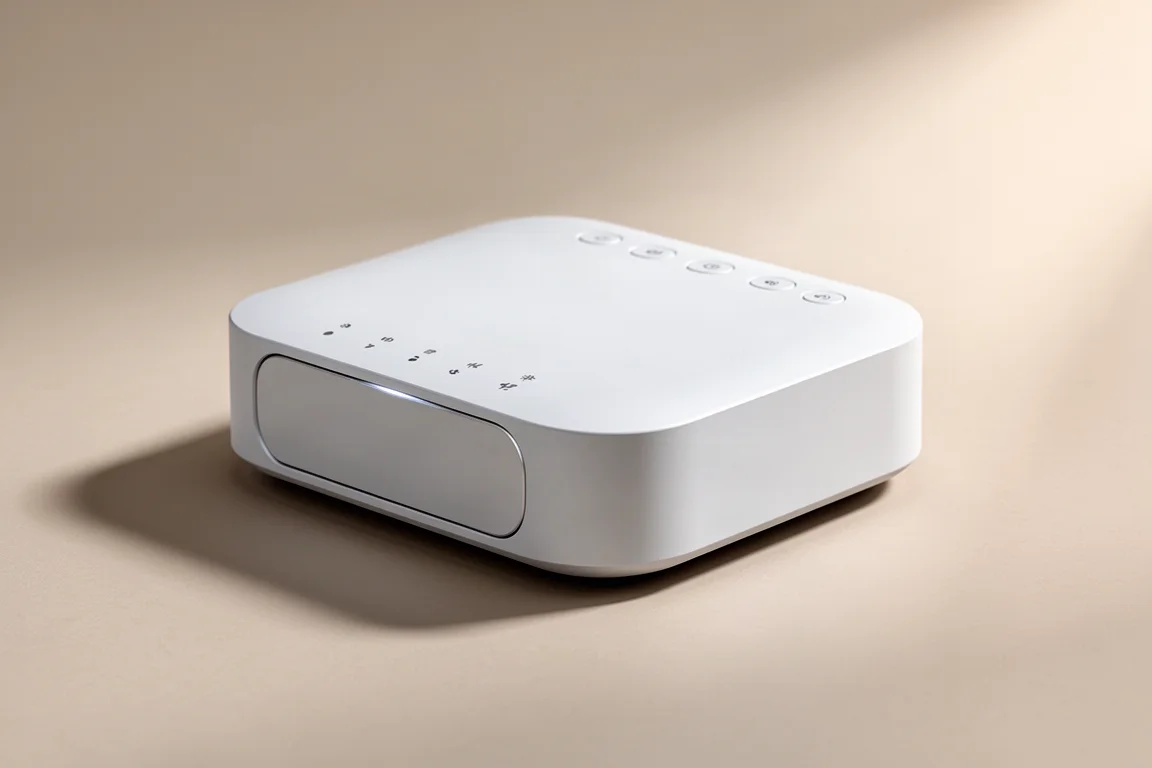
Most vintage Bang & Olufsen speakers from the 1990s, the Beolab 4000 included, have line-level inputs, and that makes them straightforward to connect to a network streamer. The Bluesound Node takes full advantage of that.
It offers broader streaming capability than the Core, adds HDMI connectivity, and includes a dedicated subwoofer output with crossover filters configured inside the BluOS app. That last feature matters enormously for a small bookshelf speaker, because proper bass management is what lets you add a subwoofer without muddying the midrange.
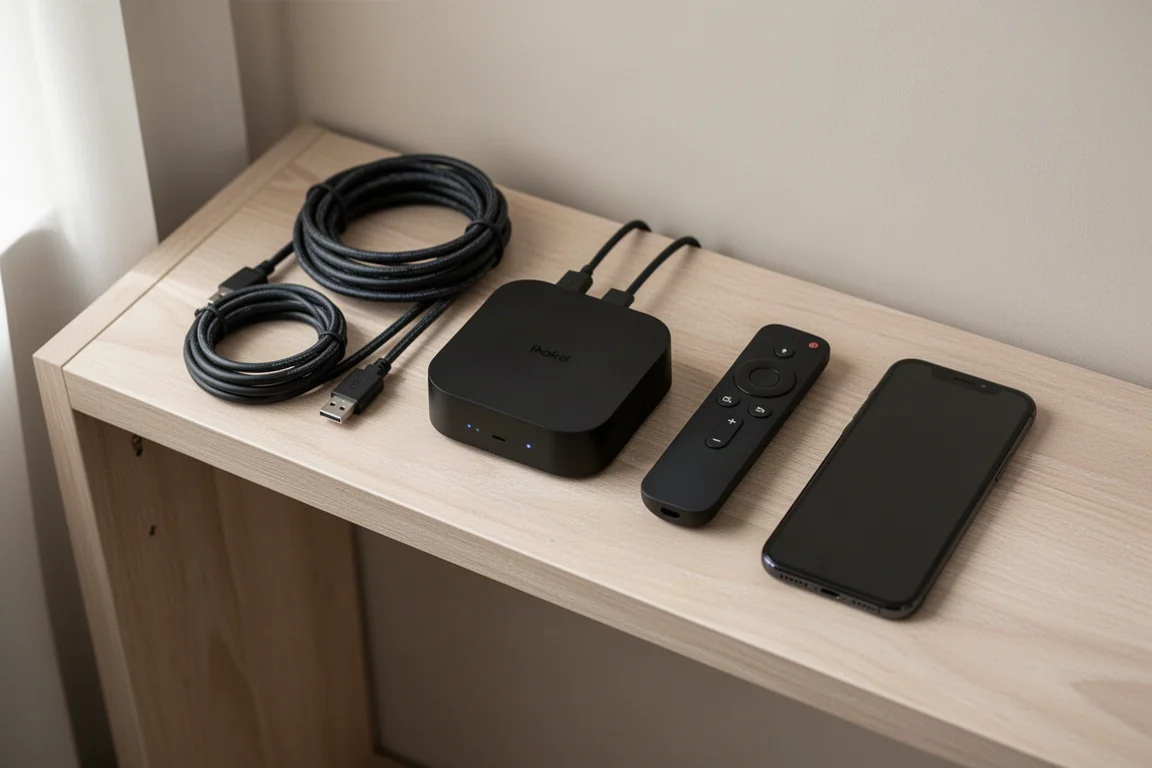
Cost is the other argument. The Node sells for roughly half the price of the Core, and it delivered more of what the vintage pair actually needed. For a system built around line-level inputs, it is the more practical hub of the two.
Klipsch SPL-100: Bringing Real Low End
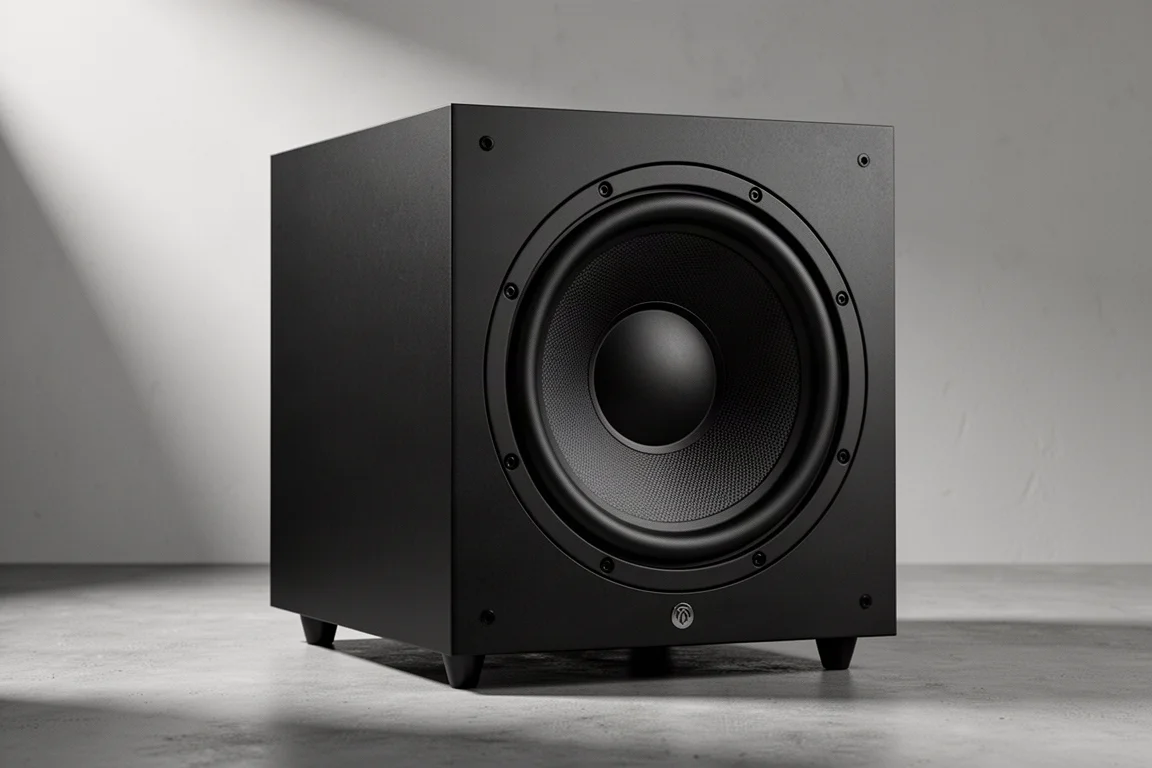
A small two-way speaker with a reported response down to 50 Hz will always leave something on the table at the bottom. Adding a capable subwoofer such as the Klipsch SPL-100 addressed that directly, and the effect on the overall system was substantial.
With the subwoofer in place, the decades-old Beolab 4000 pair came surprisingly close to the Beolab 28 in its narrow mode for clarity and transparency. The vintage speakers were not identical, and they were not better, but the difference was far smaller than the age gap would suggest. If anything, the older speaker sounded slightly warmer and less digital in character.
That result is worth weighing carefully, because it came from a complete system that cost under $2,000 all in.
Bang & Olufsen Beolab 28: The Modern Benchmark
The Beolab 28 is the reference point for this whole comparison. It is one of the finest loudspeakers Bang & Olufsen has produced, and it represents what the company’s current engineering can do.
Its biggest advantage over a vintage setup is flexibility. The app’s tuning dial lets you shape the sound to taste, and narrow mode gives the speaker a specific presentation that suits certain rooms and placements. That level of control simply is not available on a 1990s model, even with the official hub attached.
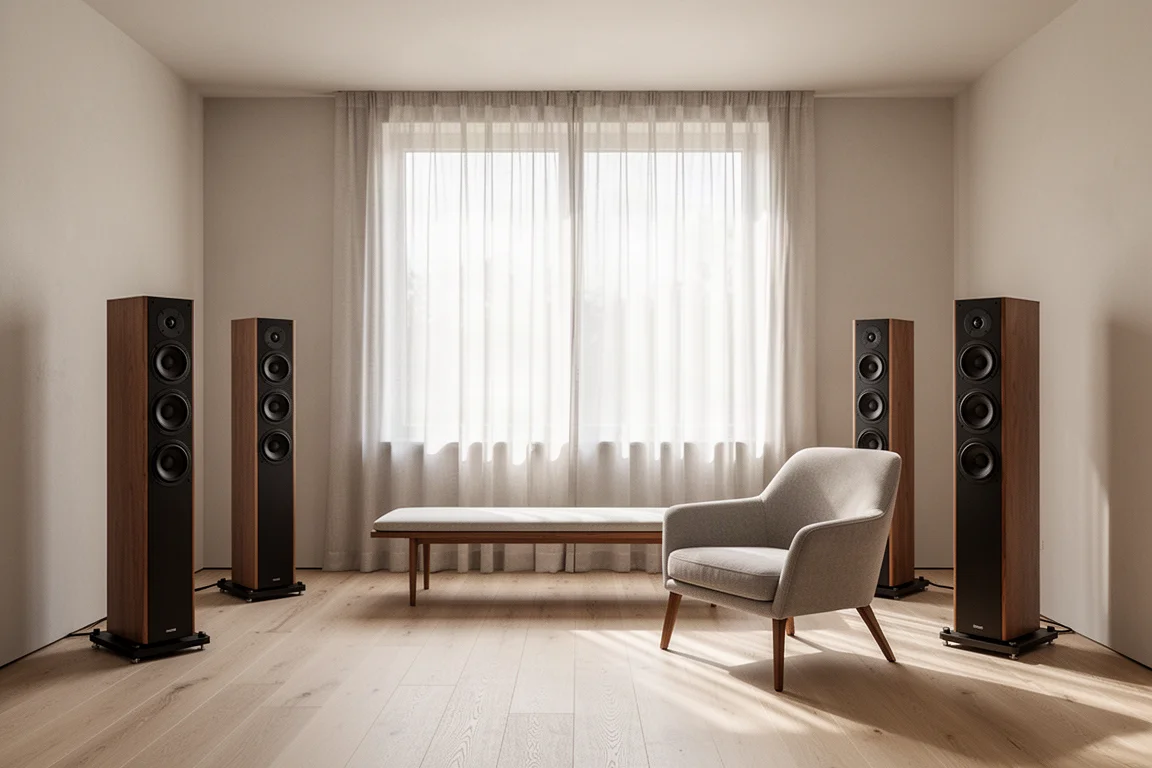
The Beolab 28 also has the advantage of being new: no secondhand risk, no out-of-warranty repairs, and no hunting for parts. It remains the better speaker overall, and the gap in tuning and flexibility is the clearest reason why.
Bang & Olufsen Beosound Level: The Closest Current Equivalent
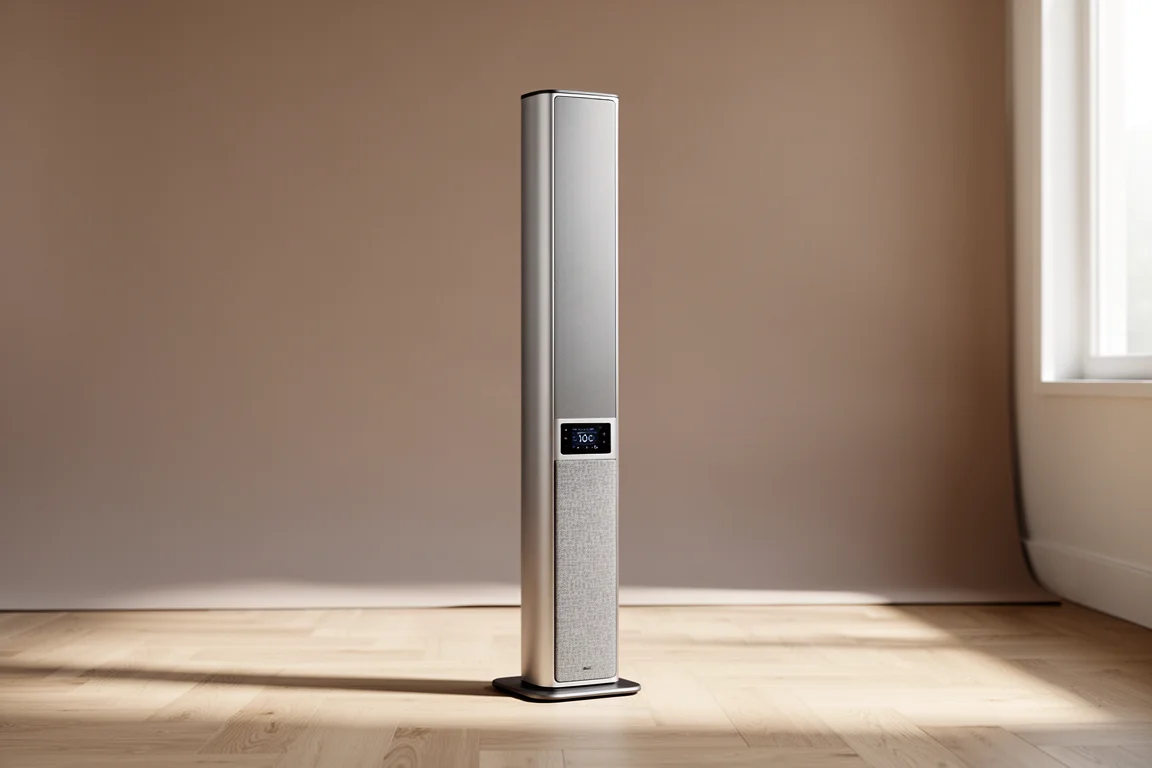
There is currently no direct descendant of the Beolab 4000 in the lineup. The Wi-Fi-enabled model that followed it has since been discontinued, leaving a gap that some within the Bang & Olufsen community see the Beosound Level filling.
The comparison holds up reasonably well. Two Beosound Level units can be paired for proper stereo imaging, and the speaker does not require a hub like the Core to reach full app support. It is more flexible than the vintage pair and carries more future-facing connectivity. For anyone who wants the spirit of the 4000 with modern convenience built in, a pair of these is the closest thing available.
Buying Advice for Vintage B&O
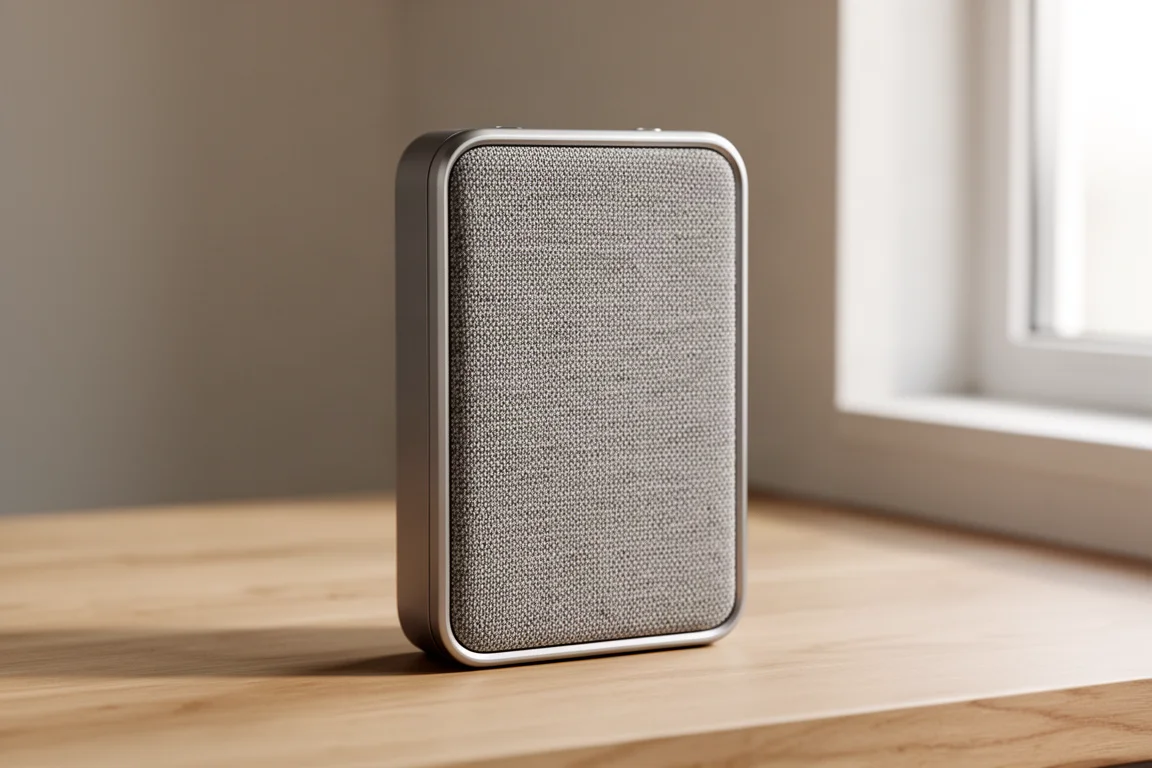
Going the vintage route means accepting a few realities. You are buying secondhand, out of warranty, and there is likely to be some trial and error along the way. A community of enthusiasts online can help, but it is not the same as buying new.
Condition is everything. If you cannot inspect a pair in person, insist on detailed photographs. Confirm that the speakers power on, and check the drivers for foam rot. Many cheap listings on the used market look fine until you examine the drivers, which have often perished. Re-foaming is possible if you are comfortable with that kind of work, but it is not a job for everyone. Paying a little more for a clean pair is usually the better decision.
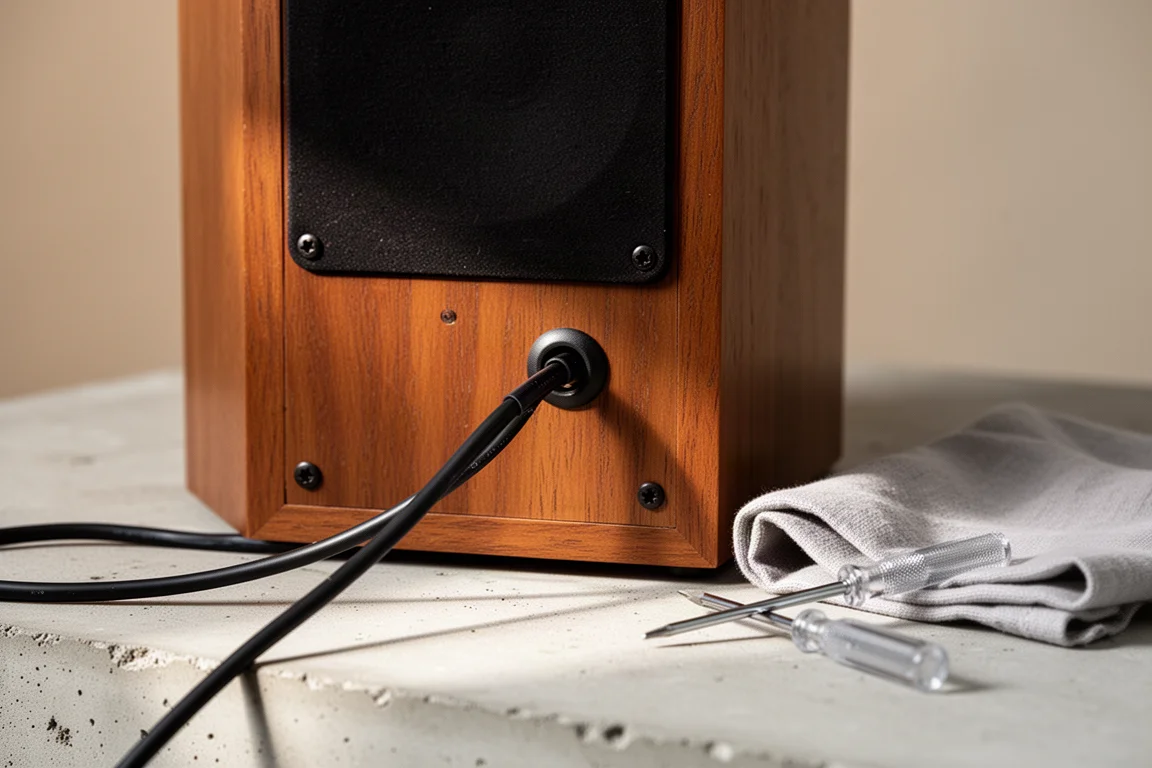
Repairs are another consideration. An amplifier failure can cost more to fix than simply buying another used pair, which is worth knowing before committing. Stands for the Beolab 4000 are also unusually hard to find and can end up being the most expensive part of the project. Availability varies sharply by region, with far more choice in Europe than in the United States.
If you enjoy tinkering and want a distinctive system for a modest outlay, the vintage path can be genuinely rewarding. If you would rather plug something in and be finished, a current model is the simpler answer.
Conclusion
So can a vintage pair of Beolab 4000 speakers be made to look and sound like a Beolab 28? On looks, the answer is largely yes: modern wood grilles make a 25-year-old speaker look current. On sound, the answer is more nuanced. The vintage pair, matched with a streamer and a subwoofer, came closer to the modern speaker than expected, particularly in clarity and transparency, but it did not surpass it.
What the exercise does show is that a well-chosen pair of older Bang & Olufsen speakers, a flexible streamer, and a competent subwoofer can deliver a great deal for a fraction of the cost of new flagship hardware. That trade-off is worth understanding before you decide which route suits you.
Further reading
Related Reviews
Home Audio
Aperion Novus Tower and Center Review: Punchy Home Theater Sound With Real Refinement
A close look at the Aperion Novus tower and center speakers, from their layered paint finish and punchy bass to the 4-ohm load and what the price actually buys.
Home Audio
Arendal 1610 Tower Review: Flagship Dynamics in a Room-Friendly Tower
A compact floorstanding tower with three 8-inch aluminium woofers, a 5-inch carbon midrange, and the kind of bass heft usually reserved for much larger speakers.
Home Audio
Arendal 1723 S THX Review: A Reference Speaker Built Like a Tank
A practical look at the Arendal 1723 S THX, a sealed, THX-certified speaker with exceptional build quality, a very flat top end, and a midrange that responds beautifully to EQ.