Hi-Fi Amplifiers
Vincent SV-237 Mark II Review: A Hybrid Integrated Amplifier With Class A Warmth
A tube preamplifier stage, a solid-state power section with a heavy Class A bias, and a built-in DAC for GBP 2,499. Here is what the Vincent SV-237 Mark II does well, and where it holds back.
Introduction
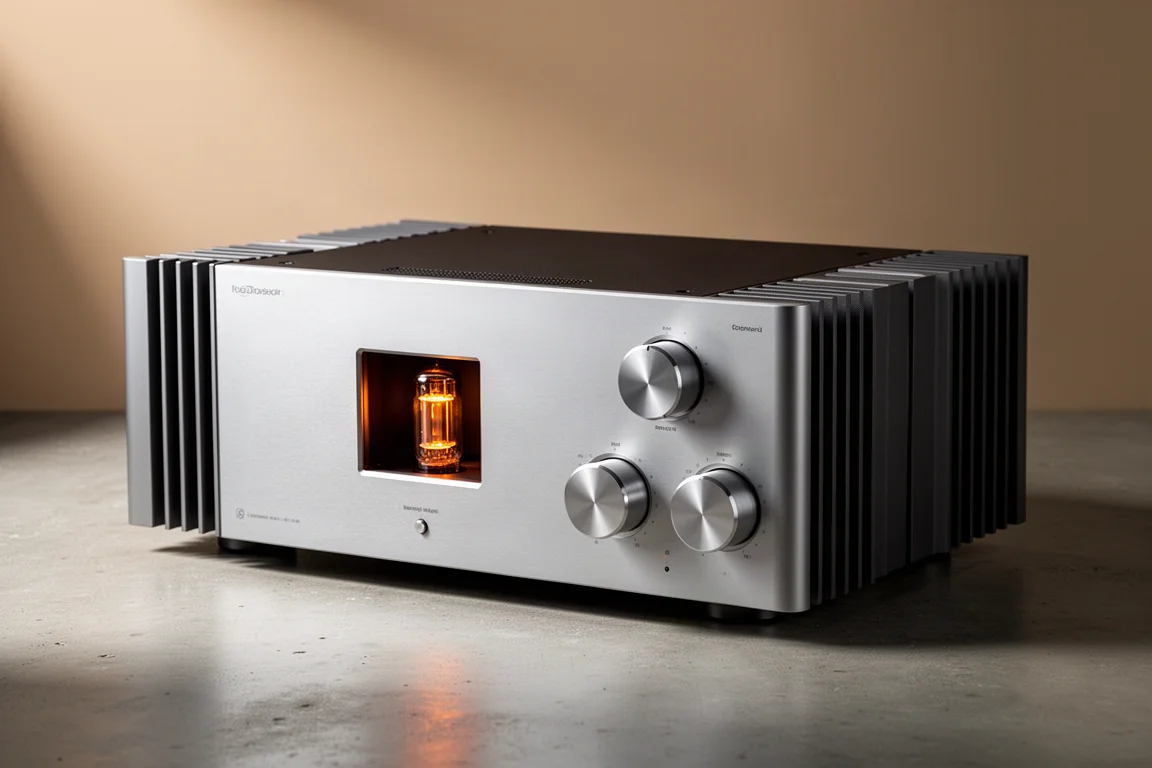
Hybrid amplifiers that pair a tube preamplifier stage with a transistor power stage are relatively uncommon, and the Vincent SV-237 Mark II adds a second twist. Its power amplifier runs with a heavy Class A bias, which is visible in the heat sinks that run along both sides of the chassis. The first 10 watts are delivered in pure Class A, and with moderate or high sensitivity speakers most listening happens below that threshold.
Vincent is a small German manufacturer, and the SV-237 Mark II is the third incarnation of this model despite the Mark II name. It also includes a built-in DAC, a headphone output, and a full set of analog and digital inputs, all for GBP 2,499. On paper that is a lot of amplifier for the money. The reality is more nuanced, but there is a great deal to like.
Physically, this is a substantial component. It uses a standard chassis width, stands 152 mm high, measures 435 mm deep, and weighs 20.4 kg. Anyone with a shallow rack should measure before ordering, because depth is the dimension that causes trouble. It also takes several seconds to come to life after power-up, since the tubes need to warm up.
Who This Amplifier Is For
The SV-237 Mark II is aimed at listeners who value a full bodied, liquid midrange above all else, and who want to listen for long sessions without fatigue. It also suits anyone who prefers a single box that covers digital and analog sources, Bluetooth, headphones, and a subwoofer or external power amplifier through its preamplifier outputs.
It is a less obvious choice for listeners who chase maximum micro detail, or who want the open, holographic presentation that the best zero feedback triode designs are prized for. The SV-237 Mark II goes for a particular type of sound, and it rewards the right partner equipment.
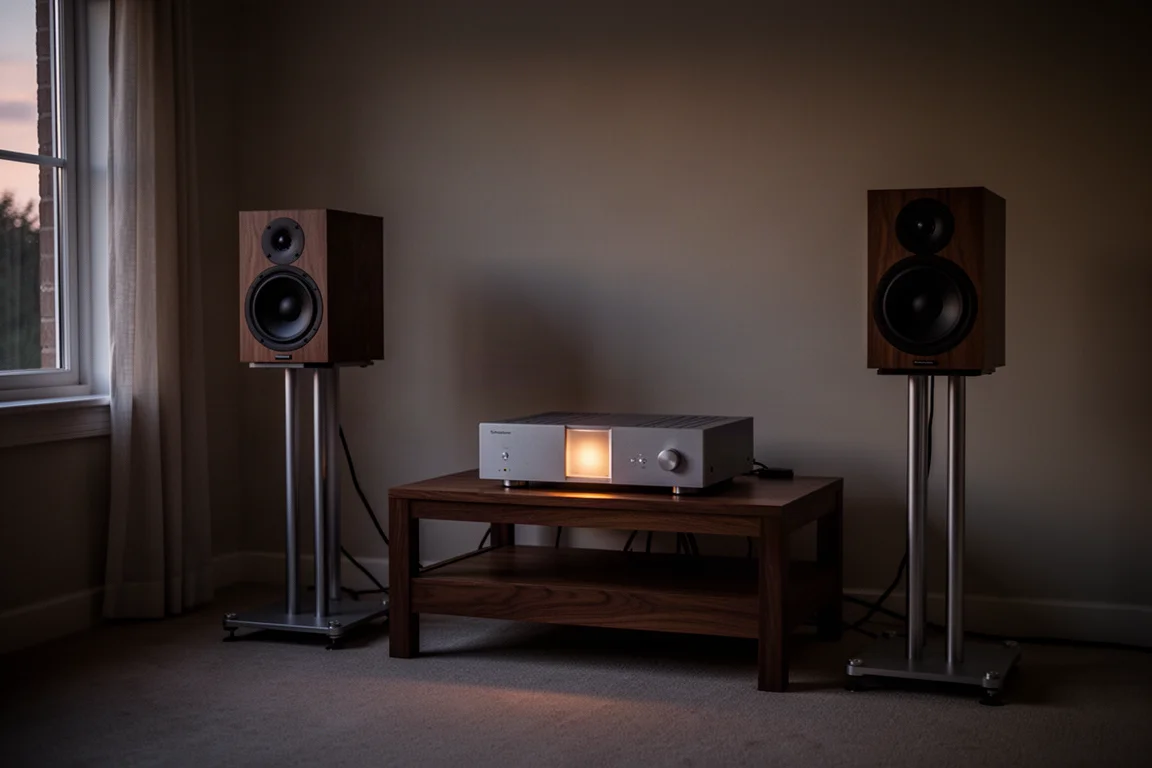
Anyone building a system around this amplifier should think about speakers first, because the pairing matters more here than it does with a neutral, all rounder design.
Design and Build Quality
The amplifier looks striking in silver, with a symmetrical front panel and a window that lets you see one of the tubes in the preamplifier section. A black finish is also offered.
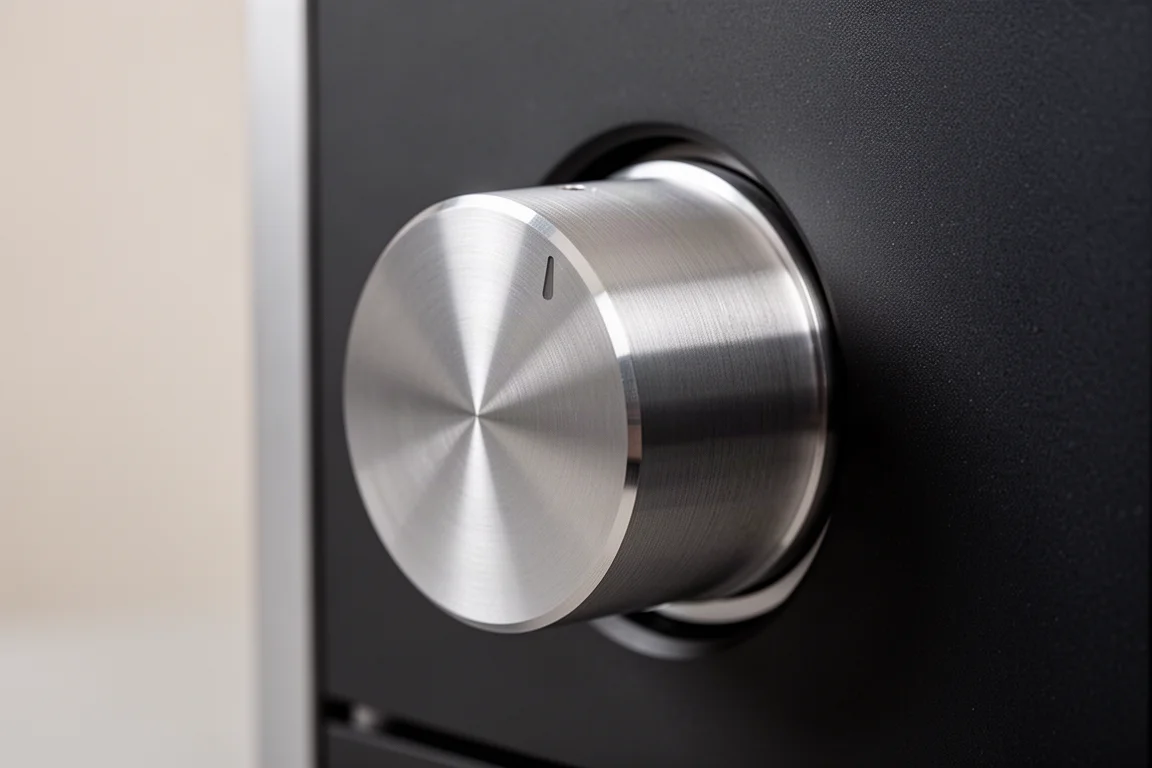
The control layout is generous. Bass and treble dials are engaged with a tone button, and there is a loudness button that augments bass and treble at low listening levels. A 6.25 mm headphone jack sits alongside them. On the right, one dial selects inputs and toggles through the digital and analog connections, including Bluetooth, while the volume dial has a pleasing resistance. The dials appear to be aluminium rather than the plastic many manufacturers use to save money. The remote control is aluminium as well.
At the rear there is one coaxial and one optical digital input, three line level RCA analog inputs, an output for recording devices, and preamplifier outputs for external power amps or powered subwoofers. Two sets of speaker binding posts are provided, but they are not switchable, so they serve wiring convenience rather than letting you run two pairs of speakers at once.
Inside the Chassis: Tubes, Class A Bias, and Power
One 12AX7 and two New Old Stock Russian 6N1P dual triode tubes provide voltage gain in the preamplifier section. Tubes are inherently more linear devices than transistors, which means designers do not have to apply as much negative feedback to keep them linear across a wide frequency range. That matters because many designers believe heavy negative feedback introduces time smearing in highly resolving systems, most audible as limits on soundstage width and imaging precision. Triodes are typically the most linear tube type of all.
Tubes are less accomplished at delivering current, though, and that is where the solid state section takes over. The power amplifier is specified at 150 watts per channel into 8 ohms and 250 watts per channel into 4 ohms, running in Class AB, with the first 10 watts delivered in pure Class A. That bias is significant, because most listening with moderate and high sensitivity speakers stays inside that window, and Class A operation eliminates crossover distortion. Crossover distortion arises when one transistor hands the signal to another, and it can sound grainy or hard if an amplifier is not designed well. In Class A, each transistor handles the entire signal.
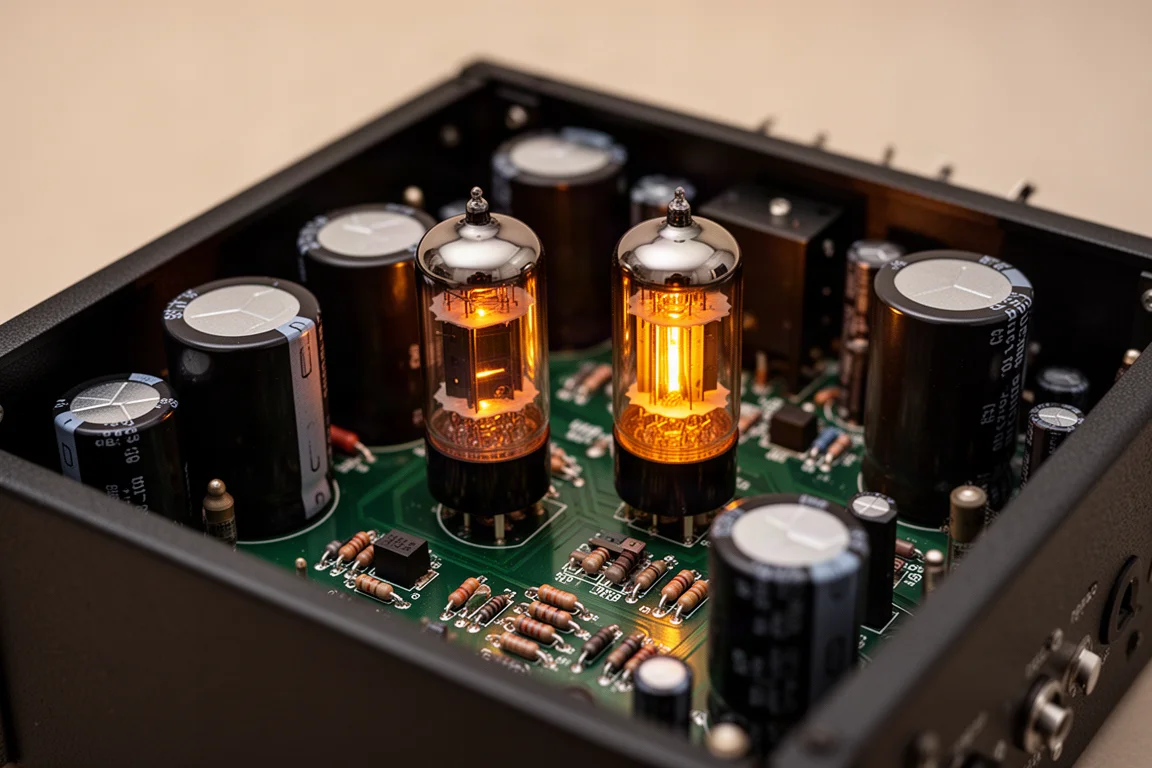
Inside, the layout reflects where the money went. A large power transformer sits in its own housing to reduce noise, with additional metal shielding to stop interference reaching the sensitive preamplifier stage. The amplifier uses fully discrete through hole components rather than tiny surface mount parts, which handle power and heat dissipation better. Wima capacitors are used, and each side carries four output devices mounted to the heat sink plus power supply filter capacitors of 10,000 microfarads each, for 20,000 microfarads per side. The digital board is fairly basic, since it only handles S/PDIF signals over coaxial and optical connections, and it is built around a Burr Brown PCM5102 chip.
Main Strengths: A Smooth, Fatigue-Free Sound
The SV-237 Mark II has a distinct voice rather than a neutral, consensus tuned one. It sounds warm, with a full bodied midrange that is liquid smooth, and it can be listened to all day without any hint of fatigue. That fluidity is exactly what a lack of crossover distortion tends to produce, and it is the amplifier’s defining quality.
It is not a sleepy or boring sound, either. Bass performance is solid and keeps tracks moving, with a well judged balance between weight and definition, so the rhythm section is delivered with authority. Listeners who want an amplifier that stays composed over long sessions will find a lot to like here.
Speaker Pairing and System Matching
Speaker choice has an outsized effect on how this amplifier performs. A pair of Amphion Argon 1 standmounts, a benchmark below GBP 1,500, proved a good start, and their slight leanness in the midrange was nicely fleshed out by the Vincent.
The best results came from the GBP 2,000 JBL 4309. Its treble adjustment was raised to the +1 dB setting to counteract the darker nature of the amplifier, and its horn loaded tweeter added vigour to the mids and highs without ever sounding shouty or aggressive. The result pulled the SV-237 Mark II back from its laid back character towards something more upright and energetic, while keeping the smoothness and warmth that deserve praise.
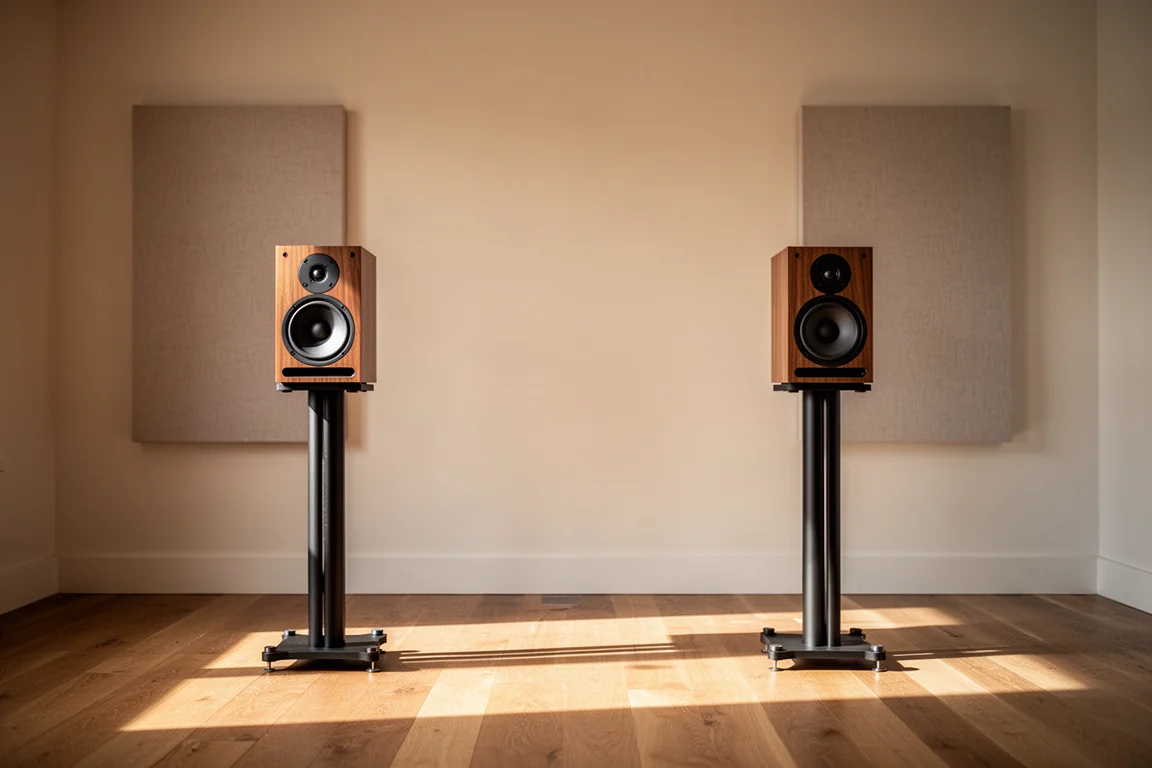
A larger standmount with a more forthright character did not fare well, and the amplifier’s limits in resolving midrange and high frequency detail became too apparent. The general guidance is to pair this amplifier with something on the lively side. Klipsch and B&W models would be interesting candidates, though neither was on hand for testing. Given the hefty power supply and the available power, driving speakers with awkward impedance curves should not be a problem.
Things to Consider Before Buying
The main criticism concerns detail. Midrange and high frequency detail retrieval is good rather than exceptional. Vocals and lead instruments do not step out of the mix as prominently as they do with many amplifiers at this price, which gives the presentation a more laid back feel, as though you are seated a little further from the performance. That easy going nature is part of the appeal, but it also means the amplifier will not challenge the class leaders at retrieving micro details, whether that is the transient at the leading edge of a note, the small reverberations inside a note, or the decay of harmonics higher up the range. There is also a touch of vagueness to imaging, and the location of performers is not quite as locked down as with the best amplifiers at this price.
Two comparisons are worth noting. A sub GBP 2,000 solid state favourite delivers less bass slam, but it outshines the Vincent for resolving ability and even handed tonality while retaining some warmth and smoothness. A valve amplifier running upgraded tubes shares the SV-237 Mark II’s rich tonality and similar bass weight, with marginally less control, but is slightly less warm and more revealing in the mids and highs, with a more immersive soundstage. Neither will suit every listener better than the Vincent, which pursues a specific character.
On digital sources, the internal DAC turned out to be a better tonal match for the amplifier section than a considerably more expensive external DAC. The internal DAC does not limit the amplifier’s performance, and its more even handed balance suited the amplifier’s character well. That is a pairing observation rather than a claim that a modest DAC beats a high end one.
Practical points also matter. At 435 mm deep and 20.4 kg, this amplifier needs a solid shelf with enough depth. It takes a few seconds to become ready after switching on. The two sets of speaker binding posts are not switchable. And the tone and loudness controls, useful as they are, mean the signal path is not as purist as a bare line stage.
Buying Advice
Below GBP 2,500 it is difficult to find another amplifier built as well, or with as complete a feature set, as the Vincent SV-237 Mark II. The window in the front panel that offers a peek at the preamp tubes adds real visual appeal for listeners who enjoy that.
The trade off is a specific voicing. Buyers who want the last word in detail retrieval and razor sharp imaging should look elsewhere. Buyers who want a warm, liquid midrange, solid bass, plenty of Class A and Class AB power, and a genuinely complete feature set should put this amplifier on their shortlist and budget for lively speakers to go with it.
With that pairing in place, the SV-237 Mark II is an easy amplifier to live with over long listening sessions.
Conclusion
The Vincent SV-237 Mark II is a well built hybrid integrated amplifier that combines a tube preamplifier stage with a substantial solid state power section running a heavy Class A bias. It does not extract as much information from recordings as the class leaders, and it does not offer the open, holographic presentation that the best tube amplifiers promise. What it does offer is a liquid smooth midrange that can be enjoyed endlessly without fatigue, backed by enough power to drive the speakers most people are likely to own, and a warmth that sets it apart from many alternatives.
If those traits match what you are looking for, this amplifier is well worth considering.
Product link
View more details for Vincent SV-237 Mark II
This product is mentioned in the review. Check the specifications, options, and compatibility before buying.
View more details for Vincent SV-237 Mark IIFurther reading
Related Reviews
Hi-Fi Amplifiers
Accuphase E-280 Review: Entry-Level Accuphase With Flagship Attention to Detail
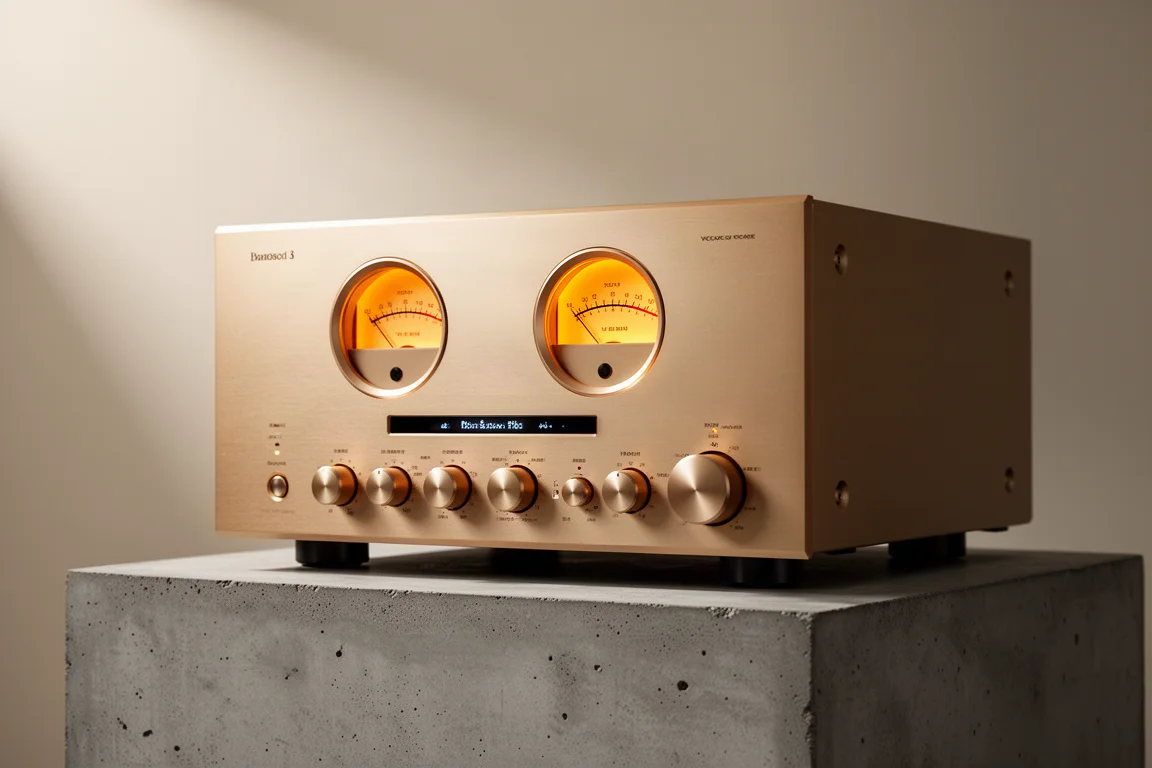
A close look at the Accuphase E-280 integrated amplifier, covering its champagne build, AAVA volume control, sound quality, and the speakers and sources that suit it best.
Hi-Fi Amplifiers
Advance Paris A10 Classic vs Yamaha A-S301: Two Integrated Amplifiers Compared
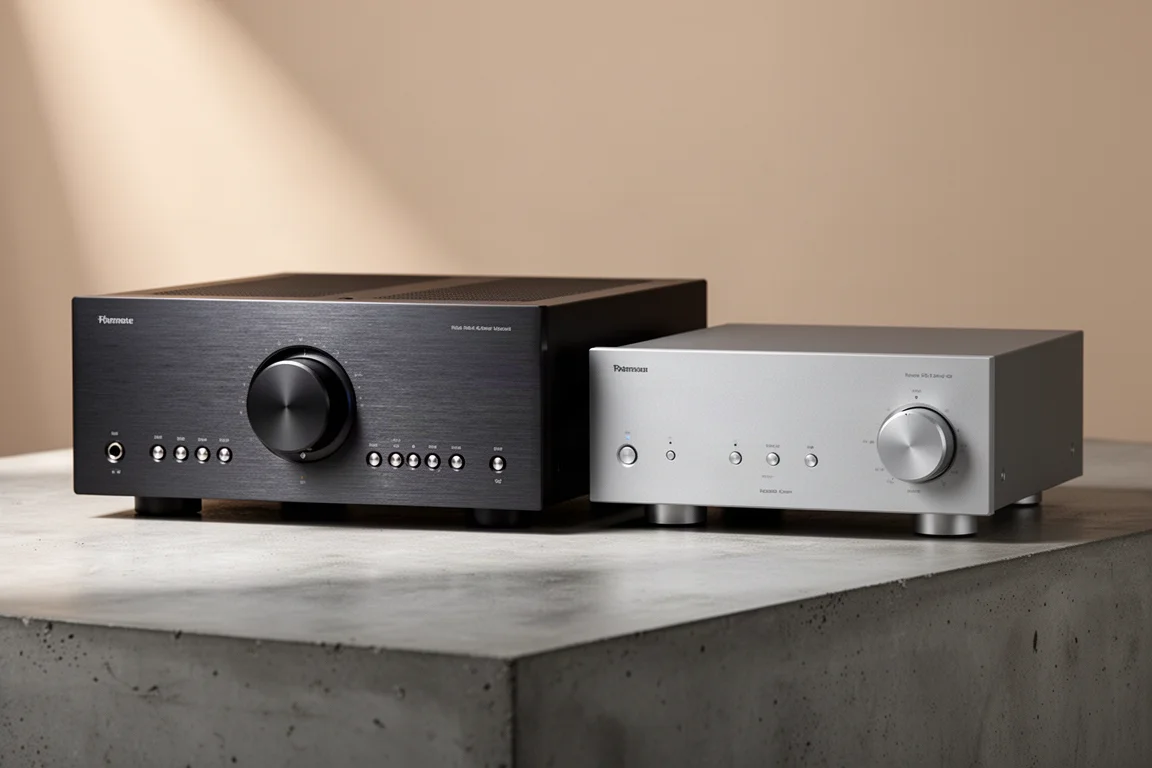
A practical comparison of a $350 integrated amplifier and a $2,500 reference model, covering the differences that matter and the ones that do not.
Hi-Fi Amplifiers
Affordable Chinese Amplifiers Worth Buying: Five Budget Hi-Fi Amps Compared
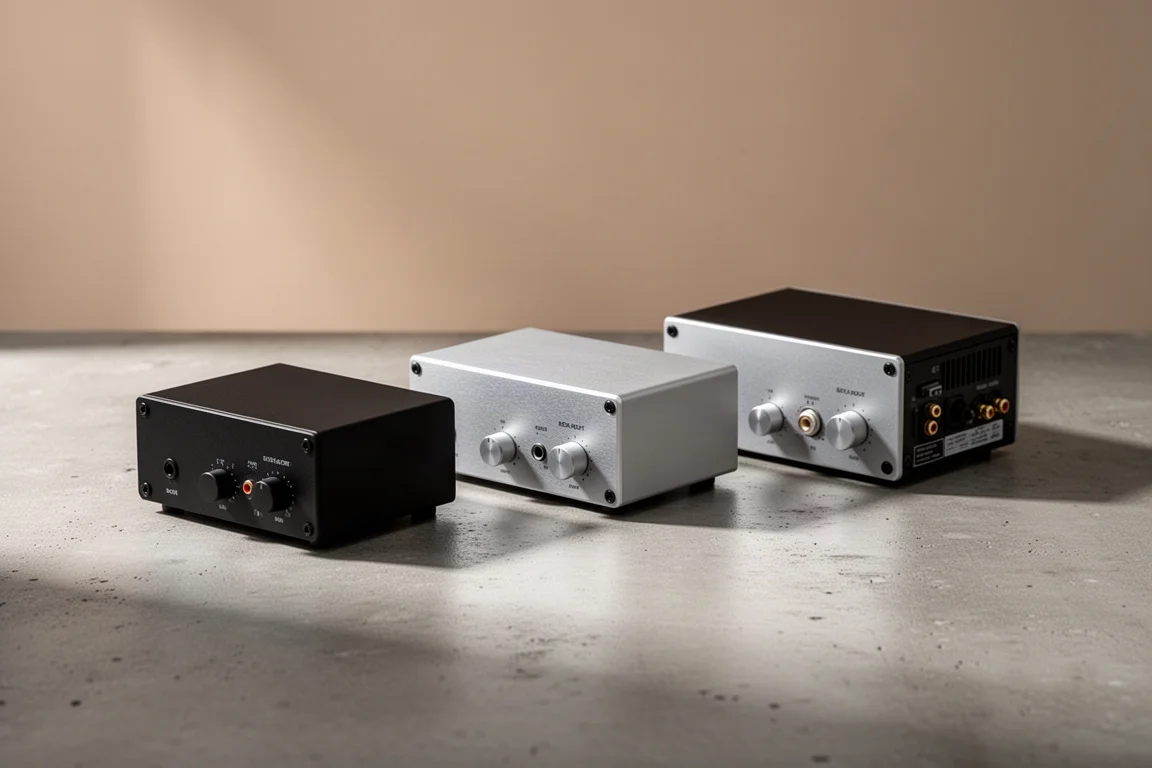
A practical look at five affordable amplifiers, what each one does well, and the trade-offs to weigh before you buy.