Hi-Fi Amplifiers
Advance Paris A10 Classic vs Yamaha A-S301: Two Integrated Amplifiers Compared
A practical comparison of a $350 integrated amplifier and a $2,500 reference model, covering the differences that matter and the ones that do not.
Introduction
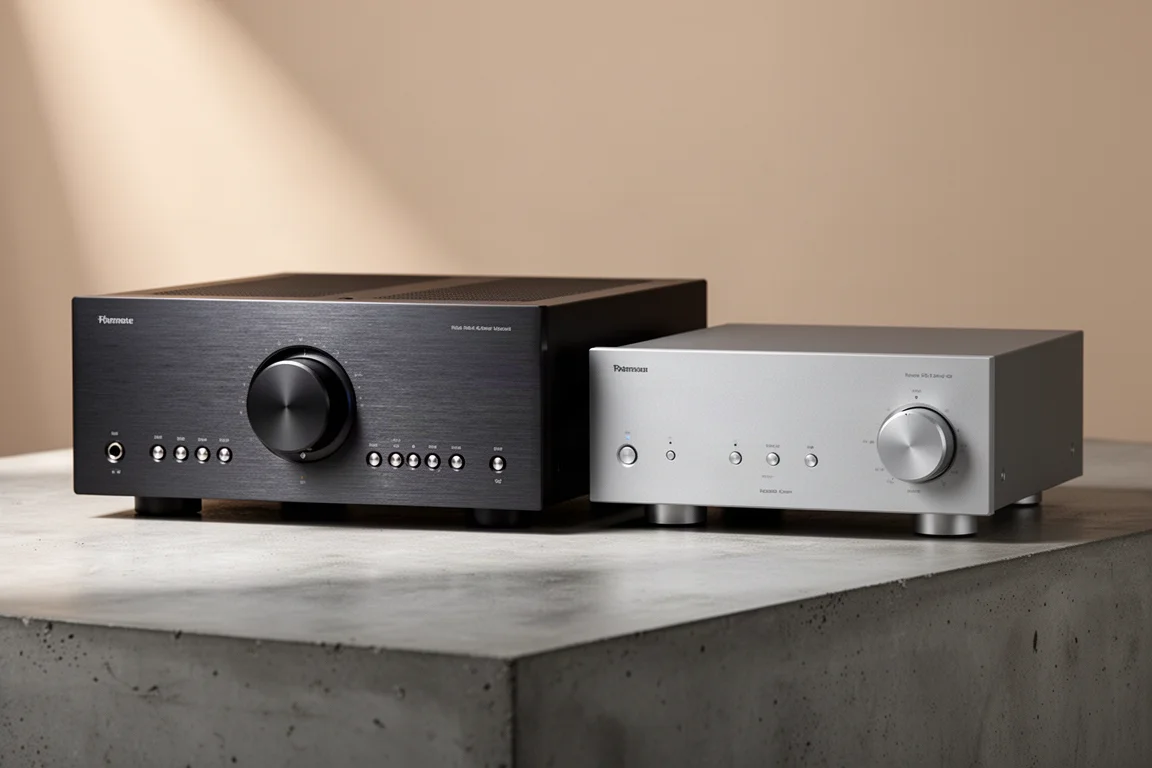
Two integrated amplifiers, one at roughly $350 and one at roughly $2,500, connected to the same streamer and the same pair of revealing stand-mount speakers. That setup raises an obvious question: does the more expensive amplifier earn a price gap that large, and where exactly does the extra money show up in everyday listening?
The short version: the Advance Paris A10 Classic is the better amplifier, most clearly at the top end and in the way it separates instruments. The Yamaha A-S301 is also considerably better than its price suggests, and through the bass and midrange the two are closer than the price difference implies.
How These Two Amplifiers Were Compared
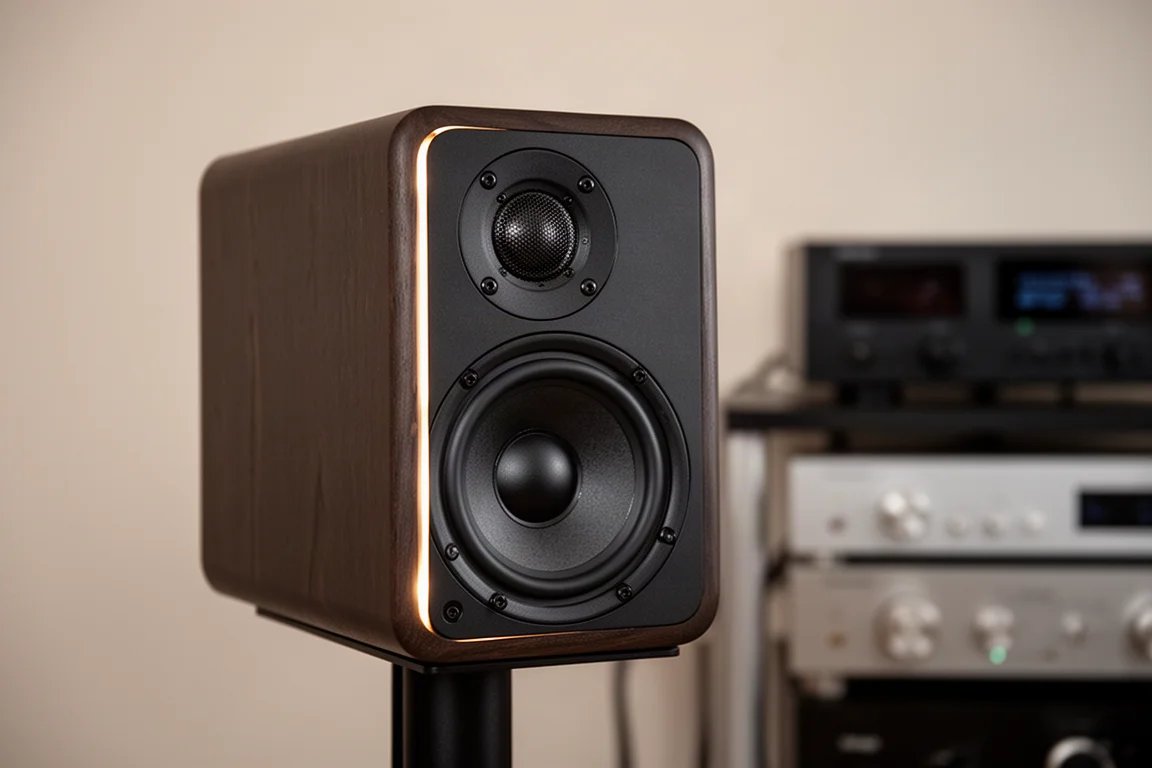
Both amplifiers were fed by the same network streamer, with a compact pair of stand-mounted speakers (around $1,500) placed in a nearfield setup, roughly 3.5 feet from the listening position. Nearfield listening keeps room reflections out of the equation, which makes it easier to hear what the electronics contribute rather than what the room adds.
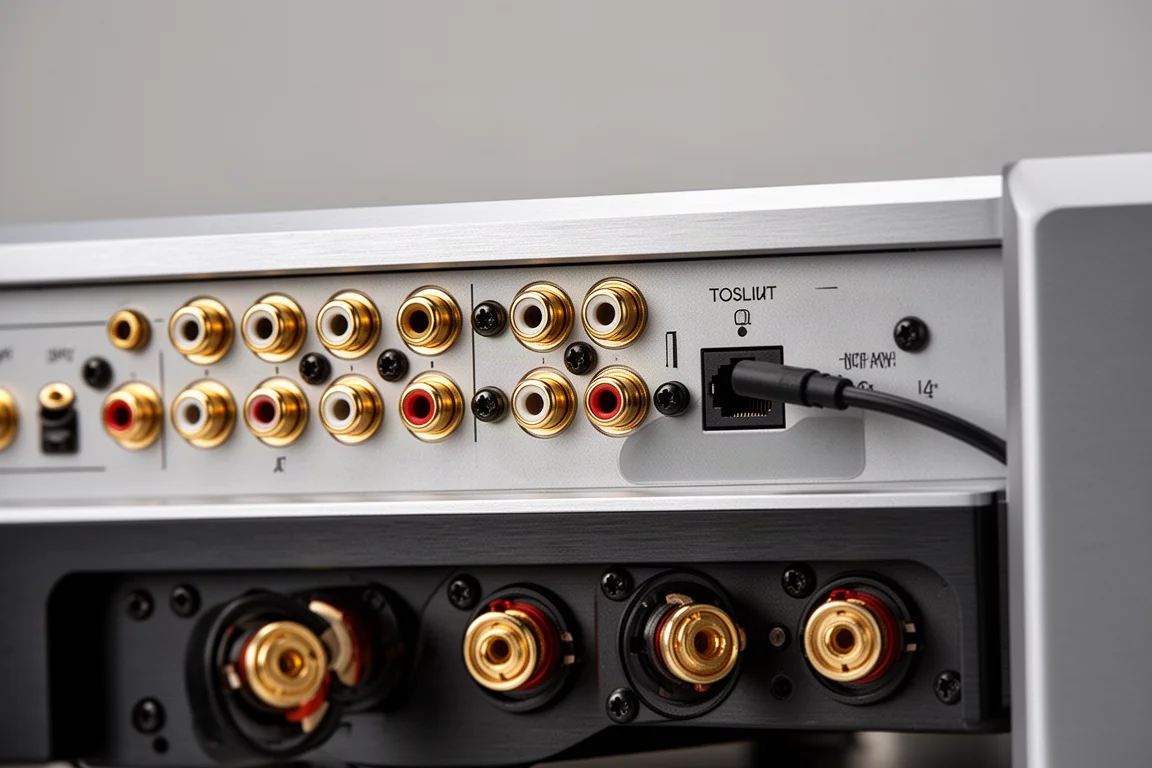
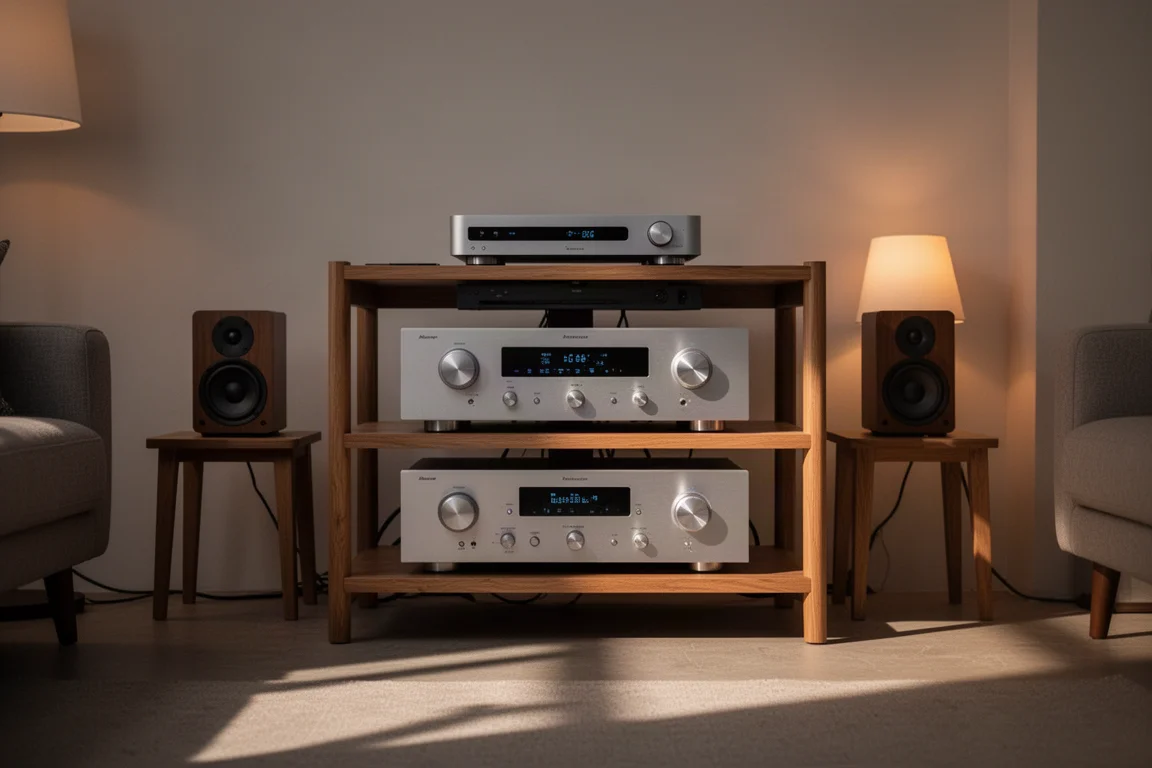
Two passes were made. The first used the analog inputs on both amplifiers, bypassing their internal DAC stages so the comparison focused on the amplification itself. The second used an optical connection from the same streamer into both amplifiers, playing identical material through a speaker switch so the internal DACs could be compared directly.
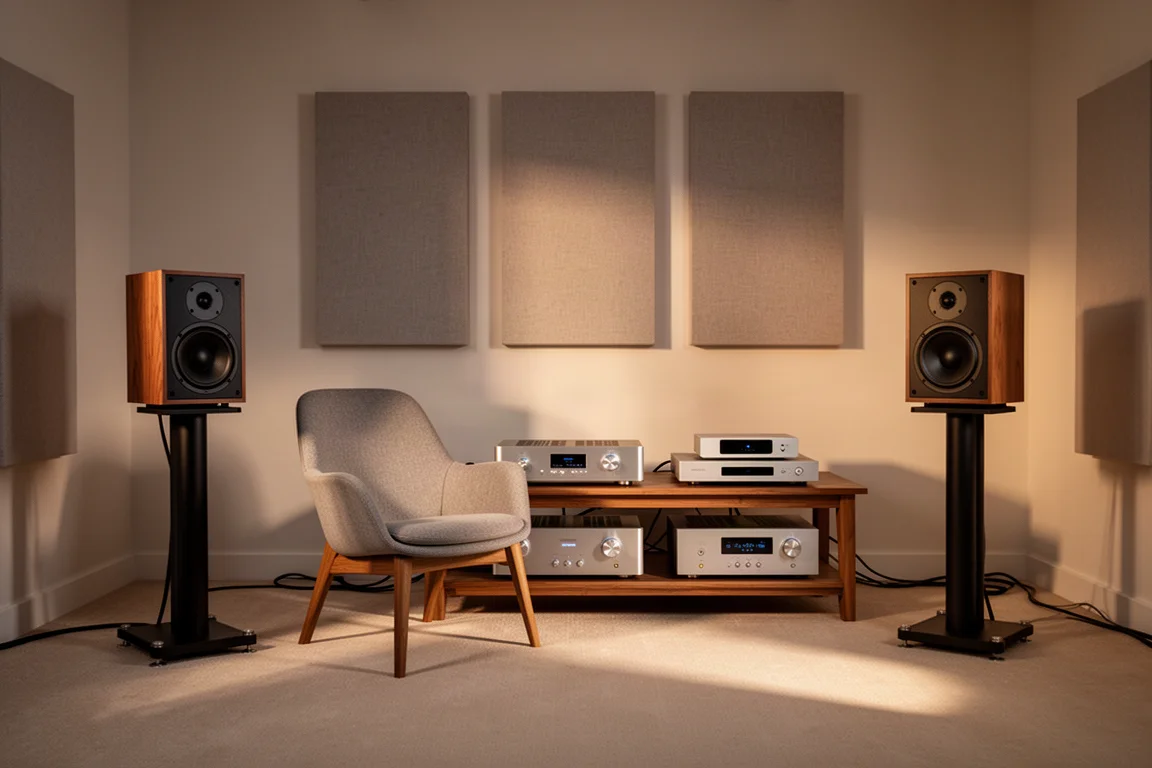
Level matching was done by ear rather than with a meter, which is worth flagging because a small volume advantage can flatter one component. Both amplifiers were run flat, with their loudness controls switched off.
Advance Paris A10 Classic: Power, Inputs, and Build
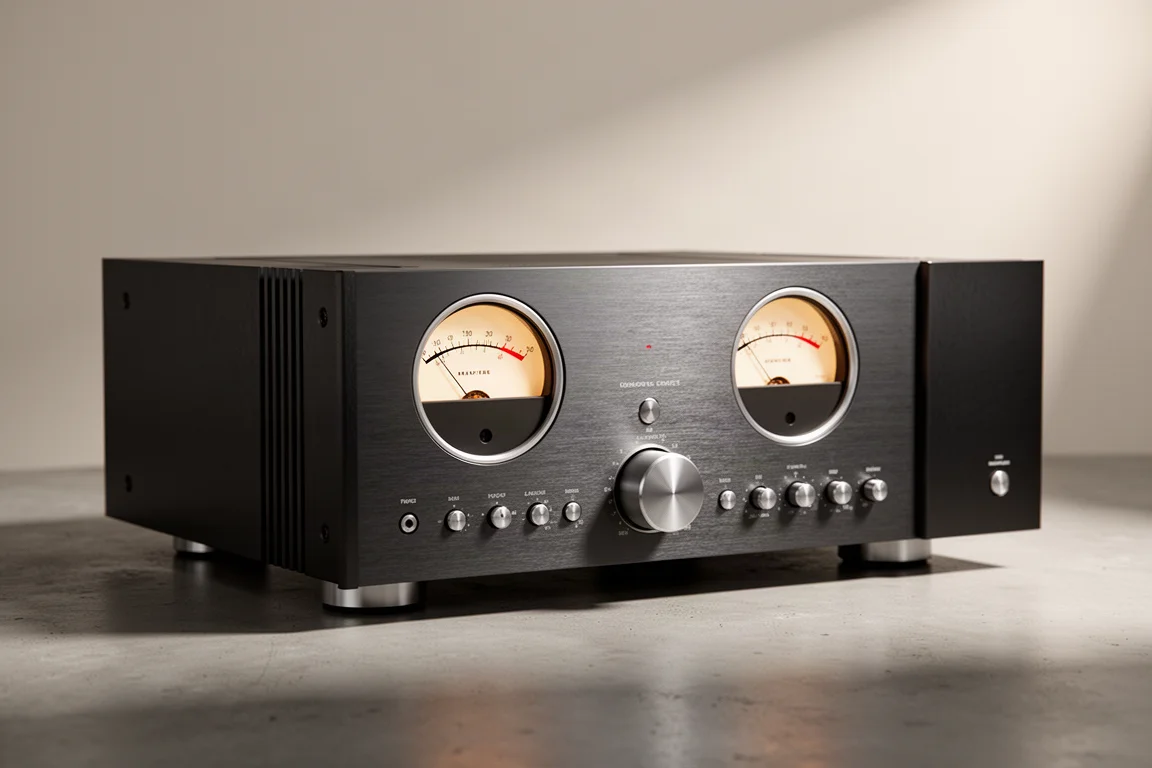
The A10 Classic is a full-size integrated amplifier rated at 130 watts, roughly twice the rated output of the Yamaha. It also carries a far wider input set, including HDMI ARC alongside a broader selection of analog and digital connections. In practice that means a television, a streamer, and a turntable can all live on one box without extra switching hardware.
Its internal DAC uses a Sabre 918 chip, an older design rather than a current flagship part, but one that sounded genuinely good in this system.
Two USB-A power outputs sit on the rear panel, each rated at 5V 1A, so a small streaming accessory can be powered directly from the amplifier. It is also, by a clear margin, the more striking of the two components in person.
Yamaha A-S301: A Streamlined Integrated Amplifier
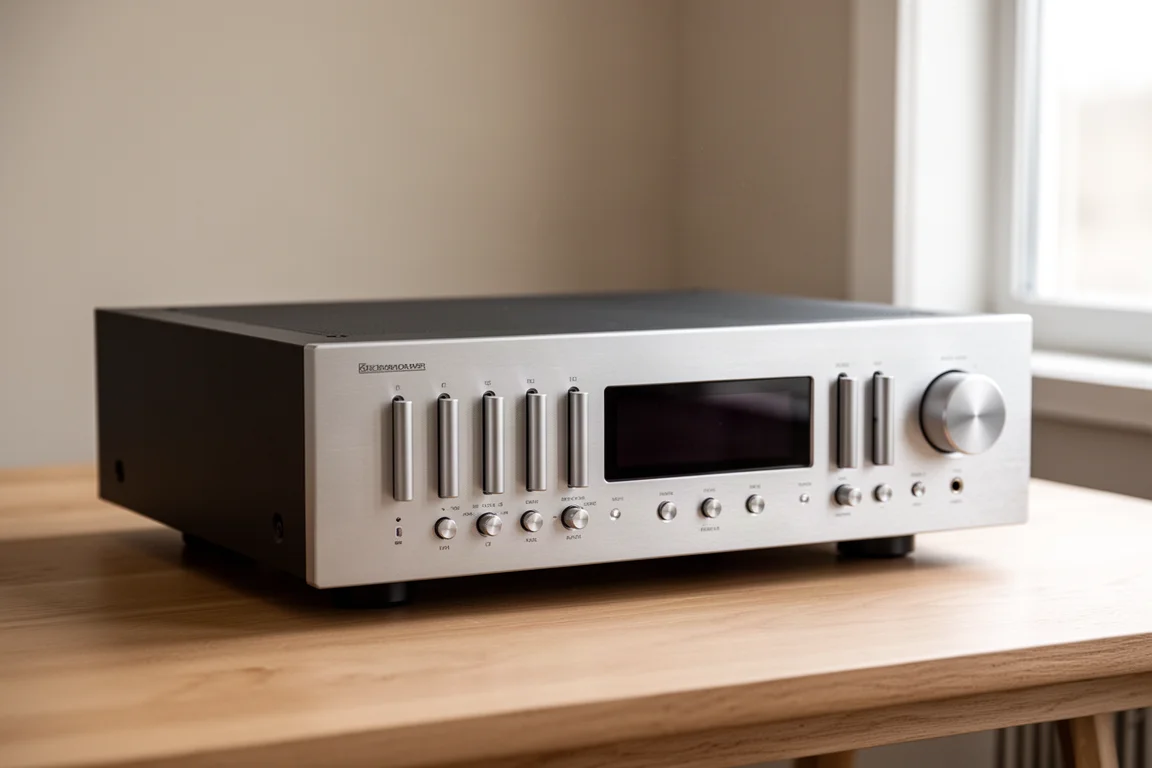
The Yamaha A-S301 is rated at 60 watts and keeps things simpler. There are five analog inputs, no HDMI ARC, and a smaller digital input selection. It is best understood as a stripped-down version of the same idea: a full-size amplifier that covers the essentials and little more.
One USB-A output is fitted at 5V 0.5A, enough to power a small streaming device. Yamaha does not publish which DAC chip sits inside.
Sound Comparison: Treble, Midrange, and Bass
Through the analog inputs, the two amplifiers tracked each other closely in the bass and midrange. On material with a bass line sitting in the 150 to 200 Hz region, the A10 Classic showed marginally better definition. The difference was audible but small, and identifying it blind would have been a challenge.
The top end is where the gap widened. On a guitar intro with content around 2.1 kHz, that upper register came through more prominently and more clearly defined on the A10 Classic, while the same passage sounded slightly recessed on the Yamaha. A reverb tail also came across as a touch unnatural on the A-S301 by comparison.
As rough subjective estimates, the bass difference landed near 5 percent, the midrange closer to 15 percent, and the top end around 50 percent. Those figures are impressions rather than measurements, and they shrink noticeably with speakers that resolve less detail.
Instrument Separation and Background Detail
With denser material, separation stood out more than tonal character. Busy tracks on the Yamaha could read as a single wall of sound, while the A10 Classic kept individual elements in their own space, with a vocal line sitting forward of the instruments behind it.
The A10 Classic also revealed more of the recording itself. Between vocal phrases, low-level detail from the original session came through, not as noise but as part of the recording, which points to a lower noise floor and better channel separation. The same detail was audible on the Yamaha once attention had been drawn to it, which says a great deal about how capable the A-S301 is for its price.
Using the Internal DACs
Running both amplifiers from the same streamer over optical, the A10 Classic moved further ahead. Sibilance was noticeably stronger on the Yamaha, and the cleaner background of the A10 Classic made reverb and separation easier to follow.
One telling detail: a repeating tick buried low in the left channel of a track was easy to pick out on the A10 Classic, and only became obvious on the Yamaha once the ear knew what to listen for. Overall the internal DAC comparison showed a cleaner presentation and better placement in space rather than a completely different sound.
This is also the area where the Yamaha can be improved cheaply. Adding an affordable external DAC, such as the SMSL SU-1, narrows the gap considerably, and the same logic applies to adding an external phono preamp for vinyl.
What the Price Gap Actually Buys
Doubling the rated power does not automatically double the listening experience. At the levels used here, the A10 Classic’s extra output did not produce a marked improvement, which suggests that headroom matters more with harder-to-drive speakers and larger rooms.
What the extra money does buy is a better top end, a more transparent internal DAC, cleaner separation, a lower noise floor, a much richer input set, and a design that stands out in a rack. Whether that adds up to a sevenfold improvement is another matter: it does not, and the honest answer is that sonic gains rarely scale with price in a straight line.
Buying Advice
If you are starting out and have around $350 to $400 to spend on an amplifier, the Yamaha A-S301 is money well spent. It reaches a level that most listeners will be satisfied with, and it responds well to upgrades: an external DAC and an external phono preamp let it punch well above its price.
If your budget stretches further and your speakers are revealing enough to show the difference, the Advance Paris A10 Classic is an improvement on every level, even if that improvement is not enormous in every area. Its top end, internal DAC, clarity, and instrument separation are the standout strengths, and the HDMI ARC input plus the broader connection set make it easier to live with day to day.
Either way, both amplifiers are worth keeping in a system rather than treating as temporary stepping stones.
Conclusion
The A10 Classic is the more capable amplifier, and it earns that position mainly in the treble, the DAC section, and the way it untangles complex recordings. The A-S301 remains remarkable value at its price, and with an external DAC in front of it, the gap narrows enough that many listeners would struggle to tell the two apart.
Buy according to your speakers and your budget first. A resolving system will show what the A10 Classic can do; a more modest one will let the Yamaha deliver most of the experience for a fraction of the cost.
Further reading
Related Reviews
Hi-Fi Amplifiers
Accuphase E-280 Review: Entry-Level Accuphase With Flagship Attention to Detail
A close look at the Accuphase E-280 integrated amplifier, covering its champagne build, AAVA volume control, sound quality, and the speakers and sources that suit it best.
Hi-Fi Amplifiers
Affordable Chinese Amplifiers Worth Buying: Five Budget Hi-Fi Amps Compared
A practical look at five affordable amplifiers, what each one does well, and the trade-offs to weigh before you buy.
Hi-Fi Amplifiers
AGD Gran Vivace Review: The Flagship Monoblock Question
The AGD Gran Vivace flagship monoblocks bring full-bodied bass, a saturated midrange and a smooth top end. Here is what the extra power buys over the Audion, and where the design asks for compromises.