Hi-Fi Amplifiers
Affordable Chinese Amplifiers Worth Buying: Five Budget Hi-Fi Amps Compared
A practical look at five affordable amplifiers, what each one does well, and the trade-offs to weigh before you buy.
Introduction
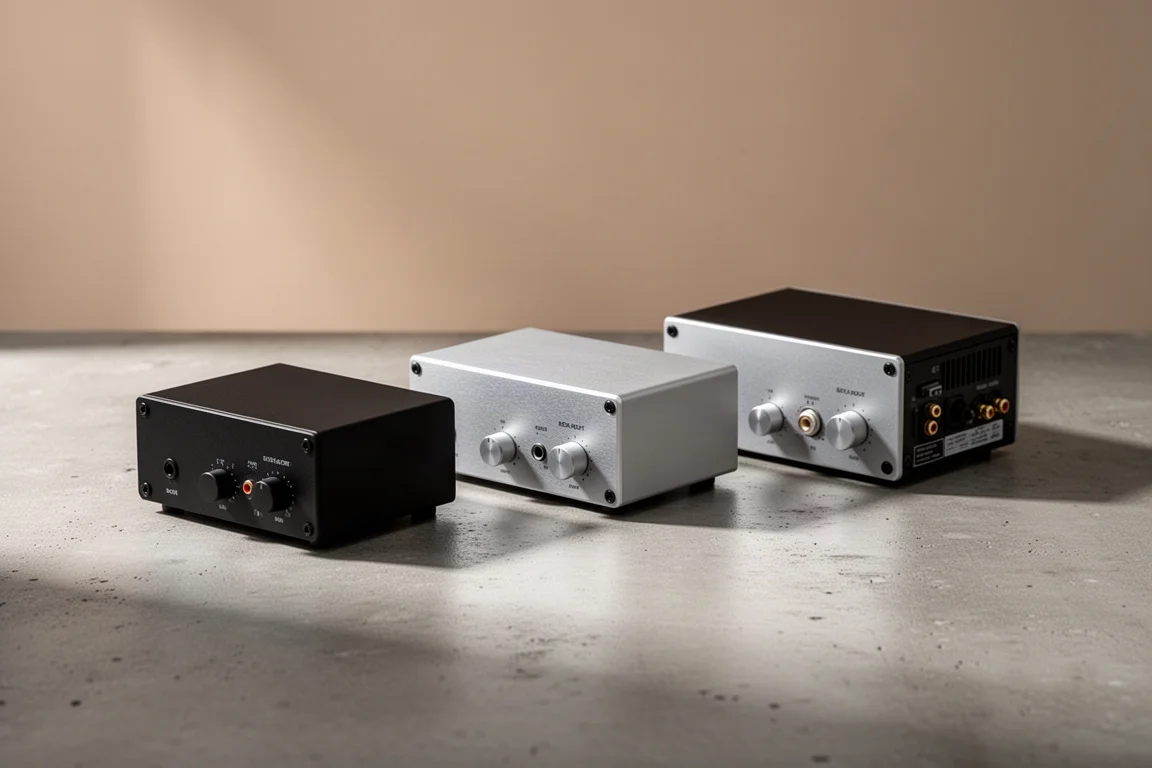
There has rarely been a better moment to get into hi-fi on a small budget. A decent two-channel amplifier can start at around $60, and while that entry point usually means a single input and no tone controls, it can still put out usable power and sound genuinely enjoyable. Seasonal sales often push those prices even lower.
The five amplifiers in this roundup all live in that affordable space. Each one has a clear reason to exist, and each one comes with trade-offs worth understanding before you spend money.
What Makes a Budget Amplifier Worth Considering
Affordability is only part of the story. Two other factors matter just as much: how much space the amplifier takes up, and what is actually inside the box.
Compact class D designs have changed what a small amplifier can do. They run far more efficiently than traditional class A/B designs, which means they produce very little heat while still delivering substantial power from a footprint small enough to sit on a desk, slide behind a television, or mount near a bookshelf. For anyone short on rack space, or without a rack at all, that flexibility is a genuine advantage.
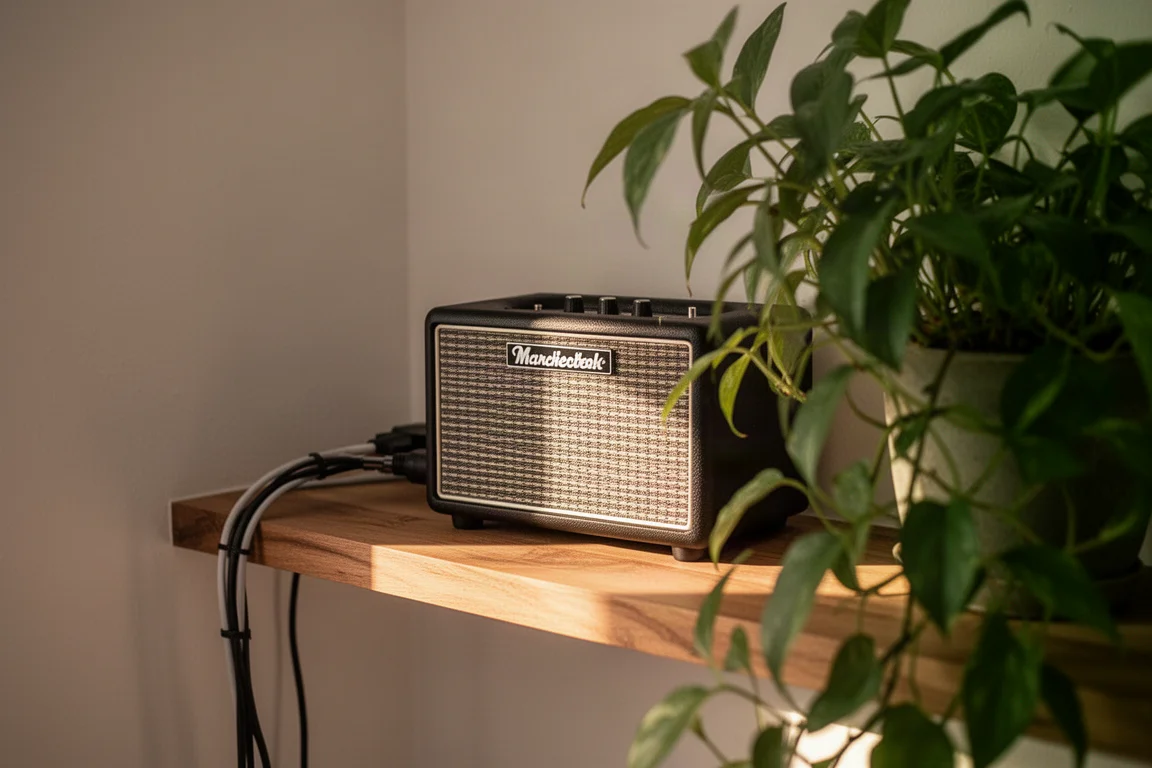
The component story is better than many buyers expect. Amplifier chips inside these units commonly come from Texas Instruments or Infineon, while op amps, Bluetooth chips, and DAC chips are frequently sourced from American or European suppliers. The board and enclosure may be assembled in China, but the signal path is often built around well-regarded silicon.
Then there is power, and this is where claims deserve scrutiny. Some manufacturers state output at 10% total harmonic distortion, which is not a usable figure, and others publish no distortion figure at all. Measuring actual output at the point where an amplifier begins to clip is the only reliable way to know what it delivers, so treat published wattage as a starting point rather than a promise.
AIYIMA A03: Best All-in-One Value
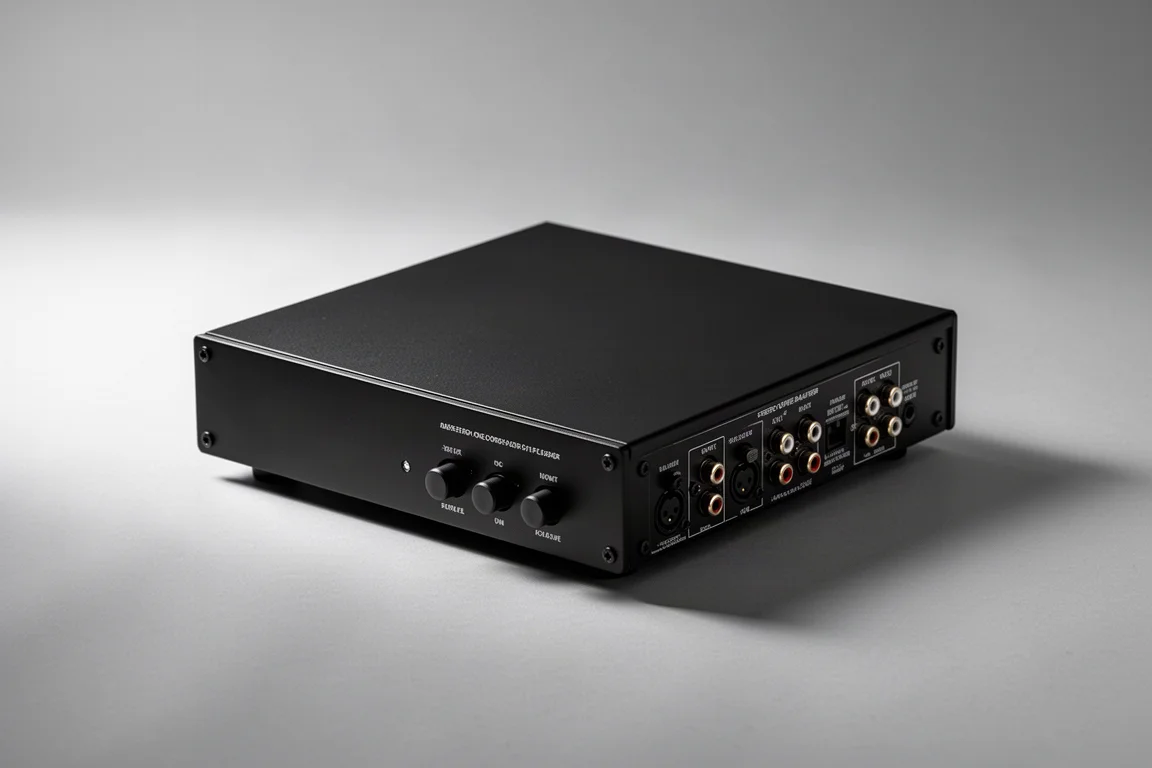
The AIYIMA A03 is the most complete package in this group at around $130. It combines an integrated amplifier with a built-in DAC, Bluetooth input, a subwoofer output, and a remote control. That is an unusual amount of functionality at this price, and it delivers usable power while sounding good in everyday listening.
For anyone replacing a soundbar or building a first desktop system, the A03 removes the need for a separate DAC and keeps the cable count low. The subwoofer output also makes it straightforward to add a powered subwoofer later without changing the amplifier.
AIYIMA A07: Small Chassis, Upgradeable Power
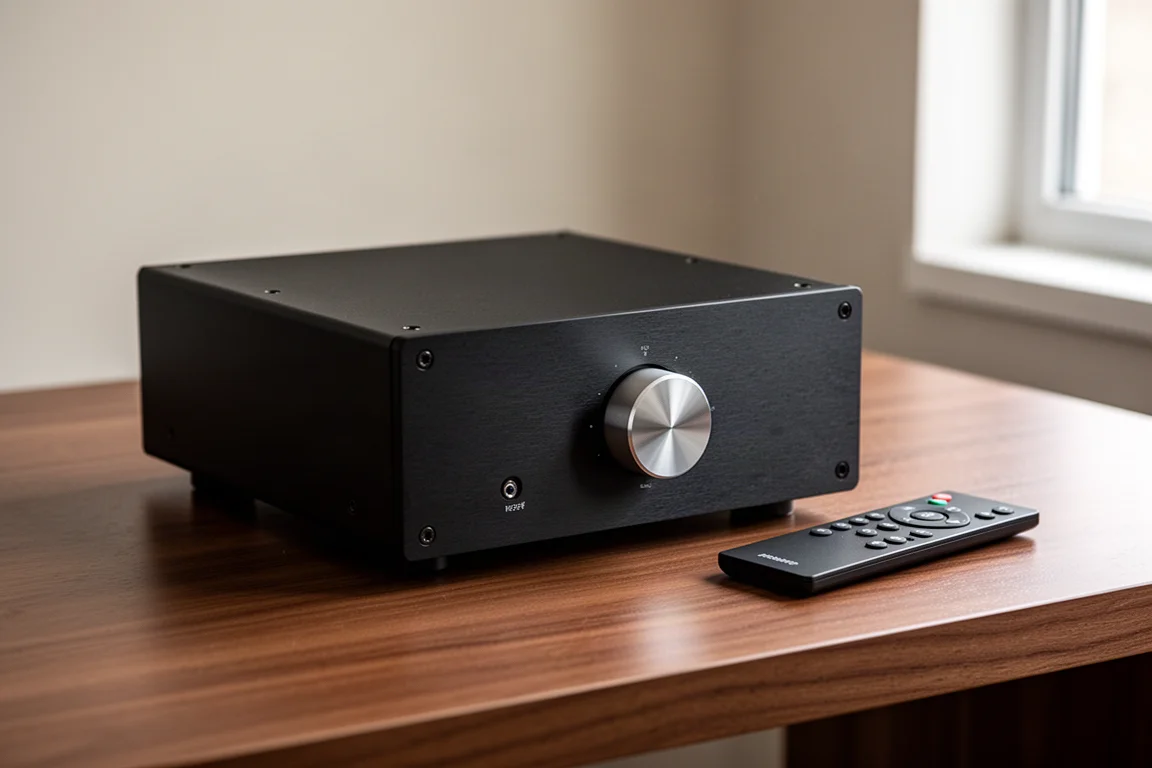
The AIYIMA A07 takes a different approach. It is a very small amplifier that can be placed almost anywhere, and its power supply is external, which opens up an upgrade path: fitting a more powerful 48V 10A power brick can increase the available output. That makes the A07 appealing if you want a modest entry price now and more headroom later.
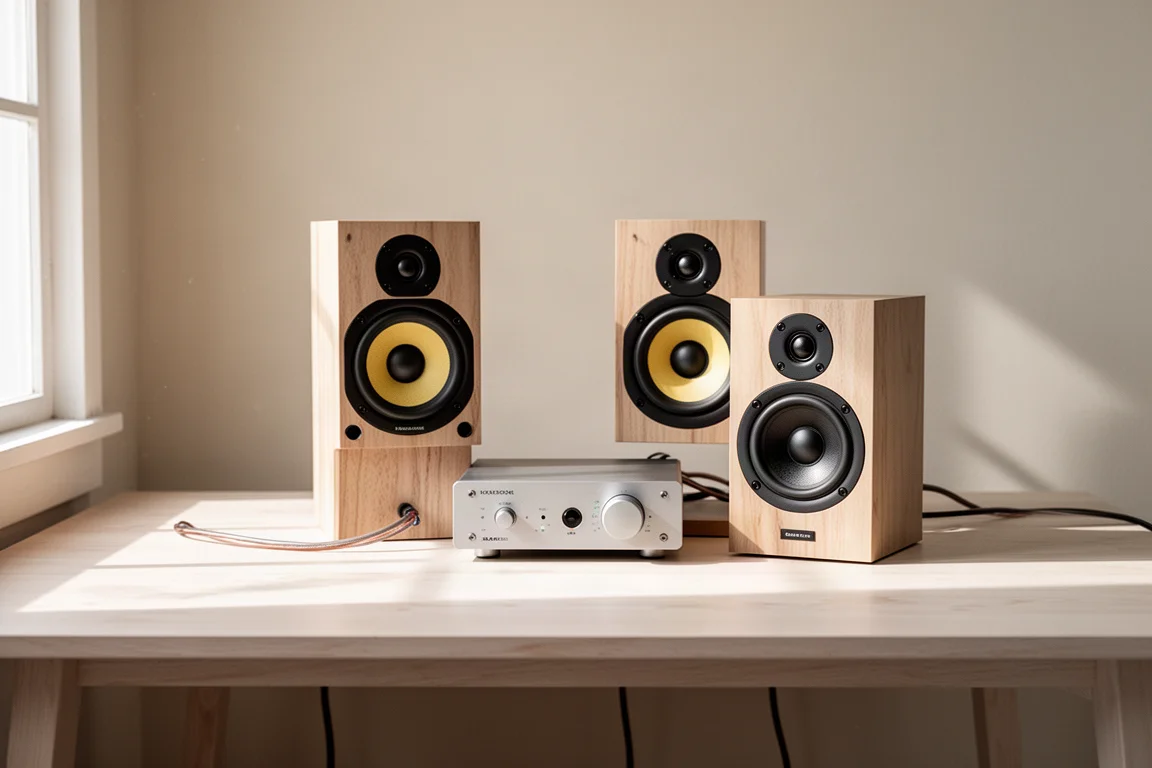
The trade-off is that the supplied power brick limits output until it is replaced, and the upgrade depends on sourcing a suitable 48V 10A unit. If your speakers are reasonably efficient, the base configuration will likely be more than enough for everyday listening.
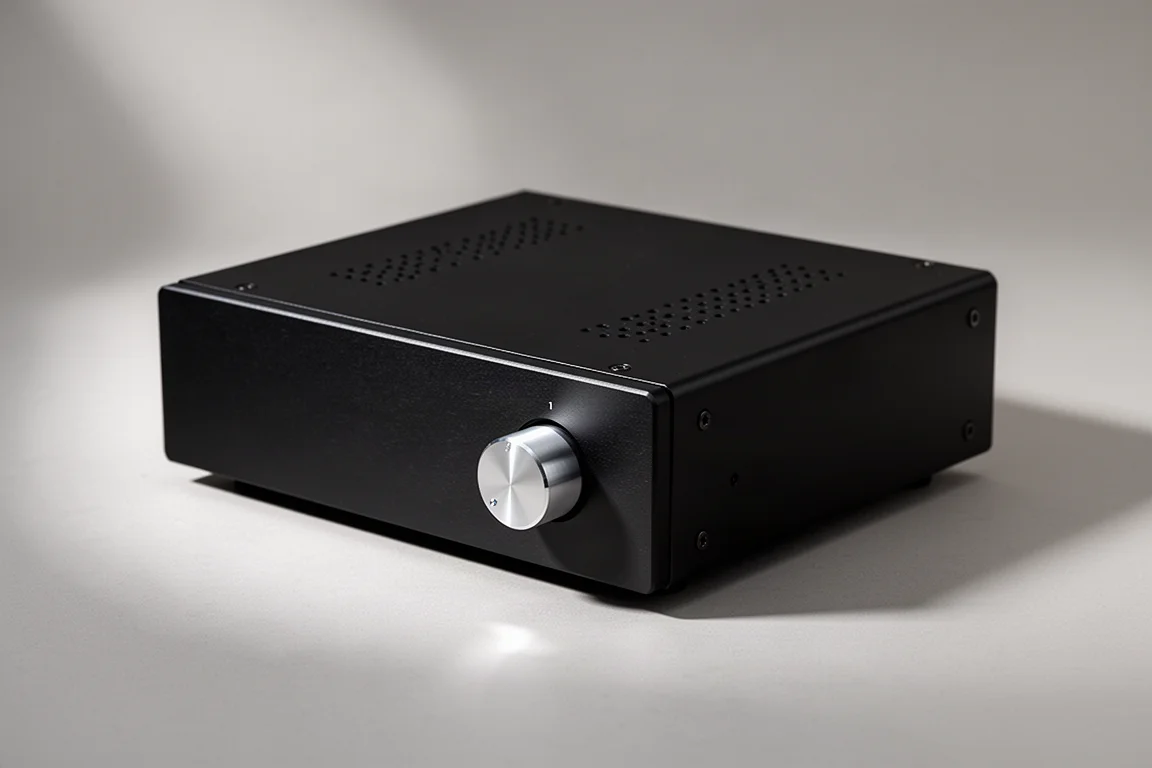
AIYIMA A08 Pro: More Headroom from the Same Formula
The AIYIMA A08 Pro sits alongside the A07 in the same design family. It also uses an external power supply, and the same upgrade applies: a 48V 10A power brick can be substituted to raise the available output. If you want a compact amplifier with a documented path to more power, both models belong on your shortlist.
As with the A07, the higher output only arrives once you move beyond the stock power supply, and published wattage figures should be treated with caution until you hear the amplifier with your own speakers.
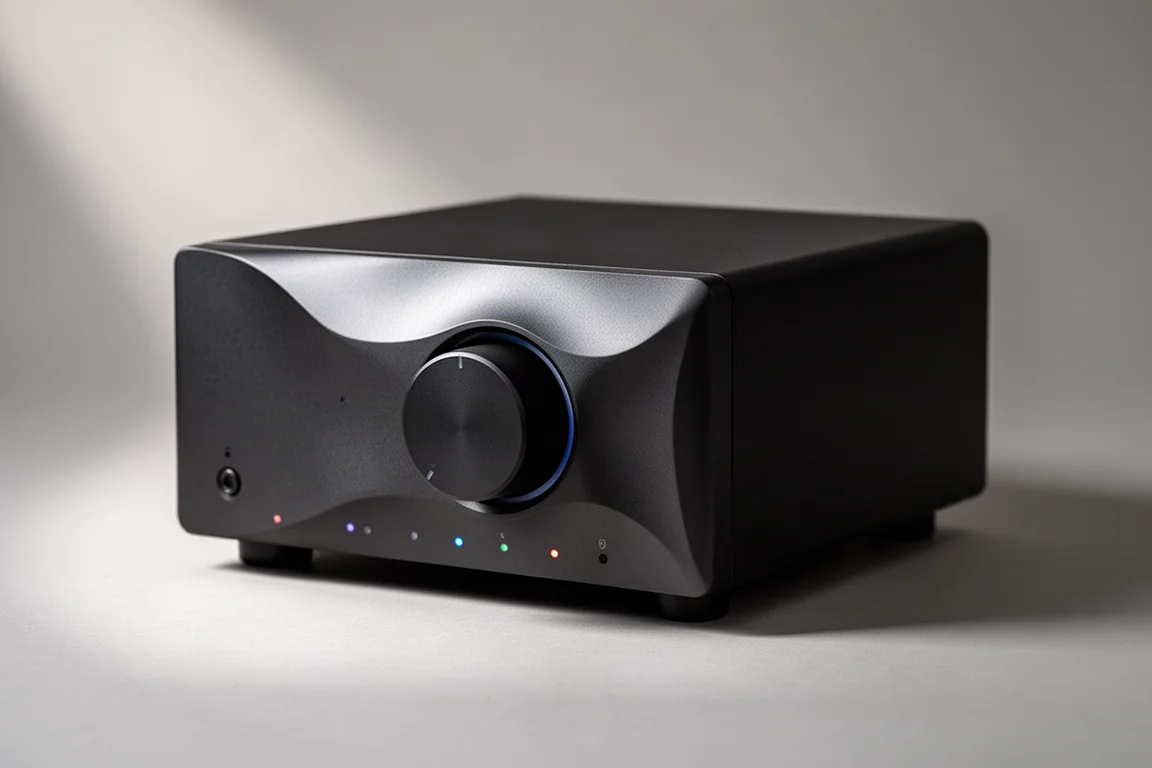
Fosi Audio TB10D: A Brand That Listens
The Fosi Audio TB10D is the clearest example of why this category keeps improving. The first generation of this amplifier did not perform well, and the brand responded directly: it acknowledged the criticism, revised the product, and sent out an updated version. The revised TB10D sounds great.
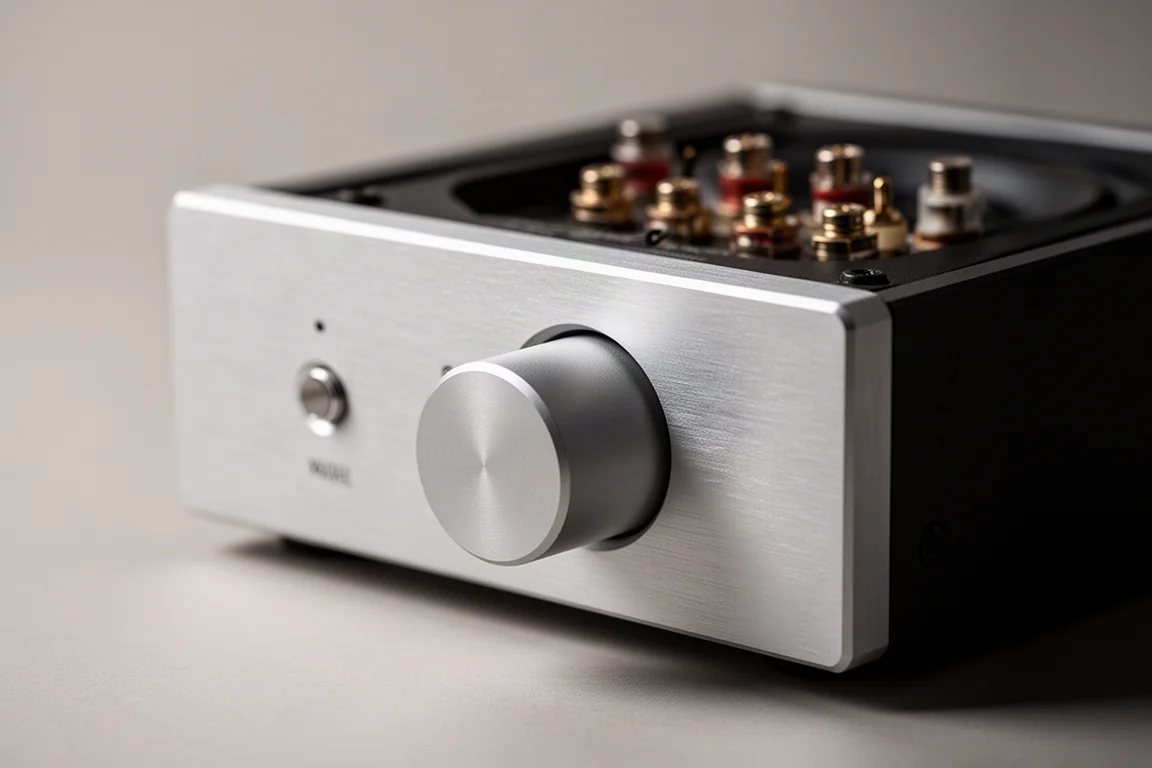
That kind of responsiveness matters more than any single specification. Not every brand in this space reacts to feedback this way, but some do, and it is one reason the quality of affordable amplifiers has been improving steadily. Buyers should simply confirm they are getting the revised version rather than old stock.
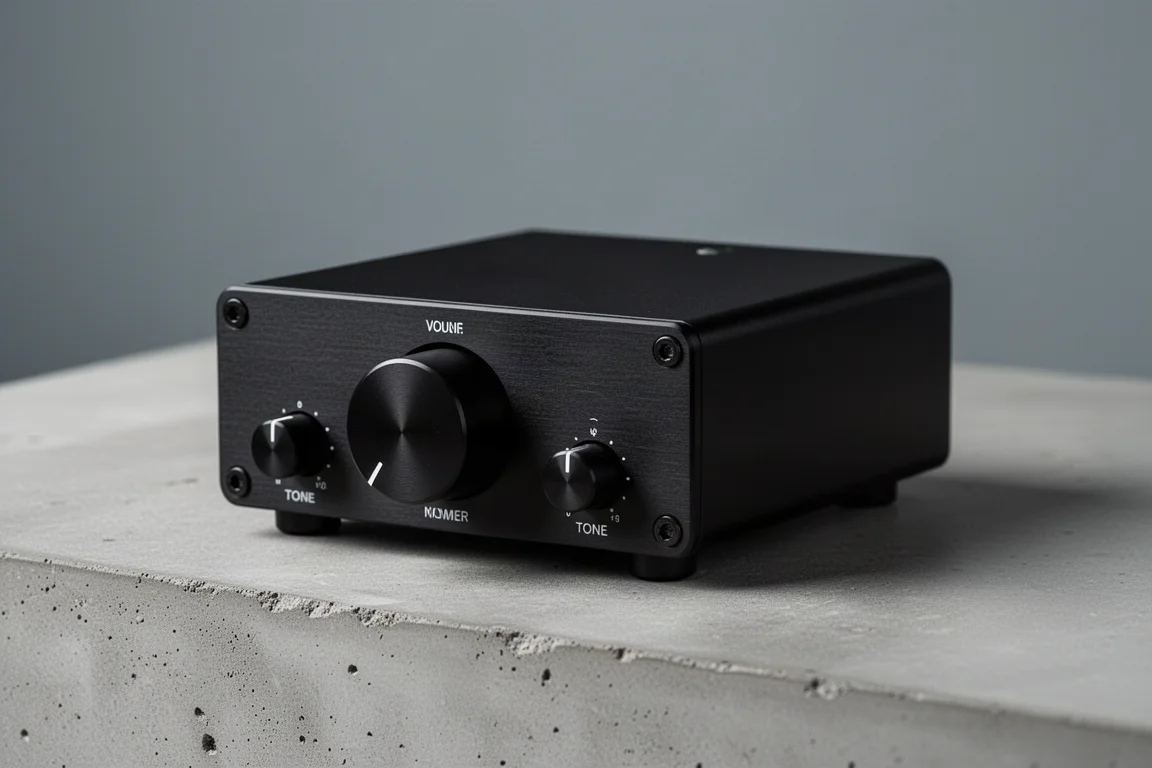
Topping PA5: A Caution About Quality Control
The Topping PA5 is a useful reminder that reliability is not guaranteed by brand name. On one unit, a TRS input came loose. It is a small defect, but it is exactly the kind of issue that can appear on any amplifier in this category.
The PA5 uses balanced TRS inputs, which offer flexibility when pairing the amplifier with a range of sources. Buyers considering it should weigh that connection flexibility against the reality that quality control varies across the category, and that a generous return window is the best protection available.
What to Check Before You Buy
A few practical checks separate a good experience from a frustrating one.
Buy from a retailer with a liberal return policy. That single decision covers most of the risk in this category. Holiday purchases often extend the return window into late January, which gives you more time to audition the amplifier properly.
Customer service is the other variable to plan around. Some brands handle problems well, while others can be slow to respond, and language barriers or a defensive reaction to criticism can make a simple fault harder to resolve than it should be.
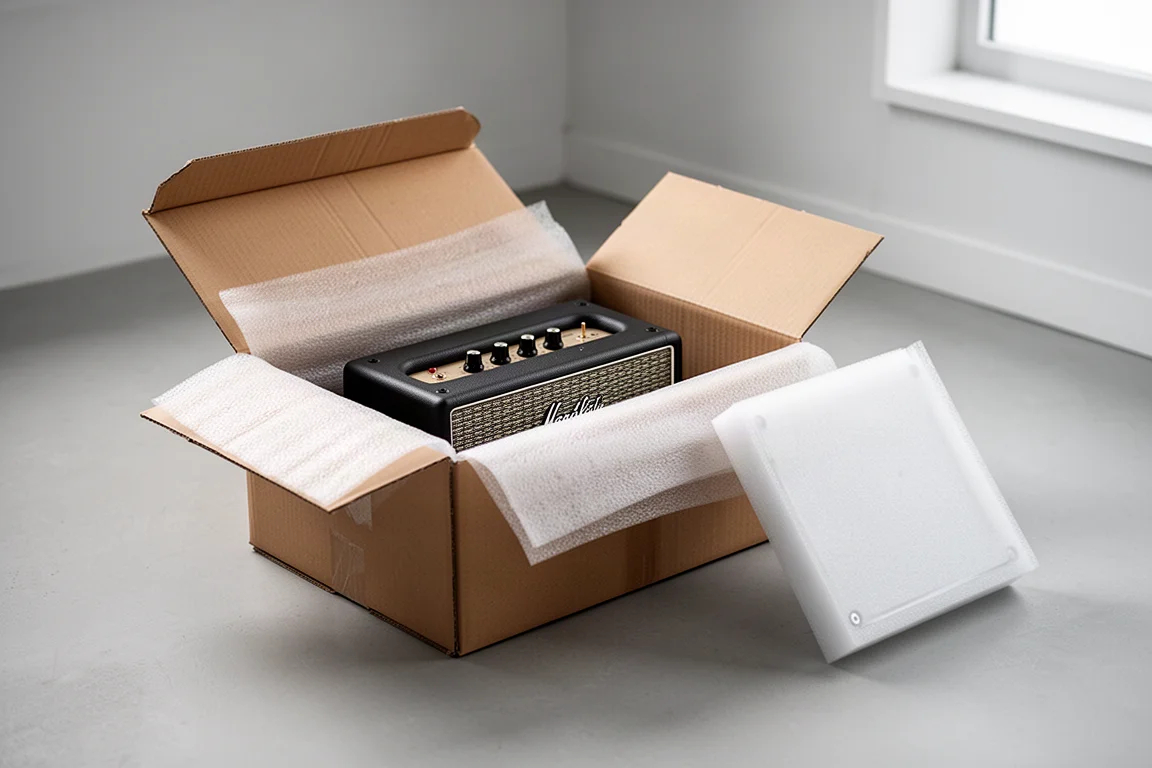
Once the amplifier arrives, treat the first 30 days as a trial. Move it around, turn the knobs, actuate the switches, and confirm that nothing works loose. Listen to it with your own speakers at the volumes you actually use. If something is wrong, return it.
Then read widely before you commit. Community discussions surface recurring problems quickly, and if a model has a pattern of faults, that pattern usually becomes visible there. Reported issues in this category have included loose speaker terminals, inverted RCA inputs, unexplained clicking on some inputs, and manufacturers quietly changing chipsets while keeping the same model number. Confusing model numbering is common too, so confirm exactly which version you are buying.
Conclusion
The affordable amplifier market deserves more credit than it usually gets, and these five models show why. The AIYIMA A03 packs a DAC, Bluetooth, a subwoofer output, and a remote control into an around $130 package. The AIYIMA A07 and A08 Pro offer compact footprints with a clear upgrade path through a larger power supply. The Fosi Audio TB10D shows what happens when a brand takes feedback seriously. The Topping PA5 shows why a good return policy still matters.
Longevity is a reasonable question at this price, and the honest answer is that a well-treated budget amplifier can deliver years of service, with five to ten years a realistic expectation if it is not abused. Buy from a retailer that lets you return the product, test it thoroughly in the first month, and let your own ears make the final call.
Further reading
Related Reviews
Hi-Fi Amplifiers
Accuphase E-280 Review: Entry-Level Accuphase With Flagship Attention to Detail
A close look at the Accuphase E-280 integrated amplifier, covering its champagne build, AAVA volume control, sound quality, and the speakers and sources that suit it best.
Hi-Fi Amplifiers
Advance Paris A10 Classic vs Yamaha A-S301: Two Integrated Amplifiers Compared
A practical comparison of a $350 integrated amplifier and a $2,500 reference model, covering the differences that matter and the ones that do not.
Hi-Fi Amplifiers
AGD Gran Vivace Review: The Flagship Monoblock Question
The AGD Gran Vivace flagship monoblocks bring full-bodied bass, a saturated midrange and a smooth top end. Here is what the extra power buys over the Audion, and where the design asks for compromises.