Turntables
Victrola Stream Sapphire Review: A Network Turntable Built for Wi-Fi Speaker Systems
A closer look at the Victrola Stream Sapphire, a belt-driven turntable that pairs a walnut plinth and carbon fiber tonearm with lossless Wi-Fi streaming to UPnP speakers.
Introduction
Vinyl has moved steadily back into the mainstream, and turntable makers have responded by making their products less intimidating for newcomers and easier to live with alongside modern speaker systems. The Victrola Stream Sapphire sits at the more ambitious end of that push. It is a belt-driven, two-speed turntable that keeps the traditional analog path intact through RCA outputs while adding lossless Wi-Fi streaming to networked speakers around the home.
That combination is the point of this model. Buyers who already own a Wi-Fi speaker system, or who want vinyl playback in several rooms at once, get a turntable designed around that setup rather than adapted to it afterwards. Buyers who only want a pure analog signal path can still use it that way, and the RCA outputs are ready for any analog input.
Who This Turntable Is For
This is a turntable for listeners who want vinyl to fit into a networked home audio system rather than sit apart from it. If a household already runs a system built around wireless speakers, or owns a UPnP-compatible streamer, the Stream Sapphire adds vinyl as another source without demanding a second, separate hi-fi rack.
It is also aimed at people who value straightforward ownership. Setup runs through a guided app flow that covers attaching the headshell, setting the counterweight to factory alignment guides, installing the platter and joining the home network. The aim is a process a first-time owner can complete without worrying about getting it wrong.
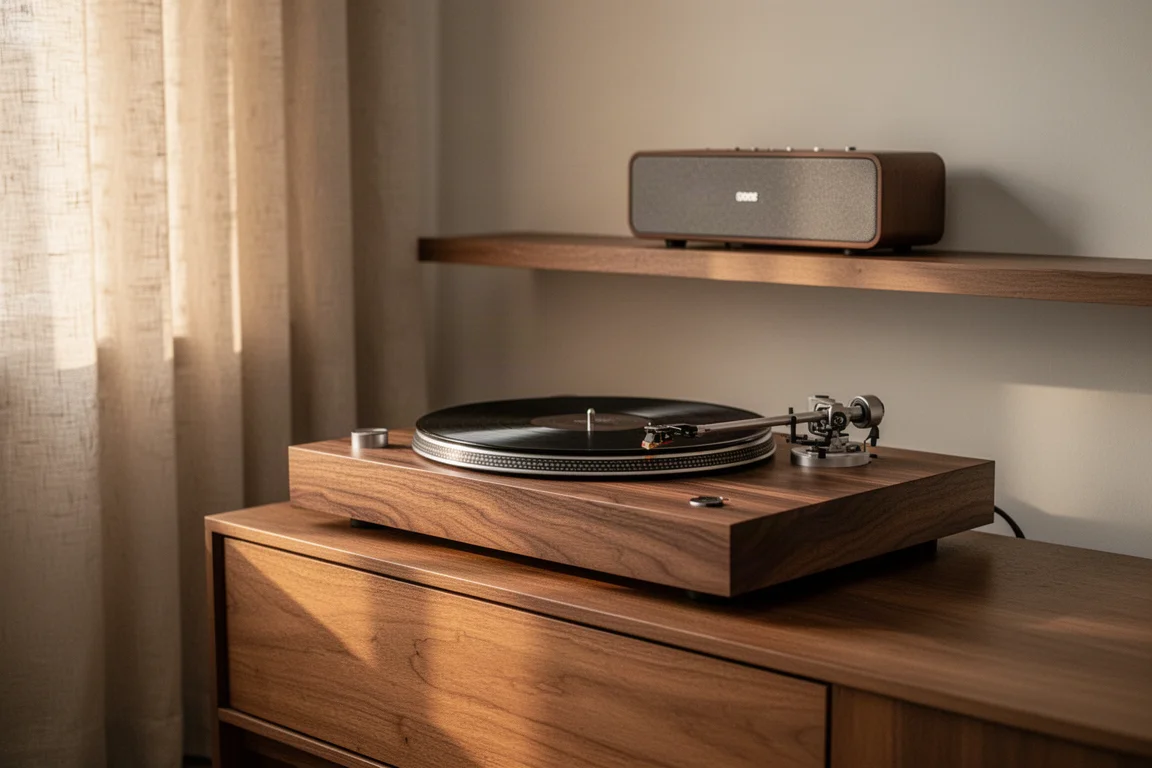
The appeal is strongest for multi-room listeners. A turntable in a living room can send a record to speakers in a kitchen, a bedroom or an outdoor patio, and it can also play through the whole home at once. For anyone who has wanted vinyl without confining it to a single chair, that is the core argument.
Wireless Streaming and Connectivity
The headline feature is Victrola’s Vinyl Stream Wi-Fi technology, which lets the turntable send audio to most UPnP network enabled streaming products at full 24-bit/48 kHz lossless quality. That opens the door to Wi-Fi enabled speakers, AV receivers and televisions rather than one closed ecosystem.
Sonos integration is built in, and an Ethernet port on the back panel is included for a more stable network connection when a wired route is available. Victrola is also working with Roon to make the Sapphire Roon ready, which would allow it to connect directly to Roon and play to any Roon endpoint. One detail worth knowing there: because a record is an analog source, Roon will not display playback data.
For anyone who wants both paths at once, the companion app includes settings for output priority, choosing between the network output and the RCA output. There is also an RCA output playback delay adjustment, which lets the wired signal be matched to the network signal, since network audio always carries some latency. That makes it possible to keep a two-channel system hardwired while the rest of the home receives the same record, with the two in sync.
Build, Design, and Setup
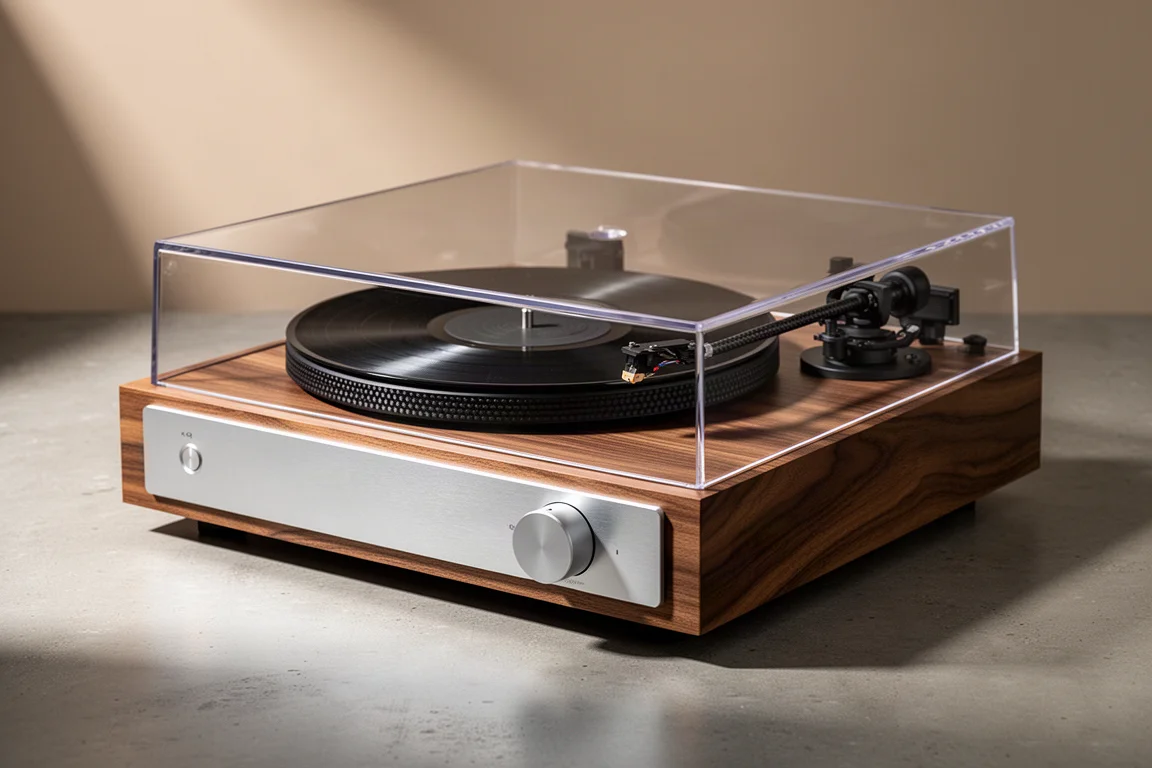
The Stream Sapphire shares its overall silhouette with the more affordable Stream Carbon: the same aluminium front panel and the same low resonance MDF plinth. What changes is the finish. The satin black plinth is replaced by a natural walnut wood veneer, and it is real wood, so it looks and feels substantial up close and suits higher-end interiors.
New here are the height adjustable feet with sound dampening built in. They make table leveling simple and help isolate the turntable from vibration, which matters more than many newcomers expect. Getting a deck level and keeping it away from structural vibration is one of the cheapest ways to protect sound quality, and these feet put that within reach without extra accessories.
On the front panel, an illuminated volume knob flashes green during setup and then turns solid white to confirm a proper connection. It is a genuinely useful addition: if the connected speakers have no volume control of their own, or if you would rather not open an app to change level, the knob handles it directly. Most turntables at this level do not offer one.
A dust cover is included as well. Rather than attaching to the back and folding down, it rests on the platter and extends over the tonearm. It lifts off and goes back on easily and never has to be bolted to the deck, though some owners may prefer a hinged design so the cover has an obvious place to live while a record is playing.
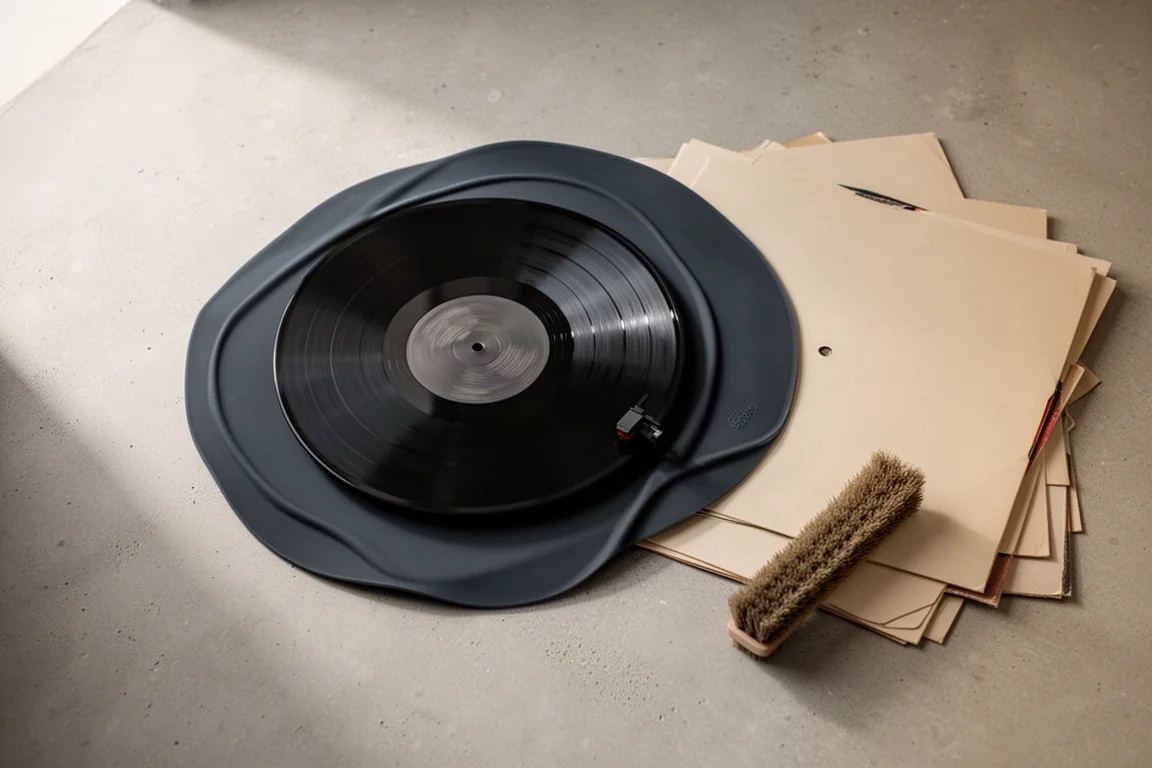
Under the platter, the belt-driven design offers two speeds with a switch for 33 and 45 RPM. The platter feels solid, and the silicone slip mat feels notably premium. An internal servo control for the shared brushless motor allows more torque, which means faster spin-ups and support for heavier record weights. The servo continuously monitors the motor and applies corrections to keep speed locked and accurate.
Tonearm, Cartridge, and Motor Performance
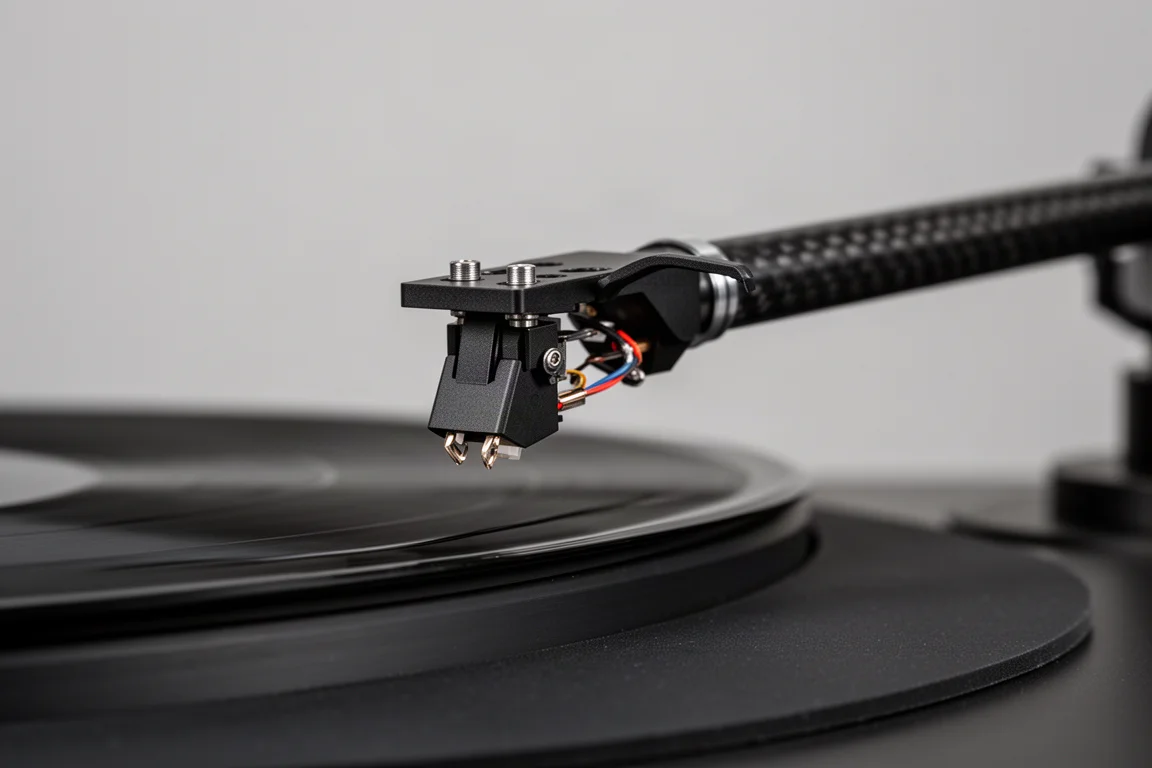
The tonearm is the same carbon fiber design used on the Stream Carbon, with a carbon fiber shaft and a fully detachable custom headshell. That detachability is a practical advantage: swapping cartridges or making adjustments is far easier than with a fixed headshell design. An adjustable counterweight with factory prefixed alignment guides keeps setup simple.
A Ortofon 2M Blue cartridge comes pre-mounted, a well-regarded cartridge at its price point. Because it belongs to the Ortofon 2M family, owners who later want more can move up within the same line to a 2M Bronze or 2M Black without leaving familiar territory.
On the back panel, RCA line level outputs are already routed through the built-in phono preamplifier, so they are ready to connect to any analog input. The phono stage handles the very low signal from the cartridge and amplifies it to a level a receiver or amplifier can accept. Because it is built in, there is no separate phono preamp to shop for.
Day-to-day use is deliberately simple. Once the turntable is set up, lifting the tonearm starts the record spinning, and lowering it begins playback through whichever speakers are selected in the app as the default. Volume can be adjusted on the front knob, in the Victrola app, or in the speaker app. With compatible speakers, playback can be paused and resumed from the exact point where it stopped, which is an unusual and welcome behavior for vinyl. The app also handles settings, wireless playback control from a phone, and firmware updates that help the turntable stay current as the surrounding technology develops.
Things to Consider Before Buying
The built-in phono preamp cannot be bypassed. For most buyers this is a non-issue, since the internal stage is exactly what makes the turntable so easy to connect. It only becomes a limitation if you are set on using your own phono preamp or plan to upgrade to a different one later.
It is also worth being honest about what streaming does to the signal. Sending analog vinyl over a network is, by definition, no longer a pure analog chain. Wired RCA is the only route that preserves that. If the connected speakers sit near the turntable, or if the deck lives in a main listening setup, cables remain the better choice for sound quality, with streaming as the flexible option for other rooms.
The dust cover design is a matter of preference rather than a flaw. It protects the platter and tonearm and comes off in seconds, but it needs somewhere to go while a record plays, and some listeners will prefer a hinged cover for that reason. Finally, if the streaming features hold no interest at all, the Sapphire’s strengths are being paid for without being used, and a simpler analog-focused turntable may suit that buyer better.
Buying Advice
The Stream Sapphire makes the most sense as an addition to an existing network audio system. If there is already a Sonos setup or UPnP-compatible devices in the home, this turntable turns a record collection into another source that can follow you from room to room at 24-bit/48 kHz lossless quality, while still offering RCA outputs for a conventional analog connection.
For that buyer, the package lines up well: a walnut veneer plinth and aluminium front panel that fit a considered interior, height adjustable damped feet, a carbon fiber tonearm with a detachable headshell, a pre-mounted Ortofon 2M Blue, servo-controlled motor accuracy, and a guided setup that a beginner can follow. The trade-offs are specific rather than broad. The phono stage is fixed, the dust cover is a lift-off design, and streaming is not the purist’s path to analog sound.
If you plan to use the streaming features regularly, the Sapphire is easy to recommend. If you want a turntable purely for a wired analog chain and have no interest in multi-room playback, compare it against simpler decks before deciding, since much of its value sits in features you would not be using.
Conclusion
The Victrola Stream Sapphire is built around a clear idea: keep the analog experience available through RCA, and make vinyl effortless to hear anywhere in the home over Wi-Fi. The walnut veneer, damped adjustable feet, carbon fiber tonearm, Ortofon 2M Blue cartridge and servo-controlled motor give it a more refined character than the model below it in the range, and the app-led setup removes most of the friction that keeps newcomers away from vinyl.
Buyers who want vinyl to live inside a wireless speaker system will find it a strong fit. Buyers who want only a traditional wired signal path should weigh whether they will use the network side at all. Match the turntable to the way you actually listen, and the decision becomes straightforward.
Product link
View more details for Victrola Stream Sapphire
This product is mentioned in the review. Check the specifications, options, and compatibility before buying.
View more details for Victrola Stream SapphireFurther reading
Related Reviews
Turntables
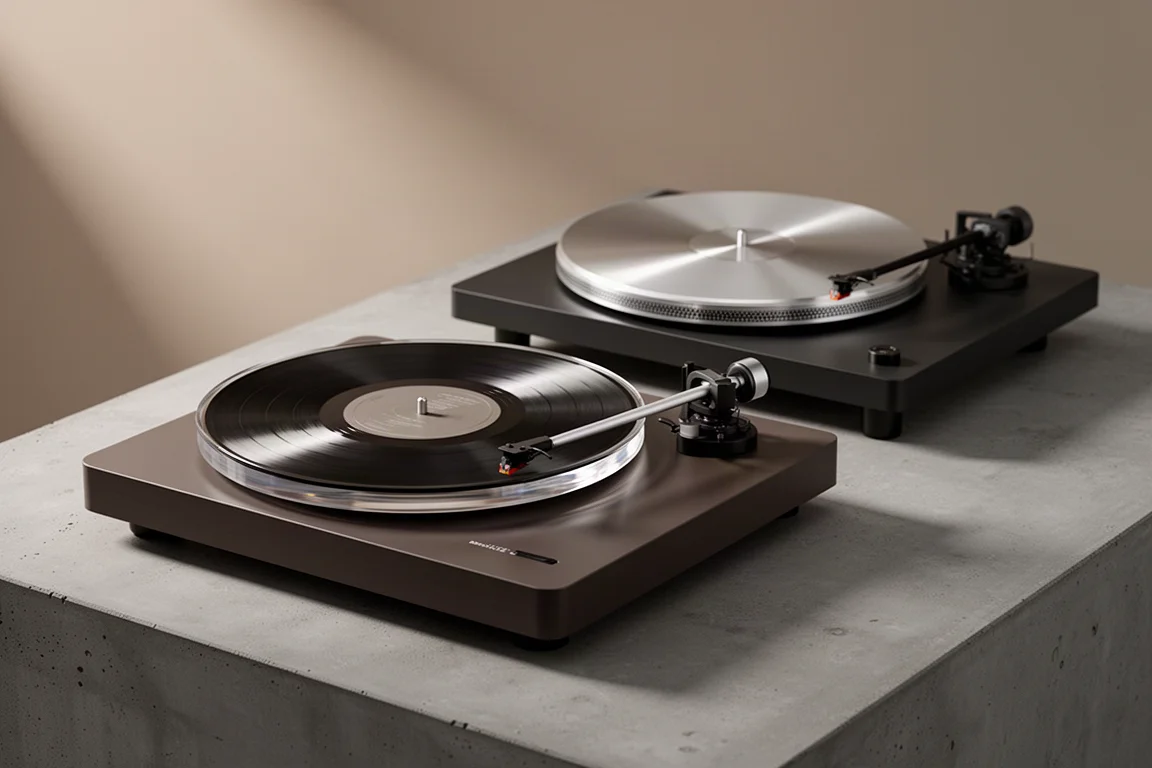
Best Turntables 2026: Seven Standout Picks From Entry Level to Premium
A practical roundup of seven turntables worth considering, from a US-made budget deck to small-batch premium models with a clear upgrade path.
Turntables
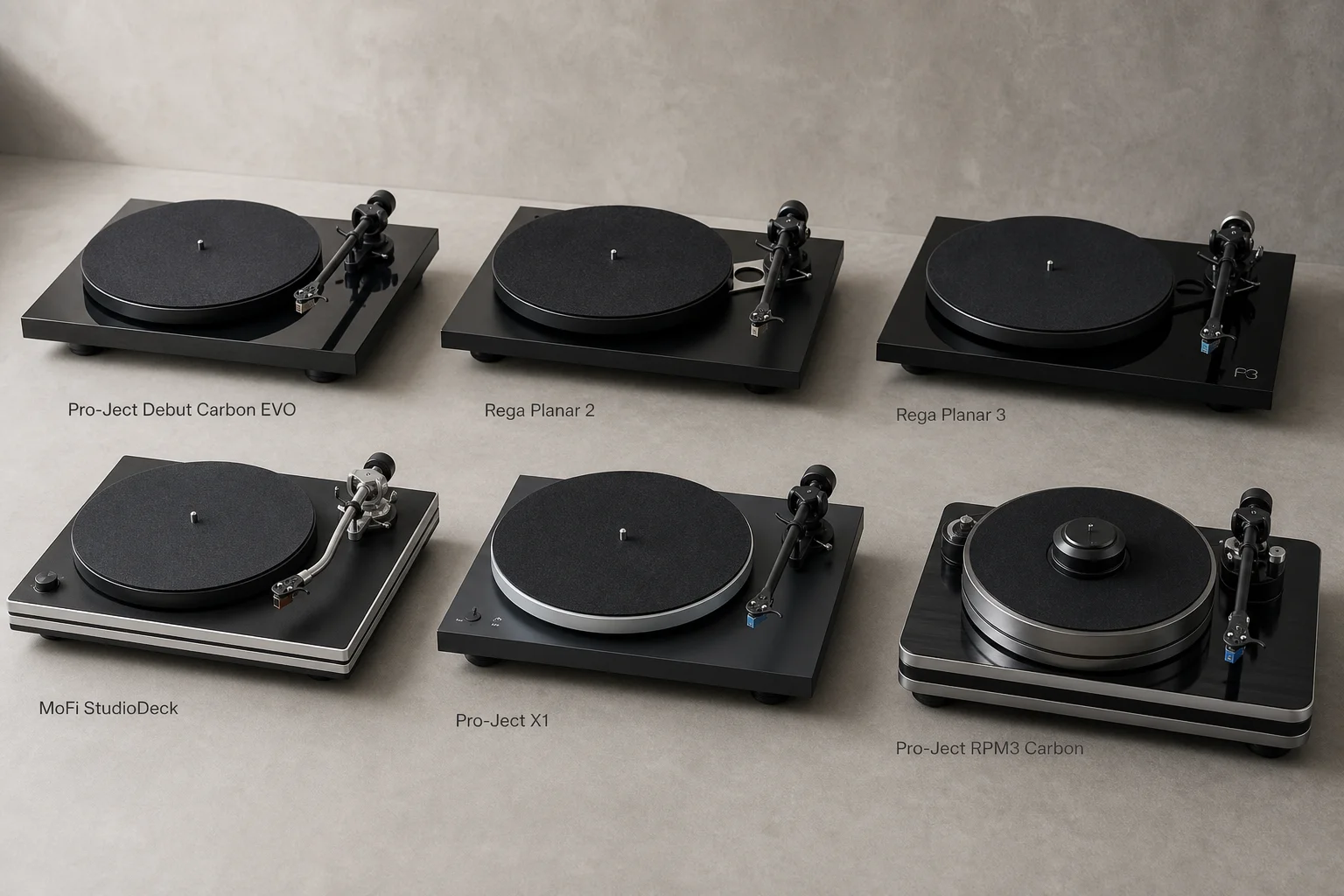
Best Turntables Under $1,000: Five Fully Manual Picks Worth Considering
Five fully manual turntables under $1,000, compared on build quality, cartridges, upgrade potential, and the character of sound each one brings to a system.
Turntables
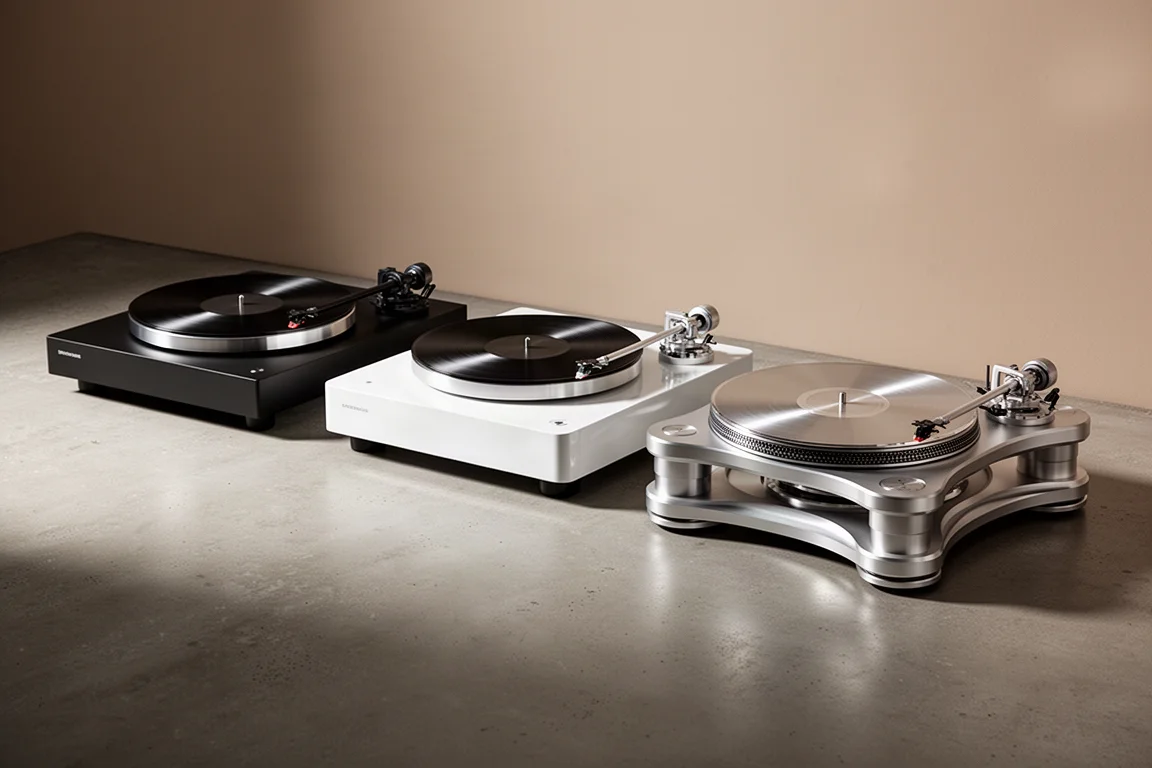
Best Turntables Under $2,000: Six Vinyl Decks Worth Building a System Around
Six turntables under $2,000, from a value-focused belt-drive deck to a fully balanced design, with the strengths and trade-offs that matter before you buy.