Outdoor Tech
Verizon Satellite Messaging Review: Free Satellite Texts on the Pixel 9 and Galaxy S25
A practical look at Verizon satellite messaging on the Pixel 9 and Galaxy S25, how it performs outside cell coverage, and when a dedicated satellite communicator still makes more sense.
Introduction
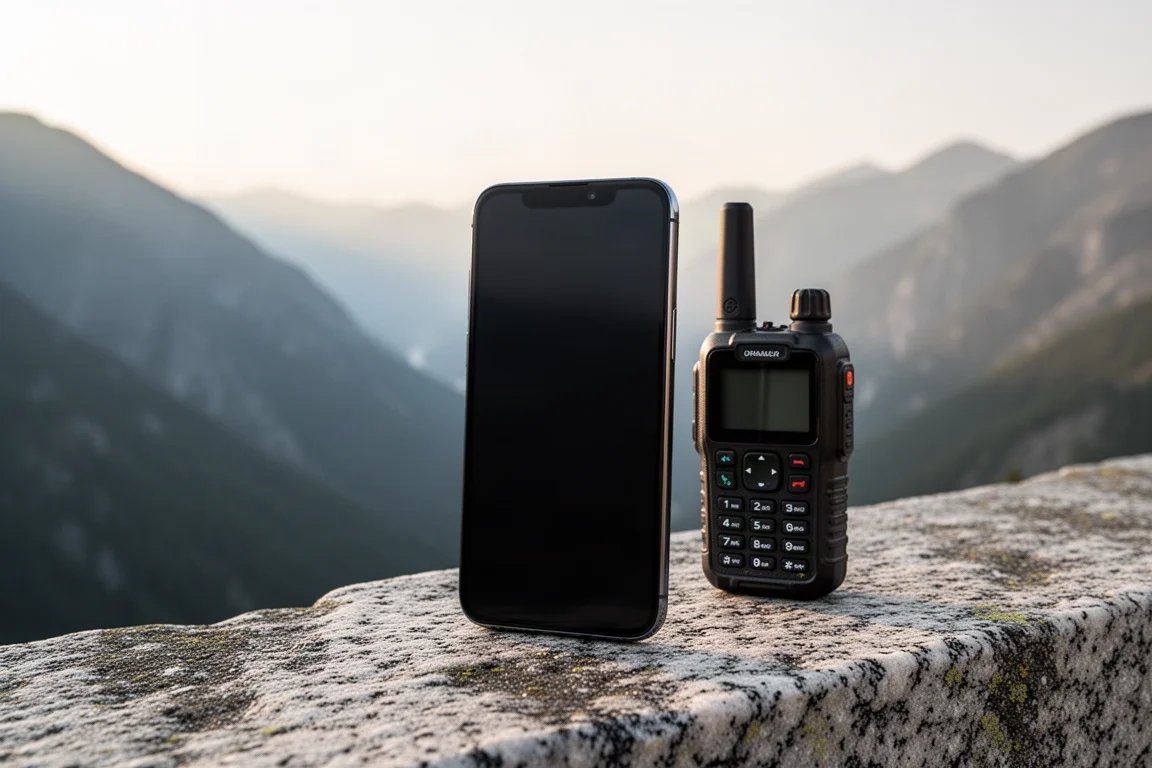
Satellite messaging is quickly becoming a standard feature on premium phones, and Verizon’s version of it is now available at no extra cost on the Google Pixel 9 and the Galaxy S25. Rather than a separate app, it lives inside the native Messages app, so there is nothing to install or configure before heading out of coverage.

The more useful question is where the service fits in a real outdoor kit. Apple and T-Mobile both connect through low Earth orbit satellites a few hundred miles above the ground, while the Verizon implementation on the Pixel uses geostationary satellites thousands of miles higher. From the user’s side of the screen, that difference is invisible. Messages sent in backcountry conditions typically arrived in under a minute, and often within seconds.
How Verizon Satellite Messaging Works
Setup is minimal. On Android 15 and above the feature runs through the standard Messages app. When the phone is outside terrestrial cell coverage, a prompt appears asking whether to connect to a satellite. Accepting it opens an alignment screen where a bubble has to be centered inside a circle, which points the phone toward the satellite overhead.
Because those satellites are geostationary, they hold a fixed position relative to the ground. Once the phone is aimed correctly, the connection stays up as long as the device keeps pointing that way, and the alignment screen shrinks to a small corner indicator while messages are sent. The link is not always on the way a Starlink connection can be. It is established deliberately for sending and receiving, then disconnected when the conversation is finished.
The service layer behind it comes from a company called Skylo, which supplies modules for newer phones with satellite-capable modems. Skylo does not own satellites. It encrypts and packages the outgoing message, broadcasts it through partner satellites, and leases time from the ground stations that receive it, after which the message is forwarded to the recipient’s carrier. The same path runs in reverse. The technology is already used in devices such as the HMD Offgrid and the Motorola Defy Satellite Link, along with a number of non-consumer products.
Real-World Performance on the Trail
Out in the backcountry, the connection held up well once the phone was aligned. With the bubble centered and the link established, messages went out without failures, usually in under a minute and frequently in seconds.
Cross-platform messaging stands out as the strongest practical feature. A Verizon-connected Pixel 9 was able to exchange messages with an iPhone 16 running Apple’s satellite messaging, with round trips generally finishing inside a minute. For camping trips and remote hikes where friends carry different phones, that keeps the conversation going with no cell service at all.
Not every satellite system behaves identically in the field. On the same outings, a Starlink connection on an iPhone was not always available even where there was no cell coverage, though it usually came on eventually.
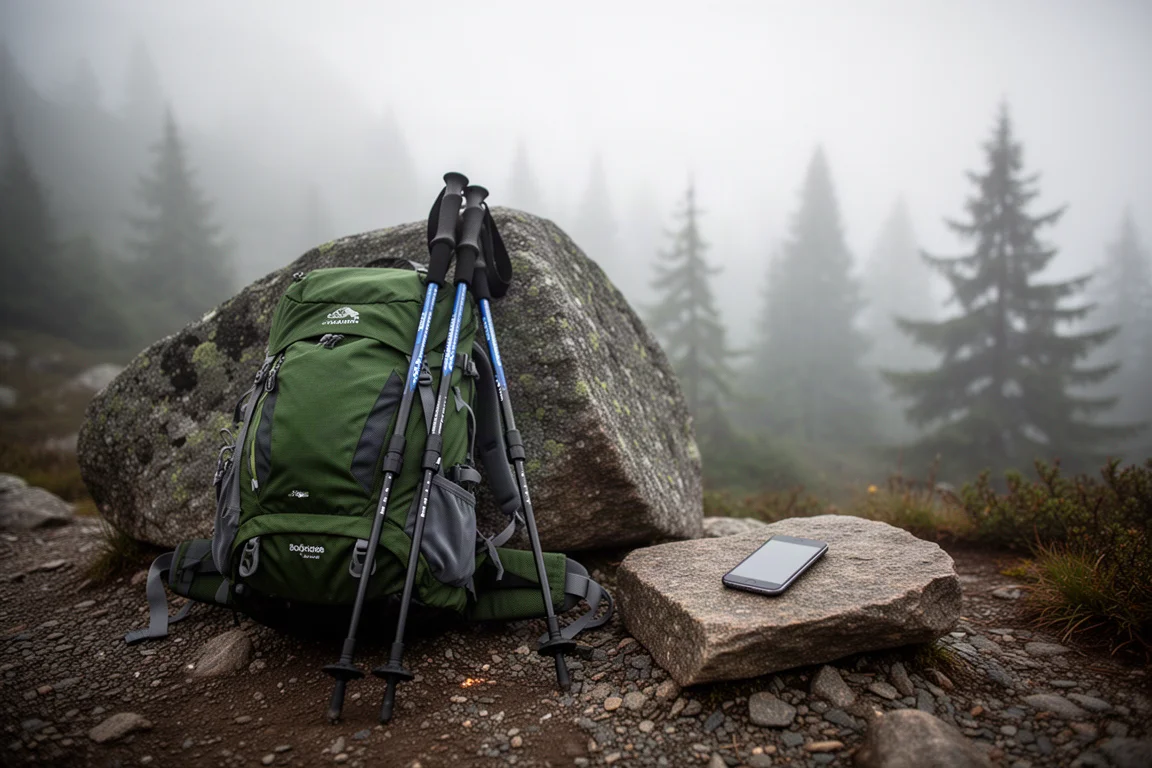
The aiming process feels familiar to anyone who has used Apple’s satellite features, with one difference: there is no moving satellite to chase. Keeping the phone pointed in a single direction is enough.
Emergency SOS and Garmin Response
Emergency use follows a similar rhythm. The antenna is pointed at the satellite, and a questionnaire gathers the details of the situation before the request is transmitted. This capability has been available on the Pixel 9 for some time.
Where that information lands is the more meaningful distinction. Apple forwards its emergency questionnaire to a 911 call center. Verizon routes it to Garmin Response, the same emergency coordination center used by Garmin inReach devices. Garmin Response is organized around backcountry emergencies, such as a broken ankle on a mountain summit or a boat taking on water far offshore, rather than the traffic collisions, cardiac events, and domestic incidents a typical 911 center handles. T-Mobile’s Starlink service takes a third approach, sending a text to 911 that is forwarded along with location data to a call center equipped for it.
Who This Is For
For casual hikers, families on a national park trip, or anyone who simply wants a way to reach people once the signal bars disappear, this is an easy recommendation. It also works as a replacement for a paid messaging plan on a Garmin device, and it can exchange messages with other satellite-enabled phones, which matters on group trips where not everyone carries the same hardware.

It is not a substitute for a dedicated satellite communicator when life safety is the priority. A Garmin inReach offers worldwide coverage, a rugged housing, and battery life that lasts considerably longer. A smartphone is tough enough for everyday adventures, but it was never built as a backcountry instrument.
Things to Consider Before Buying
The connection is manual by design. Every message session starts with pointing the phone and connecting to a satellite, and ends with disconnecting, which is different from an always-checking service that quietly maintains a link in the background.
Durability and battery life are the other practical limits. A phone carried in a pocket is not built to the same standard as a rugged handheld, and its battery is not sized for extended standby in cold, remote conditions. Apple’s satellite SOS, available for several years now, has been used in real rescues, which suggests phone-based emergency messaging is a viable tool. The hardware around it is simply less specialized.
Availability is also worth checking before relying on the service. Verizon’s satellite messaging is currently offered in a limited set of locations. The underlying network has a wider global footprint, and expansion is largely a matter of regulatory approval rather than technical capability.
Buying Advice
Anyone who already owns a supported phone has little reason not to use this. It costs nothing extra at the moment, and it turns a device already in a pocket into a basic communication and safety tool for remote areas.
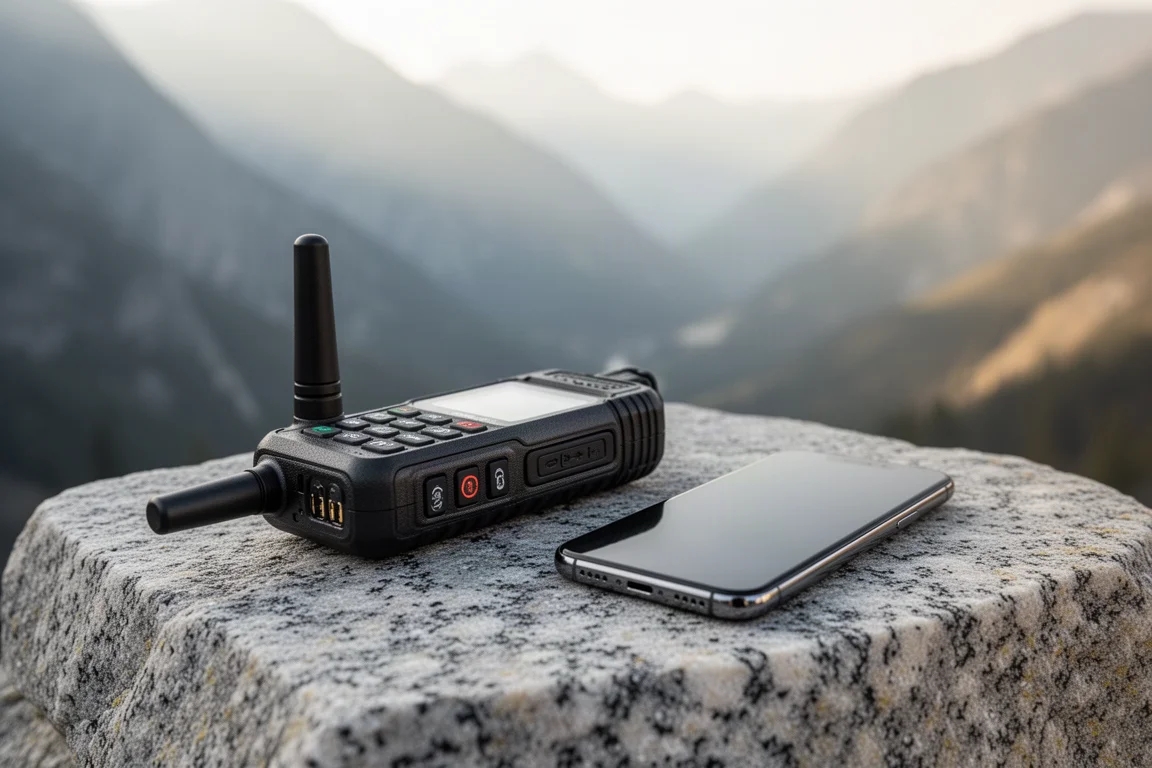
For trips where an injury or a wrong turn could become a multi-day situation, a dedicated satellite communicator remains the more dependable option. For everything short of that, the satellite messaging built into the Pixel 9 and Galaxy S25 covers the essentials well.
Conclusion
Verizon’s satellite messaging is a genuinely useful addition for anyone who spends time outside cell coverage. Messages arrive quickly, cross-platform texting works, and emergency requests are handled by specialists who understand backcountry situations. It is free on supported devices at the time of writing, which makes it an easy feature to keep enabled. Just keep expectations calibrated: this is a capable backup for everyday adventures, not a replacement for a rugged satellite communicator when the stakes are highest.
Product link
View more details for Verizon Satellite Messaging
This product is mentioned in the review. Check the specifications, options, and compatibility before buying.
View more details for Verizon Satellite MessagingFurther reading
Related Reviews
Outdoor Tech
PeakDo LinkPower Starlink Mini Battery Review: Reliable Off-Grid Power
A TSA-compliant 99Wh battery that clips directly onto the Starlink Mini dish, offering over four hours of run time and USB-C solar charging.
Outdoor Tech
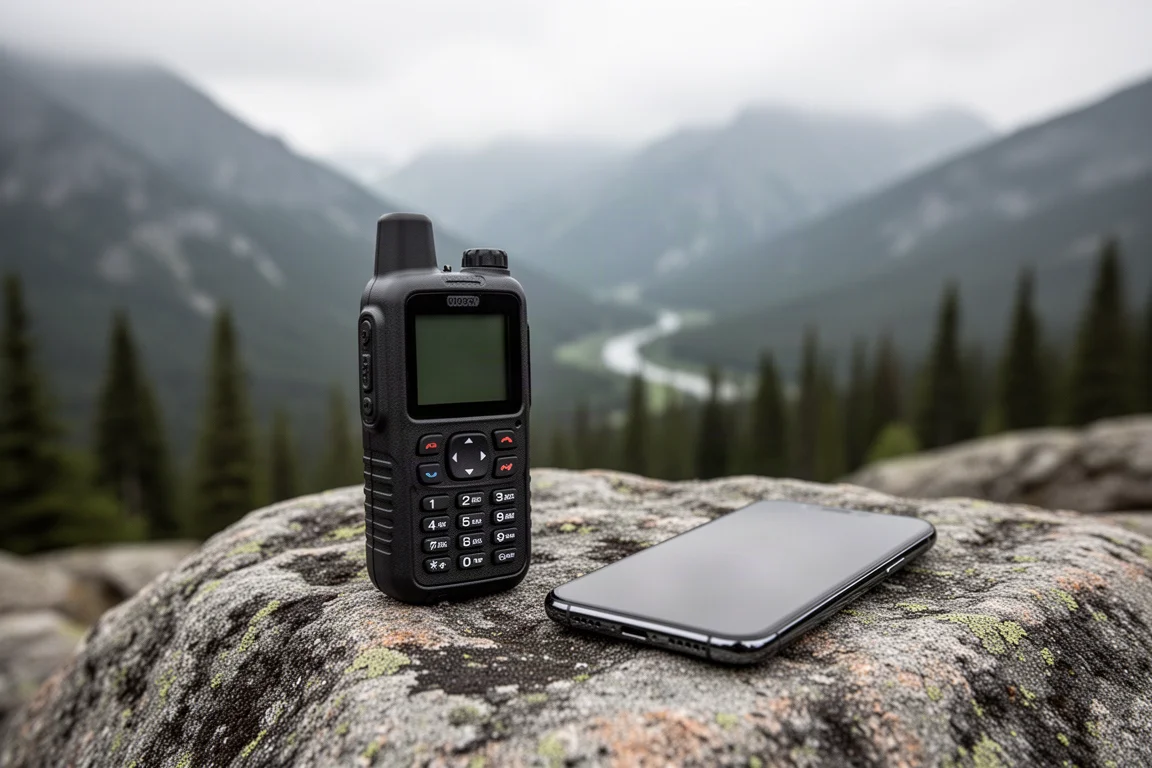
Satellite Messaging Showdown: iPhone 14, Garmin inReach Messenger Plus, and Hiboy P6
Apple's built-in satellite messaging, Garmin's photo and voice capable communicator, and an affordable all-terrain e-bike compared on hardware, coverage, and cost.
Outdoor Tech
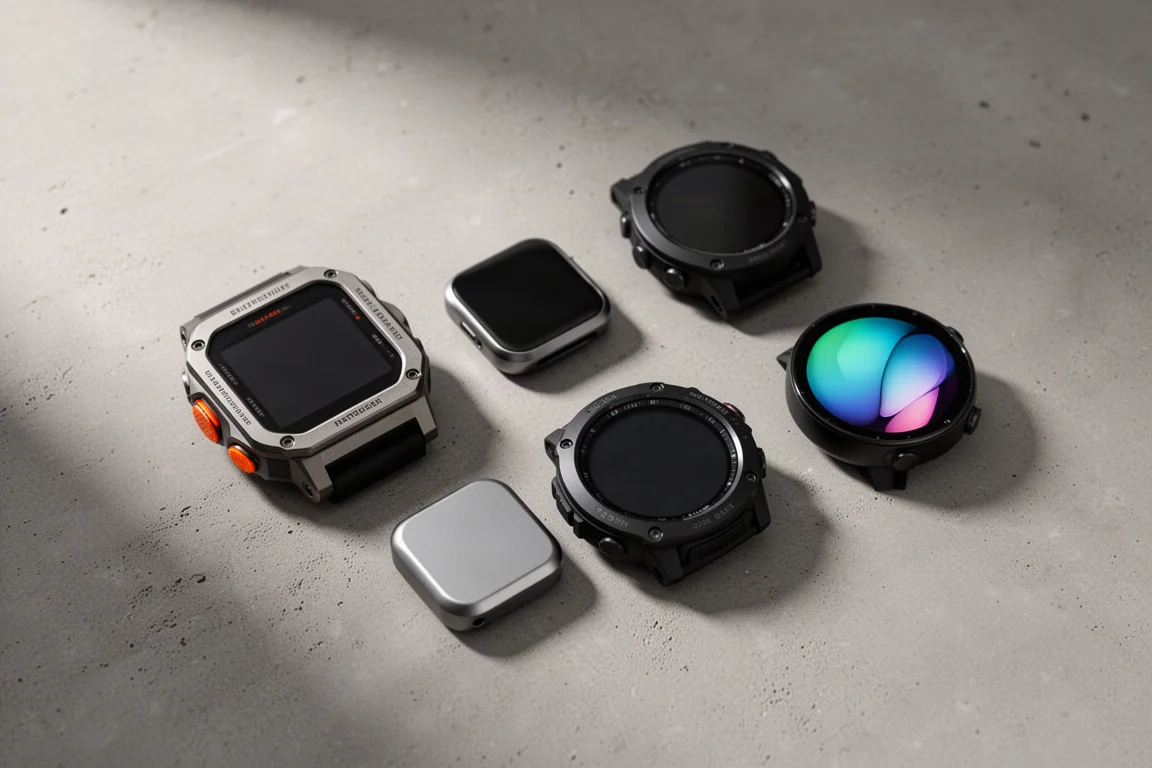
Apple Watch vs Garmin: Which Outdoor Watch Should You Buy?
A practical comparison of the Apple Watch Ultra, Apple Watch SE, Garmin Fenix 6, and Garmin Epix for daily wear and outdoor use.