Outdoor Tech
Apple Watch vs Garmin: Which Outdoor Watch Should You Buy?
A practical comparison of the Apple Watch Ultra, Apple Watch SE, Garmin Fenix 6, and Garmin Epix for daily wear and outdoor use.
Introduction
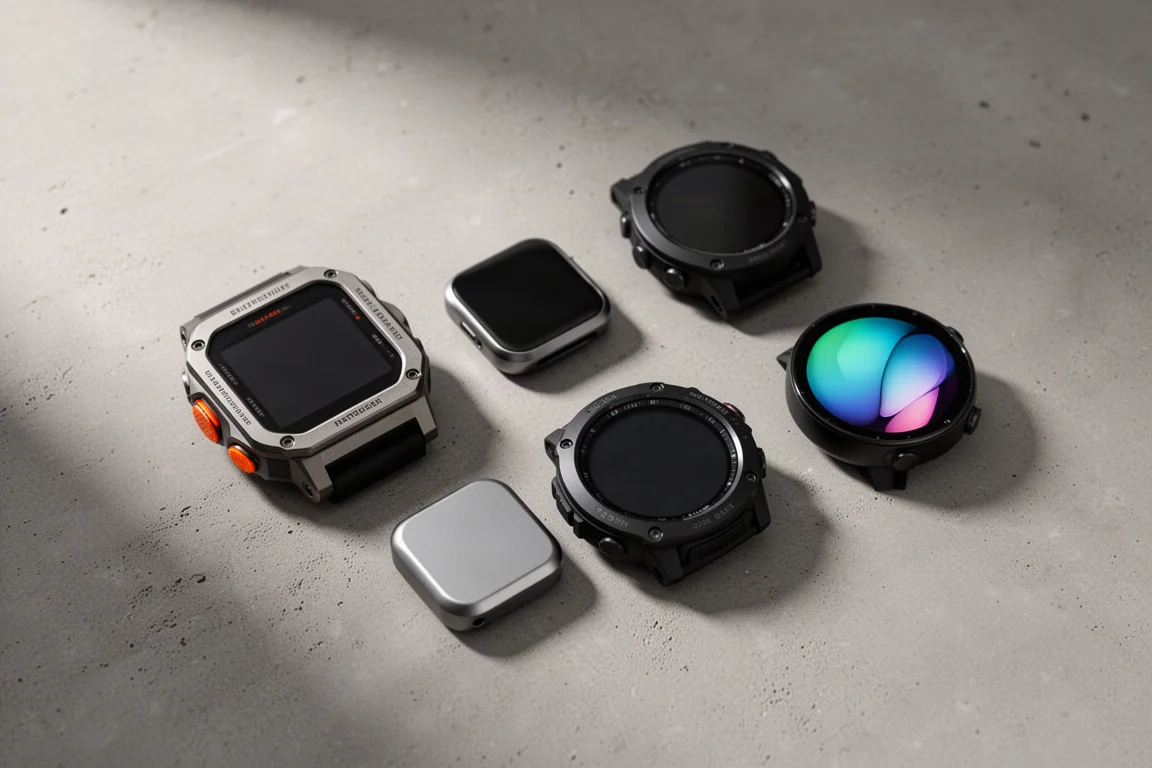
Choosing between an Apple Watch and a Garmin is less about which watch is better and more about how you spend your time. Apple and Garmin are two of the biggest players in outdoor tech, and both make watches that can handle daily life and time outside. The difference comes down to priorities.
The Apple Watch is widely regarded as the best daily driver, especially if you already use an iPhone. Apple products work together seamlessly, and that integration is hard to match. A Garmin works with an iPhone, but it does not do everything an Apple Watch can do in the same effortless way. For many people, that daily convenience matters more than outdoor-specific features.
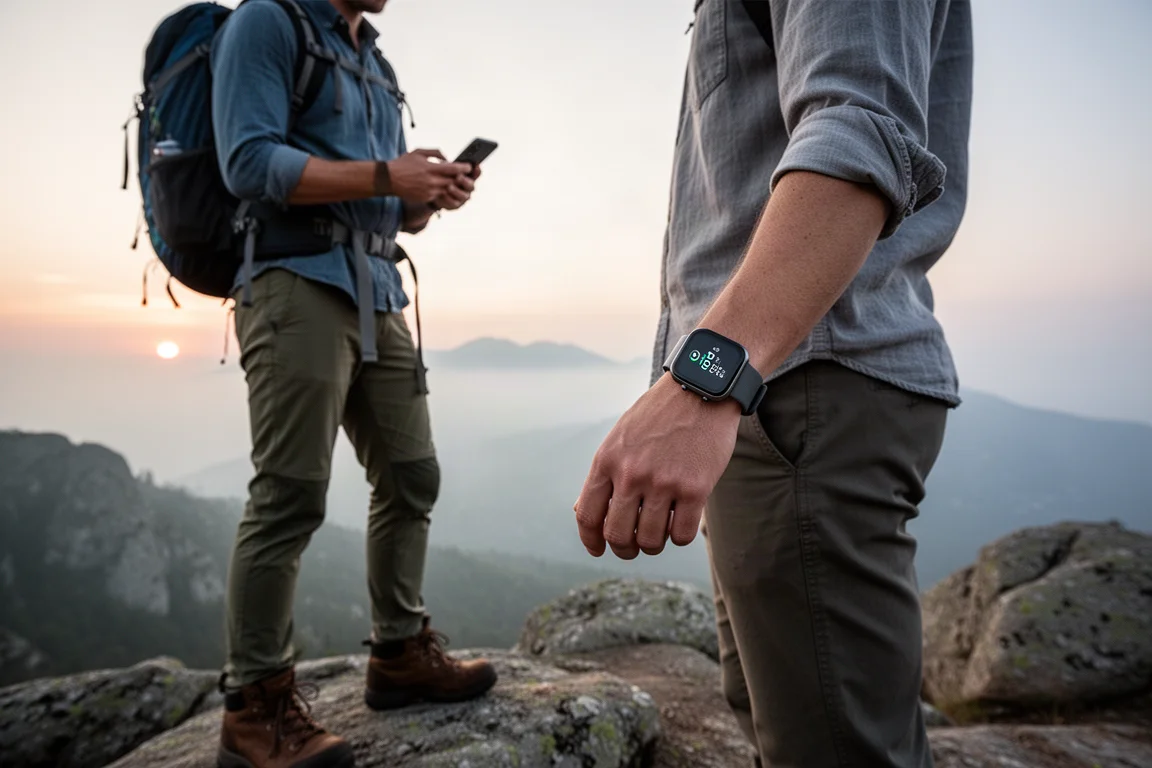
That does not mean Garmin is the wrong choice. For rugged outdoor use, longer battery life, and a dead-simple tool that works no matter what, a Garmin device is often the better fit. The right answer depends on whether your watch is primarily a daily companion or an outdoor instrument.
What Matters Most in an Outdoor Watch
Before comparing specific models, it helps to know what separates a good daily watch from a serious outdoor tool. Daily integration, battery life, offline maps, third-party app support, ruggedness, and learning curve all play a role.
The Apple Watch Ultra, Apple Watch SE, Garmin Fenix 6, and Garmin Epix all have strong GPS performance and battery life that meets the needs of most people more than 90 percent of the time. The bigger differences are in how they handle offline navigation, how much they cost, and how much patience they require.
Offline maps are a key example. The Apple Watch Ultra did not ship with built-in offline maps or Apple Maps for hiking trails. Instead, Apple relies on its App Store, where third-party apps can add those features. Garmin watches, by contrast, are built around outdoor navigation from the start.
Apple Watch Ultra: The Best Daily Driver With Outdoor Ambitions
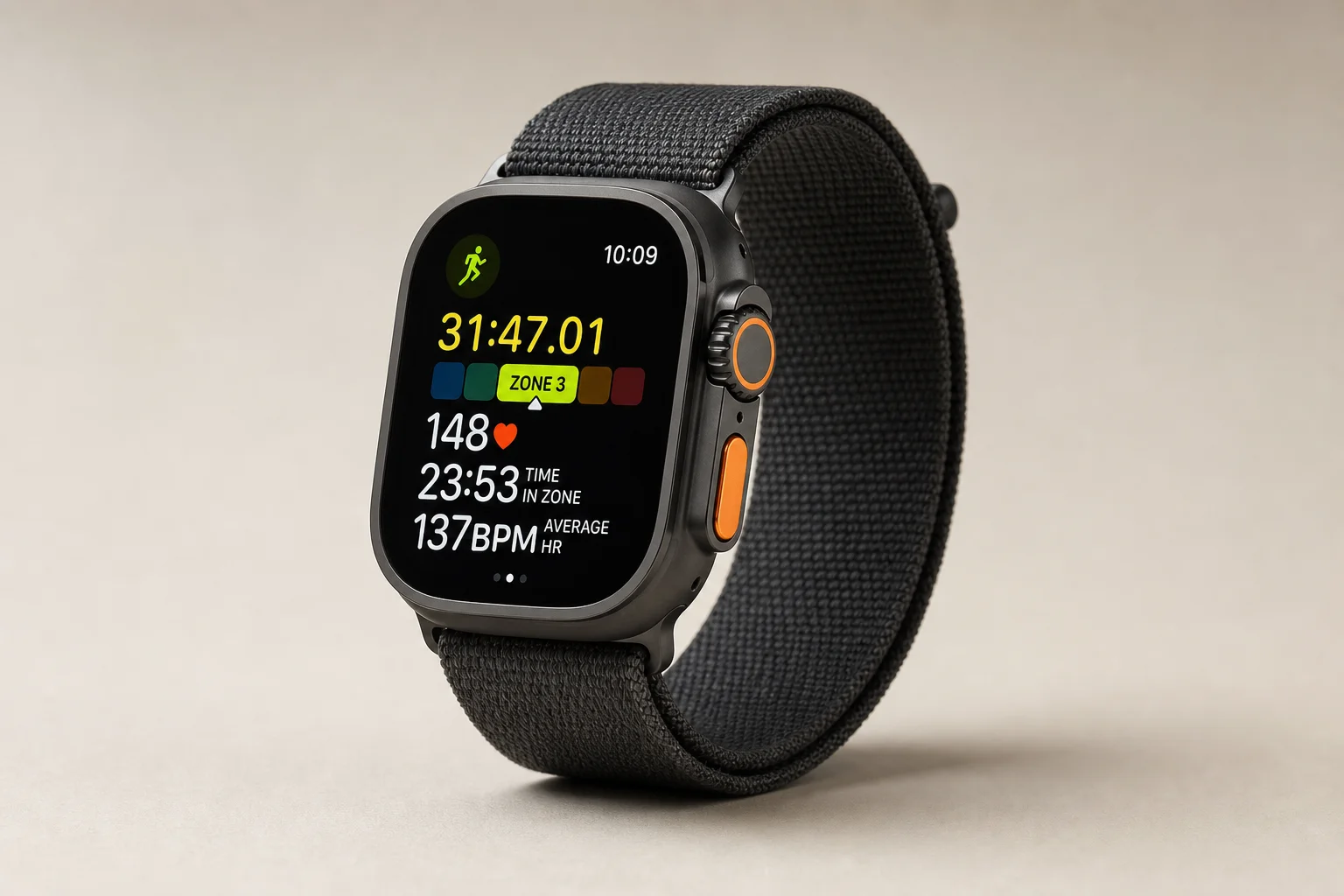
The Apple Watch Ultra is an expensive Apple Watch. It brings a bigger battery, a more durable build, and a larger crown, but it does not add much outdoor-specific functionality beyond that. When it launched, many people expected it to be a Garmin killer with offline maps and built-in hiking trail support. That did not happen.
The good news is that third-party apps can close much of the gap. Footpath and WorkOutDoors are two strong options. Footpath offers offline maps on the Apple Watch and turn-by-turn directions, similar to following a GPX route on a regular GPS device. It can show pop-up prompts such as a turn onto a nature loop trail. Some of its best features, including offline maps, require a premium subscription. WorkOutDoors offers hundreds of different data screens, offline maps, and customizable multi-screen layouts that feel much more like a Garmin experience. Both apps require an additional purchase or subscription on top of the Apple Watch Ultra price.
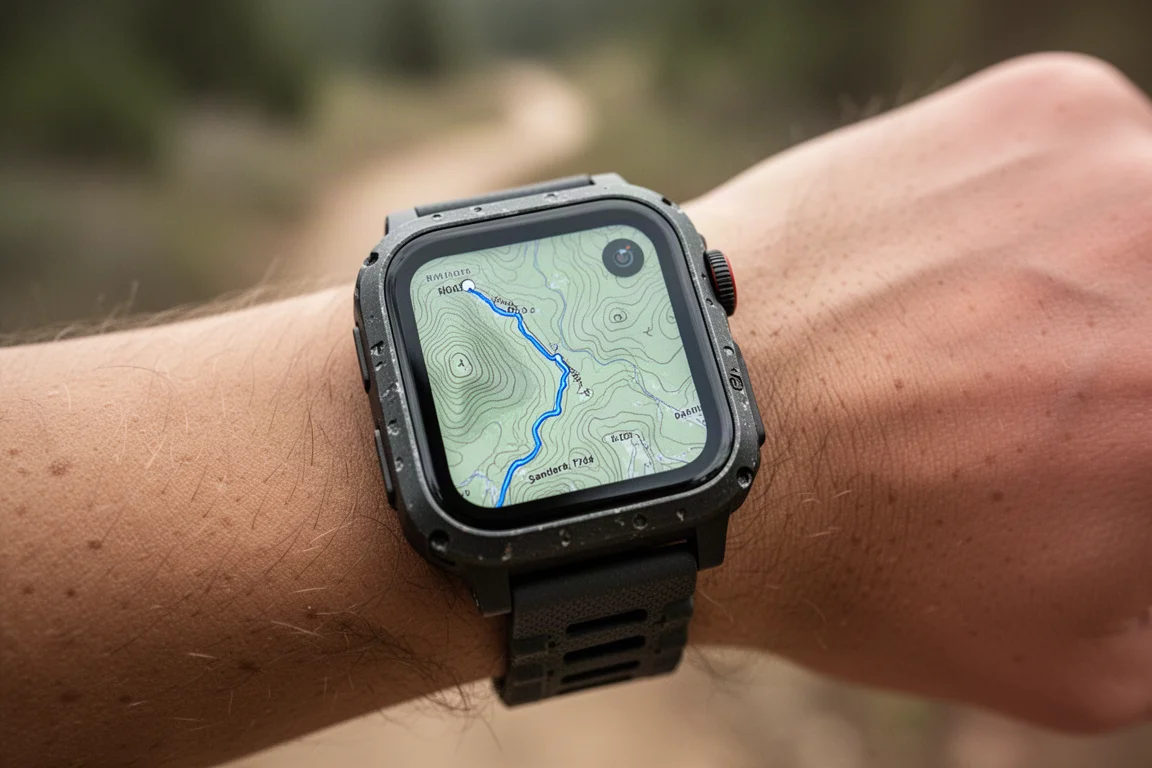
Battery life is manageable if you use the right settings. The Apple Watch Ultra has a general low power mode and a workout low power mode. General low power mode turns off the always-on display, which otherwise drains the battery for no real benefit during long outdoor days. Both Footpath and WorkOutDoors also support the Action Button, and you can customize what the button does in each app’s settings.
For daily wear, the Apple Watch Ultra is hard to beat. It is the watch most people will want to grab for work, errands, and everyday life, and it can handle longer hikes and edge cases when you need it to.
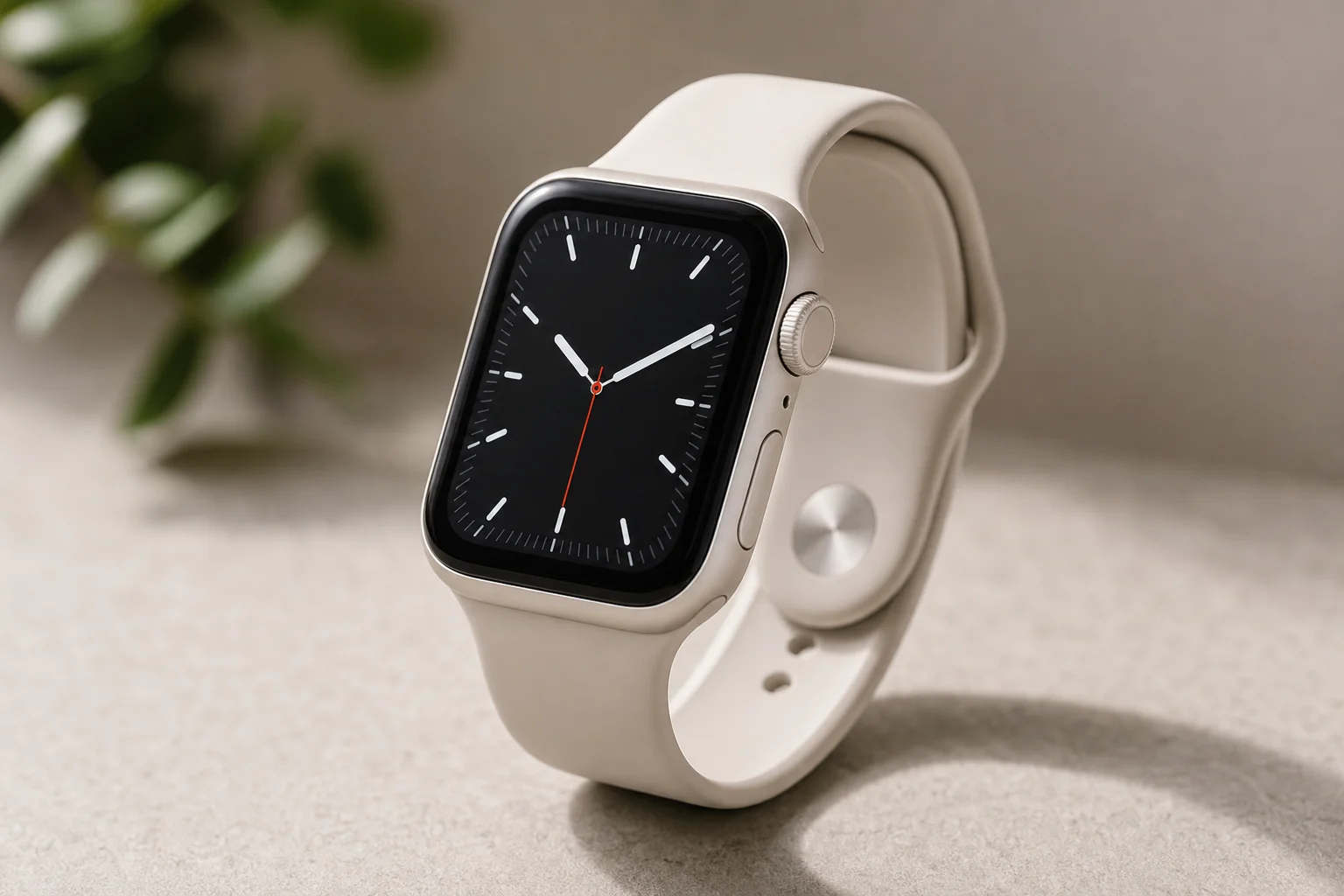
Apple Watch SE: A Lower-Cost Route Into the Same Ecosystem
Not everyone wants to spend Ultra money on a watch. The Apple Watch SE is a more affordable way to get into the Apple Watch ecosystem, and it can still run the same third-party hiking apps. Footpath and WorkOutDoors work across Apple Watch models, including older ones, though support may not go all the way back to the earliest generations.
The trade-offs are predictable. Battery life is lower, GPS performance is not as strong as the Ultra, and there is no Action Button. For most people, that is still enough. Most hikes are a few hours, not twelve-hour expeditions. If you are hiking three, four, or five hours, an Apple Watch SE is a great choice and much lighter on the wrist than a large rugged watch.
The Apple Watch SE makes the most sense for casual hikers who want Apple Watch connectivity, app support, and daily convenience without paying for the Ultra’s extra durability and battery.
Garmin Fenix 6: A Rugged Outdoor Tool
Garmin watches have a steeper learning curve than Apple Watches. Everything on an Apple Watch feels intuitive from the start. Garmin takes more time to learn, but once you learn one Garmin watch, you can use all of them. That consistency is a real advantage for people who stay in the Garmin ecosystem.
The Garmin Fenix 6 Sapphire is a rugged, expensive watch in the $800 to $900 range. The Garmin Fenix 6 Sapphire model does not have a touchscreen, which is worth knowing before you buy. It is a capable outdoor tool with good GPS and battery life, but it is not the kind of watch that disappears into daily life the way an Apple Watch does. For some users, it ends up collecting dust when daily convenience matters more.
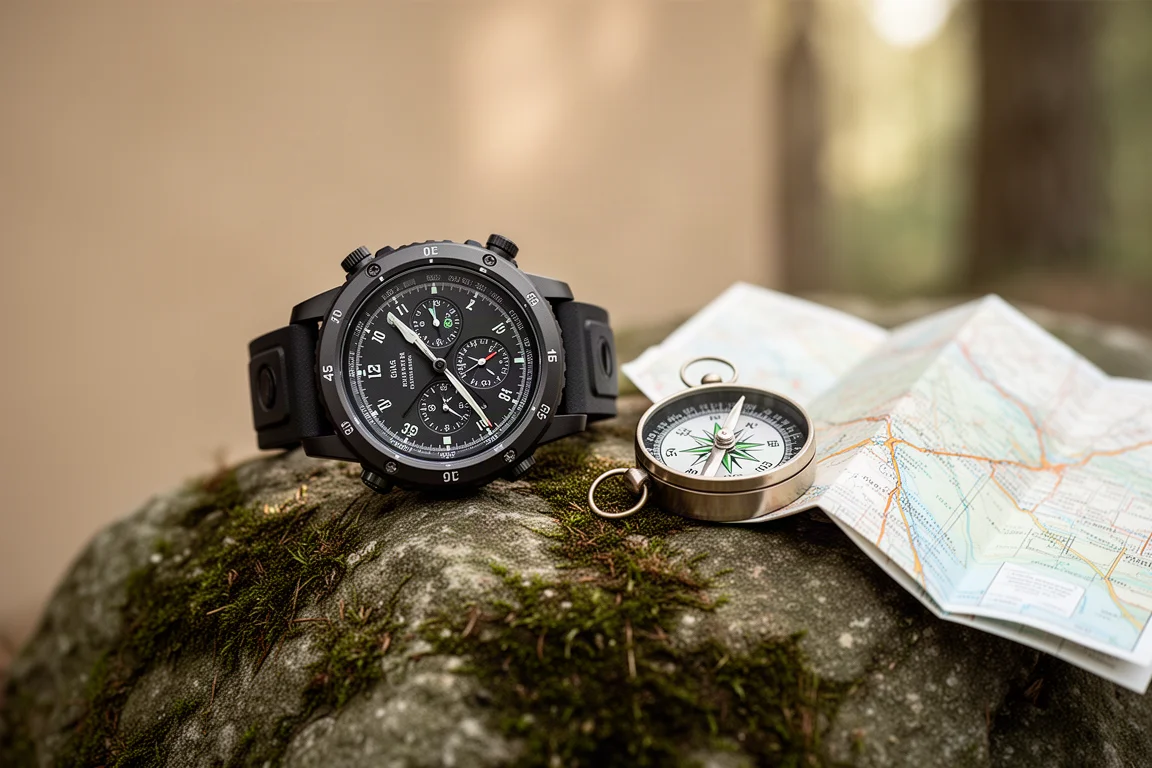
That said, the Fenix 6 is still a strong choice for outdoor-focused users. If you need something rugged that works in challenging conditions and you are willing to learn the interface, it delivers. Newer Garmin models like the Fenix 7 and Epix add features such as touchscreens and brighter displays, but the Fenix 6 remains a solid, durable option.
Garmin Epix: Garmin Durability With an AMOLED Display
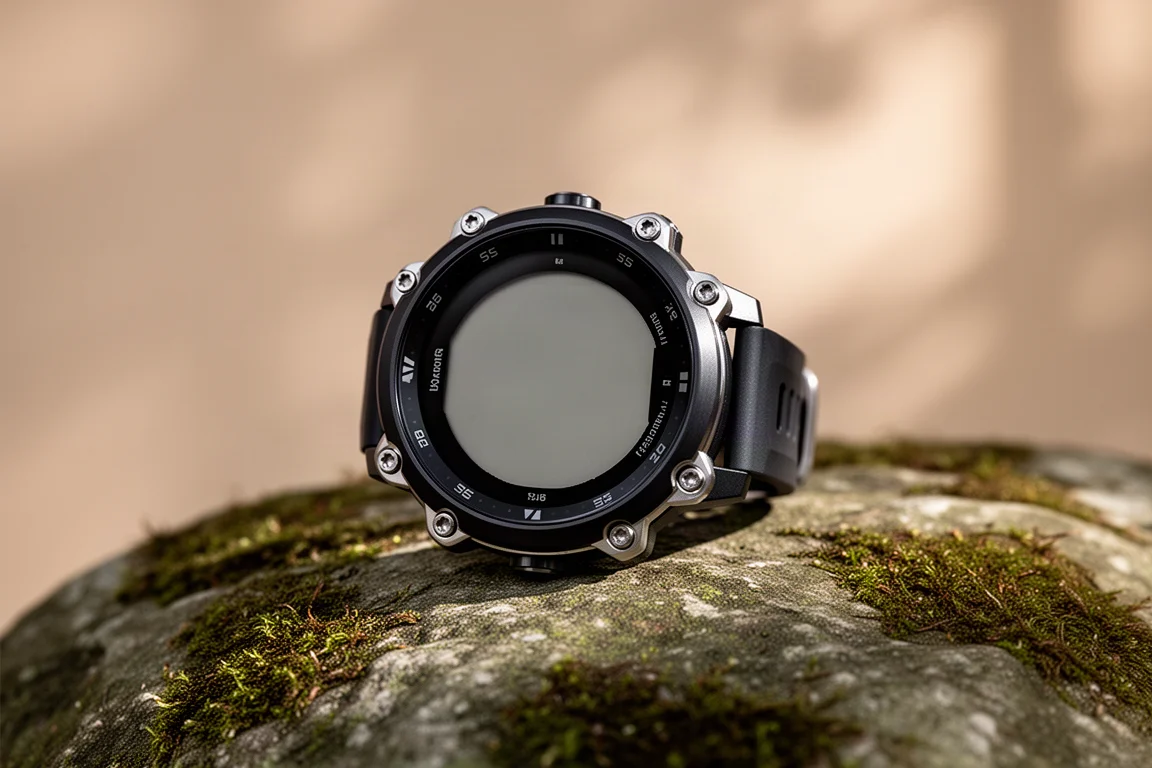
The Garmin Epix sits somewhere between a Fenix and an Apple Watch. It has an AMOLED screen, which means higher resolution, more colors, and a brighter, more readable display. On maps, that extra detail makes it easier to see trail names. It also has a touchscreen, though you can disable it if you prefer physical buttons.
The Epix keeps Garmin’s outdoor strengths while adding a more modern display experience. It is still a Garmin at heart, so expect the same learning curve and the same focus on outdoor functionality. For someone who wants Garmin durability but also wants a screen that feels closer to a premium smartwatch, the Epix is the more inviting option.
Overall Buying Advice
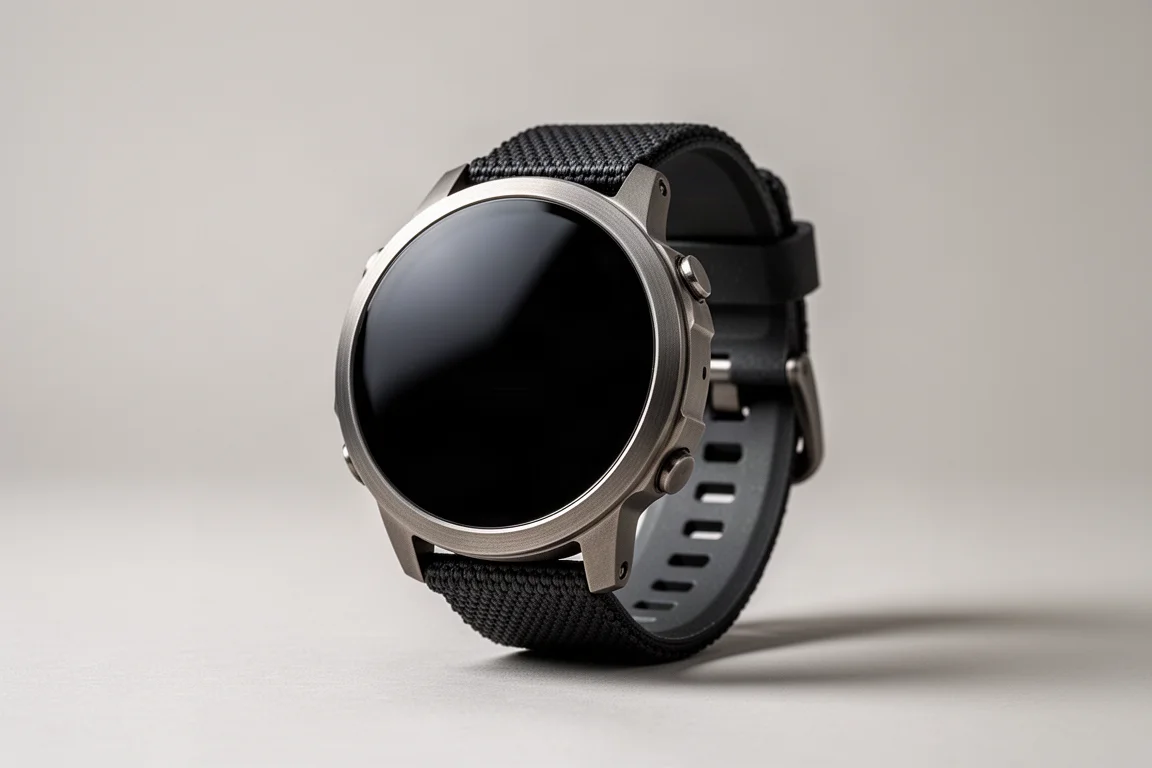
The best choice depends on your lifestyle. If you are a casual hiker who does a bucket-list hike every once in a while or a backpacking trip now and then, but 90 percent of your life is spent at a desk or in the front country, an Apple Watch is the better fit. It can handle longer hikes and the occasional edge case, and it remains the best daily driver.
If you work for the forest service, run ultras, or spend a lot of time outside, you will likely want a Garmin device. It is rugged, has longer battery life, and is dead simple once you learn it. It works no matter what, which is exactly what you want in serious outdoor conditions.
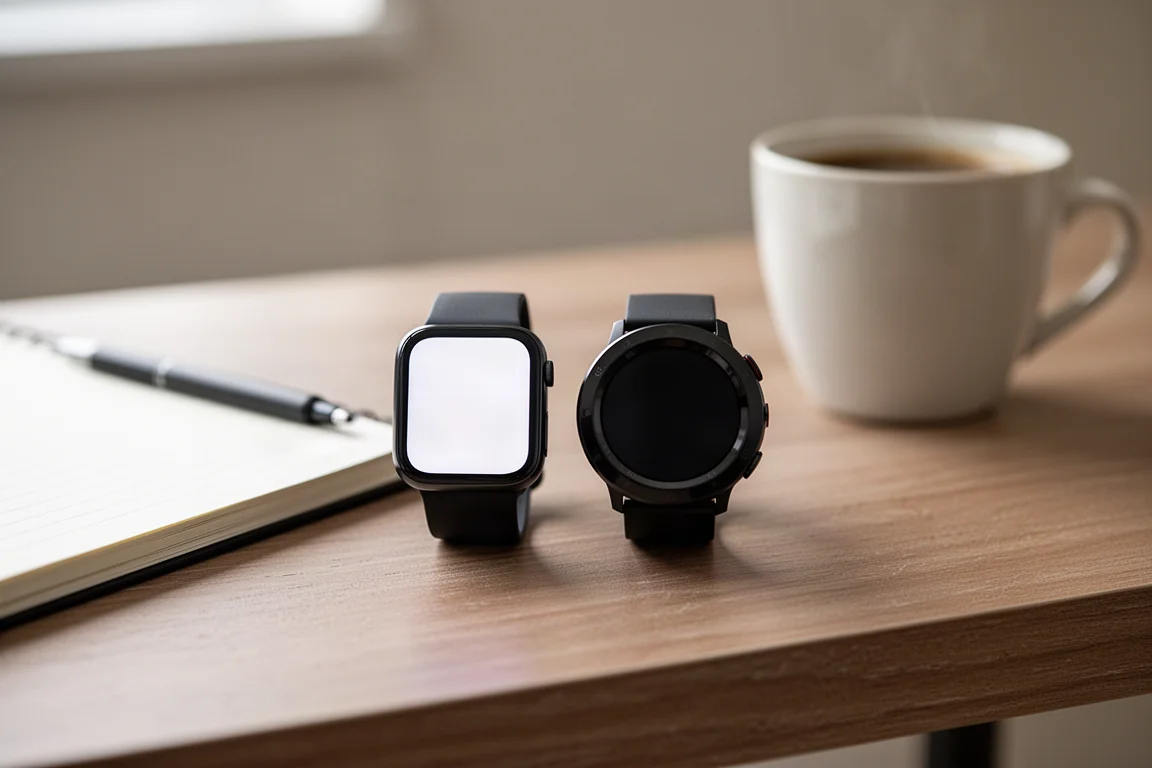
For a front-country hike in a county park, when you still want to stay connected but also want to hike, the Apple Watch is the one to take. For a challenging backcountry outing, the Garmin is the better tool. Both Apple Watch and Garmin watches have good GPS and battery life, and both meet most people’s needs more than 90 percent of the time. The next major leap will likely be satellite communication directly in watches, something that could eventually replace or supplement handheld devices like the Garmin inReach Mini. That is still a couple of years away, and handhelds will likely remain more capable when it arrives.
Conclusion
Apple and Garmin both make excellent outdoor-capable watches, but they aim at different priorities. The Apple Watch Ultra and Apple Watch SE are the stronger choices for daily wear, iPhone integration, and occasional outdoor use, especially with third-party apps like Footpath and WorkOutDoors. The Garmin Fenix 6 and Garmin Epix are better suited to rugged, outdoor-first users who need longer battery life and a tool that works in demanding conditions.
If you want one watch that handles work, life, and the occasional hike, start with an Apple Watch. If you need a dedicated outdoor instrument that can take a beating, a Garmin is the more natural fit.
Further reading
Related Reviews
Outdoor Tech
PeakDo LinkPower Starlink Mini Battery Review: Reliable Off-Grid Power
A TSA-compliant 99Wh battery that clips directly onto the Starlink Mini dish, offering over four hours of run time and USB-C solar charging.
Outdoor Tech
Satellite Messaging Showdown: iPhone 14, Garmin inReach Messenger Plus, and Hiboy P6
Apple's built-in satellite messaging, Garmin's photo and voice capable communicator, and an affordable all-terrain e-bike compared on hardware, coverage, and cost.
Outdoor Tech
Best Satellite Communicators for Backcountry Safety: What to Know Before You Buy
A practical guide to satellite messengers and emergency communicators, from the Garmin inReach Mini 2 and GPSMAP handhelds to ZOLEO, Bivy Stick, Somewear, SPOT Gen4, the iPhone 14 and the Apple Watch Ultra.